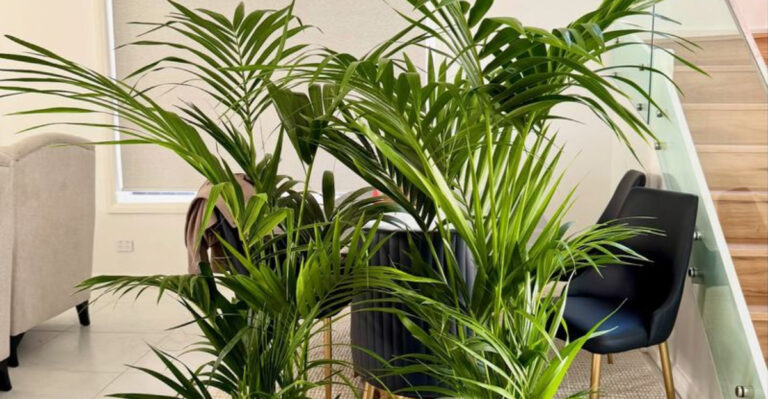
8 Texas Plants That Attract Songbirds To Your Yard
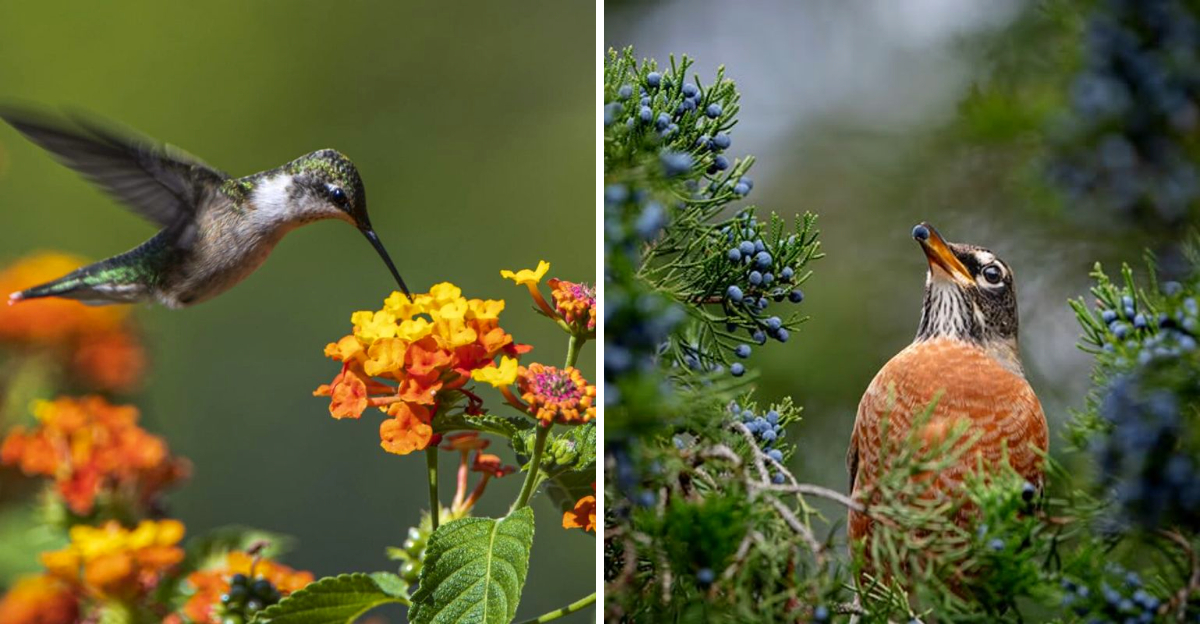
Ever wonder why some Texas yards seem full of birds while others stay quiet? It often comes down to what is planted.
With long growing seasons and a wide range of climates, Texas offers great conditions for backyard birdwatching. From the Hill Country to East Texas, songbirds look for steady food, safe cover, and places to rest.
More gardeners are finding that feeders are only part of the picture. The right mix of plants can provide berries, seeds, insects, and shelter all in one space.
When those elements come together, a Texas yard can quickly turn into a lively spot filled with birds throughout the seasons.
1. American Beautyberry Produces Bright Berries Birds Love
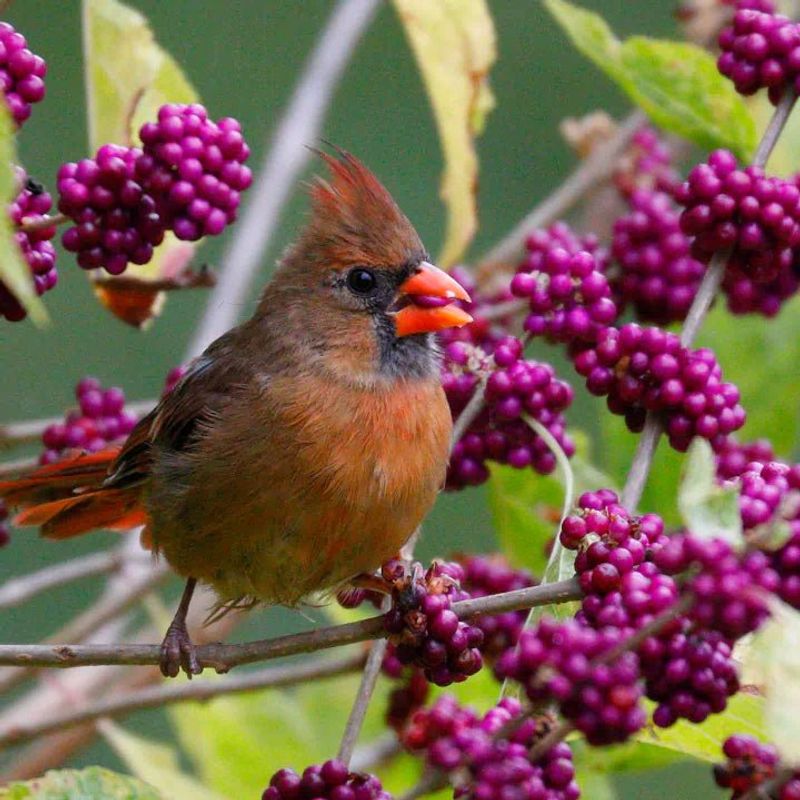
Walking through a Texas backyard in late summer, it is hard to miss the electric purple clusters of American Beautyberry lining the stems of this native shrub. Few plants put on a berry display quite like this one, and songbirds seem to know it.
The berries appear in dense rings around the stems from late summer through fall, creating an eye-catching food source right when migratory birds are passing through Texas.
Cardinals, mockingbirds, robins, and brown thrashers are among the many species that feed on the berries. Because the fruit ripens in large quantities, it tends to support a wide range of birds over several weeks rather than disappearing quickly.
That extended availability makes it especially valuable during fall migration, when birds need reliable fuel stops.
American Beautyberry grows naturally in woodland edges and shaded areas across Central and East Texas. It handles heat well and tends to bounce back vigorously after a hard pruning in late winter.
The shrub typically reaches six to eight feet tall and wide, giving smaller birds some cover as well as food. Planting it near a water source can increase bird activity even further.
It is a low-maintenance native that rewards Texas gardeners with both ornamental beauty and genuine wildlife value throughout the season.
2. Turk’s Cap Provides Shelter And Food
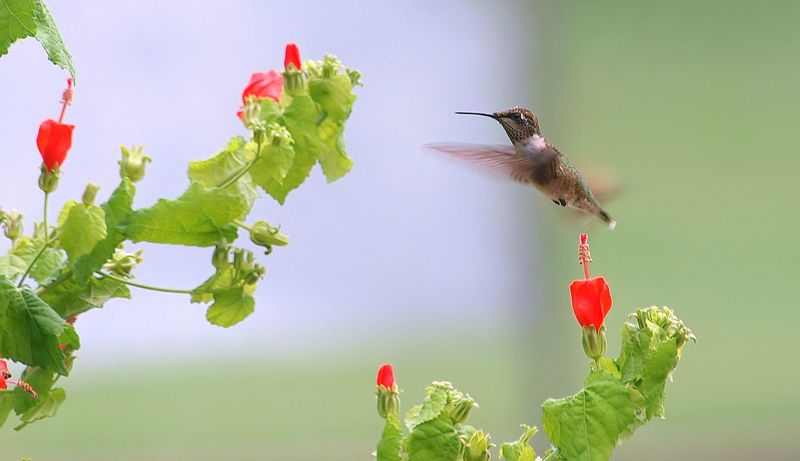
Shady corners of a Texas yard often go underused, but Turk’s Cap turns those spots into some of the most active bird zones in the garden.
This tough native perennial thrives in filtered shade and part sun, conditions that many plants struggle with, and it produces bright red, twisted flowers from late spring well into fall.
Hummingbirds are drawn to the blooms, but songbirds appreciate the plant for different reasons.
The small red fruit that follows the flowers is eaten by mockingbirds, white-eyed vireos, and other berry-feeding species.
Beyond food, the dense, multi-stemmed growth habit of Turk’s Cap creates excellent low cover where birds can hide from predators and find shelter during hot Texas afternoons.
Wrens and sparrows especially seem to appreciate the thick foliage as a safe retreat.
Turk’s Cap is native to Central and South Texas and handles the region’s summer heat with ease. It spreads gradually over time and can form a wide colony if left unchecked, which only increases its value as bird habitat.
During fall, when many other plants are winding down, Turk’s Cap continues producing flowers and fruit, filling an important gap in the food supply.
For Texas gardeners looking to support birds across multiple seasons, this plant earns its place in almost any landscape.
3. Native Lantana Offers Late Season Berries
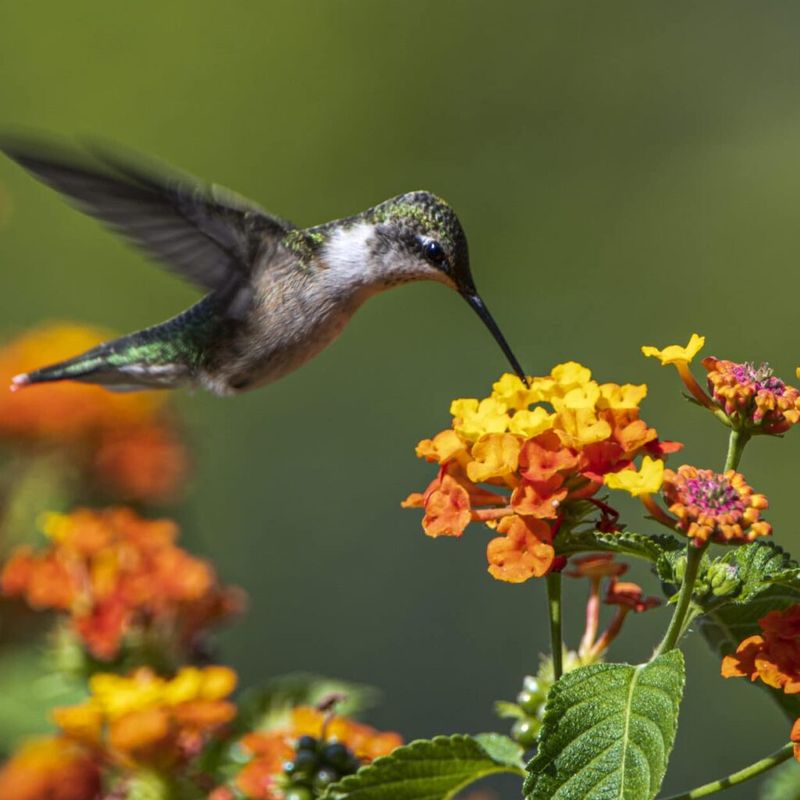
When the summer heat peaks in Texas, native Lantana keeps blooming without skipping a beat.
The cheerful clusters of orange, red, and yellow flowers are a familiar sight along roadsides and in home gardens across the state, but what many people overlook is what happens after the flowers fade.
Small, dark berries develop in clusters and become an important food source for songbirds from late summer into fall.
Mockingbirds and curve-billed thrashers are particularly fond of the berries, and they will return to a productive plant repeatedly during the season.
The flowers also attract butterflies and pollinators, which in turn draw insect-feeding birds like warblers and vireos.
That combination of berries and insect activity makes native Lantana a multi-purpose plant for bird habitat.
Texas Lantana, known botanically as Lantana urticoides, is the native species best suited for Texas landscapes. It handles drought, poor soils, and intense sun with remarkable resilience, making it one of the easier native plants to establish and maintain.
It typically grows two to four feet tall and spreads wider than it is tall, offering low cover for ground-feeding birds as well. Cutting it back in late winter encourages fresh growth and a strong new flush of flowers.
For a plant that works hard from spring through fall, native Lantana is a genuine asset in any Texas songbird garden.
4. Eastern Red Cedar Gives Year Round Cover
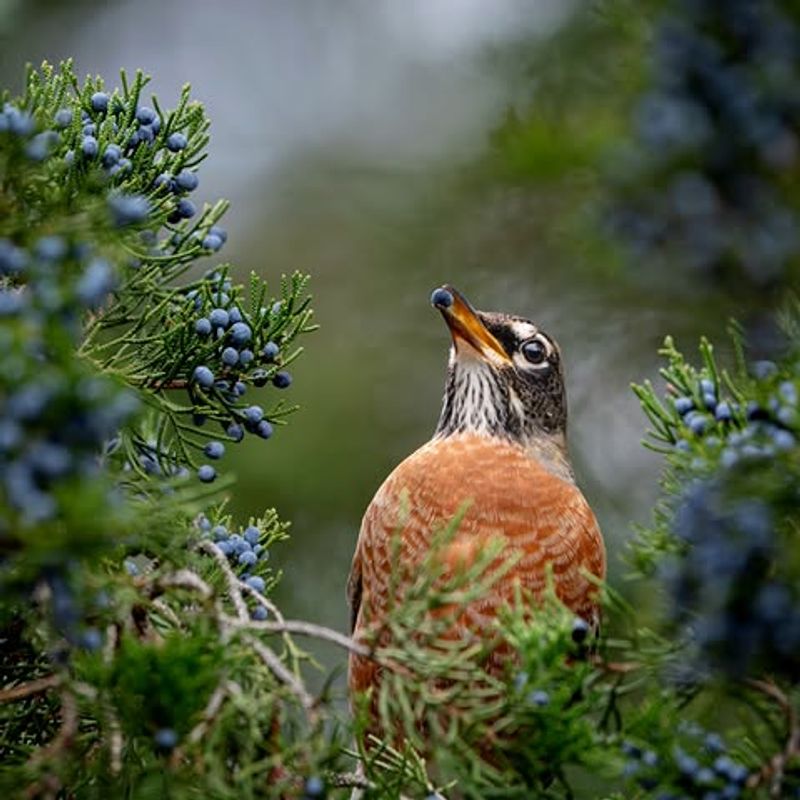
Not every bird-friendly plant needs to flower or produce showy berries to earn its place in the yard.
Eastern Red Cedar is a Texas native that provides something arguably more valuable than seasonal fruit – year-round structure, dense cover, and reliable food.
This evergreen tree is a fixture across much of Texas, growing in fields, fence lines, and woodland edges throughout the state.
The small, blue-gray berry-like cones that ripen in fall and persist through winter are a critical food source for cedar waxwings, bluebirds, mockingbirds, and yellow-rumped warblers.
Few other plants provide such consistent winter nutrition in Texas landscapes.
Beyond berries, the dense, layered branches offer excellent nesting sites and shelter from cold winds, hawks, and other threats that birds face during the cooler months.
Eastern Red Cedar is sometimes viewed as a nuisance tree because it spreads readily, but in a managed yard setting it can be shaped and placed intentionally to maximize its habitat value.
Planting one near the edge of a property or in a back corner gives birds a safe zone close to open feeding areas.
The tree is drought-tolerant once established and requires very little care, which makes it a practical long-term investment. For Texas gardeners who want to support wintering songbirds, Eastern Red Cedar is one of the most dependable choices available.
5. Texas Mulberry Draws Birds With Fruit
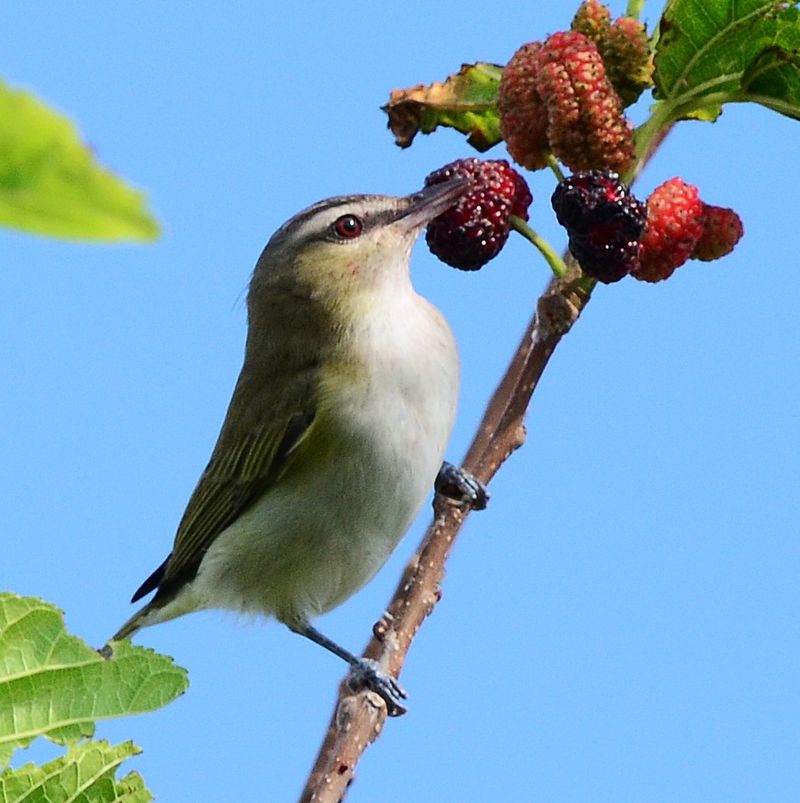
Few trees in Texas generate as much bird excitement as one loaded with ripe mulberries.
Texas Mulberry, a small native tree found across the Edwards Plateau and into West Texas, produces abundant clusters of small fruit that ripen from late spring into early summer.
The timing is ideal because it coincides with the nesting season, when parent birds need easy, high-energy food to feed their young.
Summer tanagers, orioles, gray catbirds, and American robins are among the many species that visit mulberry trees when the fruit is ripe. The feeding frenzy can be remarkable, with multiple species visiting the same tree throughout a single morning.
Because the fruit ripens gradually over several weeks, it supports bird activity longer than plants that produce all their fruit at once.
Texas Mulberry stays relatively compact compared to other mulberry species, typically reaching fifteen to twenty feet tall, which makes it suitable for smaller yards.
It tolerates rocky, thin soils and dry conditions, traits that reflect its origins in the rugged Texas Hill Country.
The tree also provides dense canopy cover that birds use for nesting and shade.
Planting one in a spot where fallen fruit can be left on the ground extends its value, since ground-feeding birds like spotted towhees and thrushes will forage beneath the branches for dropped berries throughout the season.
6. Sunflowers Provide Seeds Birds Love
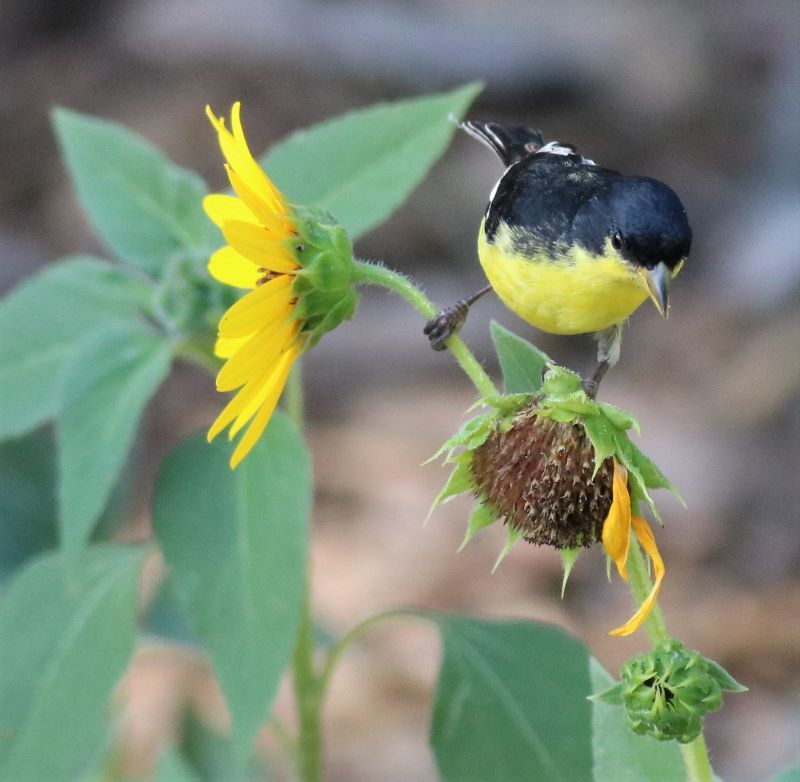
There is something deeply satisfying about watching a goldfinch cling to a sunflower head and work through the seeds one by one.
Sunflowers are among the most productive seed plants a Texas gardener can grow, and the native species, particularly Helianthus annuus, perform especially well in the state’s sunny, warm conditions.
They grow quickly, bloom reliably, and produce seed heads packed with nutrition that birds depend on heading into fall.
American goldfinches, house finches, pine siskins, and mourning doves are all regular visitors to sunflower patches.
Leaving the seed heads standing after the petals drop is one of the simplest things a gardener can do to support birds through the late season.
The dried heads act almost like natural bird feeders, providing seeds at a natural pace rather than all at once.
Native sunflowers also attract a wide range of insects during the bloom period, which brings insect-feeding warblers and vireos into the garden. The tall stems offer perching spots and the broad leaves provide some shelter for smaller birds.
In Texas, sunflowers can be direct-seeded in spring after the last frost and will often self-sow the following year if seed heads are left intact. They thrive in full sun and well-drained soil, and they handle the Texas summer heat without much fuss.
A patch of sunflowers pulls double duty as a pollinator garden and a songbird feeding station.
7. Goldenrod Supports Insects And Seeds
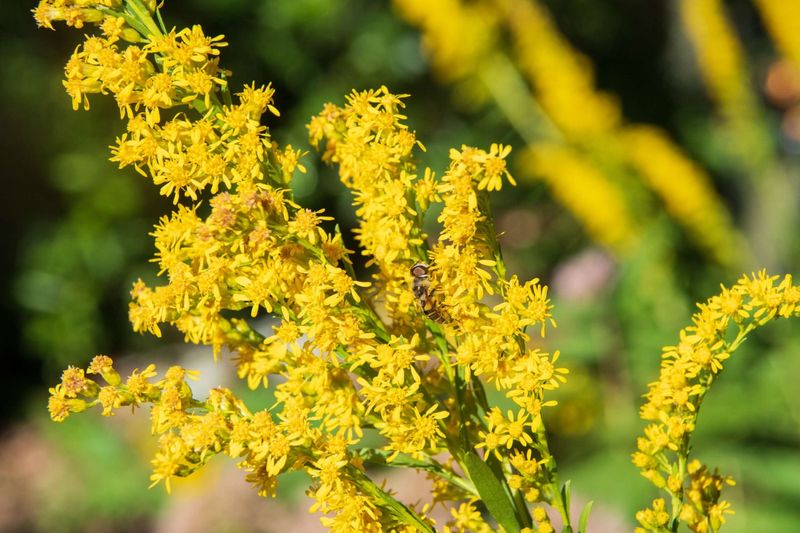
Goldenrod has an unfair reputation in some gardening circles, often blamed for hay fever it does not actually cause, and overlooked as a weedy plant.
In reality, it is one of the most ecologically productive native plants a Texas gardener can include in a yard.
The bright yellow flower plumes that appear from late summer into fall are a magnet for insects, and where insects gather, songbirds follow.
Dozens of insect species feed on goldenrod blooms and foliage, including beetles, flies, and small caterpillars that insect-eating birds actively hunt.
Warblers, vireos, and kinglets are known to forage through goldenrod patches during migration, picking insects from the flowers and stems.
After the blooms fade, the fluffy seed heads provide additional food for sparrows and finches well into winter.
Several goldenrod species are native to Texas, including Solidago nemoralis and Solidago odora, both of which handle the state’s variable soils and dry spells reasonably well.
Goldenrod spreads by both seed and rhizome, so planting it in a defined bed or naturalized area helps keep it from taking over.
It pairs beautifully with other fall-blooming natives like Inland Sea Oats and native asters, creating a layered habitat that supports birds from multiple angles.
For a plant that asks very little and gives back enormously, goldenrod deserves far more credit in the Texas songbird garden.
8. Inland Sea Oats Adds Cover And Food
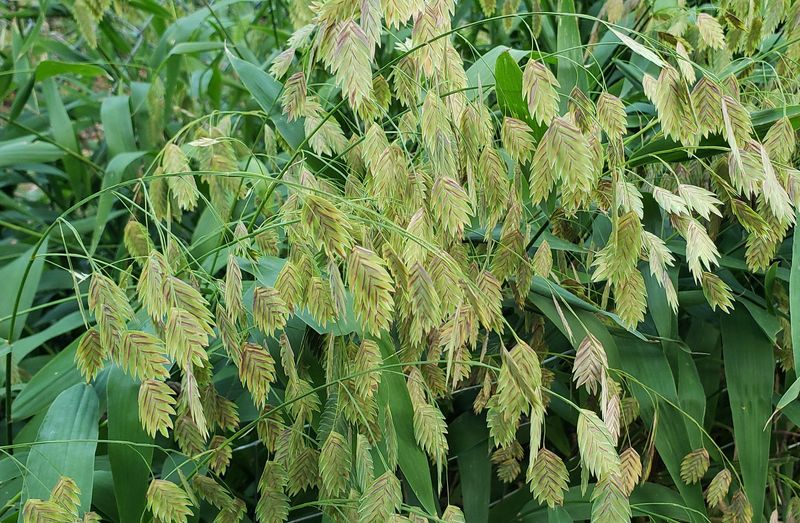
Tucked beneath taller trees or planted along a shaded fence line, Inland Sea Oats brings a graceful, layered texture to a Texas yard while quietly doing some serious work for birds.
This native grass is one of the few shade-tolerant grasses that grows well in Texas, making it valuable in spots where most plants struggle.
The flat, oat-like seed clusters dangle from arching stems and move beautifully in a light breeze, catching the eye of both gardeners and birds.
White-throated sparrows, dark-eyed juncos, and other ground-feeding birds forage through the seed heads from late summer into winter.
The seeds are small but nutritious, and because the plant produces them in quantity, it can support bird feeding activity over a long stretch of the cooler months.
The dense clumping growth also creates low-level cover that ground-nesting and ground-foraging birds find appealing.
Inland Sea Oats, known botanically as Chasmanthium latifolium, is native to the woodland edges and stream banks of Central and East Texas.
It grows two to four feet tall and spreads steadily over time, forming colonies that function as miniature bird sanctuaries.
It does best with some shade and consistent moisture but tolerates a range of conditions once established.
Leaving the seed stalks standing through winter rather than cutting them back in fall gives birds the longest possible access to the food this reliable native grass provides.