11 Texas Plants That Recruit Pest Control Squad To Your Garden
Ever notice how pests seem to show up overnight in a Texas garden? With long growing seasons, intense heat, and mild winters, insects rarely slow down for long.
That steady pressure has many Texas gardeners rethinking how they handle pest control. Instead of relying on sprays, more people are turning to plants that attract beneficial insects.
The right mix of flowers and herbs can draw in natural predators that help keep common pests in check.
Over time, this approach creates a more balanced garden where helpful insects do much of the work, making pest management feel easier and more in tune with Texas conditions.
1. Dill Attracts Tiny Helpers That Target Aphids
Aphid pressure builds fast in Texas, especially once temperatures climb past 80 degrees and spring growth is in full swing.
Dill is one of the most reliable herbs you can grow to counteract that pressure, not just as a kitchen staple, but as a magnet for beneficial insects that actively hunt soft-bodied pests.
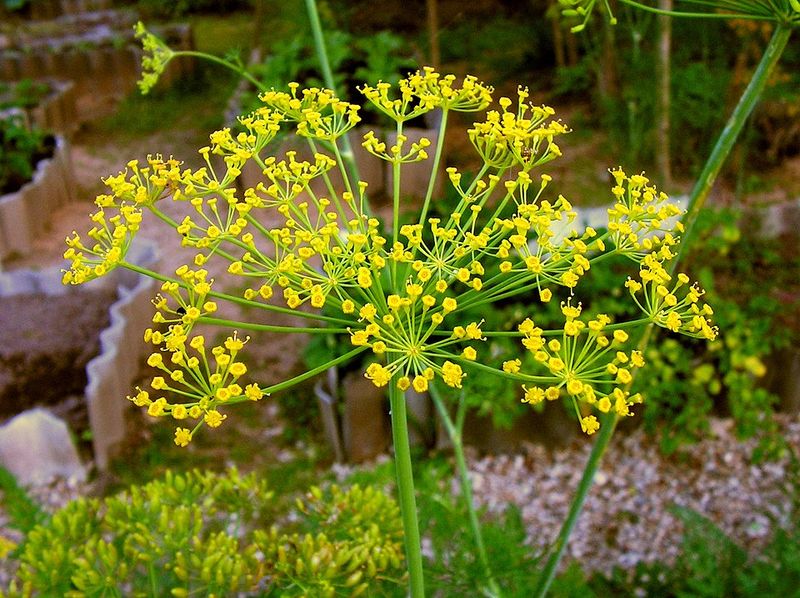
The umbrella-shaped flower clusters, called umbels, are easy for small insects to land on and feed from.
Parasitic wasps, lacewings, and predatory beetles are commonly spotted on dill blooms, and these insects help manage aphid colonies by laying eggs inside them or feeding on them directly.
Ladybugs also find dill attractive, and they are well-known aphid hunters.
In Texas, dill grows best in cooler months from fall through spring, though it can handle mild summer conditions in shadier spots. Letting a few plants bolt and flower rather than harvesting all the foliage is key to drawing in those beneficial visitors.
Planting dill near tomatoes, peppers, or roses, which are common aphid targets, gives the helpful insects a short commute between their food source and your vulnerable crops.
2. Fennel Brings In Beneficial Insects All Season
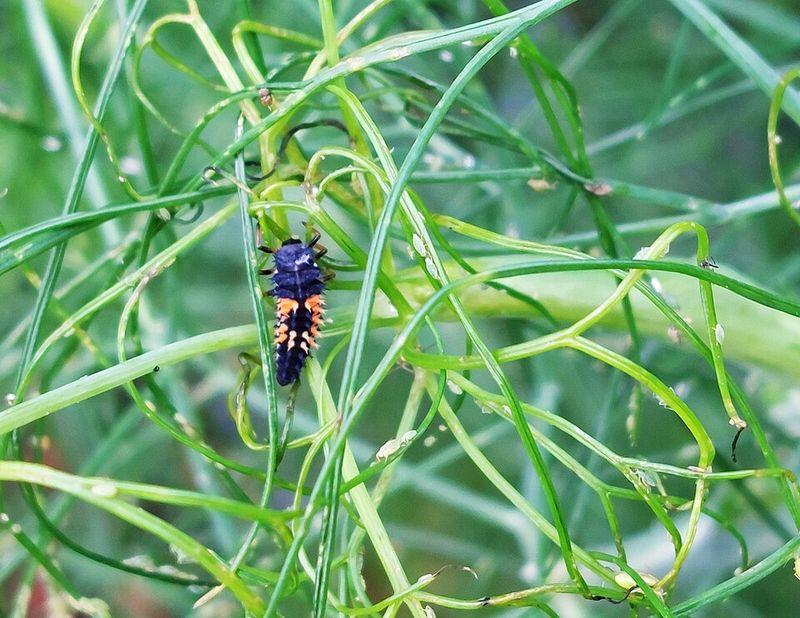
Few plants put in as much work across an entire growing season as fennel.
Standing tall with its feathery, anise-scented foliage and golden flower clusters, fennel draws a remarkable variety of beneficial insects from early spring right through fall in Texas gardens.
The shallow, open structure of fennel flowers makes nectar highly accessible for small insects that might struggle to reach nectar tucked deeper inside other blooms.
Hoverflies, parasitic wasps, and lacewings are frequent visitors, and all three play important roles in keeping pest populations in check.
Hoverfly larvae consume aphids, lacewing larvae are aggressive feeders on small caterpillars and mites, and parasitic wasps target a wide range of garden pests at the larval stage.
Fennel thrives in Texas heat and tolerates drought reasonably well once established, making it a practical choice for gardens across the state.
One thing to keep in mind is that fennel can inhibit the growth of some nearby vegetables, so planting it at the garden’s edge or in a dedicated herb section tends to work better than tucking it between crops.
Letting it flower freely rather than trimming it back is the best way to maximize its pest-attracting potential throughout the season.
3. Yarrow Supports A Steady Flow Of Garden Predators
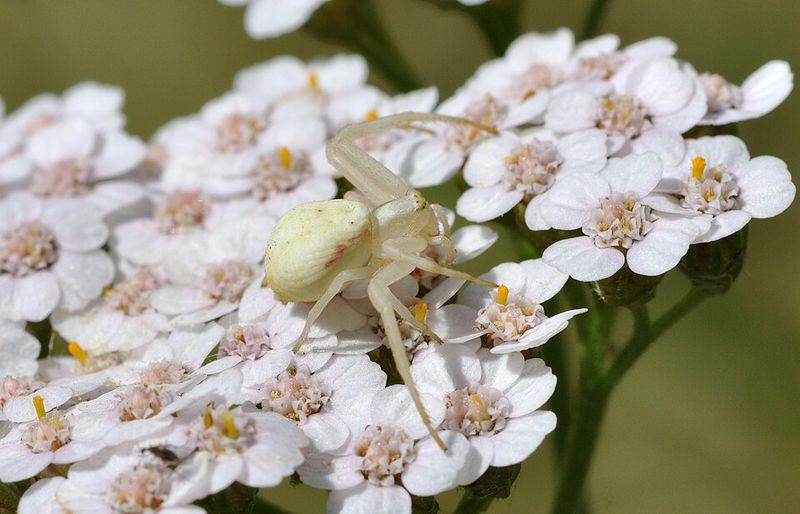
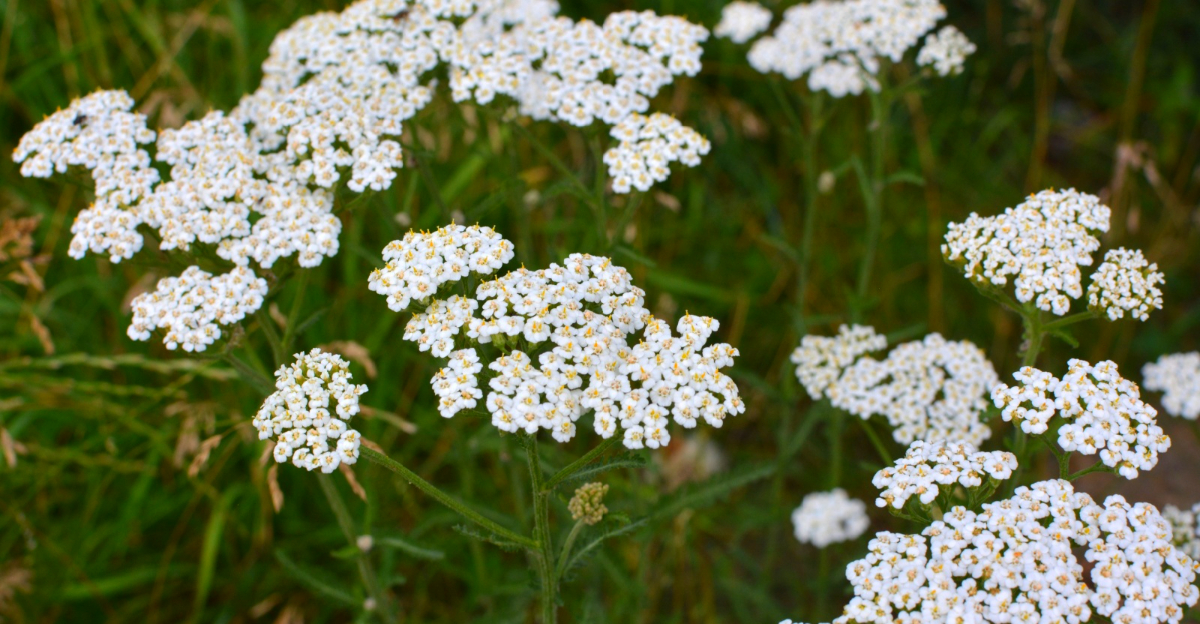
Walk through almost any naturalized Texas landscape in late spring and you might spot yarrow growing along roadsides or in dry meadows, its flat-topped flower clusters practically humming with insect activity.
That same energy translates beautifully into garden beds where pest pressure needs managing.
Yarrow produces wide, open flower heads made up of dozens of tiny florets, giving small beneficial insects an easy landing pad and reliable nectar source.
Predatory wasps, hoverflies, minute pirate bugs, and lacewings are all drawn to yarrow in bloom.
Minute pirate bugs, in particular, are underrated pest managers that feed on thrips, spider mite eggs, and small aphids.
Texas summers can be brutal, but yarrow handles heat and drought with ease once it settles in.
It spreads gradually over time, filling in gaps and creating a low-maintenance habitat corridor for beneficial insects moving through your garden.
White and yellow varieties are most common in Texas, though pink and red cultivars are available and perform similarly in attracting insects.
Cutting spent flower heads back encourages repeat blooming, which means a longer window of insect activity throughout the warm months.
Mixing yarrow into borders alongside vegetables or fruit plants gives predatory insects easy access to wherever pest problems tend to flare up.
4. Coreopsis Draws In Helpful Insects With Ease
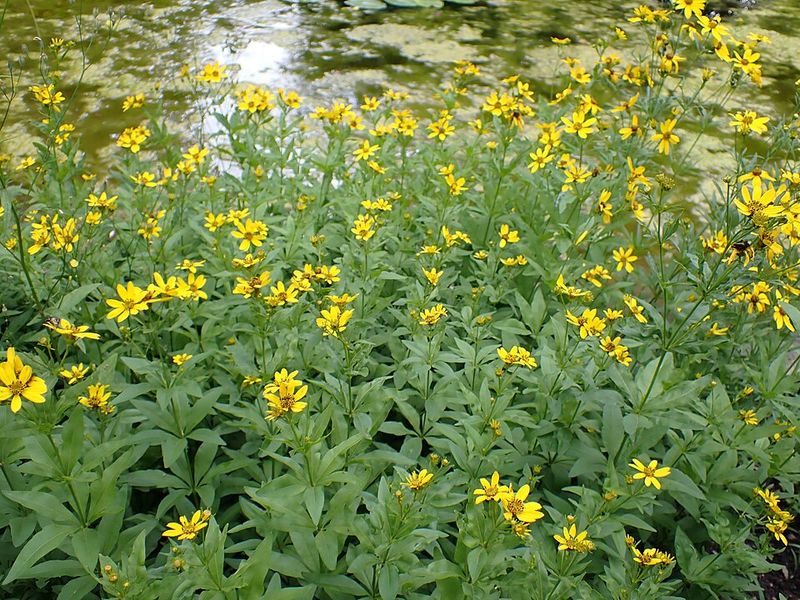
Golden and cheerful, coreopsis is practically synonymous with Texas wildflower gardens, and for good reason.
Beyond its visual appeal, this native plant serves as a consistent draw for beneficial insects throughout its long blooming period, which can stretch from spring well into summer in many parts of Texas.
The open, daisy-like flowers make nectar easy to reach, which is especially important for smaller beneficial insects like hoverflies and parasitic wasps that lack the reach of larger pollinators.
These insects play a meaningful role in pest management, with hoverfly larvae feeding on aphids and parasitic wasps targeting caterpillar eggs and larvae on nearby plants.
As a Texas native, coreopsis is adapted to the state’s intense heat, periodic drought, and variable soils. It asks for very little once established, and it rewards that low maintenance with weeks of steady blooms that keep the beneficial insect traffic flowing.
Removing spent flowers encourages more blooms and extends the season even further.
Planting coreopsis in clusters rather than scattering individual plants tends to produce a stronger draw for insects, since larger patches of color and scent are easier for beneficial insects to locate from a distance.
It also fits naturally alongside other native Texas plants in pollinator-friendly garden designs.
5. Black Eyed Susan Supports A Balanced Garden Ecosystem
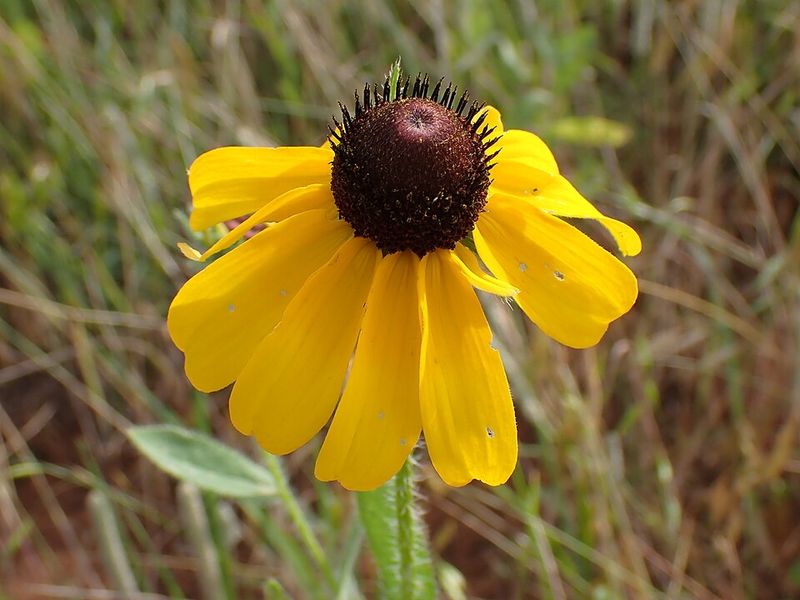
Something special happens in a Texas garden when black-eyed Susans hit their stride in summer.
The bold yellow petals surrounding the dark center cone seem to act like a signal flare for beneficial insects, drawing in a diverse crowd that keeps the broader garden ecosystem in better balance.
Black-eyed Susan supports a range of helpful insects, including native bees, parasitic wasps, and predatory beetles.
The flat, accessible center of the flower makes it easy for small insects to feed, and the plant’s long bloom period from early summer through fall gives those insects a reliable food source during some of the hottest and most pest-prone months in Texas.
Rudbeckia hirta, the species most commonly grown in Texas gardens, handles heat and humidity well and adapts to a range of soil types across the state.
It works well as a border plant, a meadow planting, or tucked in between vegetable rows to attract pest-managing insects where they are needed most.
Allowing some seed heads to remain at the end of the season also supports birds and provides habitat for overwintering beneficial insects.
For Texas gardeners looking for a native plant that pulls double duty as a beauty and a biological pest manager, black-eyed Susan is a strong contender.
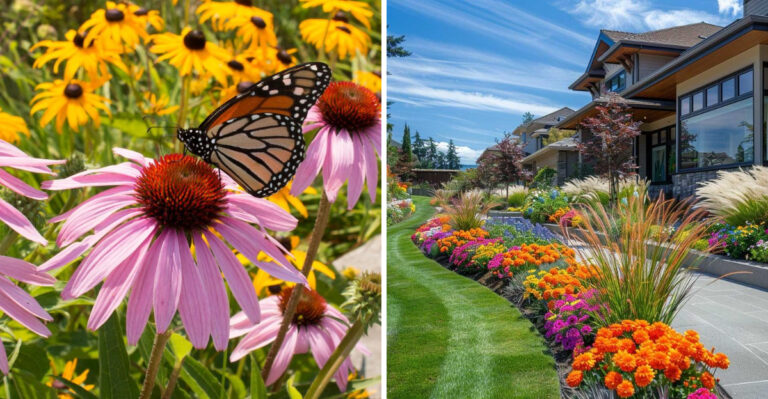
6. Purple Coneflower Attracts Pollinators And Predators
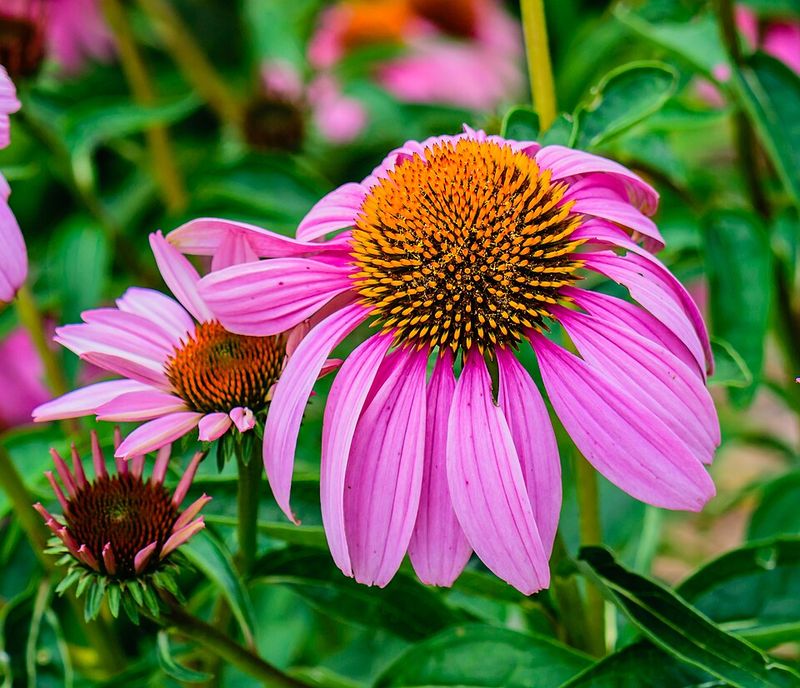
Echinacea, commonly known as purple coneflower, has built a strong reputation as a medicinal herb, but its value in the Texas garden goes well beyond the medicine cabinet.
As a native to the central United States, it is naturally adapted to the heat, clay soils, and rainfall patterns common across much of Texas.
The raised, cone-shaped center of the flower is particularly attractive to a wide range of beneficial insects.
Bumblebees, native bees, and smaller parasitic wasps all visit regularly, and the presence of these insects tends to bring predatory species along as well.
Predatory beetles and assassin bugs, which feed on soft-bodied pest insects, are often found nearby when coneflower is in bloom.
Purple coneflower blooms from late spring through summer and sometimes into early fall in Texas, giving it a long window of usefulness for insect activity.
The seed heads that form after blooming provide food for birds like goldfinches, which also help manage some soft-bodied insects.
Leaving spent plants standing through winter supports overwintering beneficial insects that use hollow stems for shelter.
Planting coneflower in groups of three or more creates a stronger visual and scent signal, making it easier for beneficial insects to find your garden even from a distance.
It pairs especially well with yarrow and black-eyed Susan in a Texas native planting.
7. Bee Balm Brings Life And Activity To Garden Beds
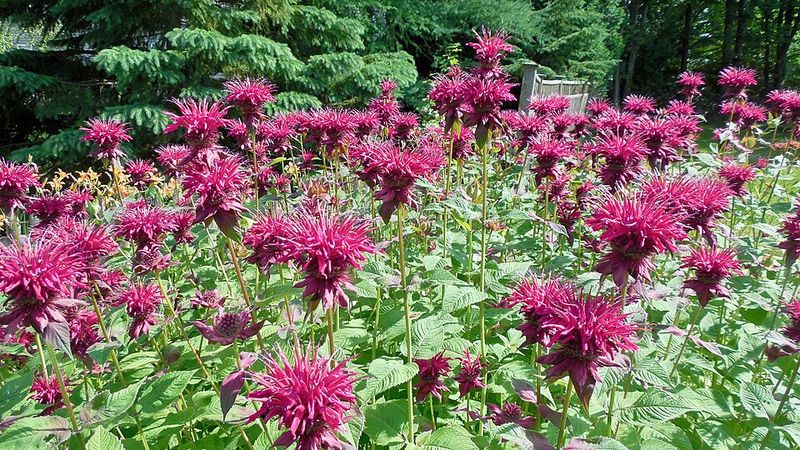
Gardeners who plant bee balm for the first time are often surprised by just how much activity it brings to a garden bed almost immediately.
The shaggy, tubular flower heads in shades of red, pink, and purple draw in a remarkable mix of pollinators and beneficial insects, creating a hub of natural activity that benefits the entire surrounding garden.
Bumblebees and hummingbirds are the most obvious visitors, but smaller beneficial insects including parasitic wasps and predatory flies are also attracted to bee balm.
These insects help manage populations of caterpillars, aphids, and other soft-bodied pests on nearby plants.
The mint family connection means bee balm also carries aromatic oils in its foliage that some gardeners believe contribute to a less hospitable environment for certain pest insects.
In Texas, bee balm performs best in areas with some afternoon shade, since the intense summer sun can stress the plant and reduce blooming.
It appreciates consistent moisture more than many other native plants, so planting it near a drip line or in a spot that retains soil moisture can help it thrive.
Dividing clumps every couple of years keeps plants vigorous and improves air circulation, which matters in humid Texas summers.
Placing bee balm near vegetable beds or fruit bushes gives the beneficial insects it attracts easy access to where pest management is most needed.
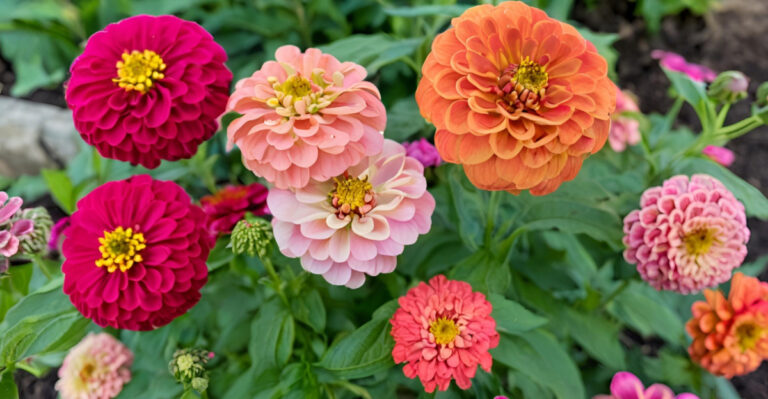
8. Cosmos Invites Light Flying Pest Control Helpers
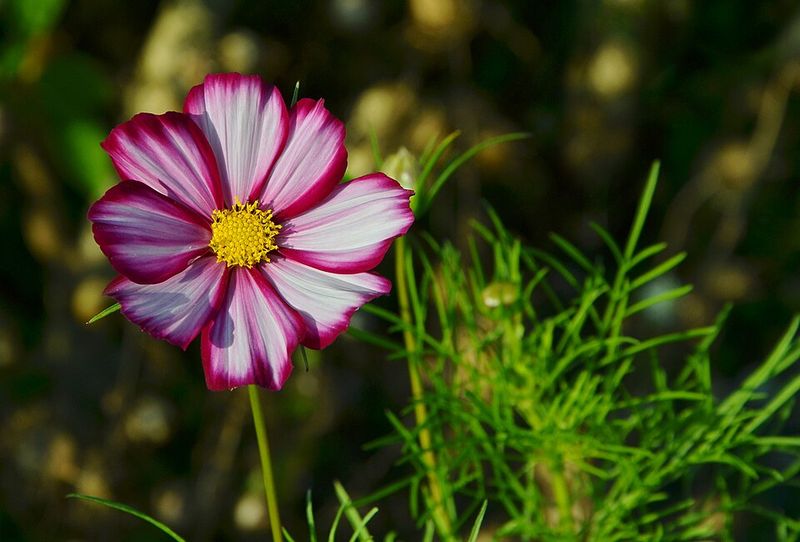
Light, airy, and almost effortlessly cheerful, cosmos is one of those plants that seems to bloom just for the joy of it.
But underneath that carefree appearance, cosmos does serious work by attracting hoverflies, parasitic wasps, and lacewings, some of the most effective natural pest managers available to Texas gardeners.
The wide, open flower face of cosmos makes it easy for small insects to land and access nectar quickly. Hoverflies, which look like small bees but are actually flies, are particularly fond of cosmos.
Their larvae are voracious aphid feeders, and a healthy hoverfly population can make a noticeable dent in aphid colonies on nearby vegetables and ornamentals.
Cosmos is one of the easiest plants to grow from seed in Texas, and it handles heat remarkably well once it gets going.
Direct sowing in spring after the last frost date gives it a strong start, and it will often reseed itself for the following season.
It grows quickly and starts blooming within a few weeks of germination, which means it can start recruiting beneficial insects relatively early in the season.
Mixing cosmos into vegetable garden borders or planting it in gaps between established perennials gives it room to spread while placing its pest-attracting blooms right where garden protection matters most.
9. Parsley Supports Beneficial Insects In Cooler Months
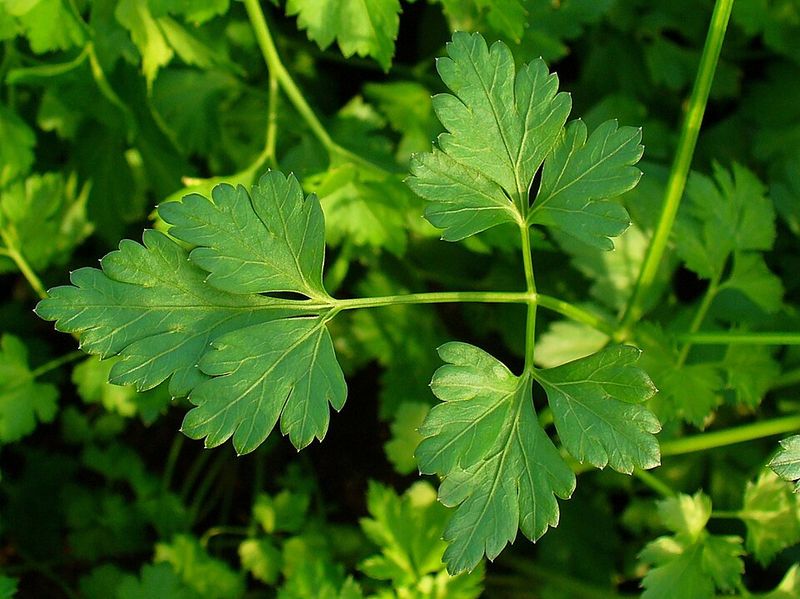
While most gardeners think of parsley purely as a culinary herb, letting it go to flower reveals a whole other purpose.
When parsley bolts and sends up its small, umbrella-shaped flower clusters, it becomes an attractive feeding station for beneficial insects, particularly during the cooler months when other flowering plants may not yet be in bloom in Texas.
Parasitic wasps and hoverflies are among the most frequent visitors to parsley flowers.
These insects are natural enemies of aphids, whiteflies, and caterpillar eggs, making parsley a quiet but effective contributor to garden pest management.
The fact that it blooms during fall and early spring in Texas gives it a unique role in supporting beneficial insects during transitional seasons when other food sources are scarce.
Parsley is a biennial, meaning it produces foliage in its first year and flowers in its second, so planning ahead by keeping second-year plants in the garden rather than pulling them out is important.
Flat-leaf varieties tend to be more vigorous in Texas conditions than curly types, though both will attract beneficial insects once they flower.
Interplanting parsley among brassicas, lettuces, and other cool-season vegetables creates a built-in support system for beneficial insects right where pest pressure on those crops tends to be highest during Texas fall and spring growing seasons.
10. Alyssum Attracts Hoverflies That Feed On Aphids
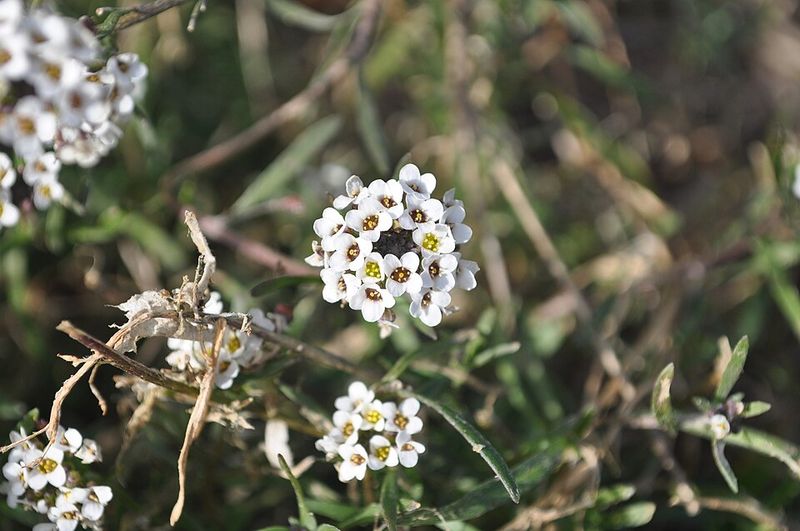
Tucked low along garden edges, sweet alyssum might look like a simple ground cover, but it is one of the most effective plants for drawing hoverflies into a Texas garden.
Hoverflies are often mistaken for bees because of their striped bodies, but they are actually flies, and their larvae are among the most effective natural consumers of aphid colonies you can encourage.
The tiny, honey-scented flowers of alyssum bloom in dense clusters that are well-suited to the small mouthparts of hoverflies and parasitic wasps.
These insects feed on nectar as adults, which fuels their reproductive activity and keeps them active in your garden for longer stretches.
More adults in the garden means more eggs laid, and more larvae feeding on pests nearby.
In Texas, alyssum performs particularly well during fall, winter, and spring when temperatures are mild.
It can struggle in the peak of summer heat but often bounces back when temperatures drop again in early fall.
Planting alyssum along the edges of vegetable beds or beneath taller flowering plants makes good use of its low-growing habit while positioning it where aphid-prone crops need the most protection.
It is inexpensive, easy to grow from seed, and reseeds reliably, making it a low-effort addition to any Texas garden focused on natural pest management.
11. Sunflowers Support A Wide Range Of Helpful Insects
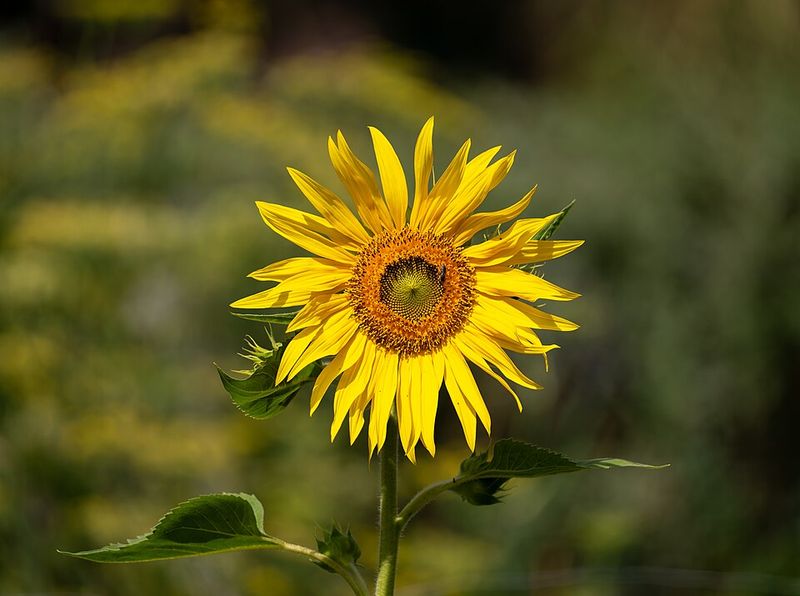
There is something almost magnetic about a row of sunflowers in a Texas summer garden.
the visual drama, sunflowers serve as one of the most productive insect habitat plants available, supporting a broad community of beneficial insects that can help keep pest populations from getting out of hand during the long, warm Texas growing season.
The large, open flower head of a sunflower provides ample space for many types of insects to feed simultaneously. Native bees, bumblebees, parasitic wasps, and predatory beetles all visit sunflowers regularly.
The presence of so many insect species in one location creates a dynamic where predatory insects are more likely to encounter and manage pest insects on nearby plants.
Sunflowers are remarkably well-suited to Texas conditions, tolerating heat, full sun, and periods of drought with minimal fuss.
Planting a mix of early, mid, and late-season varieties extends the bloom window from late spring through fall, keeping beneficial insect traffic consistent across the garden.
Leaving seed heads intact after blooming supports birds that consume pest insects as part of their diet.
Taller varieties work well as a backdrop for vegetable gardens, while shorter cultivars fit neatly into mixed flower beds.
Sunflowers also attract aphids to their stems, which in turn draws in ladybugs and lacewings, creating a natural insect management cycle right in your own backyard.