8 Texas Plants That Support Fireflies From Spring To Summer
There is something instantly nostalgic about spotting fireflies on a warm Texas evening. One minute the yard looks ordinary, and the next it starts flickering with tiny lights that make the whole space feel softer and more alive.
For many people, that kind of scene brings back childhood memories, but it also raises an interesting question. Why do fireflies seem to show up in some yards more than others?
A big part of the answer comes down to plants. The right mix can help create the shelter, moisture, and natural setting fireflies are more likely to stick around for from spring into summer.
That means your garden can do more than look good in daylight. It can become the kind of place that feels active and welcoming after sunset too.
In Texas, where heat and changing conditions can shape what thrives, choosing plants that support fireflies is a smart move for both beauty and function.
A thoughtful planting mix can add color, texture, and movement while helping your yard feel a little more magical once evening settles in.
1. Inland Sea Oats
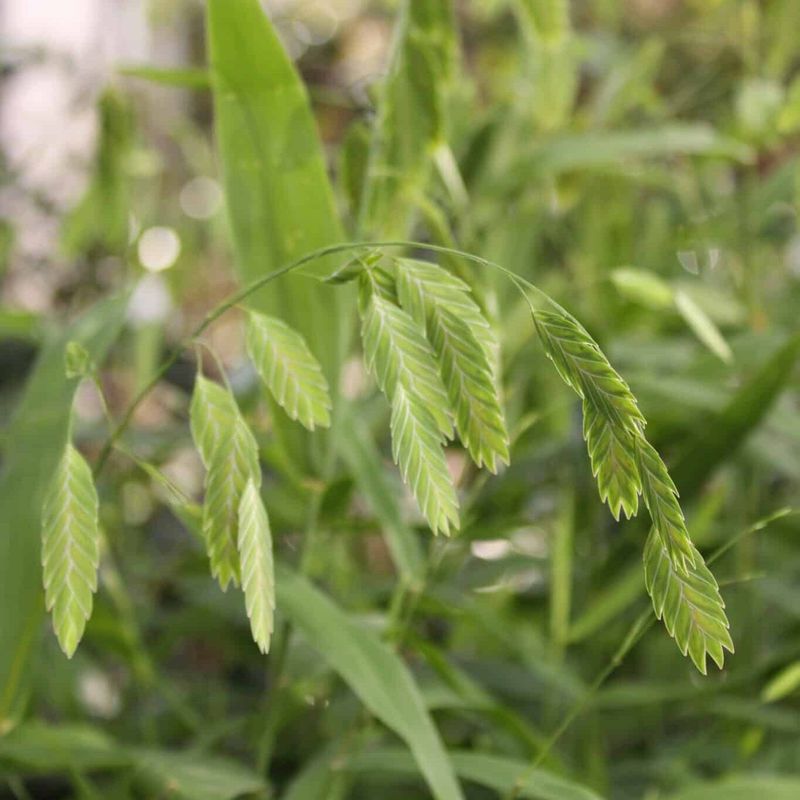
Walk through a shaded Texas creek bed in spring, and you will almost certainly spot Inland Sea Oats swaying gently in the breeze. This native ornamental grass is one of the most valuable plants you can add to a firefly-friendly garden.
Its broad, arching leaves create a dense canopy close to the ground, shading the soil and keeping moisture locked in below the surface.
Firefly larvae spend most of their lives underground or hidden in damp leaf litter. They need cool, moist conditions to develop properly, and Inland Sea Oats delivers exactly that.
The thick mat of roots and fallen leaf debris that builds up beneath this grass is prime real estate for young firefly larvae hunting for small invertebrates to eat.
In Texas, this plant thrives in partial to full shade, making it a great choice for spots under trees or along fence lines where other plants struggle. It handles the heavy clay soils common in central and eastern Texas surprisingly well.
It also spreads gradually over time, slowly building a wider carpet of protective ground cover.
Beyond fireflies, Inland Sea Oats supports songbirds that feed on its seeds in fall and winter. Planting it near other native groundcovers creates a layered habitat that benefits many creatures. It is truly a workhorse plant for any Texas wildlife garden.
2. Gulf Muhly
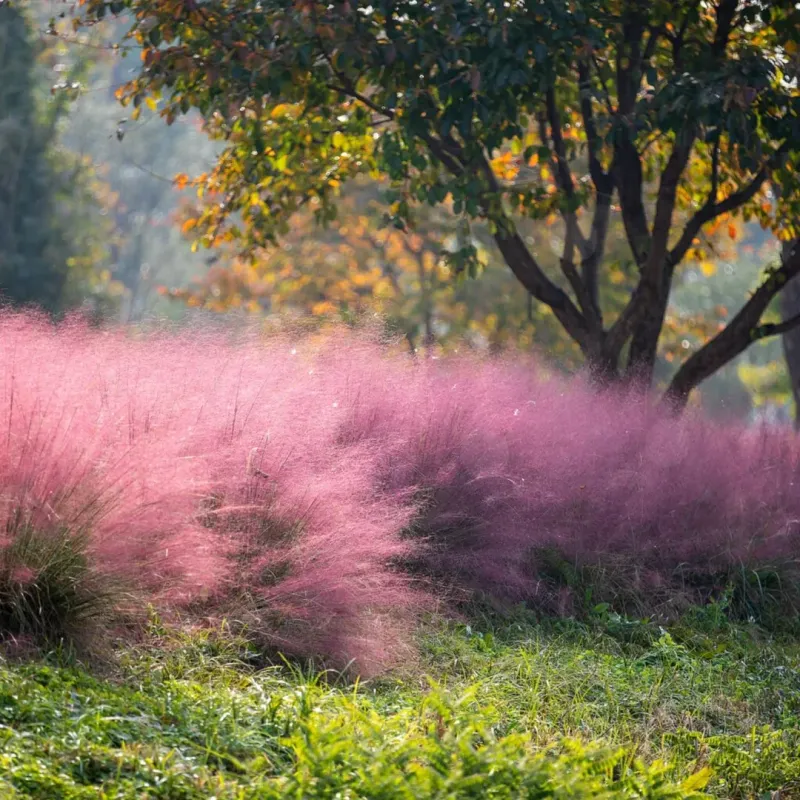
If there is one native grass that stops people in their tracks, it is Gulf Muhly. Every fall, this Texas native erupts into a cloud of rosy-pink plumes that look almost like a sunrise trapped in a plant.
But beyond its stunning looks, Gulf Muhly plays a quiet but important role in supporting fireflies throughout the warmer months.
The clumping growth habit of Gulf Muhly creates sheltered pockets at the base of the plant. These low, protected areas give adult fireflies a safe place to rest during the day and a launching pad for their nightly light shows.
The dense base also helps hold a little extra moisture in the soil around it, which benefits firefly larvae living just below the surface.
Gulf Muhly is incredibly tough. It thrives in the intense heat that Texas summers are known for, tolerates drought once established, and grows well in rocky or sandy soils.
It does best in full sun, making it ideal for open garden beds, roadsides, or sunny backyard borders across the state.
Planting Gulf Muhly in groups of three or more creates a more dramatic effect and a larger area of protected habitat.
Pair it with other native grasses and wildflowers to build a layered landscape that supports fireflies and pollinators alike. It is a plant that earns its place in any Texas garden, season after season.
3. Turk’s Cap
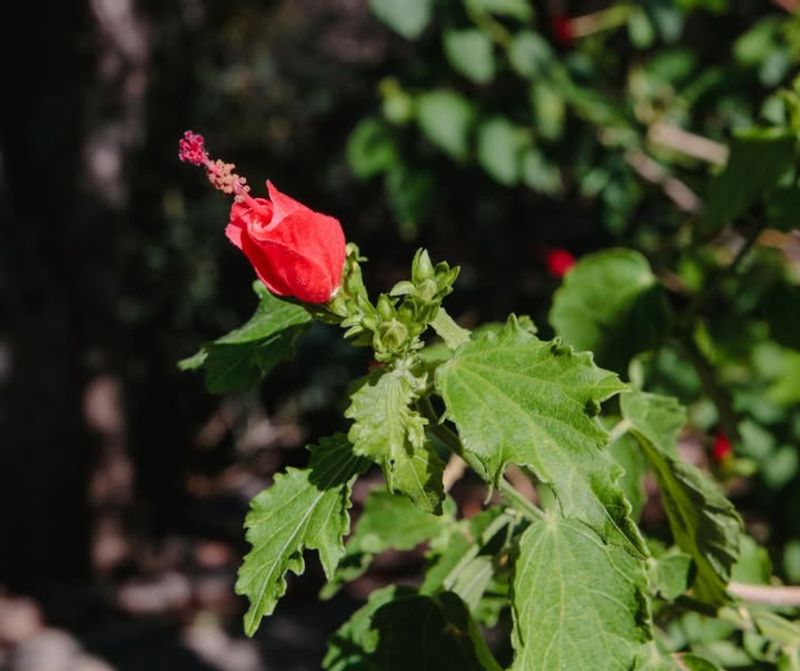
Turk’s Cap is one of those plants that Texas gardeners seem to fall in love with the moment they discover it. Its twisted red blooms look like tiny turbans perched among the leaves, and hummingbirds absolutely cannot resist them.
But this plant has a secret talent beyond feeding hummingbirds. It is a powerhouse for creating the kind of cool, shaded microhabitats that fireflies depend on.
In Texas, summer heat can be brutal. Turk’s Cap thrives in partial to full shade, which means it grows beautifully in spots where other flowering plants give up.
As it spreads, it creates dense, leafy thickets that block direct sunlight and trap humidity close to the ground. Fireflies are highly sensitive to heat and dryness, so these cooler, more humid pockets are exactly where they want to be.
The plant’s large leaves also contribute to a rich layer of leaf litter as they drop throughout the season. This organic material builds up moisture and provides hiding places for firefly larvae as they move through the soil hunting for small prey.
Over time, a mature Turk’s Cap planting can transform a dry, bare corner of a Texas yard into a lush, wildlife-friendly retreat.
It blooms from late spring all the way into fall, providing long-lasting cover and food resources. Few native plants offer this combination of beauty, toughness, and habitat value in one easy-to-grow package.
4. Frogfruit
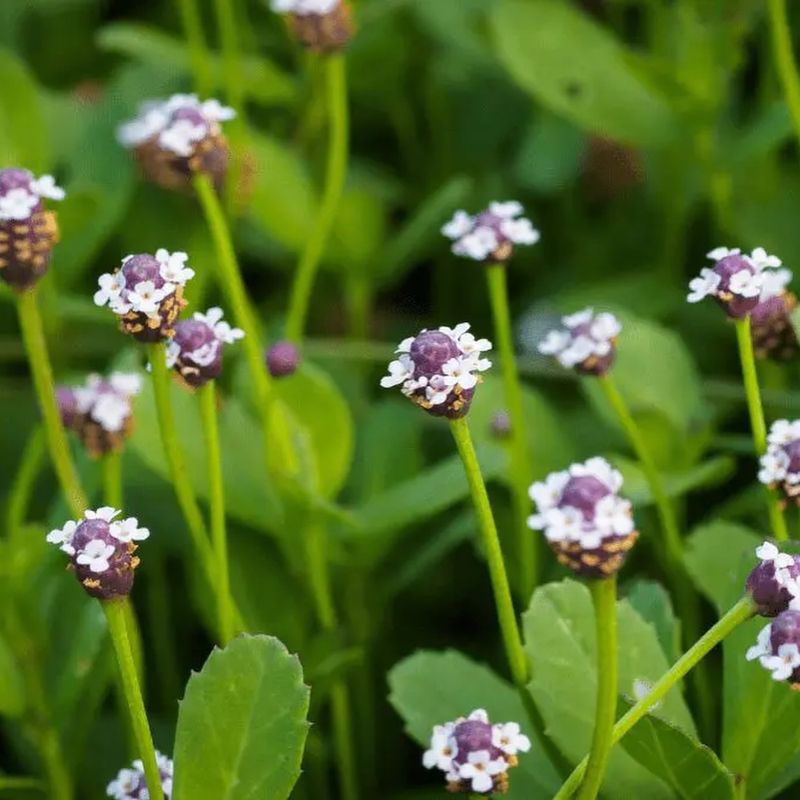
Do not let the funny name fool you. Frogfruit is one of the most hardworking native groundcovers growing across Texas, and it is a genuine friend to fireflies.
This low-growing plant spreads along the ground like a living carpet, hugging the soil surface tightly and creating the kind of cool, moist environment that firefly larvae need to survive and grow.
Firefly larvae are hunters. They crawl through moist soil and leaf litter searching for snails, slugs, and other small invertebrates.
Frogfruit supports this lifestyle by holding moisture in the soil beneath its dense mat of stems and leaves. Even during hot Texas summers, the ground under a patch of Frogfruit tends to stay noticeably cooler and damper than exposed soil nearby.
Beyond moisture retention, Frogfruit produces tiny white and pink flowers almost year-round in warmer parts of Texas. These small blooms attract a wide variety of insects, including small native bees, wasps, and flies.
That increased insect activity builds a richer food web right at ground level, giving firefly larvae more prey to hunt and helping the whole ecosystem stay balanced.
Frogfruit handles foot traffic surprisingly well and can even be used as a lawn alternative in shaded or semi-shaded areas. It spreads readily once established and requires very little care.
For Texas gardeners wanting to support fireflies with minimal effort, Frogfruit is one of the smartest choices available.
5. Blue Mistflower
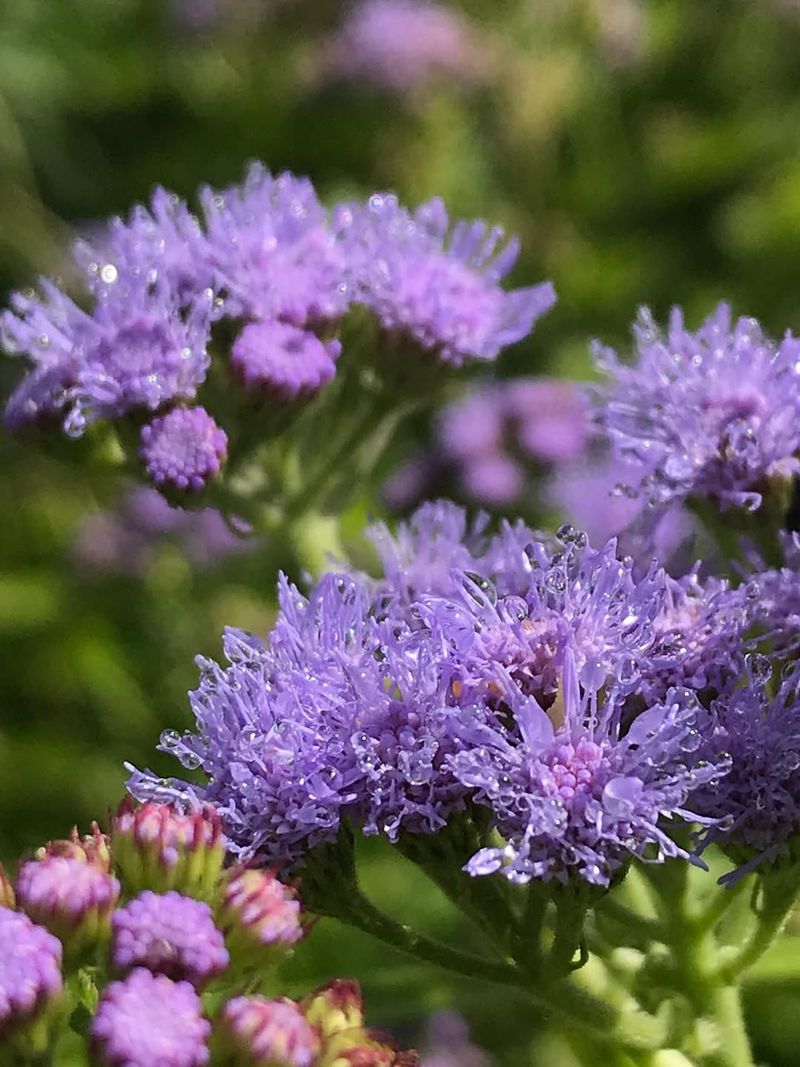
There is something almost dreamy about Blue Mistflower in full bloom. Its soft, fuzzy clusters of blue-purple flowers look like tiny puffs of mist floating above the foliage, which is exactly how this Texas native got its name.
But underneath that pretty appearance is a plant that plays a serious role in keeping firefly habitats healthy and humming with life.
Blue Mistflower is a spreading native that naturally colonizes moist, partly shaded areas. In Texas, it often grows along creek banks, woodland edges, and low spots in the landscape where soil stays damp longer after rain.
These are precisely the kinds of places where fireflies thrive. By planting Blue Mistflower in your garden, you are essentially recreating the conditions of a natural firefly hotspot.
The plant blooms in late summer and fall, attracting an impressive number of butterflies, bees, and other insects. This surge of insect activity enriches the local food web, supporting the prey that firefly larvae depend on.
A healthy population of small invertebrates in the soil is one of the most important factors in sustaining fireflies season after season.
Blue Mistflower spreads by rhizomes, so it can fill in an area fairly quickly. This makes it excellent for naturalizing shaded borders or damp corners in Texas yards.
It pairs beautifully with other late-season natives like Goldenrod, creating a layered habitat that supports fireflies and dozens of other beneficial insects well into summer.
6. Goldenrod
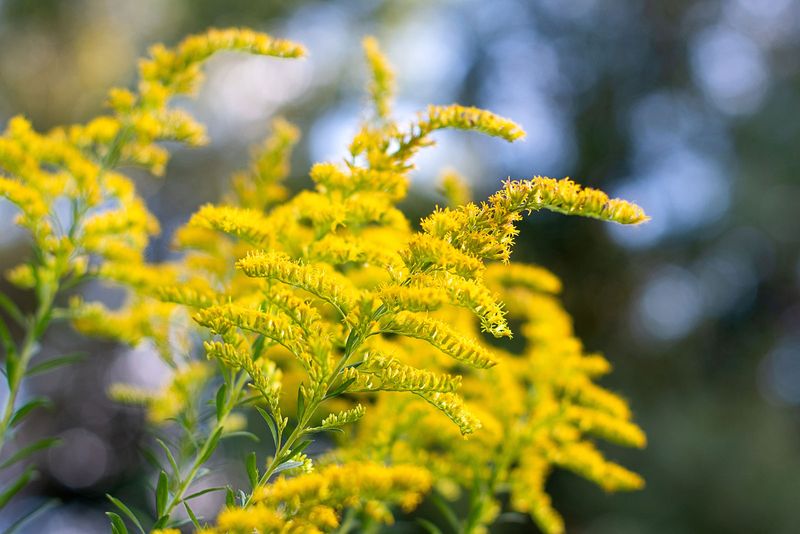
Goldenrod gets a bad reputation it does not deserve. Many people blame it for fall allergies, but the real culprit is ragweed, which blooms at the same time.
Goldenrod is actually one of the most insect-friendly native plants you can grow in Texas, and its role in supporting fireflies is hard to overstate.
As a tough, late-season bloomer, Goldenrod keeps the food chain going well into summer and beyond. Its bright yellow flower spikes are loaded with nectar and attract an enormous variety of insects, including beetles, flies, wasps, and native bees.
Many of these insects end up in the soil or leaf litter around the plant, where firefly larvae can find and feed on them. Without this kind of steady insect activity, the food web that fireflies depend on would start to break down.
Several Goldenrod species are native to Texas and well-suited to the state’s variable climate. Some tolerate dry, rocky soils while others prefer moister conditions.
This flexibility makes it easy to find a variety that fits your specific garden situation, whether you are gardening in West Texas or along the Gulf Coast.
Goldenrod also supports overwintering insects by providing seed heads and dried stems that serve as shelter through cooler months.
Leaving the plants standing through winter rather than cutting them back right away gives beneficial insects a better chance of surviving to the next season, which ultimately helps firefly populations stay strong year after year.
7. Joe-Pye Weed
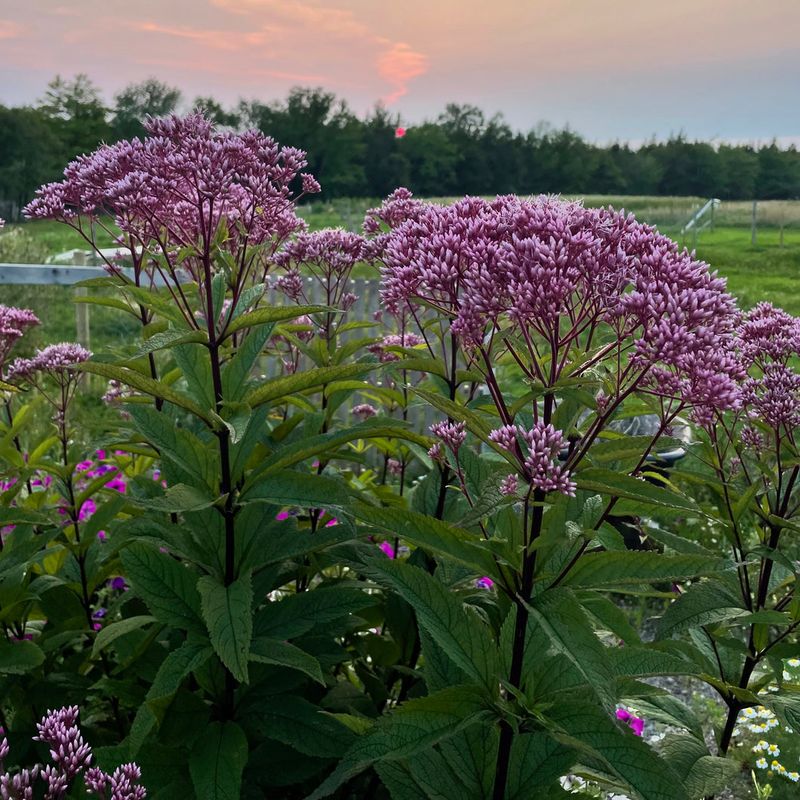
Tall, bold, and absolutely buzzing with insect life when it blooms, Joe-Pye Weed is a native plant that makes a big statement in any wildlife garden.
While it is more commonly associated with the eastern United States, certain species of Joe-Pye Weed can grow in parts of Texas, particularly in areas with consistent moisture, such as East Texas woodland edges and low-lying garden spots.
What makes Joe-Pye Weed so valuable for fireflies is its love of damp conditions. It naturally grows near streams, wetland edges, and moist meadows.
When planted in a Texas garden, it helps maintain the kind of humid, water-retentive microhabitat that fireflies need to complete their life cycles.
Firefly larvae require consistently moist soil to develop, and Joe-Pye Weed acts as a living indicator that conditions are right.
The plant’s large, dome-shaped flower clusters bloom in late summer and attract an incredible diversity of butterflies, bees, and other insects.
This insect activity enriches the soil food web around the plant’s roots, giving firefly larvae a better hunting ground. More insects in and around the soil means more food available for developing larvae.
Joe-Pye Weed can grow quite tall, sometimes reaching six feet or more. Its height adds vertical structure to the garden and gives adult fireflies elevated perches from which to launch their nightly light displays.
Planted near Blue Mistflower or Goldenrod, it creates a dynamic, multi-layered habitat that supports fireflies from spring through summer.
8. Texas Aster
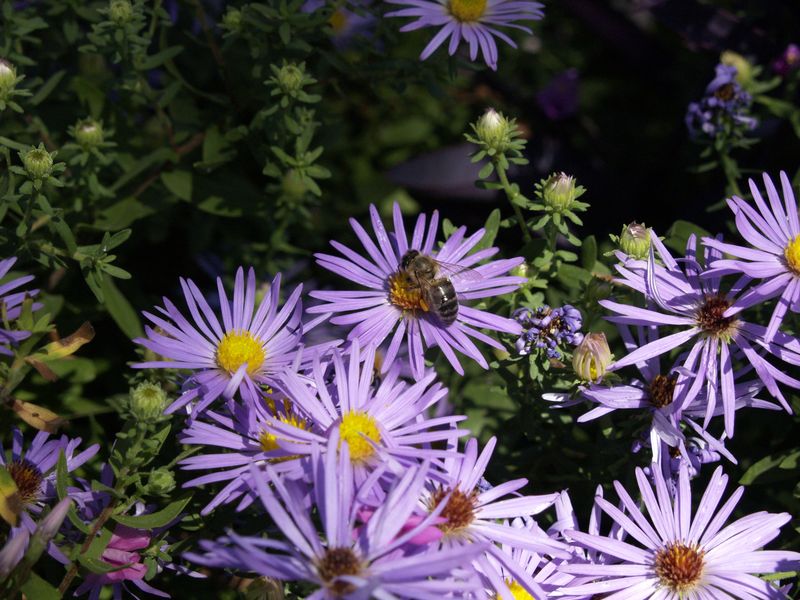
Some plants just know how to finish strong. Texas Aster bursts into bloom when many other plants are winding down, covering itself in cheerful purple-blue flowers that look like tiny daisies scattered across a rounded, shrubby mound.
For fireflies, this late-season display is more than just pretty. It is a lifeline that keeps the habitat alive and insect-rich well into the warmer months.
Texas Aster is a hardy native that grows naturally across much of the state, from the Edwards Plateau to the Rolling Plains. It handles Texas heat, drought, and poor soils with ease, making it one of the most reliable native plants for low-maintenance Texas gardens.
Once established, it spreads slowly into attractive, full clumps that provide shelter at ground level for resting fireflies and soil-dwelling larvae.
The flowers attract a wide variety of pollinators and beneficial insects, which increases the overall insect diversity in your garden. A garden rich in insect life is a garden that can sustain fireflies.
The more varied the insect community, the more stable the food web that firefly larvae rely on throughout their development in the soil.
Planting Texas Aster alongside earlier-blooming natives like Turk’s Cap or Frogfruit ensures your garden supports fireflies across multiple seasons. Together, these plants create a continuous chain of habitat resources from spring through summer and into fall.
For anyone in Texas wanting to make a real difference for fireflies, Texas Aster is a must-have addition to the native plant lineup.