8 Texas Plants You Should Never Cut Back In Early Spring
Early spring in Texas can make every gardener feel productive. The weather starts warming up, new growth begins to show, and it is tempting to head outside and start trimming everything in sight.
A quick cleanup seems like the perfect way to help the yard bounce back after winter. Still, not every plant appreciates that kind of enthusiasm. In fact, cutting certain plants back too soon can do more harm than good.
Some plants bloom on old wood, which means early spring pruning can remove the very buds you have been waiting to see. Others use their existing growth as protection from late cold snaps, intense sun, or sudden weather swings.
In a state like Texas, where spring can shift gears fast, timing matters more than many gardeners realize.
That is why knowing what not to prune can be just as important as knowing what to trim. A little patience can protect flowers, support healthier growth, and save you from accidentally setting your plants back right when the growing season is getting started.
1. Azaleas
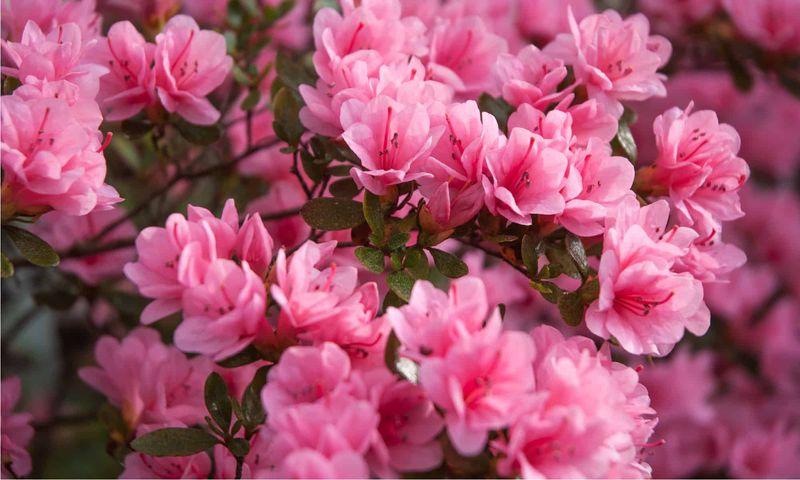
Few things in a Texas garden are as breathtaking as a wall of azaleas bursting into color after a long winter. These beloved flowering shrubs are a springtime staple across the state, from Houston to San Antonio.
What many gardeners do not realize, though, is that azaleas are quietly setting up their flower buds months before spring even arrives.
Azaleas form their buds on old wood, which means the branches that grew the previous season are already holding next year’s flowers. If you cut those branches back in early spring, you are removing the very buds that were about to open.
You could end up with a perfectly shaped shrub that produces zero blooms for the entire season.
The best time to prune azaleas in Texas is right after they finish blooming, usually in late spring or early summer. That gives the plant plenty of time to grow new branches and set fresh buds for the following year.
A light cleanup after flowering is all most healthy azaleas ever need. Skip the early spring trim and let those beautiful blossoms do their thing first.
2. Hydrangeas
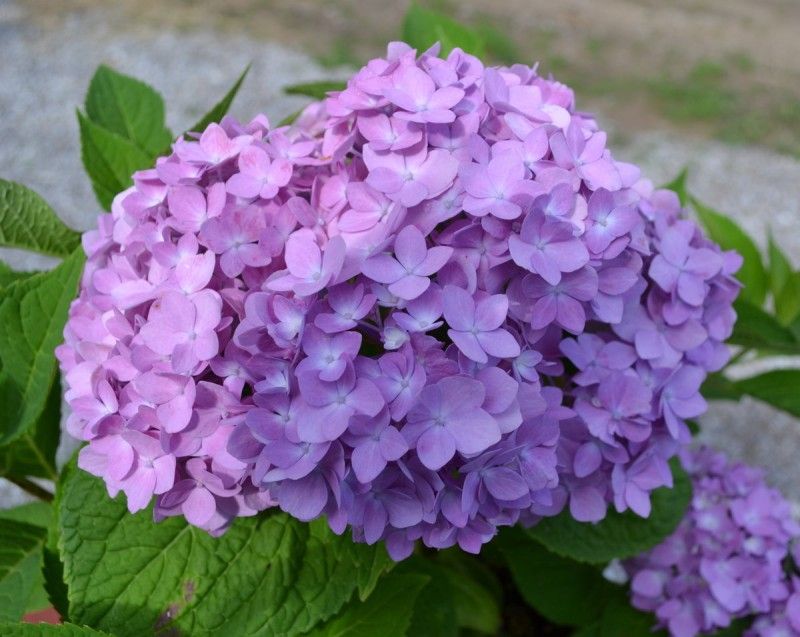
Hydrangeas have a loyal fan base all across Texas, and it is easy to see why. Those big, fluffy flower clusters in shades of blue, pink, and white are hard to resist.
But here is something that surprises a lot of gardeners: many popular hydrangea varieties bloom on old wood.
Blooming on old wood means the flower buds were formed on last year’s stems, not on brand-new growth.
So when you head outside in early spring and start cutting things back, you may be chopping off buds that have been developing since the previous summer. The result is a full, leafy shrub with no flowers to show for it all season long.
Hydrangea macrophylla, often called bigleaf hydrangea, is one of the most common types grown in Texas and is especially sensitive to early pruning. Before you prune any hydrangea, take a moment to identify the variety you have.
Some types, like Hydrangea paniculata, do bloom on new wood and can handle spring pruning just fine. When in doubt, wait until after the plant has flowered to do any trimming.
Your patience will be rewarded with a stunning floral show worth waiting for.
3. Gardenias
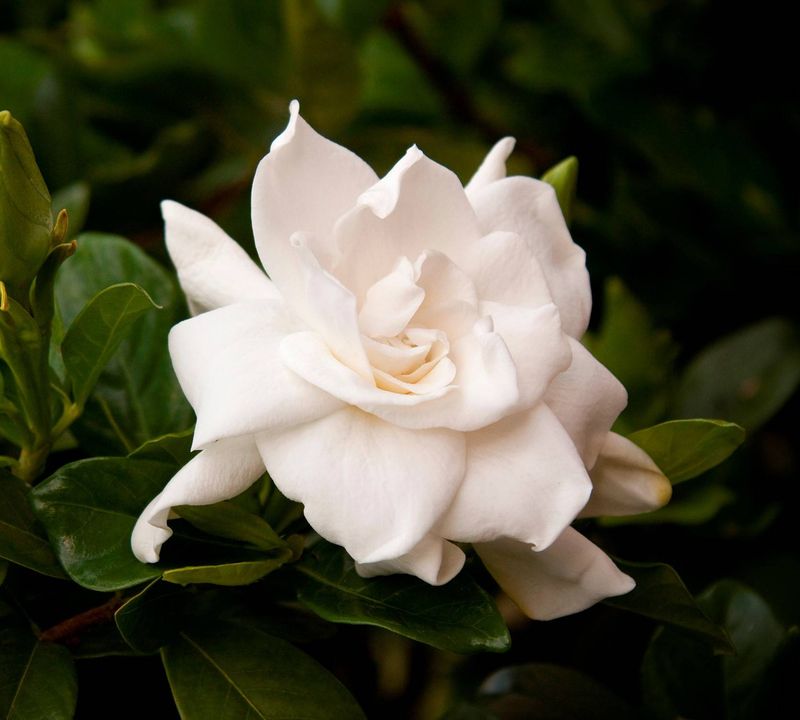
Walk past a gardenia in full bloom and you will never forget that sweet, rich fragrance. Gardenias are a classic Southern favorite, and they thrive beautifully in the warm, humid climate that much of Texas offers.
These plants are a little fussy, but once you learn their habits, they reward you generously. Just like azaleas, gardenias set their flower buds on older growth from the previous season. The buds develop slowly and quietly over the fall and winter months.
Pruning in early spring, even with the best intentions, can strip away those buds before you ever get to enjoy a single bloom. It feels like a garden mystery when the plant looks healthy but never flowers.
Gardenias in Texas generally bloom from late spring into summer, so hold off on any significant pruning until after that flowering period wraps up. A light shaping in late summer is usually the safest approach.
If you need to remove dry or damaged wood, do it carefully and only take what is clearly not alive.
Keeping gardenias happy also means giving them acidic soil, good drainage, and a spot with morning sun and afternoon shade. Get those basics right and your gardenia will perfume your whole yard.
4. Flowering Quince
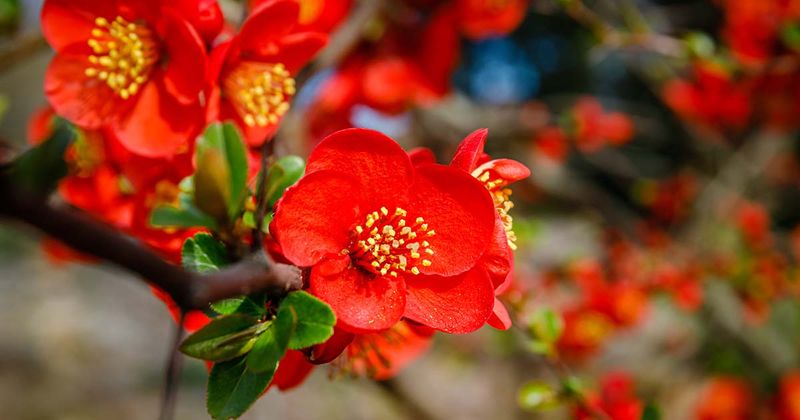
There is something almost magical about flowering quince. It blooms so early in the season that the flowers often appear before the leaves even show up, covering bare branches with brilliant reds, oranges, and pinks.
In Texas, it is one of the first signs that winter is finally loosening its grip. Flowering quince blooms entirely on last year’s branches. Those old canes are packed with buds that developed during the previous growing season.
If you grab your shears in early spring and start cutting things back to tidy up the yard, you will likely remove a huge portion of this season’s flower display before it even gets started.
The smartest move is to let flowering quince do its thing and enjoy the show. After the blooms fade, usually by mid to late spring in most parts of Texas, that is your window for pruning.
You can shape the shrub, remove crossing branches, or cut out old canes to encourage fresh growth. Flowering quince is actually quite tough and handles a good pruning well once it has bloomed.
Just remember: the branches that look plain and bare in early spring are the very ones holding all the color. Leave them alone and you will be amazed at what pops up.
5. Forsythia
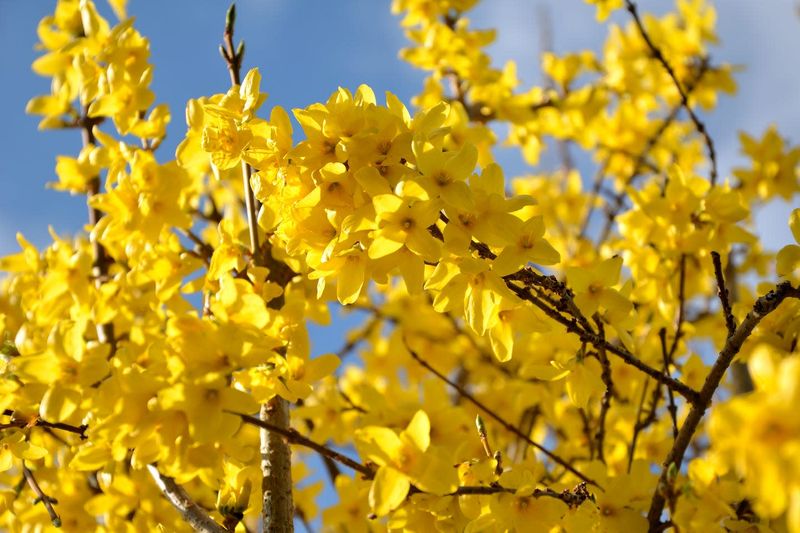
Bright yellow forsythia is one of the most cheerful sights of the early gardening season. Those long, arching branches covered in bold yellow flowers are hard to miss, and they signal the arrival of warmer days better than almost anything else in the yard.
Forsythia is a fast grower and a reliable bloomer, but only if you treat it right. Forsythia blooms on old wood, and it does so very early in the season, sometimes before most other plants have even started to stir.
The buds that produce those iconic yellow flowers were set the previous summer and fall. Cutting the shrub back in early spring means you are taking off the exact branches that were about to put on that famous yellow show.
Many Texas gardeners make this mistake simply because forsythia looks overgrown and unruly during the winter months. The temptation to tidy it up is real.
But resist the urge until after it has finished blooming. Once the flowers fade, usually within a few weeks of opening, that is the perfect moment to prune.
Shape it, thin it out, or cut it back hard if needed. Forsythia bounces back quickly and will spend the rest of the growing season building up fresh buds for next spring’s display.
6. Lilacs
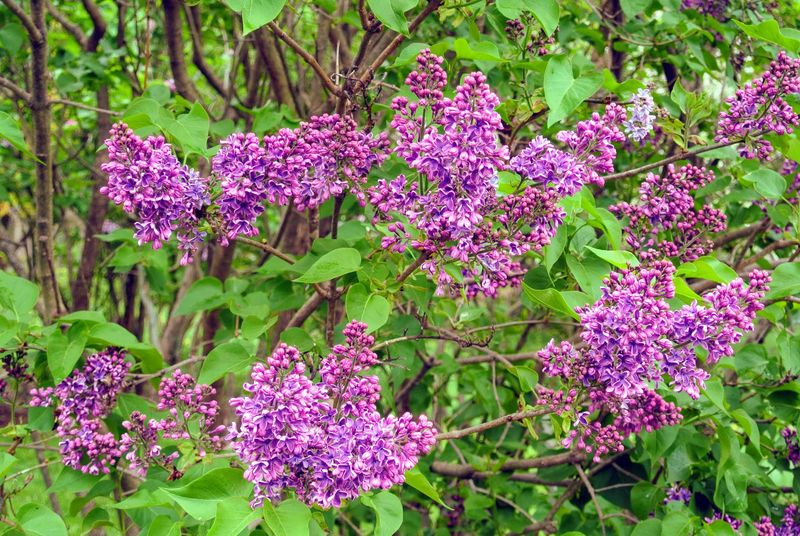
Lilacs carry a kind of nostalgic charm that makes people stop and breathe deeply the moment they catch a whiff of those sweet clusters.
While lilacs are more commonly associated with cooler northern climates, certain varieties can and do grow in Texas, particularly in the northern and central parts of the state where winters are a bit more pronounced.
Here is the key thing to understand about lilacs: they develop their flower buds the year before they bloom. By the time spring rolls around, those buds have been quietly waiting through the cold months, ready to open up.
Pruning in early spring removes that old wood and takes all those carefully formed buds right along with it.
Lilacs in Texas already face some challenges since they need a certain number of cold hours to bloom properly. That makes protecting those existing buds even more important.
Pruning at the wrong time can mean no flowers at all for an entire season, and in a climate where getting lilacs to bloom is already an achievement, that is a real disappointment. Always prune lilacs right after they finish flowering in spring.
Remove old or crowded stems from the base to keep the plant open and healthy. With the right timing, your Texas lilacs can reward you with their beloved fragrance year after year.
7. Coral Honeysuckle
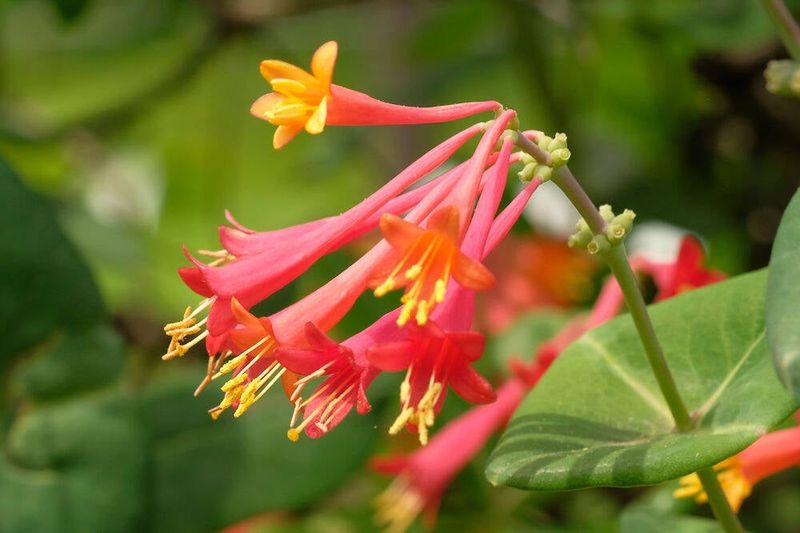
Coral honeysuckle is a true Texas treasure. Unlike its invasive Japanese cousin, this native vine plays nicely in the landscape and actually supports local wildlife.
Hummingbirds absolutely love the long, tubular red and orange flowers, making it a must-have for any Texas garden that wants to attract pollinators.
This vine develops its blooms on established, older growth rather than on brand-new shoots. That means the flowering stems from last season are the ones carrying the buds for this spring’s show.
Cutting the vine back aggressively in early spring removes those established stems and can significantly reduce how much it blooms, sometimes wiping out the display entirely for that season.
Coral honeysuckle is also semi-evergreen in many parts of Texas, holding onto its leaves through mild winters. That can make it tempting to prune in early spring when you are doing general garden cleanup.
A light tidy-up to remove truly dry or damaged material is fine, but hold off on any heavy cutting until after the main bloom period wraps up. Once flowering slows down in late spring or early summer, you can shape the vine and encourage fresh growth.
Keeping coral honeysuckle well-watered and growing on a sturdy support will help it thrive and bloom beautifully season after season across the Lone Star State.
8. Climbing Roses
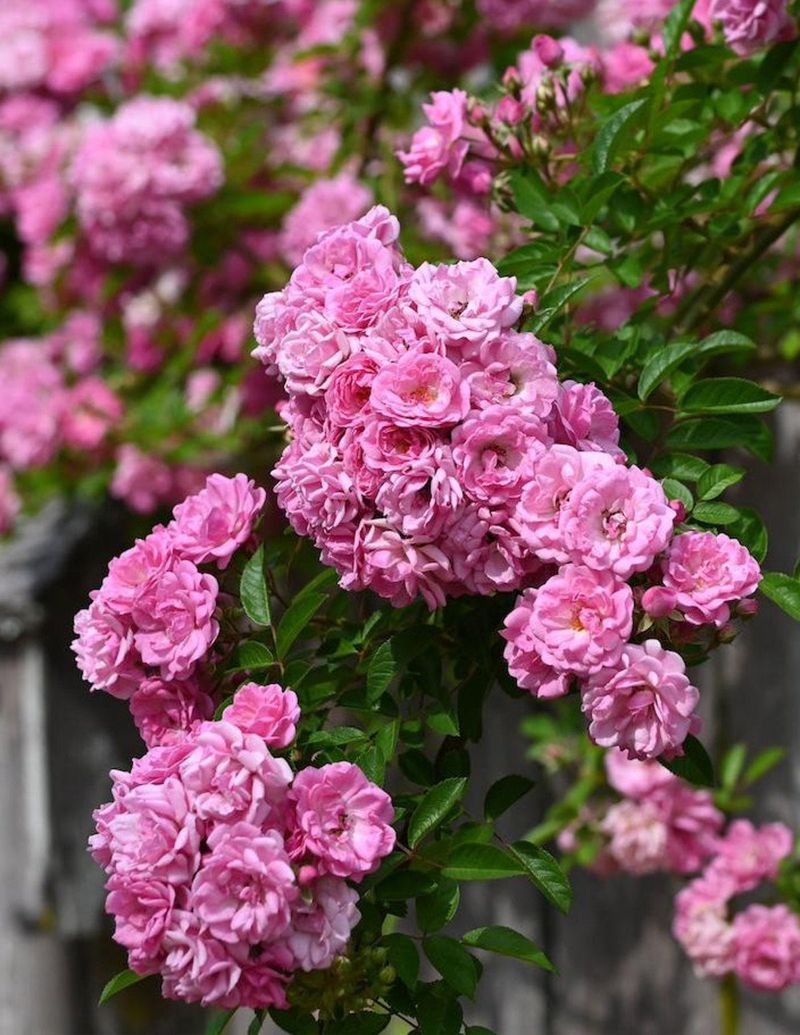
Climbing roses are one of the most romantic sights a Texas garden can offer. Picture long, sweeping canes draped over a fence or archway, covered in big, fragrant blooms.
It is the kind of scene that makes the whole neighborhood stop and stare. But getting that show requires knowing when to prune and when to step back.
Certain varieties of climbing roses, especially the once-blooming types and many old garden roses, produce their flowers on older canes from the previous season. These canes are the backbone of the plant’s blooming potential.
Cutting them back in early spring eliminates the very wood that holds all the flower buds, leaving you with a plant that grows vigorously but does not flower as expected.
Modern repeat-blooming climbers behave a bit differently and can tolerate some light spring pruning, but even with those varieties, it pays to be cautious and minimal with early cuts.
The safest approach for most climbing roses in Texas is to wait until after the first big flush of blooms before doing any significant pruning. Remove only clearly damaged or crossing canes in early spring.
Once that first wave of flowers has finished, you can shape the plant, tie in new canes, and remove what is no longer productive. Your climbing rose will thank you with an even better display the following year.