Texas Trees That Can Get You Fined For Cutting Them Down
Cutting down a tree in Texas isn’t always a simple decision.
Certain trees are protected by state or local laws, and removing them without permission can result in hefty fines.
Many Texas cities have tree preservation ordinances that apply to native species, large trees, or trees in environmentally sensitive areas.
Homeowners are often surprised to learn that even trees on private property may require permits before trimming or removal.
These rules aim to protect shade, wildlife habitat, and community character.
Understanding which trees are protected—and when approval is required—helps homeowners avoid costly penalties and unexpected legal trouble.
Heritage Trees (City-Designated)
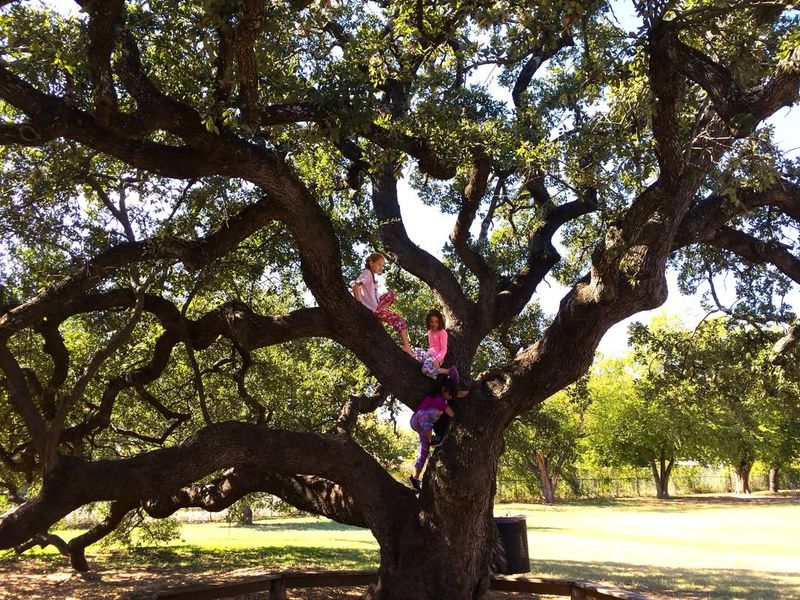
Cities across Texas have special designations for trees that hold historical, cultural, or environmental significance in their communities.
These heritage trees often become landmarks that define neighborhoods and contribute to local identity.
Once a tree earns this protected status, removing it without city approval can result in serious financial consequences.
The criteria for heritage designation typically include factors like age, size, species, and historical importance to the area.
Some cities maintain official registries of heritage trees, complete with photographs and location information.
Property owners who inherit land with designated heritage trees must follow strict guidelines before making any changes.
Even routine maintenance like heavy pruning may require advance notification or permits from local authorities.
Fines for unauthorized removal can range from hundreds to thousands of dollars per tree, depending on the municipality.
In some cases, violators must also pay for replacement trees or contribute to community reforestation funds.
Before purchasing property or planning landscaping changes, always check with your city’s urban forestry department about heritage tree designations.
These protections exist because mature trees provide irreplaceable benefits like shade, air quality improvement, and stormwater management.
Respecting heritage tree laws helps preserve the character and environmental health of Texas communities for future generations.
Live Oak Trees (Protected By Many Cities)
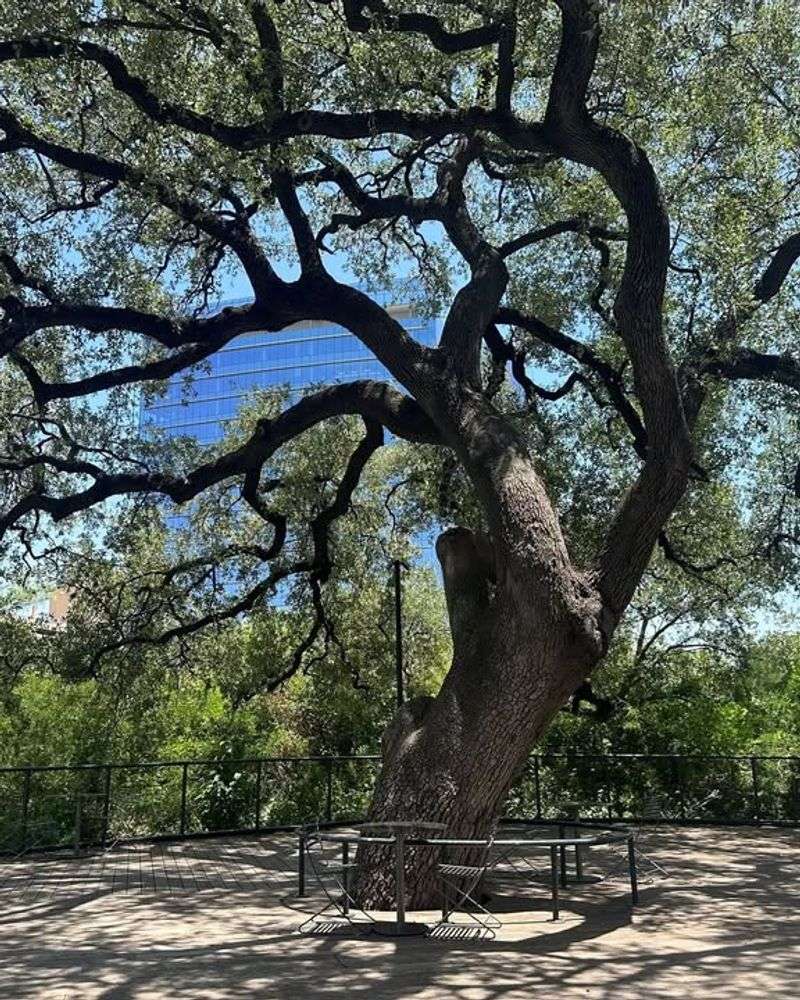
Live oaks stand as iconic symbols of Texas landscapes, with their massive trunks and sprawling branches creating natural canopies.
Cities like Austin, San Antonio, and Dallas have enacted specific ordinances to protect these beloved trees from unnecessary removal.
Their slow growth rate and long lifespan mean that a mature live oak represents decades or even centuries of natural development.
Local governments recognize that once a large live oak is gone, it cannot be replaced within a human lifetime.
Protection measures often kick in when a live oak reaches a certain trunk diameter, typically around 19 to 24 inches.
Homeowners who want to remove a protected live oak must apply for a permit and demonstrate legitimate reasons like safety hazards or construction necessity.
The application process usually requires an arborist report documenting the tree’s condition and exploring alternatives to removal.
Illegal removal of a protected live oak can result in fines reaching $4,000 or more in some Texas cities.
Some municipalities also require mitigation, meaning violators must plant multiple replacement trees or pay into environmental funds.
Even if a live oak is on private property, city ordinances may still govern what you can do with it.
These protections reflect community values about preserving urban forests and maintaining the distinctive character of Texas neighborhoods.
Always consult local regulations before touching a live oak, as the financial and legal consequences can be substantial.
Pecan Trees In Certain Municipalities
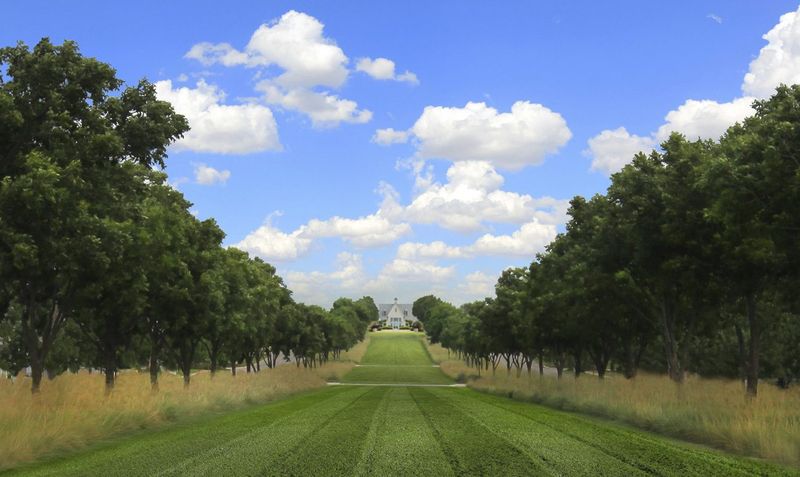
As the official state tree of Texas, the pecan holds special cultural and agricultural significance throughout the region.
Many municipalities have recognized this importance by including pecans in their tree protection ordinances.
These native trees provide not only shade and beauty but also produce the nuts that have become synonymous with Texas cuisine and agriculture.
In cities with pecan tree protections, property owners must obtain permits before removing trees above a certain size threshold.
The permitting process typically involves demonstrating that the tree poses a safety risk or interferes with legitimate development plans.
Some communities impose higher fines for removing pecan trees compared to other species, reflecting their special status.
Historical pecan groves in urban areas may receive additional layers of protection under heritage or landmark designations.
Violating pecan tree ordinances can result in fines ranging from several hundred to several thousand dollars.
Replacement requirements may also apply, forcing violators to plant multiple young trees to compensate for the loss.
Even trimming or pruning a protected pecan tree might require advance approval from city arborists or forestry departments.
Property owners should document the condition of any large pecan trees and consult with certified arborists about proper care.
These protections help maintain Texas’s connection to its agricultural heritage while preserving valuable urban tree canopy.
Before making decisions about pecan trees on your property, research your specific city’s ordinances to avoid costly violations.
Trees Over A Minimum Trunk Diameter
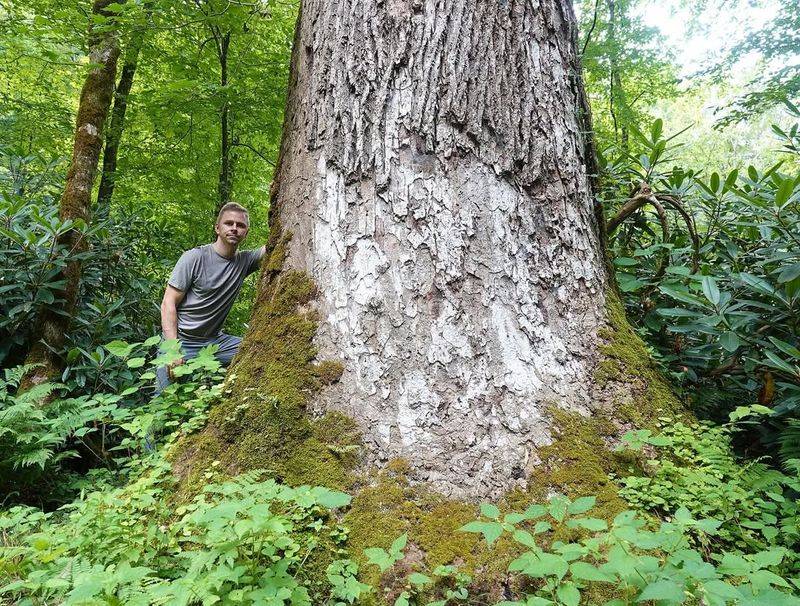
Most Texas cities don’t protect trees based solely on species—size matters tremendously in tree preservation ordinances.
Municipalities commonly establish minimum trunk diameter thresholds, typically ranging from 19 to 24 inches, measured at a specific height.
Once a tree reaches this protected size, it becomes subject to removal restrictions regardless of species or location on private property.
The measurement standard usually requires taking the diameter at breast height, abbreviated as DBH, which is approximately 4.5 feet above ground.
This size-based approach recognizes that larger trees provide disproportionately greater environmental benefits than smaller specimens.
Mature trees of protected size offer superior shade, carbon sequestration, stormwater absorption, and wildlife habitat.
Homeowners planning renovations or landscaping changes should measure their trees before proceeding with any removal plans.
Cutting down a protected-size tree without proper permits can trigger fines of $500 to $4,000 or more per tree.
Some cities calculate fines based on the tree’s appraised value, which increases with size and species desirability.
The permit application process usually requires professional arborist assessments and documentation of why removal is necessary.
Cities may approve removal permits for trees that are diseased, structurally unsound, or legitimately interfering with approved construction.
However, convenience or personal preference rarely qualifies as sufficient justification for removing protected-size trees.
Understanding your local diameter thresholds is essential before making any decisions about mature trees on your property.
Trees Located In Required Setbacks Or Buffer Zones
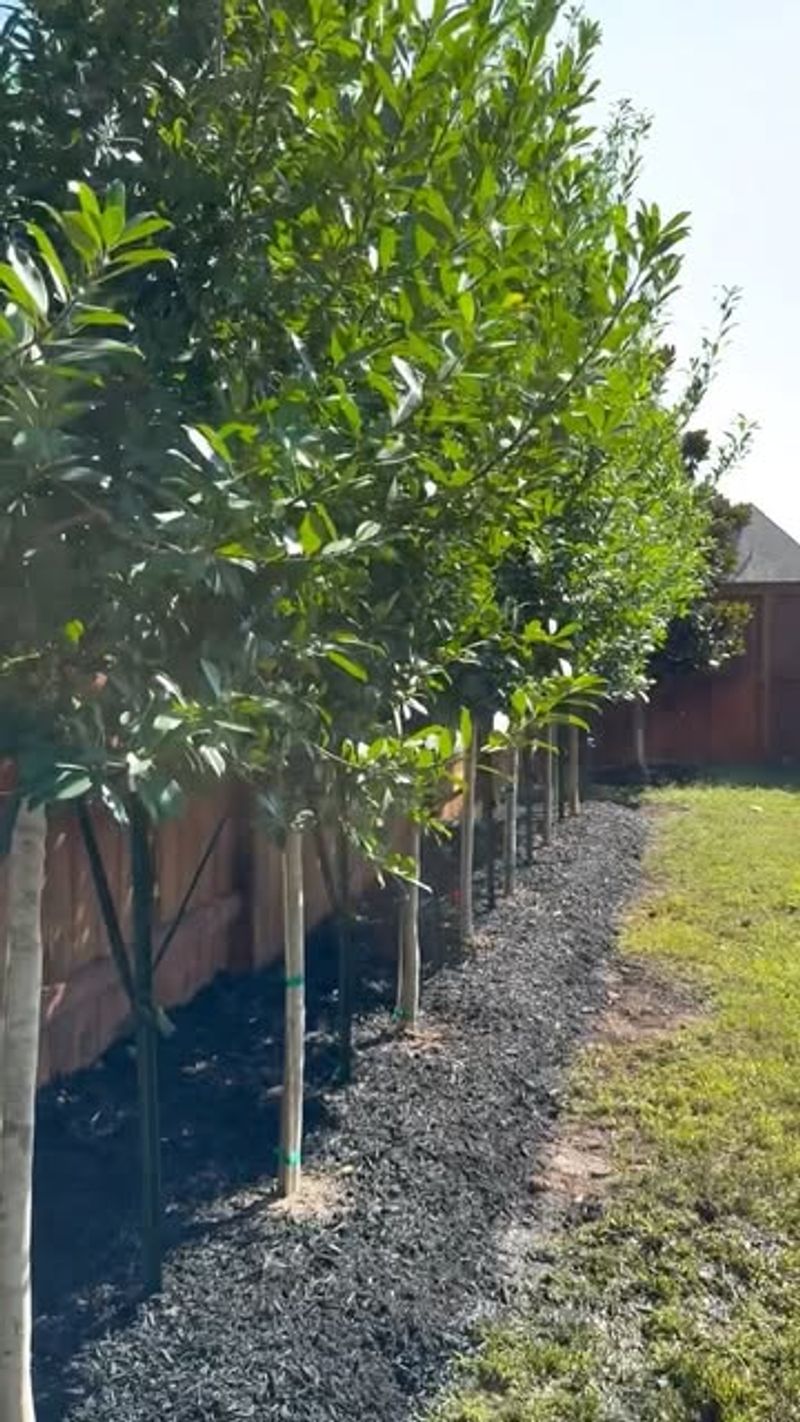
Zoning regulations in Texas cities often require vegetated buffer zones between different land uses or along property boundaries.
Trees growing within these designated setback areas serve important functions like screening, noise reduction, and visual separation between properties.
Even though these trees may technically sit on private property, their location within required buffers gives them special protected status.
Removing trees from setback zones can violate the original conditions that allowed a property’s development or zoning approval.
These buffer requirements typically apply to commercial properties adjacent to residential areas, but can also affect purely residential developments.
Property owners who remove buffer zone trees without authorization may face fines and mandatory restoration requirements.
In some cases, violations can jeopardize a property’s certificate of occupancy or compliance status with original site plans.
The penalties for unauthorized removal can include both monetary fines and requirements to replant equivalent or greater vegetation.
Some municipalities conduct periodic inspections to ensure that required buffers remain intact and properly maintained over time.
Developers and property owners should carefully review their approved site plans to identify any trees that fulfill buffer requirements.
Even routine maintenance within buffer zones may require advance notification or approval from planning departments.
These protections ensure that zoning regulations continue to serve their intended purposes long after initial development approval.
Before modifying landscaping in setback areas, always verify whether trees serve required buffer functions that cannot be eliminated.
Riparian Or Creekside Trees
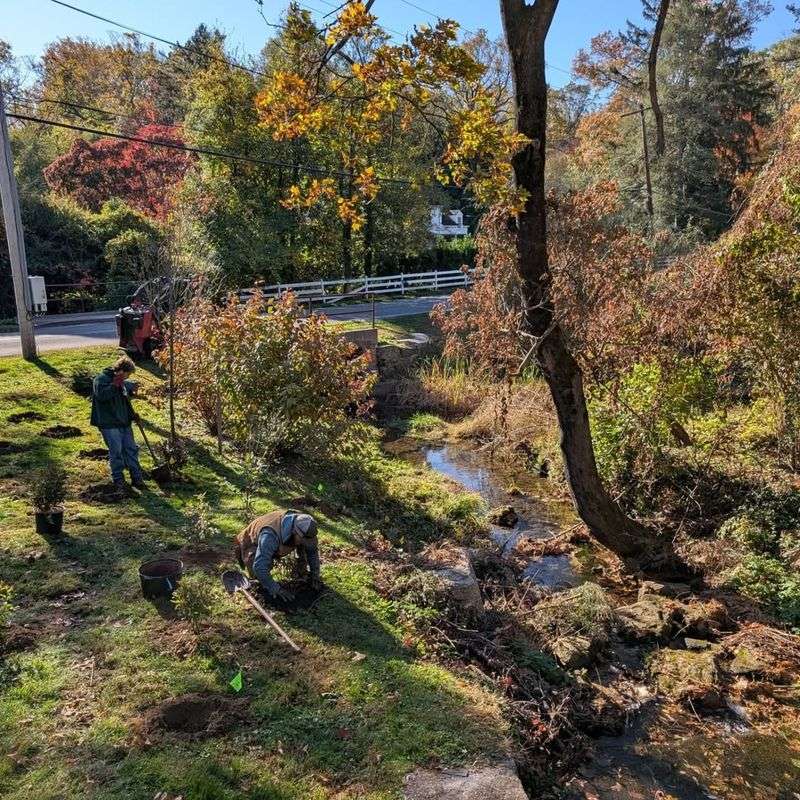
Trees growing along creeks, rivers, and drainage corridors play critical roles in preventing erosion and protecting water quality.
Their root systems stabilize banks and filter pollutants before they enter waterways, making them essential for environmental health.
Texas cities have recognized these benefits by enacting strict protections for riparian vegetation through environmental ordinances.
Removing trees from these sensitive areas can destabilize banks, increase flooding risks, and degrade aquatic habitats.
Property owners with land adjacent to waterways often face the most stringent tree removal restrictions in municipal codes.
Permits for riparian tree removal are rarely granted unless the tree poses imminent danger or interferes with approved flood control projects.
Violations involving creekside trees can trigger enforcement from multiple agencies, including city environmental departments and state water authorities.
Fines for unauthorized removal in riparian zones can exceed those for other protected trees due to the environmental sensitivity.
Some municipalities also require extensive mitigation plantings to restore lost ecological functions when removal is approved.
Property owners should be especially cautious about any work near drainage easements or designated floodplains.
Even seemingly minor modifications to vegetation in these areas can have cascading effects on water flow and erosion patterns.
Professional environmental consultants can help property owners navigate the complex regulations surrounding riparian zones.
Protecting these natural corridors benefits entire communities by maintaining water quality and reducing flood damage downstream.
Trees On Historic Or Conservation Properties
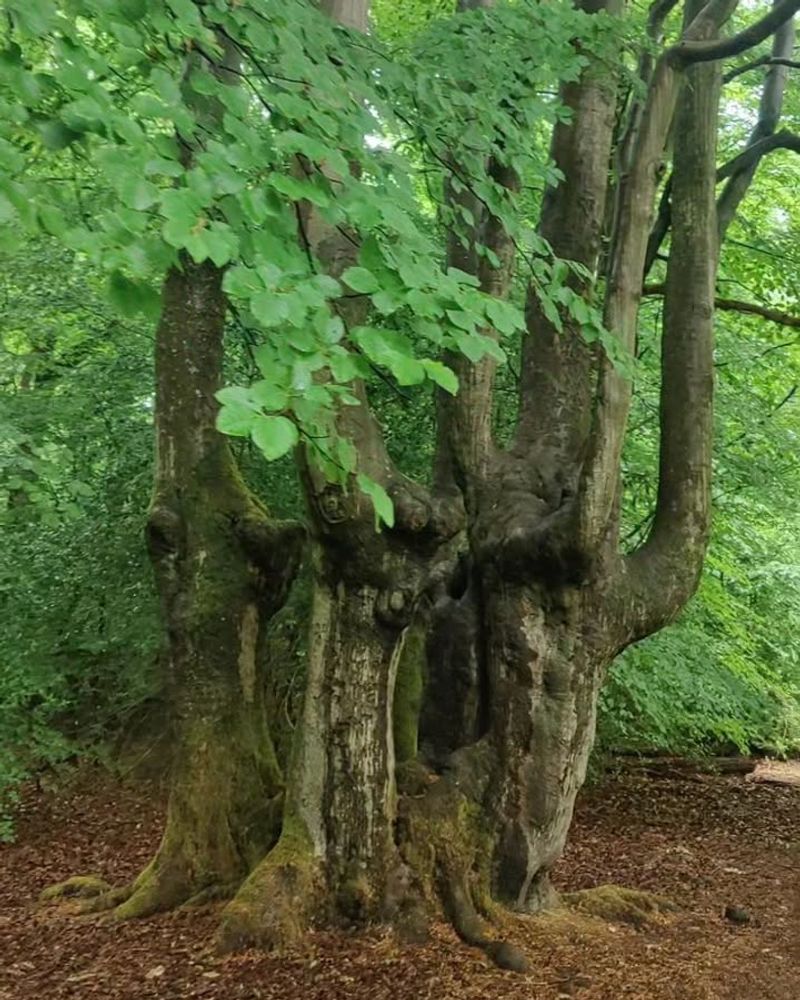
Properties with historic designations or conservation easements face additional layers of tree protection beyond standard municipal ordinances.
These special classifications recognize that mature trees often contribute significantly to a property’s historical character and environmental value.
Historic district regulations typically require property owners to maintain the landscape features that existed during the period of significance.
Conservation easements, whether voluntary or required, often include specific provisions protecting existing vegetation from removal or alteration.
Violating tree protection provisions on designated properties can result in substantially higher fines than standard ordinance violations.
Some historic commissions have authority to impose penalties, require restoration, and even pursue legal action for unauthorized changes.
Property owners in historic districts usually must obtain certificates of appropriateness before removing any significant trees.
The review process considers whether tree removal would adversely affect the historic character that warranted the original designation.
Conservation properties may have monitoring requirements that include periodic verification of protected tree survival and health.
Purchasers of historic or conservation properties should thoroughly review all deed restrictions and easement documents before closing.
These documents often contain specific tree protection language that runs with the land permanently, binding all future owners.
Professional legal and environmental consultations are advisable when planning any landscape changes on designated properties.
The enhanced protections reflect community investment in preserving both cultural heritage and natural resources for public benefit.
Trees Planted To Satisfy A Development Requirement
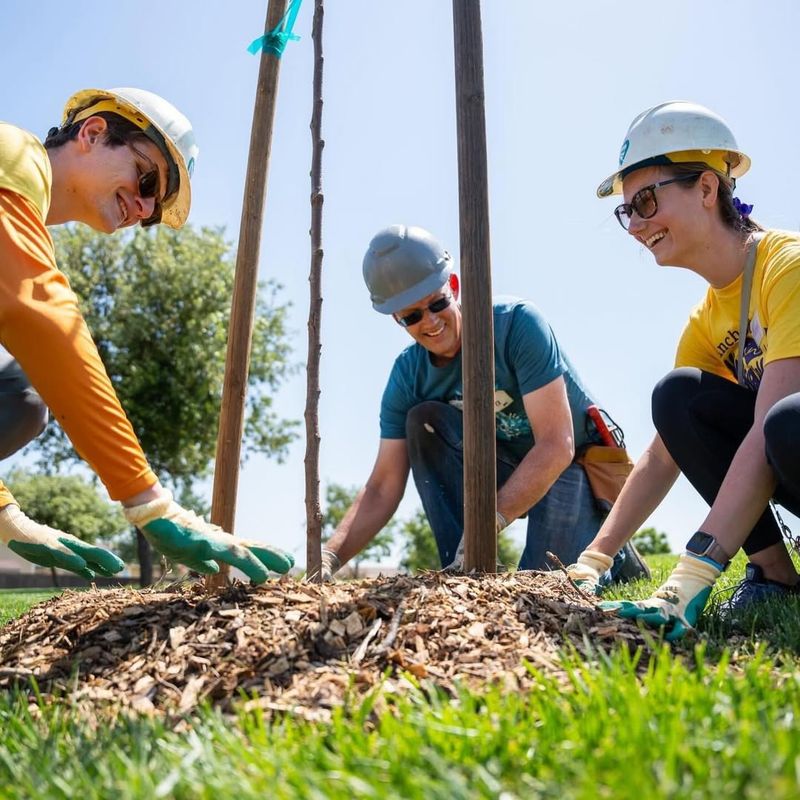
When developers receive approval for construction projects, they typically must meet specific landscaping requirements including tree plantings.
These mandatory trees become permanent fixtures that cannot be removed without going through the same approval process as the original development.
Site plans approved by planning commissions often include detailed landscape plans showing required tree locations, species, and sizes.
Removing trees that were planted to satisfy these requirements essentially puts the property out of compliance with its approved plans.
This can create legal complications affecting certificates of occupancy, business licenses, and property transfer transactions.
Property owners who purchase developed land inherit the responsibility to maintain all trees required by the original site approval.
Even if years or decades have passed since initial development, those trees remain protected under the original conditions.
Unauthorized removal can trigger enforcement actions requiring replacement plantings, fines, and potentially stop-work orders on the property.
Some municipalities track required trees through geographic information systems that map every tree tied to development approvals.
Before removing any tree from a developed property, owners should obtain copies of the original site plan and landscaping requirements.
Planning departments can verify whether specific trees fulfill ongoing compliance obligations that cannot be eliminated.
Replacement trees must often meet or exceed the size and quality of the originals, making violations expensive to remedy.
Understanding these obligations protects property owners from inadvertent violations that could complicate property use and future development plans.
Street Trees (Even If They’re In Front Of Your House)
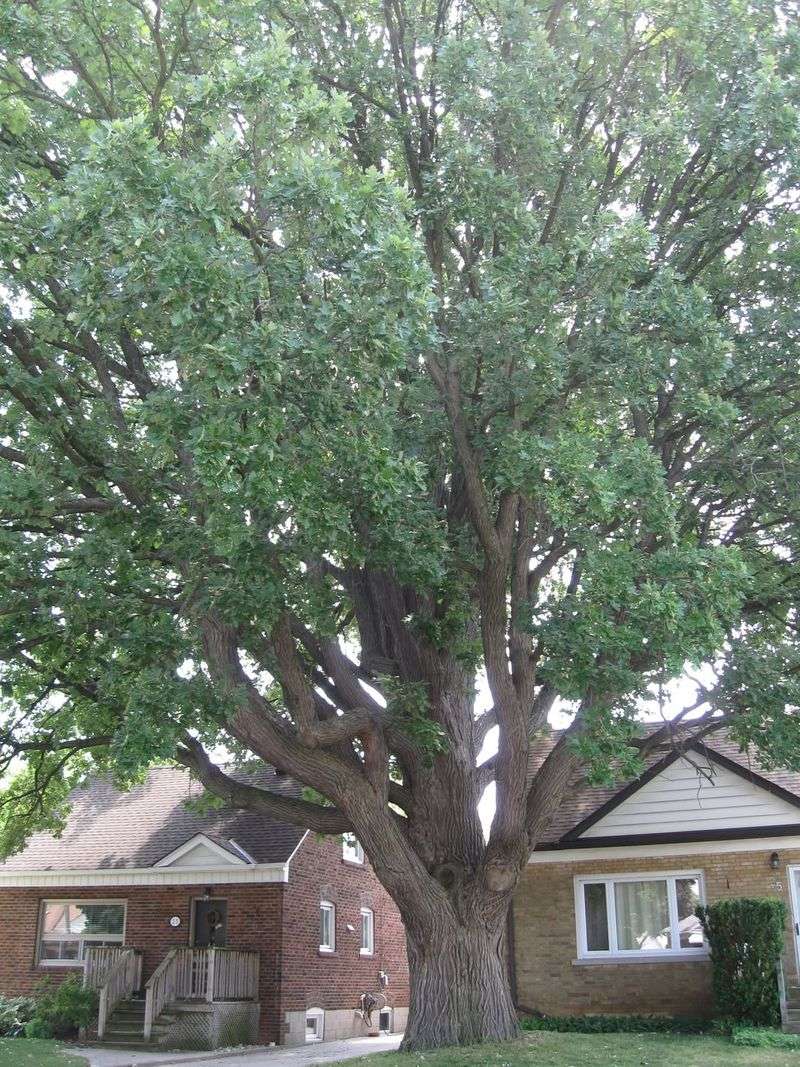
Many homeowners mistakenly believe they own the trees planted in the strip between the sidewalk and street curb.
In reality, this area typically constitutes public right-of-way, meaning those trees belong to the city regardless of who maintains them.
Street trees provide community-wide benefits including shade for pedestrians, stormwater management, and neighborhood beautification.
Cities invest significant resources in planting and maintaining street tree programs, making unauthorized removal a serious violation.
Homeowners who cut down street trees without permission face fines that can reach several thousand dollars per tree.
Beyond monetary penalties, violators may be required to pay for replacement trees and ongoing maintenance until they become established.
Some municipalities pursue criminal charges for street tree vandalism in addition to civil penalties and replacement costs.
Even if a street tree causes problems like sidewalk lifting or utility line interference, homeowners cannot take independent action.
Proper procedure requires contacting the city’s urban forestry or public works department to request evaluation and potential removal.
Cities will assess whether problems can be resolved through pruning, root barriers, or other measures before approving removal.
Documentation of the right-of-way boundaries should be reviewed carefully, as property lines rarely extend to the street curb.
Homeowners remain responsible for basic maintenance like watering and mulching street trees in many communities.
Understanding the distinction between private property trees and public street trees prevents costly mistakes and legal complications.
Protected Trees In Cities With Strong Tree Ordinances
Major Texas cities including Austin, San Antonio, Dallas, and Fort Worth have developed comprehensive tree protection ordinances with substantial enforcement mechanisms.
Austin’s tree ordinance is particularly strict, with heritage tree protections and size-based regulations that cover most mature specimens.
San Antonio has invested heavily in urban forestry programs that identify and protect significant trees throughout the city.
Dallas enforces tree preservation requirements that apply to both residential and commercial properties above certain size thresholds.
Fort Worth balances development interests with tree protection through a permit system that evaluates removal requests case-by-case.
Fines in these major cities can reach $4,000 or more per tree for violations, with additional replacement and mitigation requirements.
Some ordinances calculate penalties based on the appraised value of removed trees, which can escalate costs significantly for large specimens.
Repeat violators may face increased penalties and closer scrutiny on future permit applications for any purpose.
These cities employ urban foresters and enforcement officers who respond to complaints and conduct proactive inspections.
Technology like aerial imagery and geographic information systems helps cities monitor tree canopy changes and identify potential violations.
Property owners in these municipalities should familiarize themselves with local ordinances before planning any landscape modifications.
Professional arborists and tree services operating in these areas understand the regulations and can guide clients through compliance.
Strong tree ordinances reflect community priorities about maintaining livable, sustainable cities with healthy urban forests for current and future residents.