That Fast Many-Legged Bug In Your South Carolina Bathroom Is Venomous But Quietly Handles Pest Control
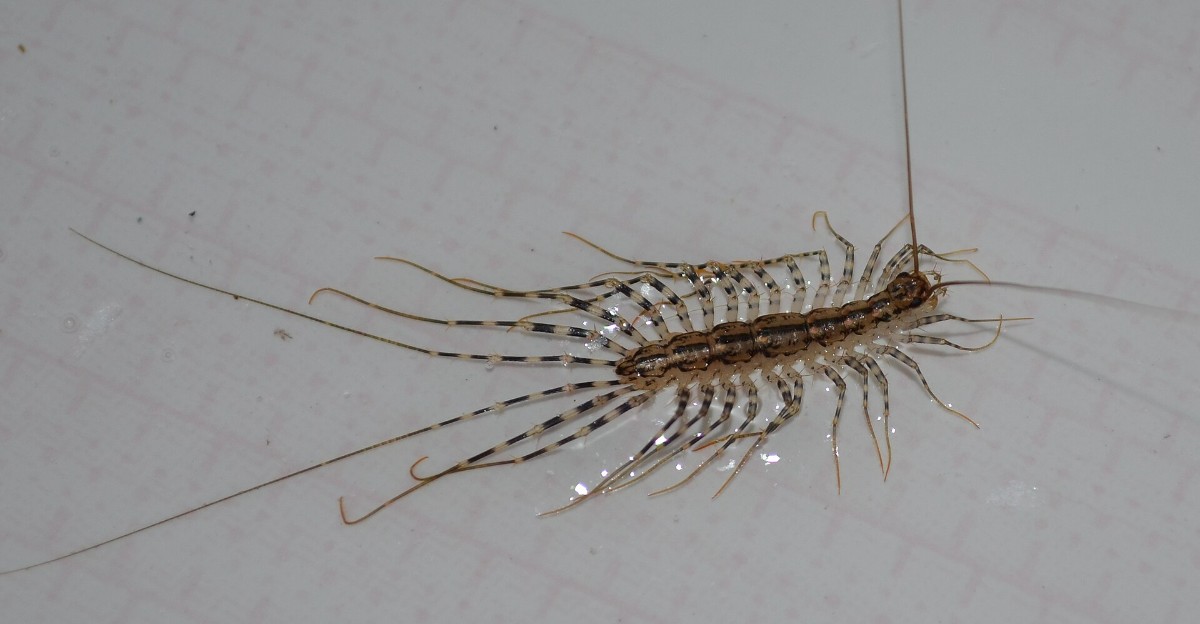
It can have 30 legs, and it runs faster than most people can follow with their eyes. That combination is enough to make almost anyone flinch.
I learned that the hard way one humid night in my South Carolina bathroom. A gray streak shot past the bath mat and vanished under the vanity before I could even yelp.
Funny thing is, that little sprinter carries venom in a pair of modified front legs. Those legs hook forward like tiny pincers and deliver a dose strong enough to stop a roach in its tracks. It hunts at night, prefers damp hiding spots, and almost never bothers people.
I used to grab a shoe every time. Then I started noticing which other bugs went missing once these visitors moved in. Is the creature lurking near your water heater really a menace, or the quietest helper you never hired?
Those 15 Pairs Of Striped Legs Belong To A Surprisingly Useful Indoor Hunter
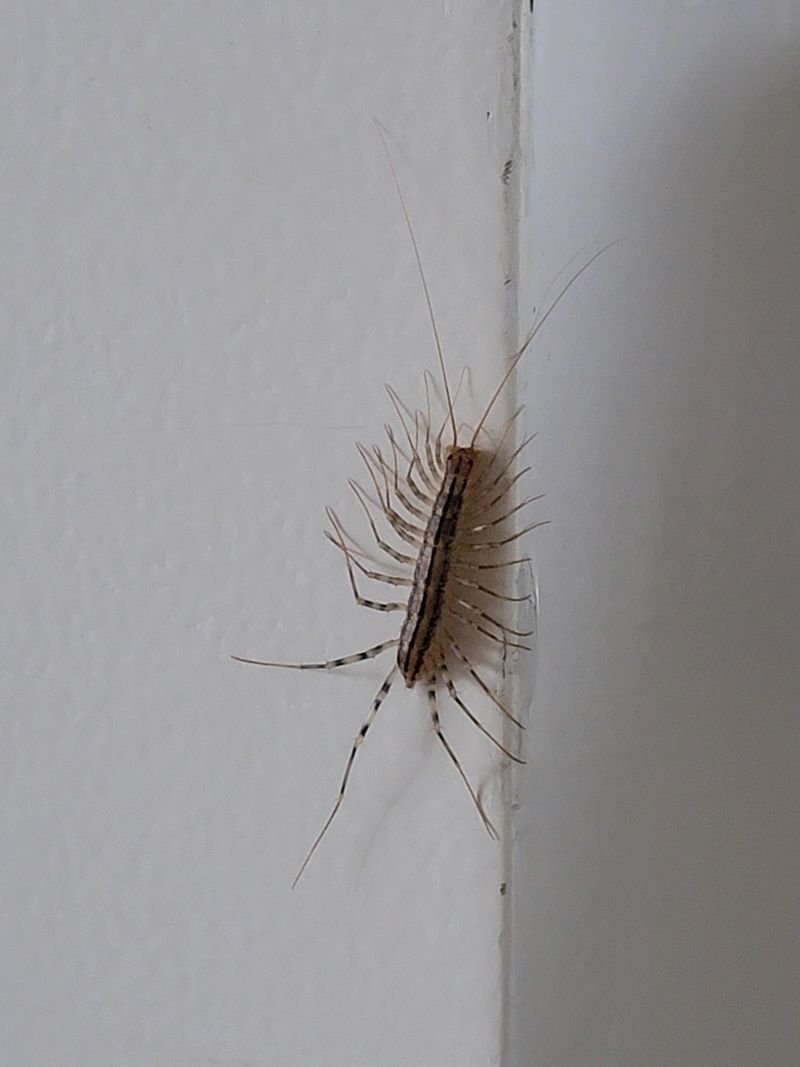
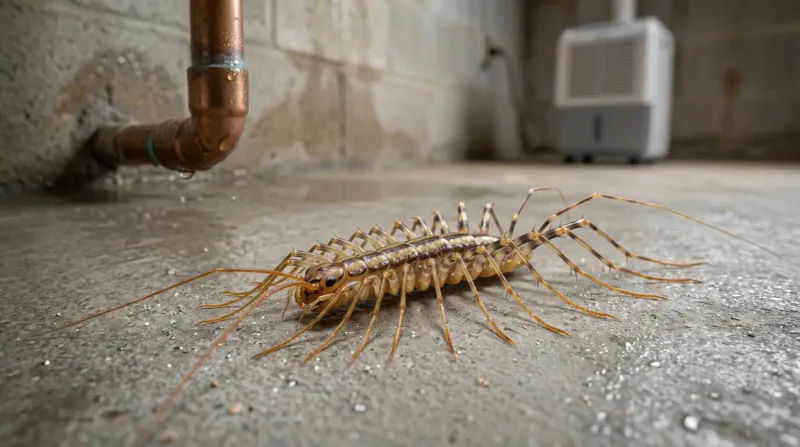
Count the legs if you can. Most people never get the chance, because the house centipede moves so fast it looks like a blur of fringe.
An adult has 15 pairs of long, banded legs and a yellowish-gray body about 1 to 1.5 inches long. Three dark stripes run down its back. Those legs make it look twice its real size, which explains why so many folks shriek first and ask questions later.
The scientific name is Scutigera coleoptrata. It likely came from the Mediterranean region and has spread across much of the United States, including homes throughout the Southeast. In warmer parts of the country, it can live outdoors under mulch, rocks, and leaf litter too.
Here is what surprised me most. That speedy body is built for hunting, not for chasing people. Its long antennae sense prey in the dark, and the back pair of legs is so long it can look like a second set of antennae.
Once you know what you’re looking at, the fear starts to fade a little. Recognizing it correctly also keeps you from confusing it with millipedes, silverfish, or other harmless critters that need different handling.
Roaches And Silverfish Are On The House Centipede Menu
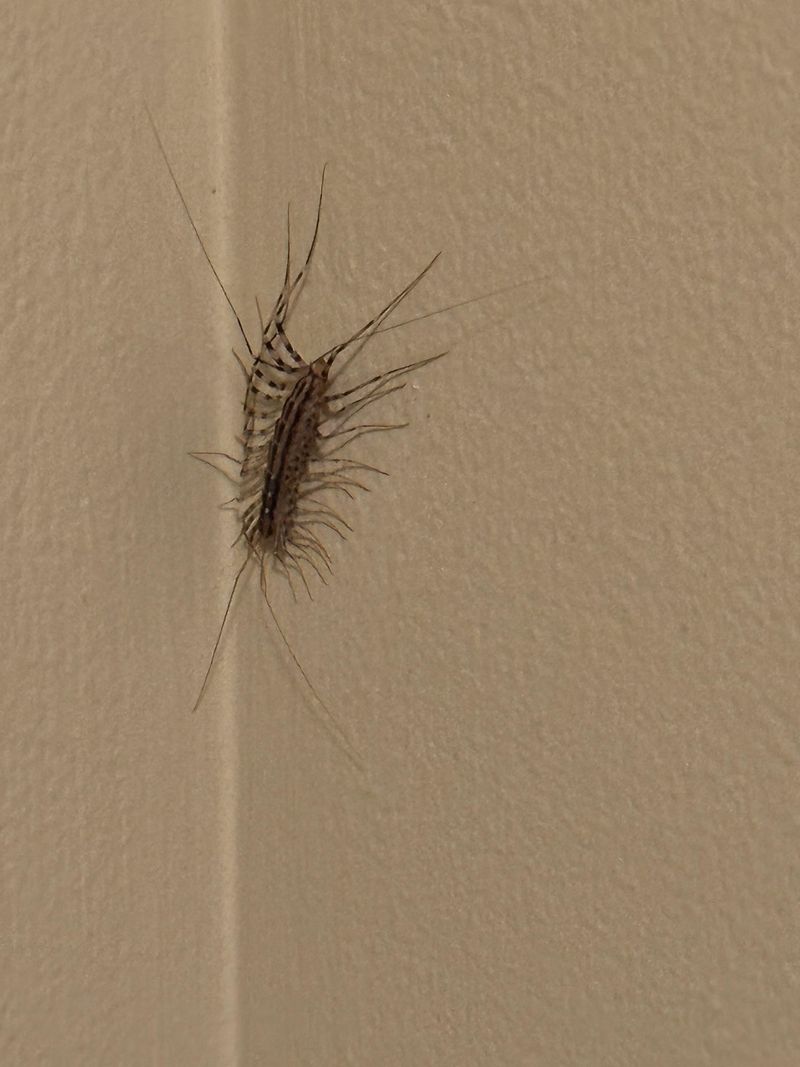
Silverfish in the bathroom, a roach behind the fridge, a spider in the corner. A house centipede sees all of that as dinner.
These hunters eat cockroaches, silverfish, spiders, carpet beetle larvae, termites, flies, and other small insects. University extension entomologists often describe them as beneficial for exactly that reason. They grab prey with their legs, sometimes wrapping it up in a move people compare to lassoing.
They don’t spin webs or set traps. Instead, they patrol and pounce, and their speed lets them chase down bugs that would outrun a spider.
Trust me on this one, though. A centipede sighting is also a clue. If you spot several, there’s probably a steady supply of other insects nearby, and that food source matters more than the centipede itself.
So before reaching for spray, ask what it’s eating. Cockroaches are common in humid Southern homes, and a centipede may be handling a problem you haven’t noticed yet.
That doesn’t mean you should welcome dozens. It just means one quiet visitor might be doing some unpaid work, and that’s worth a second thought before you swat.
Those Venomous Front Claws Are Mostly A Problem For Bugs
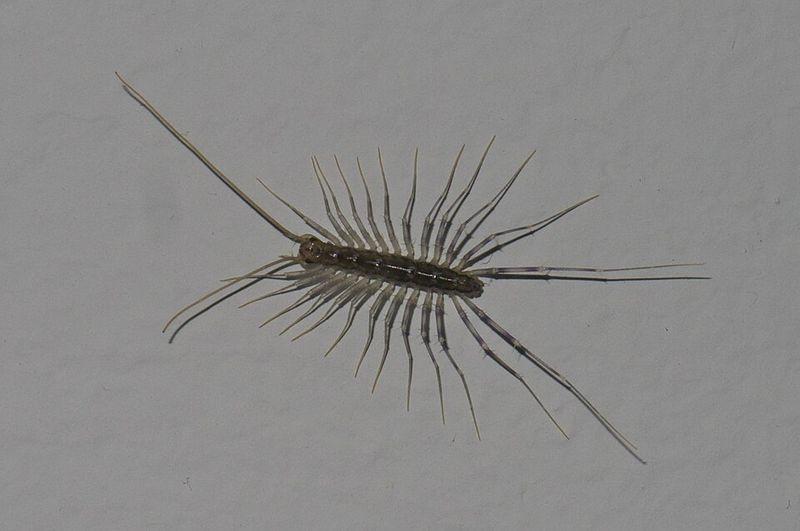
Yes, it’s venomous. No, that doesn’t make it dangerous to most people.
The venom comes from forcipules, which are front legs changed into hollow, fang-like claws. The centipede uses them to inject venom that quickly stops its insect prey. It’s a clever tool, and it works well on creatures smaller than your thumbnail.
Bites on humans are uncommon. House centipedes usually run away when disturbed, and their claws often struggle to break through adult skin. Most bites happen when someone accidentally presses or grabs one.
When a bite does occur, it tends to feel like a mild bee sting. Expect some pain, redness, and swelling that typically fades within a few hours to a day.
Wash the spot with soap and water, then apply a cold pack. An over-the-counter pain reliever can help with discomfort.
Fair warning, though. People with insect venom allergies should watch for hives, swelling of the face, or trouble breathing, and seek medical care right away if that happens. For small children and pets, the same calm, careful approach applies. Serious reactions are rare, but it pays to know the signs.
Damp Rooms Feel Like Home To Centipedes
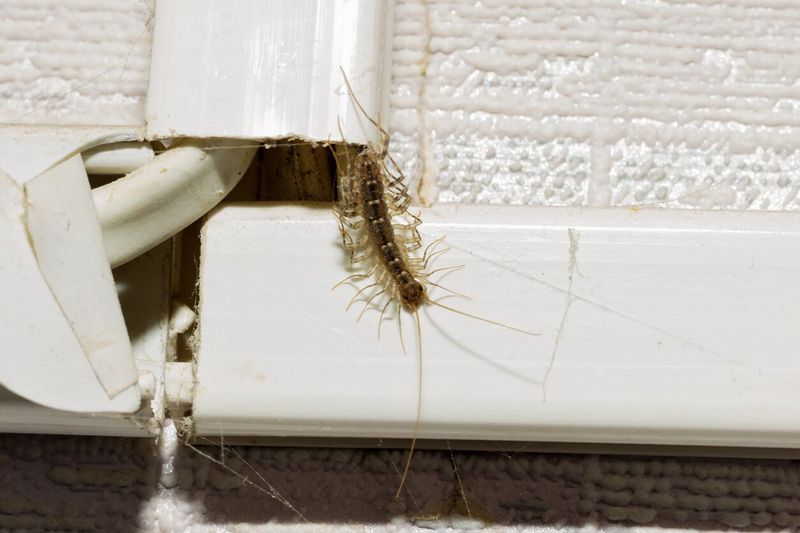
Moisture is the magnet. House centipedes lose water easily, so they seek out spots that stay cool and damp.
That’s why you’ll find them in basements, crawl spaces, bathrooms, laundry rooms, and under sinks. Floor drains and areas around water heaters are favorite hangouts too. Clutter like cardboard boxes and stacked newspapers gives them extra cover.
South Carolina’s long, muggy summers make many homes extra inviting. Crawl spaces in the Lowcountry and along the coast can hold plenty of humidity, while basements in the Upstate may stay cool and damp most of the year.
Weather shifts send them indoors as well. Heavy rain can flood their outdoor hiding spots, and cooler fall nights push some toward warmer shelter.
I’m not proud of this, but my laundry room had a slow drip under the utility sink for months. Guess where I kept seeing them? Fixing that leak cut down the sightings noticeably.
Look at your own damp corners with fresh eyes. Places that smell musty or show condensation on pipes are likely the same places these hunters are calling home, along with the insects they chase.
That Midnight Dash Across The Bathroom Floor Is Hunting Time
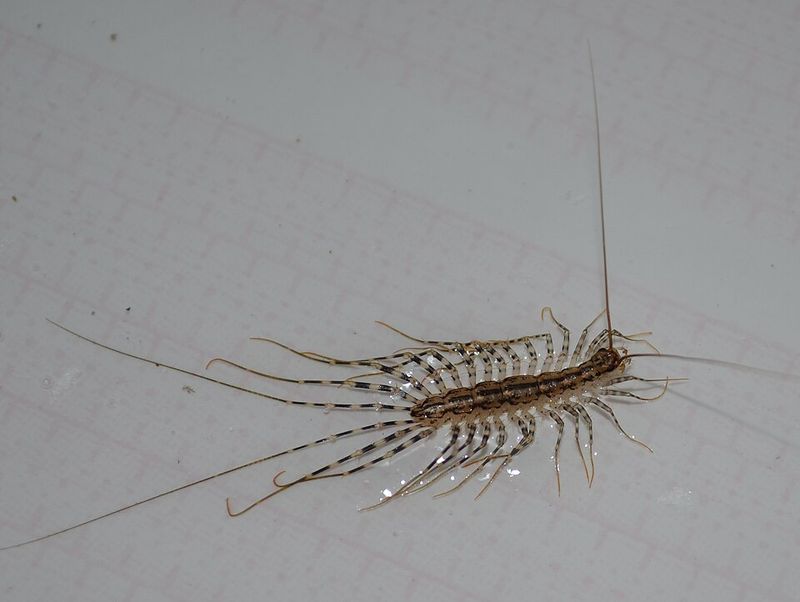
Flip on the bathroom light at 2 a.m. and something bolts for the baseboard. Odds are, you just interrupted a hunt.
House centipedes are mostly nocturnal. They rest during the day in cracks, under boxes, and inside wall voids, then come out after dark to search for food. Light sends them scrambling for cover.
Bathtubs and sinks are a common spot to find one stuck in the morning. The slick sides are hard to climb, so a centipede that wanders in at night may not be able to get back out. That’s not a sign they come up through drains, as many people believe.
Here’s a fun bit. Unlike many centipedes, this species has compound eyes, which is unusual for its group. Even so, it relies heavily on those long antennae to feel its way around.
They can live for several years, which is a long life for a household bug. Females lay eggs in moist soil or hidden damp spots, and the young start out with fewer legs, adding more with each molt.
A quick nighttime sighting isn’t cause for alarm. It’s simply a hunter keeping its usual hours.
A Dehumidifier Makes Damp Rooms Less Welcoming To Centipedes
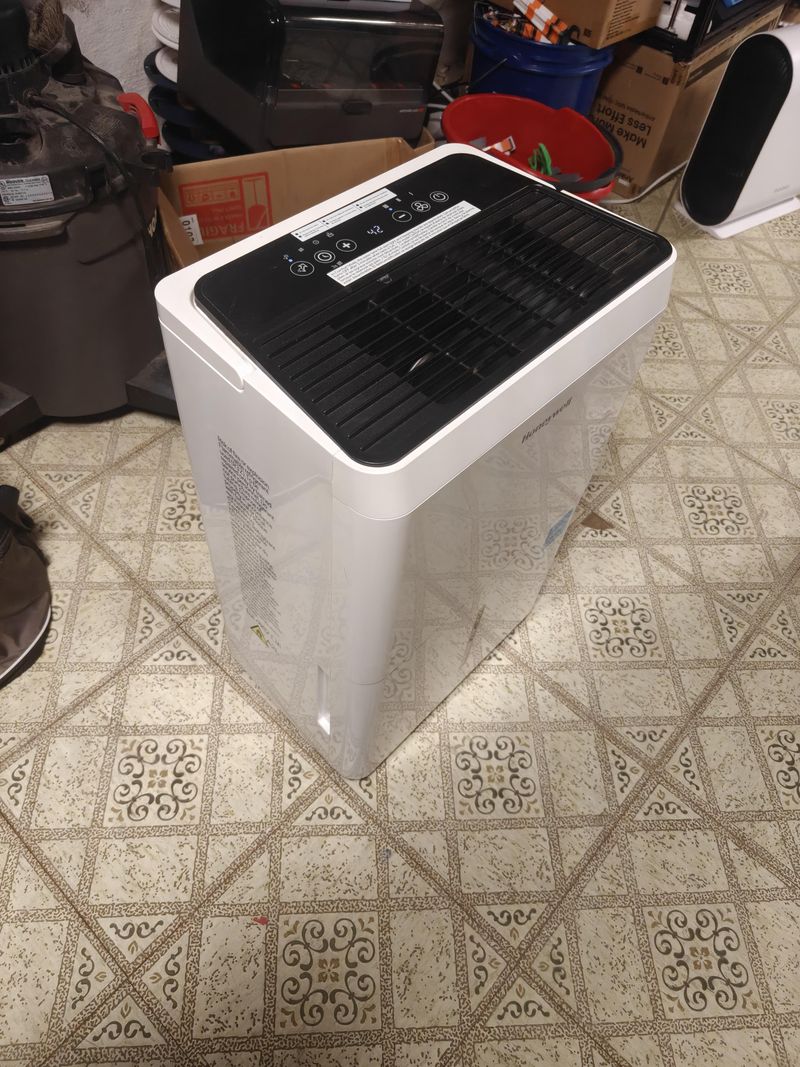
Dry air is your strongest tool. Since house centipedes need humidity to thrive, lowering moisture often lowers their numbers.
Start with a dehumidifier in the basement or damp rooms. Many extension programs suggest keeping indoor humidity around 50 percent or lower, which also helps prevent mold and mildew. Empty the tank often or set up a drain hose.
Next, fix leaks. Dripping faucets, sweating pipes, and loose washing machine hoses add more moisture than you’d guess. Bathroom exhaust fans help too, especially after hot showers.
Crawl spaces deserve attention in South Carolina. A plastic vapor barrier over bare soil and good ventilation or encapsulation can reduce moisture coming up from the ground. A local contractor can advise on what suits your home.
Outdoors, keep gutters clean and make sure downspouts carry water away from the foundation. Pull mulch, leaf piles, and firewood a few feet back from the house.
I didn’t expect such simple changes to work so well. Within a few weeks of running a dehumidifier, my laundry room felt fresher and the evening sprinters showed up far less often.
Caulk Around Foundation Cracks Keeps Centipedes Outside
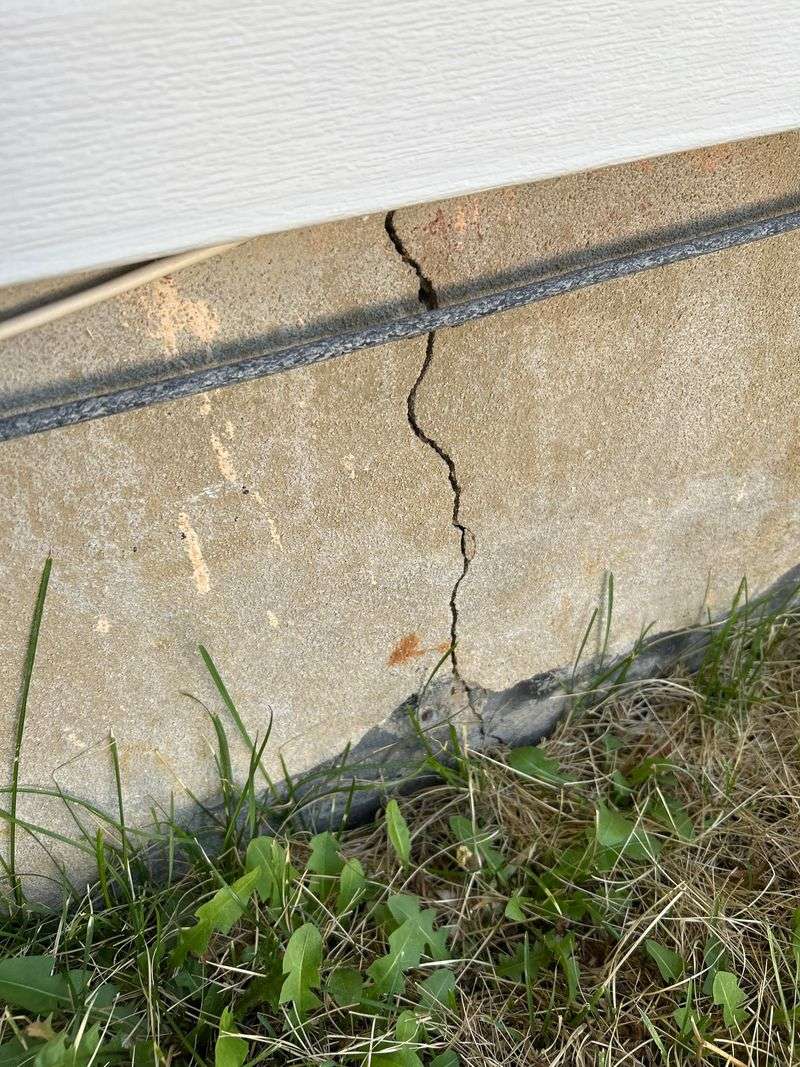
Grab a tube of caulk and take a slow walk around your house. Small gaps are open doors for centipedes and the insects they eat.
Seal cracks in the foundation, gaps around pipes and wires, and openings near basement windows. Add weatherstripping to doors and door sweeps where light shows underneath. Check that window screens fit tightly with no tears.
Indoors, cut down on clutter. Store items in sealed plastic bins instead of cardboard boxes, which soak up moisture and provide hiding spots.
Sticky traps placed along walls and in corners can show you where centipedes travel. They’ll also catch other crawling insects, which tells you what food is drawing them in.
Spraying insecticide indoors is rarely needed for this bug. Most experts recommend fixing moisture and entry points first, because chemicals alone won’t solve the conditions that attract them. If you’re dealing with a heavy roach or termite problem, a licensed pest professional is a smart call.
When you find a single centipede, a cup and a sheet of paper works fine. Release it outdoors, where it can keep hunting garden pests under your mulch.
Spotting A House Centipede Can Point You Toward Bigger Moisture Problems
Think of each sighting as a note from your house. It’s telling you something about moisture and other pests.
One centipede now and then is normal, especially in a humid Southern climate. Seeing several on a regular basis suggests damp conditions and a healthy supply of roaches, silverfish, or spiders. Those are the real issues worth tackling.
Not going to lie, I still jump when one zips past. But I’ve made peace with an occasional visitor. They don’t chew wood, damage fabric, spread disease, or raid your pantry.
Here’s a simple plan that works year-round in South Carolina. Keep humidity down, fix leaks, seal gaps, and reduce clutter. Then watch what happens over a few weeks.
If sightings drop, you’ve cut off their food and comfort. If they don’t, look for hidden water problems or call a pest pro to check for a larger insect issue.
The takeaway is pretty freeing. You don’t have to love this leggy hunter, but you also don’t need to panic. A drier, tidier home means fewer bugs of every kind, and the centipede that stays behind is mostly on your side.