That Giant Inflatable Santa Could Leave A Yellow Patch On Your Indiana Lawn By Spring
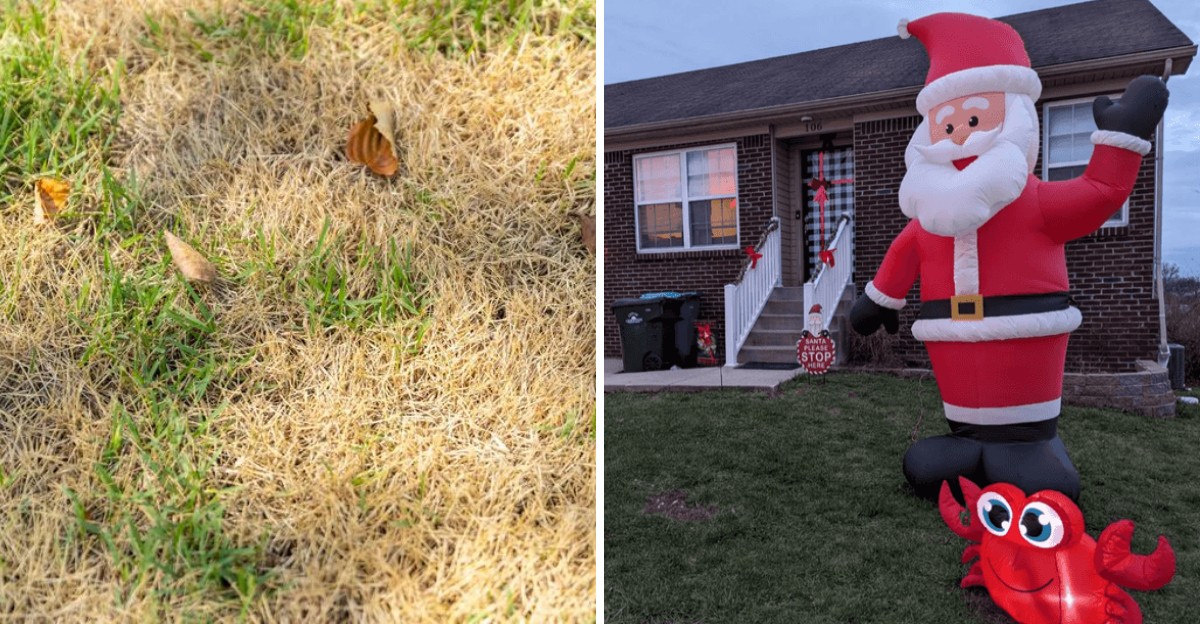
A single holiday inflatable can sit on the same patch of grass for six straight weeks or more. That is long enough for the turf underneath to fade from green to straw yellow.
I learned the hard way after one jolly season out front. When the snow melted in March, a perfect circle of pale, matted grass was waiting right where the big guy had stood.
Indiana winters make it trickier than you might expect. Our cool-season lawns are resting, not frozen in time, and they still rely on light, air, and a little breathing room below the surface.
I’m the first to admit I blamed the cold for years. Turns out the real culprit was wearing a red suit and a grin, and the fix is easier than you’d guess. What exactly happens under all that cheerful nylon?
That Faded Circle Under Santa Has A Simple Story
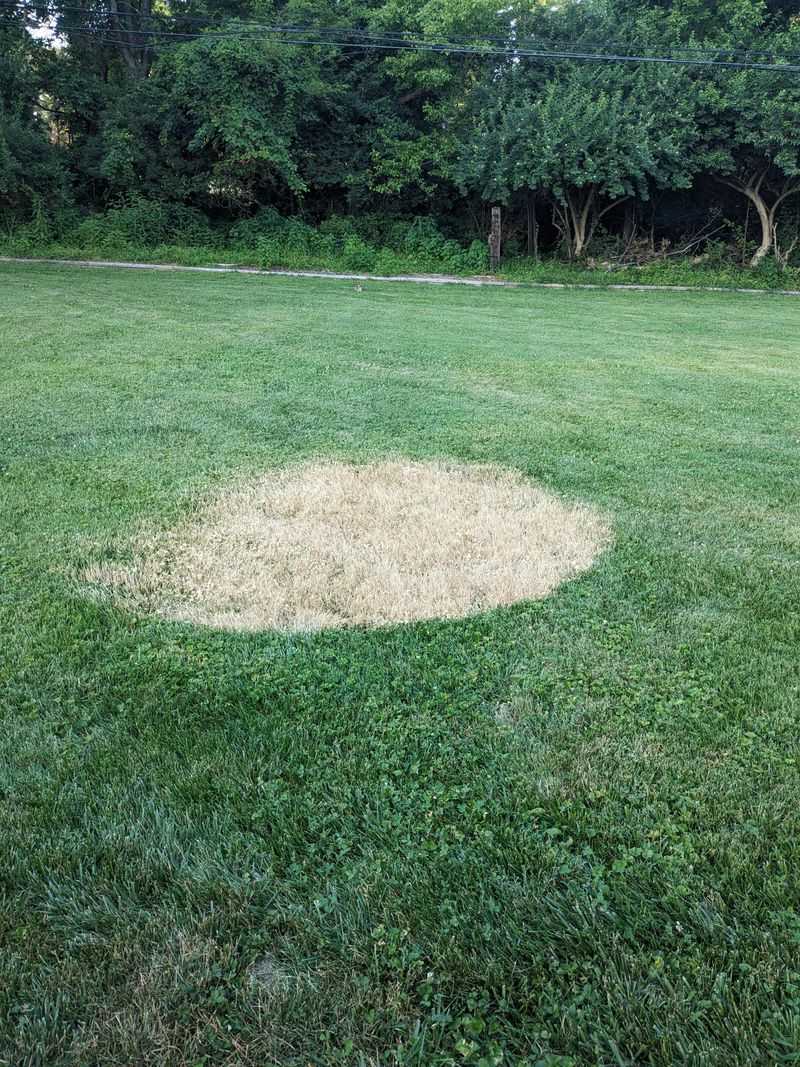
Funny thing about that yellow circle is how neat it looks. It traces the exact footprint of your decoration, almost like a stencil.
The main cause is plain old smothering. A big inflatable base, plus the fabric that sags when the blower is off, blocks sunlight and traps moisture against the grass for weeks. Cool-season turf grows slowly in winter, but it still needs some light and airflow to hold its color.
Purdue Turf Program experts describe the same problem with tarps, toys, and anything left lying on the lawn. Covered grass loses chlorophyll and turns yellow or white within days to weeks, depending on temperature.
Moisture makes things worse. Damp, dark conditions under fabric give snow mold fungi a cozy home, especially when snow piles on top and lingers.
Not every pale spot means permanent damage, though. Many patches are simply stressed or dormant and will green up once they get sun again.
The size of the problem depends on how long the display stays put. A few days rarely matters, while an inflatable parked from Thanksgiving to New Year’s Day has a much better chance of leaving its mark behind for spring.
Scooting Your Inflatable Santa A Few Feet Each Week Saves The Grass

Musical chairs for yard decor sounds silly, but it works. Moving your inflatable even a few feet every week or so gives the covered grass a chance to see daylight again.
Short breaks matter because turf can bounce back from brief shading. The trouble starts when the same blades stay in the dark for a month or more.
A few easy habits help a lot:
Shift the base every 5 to 7 days, ideally on a dry afternoon. Avoid setting stakes or bases on soggy ground, since wet soil packs down fast under weight.
Better yet, park the biggest figures on a driveway, patio, porch, or mulched bed. Many inflatables come with sandbag-friendly tie points, which makes hard surfaces a smart and steady choice.
Pick a set path for plugging in and checking cords. One narrow route keeps footsteps from spreading across the whole yard.
Timers are another small win. When the blower and lights run on a schedule, nobody has to tramp across the frosty grass each night to flip a switch.
Trust me, five minutes of shuffling now beats an afternoon of reseeding later, and the neighbors may not even notice Santa changed spots.
Frosty Grass Blades Snap Under Holiday Foot Traffic
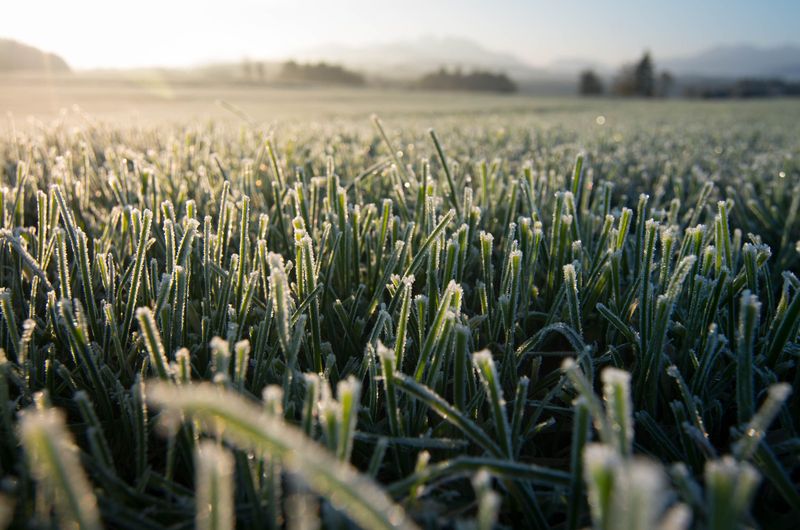
Ever notice dark footprints lingering on a frosty lawn? Those marks are more than a curiosity.
Frozen grass blades contain ice crystals, so they turn brittle. When you walk on them, cells rupture, and the damage often shows up later as brown or yellow tracks.
Holiday setup puts a lot of feet on the lawn. Hauling decorations, staking cords, adjusting tethers, and checking blowers can create a busy trail right around your display.
Purdue turf specialists recommend staying off frozen or frost-covered turf when you can. Wait until the frost melts, usually by late morning on sunny days.
Soft, saturated soil brings a different problem. Indiana winters often swing between freezing and thawing, and wet ground compacts easily under boots and heavy bases.
Compacted soil squeezes out air spaces that roots need. In spring, those areas may green up slowly and stay thinner than the rest of the yard.
A simple fix is laying a few stepping stones or a plank path to the outlet. You can also plan setup for a dry, unfrozen day in November, before the ground turns crunchy or muddy for the season.
Snow Piled On Decorations Invites Gray Snow Mold
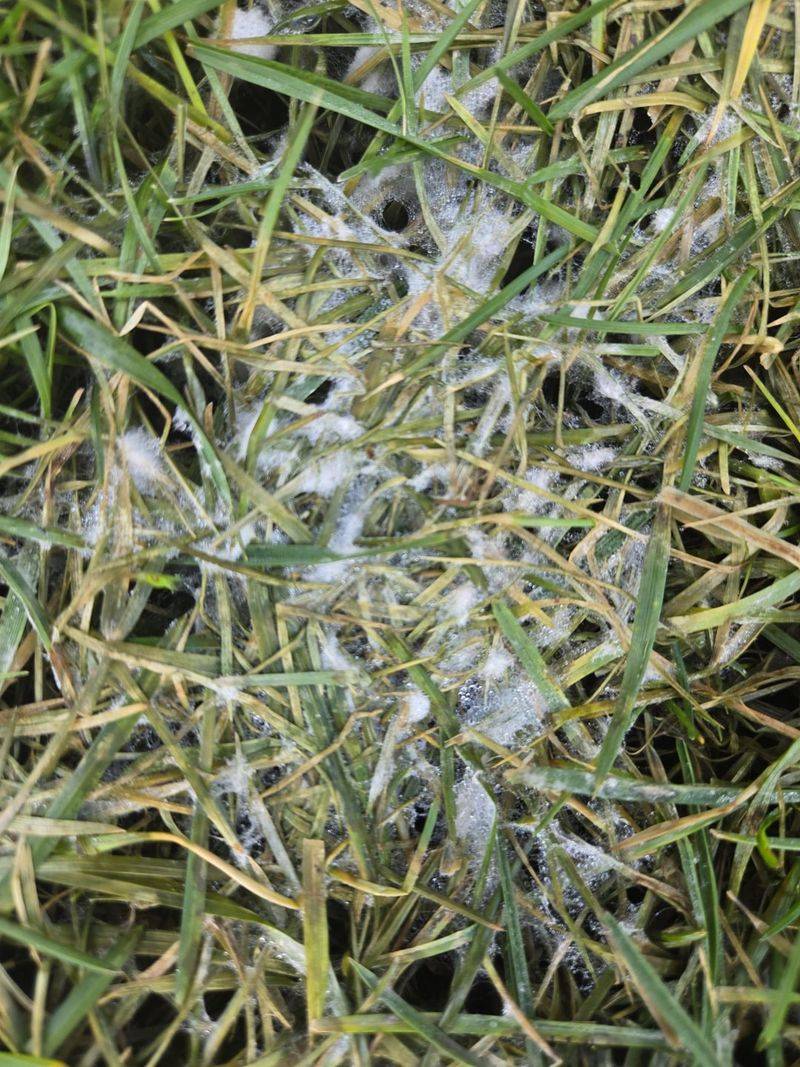
Snow looks harmless sitting on a deflated Santa, but it can set the stage for trouble. Long-lasting snow cover over unfrozen ground creates the damp, chilly conditions that gray snow mold loves.
This fungal disease shows up as straw-colored or grayish circular patches after the snow melts. Sometimes you will see a fuzzy, cobweb-like growth on the matted blades.
Inflatables add to the risk. Fabric, bases, and drifted snow can hold moisture over the grass much longer than open lawn does.
Northern Indiana usually gets more snow than the southern part of the state, including lake-effect snow near Lake Michigan. Those yards often see more snow mold in spring.
Gray snow mold is mostly a cosmetic issue. Purdue experts note that grass crowns usually survive, and gentle raking to fluff the matted blades helps it recover as the weather warms.
Fungicides are rarely needed for home lawns. Good habits do the heavy lifting instead.
Brush heavy snow off flattened decorations after storms. Take displays down promptly after the holidays, and avoid piling shoveled snow from the driveway onto spots where inflatables have been sitting for weeks.
A Gentle Tug On The Yellow Grass Tells You A Lot
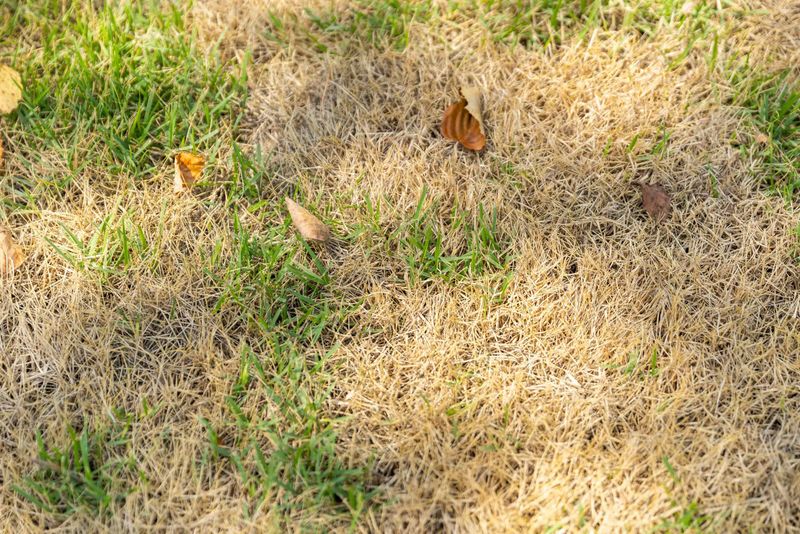
Spring diagnosis can be surprisingly hands-on. Before you buy seed, kneel down and give that yellow patch a gentle pull.
Grass that resists your tug is usually still alive. Look at the crown, the whitish base where blades meet roots, and check whether it looks firm and pale.
If the blades slide out easily with brown, mushy crowns, that patch probably needs reseeding. Partial thinning is common too, with some healthy plants mixed among weak ones.
Patience pays off here. Cool-season grasses in Indiana, like Kentucky bluegrass, tall fescue, and perennial ryegrass, usually start greening in late March or April as soil warms.
Give a questionable patch about two to three weeks of spring growth. Kentucky bluegrass spreads by underground rhizomes, so it can often fill small gaps on its own.
Other culprits can look similar. Dog urine spots, salt from sidewalks, and grubs also create yellow or brown areas, so consider what else happened in that part of the yard.
Grub damage tends to appear in late summer, not spring, and the sod peels back like carpet. A round spot exactly matching your inflatable’s base points clearly at the decoration.
Raking And Reseeding Bring That Bare Spot Back To Green
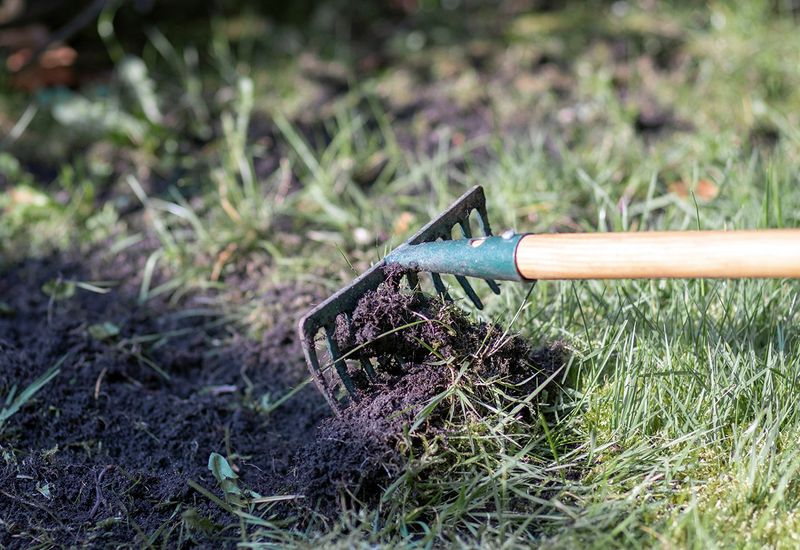
Recovery starts with a rake, not a fertilizer bag. Once the soil is dry enough to walk on without leaving squishy prints, lightly rake the patch to lift matted blades and remove debris.
That simple step lets light and air reach the crowns again. Many yellow spots perk up within a few weeks after raking alone.
For truly bare areas, spot seeding works. Loosen the top half-inch of soil, scatter seed that matches your lawn, and press it in for good contact.
Keep the area lightly moist until seedlings fill in. A thin layer of straw or seed-starting mulch helps hold moisture.
Timing matters in Indiana. Purdue recommends late summer to early fall, roughly mid-August to mid-September, as the best seeding window, but small spring patches can succeed when seeded early.
One catch deserves attention. Most crabgrass preventers also stop grass seed from sprouting, so skip them on reseeded spots or choose a product labeled safe for new seeding, such as one with mesotrione.
Compacted areas may benefit from core aeration, though fall is usually the better season for it. Hold off on heavy spring fertilizer, since too much early nitrogen pushes leaves over roots.
Fall Lawn Care Builds Grass Tough Enough For Next Year’s Santa
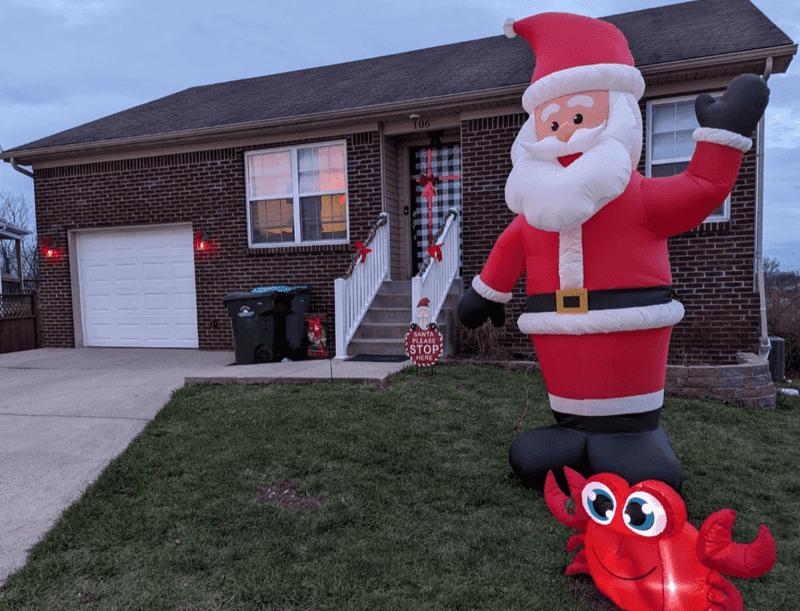
Every fall, I think about next December before the first ornament comes out. Strong grass handles winter stress far better than tired, thin turf.
Purdue’s turf program puts heavy emphasis on fall fertilization for cool-season lawns. A late-season application, often around early to mid-November in Indiana, supports roots and leads to quicker spring green-up.
Mowing height matters too. Keep the lawn around 3 to 3.5 inches through autumn, then mow a bit shorter at the last cut so matted growth is less likely under snow.
Clear fallen leaves before setup. A layer of soggy leaves under an inflatable adds to the smothering effect.
Plan the display layout with your yard in mind. Big figures look great on porches, driveways, and mulched beds, while lighter pieces can rotate around the lawn.
Store decorations promptly once the season ends. Pulling everything by mid-January gives grass a head start before spring.
The takeaway is cheerful. You can keep the giant Santa, the glowing reindeer, and the whole festive crew without paying for it in April. A little rotation, a few smart spots, and solid fall care keep your yard merry and green.