The Fast-Growing Native Shrub Indiana Gardeners Use For Natural Privacy
Most privacy trees and shrubs make you a promise they can’t keep. Plant it now, wait a decade, maybe get some shade.
Elderberry is different. Chances are it’s been growing wild along roadsides near you your whole life without you giving it a second glance.
It’s not the flashiest choice at the nursery, but it might be the smartest one you ever bring home. This shrub grows fast, fills in thick, asks for almost nothing in return, and won’t throw a tantrum if you forget to water it once or twice.
If you’ve been putting off fixing that open fence line because nothing seems worth the effort, this is the one that will finally make you stop waiting and start planting.
The Native Shrub Your Neighbors Will Ask You About
Your neighbor leans over the fence with that look. You know the one.
Elderberry has that effect on people.
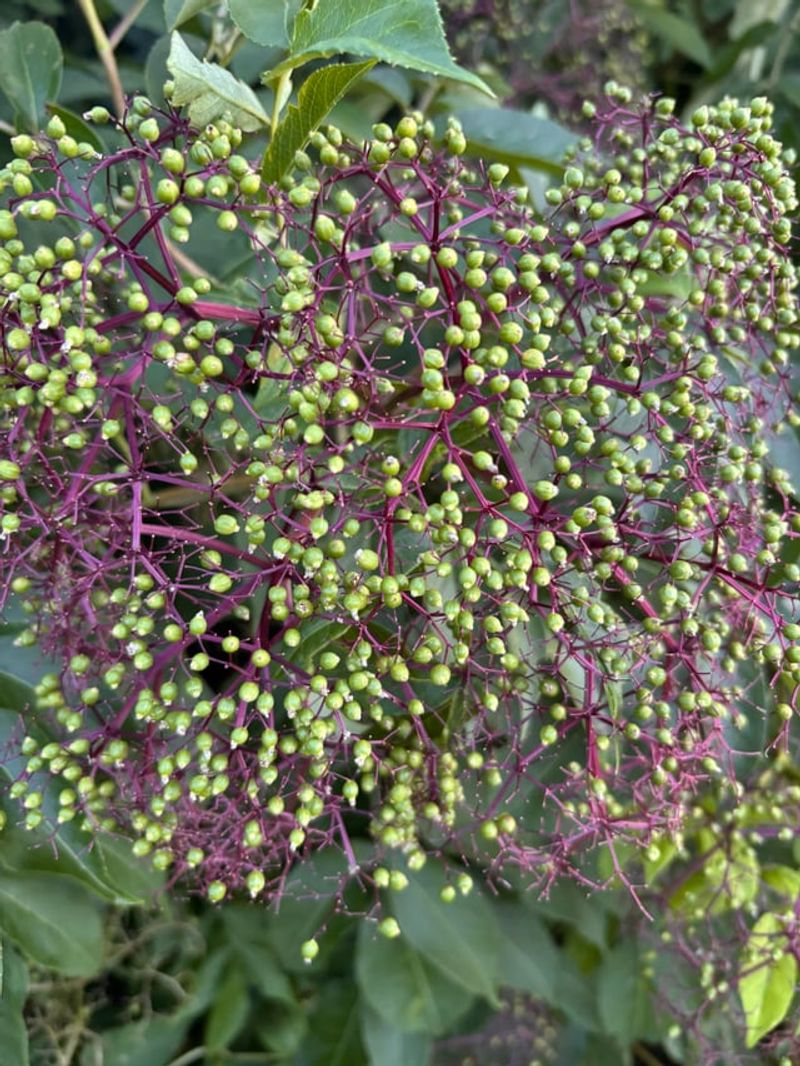
Known scientifically as Sambucus canadensis, this fast-growing native shrub has been thriving across the Midwest for centuries. It does not need a fancy introduction because its results speak loudly on their own.
Plant a row and watch it fill in fast. By the end of the first growing season, many gardeners see noticeable growth, though a dense privacy screen typically takes several seasons to develop.
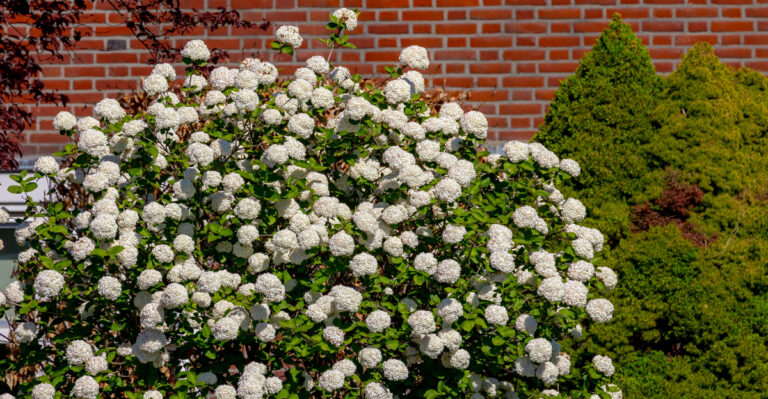
And here is the part most people do not expect. Elderberry does not just grow up, it grows out, spreading into a dense, layered wall that light can barely sneak through.
Come winter, the leaves do drop, and while the thick, branchy structure still offers some visual separation, the screening won’t be what it is in full leaf. It’s worth keeping in mind if year-round privacy is a priority.
Homeowners across the state are catching on to this. Garden centers that stock Elderberry often sell out early in spring because word travels fast once people see the results firsthand.
This plant is not just beautiful. It is a hardworking, low-cost solution that turns an ordinary yard into a private outdoor retreat worth loving every single day.
Many Popular Privacy Plants Struggle To Deliver
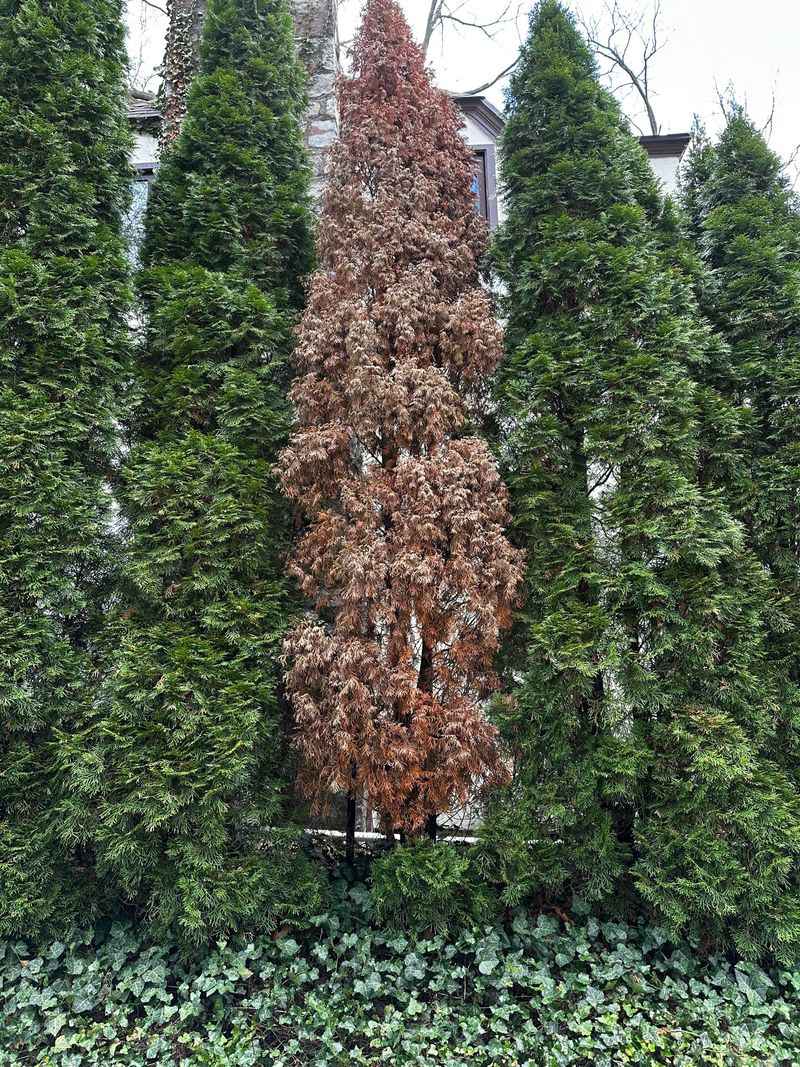
Most people spend hundreds of dollars on privacy trees that fail within two years. Leyland Cypress and Green Giant Arborvitae sound great at the nursery but struggle hard in Indiana clay soil.
These non-native options demand regular watering, fertilizing, and babying just to survive. One bad winter or a dry summer can wipe out an entire row, leaving you with nothing but brown sticks and an empty wallet.
Elderberry, on the other hand, evolved right here in this region. It already knows how to handle the freeze-thaw cycles, the clay-heavy ground, and the unpredictable spring weather that catches other plants off guard.
Native plants do not need you to meet them halfway. They already live here, and that changes everything about how you care for them, which is to say, barely at all.
You are not fighting the environment when you plant Elderberry. You are working with it, and that makes all the difference between a thriving hedge and a costly disappointment.
Your Indiana Garden Changes Every Week. Your Plan Should Too.
Gardening in Indiana changes quickly throughout the season. Every Friday you’ll receive a simple weekly plan showing exactly what to plant, prune, fertilize, harvest, and protect so you never miss the right timing.
Nursery-bought exotic trees often come with hidden costs too. Pest treatments, soil amendments, and replacement purchases add up fast when a plant is simply not suited for where it is planted.
Choosing a native species is the smarter financial move from day one. You buy it once, plant it right, and let Indiana’s own climate do the rest of the heavy lifting for you.
The Growth Rate That Surprises Every First-Time Grower
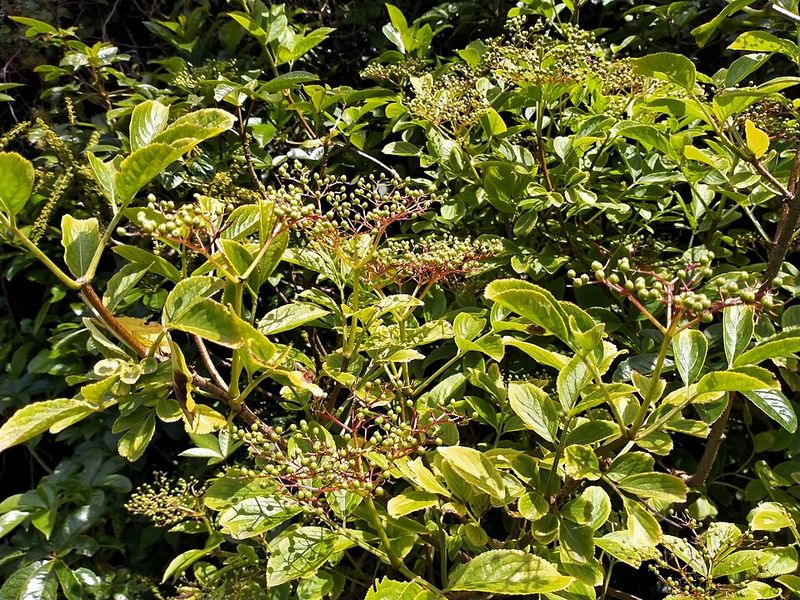
Blink and you might actually miss it. Elderberry can grow anywhere up to six to eight feet in a single season under the right conditions, which is genuinely impressive for a native shrub.
Most gardeners expect slow, steady progress. When Elderberry starts pushing out new growth in spring, the pace catches even experienced growers off guard in the best possible way.
Young plants establish their root systems in the first season, then kick into a higher gear the following spring. That second-year surge is when most homeowners start grinning because the coverage becomes real and obvious.
Soil quality, sunlight, and water all play a role in how fast each plant grows. Full sun and well-drained soil give you the fastest results, but Elderberry handles partial shade better than most fast-growing alternatives.
The numbers are honest but the visual is something else entirely. Watching a small cutting turn into a dense, leafy wall in two seasons is the kind of progress that makes you want to plant another row just to see it happen again.
Spacing matters too. Plant shrubs about five to six feet apart for a tight, connected hedge that fills in completely.
Too much space leaves gaps that take extra seasons to close up properly.
Once established, elderberry is relatively resilient, but it generally performs best in moist soils and may benefit from supplemental watering during extended droughts.
Planting For Maximum Coverage
Timing your planting right makes a huge difference in how fast you get results. Early spring or late fall are the two best windows for getting Elderberry into the ground successfully.
Spring planting gives the shrub a full growing season to establish roots before summer heat arrives. Fall planting lets roots settle in during cool, moist conditions without the stress of summer bearing down right away.
Dig each hole twice as wide as the root ball but only as deep as the roots themselves. Planting too deep is one of the most common mistakes that slows growth and causes long-term health problems.
Backfill with the same native soil you dug out. Adding compost is fine, but Elderberry actually prefers average to slightly poor soil over rich, heavily fertilized ground.
Water each plant deeply right after planting and then once a week for the first month. After that initial period, you can step back and let nature take over almost entirely without worry.
Mulch around the base to hold moisture and keep weeds from competing with young roots. A three-inch layer of wood chips keeps the soil temperature steady and gives each plant a strong head start toward building that living wall you are after.
Low Maintenance High Reward
Forget the weekly watering schedule and the bag of fertilizer sitting in your garage. Elderberry is one of the most self-sufficient plants you will ever add to your property.
Once the roots are established after that first season, these shrubs are remarkably independent. They pull water from deep underground, tolerate drought, and keep growing without much input from you at all.
No special pruning routine is required to maintain a clean hedge shape. You can trim lightly in early spring to encourage denser branching, but even untouched shrubs form a naturally full, thick structure over time.
Fertilizing is rarely needed and sometimes actually works against you. Pushing too much nitrogen into the soil can cause rapid, weak growth that is more susceptible to winter damage and wind breakage.
The less you fuss over Elderberry, the better it performs. It is almost stubborn in the best possible way, built to thrive on its own terms, not yours.
Pest and disease issues are minimal when planted in the right location. Good airflow between shrubs and full sun exposure keep fungal problems away and the foliage looking clean and vibrant through the growing season.
The reward for doing almost nothing is a gorgeous, dense green screen that blocks views, absorbs sound, and can add real property value. Lazy gardening has never looked this good or paid off this well in the long run.
Unexpected Perks That Make It Even Better
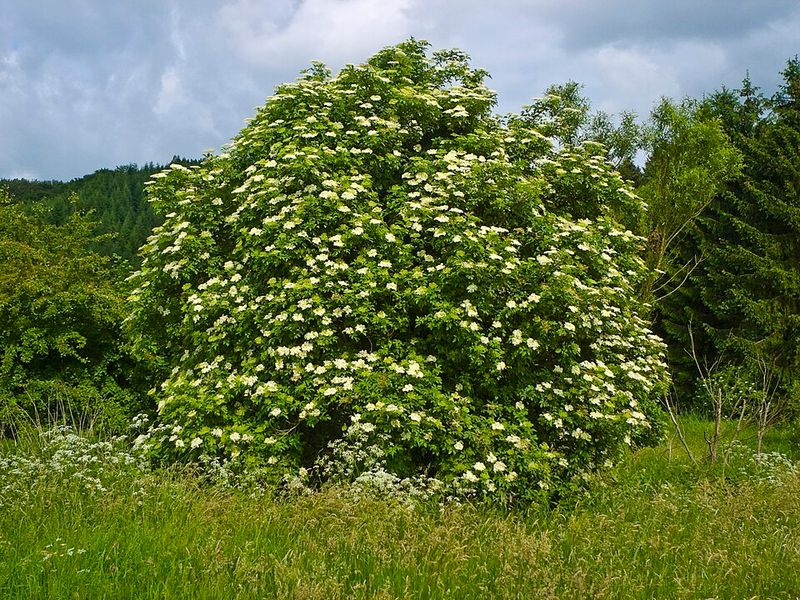
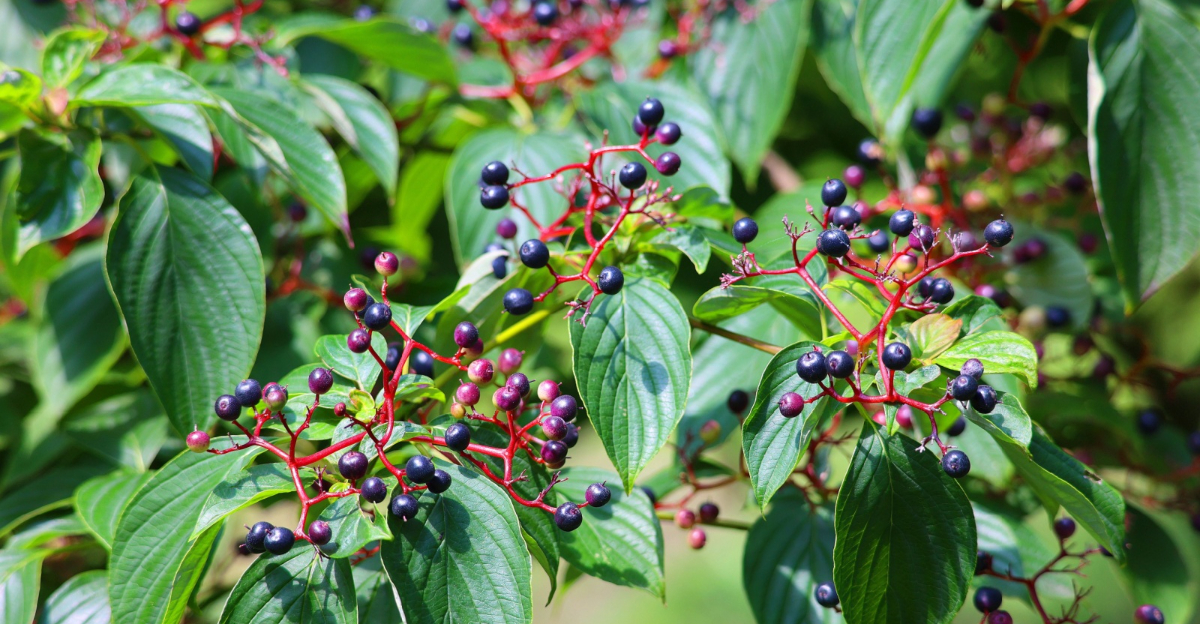
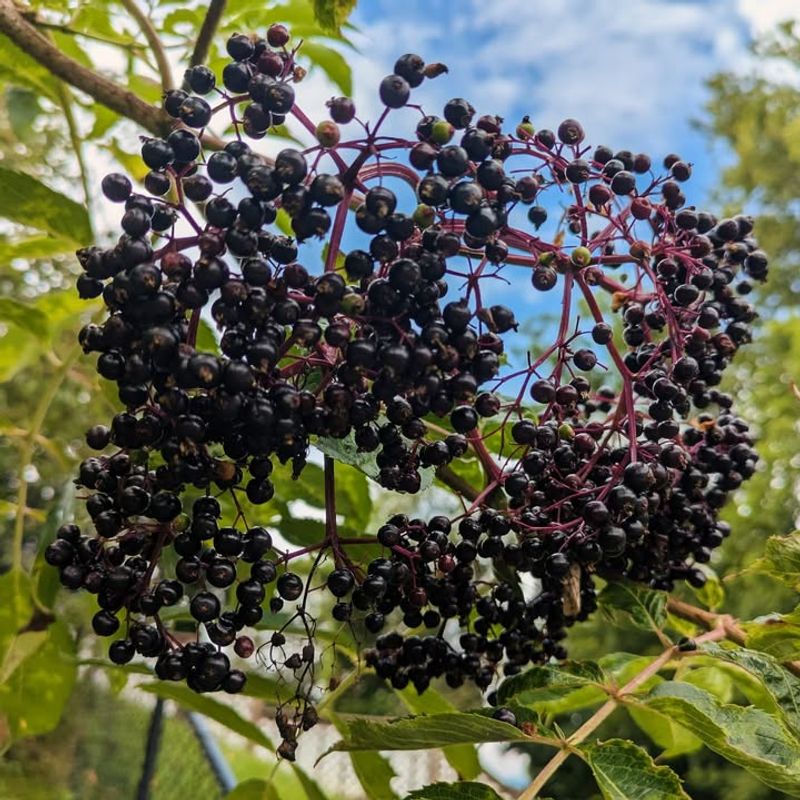
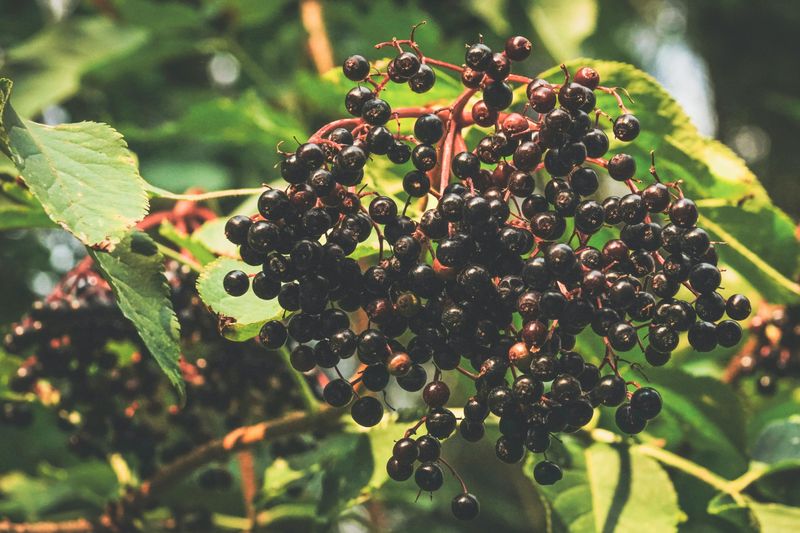
Privacy is just the beginning of what Elderberry brings to your yard. The dark purple berries that ripen in late summer attract dozens of bird species, turning your hedge into a lively wildlife corridor.
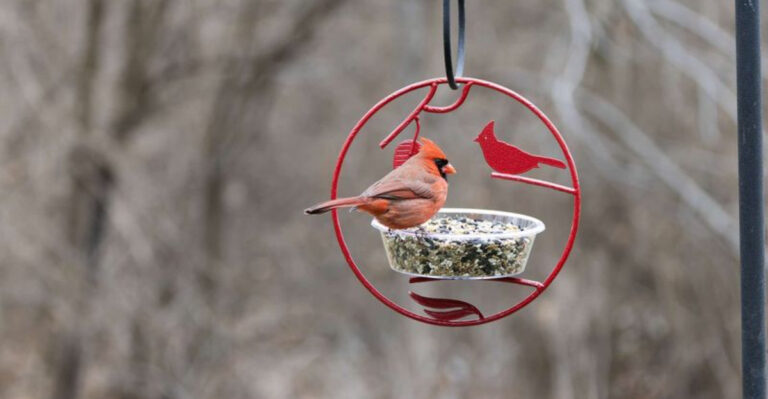
Robins, catbirds, and cedar waxwings flock to the fruit as soon as it ripens. Watching them feed just outside your window is one of those simple pleasures that sneaks up on you and becomes a highlight of the warmer months.
The flowers are just as useful as the berries. Flat-topped clusters of creamy white blooms appear in early summer and draw in pollinators by the hundreds, making Elderberry one of the hardest working plants in your yard during peak season.
Wildlife benefits go beyond birds. Small mammals find cover in the dense branching throughout the year, and the thick summer foliage provides nesting habitat for songbirds right inside your hedge.
Ripe elderberries are commonly used in cooked products such as syrups, jams, and pies. Unripe berries and other plant parts should not be consumed.
Knowing your privacy screen is also a food source adds a fun layer of depth to something most people just walk past.
A plant that screens your yard, feeds the birds, attracts pollinators, and fills your kitchen with possibilities is not just a shrub. It is a full outdoor experience growing right in your own backyard.