That Sweet Apricot Scent In Alabama Often Comes From A Shrub With Tiny Flowers
You catch a whiff of ripe apricot, yet no fruit tree grows within sight. Your nose points toward a bakery, but you find open pavement.
Across Alabama, you hear neighbors insist the scent drifts from a hidden orchard. Blocks go by as you follow it, sniffing mailboxes, porches, and parked cars.
Meanwhile your hunch lands on candles, air fresheners, and the corner bakery. Missed guesses add up, and you grow determined.
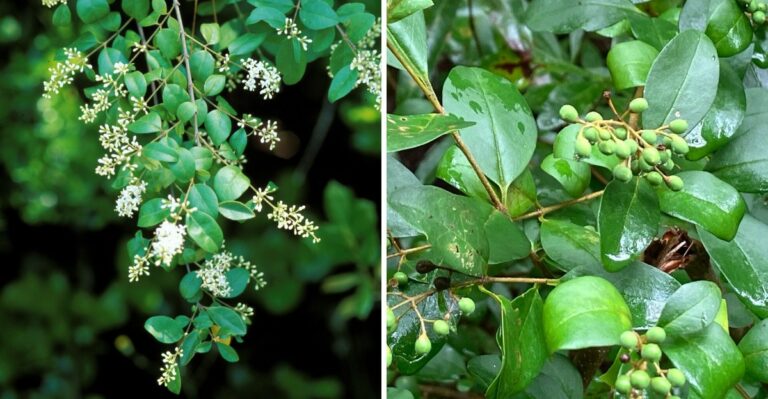
Glance at the glossy evergreen shrub you pass on your street. That modest plant is fragrant tea olive, and you smell its tiny blossoms.
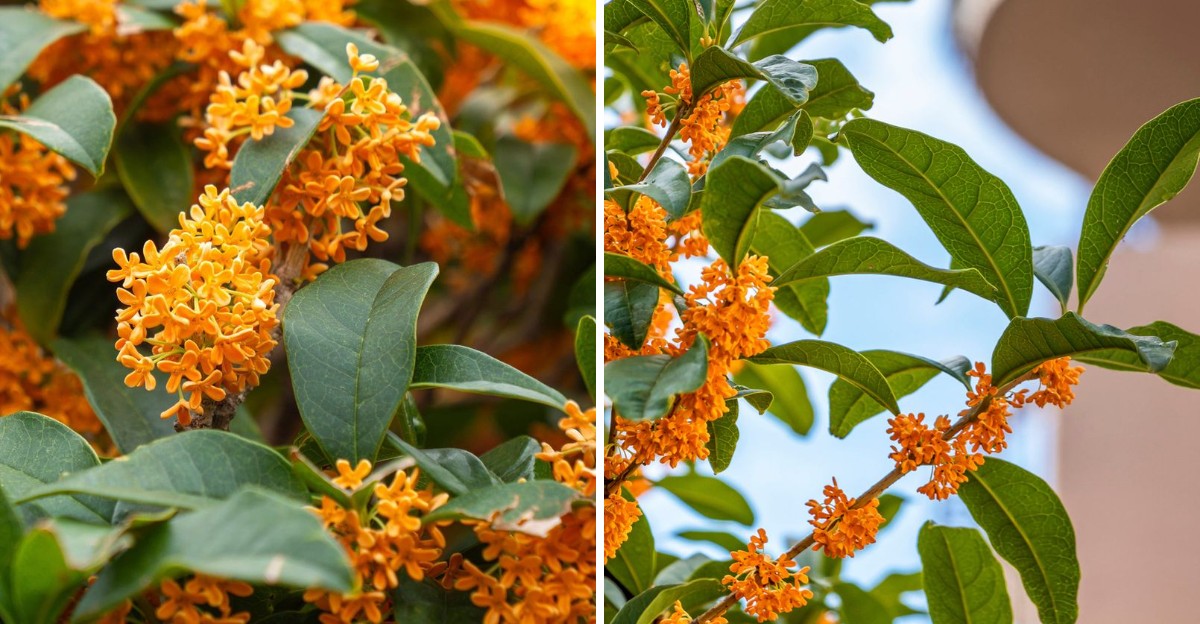
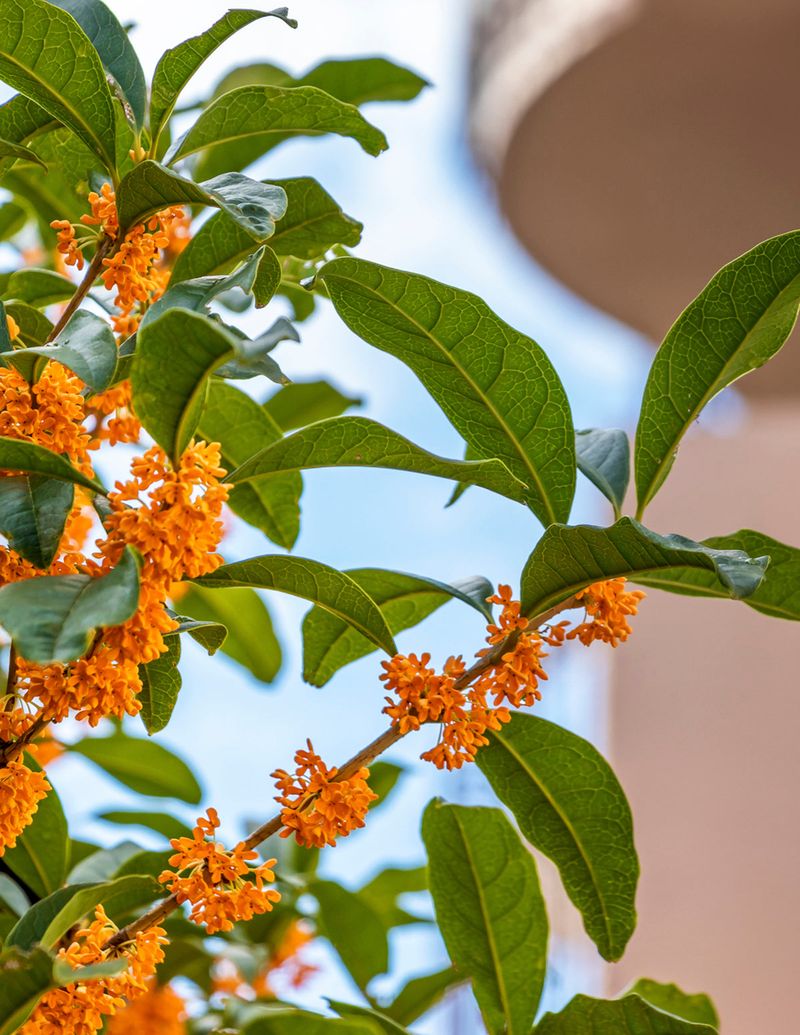
Botanists call it Osmanthus, and you could hide its blooms under a fingertip. Autumn releases a fragrance that carries well past your fence line.
Alabama gardeners plant it near doors, so you inhale it on arrival. Now you know your nose outpaces your eyes here.
A Glossy Evergreen Hiding A Fruity Secret
Picture a plain green shrub by a brick porch, quietly perfuming the whole block. Tea olive, also called sweet olive, is a likely source of that mystery smell. Thorny elaeagnus, another fall bloomer, can smell similar.
Its scientific name is Osmanthus fragrans, and it came from China long ago. Southern gardeners have treasured it for generations.
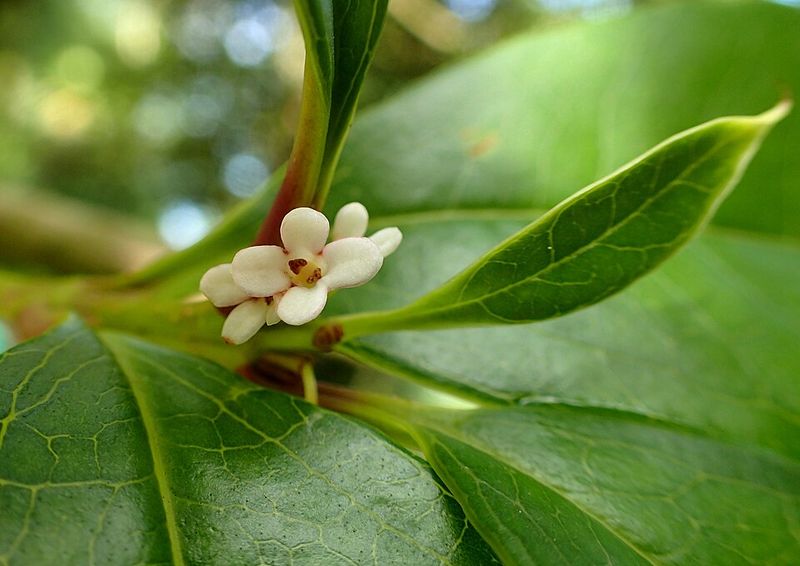
The leaves are leathery, glossy, and dark green all year long. Some have tiny teeth along the edges, a bit like holly leaves.
The flowers are the real surprise, since each one is smaller than a pencil eraser. They grow in little clusters tucked right where leaves meet the stems.
Most blooms are creamy white, though some kinds lean toward pale yellow. A form called Aurantiacus shows off orange-gold flowers instead.
Many people describe the scent as ripe apricot or peach. Others notice hints of jasmine, honey, or even a little vanilla.
The fragrance carries surprisingly far on a calm, humid day. Folks often smell it from a distance before spotting the shrub.
In China, people flavor tea, wine, and sweet cakes with these flowers. Some families still make osmanthus jelly during autumn festivals.
That history explains the name tea olive, since the blossoms scent tea leaves. The olive part comes from its family, which also includes true olive trees.
Next time that apricot smell drifts past, look for glossy leaves near a porch or fence. Then lean in close and hunt for those tiny star-shaped flowers.
A Fall Blooming Season With Bonus Rounds
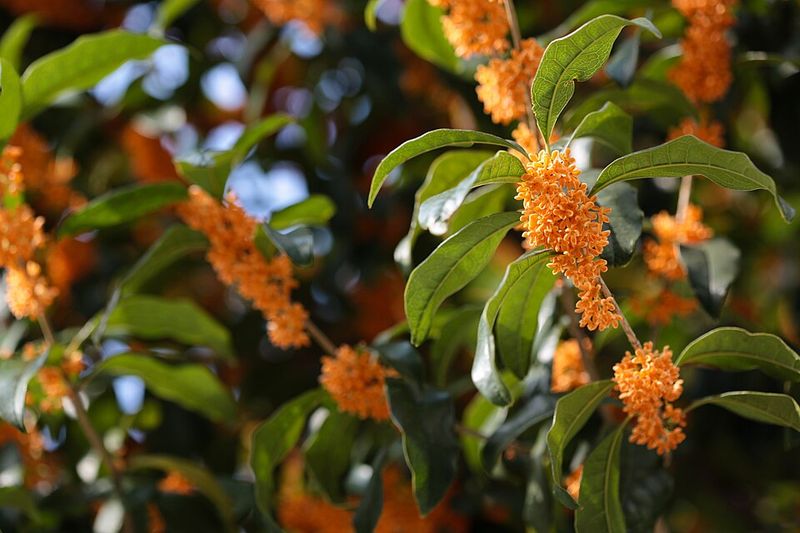
Many summer flowers in Alabama fade quickly as days shorten. Sweet olive waits until the air cools, then reaches its heaviest bloom.
The main bloom usually starts in late September or October. Cooler nights seem to signal that bloom season has begun.
Many plants also bloom again in waves through winter and into early spring. A warm spell in January can trigger a surprise burst of fragrance.
You might catch that apricot whiff while wearing a heavy coat. Each wave of flowers often lasts a week or two.
Your Alabama Garden Changes Every Week. Your Plan Should Too.
Gardening in Alabama changes quickly throughout the season. Every Friday you’ll receive a simple weekly plan showing exactly what to plant, prune, fertilize, harvest, and protect so you never miss the right timing.
Then the shrub rests, gathers energy, and often blooms again later. Weather plays a large role in how strong the scent feels.
Calm, damp mornings hold fragrance close to the ground like a soft blanket. Windy, dry afternoons spread the smell thin and make it harder to notice.
Try walking your neighborhood around sunrise for the best results. Older shrubs bloom more heavily than young ones.
A plant bought this year may need a few seasons to hit full stride. Keep a little garden notebook if you enjoy tracking seasons.
Write down the date you first smell the blooms each year. After a few years, you will notice patterns tied to weather. That small habit makes the bloom pattern easy to track.
Pruning At The Right Time Protects The Blooms
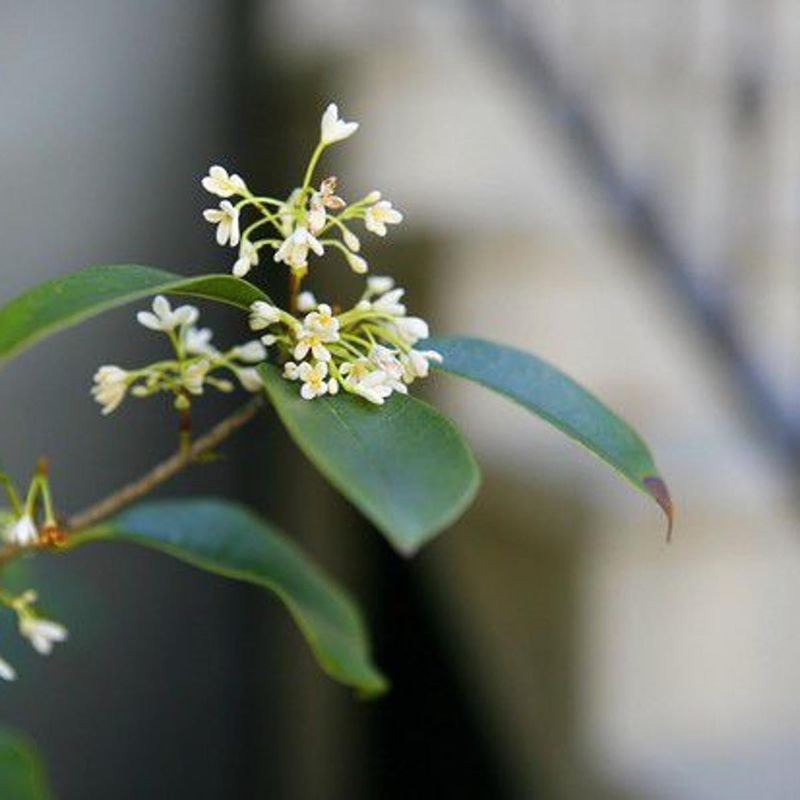
Grab those hedge trimmers in September, and you might remove the flower buds. Poor pruning timing is a common mistake with tea olive.
Flower buds form on the shrub before autumn arrives. Heavy cutting in late summer removes those buds before they open.
The best window is right after the last flowers fade in spring. That gives plenty of time for new growth.
Another common error is shearing the shrub into a tight box. Tight shapes look tidy but crowd out the inner branches.
Fewer branches getting light usually means fewer flowers. Hand pruners let you thin selected stems instead of chopping the outer layer.
Remove crossing branches and any wood that looks broken or weak. Aim for an open shape where sunlight reaches the middle.
Tea olives grow slowly, so light trimming is safer than heavy cutting. Many grow fifteen to twenty feet tall if left alone for years.
Planting in the wrong spot causes trouble too. A shrub jammed under a window soon needs frequent trimming.
Give it room to spread, and you will prune much less. Check the mature size on the plant tag before digging.
Think of pruning like a haircut instead of a buzz cut. A gentle trim keeps your shrub healthy and loaded with fragrant blooms each fall.
Planting Know-How For A Happy Shrub
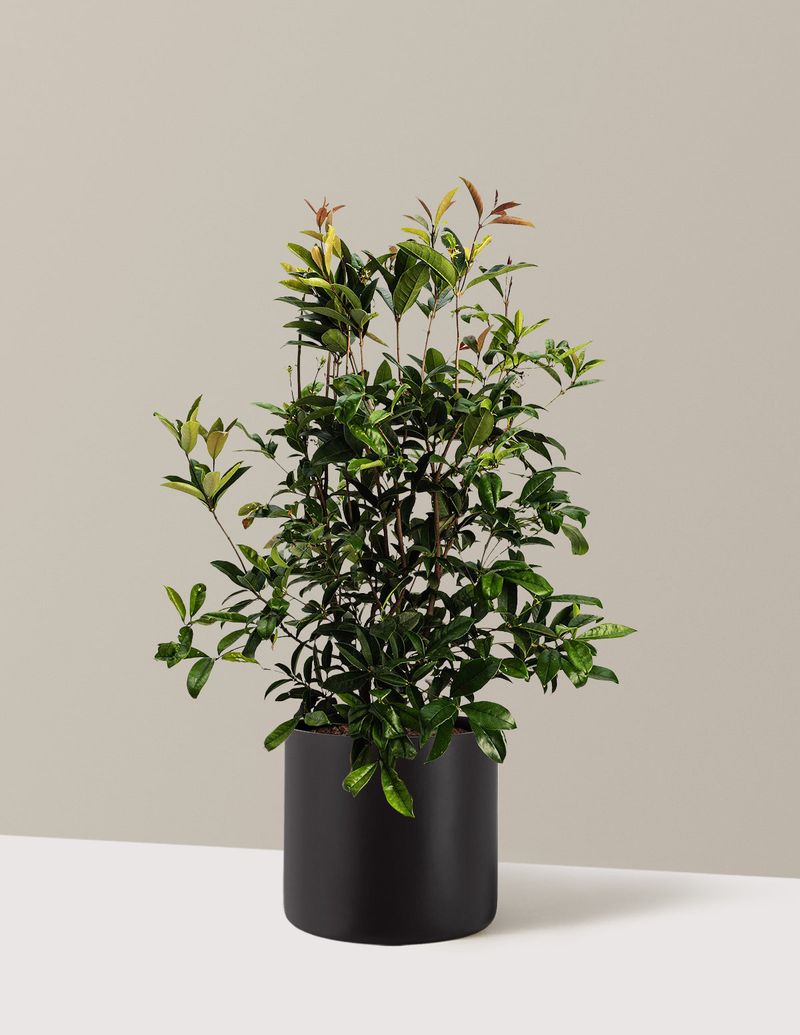
Ask an old Alabama gardener for advice, and they might say location matters most. Tea olive thrives when you match it to the right spot from day one.
It grows best in USDA zones 8 through 9, and in zone 7b with winter shelter. That covers most of Alabama, though north Alabama needs protection from hard freezes.
Choose a place with full sun or partial shade. Morning sun with light afternoon shade suits it nicely in hot southern summers.
Soil should drain well and stay slightly acidic. Soggy clay can rot roots, so mix in compost if your yard holds water.
Fall is a good planting season in the Deep South. Cooler weather lets roots settle before the heat of summer arrives.
Dig a hole about twice as wide as the root ball. Keep the top of the root ball level with the surrounding ground.
Water deeply once or twice a week during the first year. After that, established shrubs handle dry spells pretty well.
Spread two to three inches of pine straw or bark mulch. Keep mulch a few inches away from the trunk to prevent rot.
Plant near walkways, patios, or windows you open often. That way the scent greets you instead of hiding in a far corner. A little planning now pays off for decades. Healthy tea olives can live for many decades.
A Neighborhood Full Of Fragrant Rewards
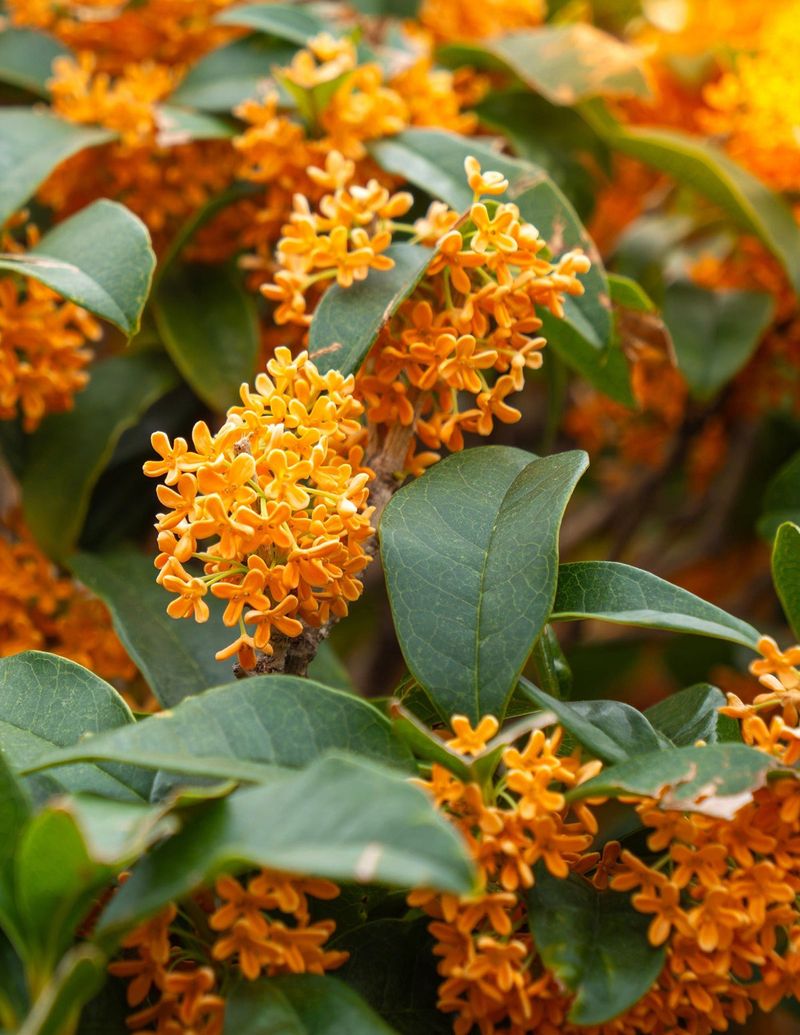
One shrub can change how an entire street feels in October. Neighbors slow down on walks, sniffing the air and smiling at nothing in particular.
Tea olive makes an effective privacy screen once it matures. The dense evergreen leaves block views from roads and passersby year round.
It also works well as a small tree with lower branches removed. That form fits nicely beside patios and front entries.
Pollinators enjoy the blooms during cooler months when food runs low. Bees and small flies visit on mild days in fall and winter.
Deer usually leave tea olive alone, which delights many Alabama homeowners. The tough leaves just are not very tasty to them.
Pests and diseases rarely cause serious problems either. Occasional scale insects may appear, and horticultural oil spray can help control them.
Some families plant one by the front door for guests. Visitors may ask about the scent before they even knock.
Cut sprigs bring that apricot smell indoors for a few days. Place a small branch in water on a kitchen table.
Some Southerners connect the smell with happy memories. Grandparents’ homes, football weekends, and school field trips often come to mind.
Planting one today might create those memories for someone else. Years from now, a kid may sniff the air and think of your yard.
Year Round Care To Keep The Blooms Coming
Healthy shrubs bloom best. A few easy habits keep your tea olive strong and fragrant for many seasons ahead.
Feed lightly in early spring with a slow release shrub fertilizer. Products made for azaleas or camellias work well for acid lovers.
Skip heavy feeding in late summer, though. Extra fertilizer then pushes tender leaves that cold snaps can damage.
Watch the leaves for clues about health. Yellow leaves with green veins often mean the soil is too alkaline.
Your county extension office can help you send a soil sample to Auburn University’s lab. Alabama Extension staff can explain the results in plain language.
Water during long summer droughts, especially for young plants. A slow soak at the base beats a quick sprinkle on leaves.
Hard freezes below ten degrees can scorch leaves on exposed shrubs. Planting near a wall or fence offers helpful shelter in north Alabama.
Refresh mulch once a year to hold moisture and calm weeds. Pine straw is widely available across the state.
Look under leaves a few times a year for scale insects. Catching small problems early keeps them from spreading.
Stick with this routine, and your shrub will reward you each autumn. That sweet apricot cloud will keep drifting down your street for years.