Why Yellowjackets Get More Aggressive In Ohio Yards This October
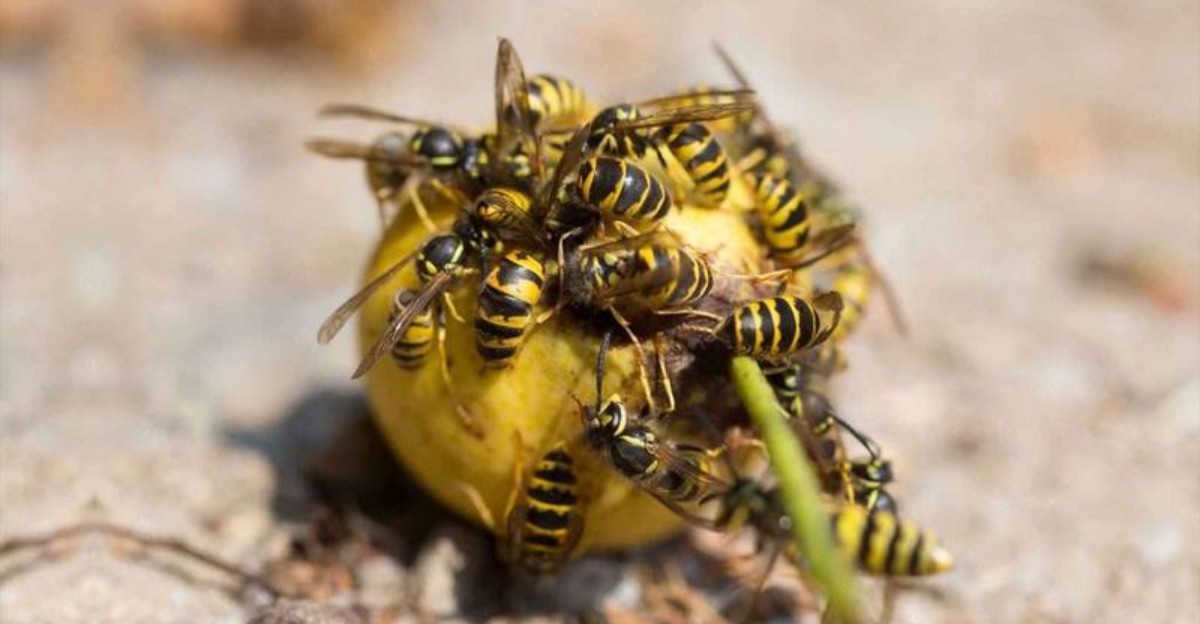
That yellowjacket dive-bombing your soda can in July was nothing compared to what’s coming for your porch this month.
Colonies spend all summer building up numbers, and by October they’ve hit their peak size with nowhere left to grow.
Food sources that kept them busy start drying up around the same time, and a colony with mouths to feed and nothing left in the pantry gets desperate fast.
That combination turns yellowjackets from a mild nuisance into something that chases you off your own Ohio patio.
Nests weakening as the season winds down play a role too, pushing workers into a defensive mode that has nothing to do with anything you actually did to provoke them.
Watch where you’re stepping and setting food down this month more than any other. October yellowjackets aren’t acting out for no reason, they’re running out of options.
1. Yellowjacket Colonies Reach Their Peak Size In October
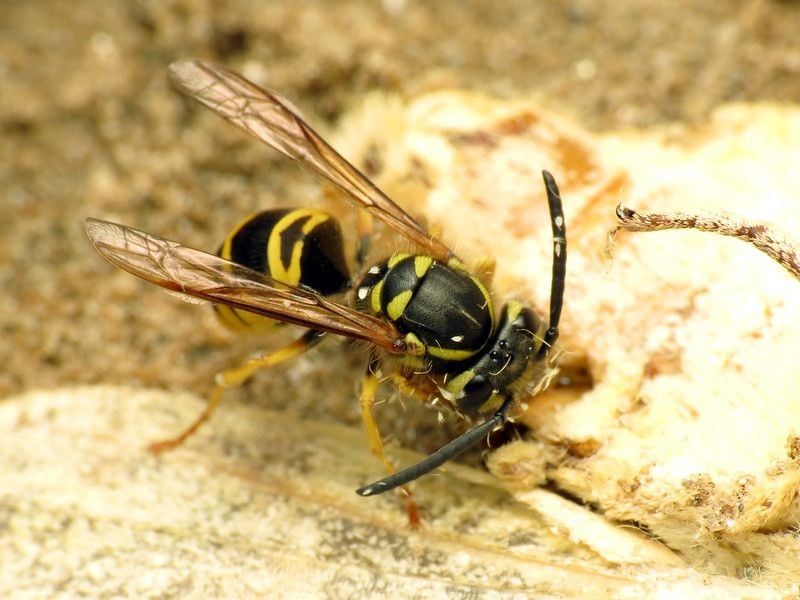
Back in spring, a single queen started her nest all by herself. By October, that tiny project has grown into a buzzing city packed with workers.
Most colonies hit their biggest size between August and October. A mature nest can hold hundreds to several thousand workers, and some reach around 5,000.
Think about what that means for your yard. More wasps flying out means more chances for one to land on your burger or bump into your arm.
A crowded colony also has a lot to protect. With so many young and so much stored effort inside, the workers get very serious about guarding their home.
Summer nests are often small enough that you barely notice them. Fall nests, on the other hand, can send out a steady stream of foragers you can spot from across the lawn.
Here is a helpful tip for Ohio homeowners. Walk your property slowly in early fall and watch for busy flight paths near sheds, decks, fences, and bushes.
If you see lots of traffic in one spot, mark it with a flag from a safe distance. That way nobody in the family wanders too close while mowing or playing.
Fun fact: most of these colonies only last one season. After hard frosts arrive, the workers fade out, and only new queens tuck away for winter to start over next year.
2. Fewer Larvae Means Workers Start Chasing Sweet Foods
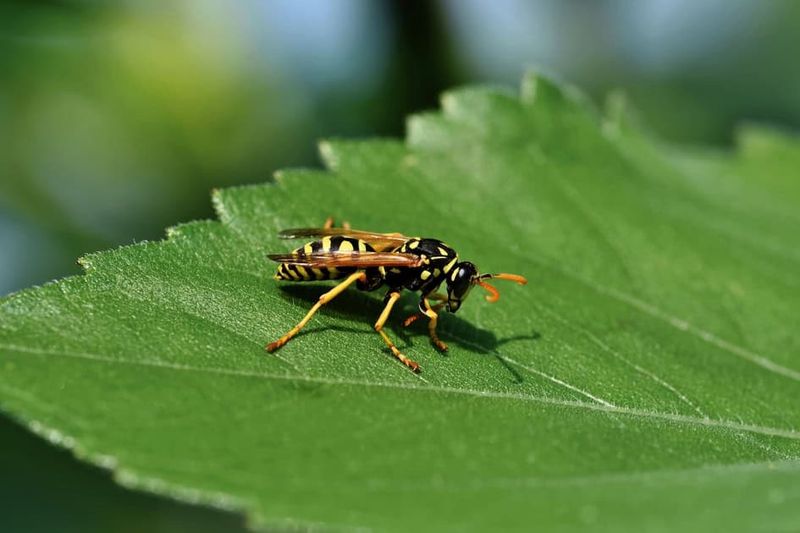
All summer long, yellowjacket workers act like tiny hunters. They catch caterpillars, flies, and other insects to feed the hungry larvae back home.
That protein diet is a big deal in the garden. In fact, these wasps help control plenty of pests during the warm months.
Things change as fall arrives. The queen slows down or stops laying eggs, so there are far fewer larvae needing meat.
Now the workers have a new goal, which is fueling themselves. Adults mostly run on sugar, and they suddenly want a lot of it.
Here is a sneaky detail that makes it worse. Larvae give workers a sweet liquid in return for food, and when the larvae disappear, that handy snack disappears too.
Your Ohio Garden Changes Every Week. Your Plan Should Too.
Gardening in Ohio changes quickly throughout the season. Every Friday you’ll receive a simple weekly plan showing exactly what to plant, prune, fertilize, harvest, and protect so you never miss the right timing.
So picture a worker who just lost her favorite treat. She heads out searching harder, and your lemonade looks like the perfect replacement.
This shift explains why the same insect that ignored you in June is circling your dessert in October. It is not personal, it is just hunger with wings.
For your yard, the lesson is simple. Keep sweet foods covered, wipe sticky spills fast, and serve sugary treats indoors when wasps are active.
A little planning goes a long way. Fewer sweet targets means fewer hungry visitors hanging around your patio.
3. Overripe Fruit Becomes A Powerful Backyard Attractor
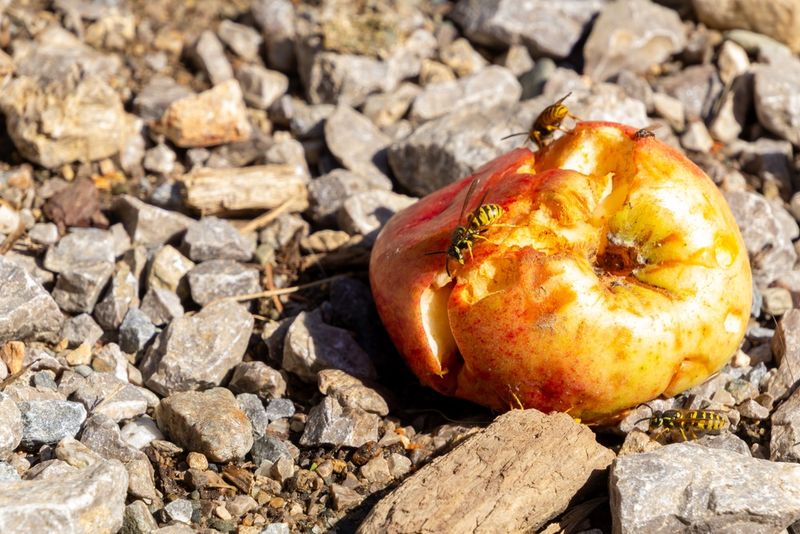
Ever notice that funky, sweet smell under a fruit tree in fall? To you it may seem a little gross, but to a yellowjacket it smells like a party.
Overripe, bruised, or rotting fruit is loaded with sugar. As it breaks down and ferments, it gives off scents like alcohol and a vinegar smell.
Yellowjackets can pick up those odors from a surprising distance. One whiff can bring a whole crowd flying toward your grapes, pears, or plums.
They are not shy eaters either. Strong jaws let them chew through fruit skins to reach the juicy inside.
That turns a fruit tree into a busy feeding station. Anyone walking barefoot or reaching for a pear could get a surprise sting.
Ohio yards with apple, peach, or pear trees see this a lot in October. Grapevines along fences can be just as tempting.
The fix is a bit of daily chore time. Pick up fallen fruit every day or two, using gloves and a bucket with a lid.
Try harvesting ripe fruit a little early when you can. That leaves less on the tree to soften and split open.
Also, avoid tossing fruit scraps in an open compost pile nearby. Bury them deep or use a closed bin so the sweet scent stays hidden.
Your tree can still be a treat for you. Just keep it from becoming a buffet for them.
4. Open Soda Cans And Fallen Apples Draw Foragers
Here is a scene that plays out at countless tailgates and backyard cookouts. Someone sets down a soda, turns to chat, then takes a sip and gets stung on the lip.
Open cans are a sneaky trap. A yellowjacket can crawl right inside, where you cannot see it at all.
Sweet drinks like soda, juice, and sports drinks are huge magnets in late summer and fall. The sugar smell drifts out of the can like a welcome sign.
Fallen apples work the same way on the ground. Ohio has plenty of apple trees, and October is when they drop fruit everywhere.
Between drinks on the table and apples in the grass, foragers find plenty to explore. That brings them closer to people than they would be otherwise.
Luckily, a few easy habits help a lot. Use cups with lids and straws, or pour drinks into clear glasses so you can check before sipping.
Keep cans in a cooler until you want them. Glance inside before each drink, especially if it sat alone for a minute.
For apples, rake them up often and toss them in a sealed container. Kids can turn it into a quick game to see who collects the most.
Did you know? A sting inside the mouth or throat can cause swelling, so it deserves quick attention.
If breathing seems hard, get medical help right away.
5. Warm October Afternoons Keep Workers Flying
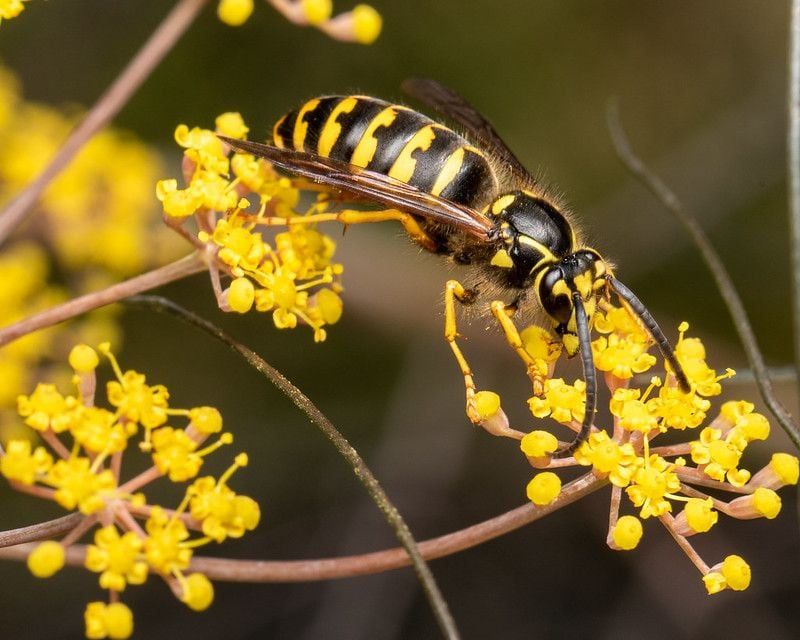
Ohio weather in October loves to play tricks. One morning you need a jacket, and by afternoon it feels like summer again.
Those warm spells are great news for yellowjackets. Their activity peaks from August through October, and mild days stretch that busy season longer.
Workers are most active from late morning to late afternoon. That lines up perfectly with when families rake leaves, grill, or play outside.
Across Ohio, mild temperatures can make yards especially buzzy. Warm sun on a patio can bring out a surprising number of fliers.
Things usually slow down once temperatures drop below about 50 degrees. Cold mornings keep them tucked in until the air warms up.
So how can you use this info? Plan yard work for cooler early mornings or evenings when wasps are less active.
Check the forecast too. A string of warm fall days means you should keep food covered and watch for nests a little longer.
Once a few hard frosts roll through, you will notice a big drop in activity. That is nature ending the season for most of the colony.
Until then, treat sunny October afternoons like bonus summer days. Enjoy them, but stay alert when snacks and drinks come outside.
A little timing can make your fall chores much calmer. Think of it as scheduling around your striped neighbors.
6. Disturbed Nests Can Trigger Defensive Swarming
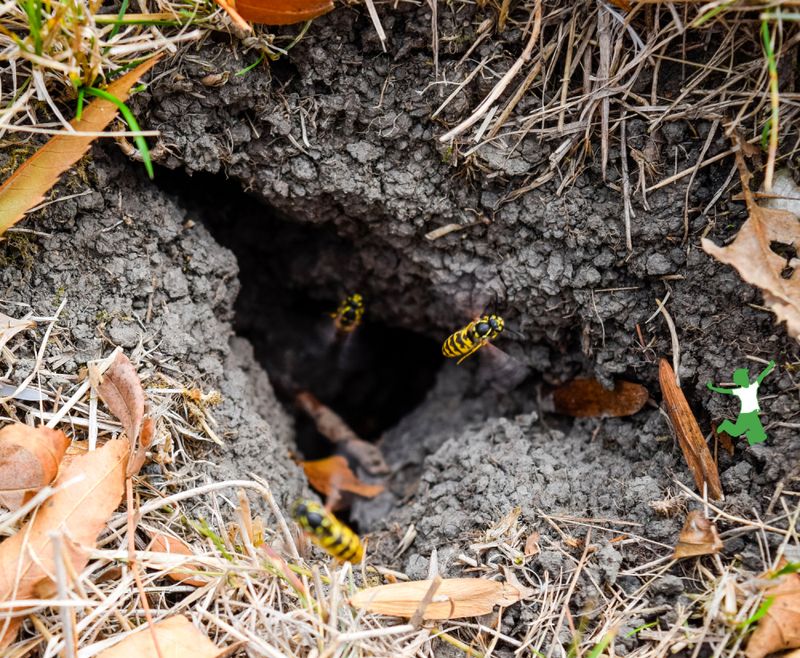
Imagine you are mowing the lawn, humming along, when the ground seems to explode. Dozens of angry wasps rise up at once and head straight for you.
That is what can happen when a nest gets bumped. Yellowjackets are very territorial and will defend their home hard.
Mowers, trimmers, and shovels are common triggers. The vibration and noise tell the colony that danger is right on top of them.
Unlike honeybees, yellowjackets can sting more than once. They may also chase you for several yards before giving up.
Here is a wild fact that surprises many people. Squishing a yellowjacket can release an alarm scent that calls other wasps to join the fight.
So swatting in a panic can make things worse. It is better to stay calm and move away quickly.
If you disturb a nest, cover your face and walk or run straight away. Head indoors or into a car instead of jumping into water, since they may wait for you.
Big fall colonies make this riskier than a summer run-in. More workers means more defenders ready to swarm.
For nests near busy areas, calling a pest professional is a smart move. They have gear and know-how to handle large colonies safely.
Anyone with allergies should keep an emergency plan ready. Quick action matters if swelling or trouble breathing shows up.
7. Ground Nests Hide Beneath Grass And Garden Debris
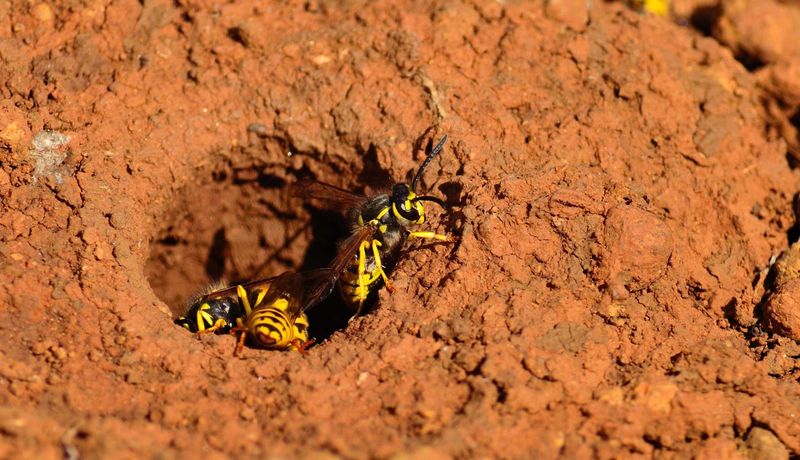
Not every yellowjacket home hangs from a tree like a paper lantern. Many are hidden underground, right under your feet.
These wasps love ready-made spaces. Old rodent burrows, gaps under tree roots, and holes in flower beds all make handy starter homes.
You might also find nests under decks, near foundations, and along fence lines. Woodpiles and hollow logs are popular spots as well.
The tricky part is the entrance. It is often a small hole, easily hidden by grass, leaves, or mulch.
In October, fallen leaves pile up and cover even more ground. That makes a nest entrance even harder to spot while you rake.
So what gives it away? Look for a steady line of wasps flying in and out of one spot on the ground.
A good time to check is a sunny afternoon when traffic is busy. Stand back several feet and simply watch for a few minutes.
If you find one, mark it with a stick or flag. Warn kids and pets to stay away until it can be handled.
Avoid pouring gasoline or other risky liquids into the hole. That can harm your soil and your family, and it often fails anyway.
A careful scan before mowing or digging can save you a painful surprise. Think of it as a quick safety patrol for your yard.
8. Bright Clothing And Strong Scents Can Add To Encounters
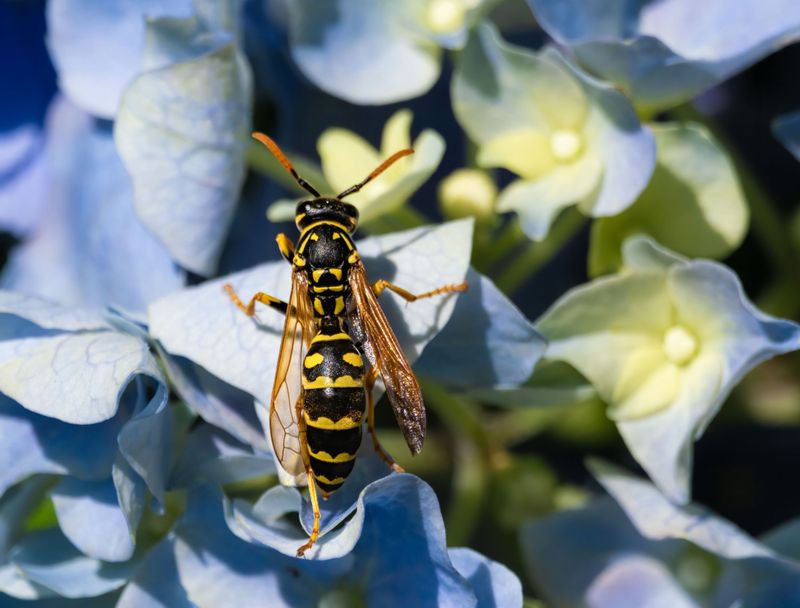
Your favorite neon hoodie might be sending the wrong message. To a yellowjacket, bold colors can look a lot like a flower worth checking out.
Yellow, white, bright blue, and red seem to grab their attention. Very dark clothing may also look like a threat to them.
Scents matter just as much as colors. Fruity or flowery perfumes, scented lotions, and hair sprays can smell like nectar.
Even some laundry detergents give off sweet smells. Sweat and leather odors can attract them too.
None of this means a wasp will attack just because of your outfit. It simply makes you more interesting, which can lead to more close calls.
Here is an easy game plan for fall yard days. Pick neutral colors like tan, khaki, or light gray when you will be outside a lot.
Skip the perfume or body spray before raking, hiking, or tailgating. Choose unscented sunscreen and lotion when you can.
Cover up with long sleeves and closed shoes during yard work. Bare feet in the grass are an open invitation for a sting near a ground nest.
If a wasp lands on you, try to stay still and let it wander off. Slow movements usually work better than frantic swatting.
Small wardrobe tweaks can make you far less eye-catching. Save the loud colors and fancy scents for indoor fun.
9. Covering Food And Sealing Trash Reduces Yard Activity
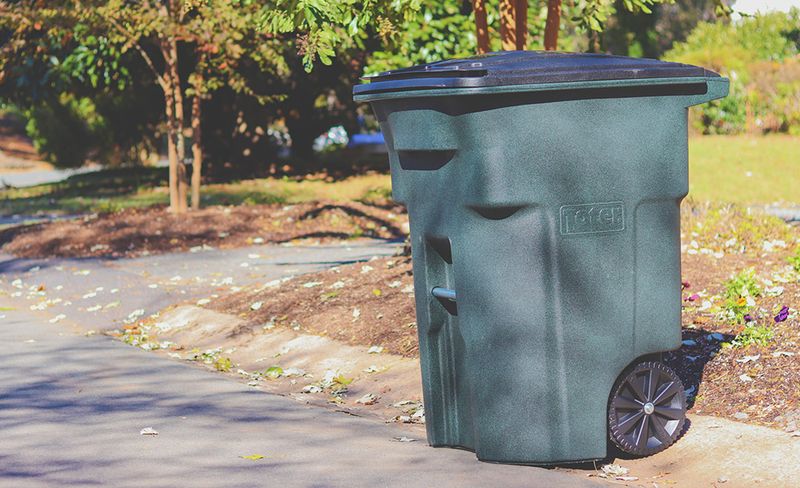
Good news: you have more control over this than you might think. A few tidy habits can turn your yard from a wasp hotspot into a boring stop.
Start with your trash cans. Use bins with tight-fitting lids and keep them closed all the time.
Rinse soda cans, juice bottles, and food containers before tossing them in recycling. Sticky leftovers are like a dinner bell for hungry foragers.
When eating outside, cover plates and bowls with lids or mesh food tents. Keep drinks in cups with lids, and do not leave sweet drinks sitting alone.
Clean up quickly after meals. Wipe tables, sweep crumbs, and bring leftovers indoors right away.
Your grill needs attention too. Scrape and clean it after cooking so greasy, meaty smells do not linger.
Remember the fruit trees as well. Picking up fallen or overripe fruit often is one of the most helpful steps you can take.
Pet food bowls left outside can attract wasps too. Feed pets indoors or pick up bowls after mealtime.
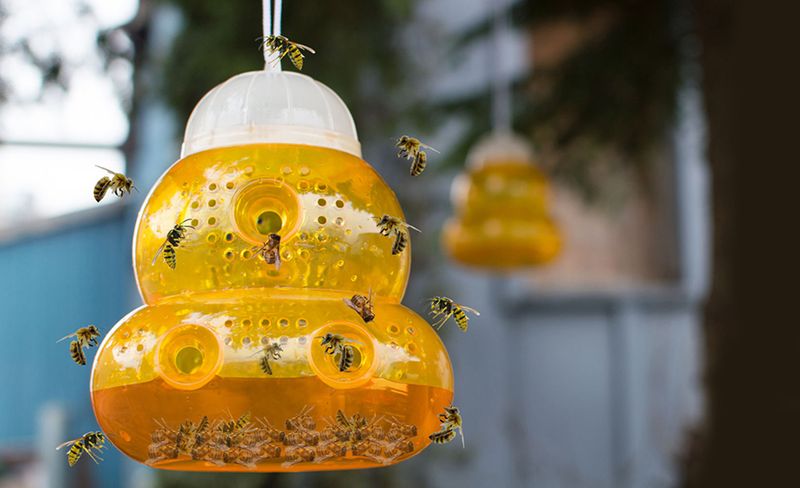
Store-bought traps can help in some yards when placed away from where people gather. Put them at the edges so wasps are pulled away from your patio.
Stick with these habits through October. As cold weather arrives, the buzzing will fade and your yard will feel peaceful again.