The April Irrigation Check That Arizona Gardens Should Not Skip

April in Arizona can give a false sense of security, especially when plants still look steady and the soil has not dried out as fast as it will later.
Everything seems fine at a glance, which makes it easy to move on without checking what is actually happening with irrigation.
Small issues often start right here. One clogged emitter, one misaligned line, or uneven coverage can stay hidden until heat builds and plants begin to show stress all at once.
A quick look now can save a lot of trouble later. Water reaches every area more evenly, and the garden holds its shape as temperatures rise.
That simple check can be the difference between a yard that stays consistent through Arizona heat and one that starts to struggle when it matters most.
1. Checking Irrigation Coverage Prevents Dry Spots As Heat Builds
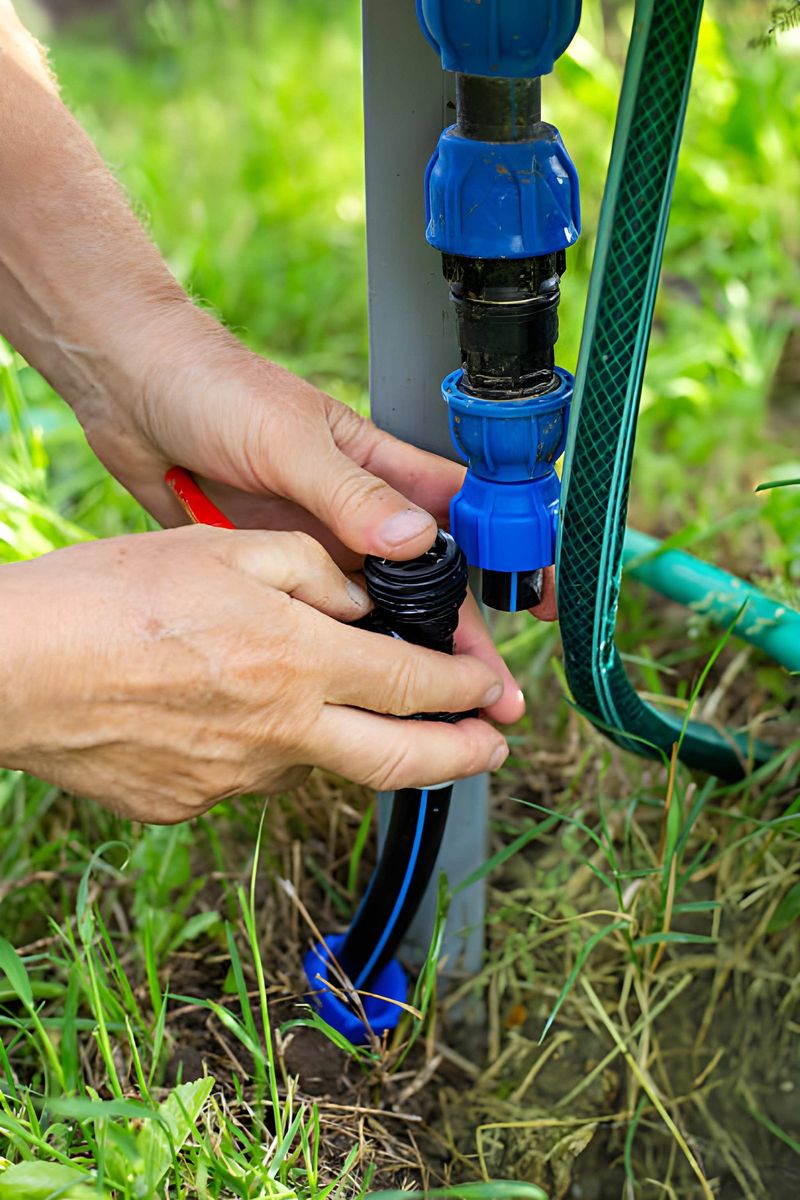
Dry spots in an Arizona garden rarely appear overnight. Usually, they build up slowly because one section of your yard is getting skipped by the irrigation system, and by the time you spot the problem, the plants in that zone are already under stress.
April is the right time to run each irrigation zone manually and walk through the yard while it runs. Watch where the water actually lands, not just where you think it lands.
Sprinkler heads shift over time, emitters get bumped out of position, and coverage gaps open up without any obvious warning sign.
In Arizona, where soil tends to dry out quickly and summer temperatures can push well past 100 degrees, uneven coverage creates real problems.
A section of your yard that misses even a few waterings in late April can develop compacted, hydrophobic soil that sheds water instead of absorbing it.
Pay close attention to corners, slopes, and areas near walls or fences. These spots tend to get less water because of reflected heat and limited spray reach.
If you find a gap in coverage, adjust the emitter placement or add a new line before temperatures climb higher.
2. Uneven Watering Leads To Stress And Patchy Growth

Patchy growth in a yard is almost always a watering problem in disguise. Some plants look full and healthy while others nearby look thin, pale, or barely holding on, and the difference usually comes down to how evenly water is being distributed across the system.
Drip irrigation systems are especially prone to this in Arizona. A system that was installed a few years ago may have emitters with different flow rates, some running at full speed and others partially clogged or delivering less water than they should.
The plants closest to a strong emitter thrive, while the ones further down the line quietly struggle.
Checking flow consistency across your system takes about 30 minutes and can reveal a lot. Place a small container under each emitter while the zone runs, and compare how much water collects in each one over the same time period.
Significant differences point to flow problems that need correcting.
Uneven watering also affects root development. Plants that receive inconsistent moisture tend to develop shallow, uneven root systems, which makes them more vulnerable when Arizona heat peaks in May and June.
Roots follow water, so if water delivery is patchy, root structure will be too.
3. Clogged Emitters Reduce Water Flow To Key Plants

Clogged emitters are one of the most common irrigation problems in Arizona, and they are surprisingly easy to miss. From a distance, the system looks like it is running fine.
Water is flowing, the timer is working, everything seems normal, but a single blocked emitter can leave a key plant without enough moisture for weeks before anyone notices.
Arizona water tends to be high in mineral content, particularly calcium and magnesium. Over time, these minerals build up inside drip emitters and slowly reduce flow.
Heat accelerates the process, so by April, emitters that were working well in winter may already be partially blocked.
Checking each emitter individually is the only reliable way to find clogs. Pull each one out of the soil, hold it up, and let the zone run.
Water should flow through freely and visibly. If the flow looks weak or stops entirely, the emitter needs to be cleaned or replaced.
Soaking clogged emitters in a diluted vinegar solution for a few hours often clears mineral deposits, though some may need full replacement.
Prioritize emitters serving your most established trees, shrubs, and vegetable beds first. These plants have the most to lose from inconsistent water during the warming weeks of April and May in Arizona.
4. Leaks Waste Water And Leave Roots Undersupplied
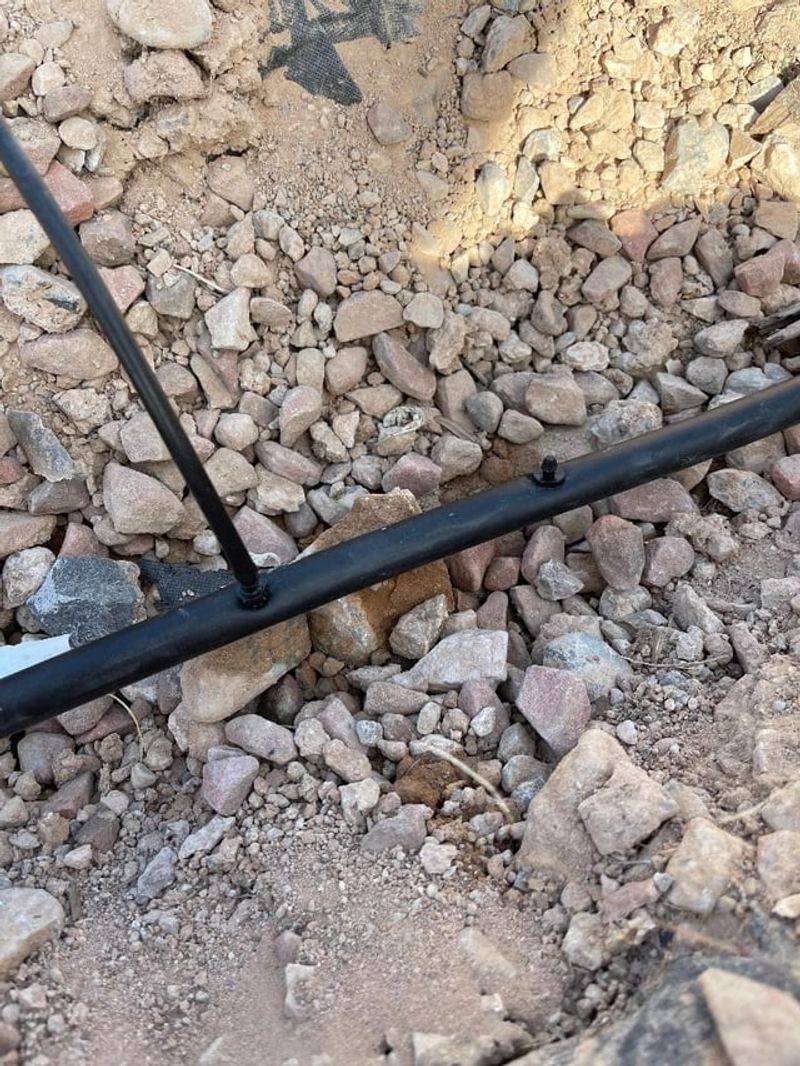
A small leak in an irrigation line might not seem urgent, but in Arizona, it adds up fast.
Water that escapes through a crack or a loose fitting is water that never reaches the root zone, and at the same time, it inflates your water bill without delivering any real benefit to your plants.
Leaks often develop at connection points, where lines meet emitters, valves, or fittings. Tubing can also crack from UV exposure over time, especially in Arizona where sunlight is intense and plastic degrades faster than it would in cooler climates.
Lines that run along the surface and get direct sun exposure are particularly vulnerable.
Walk every irrigation line during your April check, looking for soft wet spots in the soil, puddles that form where they should not, or sections of tubing that look discolored or brittle.
Running the system while you walk the yard makes active leaks much easier to find than inspecting a dry system.
Fixing a leak usually involves cutting out the damaged section and inserting a new fitting or a short replacement tube. Goof plugs, barbed couplings, and replacement tubing are inexpensive and easy to work with, even for first-time DIY repairs.
5. Adjusting Run Time Matches Rising April Temperatures
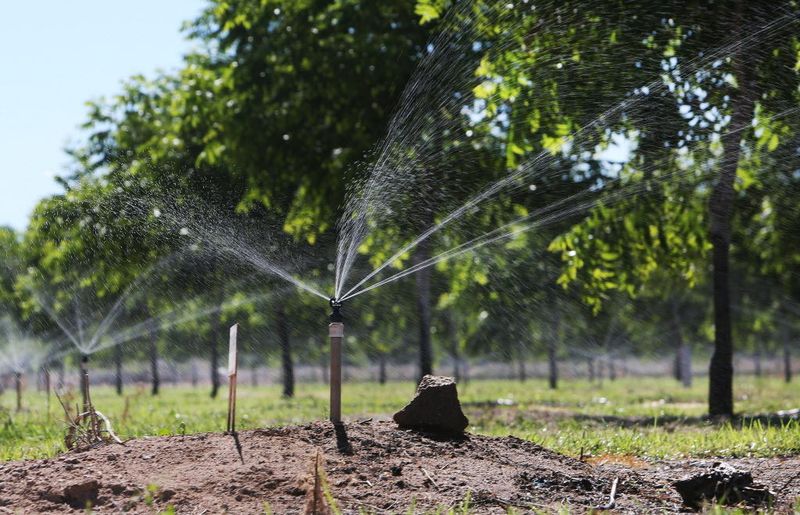
Run times that worked well in February are almost certainly too short for April. Temperatures in Arizona can jump 20 to 30 degrees between those two months, and evaporation rates climb right along with them.
A watering schedule that kept plants healthy in cooler weather will leave them short on moisture as spring heats up.
Most irrigation controllers allow you to adjust run times by zone, which is worth doing carefully rather than just adding a few minutes across the board.
Vegetable gardens typically need more frequent adjustments than established desert plants, and trees generally benefit from longer, less frequent deep watering rather than more runs at shorter intervals.
A practical starting point for April in Arizona is to increase run time by roughly 20 to 25 percent compared to your late winter settings, then watch how plants respond over the following week.
Wilting in the early afternoon is somewhat normal in extreme heat, but wilting that persists into the evening suggests the plants are not getting enough water overall.
Smart controllers with weather-based adjustment features can help automate some of this, but they are not a substitute for actually walking your yard and observing how plants look.
Technology helps, but your own observations are often more accurate for catching early signs of water stress.
6. Correct Placement Ensures Water Reaches The Root Zone
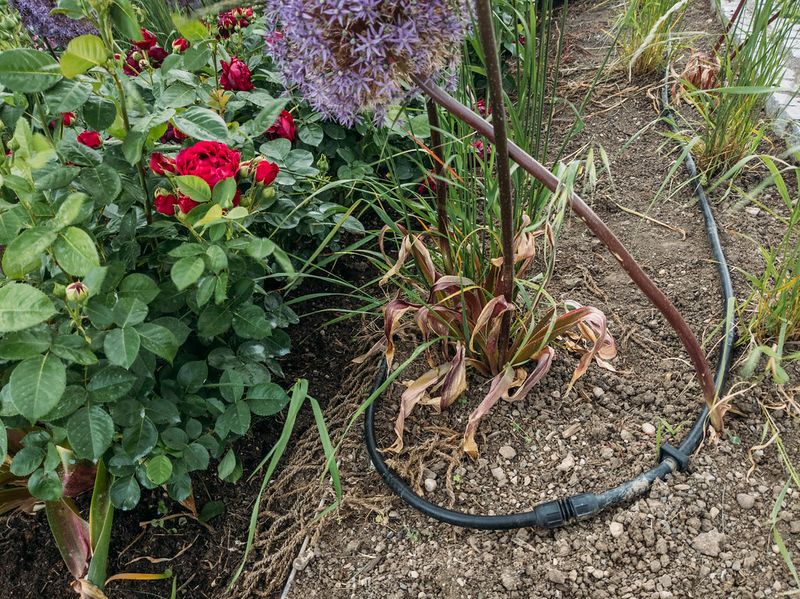
Water that lands in the wrong spot is nearly as unhelpful as no water at all. Emitters that have shifted away from the root zone, or that were never placed correctly to begin with, deliver moisture to bare soil while the plant nearby goes without what it actually needs.
Root zones in Arizona desert plants are often wider than people expect. Established shrubs and trees pull water from a broad area, not just directly beneath the trunk or main stem.
Placing all emitters right at the base of a plant can actually miss where the active roots are doing most of their work.
A good rule of thumb is to position emitters roughly at the drip line of the plant, which is the outer edge of the canopy where rain would naturally fall.
For larger trees, using multiple emitters spaced around the root zone is more effective than a single emitter placed close to the trunk.
Check emitter placement during your April inspection by gently probing the soil after a watering cycle. Moisture should be present several inches deep in the area directly served by each emitter.
If the soil is dry below the surface despite the system running, the emitter may be positioned too far from where roots are actively growing.
7. A Proper Check Keeps Plants Hydrated Going Into Heat

Running a full irrigation check in April is not just about finding problems. It is about making sure your entire system is ready to do its job when Arizona heat becomes serious, which can happen quickly once May arrives.
A system that is working well now gives your plants a real advantage heading into the most demanding stretch of the year.
Start from the controller and work outward. Confirm that the timer is set correctly, that each zone activates on schedule, and that the run times reflect current temperature conditions.
Then move through the yard zone by zone, checking emitters, lines, and coverage as described in each step above.
Keeping a simple checklist while you walk the yard helps make the process faster and more thorough. Note any emitters that need replacement, any lines that look worn, and any plants that seemed stressed during the inspection.
Addressing those items within a day or two, while the details are fresh, is much easier than trying to remember everything later.
In Arizona, gardens that go into summer with a properly functioning irrigation system generally handle heat better than those running on a neglected or poorly adjusted setup.
That does not mean problems will not come up, but starting with a solid baseline reduces how often you need to respond to emergencies mid-summer.