The Arizona Groundcover Worth Growing Instead Of Heat-Radiating Gravel
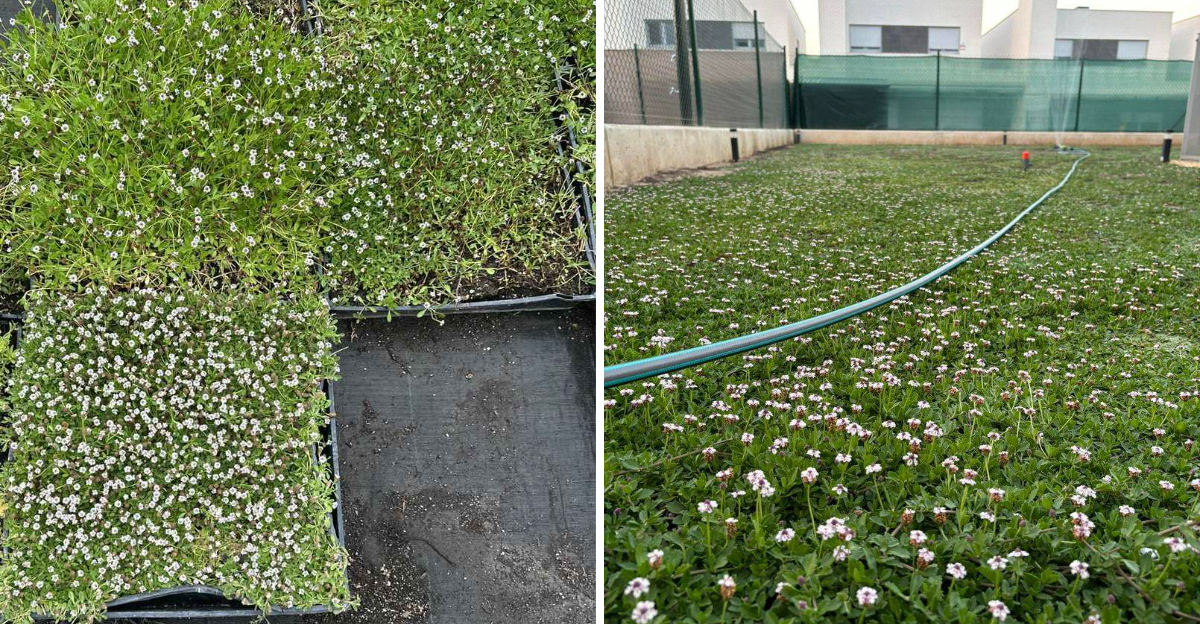
A gravel yard can look perfectly suited to Arizona until the hottest part of summer exposes what the surface is really doing.
By afternoon, the ground throws heat back toward walls, windows, patios, and anyone crossing the yard. Long after the sun begins dropping, that stored warmth can make an outdoor space feel harsher than the air temperature alone suggests.
Replacing rock with another surface sounds simple, but desert landscaping rarely rewards simple swaps.
One low-growing option changes the equation in a very different way.
It stays close to the soil, spreads rather than towers, and asks for a completely different maintenance routine than either turfgrass or decorative gravel.
The catch is that it does not belong in every Arizona climate, every shade pocket, or every high-traffic yard.
So where does it actually make sense?
The answer depends on warmth, irrigation, establishment speed, boundaries, and how much living surface the yard can support without trading one maintenance problem for another during Arizona’s longest stretch of summer heat each brutal year.
Plant Kurapia In Warm Desert Arizona
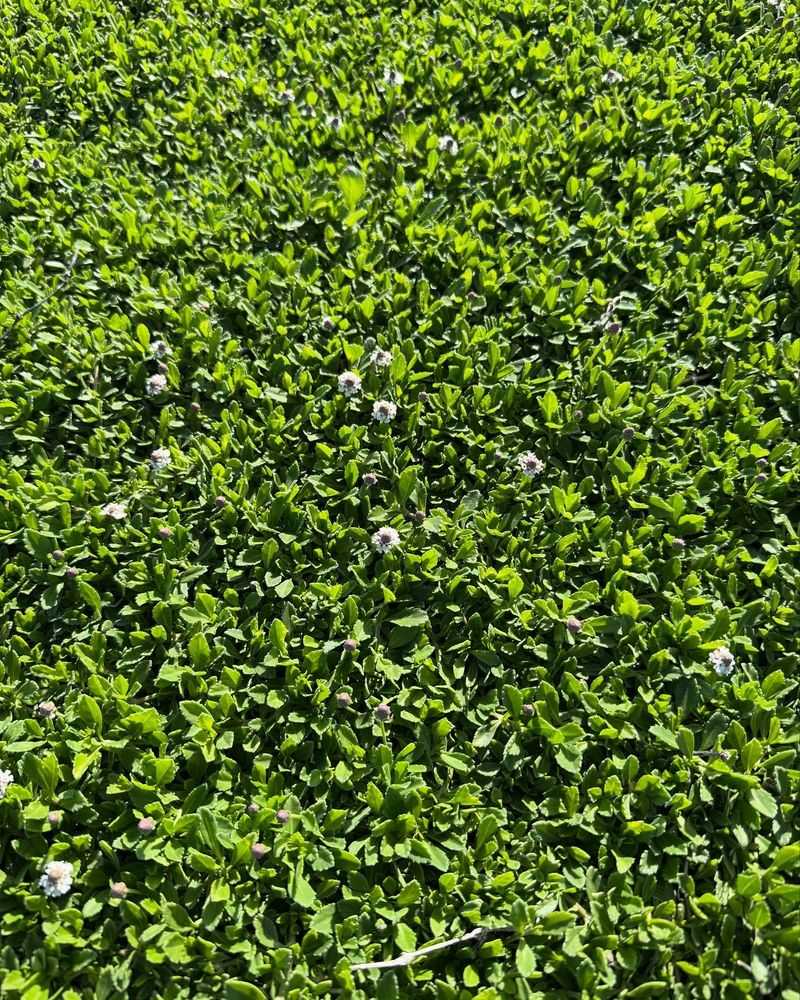
Kurapia makes the strongest case in Arizona where winter cold stays relatively mild and summer warmth drives long stretches of active growth.
This creeping broadleaf groundcover is used as a low-water alternative to conventional turf in warm desert landscapes. It spreads horizontally, stays low, and can cover open ground without creating the same bare, reflective surface that a large gravel field does.
Low-desert yards are the logical starting point.
Phoenix, Yuma, and similarly warm areas offer a much better climate match than high-elevation communities where winter temperatures drop far below the range experienced in the desert valleys.
Arizona spans hardiness zones from very cold mountain country to warm zone 10 locations, so one statewide planting recommendation would be careless.
Sun matters too.
Kurapia performs well in bright exposure and can tolerate some partial shade, but dense shade is not where a tight, uniform mat should be expected. A site shaded most of the day by walls or mature trees may leave runners stretched and coverage uneven.
Use it where living groundcover actually fits the landscape.
A sunny or lightly shaded low-desert section beside a patio, between stepping areas, or across unused lawn space makes more sense than a cold mountain yard or dark north-side corridor.
Kurapia is not gravel with leaves attached. It is a living planting with climate limits, roots, irrigation needs, and seasonal behavior. Match those first, and the heat-tolerant part becomes much more useful.
Give New Plugs Steady Establishment Water
Fresh Kurapia plugs may be destined for low-water living, but the first weeks are not the time to test their drought tolerance.
Each plug begins with a small root system surrounded by a much larger volume of hot Arizona soil. Until roots leave that original plug and runners begin rooting at new nodes, repeated drying can slow establishment and leave gaps that take much longer to close.
Keep the immediate root zone evenly supplied with moisture at first.
Summer planting may require frequent checks because heat, wind, and dry soil can remove water quickly. The exact interval should follow soil texture, weather, emitter output, and plug size rather than a rigid calendar.
Your Arizona Garden Changes Every Week. Your Plan Should Too.
Gardening in Arizona changes quickly throughout the season. Every Friday you’ll receive a simple weekly plan showing exactly what to plant, prune, fertilize, harvest, and protect so you never miss the right timing.
Sandy ground dries faster than clay, while monsoon rainfall can suddenly change the schedule.
Then start stretching the interval.
The goal is to move from frequent establishment irrigation toward deeper, less frequent watering as the root system expands.
Arizona landscape guidance follows that same basic pattern for newly installed plants: close attention early, then progressively longer gaps between irrigations as roots establish.
Check beneath the surface before adding another cycle.
Constantly wet soil is not the goal, and automatic daily watering long after establishment can waste water and encourage weaker rooting.
The plugs need a nursery phase, not permanent room service.
Give them enough moisture to connect with the surrounding soil, then gradually make the root system do more of the work. That transition is what turns a thirsty new installation into a genuinely lower-water groundcover later.
Let Runners Knit Into A Living Mat
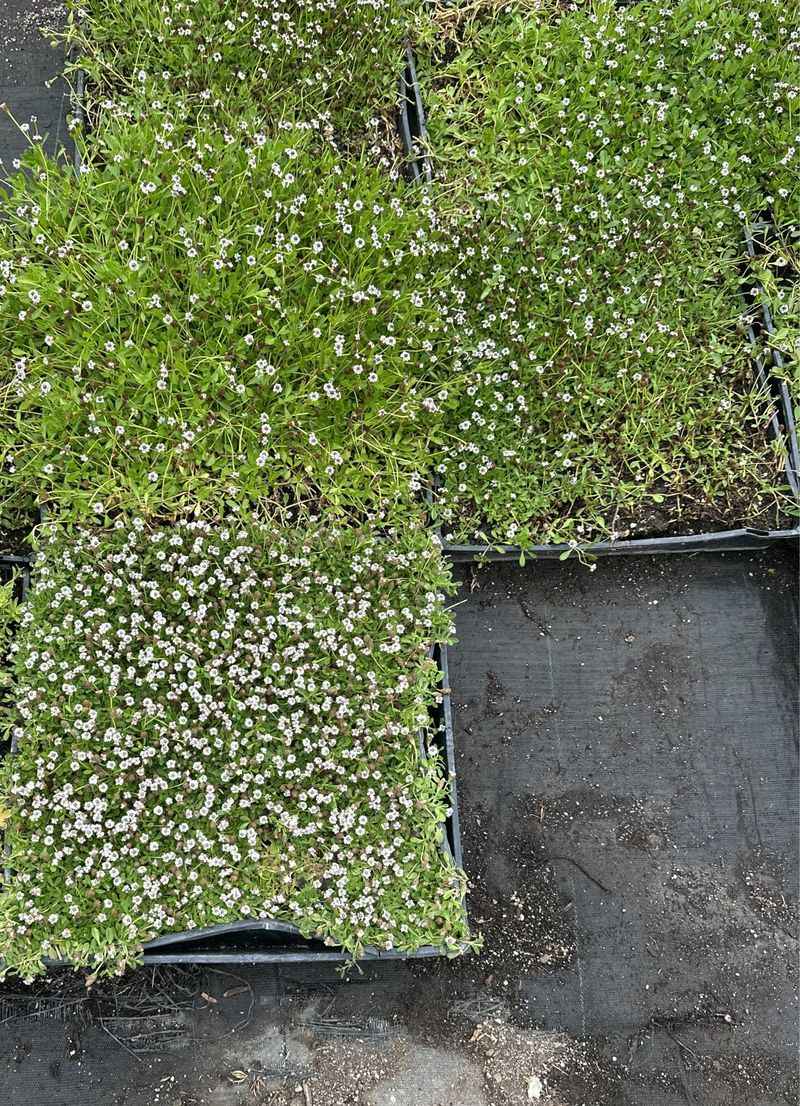
The real transformation starts when individual plants stop looking like dots and begin behaving like one connected surface.
Kurapia spreads through creeping stems that root where nodes contact suitable soil. Those new rooting points allow each plant to expand sideways, producing a dense mat rather than a collection of upright clumps.
Research plantings show vigorous horizontal growth under favorable conditions.
Good soil contact matters.
Runners sliding across loose soil can root and keep moving. Runners draped over thick rock, landscape fabric, or a hard edge have a much harder time turning that reach into a new anchored section of groundcover.
That is one reason preparation matters before planting.
Remove existing weeds, correct major drainage problems, and create a reasonably even soil surface.
Kurapia can handle different soil types, but the first season goes more smoothly when the runners are not trying to bridge deep gravel, compacted ruts, and weed crowns at the same time.
Coverage speed will vary.
Plug spacing, temperature, irrigation, light, and site preparation all affect how quickly bare ground disappears.
Wider spacing costs less at installation but leaves the gardener managing open soil longer. Closer spacing costs more but shortens the awkward polka-dot stage.
Let the runners do the design work once they start moving.
A mature mat shades more of the soil surface and gives the yard the visual continuity people often want from turf. The satisfying part is watching dozens of separate plugs slowly lose their borders until the planting reads as one living plane.
Keep Bare Gaps Moist While They Close
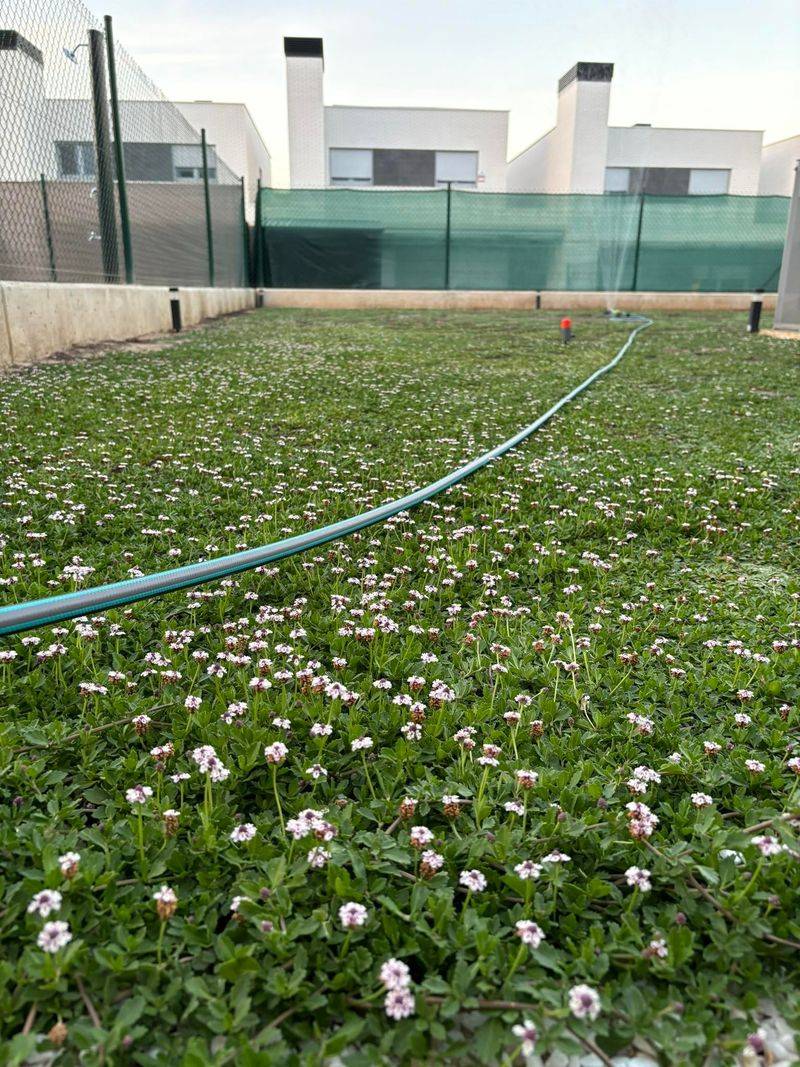
Bare Arizona soil heats quickly, loses surface moisture fast, and gives opportunistic weeds room to establish.
A young runner crossing that open ground has not yet built the rooted network that makes mature Kurapia resilient, so dry gaps can interrupt the spread just when coverage should be accelerating.
Check irrigation uniformity across the whole planting area.
One emitter delivering plenty of water to a plug does not help a runner several feet away when the surrounding soil stays powder-dry.
Early coverage works better when moisture reaches the zones where new nodes are trying to root, without leaving the entire bed constantly saturated.
Weed early and gently.
Small weeds are easy to pull before they compete heavily for moisture and light. Large weeds removed later can tear through shallow runners and leave fresh holes in the developing mat. Avoid aggressive hoeing once stems begin crawling across the soil.
Be careful with mulch depth.
A thin temporary layer may reduce crusting in some sites, but thick organic mulch can interfere with the soil contact creeping stems need. Rock mulch creates an awkward rooting surface and defeats much of the reason for converting the area.
Once the mat closes, the leaves shade more of the soil and established growth competes more strongly with new weeds. Before that happens, every open gap is a tiny management zone.
Treat the spaces like part of the planting, not empty ground waiting for the plants to arrive.
Reduce Irrigation After Full Coverage
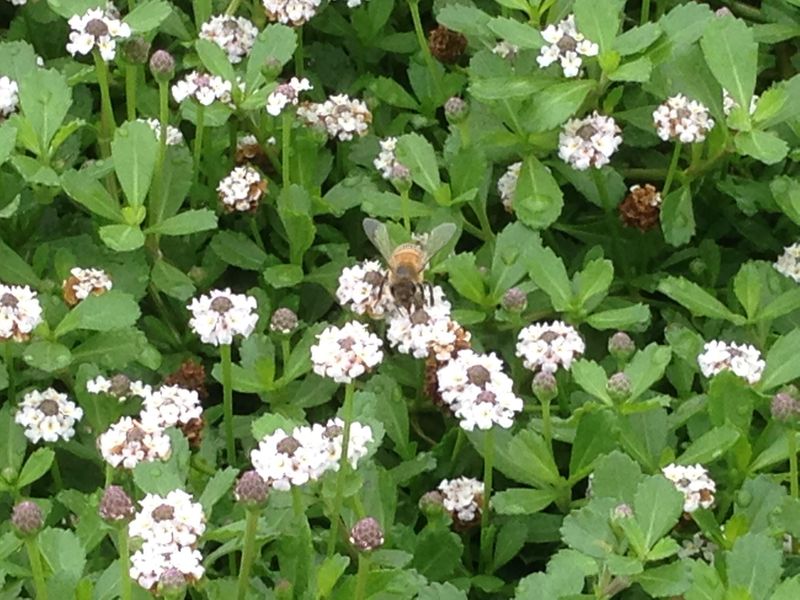
A finished Kurapia mat should not stay on the same irrigation routine used to establish a field of tiny plugs.
Once roots are established and runners have connected across the site, the planting can be managed as a low-water groundcover.
Field trials have rated Kurapia in a low irrigation category under tested conditions, and Arizona guidance recognizes it as a warm-desert turf alternative with reduced water demand.
That does not translate to no irrigation.
Living foliage cools itself partly through evapotranspiration, and that process uses water. Summer demand rises with heat, wind, exposure, and local soil conditions.
A green surface in Phoenix still needs a water budget, even when it uses less than a conventional lawn managed for constant lush growth.
Shift toward deeper, less frequent cycles.
Let soil moisture and plant response guide the interval instead of keeping the establishment timer running forever.
Irrigation systems should also be checked for uneven output because a mature mat can hide clogged emitters or dry pockets until the foliage starts thinning.
Seasonal adjustment matters.
The amount needed in July should not automatically become the amount applied in cooler months. Reduced growth and lower evaporative demand call for a different schedule.
This is where the water savings are earned.
The installation phase spends water to build roots. The established phase uses those roots to stretch the time between applications.
Keeping the baby schedule forever is like leaving training wheels on a bicycle and then complaining about the extra hardware.
Trim Edges Before Runners Wander
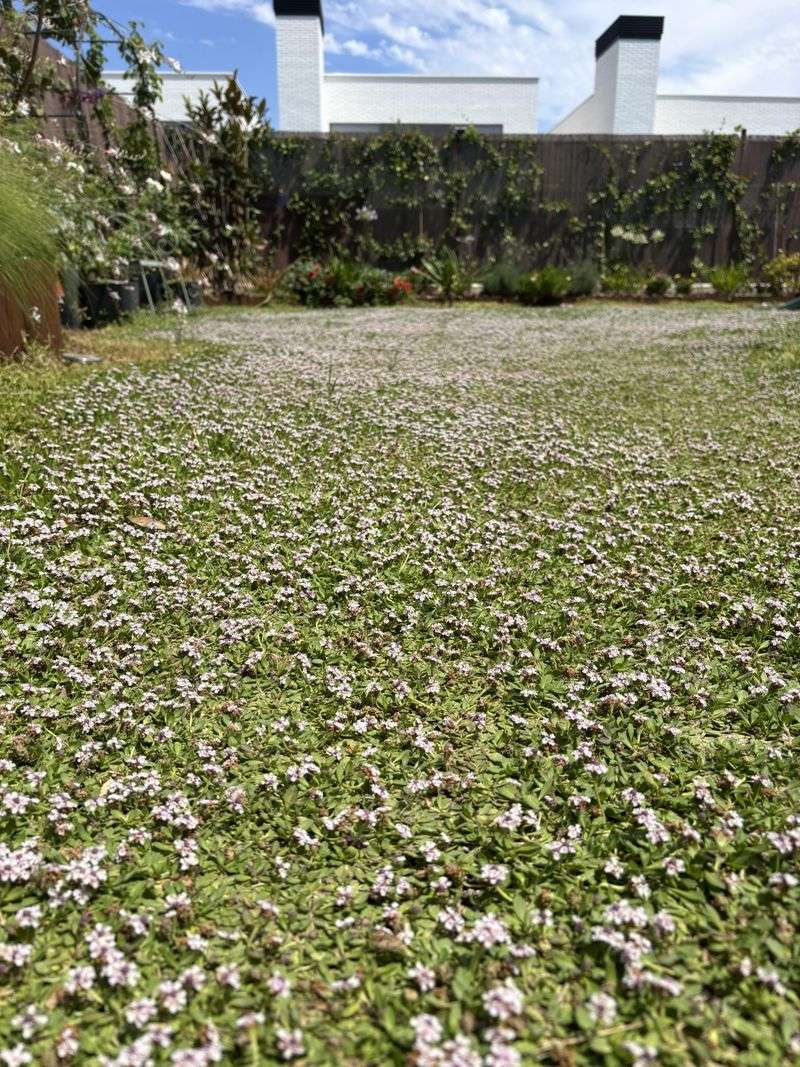
Kurapia solves bare-ground coverage by spreading aggressively, which means the edge of the planting needs a plan from the beginning.
Runners can travel beyond the intended bed, especially where nearby soil receives irrigation. Sidewalks, driveway joints, planting beds, and tree wells all create boundaries worth checking during active growth.
Field trials have documented just how quickly Kurapia can widen under favorable conditions.
Physical edging keeps the job simple.
A clean hard edge, periodic hand trimming, or a narrow barrier can stop runners before they become tangled through neighboring plants.
Check the perimeter often during the warm season rather than waiting for stems to disappear beneath shrubs.
Mowing is optional, not mandatory.
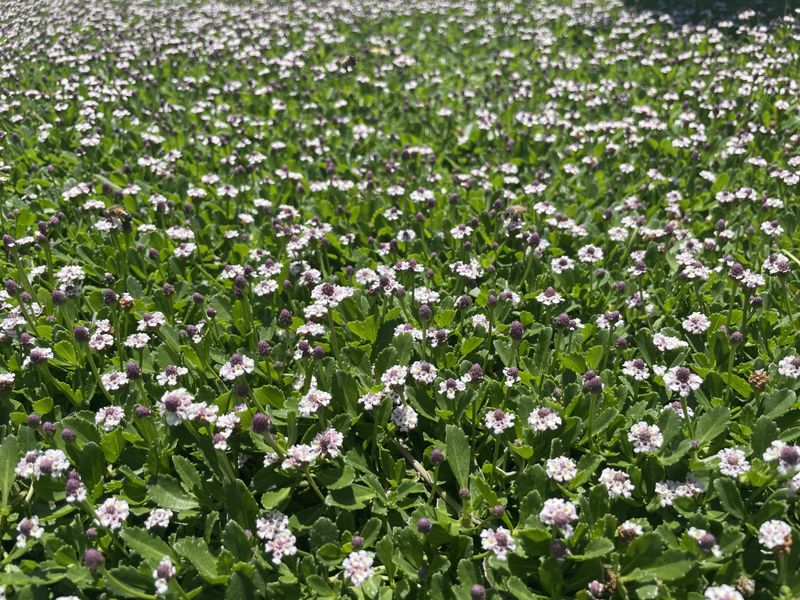
Kurapia naturally stays low, though occasional mowing can create a tighter, more uniform surface and reduce flowering.
Leaving it unmowed produces more blooms, which can attract bees and butterflies. That tradeoff deserves attention near barefoot play areas, pool paths, or other places where frequent foot traffic and flowering groundcover may not mix comfortably.
Heavy traffic is another limit.
Kurapia can handle lighter use, but it should not be treated like sports turf or a hardscape walkway. Stepping stones make sense across routes that receive repeated daily traffic.
The edges tell you where this groundcover belongs.
Give it room to spread across soil, then stop it cleanly before it reaches areas meant for something else.
A plant bred to cover ground will never understand the concept of property lines. Fortunately, an edger speaks fluent Kurapia.