What To Do With Your Arizona Fig Tree Now That Harvest Is Over
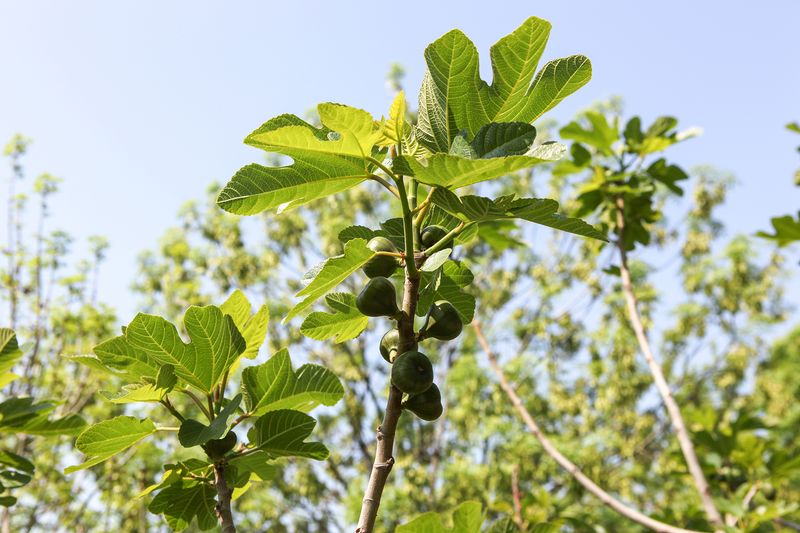
The last ripe figs are off the branches, and your tree looks a little worn out. What you do next in the cooler months can shape how easy the tree is to manage and what wood is left for spring.
In the Arizona low desert, fall gives you a calm window to look the tree over. Here is how to decide what needs doing and what can simply wait.
Let the finished second crop—not the calendar—set the timing
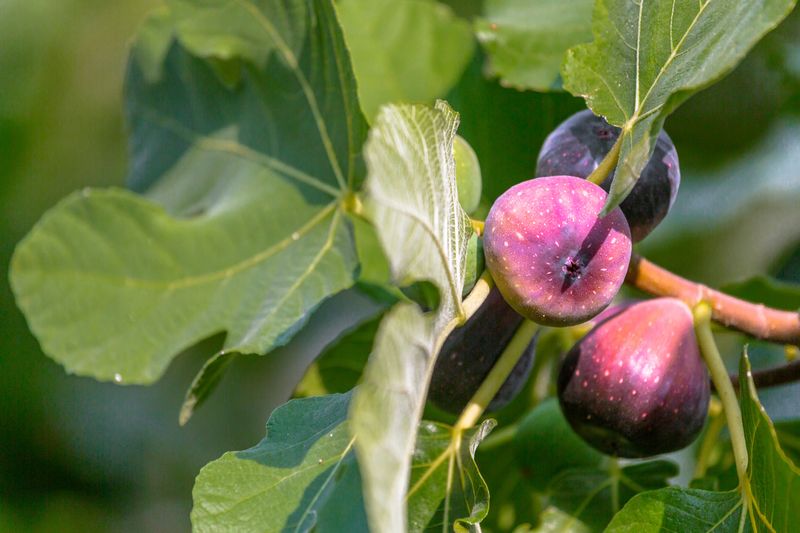
Figs usually give an early crop in early summer and a second crop in late summer or early fall, but the real dates shift from tree to tree and year to year. So skip the fixed date on the calendar.
Your cue is simple: the second crop is picked and the tree has stopped ripening fruit.
Once that happens, University of Arizona fig guidance says fall pruning suits warm parts of the state, including the low desert. In colder parts of Arizona, it says to wait until the coldest part of winter has passed.
You may also see general October advice that says to avoid major pruning. That comes from the Pima County October gardening guide, which advises against major pruning of trees and shrubs unless it is needed for safety or access.
It is local advice, not a statewide pruning rule. Fig pruning in the low desert is a fig-specific, optional exception, and not a reason to cut every plant in the yard.
Prune only when the tree needs it
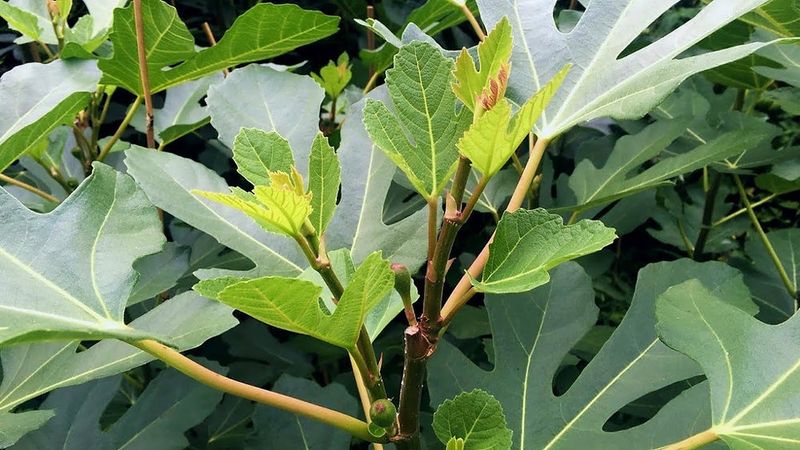
Here is a relief for busy gardeners: figs do not need special pruning to fruit. If your tree is healthy, a good size, and easy to pick, leaving it alone is a perfectly reasonable choice.
Pruning earns its place when the tree has a job for it. Maybe branches are crowding a walkway, leaning toward a wall, or growing too tall to harvest.
Maybe a few stray shoots are tangling the center. In those cases, Arizona fig growing advice supports light, selective cuts after the second crop in warm areas.
Think of it as tidying, not a yearly chore. Pick the branches that cause a problem and take those out, then step back and look at the shape.
A heavy cut every autumn is not needed, and it is not a shortcut to a bigger harvest. Some trees go several seasons without any trimming at all.
Which branches you remove can affect the early crop
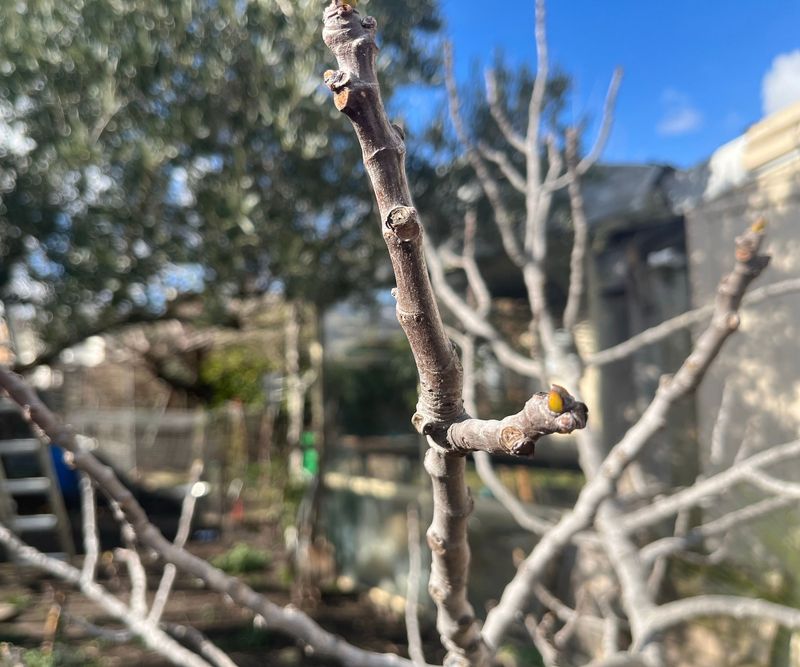
A fig can carry two crops, and they grow on different wood. The early crop forms on last year’s growth, while the later crop comes on the growth made this season.
That matters if you love those first figs of early summer. Cutting away older branches can remove the wood that would have carried them.
The same guide cautions against heavy pruning that takes off those early figs.
So when you choose a cut, look at what you are removing. Crossing, damaged, or unwanted shoots are easier to part with than the sturdy branches that grew last year.
Your Arizona Garden Changes Every Week. Your Plan Should Too.
Gardening in Arizona changes quickly throughout the season. Every Friday you’ll receive a simple weekly plan showing exactly what to plant, prune, fertilize, harvest, and protect so you never miss the right timing.
If you mostly care about the later crop, you have more freedom, but there is still no promise that a hard prune brings a larger harvest.
A good habit is to trim lightly, wait, and see how the tree fruits next year. You can always take more off later, but you cannot put wood back.
Ease irrigation as the weather cools
As fall temperatures drop, your fig uses less water, so you can water less often. That does not mean turning the system off.
The tree still needs deep moisture reaching its roots through the cooler months.
Instead of following a fixed interval, check the soil. A soil probe or long screwdriver slides in easily where the ground is moist, so you can see whether water has reached the root zone.
Sandy soils dry faster than heavy ones, and a warm, dry spell calls for more water than a cloudy, cool week.
For a starting point, the University of Arizona fig guide mentions wetting the soil to about 3 feet deep and watering roughly every two weeks in winter. Treat that as a place to begin, then adjust for your yard.
The broader tree watering guidance also stresses weather, soil, and the needs of the plant, and suggests watering out at the root zone rather than right at the trunk.
Fall is also a window for planting a new low-desert fig
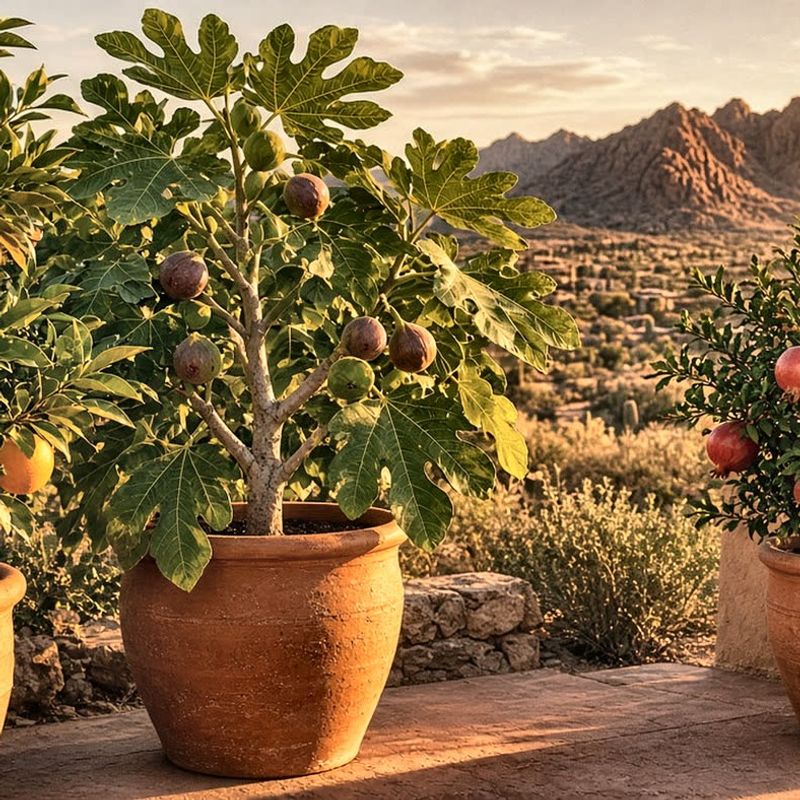
If you have been thinking about adding another fig, now is a good time to plan it. The University of Arizona names fall and early spring as the planting windows for figs in the low desert.
Planting then gives roots months to settle in before the harsh summer heat arrives.
Keep this separate from the care of your older tree. A new fig needs steady attention while it establishes, but a mature tree that just finished fruiting does not need extra water because it is fall.
Overwatering can harm trees, and the University of Arizona watering guidance points to watering at the root zone and checking the soil first. That applies to the sapling and the old tree alike.
Choose a spot with plenty of sun and room to grow, and check your local timing, since low-desert conditions differ from higher-elevation towns. The low-desert fig planting advice is written for exactly this setting.
Protect yourself when you make a cut
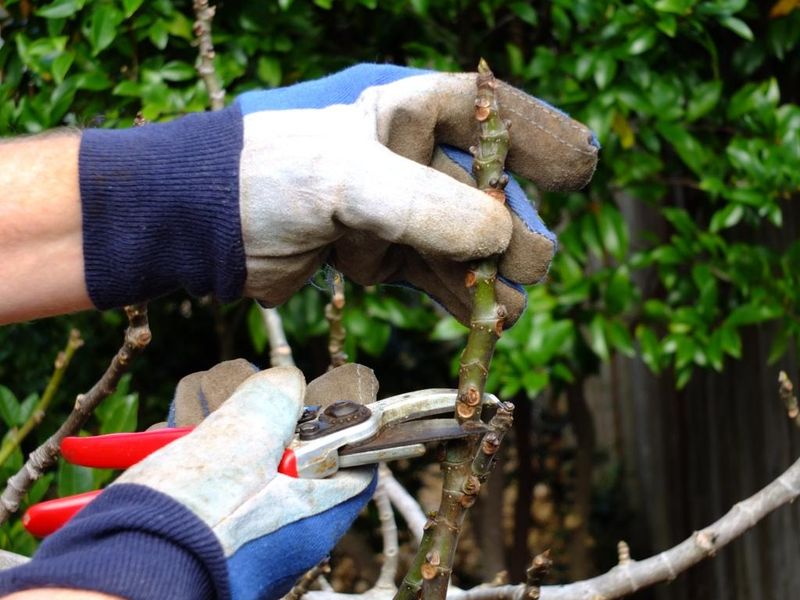
Fig branches ooze a milky sap when cut, and that latex can irritate skin. Wear gloves and long sleeves, and try to keep the sap off your face and arms.
The University of Florida fig publication notes this skin irritation. Wash up afterward if any gets on you.
Sharp, clean pruners make tidy cuts and take less effort. Stay on the ground and work on branches you can reach comfortably.
Some jobs are bigger than a weekend chore. If reaching a branch means climbing the tree or setting up a ladder, hand it to a pro.
A qualified tree-care worker has the training and equipment for that kind of work, and the University of Arizona offers advice on how to hire a tree expert.
A fig is not worth a fall from a ladder.
Make a modest post-harvest plan
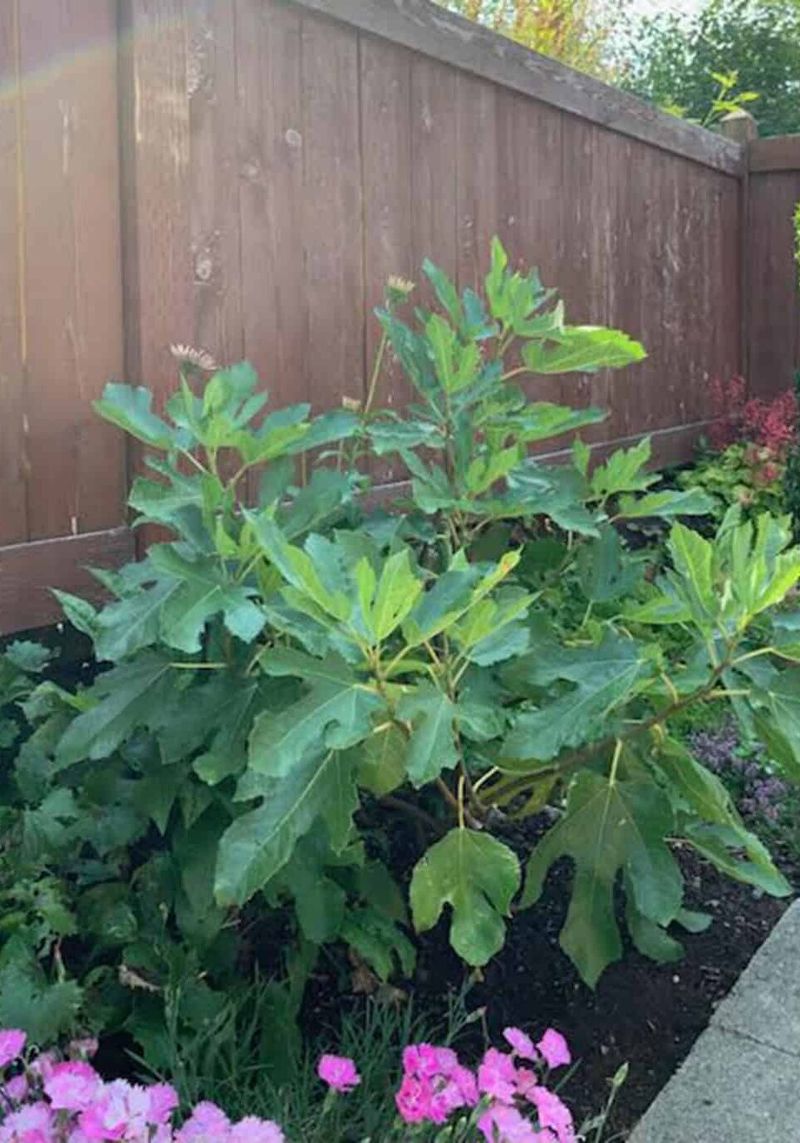
Start by confirming that the second crop is truly done. Next, ask whether the tree needs trimming for size or access, and only prune if your area is warm enough for fall work, as in the low desert.
If early figs matter to you, keep last year’s wood in place, as Arizona fig guidance describes.
Then keep an eye on the soil and ease the watering schedule as the weather cools, using the tree watering advice as your guide.
A quiet fig in November is usually just a tree getting its rest.