The August Summer Pruning Window For Oregon Stone Fruit That Most Gardeners Don’t Know Exists
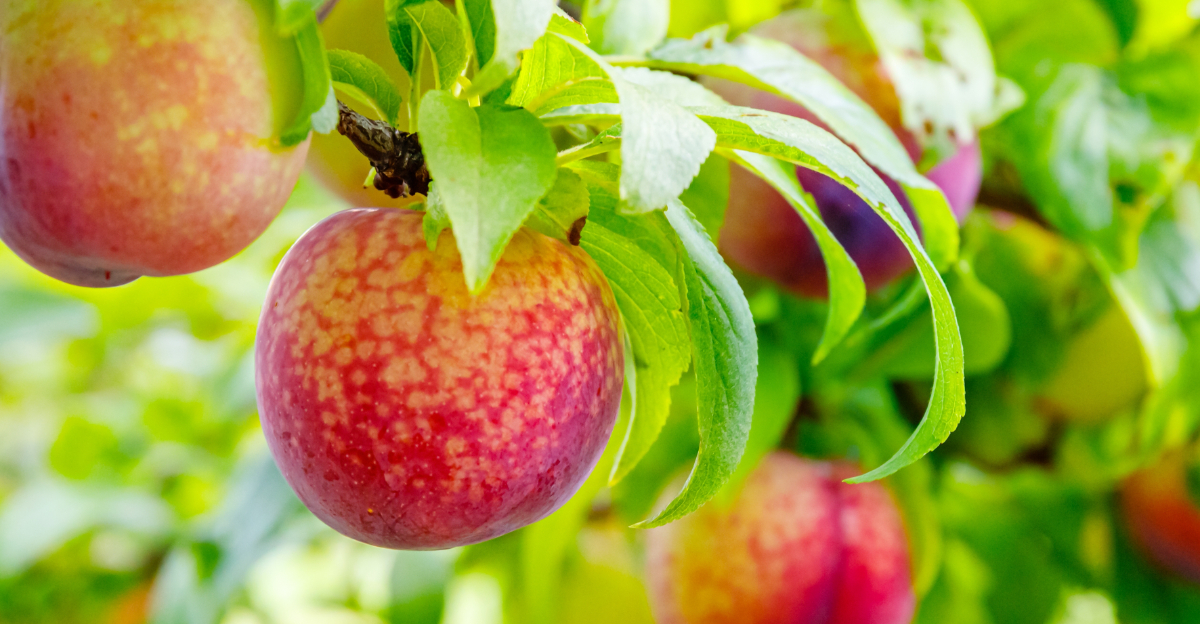
Most Oregon gardeners reach for pruning tools in winter, but stone fruit trees often have a quieter opportunity in August.
Once harvest is finished and the weather is dry, a light summer trim can help open crowded canopies, remove damaged growth, and slow branches that are getting too vigorous.
This timing can be especially useful for cherries, peaches, plums, and apricots, which may be more vulnerable to disease when cut during cool, wet months. The key is restraint.
August pruning is not the moment for a dramatic makeover or heavy structural cuts. It is better suited to small corrections, improved airflow, and clearing branches that rub, cross, or block sunlight.
Oregon’s climate also varies sharply by region, so dry conditions matter more than the calendar alone.
Done carefully, this overlooked window can make trees easier to manage for homeowners while supporting healthier growth and better fruiting in the seasons ahead.
1. Why August Is The Sweet Spot For Summer Pruning
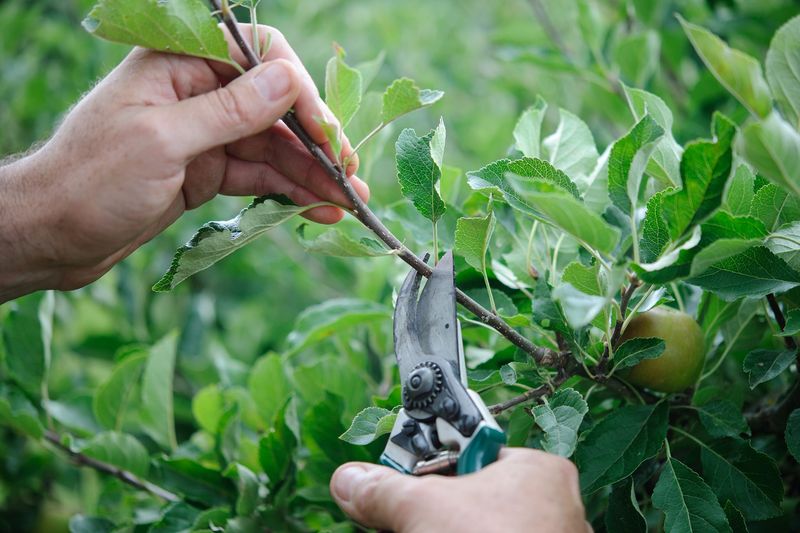
Here’s something most backyard growers never learn: the timing of a pruning cut matters just as much as the cut itself. August hits a sweet spot that winter pruning simply can’t match.
By late summer, stone fruit trees have slowed their wild spring growth, but they’re still warm and active enough to close wounds quickly before cold weather arrives.
August in Oregon is typically dry and sunny. That combination is huge for pruning because wet conditions invite fungal infections through fresh cuts.
When you prune in August, those open wounds dry out fast, which means far less risk of disease sneaking in. Peach leaf curl, bacterial canker, and silver leaf fungus all love moisture, so a dry pruning day gives you a natural advantage.
Summer pruning also changes how a tree uses its energy. Winter pruning pushes a tree to grow more shoots in spring.
Summer pruning does the opposite. It slows growth slightly, which helps the tree focus on ripening fruit and building strong wood for next year.
That’s a big deal for home growers who want quality over quantity. Most gardeners don’t realize they can shape a tree’s behavior just by changing when they cut.
August gives you control that no other month quite offers, and once you try it, you’ll wonder why you waited so long to start.
2. The Stone Fruit Trees That Benefit Most
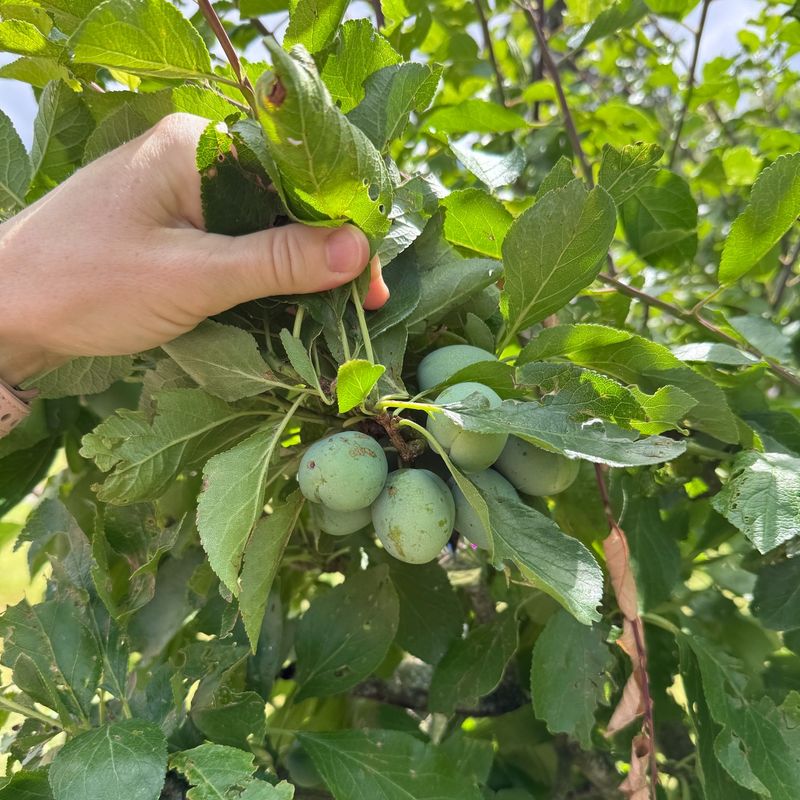
Not every fruit tree responds the same way to a summer trim. Stone fruits, which include peaches, plums, cherries, nectarines, and apricots, are the ones that truly shine with an August pruning.
These trees are in the same family and share similar growth habits, which makes the late-summer window especially useful for all of them.
Peaches and nectarines are probably the biggest winners here. They grow fast and get leggy quickly, sending up tall shoots that shade out the fruiting wood below.
Trimming them back in August keeps the canopy open and manageable. Plums benefit too, especially the European varieties that tend to put on a lot of leafy growth that doesn’t produce much fruit.
Your Oregon Garden Changes Every Week. Your Plan Should Too.
Gardening in Oregon changes quickly throughout the season. Every Friday you’ll receive a simple weekly plan showing exactly what to plant, prune, fertilize, harvest, and protect so you never miss the right timing.
Sweet cherries are a little different from the others. They’re more sensitive to pruning wounds, but August is actually safer for them than winter because the dry conditions reduce the chance of bacterial canker.
Japanese plums also respond well and often look healthier going into fall after a light summer trim.
Apricots, which can be tricky in our region due to late frosts, appreciate a cleanup cut in August to reduce the number of crossing branches before the tree goes dormant.
If you grow any of these trees in your yard, August is the month to pay close attention and make a few smart cuts that will pay off big next season.
3. Cutting Back Fast, Floppy Summer Growth
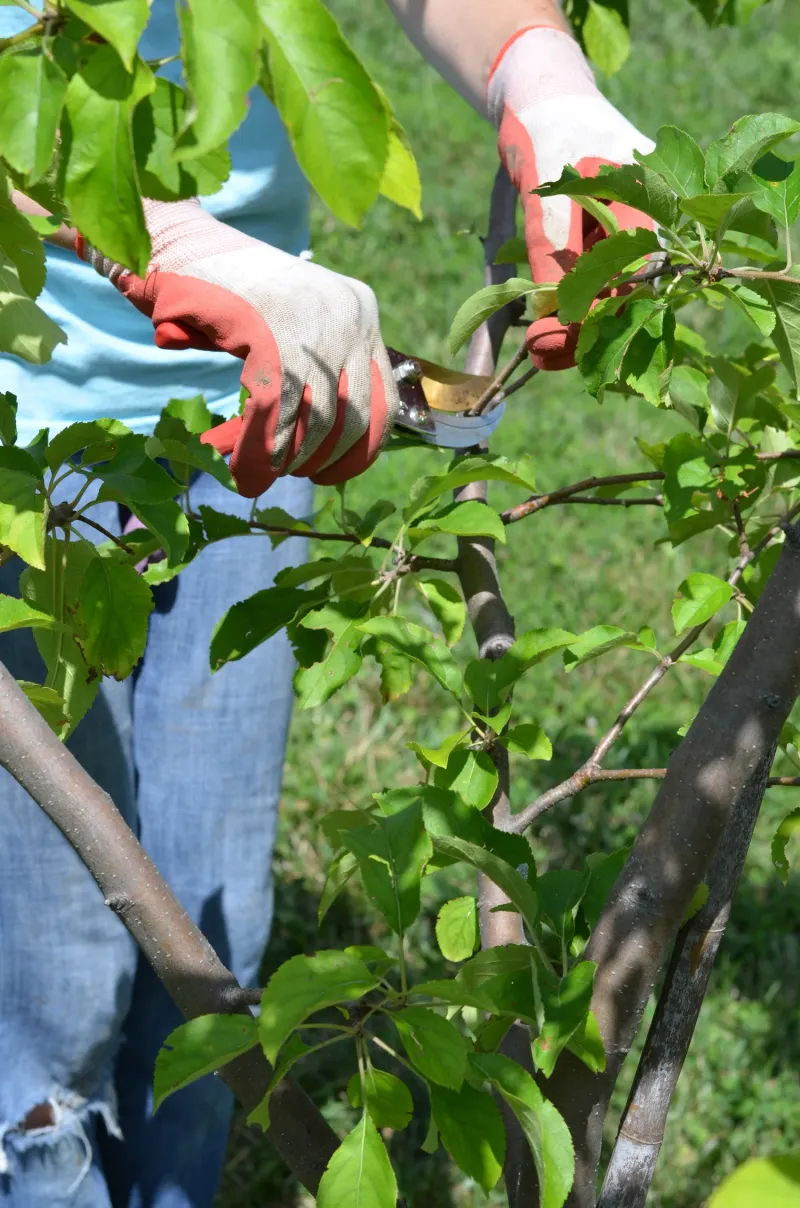
Every stone fruit tree does it. By midsummer, those long, whippy shoots are flopping all over the place, bending under their own weight and shading out everything below them.
These are called extension shoots or summer laterals, and they’re exactly what you want to cut back in August.
Fast summer growth looks impressive, but it’s mostly water and soft tissue. It doesn’t harden into good fruiting wood.
Instead, it creates shade, traps moisture, and makes the tree’s canopy so dense that air can’t move through it freely. Poor airflow leads to fungal problems, and those floppy shoots rarely contribute to next year’s harvest anyway.
When cutting these back, aim to remove about half to two-thirds of the new shoot’s length. You don’t need to cut all the way back to the main branch.
Leaving a few buds on each shoot encourages short, sturdy side growth that will actually carry fruit next season. Use clean, sharp bypass pruners for this job.
Dull blades crush the wood instead of cutting it cleanly, which slows healing and invites trouble. Work your way around the tree systematically, starting at the top where the most vigorous growth usually appears.
Once you’ve cleared the floppy stuff, you’ll be surprised how much more open and manageable the tree looks. It’s one of the most satisfying pruning jobs of the whole year.
4. Opening Up Crowded Branches Before Fall
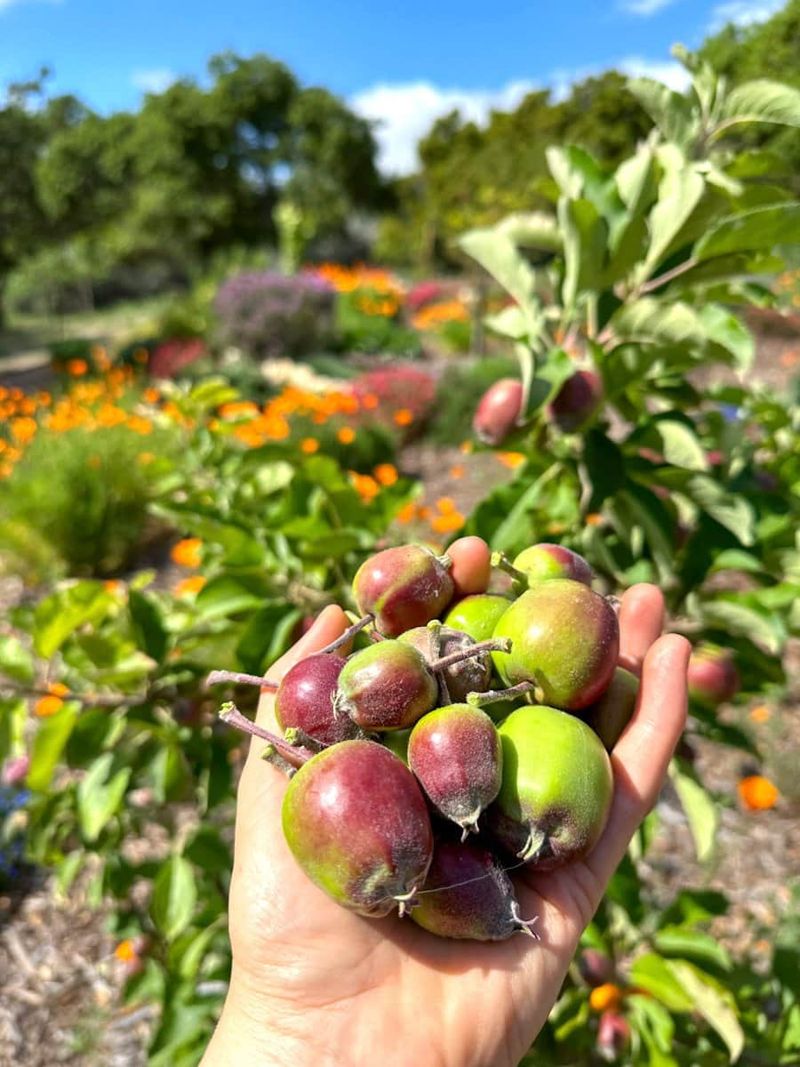
A crowded canopy is one of the most common problems in home orchards, and most people don’t notice it until the fruit quality starts dropping.
When branches rub together and overlap, they block sunlight, reduce airflow, and create damp pockets where fungal spores love to settle.
August is a great time to fix that before the tree heads into fall.
The goal when thinning a crowded canopy is to create what orchardists call an open center or vase shape. You want light and air to reach the middle of the tree.
Pick out any branches that are crossing, rubbing, or growing straight toward the center of the canopy. Those are your first targets.
Remove them with a clean cut right back to the main branch or trunk.
Don’t try to fix everything in one session. A good rule of thumb is to remove no more than 20 to 25 percent of the canopy in a single pruning.
Taking too much at once stresses the tree and can trigger a burst of wild regrowth that makes things worse. Instead, focus on the worst offenders this August and plan to follow up next year.
After opening up the canopy, stand back and look at the tree from different angles. You should be able to see light coming through the branches.
If you can, you’ve done a great job and your tree will thank you with better fruit next season.
5. Snipping Water Sprouts Before They Take Over
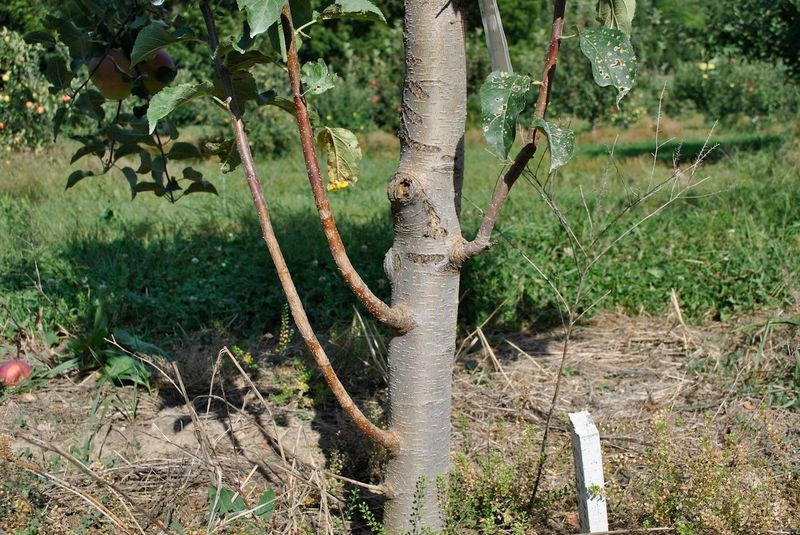
Water sprouts are the overachievers of the tree world, and not in a good way. These are the straight, vertical shoots that burst out from main branches or the trunk, growing fast and tall while contributing almost nothing to fruit production.
Left alone, they’ll take over your tree by the end of summer.
You can spot water sprouts easily because they grow straight up instead of at an outward angle like normal branches.
They’re usually thicker and more vigorous than the surrounding growth, and they often have larger, darker green leaves.
On peach and plum trees especially, water sprouts can double in length between June and August if you’re not paying attention.
Removing them in August is smart for a few reasons. First, the tree has less energy to push into new compensatory growth at this time of year compared to spring.
Second, cutting them now means they won’t shade out the lower fruit-bearing wood during the final weeks of the growing season. Third, fewer water sprouts going into winter means a cleaner, more manageable tree when it’s time for dormant pruning.
Snap them off by hand if they’re still young and soft. For older, woodier water sprouts, use clean bypass pruners.
Cut as close to the base as possible without leaving a stub. Stubs are just invitations for new sprouts to form in the same spot next year.
6. Keeping Peach And Plum Trees From Getting Huge
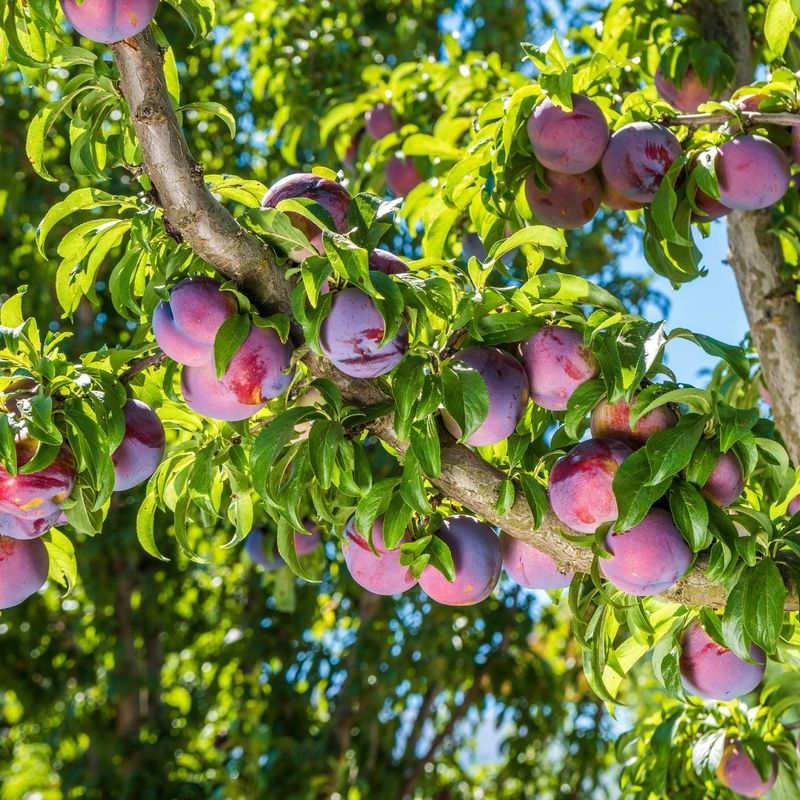
One of the biggest frustrations for home fruit growers is watching their trees shoot up to 15 or 20 feet tall when they were only supposed to reach 10. Peaches and plums are especially guilty of this.
They love to grow upward, and if you only prune in winter, you’re actually encouraging more of that upward push.
Summer pruning flips that dynamic. Cutting back the tips of upright shoots in August sends a signal to the tree to slow down vertical growth and focus energy on lateral branches instead.
Over a few seasons of consistent August pruning, you can actually reduce the overall height of a mature tree without stressing it out.
Keep the tallest branches no higher than you can comfortably reach with both feet on the ground, or at most from a short step stool. Trees that stay small are easier to spray, net, harvest, and maintain in every way.
To control height, cut the central leader and any strongly upright branches back to an outward-facing bud or lateral branch. That redirects growth sideways instead of up.
Be patient with this process. You won’t reshape a large tree in one August, but two or three seasons of consistent summer pruning will bring it down to a size that actually works for a home garden.
Smaller trees almost always produce better quality fruit too, because sunlight can reach more of the canopy.
7. Helping Sunlight Reach Next Year’s Fruit Wood
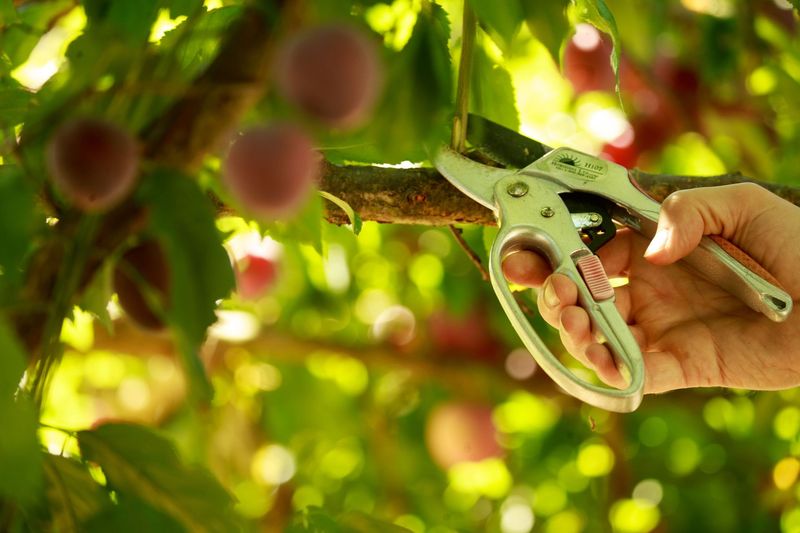
Here’s a fact that changes the way you think about pruning: stone fruit trees set their buds for next year’s crop while this year’s fruit is still hanging on the tree.
That means the sunlight your tree gets in August directly affects how much fruit you’ll harvest next summer. Shade is the enemy of a good crop.
Fruit buds need light to develop properly. On peaches and nectarines, next year’s fruit forms on one-year-old wood, which is the growth that happened this past spring.
If that wood spent the summer in shade, the buds that form on it will be weak and sparse. A few well-placed August cuts can fix that by letting sunlight flood back into the canopy.
Focus on removing any large, leafy shoots that are casting shade over the middle and lower sections of the tree. You’re not just cleaning up the tree’s appearance.
You’re investing in next season’s harvest right now. Even removing one or two big shading branches can dramatically change how much light reaches the interior wood.
After pruning, check the canopy on a sunny afternoon. Walk around the tree and watch where the shadows fall.
If the lower branches are still sitting in deep shade, a few more cuts are worth making. The more evenly light is distributed through the tree, the more consistently it will fruit from top to bottom next year.
8. Why Cherries Prefer A Drier Pruning Day
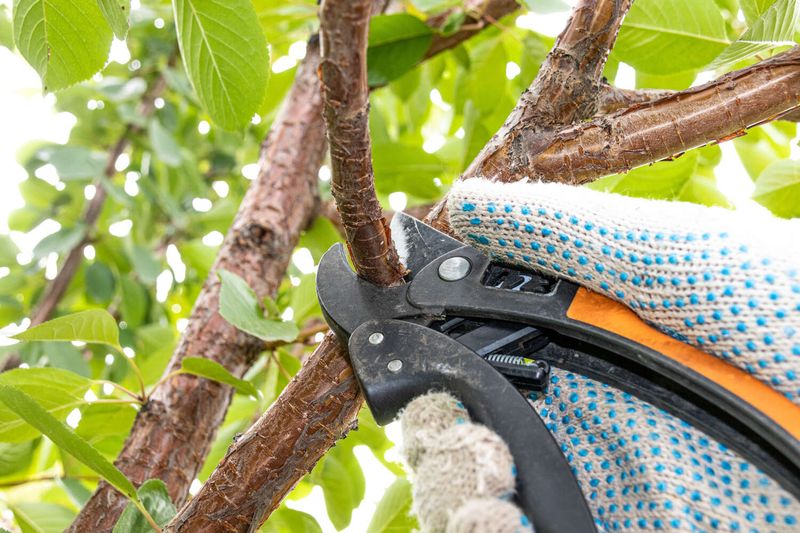
Sweet cherries have a reputation for being the divas of the stone fruit world, and honestly, they’ve earned it a little.
More than any other stone fruit, cherries are vulnerable to bacterial canker, a disease that enters through pruning wounds and can spread quickly through the wood.
Timing and weather matter a lot when you pick up the shears.
Pruning cherries in wet or humid conditions is asking for trouble. Rain or heavy dew on fresh cuts creates the perfect entry point for bacteria.
That’s one reason why August in Oregon is genuinely ideal for cherry pruning. The dry summer weather gives cuts a chance to seal up before any moisture can get in.
Always check the forecast before pruning your cherries. Pick a stretch of at least two or three dry, sunny days to do the work.
Morning is the best time to cut because the wood has had time to dry out from any overnight humidity. Make sure your pruning tools are clean and sharp.
Some growers wipe their blades with isopropyl alcohol between trees to avoid spreading pathogens from one tree to another. Keep cuts clean and angled slightly so water runs off rather than pooling on the wound.
Cherries that are pruned carefully on the right kind of day will heal well and reward you with a strong, healthy canopy that carries a solid crop the following summer without the drama.
9. The Branches You Should Leave Alone
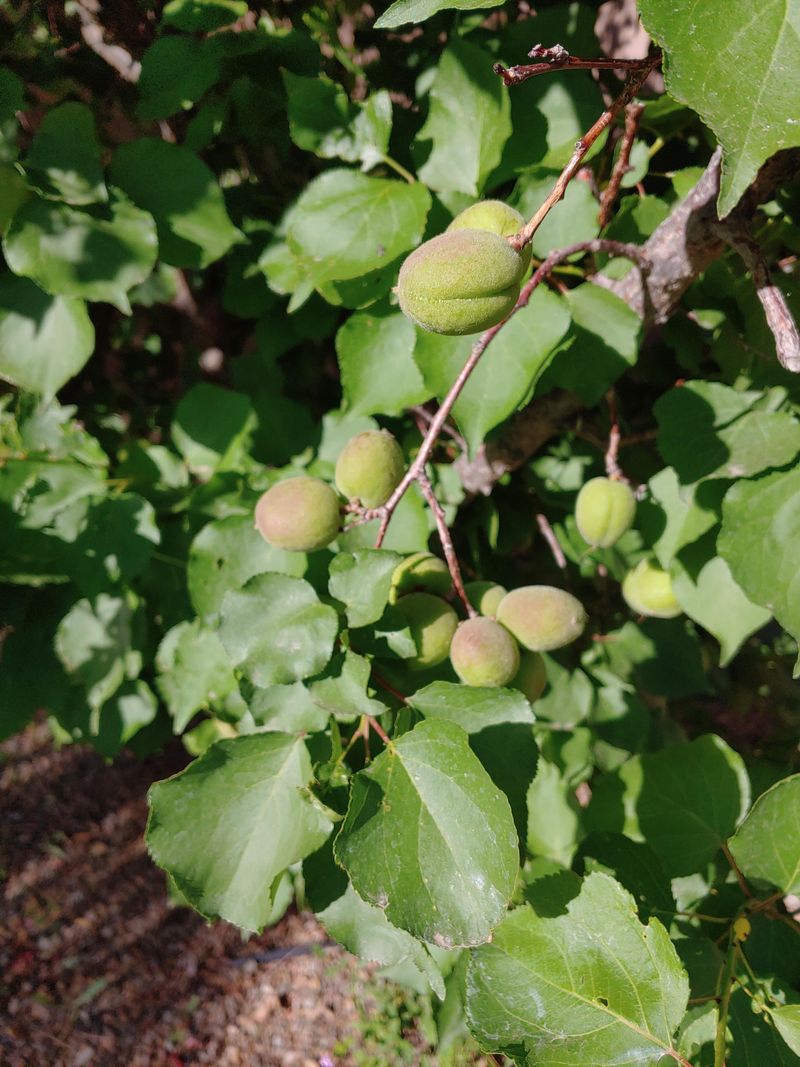
All the talk about cutting and trimming can make it easy to forget that some branches are better left untouched. Knowing what not to cut is just as important as knowing what to remove.
Pruning the wrong wood in August can set your tree back and cost you a good chunk of next year’s harvest.
Fruiting spurs are the short, stubby little growths that cluster along older branches. On plums, cherries, and apricots, these spurs are where most of the fruit comes from.
They look almost like tiny gnarled twigs, and they’re easy to mistake for withered wood. Never remove spurs unless they’re genuinely damaged or diseased.
A healthy spur can produce fruit for many years.
Also leave alone any branches that are angled outward at a good 45 to 60 degree angle from the main trunk. These are your scaffold branches, the tree’s backbone.
Removing them in summer creates large wounds that take a long time to close and can leave the tree structurally weak.
If a scaffold branch needs to come off, plan that cut for the dormant season when the tree is better equipped to handle the stress.
Young wood that formed this spring and is growing in a useful, outward direction should also stay. Give it a chance to mature into a fruiting branch before you consider cutting it.
When in doubt, wait a season and see how a branch develops before making a permanent decision.