This Herb Can Become A Beautiful Evergreen Hedge In Oregon Gardens
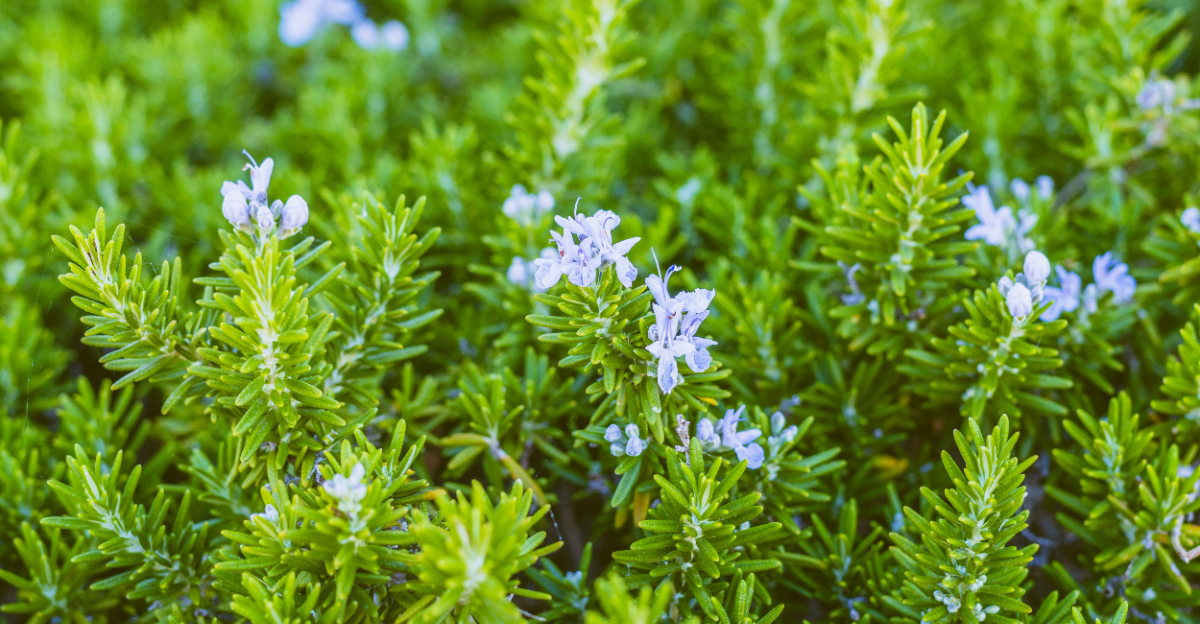
Most Oregon gardeners are growing rosemary in a little pot on the patio, pinching off sprigs here and there for roasted chicken and calling it a day. Totally valid.
But there’s a seriously underrated version of this herb that almost nobody is talking about, and it involves letting rosemary absolutely go for it until it transforms into a full, fragrant, gorgeous evergreen hedge that looks like it belongs in a Tuscan villa.
Oregon’s mild winters and famously rainy climate are basically a rosemary hedge’s dream scenario.
This plant is tougher than it looks, incredibly low maintenance, and it stays green and beautiful year-round when plenty of other shrubs are looking rough. Plus it smells incredible every time the wind blows through it.
If you’ve been searching for a hedge that pulls double duty as a culinary garden and a stunning landscape feature, rosemary is about to become your new best friend.
Choose Upright Rosemary Varieties

Not all rosemary plants grow the same way and this is something very important. Some spread low along the ground, while others shoot up tall and straight.
For a hedge in Oregon, you want the upright kinds that grow vertically and fill in nicely side by side.
Good varieties to look for include Tuscan Blue, Miss Jessup’s Upright, and Madeline Hill. Tuscan Blue is especially popular in Oregon because it handles the rainy winters better than most.
It grows quickly and produces beautiful blue-purple flowers in late winter and early spring.
Madeline Hill, sometimes called Hill Hardy, is another excellent choice for Oregon gardeners who live in colder inland areas. It can handle lower temperatures without losing its leaves or looking sad.
When you visit a local Oregon nursery, ask specifically for upright or columnar varieties. The staff can point you toward the best options for your specific region, whether you are near Portland, Eugene, or the southern Oregon valleys.
Picking the right variety from the start makes everything else so much easier down the road.
Plant In Full Sun
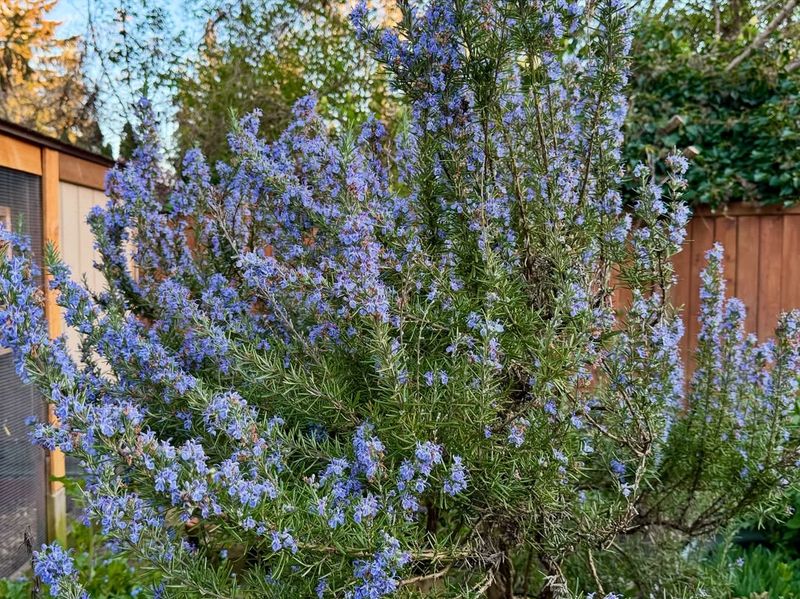
Rosemary loves the sun more than almost any other herb and it needs sun to thrive. Give it at least six to eight hours of direct sunlight every single day and it will reward you with thick, fragrant growth that looks gorgeous as a hedge.
In Oregon, finding a sunny spot can sometimes feel tricky, especially during the rainy gray months. But most Oregon summers are warm and sunny enough for rosemary to absolutely thrive.
Pick the sunniest part of your yard, even if that means planting along a south-facing fence or wall.
Walls and fences actually help in Oregon because they reflect heat back onto the plants. This extra warmth mimics the Mediterranean climate where rosemary originally comes from.
In coastal Oregon areas where summer fog is common, placing rosemary near a heat-absorbing wall can make a real difference in how well it grows. Avoid planting under trees or near structures that block the sun for long parts of the day.
Your Oregon Garden Changes Every Week. Your Plan Should Too.
Gardening in Oregon changes quickly throughout the season. Every Friday you’ll receive a simple weekly plan showing exactly what to plant, prune, fertilize, harvest, and protect so you never miss the right timing.
More sun means healthier plants, stronger stems, and a denser hedge that looks full and lush from every angle throughout the year.
Give Roots Fast Drainage
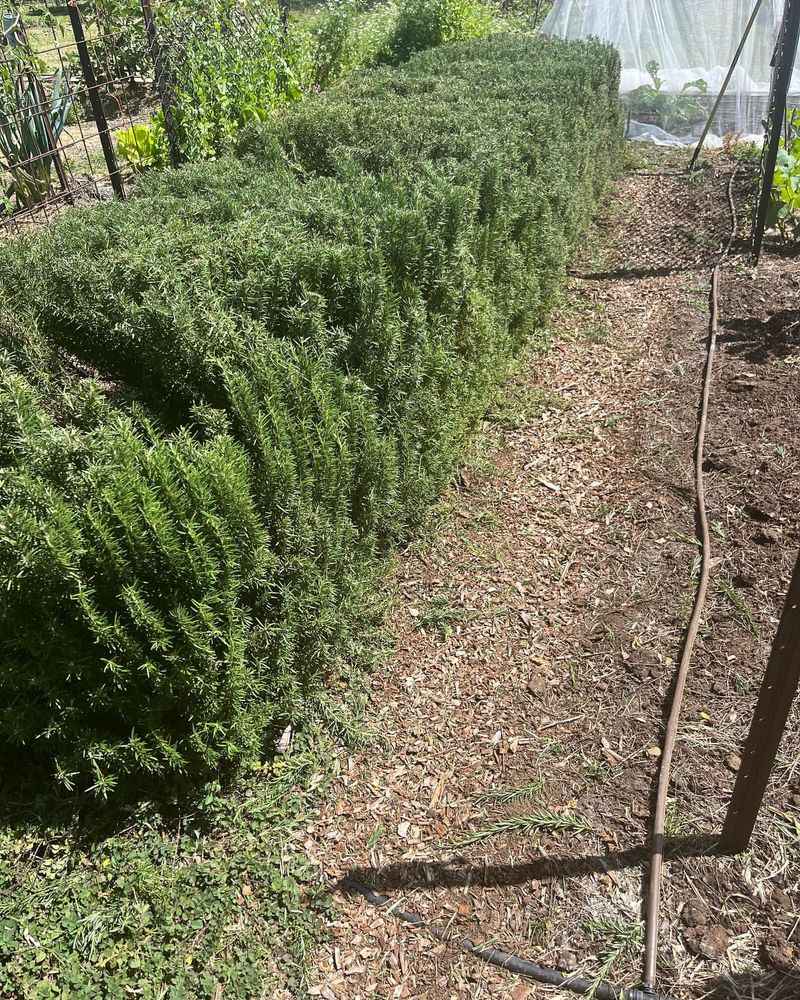
Here is something rosemary absolutely cannot stand: sitting in wet, soggy soil. Oregon is famous for its rainy winters, and that much moisture can seriously harm rosemary roots if the soil does not drain fast enough.
Before planting, check how your soil drains. Dig a hole about a foot deep, fill it with water, and watch how quickly it disappears.
If the water is still sitting there after an hour, your soil drains too slowly for rosemary. You will need to fix that before planting.
Mixing coarse sand, pea gravel, or pumice into your native Oregon soil helps water move through much faster. Raised beds are another smart option, especially in areas with heavy clay soil like parts of the Willamette Valley.
Raising the planting area even six to eight inches above ground level gives roots the fast drainage they need to stay healthy through Oregon’s wet season. Adding a layer of gravel at the bottom of a raised bed improves drainage even further.
Healthy roots mean a strong hedge that stays green and vibrant even after weeks of Oregon winter rain.
Space Plants For A Hedge
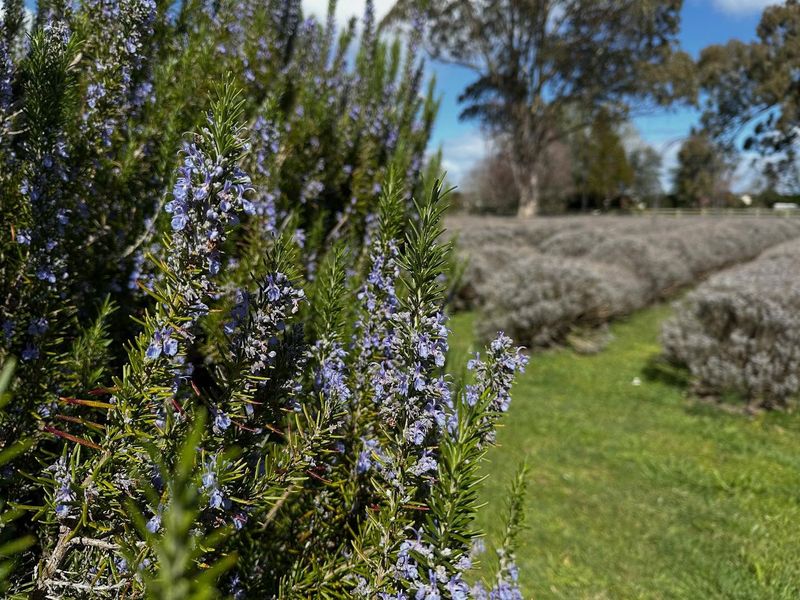
Spacing rosemary plants correctly from the very beginning saves you a lot of headaches later on. Plant them too close together and they compete for water and nutrients.
Plant them too far apart and your hedge looks thin and patchy for years.
For a solid, full-looking rosemary hedge in Oregon, space upright varieties about eighteen to twenty-four inches apart. This gives each plant enough room to spread out while still growing close enough to eventually create a continuous green wall of fragrant foliage.
Within two to three Oregon growing seasons, the plants will fill in and touch each other naturally.
If you want a thicker, denser hedge faster, you can plant them closer at about fifteen inches apart. Just keep in mind that you may need to thin them out later if they get too crowded.
Before planting, run a string line along the area where you want your hedge to grow. This keeps everything straight and even, which makes your finished rosemary hedge look clean, intentional, and professionally done.
A well-spaced hedge is a hedge that looks great for many years to come in any Oregon garden setting.
Water Deeply Until Established
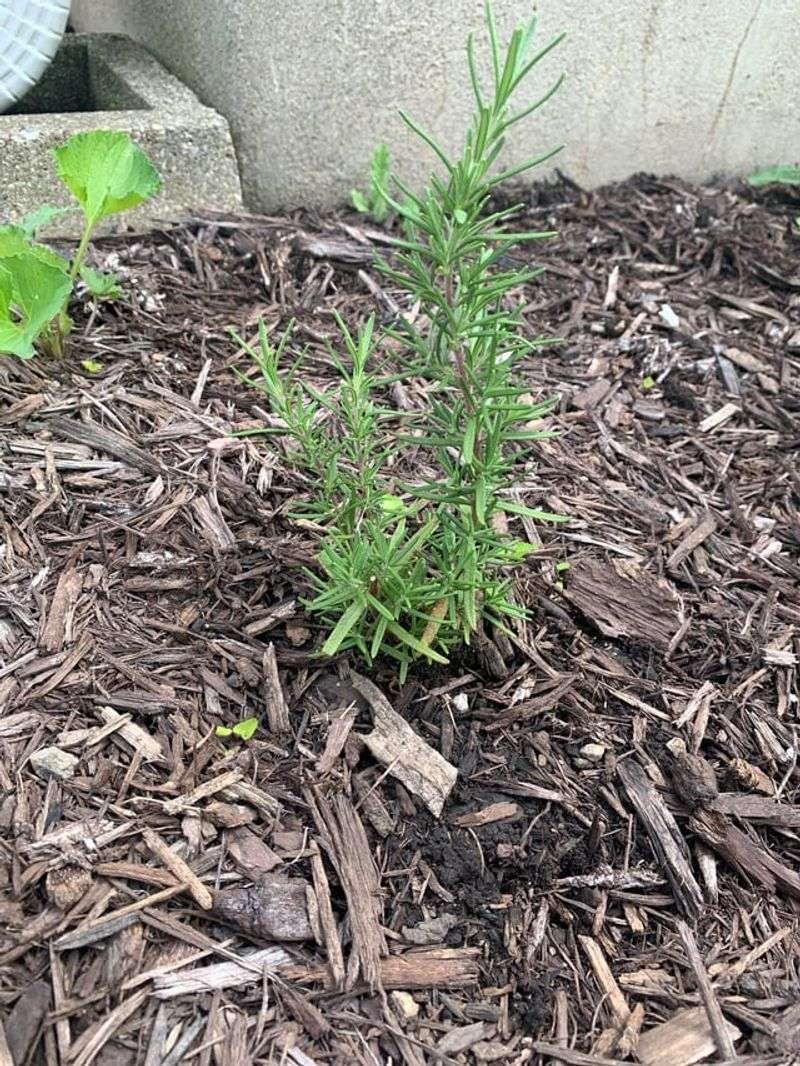
Young rosemary plants need consistent watering during their first growing season to build strong, deep root systems. After that, they become surprisingly tough and drought-tolerant.
But getting them through that first year in Oregon takes a bit of attention.
Water new rosemary plants deeply once or twice a week during dry spells. Deep watering encourages roots to grow downward rather than staying near the surface.
Shallow roots make plants more vulnerable to both dry summers and wet Oregon winters.
One helpful trick is to water slowly at the base of each plant rather than spraying leaves from above. Wet foliage can lead to fungal problems, which rosemary is already somewhat sensitive to in Oregon’s damp climate.
A drip irrigation system works really well for rosemary hedges because it delivers water right to the roots without soaking the leaves. Once your rosemary hedge is fully established, usually after the first full year in the ground, you can cut back watering significantly.
Established rosemary handles Oregon’s dry summers with very little supplemental water, making it one of the most low-maintenance hedge options available to Oregon gardeners who want beauty without constant upkeep.
Trim Lightly For Shape
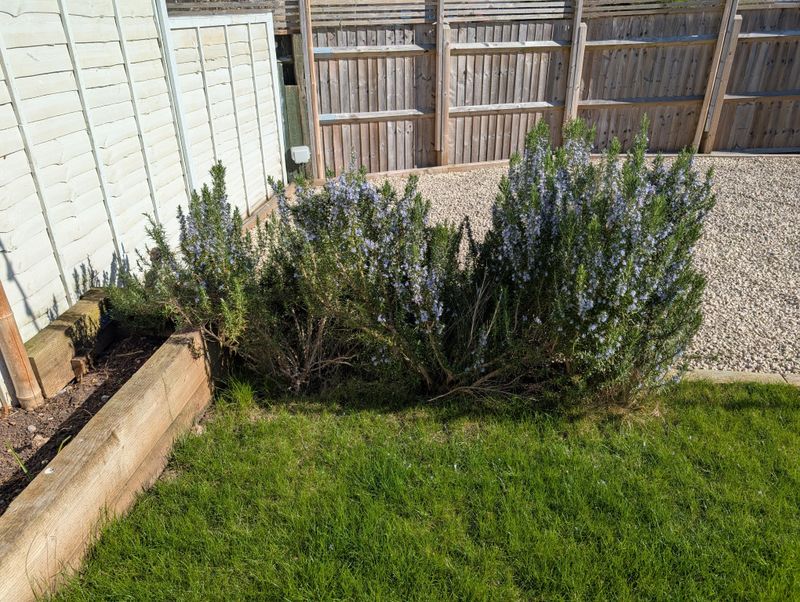
Pruning rosemary might feel intimidating at first, but it is actually one of the most forgiving plants to trim. A little light shaping goes a long way toward keeping your hedge looking neat, tidy, and beautifully uniform.
The best time to trim rosemary in Oregon is right after it finishes blooming in late winter or early spring. At that point, you can snip back the tips of each branch by about one-third without stressing the plant.
This encourages bushy new growth and keeps the hedge from getting too leggy or woody looking.
Always use clean, sharp pruning shears when trimming rosemary. Dull blades crush stems instead of cutting them cleanly, which can invite disease into the plant.
Avoid cutting back into the thick, woody old growth near the base of the plant. Rosemary does not regrow well from old wood, so always cut where you can still see green leaves on the stem.
Trim your hedge lightly two or three times a year in Oregon to keep it looking sharp. Regular light trims are far better than one dramatic haircut that shocks the plant and leaves it looking bare and uneven for months.
Protect From Winter Wet
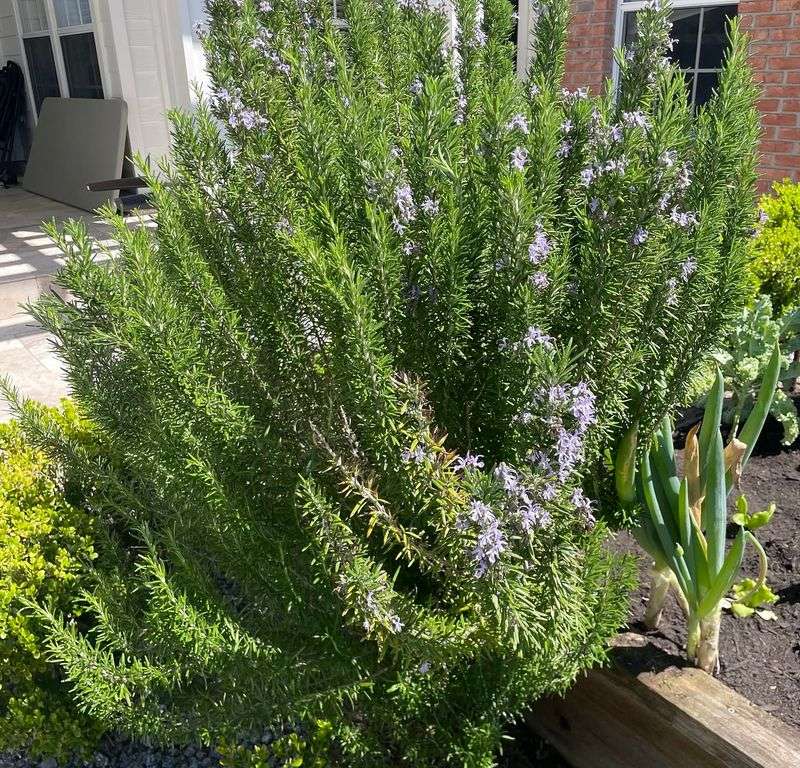
Oregon winters bring a lot of rain, and that is honestly the biggest challenge for rosemary growers in the state. Rosemary can handle cold temperatures fairly well, but it really struggles when its roots stay soaked for weeks at a time.
One of the best ways to protect your rosemary hedge during Oregon winters is to lay a thin layer of coarse gravel or small stones around the base of each plant. This keeps the crown of the plant from sitting in standing water and helps moisture drain away quickly after heavy rain.
Avoid using thick organic mulch like wood chips directly around the base of rosemary plants. Organic mulch holds moisture close to the stems, which is the opposite of what rosemary needs during a wet Oregon winter.
If your area gets occasional hard freezes, like parts of eastern Oregon or the higher elevation zones, consider wrapping your hedge loosely with frost cloth during the coldest nights. Remove the cloth during the day so air can circulate freely.
Good airflow is just as important as drainage for keeping rosemary healthy through the long, damp Oregon winter season. A little preparation goes a very long way.