The Backyard Habit That Brings More Owls To Ohio Properties
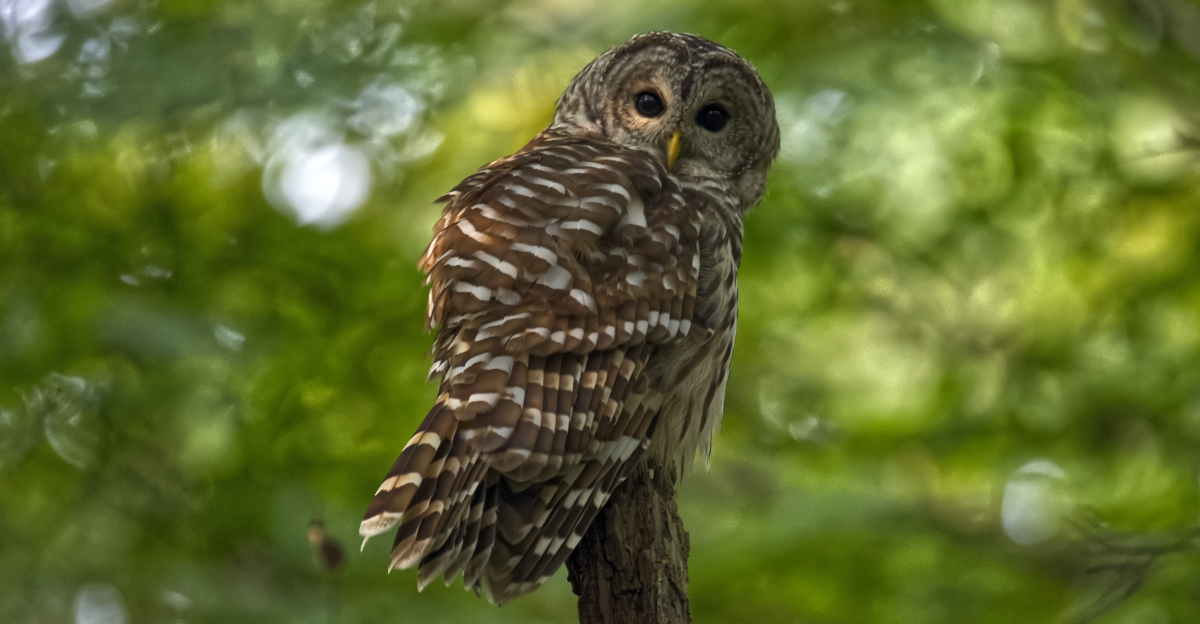
Owls are in more Ohio yards than most people realize. They move through at night, work the edges, and leave almost no trace.
The difference between a yard they pass through and one they return to consistently comes down to something most Ohio homeowners have never thought to offer. Attracting owls is not about feeders or calls or anything that requires much effort.
It comes down to one backyard habit that changes how a property reads to an owl on the hunt. Get it right and a yard becomes worth revisiting.
Skip it and owls keep moving toward better options nearby. Ohio has a solid owl population.
Barn owls, great horned owls, screech owls. All of them are within range of suburban and rural properties across the state.
What pulls them in and keeps them coming back is simpler than most people expect. One habit.
A real difference in what shows up after dark.
1. Leave A Quiet Edge Where Owls Can Hunt
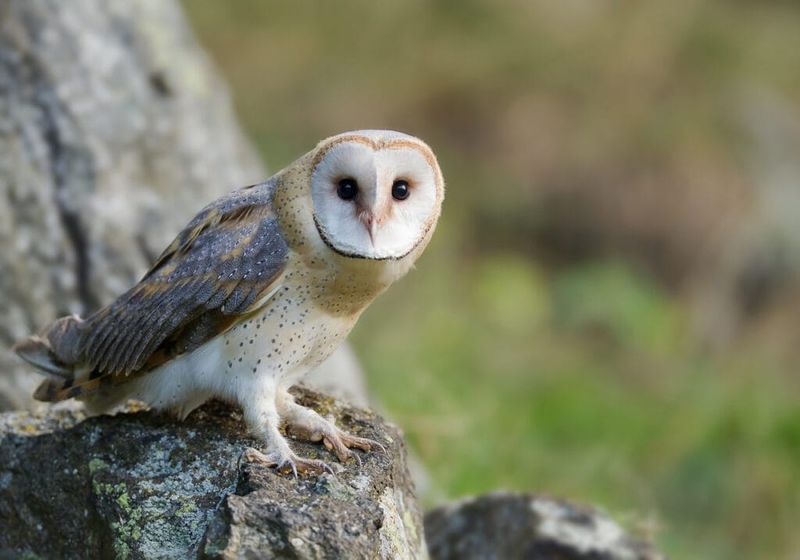
A silent corner under old trees can be more useful after sunset than the neatest strip of lawn in the yard. Owls that move through residential and rural landscapes are looking for places where they can hunt without interruption.
Quiet edges, wooded borders, brushy fence lines, and low-disturbance corners all fit that description.
Barred owls, great horned owls, and eastern screech-owls are among the species documented across this state. Each uses slightly different habitat, but all of them favor areas where human activity is low and prey is accessible.
A mowed, lit, frequently trafficked yard offers very little for any of them.
The practical step here is simple. Pick one edge of your property and leave it alone.
Stop mowing it short. Let native grasses, shrubs, or low brush fill in naturally.
Avoid using that corner for storage, foot traffic, or bright lighting. You do not need a large property for this to be useful.
Even a strip along a back fence or the far edge of a lot can serve as a low-disturbance corridor. Cornell Lab of Ornithology notes that habitat edges connecting wooded areas to open ground are especially valuable for owls that hunt at night.
Keep expectations realistic. A quieter edge improves your yard’s usefulness.
It does not guarantee a visit.
2. Keep Mature Trees For Perches And Nesting Cavities
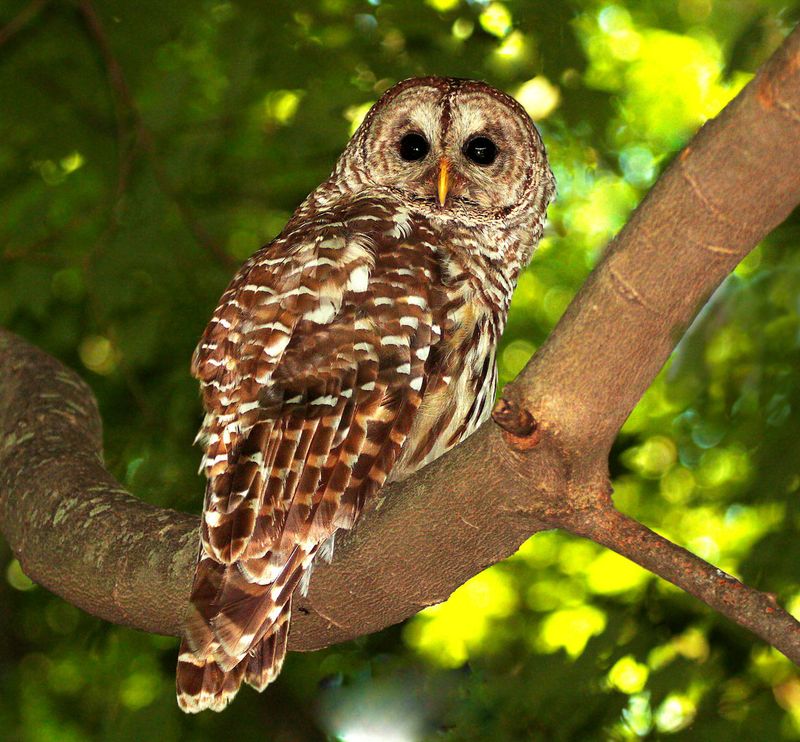
An old trunk with rough bark and wide-spreading branches holds more wildlife value than most people realize. Mature trees offer perches for resting, roosting spots for daytime shelter, and in some cases, natural cavities where certain owl species may nest.
That kind of structure takes decades to develop and cannot be replaced quickly.
Great horned owls often use large trees for daytime roosting and may take over old hawk or crow nests. Eastern screech-owls are cavity nesters and will use natural hollows in older trees when available.
Barred owls also favor mature forest with large trees near water.
Before removing any large or older tree on your property, it is worth consulting an arborist and considering what wildlife may depend on it. Removing a healthy, structurally sound tree eliminates roosting and nesting potential that took generations to build.
Your Ohio Garden Changes Every Week. Your Plan Should Too.
Gardening in Ohio changes quickly throughout the season. Every Friday you’ll receive a simple weekly plan showing exactly what to plant, prune, fertilize, harvest, and protect so you never miss the right timing.
Ohio State University Extension and the Ohio Department of Natural Resources both support retaining mature trees as part of broader habitat conservation.
Not every old tree is safe to keep, and structural hazards near homes must be addressed. But when a mature tree is healthy and not a risk to structures or people, leaving it standing is one of the most lasting habitat decisions a property owner can make.
Perches, cavities, and canopy cover all matter to nocturnal wildlife using your yard after dark.
3. Let Leaf Litter Support The Prey Owls Follow
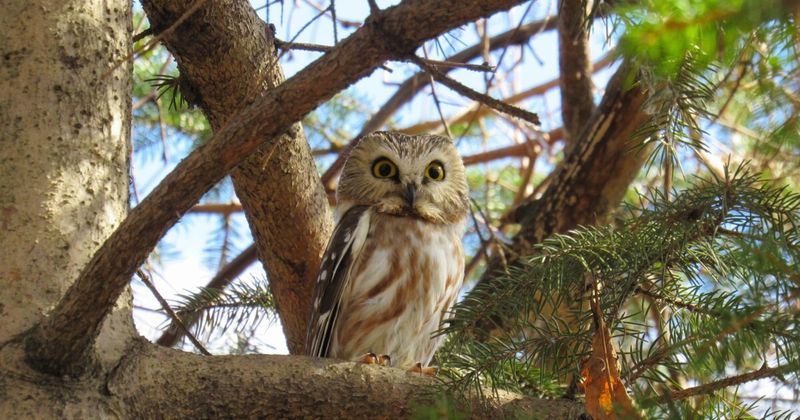
Raking every leaf off every corner of the yard removes more than just debris. Leaf litter is a functional habitat layer.
It shelters insects, earthworms, and small rodents, which are exactly the prey that owls follow. A yard stripped bare of natural ground cover gives hunting owls very little reason to stop.
The connection works through the food web. Leaves break down into rich organic matter that supports insects.
Insects attract shrews, voles, and mice. Those small mammals draw raptors, including owls, to areas where prey is reliably available.
Removing that base layer weakens the whole chain.
The practical approach is not to cover your entire yard in leaves. Focus on edges away from the house, back corners, garden borders, and the base of trees or shrubs.
These lower-traffic zones are where natural accumulation makes the most ecological sense. Avoid letting deep leaf piles build up directly against foundation walls or entry areas, where rodents could become a problem close to the home.
The National Wildlife Federation and Cornell Lab both recommend leaving leaf litter in low-use yard areas as part of wildlife-friendly landscaping. A brushy, layered edge with ground cover, shrubs, and leaf litter creates strong small-mammal habitat.
That habitat makes a yard genuinely useful to owls passing through the area after dark. Tidy is fine for the main lawn.
The edges can do more work.
4. Reduce Bright Night Lighting Around The Yard
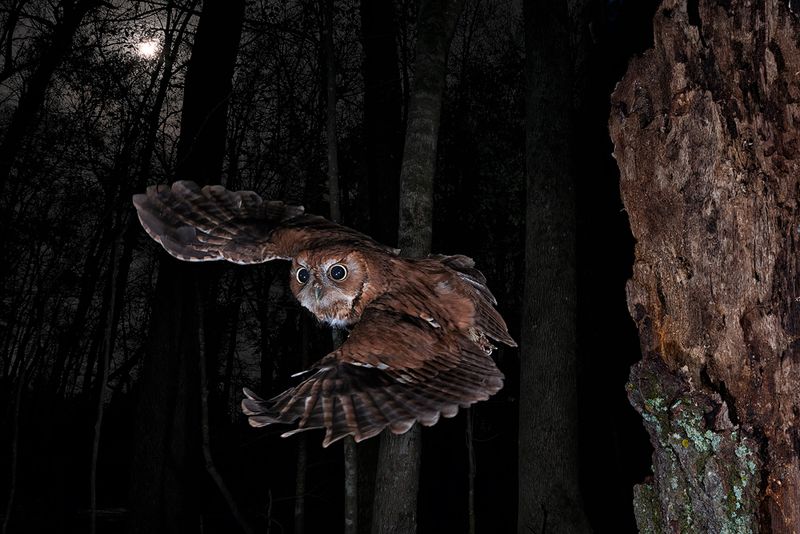
A floodlight blazing across the back lawn all night long does not just waste electricity. It disrupts the darkness that nocturnal wildlife depends on.
Owls are built for low-light and no-light conditions. Bright, constant illumination near wooded edges or hunting corridors can push them away from areas they might otherwise use.
Research from multiple wildlife agencies confirms that artificial light at night affects bird behavior, orientation, and habitat use. For owls specifically, high-intensity lighting near foraging areas can reduce hunting activity.
The prey they depend on, small rodents and insects, also responds to light in ways that shift behavior and availability.
The good news is that safety and reduced light disruption are not mutually exclusive. Motion-activated lights, downward-shielded fixtures, and warm-toned bulbs with lower intensity are all practical alternatives to bright, constant floodlighting.
Turning off decorative or unnecessary lights after a reasonable hour also helps. Focus any needed lighting toward entry points, driveways, and walkways rather than toward yard edges or tree lines.
The International Dark-Sky Association and Audubon both recommend reducing unnecessary outdoor lighting as part of broader wildlife-friendly yard practices. You do not have to leave your property in total darkness to make a difference.
Reducing the brightest and most constant light sources near natural edges is a meaningful step. A darker yard edge is a more useful one for owls and other nocturnal wildlife moving through after sunset.
5. Avoid Rodent Poison That Can Harm Raptors
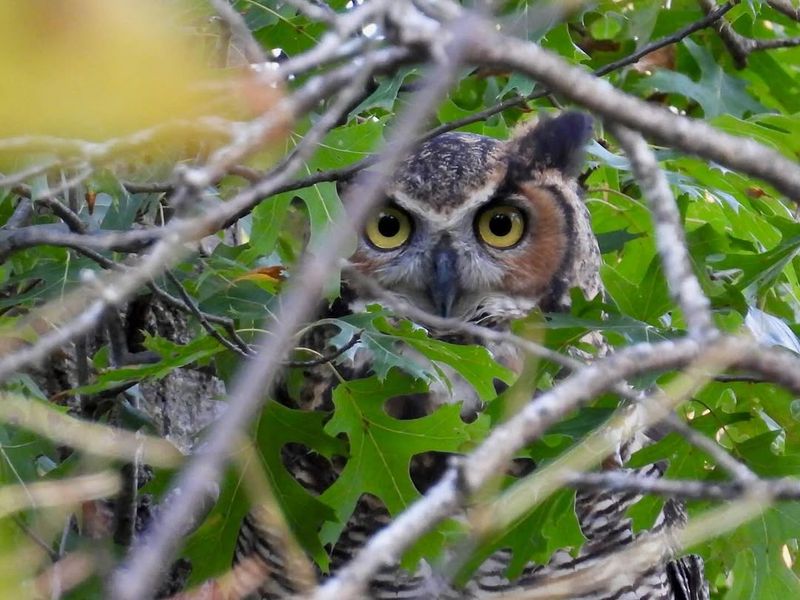
Rodenticides are one of the most serious and underreported threats to owls and other raptors across this state. When a mouse or vole consumes anticoagulant rodent poison and then moves slowly through the yard before collapsing, it becomes easy prey.
An owl that catches and consumes that animal takes in the poison too.
This is called secondary poisoning, and it is well documented. The American Bird Conservancy and multiple raptor rehabilitation centers report that owls admitted for care frequently test positive for rodenticide compounds.
Barn owls, barred owls, and great horned owls are all affected. The harm builds over repeated exposures.
The practical alternative is prevention-first rodent management. Seal gaps in foundations, outbuildings, and crawl spaces.
Store birdseed, pet food, and compost in secure containers. Remove debris piles that provide rodent shelter close to the home.
These steps reduce rodent access without putting raptors at risk.
Ohio State University Extension and university-based pest management resources both recommend integrated pest management approaches over routine poison use. Snap traps used in tamper-resistant stations are a safer mechanical option for indoor or enclosed spaces.
If professional pest control is needed, ask specifically about rodenticide-free or low-toxicity approaches. Keeping rodent poison out of the yard is one of the most direct ways to protect the raptors that already patrol local properties.
The owls doing that work are worth protecting.
6. Add A Nest Box Only For The Right Owl Species
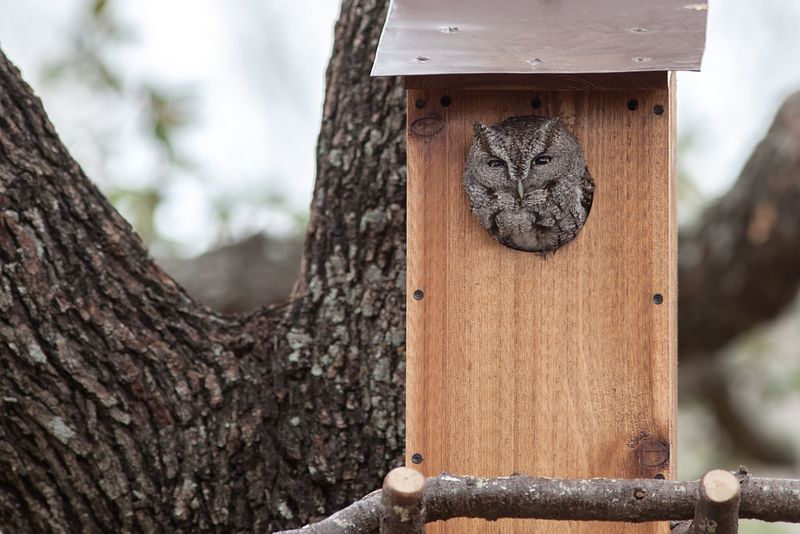
Nest boxes can be a genuinely useful addition to a property, but only when the details are right. Putting up any box and hoping an owl moves in rarely works.
The box size, entry hole diameter, mounting height, habitat type, and ongoing maintenance all need to match the specific species you are hoping to support.
In this state, the eastern screech-owl is the species most likely to use a nest box in a suburban or rural yard setting. They are cavity nesters that adapt reasonably well to residential landscapes with mature trees, brushy edges, and low disturbance nearby.
A screech-owl box has a specific entry hole size, interior dimension, and preferred mounting height that differs from boxes made for other species.
Great horned owls do not use nest boxes. Barred owls nest in large natural cavities or old hawk nests and are unlikely to use a standard box.
Putting up the wrong box in the wrong habitat wastes effort and may attract non-target species instead.
Cornell Lab of Ornithology’s NestWatch program provides free, species-specific nest-box plans and placement guidance based on verified research. The Ohio Department of Natural Resources also offers regional wildlife habitat guidance.
Download a verified plan, follow the habitat recommendations, and monitor the box responsibly without disturbing any bird that moves in. A well-placed, properly sized box in the right setting has real value.
A random box in a mismatched location does not.
7. Keep Cats Indoors To Protect Backyard Wildlife
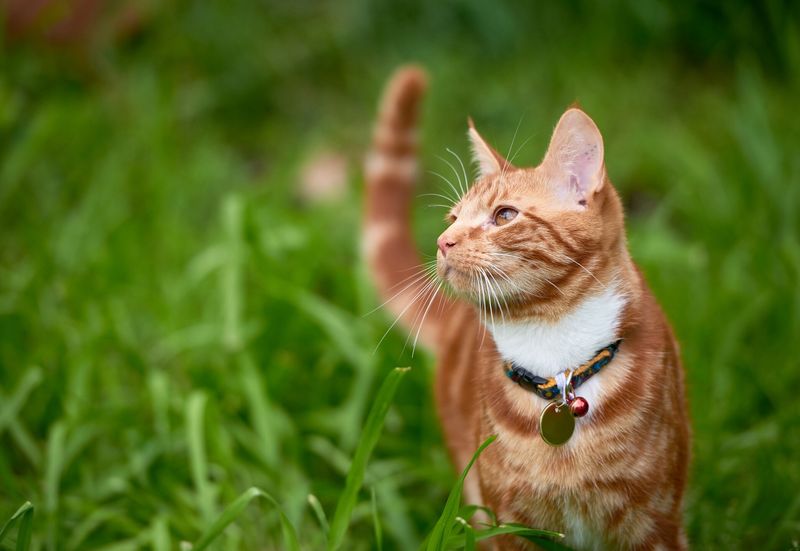
Outdoor cats are one of the most significant sources of wildlife loss in North American yards. Studies published in peer-reviewed journals include research supported by the Smithsonian Conservation Biology Institute.
They estimate that free-roaming cats remove billions of birds and small mammals from the landscape each year across the continent.
For an owl-friendly yard, this matters in a specific way. Owls follow prey.
The small mammals and birds that make up the backyard food web are exactly what owls depend on. A yard with high cat activity is a yard where that prey base is constantly disrupted.
It is also a yard where young or low-flying birds face direct risk.
Cats themselves can also face risk outdoors, from larger raptors, coyotes, vehicles, and disease. Keeping cats indoors or providing a fully enclosed outdoor catio protects both the cat and the wildlife sharing the yard.
Audubon and the American Bird Conservancy both recommend indoor-only or supervised outdoor access as the safest approach for cats. They also describe it as the most protective approach for backyard wildlife.
This is not about blaming pet owners. It is about a practical overlap between cat behavior and wildlife habitat.
A cat that roams freely at dusk and dawn is active during the same windows when small mammals are most available and owls are most likely to be hunting.
Keeping cats inside during those hours, or full time, removes a significant source of disruption from the food web your yard supports.
8. Make The Yard Useful After Dark, Not Just Pretty By Day
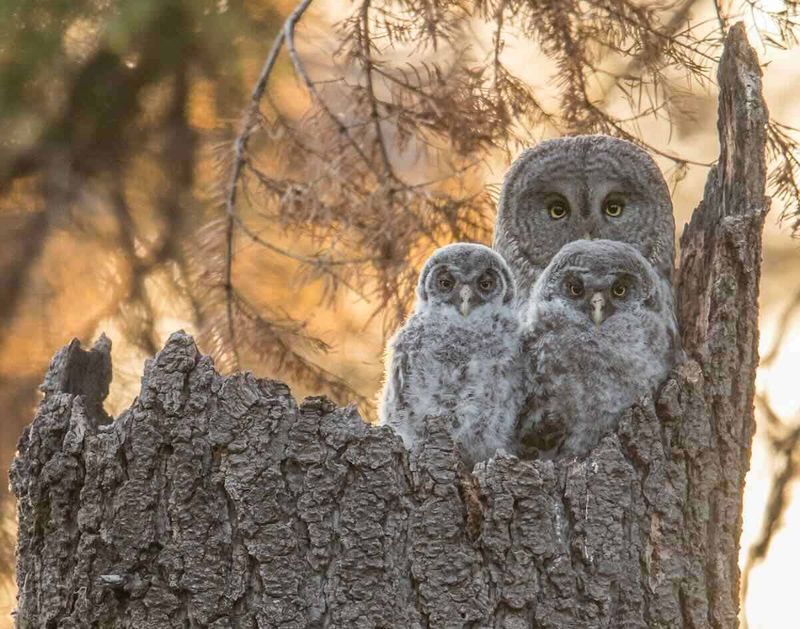
A yard that looks tidy and attractive during the day may offer very little to wildlife once the sun goes down. Owls are nocturnal.
Their needs are met or not met by what the yard offers after dark. That means perches, cover, prey habitat, reduced lighting, and low disturbance all matter more than daytime aesthetics.
Think of the yard in two shifts. The daytime shift is for pollinators, songbirds, and human enjoyment.
The nighttime shift is when owls, bats, moths, and small mammals are most active. A property that serves both shifts well has layered habitat, mature trees, brushy edges, minimal bright lighting, and no rodent poison anywhere in the system.
None of this requires a large property or a dramatic redesign. A brushy back corner, one mature tree with rough bark, and a dark edge along the fence line can help.
A motion-activated light instead of a constant floodlight can also shift a yard meaningfully toward nocturnal usefulness. These are small changes with real ecological value.
The Ohio Department of Natural Resources and Cornell Lab of Ornithology both support habitat-based approaches to wildlife stewardship on private land. The goal is not to manufacture an owl encounter.
The goal is to make your property genuinely worth using. A yard that is quieter, darker at the edges, and richer in natural structure gives owls a real reason to pass through.
That is the habit that matters most.