The Bermuda Grass Mowing Mistake Many Georgia Homeowners Make In Summer Heat
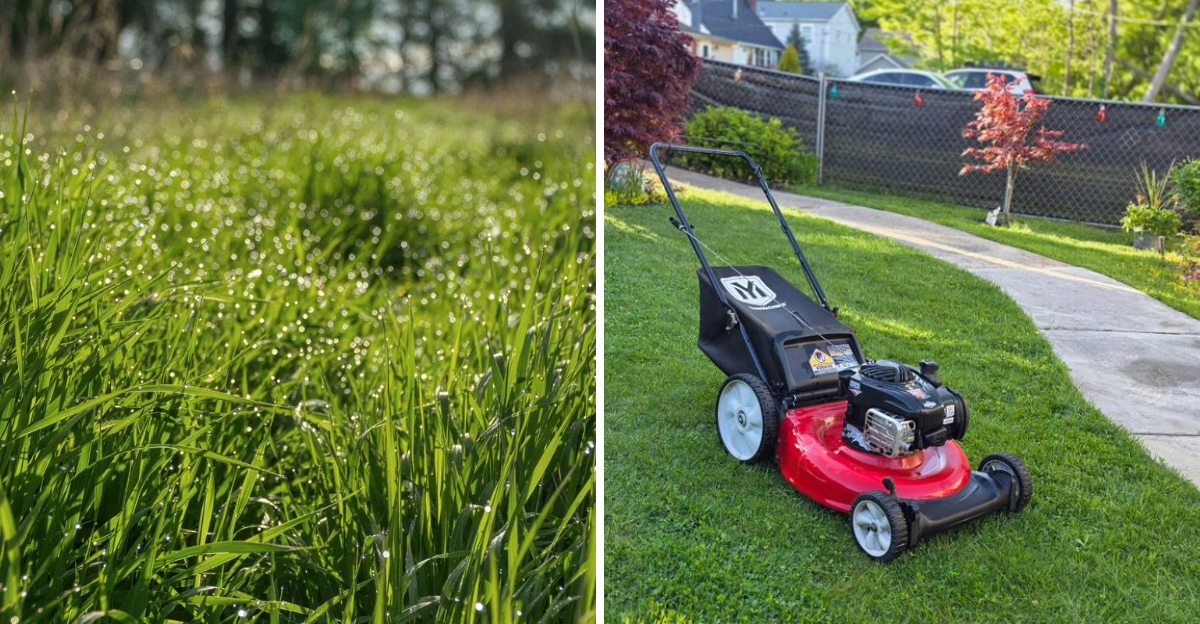
If your first instinct is to mow Bermuda grass as short as possible, you may be making summer harder on your lawn without realizing it.
It feels like a smart way to slow down growth and stretch the time between mowing, but that approach often works against you.
A lawn that looks freshly cut today can begin showing signs of stress much sooner than expected when the heat settles in.
Many healthy-looking lawns lose their rich color because of one mowing habit that is easy to correct. The intense summer weather in Georgia puts Bermuda grass under enough pressure without removing too much of its protective leaf blade.
Giving the grass a little more height helps shade the soil, supports stronger roots, and improves its ability to bounce back from heat.
Before your next mow, it is worth making one small adjustment that can keep your lawn looking healthier for the rest of the season.
1. Cutting Bermuda Grass Too Short Is The Biggest Mistake
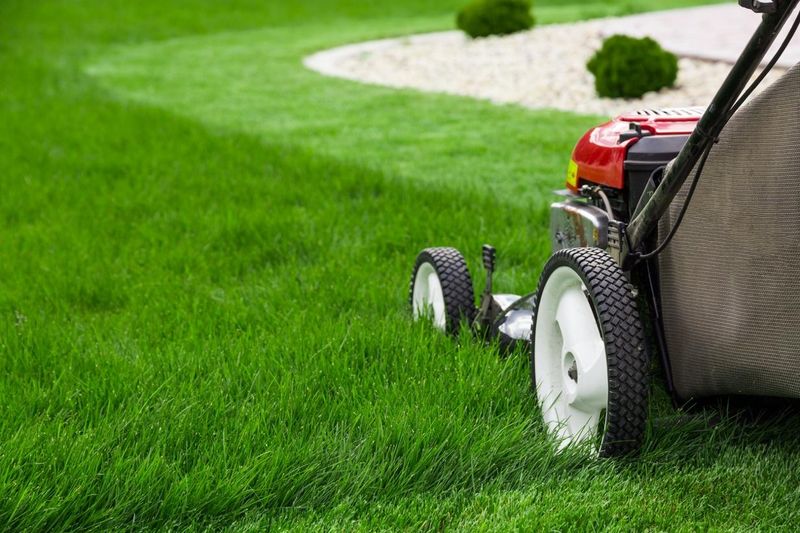
Scalping your Bermuda grass in summer is a fast way to create a patchy, struggling lawn. Cutting too low removes the green leaf blades and leaves behind pale, dried-out stems.
Without those blades, the grass cannot photosynthesize effectively or recover quickly in the heat.
Most lawn care guides recommend keeping Bermuda grass between one and two inches tall during summer. Going shorter than that puts real stress on the root system.
Roots that are already working hard in hot, dry soil get pushed even further when the plant loses its ability to capture sunlight.
Scalped Bermuda also loses its natural shade cover. Longer blades help shade the soil beneath them, which slows moisture loss on hot days.
Short grass exposes bare soil directly to sun and heat, making the ground dry out faster between waterings.
Weeds also take advantage of scalped lawns. Bare patches invite crabgrass and other summer weeds to move in quickly.
Keeping your Bermuda at a healthy height creates a dense canopy that crowds out most weed pressure naturally.
Check your mower deck setting before each cut. A quick adjustment to raise the blade can protect your lawn through the hottest stretch of summer.
2. Raise The Mowing Height During Extreme Heat
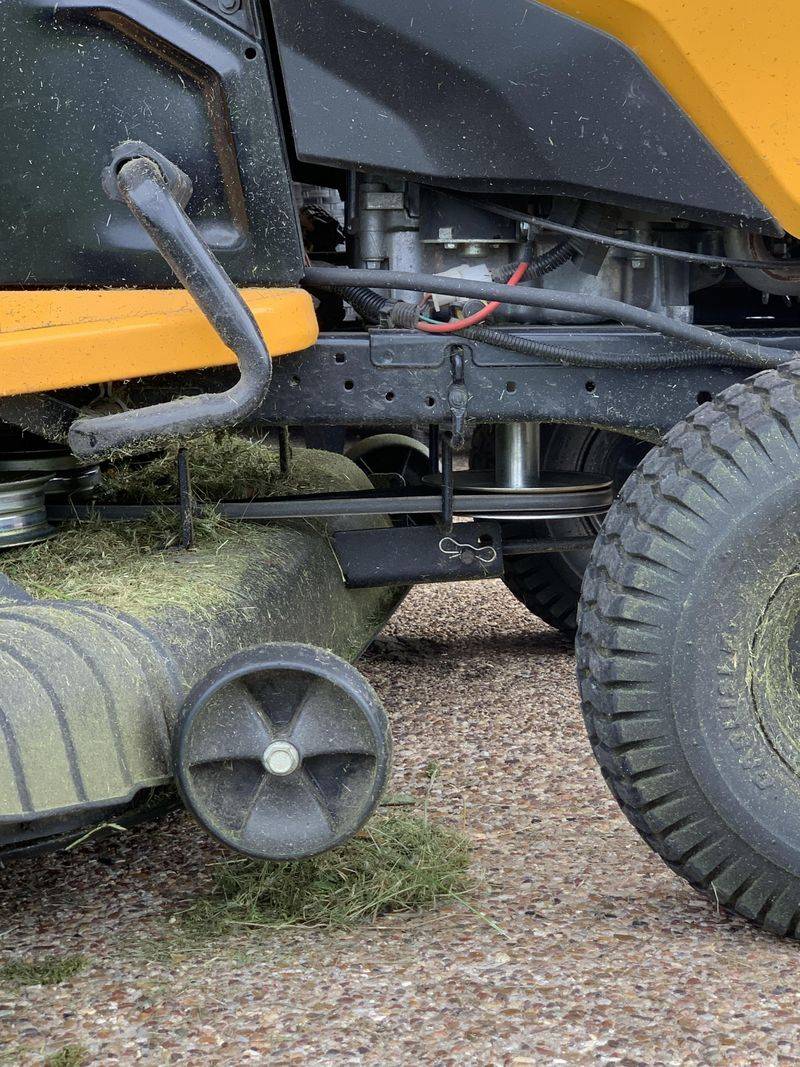
Raising your mower deck one notch can change everything for your lawn during a heat wave. Taller grass blades hold more moisture, stay greener longer, and bounce back faster after dry spells.
It sounds simple, but most homeowners skip this adjustment entirely.
During peak summer temperatures, Bermuda grass benefits from being kept closer to one and a half to two inches. At that height, the plant keeps enough leaf surface to fuel growth without working too hard to stay alive.
Lower than that and the grass starts showing signs of stress within days.
Taller blades also act as insulation for the root zone. Roots stay cooler when the soil above them is shaded by the grass canopy.
Cooler roots absorb water more efficiently, which helps the lawn stay hydrated even during stretches without rain.
Your Georgia Garden Changes Every Week. Your Plan Should Too.
Gardening in Georgia changes quickly throughout the season. Every Friday you’ll receive a simple weekly plan showing exactly what to plant, prune, fertilize, harvest, and protect so you never miss the right timing.
Raising the mowing height does not mean letting your lawn get overgrown. Bermuda grass still needs regular cutting to stay neat and healthy.
Just move the deck up slightly and let the grass work with the heat instead of fighting against it.
A good rule of thumb is to check the lawn a day or two after mowing.
3. Wait Until The Grass Is Dry Before Mowing
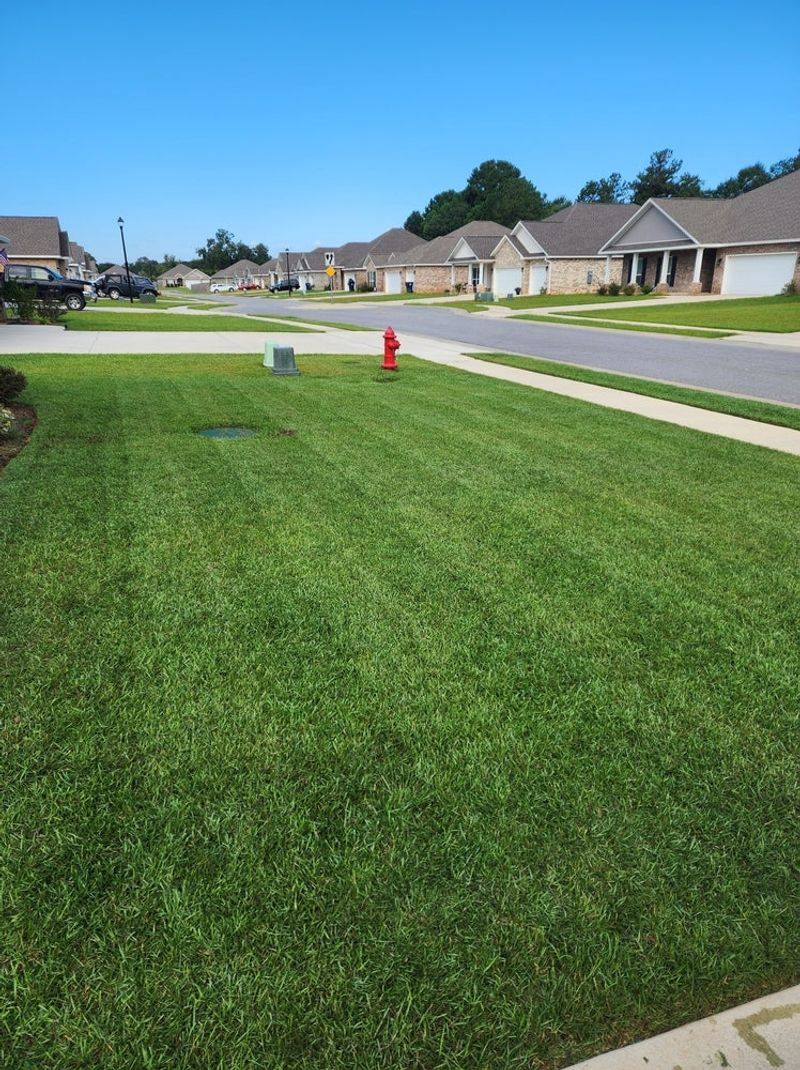
Wet grass and lawn mowers are a bad combination. Mowing Bermuda grass while it is still damp from morning dew or a recent rain can cause more problems than most homeowners realize.
Wet blades clump together, clog the mower deck, and lead to uneven cuts.
Clumped clippings left on wet grass can block sunlight and airflow. Those thick mats of wet grass can stress the turf beneath them if they sit for too long.
In summer heat, that kind of blockage can lead to patchy brown spots appearing within just a few days.
Wet conditions also make it easier to spread lawn fungus. Bermuda grass is generally resistant to many diseases, but mowing through wet patches can carry fungal spores from one area to another.
Waiting until the lawn dries out is one of the easiest ways to lower that risk.
Mowing dry grass also produces a much cleaner cut. Sharp blades slice through dry blades smoothly, leaving clean tips that heal faster.
Ragged cuts from mowing wet grass leave the tips frayed and more vulnerable to heat and moisture loss.
Mid-morning is often the best window for summer mowing. By then, morning dew has usually dried off but the full afternoon heat has not yet set in.
4. Keep Mower Blades Sharp For Cleaner Cuts
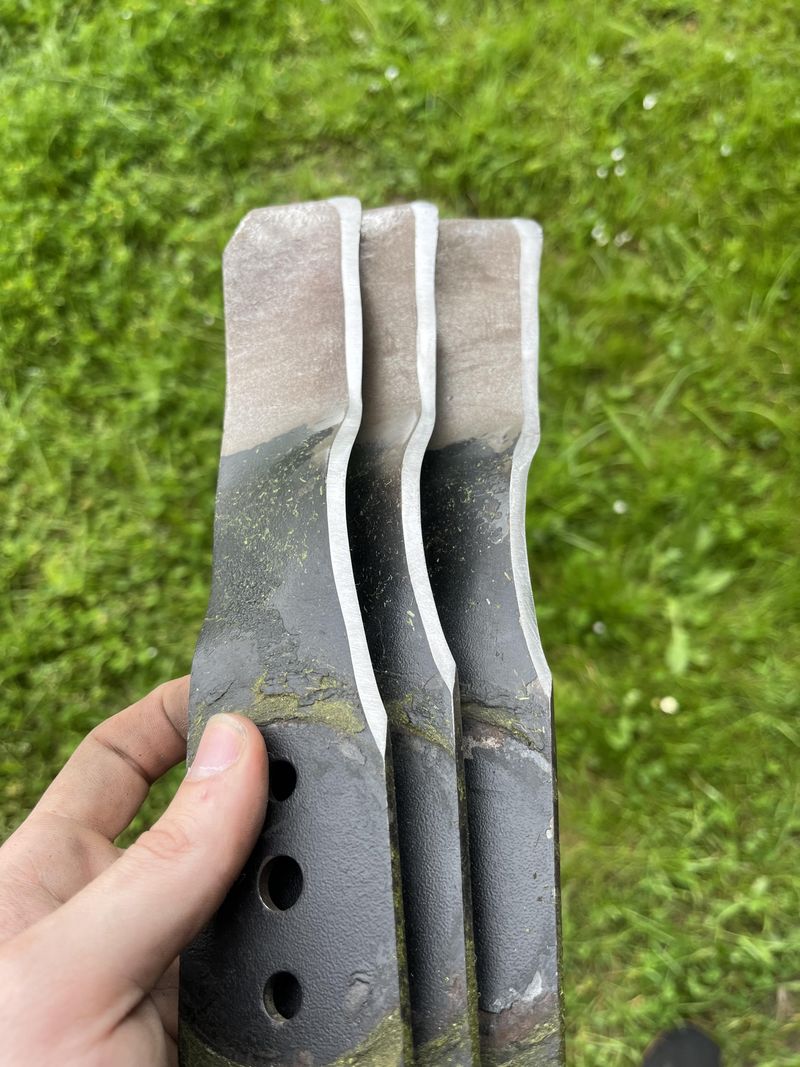
Dull mower blades do not cut grass. They tear it.
That difference matters a lot more in summer than most people expect. Torn grass tips turn brown fast and create entry points for stress and disease during hot, dry stretches.
Sharp blades slice cleanly through each blade of grass, leaving a smooth tip that heals quickly. Clean cuts reduce the amount of moisture the grass loses right after mowing.
In peak summer heat, that moisture retention can make a visible difference in how the lawn looks within 24 hours.
Blades should be sharpened at least once a month during the active mowing season. If you are mowing frequently through the summer, checking them every three to four weeks is a reasonable habit.
A blade that hits rocks, roots, or hard soil edges can lose its edge much faster than expected.
Sharpening is not a complicated job. Most hardware stores carry blade sharpening tools that work well for home use.
Removing the blade, sharpening it, and reinstalling it takes less than 30 minutes for most standard mowers.
One easy test is to look at the grass tips right after mowing. If the tips look ragged, frayed, or brown within a day, the blade likely needs sharpening.
Keeping a spare sharpened blade on hand makes it easy to swap out without skipping a mowing cycle during busy summer weeks.
5. Leave Grass Clippings To Help Hold Soil Moisture
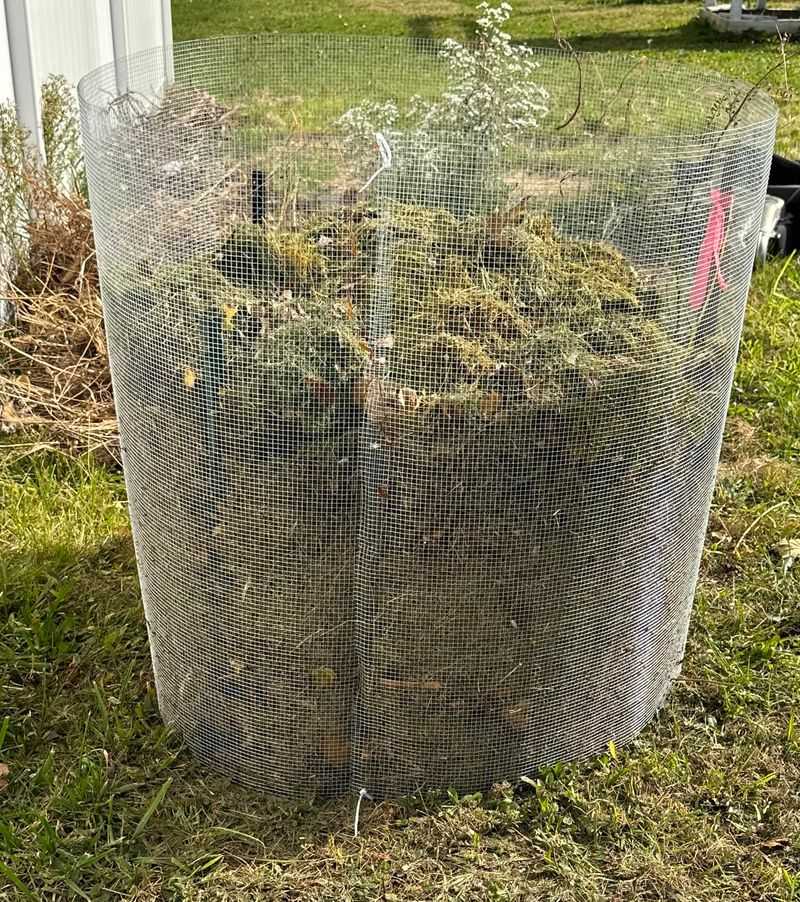
Bagging every clipping might feel like the tidy choice, but it can actually work against your lawn in summer. Leaving fine Bermuda grass clippings on the lawn after mowing returns nutrients to the soil and helps slow moisture evaporation from the surface.
Bermuda grass produces small, thin clippings that break down quickly. Unlike thick clumps from cool-season grasses, these fine pieces filter down through the canopy and decompose fast.
When mowing is done at the right frequency, clippings rarely pile up enough to cause problems.
Clippings act like a light mulch layer on the soil surface. That thin cover helps reduce the amount of water lost to heat and sun exposure between watering days.
In the dry stretches that hit Georgia hard in July and August, every bit of retained moisture counts.
Clippings also contain nitrogen. Returning them to the lawn feeds the soil naturally over time, which can slightly reduce how much supplemental fertilizer is needed during the growing season.
It is a small benefit, but it adds up across a full summer of regular mowing.
The key is not letting clippings pile up in visible clumps. Mow at the right frequency so the amount cut off each time stays manageable.
6. Reduce Mowing Frequency As Growth Slows
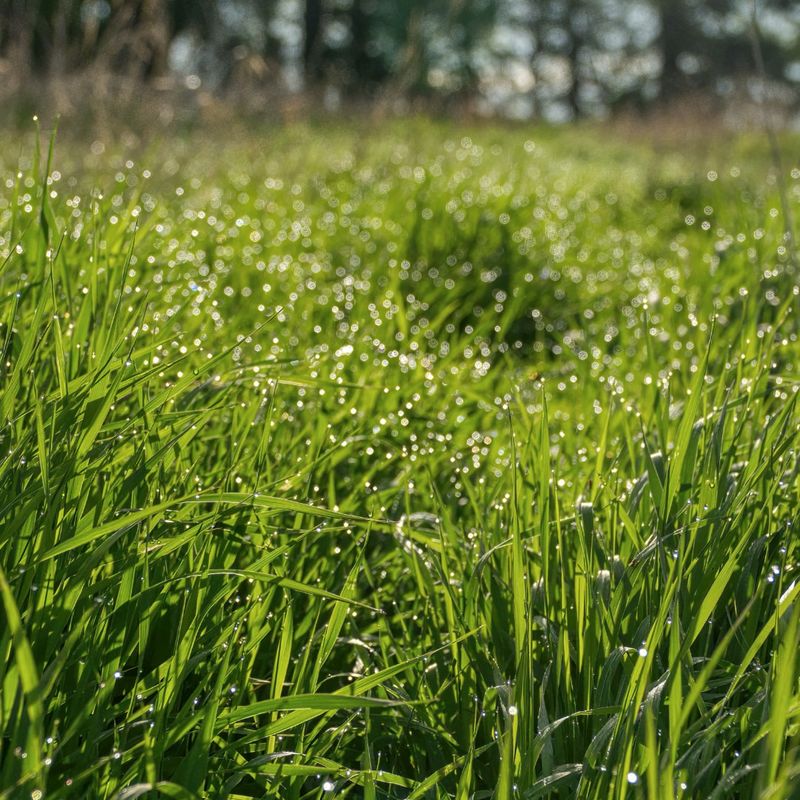
Bermuda grass does not grow at the same speed all summer long. During heat waves or dry spells, growth slows noticeably.
Mowing on a fixed weekly schedule without checking actual growth can lead to over-mowing when the grass is already under stress.
Over-mowing a slow-growing lawn removes more leaf blade than the grass can afford to lose. Less blade means less photosynthesis, and that puts extra pressure on roots that are already working hard in hot, dry soil.
Letting the grass tell you when it is ready to be cut is a smarter approach.
A good guideline is the one-third rule. Avoid removing more than one-third of the blade height in a single mowing session.
If the grass has barely grown since the last cut, it probably does not need mowing yet. Skipping a week during a heat wave is a reasonable call.
Stretching the time between cuts during slow growth periods also gives the lawn more time to recover. Roots can push deeper, moisture can build up in the soil, and the grass builds a slightly thicker canopy.
All of that helps carry the lawn through the hottest and driest stretches of the season.
Pay attention to color and texture as cues. Grass that looks tight, slightly blue-green, or starts to show footprints that do not spring back is signaling heat and moisture stress.
7. Clean The Mower Deck After Every Cut
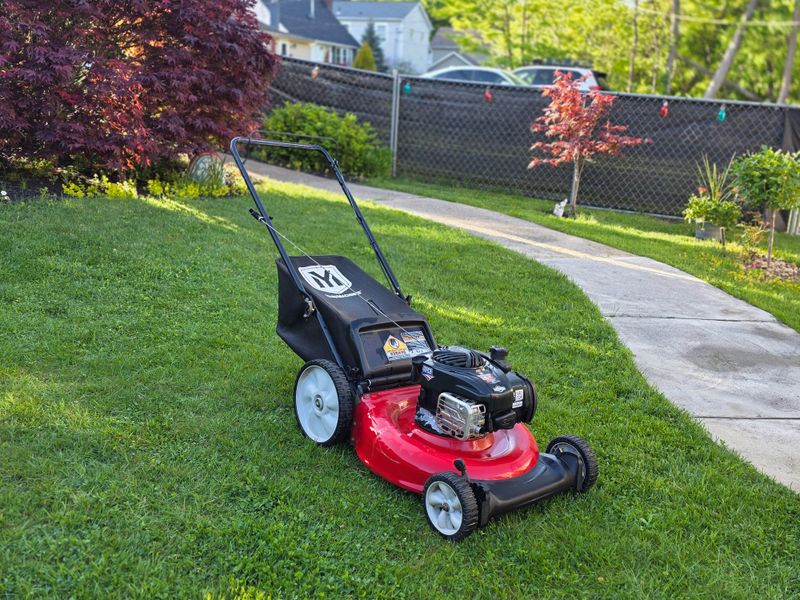
A dirty mower deck is something most homeowners ignore, but it can quietly cause real problems over a whole summer season.
Built-up clippings and debris underneath the deck restrict airflow, affect cut quality, and can even spread lawn disease from one area to another.
Grass clippings pack tightly against the underside of the deck during each mowing session. Over time, that buildup creates an uneven surface that disrupts how air moves under the mower.
Poor airflow leads to uneven cutting and can cause clippings to clump and drop in thick patches instead of dispersing evenly.
In warm, humid conditions, wet clippings stuck to the deck can harbor fungal spores. Running that mower across a healthy section of lawn can transfer those spores to areas that were previously clean.
Keeping the deck clear after each use is one of the simplest ways to lower disease risk during summer.
Cleaning the deck does not take long. After the mower cools down, use a scraper or stiff brush to knock off dried clippings from the underside.
A quick rinse with a hose works well for most standard mowers. Letting it dry before storing helps prevent rust from building up on the metal surfaces.
Making deck cleaning part of the post-mow routine keeps the mower running better and protects the lawn from unnecessary problems.