Texas Gardeners Are Planting These Strong-Scented Natives Near Foundations To Make Roaches Less Welcome
Roaches near a Texas home foundation are a problem that rarely stays outside for long. Once they establish themselves in the sheltered, warm zone right up against your house, the gap between outdoor nuisance and indoor invasion gets uncomfortably small.
Most homeowners treat the foundation with chemical sprays and call it done, only to find themselves repeating the treatment every few weeks through summer. But a growing number of Texas gardeners are taking a different approach.
Certain strong scented native plants, planted intentionally near the foundation, produce natural compounds that roaches find genuinely off putting.
They make the immediate environment around your home less attractive to roaches without the chemical load, the reapplication schedule, or the concerns that come with repeated pesticide use close to your living spaces.
These plants are also drought tolerant, low maintenance, and genuinely beautiful additions to a foundation planting. Here’s what Texas gardeners are planting near their foundations and why the approach is worth taking seriously.
1. Autumn Sage
Walk past a patch of Autumn Sage on a warm afternoon, and you will catch a faint minty, herbal scent drifting through the air. That smell is exactly what roaches want nothing to do with.
Salvia greggii, commonly called Autumn Sage, releases aromatic oils from its leaves that make the area near your foundation a lot less welcoming to pests.
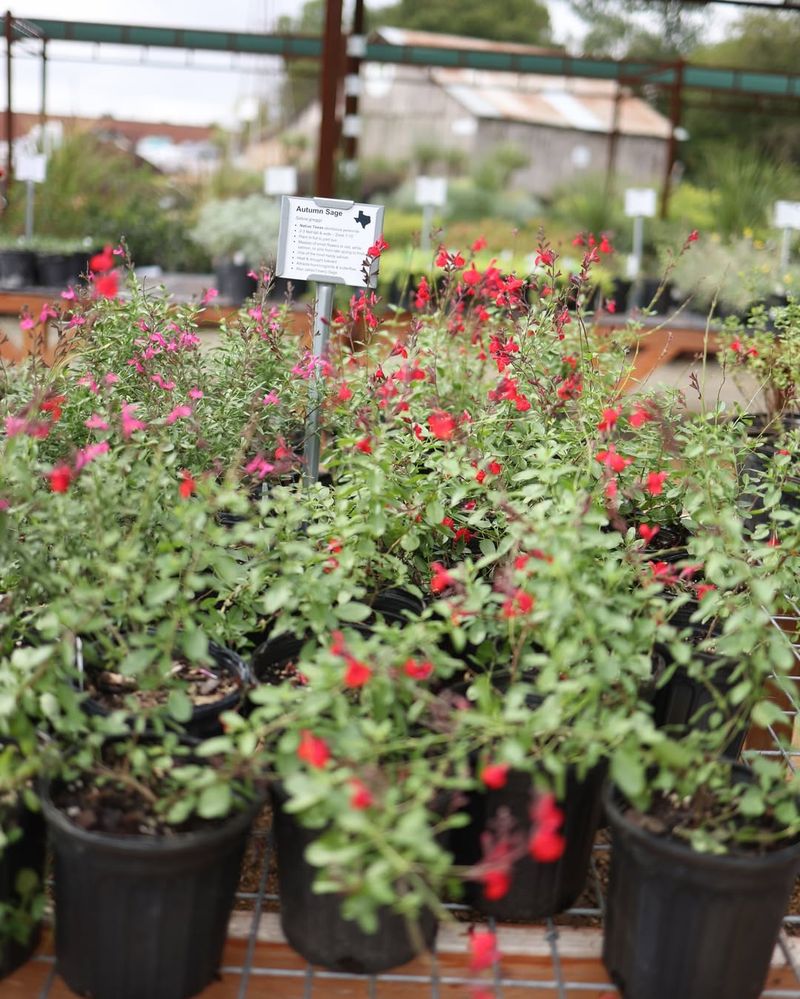
Native to the rocky slopes of West Texas and northern Mexico, this compact shrub usually grows about two to three feet tall and wide. It produces cheerful tubular flowers in red, pink, purple, or white from spring through fall.
Hummingbirds absolutely love it, so you get pest deterrence and a little wildlife show at the same time.
For foundation planting, Autumn Sage is a smart pick because it stays fairly tidy and does not sprawl out of control. It handles Texas heat without complaint and actually prefers well-drained soil, so you do not need to water it constantly.
Soggy roots will cause problems, so skip the low spots and plant it where water drains away quickly after rain.
Place it on the sunny side of your house where it gets at least six hours of direct light. A row of Autumn Sage plants spaced about two feet apart creates a continuous fragrant border along your foundation.
Pinch back spent blooms to keep new flowers coming and the plant looking full. Once established, it needs very little attention, making it one of the easiest aromatic natives you can add to your pest-deterring garden plan.
2. Cedar Sage
Most people think of fragrant foundation plants as strictly sun lovers, but Cedar Sage flips that idea on its head.
Salvia roemeriana thrives in part shade or even bright shade, making it the go-to choice for the north side of your house or under a wide roof overhang where most plants struggle.
Cedar Sage is native to the shaded limestone canyons of the Texas Hill Country. Its large, soft, heart-shaped leaves carry a pleasant earthy-herbal scent that intensifies when you brush against them.
Your Texas Garden Changes Every Week. Your Plan Should Too.
Gardening in Texas changes quickly throughout the season. Every Friday you’ll receive a simple weekly plan showing exactly what to plant, prune, fertilize, harvest, and protect so you never miss the right timing.
That scent, combined with the plant’s natural oils, makes the shaded corners of your foundation much less appealing to roaches looking for a dark, quiet entry point.
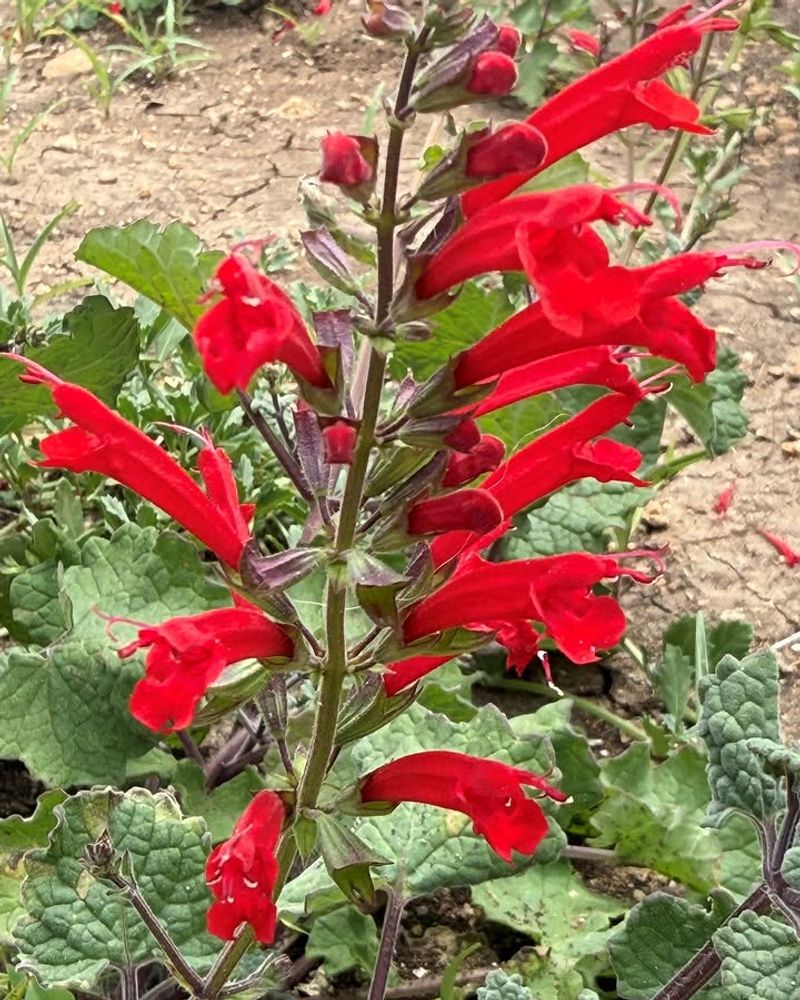
The flowers are a vivid, almost electric red and appear on slender spikes from late spring into summer. They are a favorite of hummingbirds and look striking against the plant’s lush green foliage.
Unlike many shade plants that look washed out or leggy, Cedar Sage holds its shape and stays attractive throughout the growing season.
Plant Cedar Sage about eighteen inches from your foundation wall so air can circulate around it. It does best in loose, well-drained soil with a bit of organic matter mixed in.
Water it regularly until it is established, then ease off because it is fairly drought tolerant once its roots settle in.
Pair it with a layer of gravel mulch instead of wood chip mulch near the foundation to keep moisture lower and reduce the damp conditions that roaches prefer. It is a tough, beautiful, and practical choice for shaded spots.
3. Texas Lantana
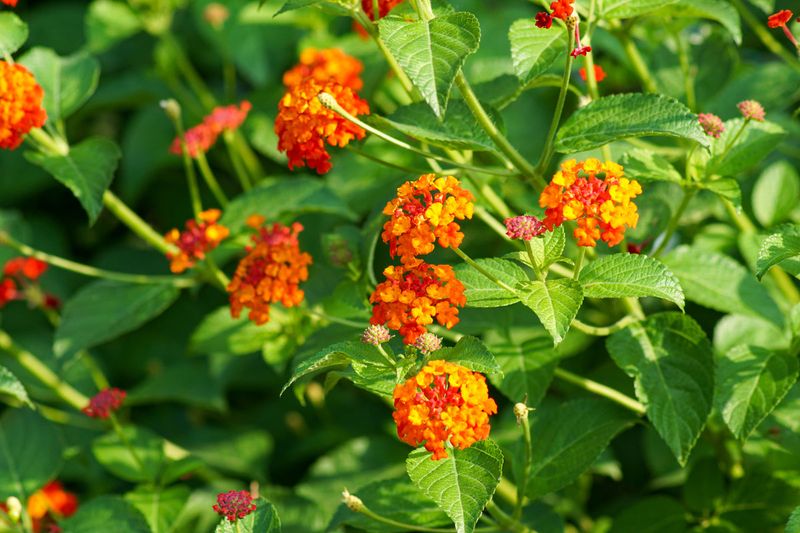
Few plants in Texas pack as much punch in a small space as Texas Lantana. Lantana urticoides is native to the southern and central parts of the state, and it brings a bold combination of color and scent that roaches strongly dislike.
The leaves release a sharp, almost medicinal smell when you touch or brush them, which acts as a natural repellent around your foundation.
The blooms come in a fiery mix of yellow, orange, and red that practically glows in the afternoon sun. Butterflies flock to these flowers from early summer all the way through the first cool snap of fall.
While the butterflies are enjoying the blooms, the aromatic foliage is quietly doing pest-deterrent work down at the soil level where roaches travel.
Texas Lantana loves full sun and dry conditions, so plant it on the south or west side of your home where the soil warms up fast and stays dry between rains. Give it plenty of room because it can spread four to six feet wide over time.
That spreading habit is actually a benefit here because a wider aromatic footprint means more coverage along your foundation line.
Avoid overwatering because wet roots weaken the plant and wet soil near your foundation is exactly what roaches look for. A gravel or decomposed granite mulch around the base keeps moisture low and the area open.
Prune it back hard in late winter to encourage fresh, fragrant growth in spring. Texas Lantana is low maintenance, heat-tough, and one of the most effective scented natives you can plant close to your home.
4. Whiteleaf Mountain Mint
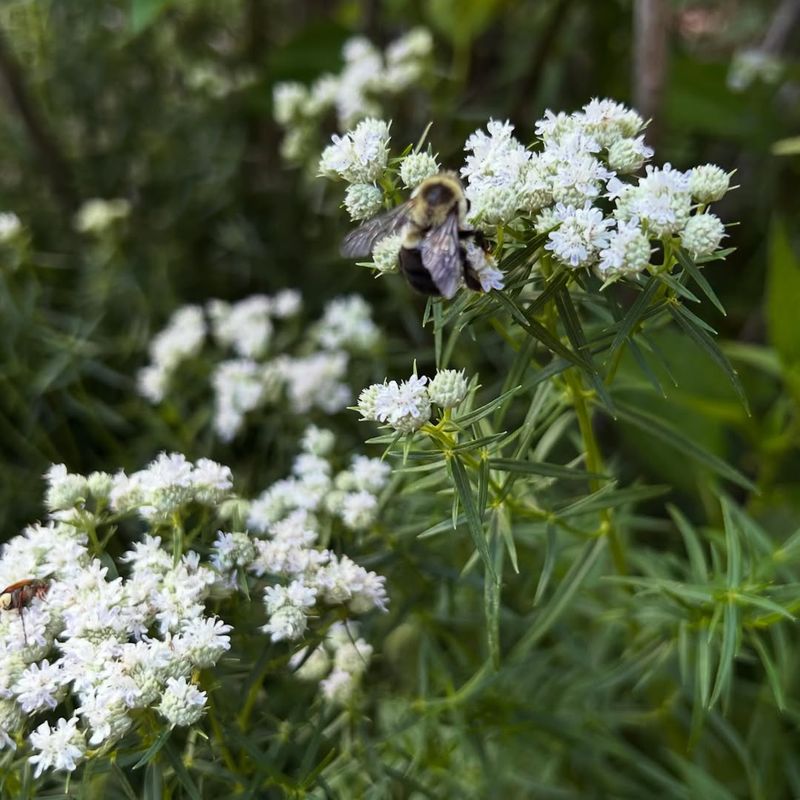
If you want a plant that smells like a breath mint every time the wind blows, Whiteleaf Mountain Mint is your answer. Pycnanthemum albescens is a member of the mint family, and its foliage releases a powerful, clean, minty fragrance that fills the air around it.
Roaches rely heavily on scent to navigate, and that sharp mint blast is enough to send them looking elsewhere.
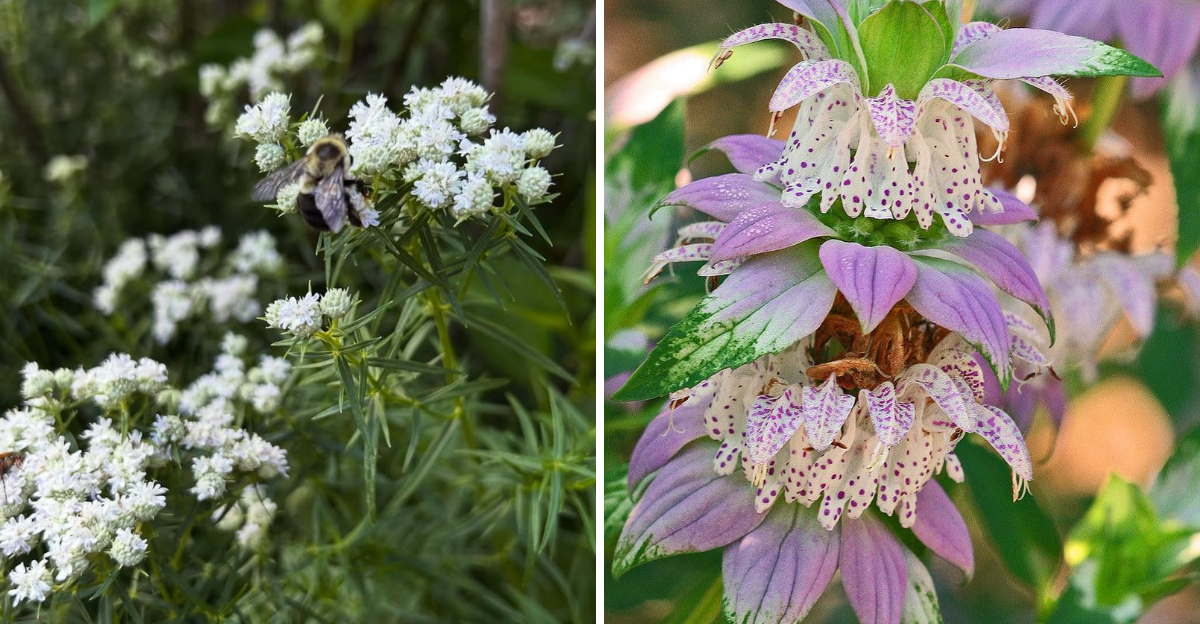
The plant has a striking look thanks to its silvery-white leaf tips, which give it an almost frosted appearance in summer. Small white flowers appear in clusters and attract an impressive variety of native bees and beneficial wasps.
Those beneficial insects are actually helpful allies in the garden because many of them prey on pest insects, giving you another layer of natural protection.
Whiteleaf Mountain Mint grows best in full sun to light shade and reaches about two to three feet tall. It spreads by underground rhizomes, so over time it will form a fragrant patch rather than a single clump.
That spreading habit works in your favor when you are trying to cover a long stretch of foundation with continuous scent coverage.
Plant it along foundation edges, sunny borders, or pollinator strips where it has room to fill in naturally. If you want to keep it contained, a buried root barrier works well.
Water it regularly the first season, then let rainfall do most of the work after that. Avoid heavy wood mulch right against the foundation and use gravel instead to keep conditions dry and airy. This plant is a powerhouse for both fragrance and pollinator support.
5. Lemon Beebalm
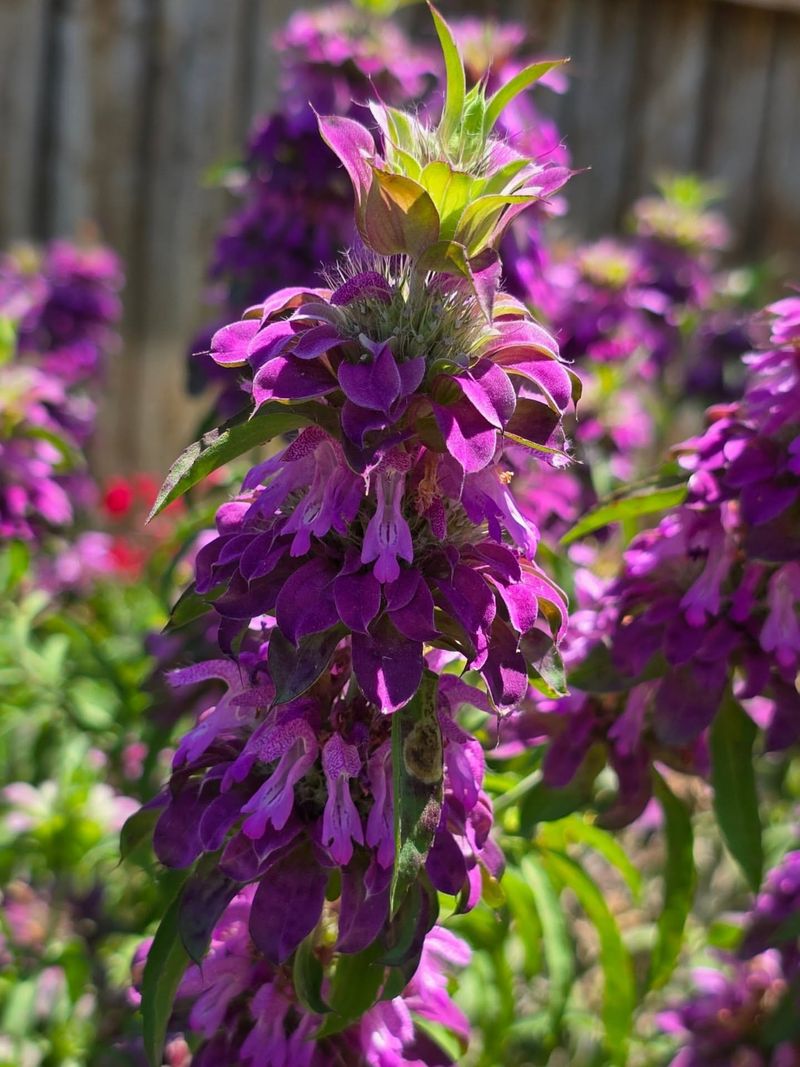
There is something almost cheerful about Lemon Beebalm. Monarda citriodora is a Texas native annual that smells like fresh lemon mixed with a hint of oregano, and that combination is surprisingly effective at making your foundation area less appealing to roaches.
The citrus-herbal scent comes from oils in the foliage that release freely whenever the plant is touched or the breeze picks up.
As an annual, Lemon Beebalm completes its life cycle in one season, but it reseeds itself generously, so you often get a fresh crop the following year without replanting. It grows quickly from seed and can reach two feet tall by midsummer.
The lavender-pink flower clusters stack up the stem in whorls, giving it a whimsical, cottage-garden look that works beautifully along a foundation bed.
Bees, butterflies, and hummingbirds are regular visitors to the blooms, so planting Lemon Beebalm near your home creates a lively, buzzing border that also serves as a natural pest deterrent.
It grows best in full sun and well-drained soil, tolerating dry spells once it is established. Lean soil actually suits it fine, which makes it a low-input choice for foundation planting.
Scatter seeds along your sunny foundation bed in early spring or fall and let them work. You do not need to fuss with fertilizer or special soil prep.
Thin seedlings to about a foot apart for good airflow. Avoid letting soggy mulch pile up near the base.
Lemon Beebalm brings seasonal color, a fresh herbal aroma, and a steady stream of pollinators, all while quietly making your home’s perimeter less inviting to pests.
6. Spotted Beebalm
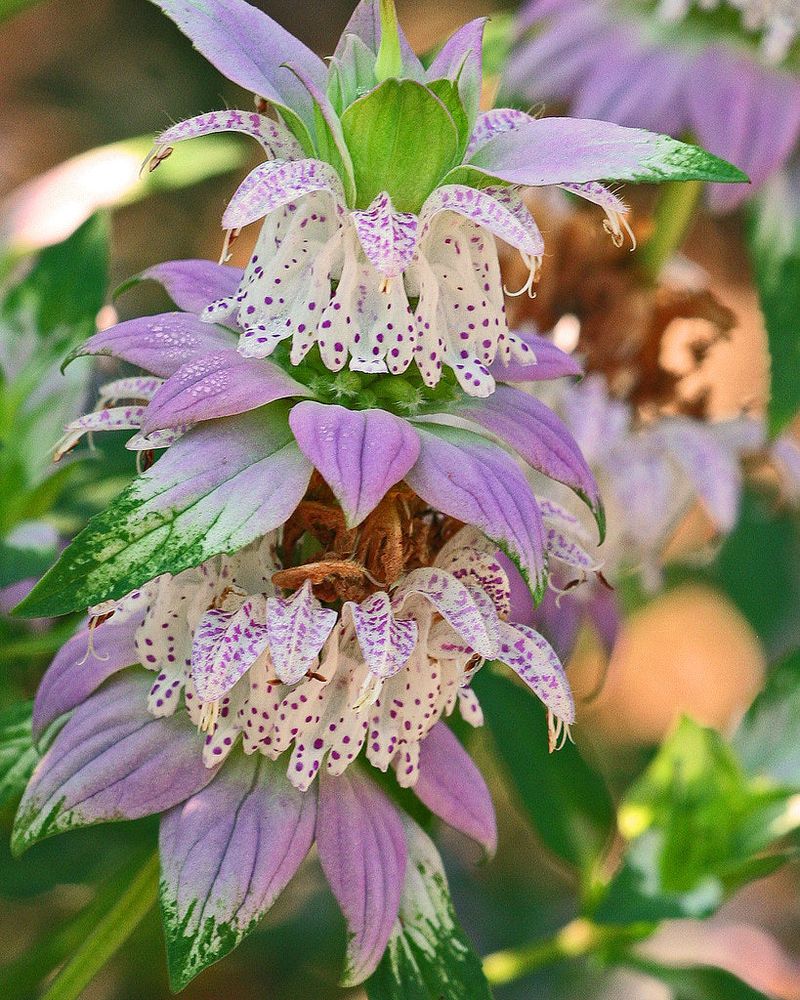
Spotted Beebalm is the kind of plant that makes visitors stop and ask what on earth that beautiful, wild-looking thing is.
Monarda punctata is native across much of Texas and carries a strongly aromatic scent that sits somewhere between oregano, thyme, and something uniquely its own.
That pungent, herbal fragrance is a natural roach repellent, and it radiates from the foliage without you having to do anything at all.
The flowers are genuinely unusual. Creamy white tubular blooms emerge from rings of showy purple-spotted bracts that stack up the stem in layers.
The overall effect is eye-catching and a little wild, which suits a naturalistic foundation planting style perfectly. Native bees, especially specialist bees that depend on Monarda species, visit the flowers in impressive numbers.
Spotted Beebalm is a short-lived perennial or biennial in Texas, meaning it may bloom for one or two seasons before setting seed and fading. The good news is that it reseeds readily in the right conditions, so a planting can sustain itself over many years with minimal effort.
It thrives in dry, lean, well-drained soil, making it a natural fit for the typically tough conditions found along home foundations.
Plant it on the sunny side of your house where the soil drains quickly after rain. Avoid rich, amended soil because that tends to make the plants floppy and less aromatic.
Keep wood mulch away from the base and use gravel or bare soil around the stems. Spacing plants about eighteen inches apart allows good airflow and encourages reseeding between them.
Spotted Beebalm rewards low-maintenance gardeners with big personality and powerful fragrance.
7. Drummond’s False Pennyroyal
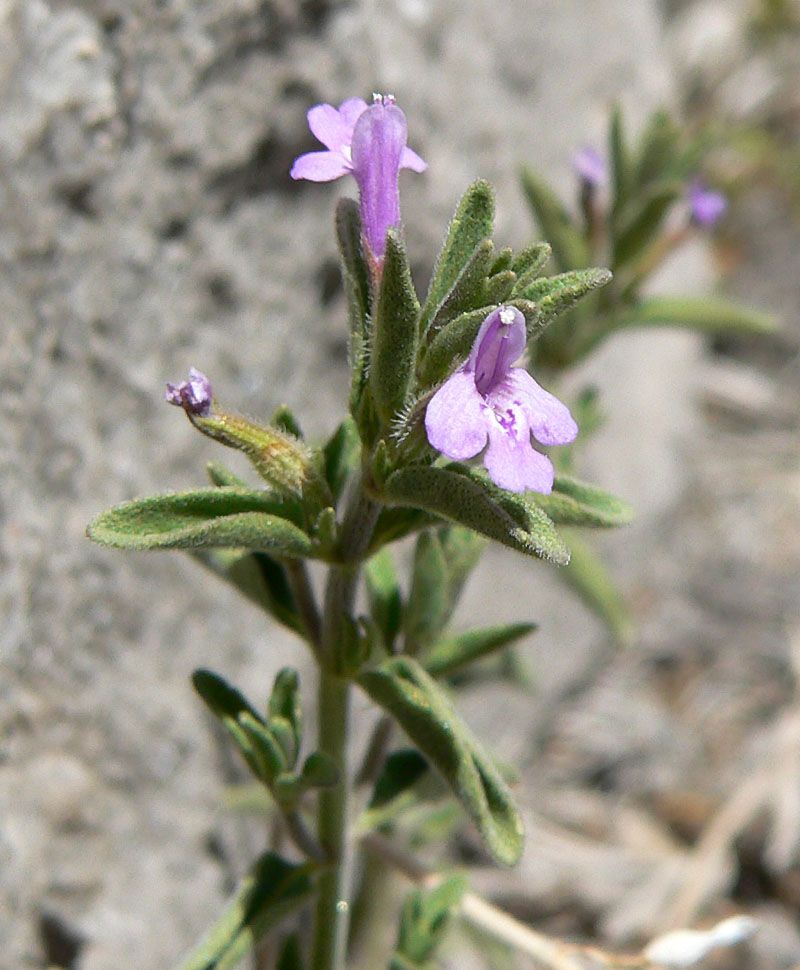
Drummond’s False Pennyroyal might be the most underrated plant on this entire list. Hedeoma drummondii is a low-growing native herb that most people walk right past without noticing, but crush a leaf between your fingers and you get an immediate burst of citrus-mint fragrance that is sharp, clean, and surprisingly strong.
That scent is the plant’s natural defense system, and it works just as well against roaches as it does against other crawling pests.
Native to rocky, limestone-heavy terrain across central and west Texas, this little herb is perfectly suited to the dry, lean conditions that exist along many home foundations. It typically grows only six to twelve inches tall, hugging the ground in a low, spreading mat.
Small purple flowers appear in late spring and summer, adding a delicate touch without demanding any attention from the gardener.
One of the best uses for Drummond’s False Pennyroyal is replacing damp, mulch-heavy spots near your foundation with something more open and aromatic. Heavy wood mulch holds moisture and creates the warm, dark, humid environment that roaches love.
Swapping that out for a patch of False Pennyroyal over gravel or bare limestone keeps the area dry and fragrant instead.
Plant it in full sun to part shade in rocky or sandy, well-drained soil. It needs almost no supplemental water once established and actually performs better in lean conditions than in rich, amended beds.
Space plants about a foot apart and let them fill in naturally over a season or two. For gardeners dealing with dry, rocky foundation edges, Drummond’s False Pennyroyal is a practical, fragrant, and low-effort solution that earns its spot every single year.