The Best Award-Winning Plants To Grow In Texas This Year
If you’re planning to refresh your garden this year in Texas, it might be time to take a second look at some plants that are winning big in expert circles.
Award-winning plants aren’t just for fancy show gardens, they’re tough, beautiful, and proven to thrive in real-life conditions, including Texas heat and drought.
These standout picks bring more than good looks to the table. Many of them are low-maintenance, pollinator-friendly, or offer months of color with little effort from you.
Whether you’re a seasoned gardener or just getting started, choosing the right plants can make all the difference. And with the Texas climate throwing curveballs, from scorching summers to sudden cold snaps, you want plants that have been tested and praised for their resilience.
These award-winning varieties have earned their place in gardens across the Lone Star State and could be the secret ingredient to your best-growing season yet.
1. Esperanza (Tecoma Stans)
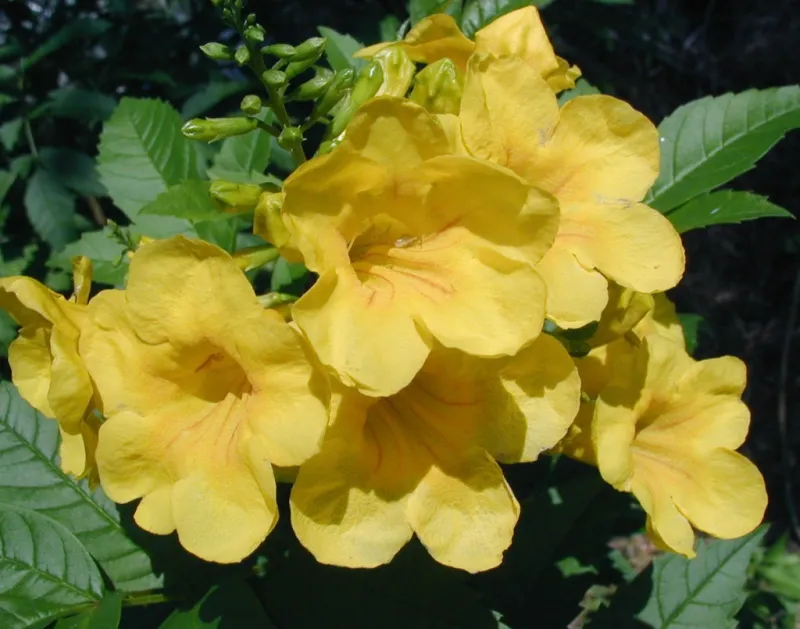
Bright golden-yellow blooms burst from this Texas Superstar winner like tiny trumpets announcing summer’s arrival. Esperanza has earned its reputation as one of the most reliable flowering shrubs across the entire state, from Dallas to the Rio Grande Valley.
Its cheerful flowers appear continuously from late spring through the first frost, creating months of non-stop color that butterflies and hummingbirds absolutely adore.
This award-winning beauty handles Texas heat like a champion, thriving even during those brutal August afternoons when temperatures soar past 100 degrees.
Esperanza grows quickly into a rounded shrub reaching 3 to 6 feet tall, making it perfect for foundation plantings or as a colorful hedge. The plant’s glossy green leaves provide an attractive backdrop even when flowers take a brief rest.
Gardeners throughout Texas appreciate how Esperanza bounces back after occasional freezes in the northern regions.
In South Texas, it often stays evergreen all winter long, while in cooler areas it returns vigorously from the roots each spring. Plant it in full sun with well-draining soil, and you’ll be rewarded with minimal maintenance requirements.
Watering needs decrease significantly once established, making Esperanza an excellent choice for water-wise landscapes. Its drought tolerance combined with spectacular blooms explains why landscape professionals recommend it so frequently.
Whether you’re gardening in San Antonio’s limestone soil or Houston’s clay, this award winner adapts beautifully and delivers consistent results that make your neighbors wonder about your secret to success.
2. Autumn Sage (Salvia Greggii)

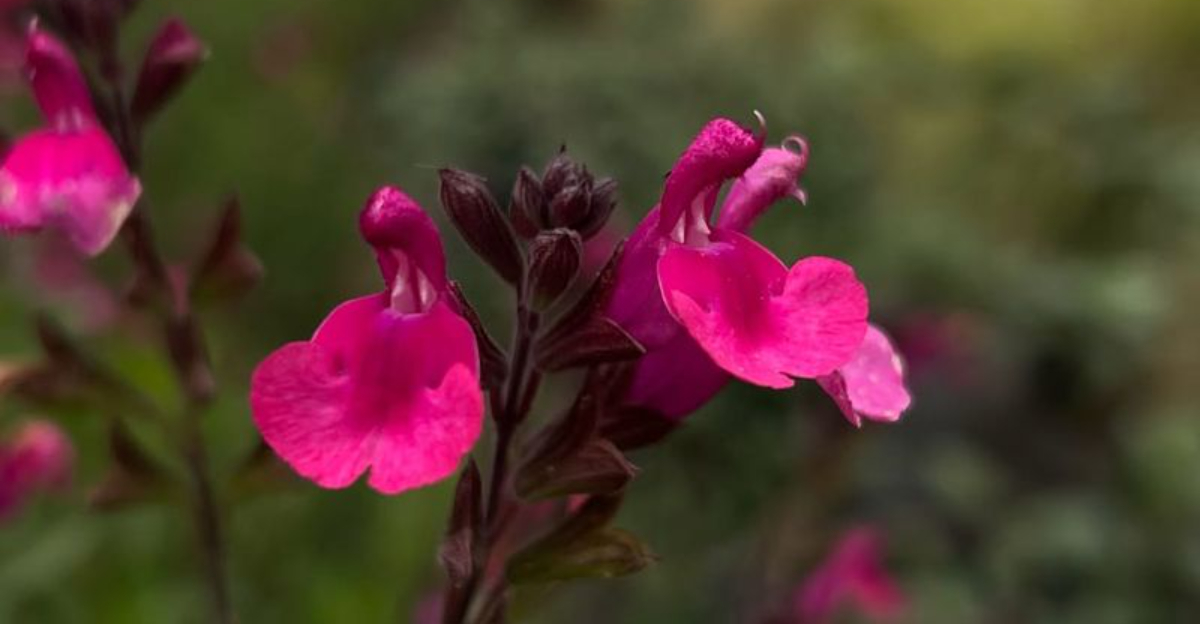
Autumn Sage brings a rainbow of possibilities to Texas gardens with color options ranging from coral and pink to red, white, and purple. This Texas native has collected numerous awards including Texas Superstar designation for multiple varieties, proving its exceptional performance across diverse growing conditions.
Small tubular flowers cover the compact plants from spring until hard frost arrives, providing nectar for pollinators when they need it most.
Reaching just 2 to 3 feet in height and width, Autumn Sage fits perfectly into smaller spaces or front-of-border plantings. The plant’s naturally rounded shape requires virtually no pruning, though occasional trimming keeps it looking tidy and encourages fresh blooms.
Its aromatic foliage releases a pleasant scent when brushed, adding another sensory dimension to your landscape. Heat and drought hardly faze this tough performer once roots establish themselves in Texas soil.
Autumn Sage actually prefers lean, well-draining ground over rich, heavily amended beds, making it ideal for challenging spots where other plants struggle.
From El Paso to Beaumont, gardeners find success with this adaptable native that handles both humidity and arid conditions.
Hummingbirds consider Autumn Sage an essential fuel station during migration seasons, often visiting repeatedly throughout the day. Deer tend to leave it alone thanks to its aromatic leaves, which is welcome news for Texas gardeners battling hungry wildlife.
Combine different colored varieties for a stunning display that requires minimal water, no fertilizer, and delivers maximum impact all season long in your Texas landscape.
3. Caladiums (Texas Superstar Varieties)
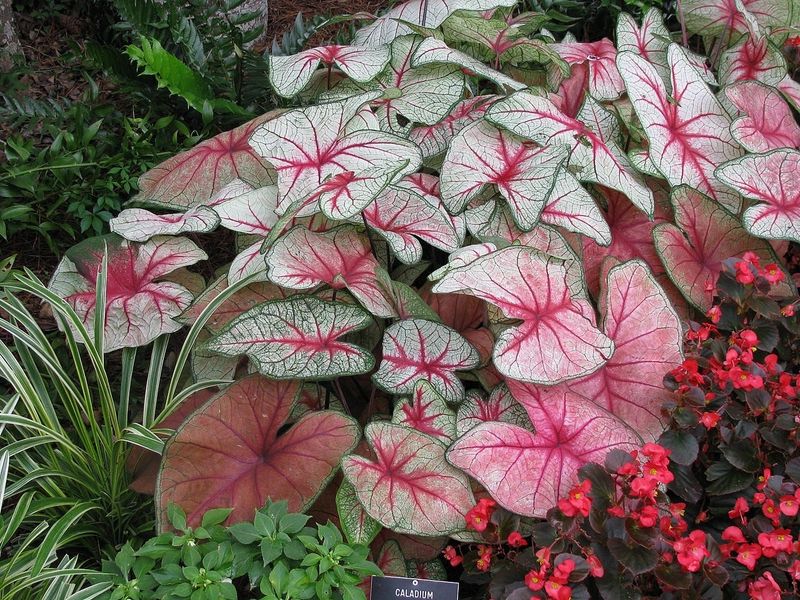
Showy heart-shaped leaves painted in combinations of pink, red, white, and green create tropical magic in shady Texas gardens. Texas Superstar Caladium varieties have been specifically selected for their ability to tolerate the state’s intense heat and perform reliably in diverse conditions.
These award-winning selections produce larger, more vibrant leaves than standard varieties while requiring less babying through the growing season.
Unlike sun-loving flowers, Caladiums thrive in partial to full shade, making them perfect solutions for those tricky spots under trees or on north-facing porches. Their bold foliage adds dramatic color from late spring through early fall without needing constant deadheading or fussing.
Plant the tubers after soil warms in spring, and within weeks you’ll see stunning leaves emerging that continue growing throughout summer.
Texas gardeners in Houston, Austin, and San Antonio particularly appreciate how these award winners handle humidity without developing the leaf problems that plague lesser varieties.
The plants grow 12 to 24 inches tall depending on the selection, creating lush tropical effects in containers or garden beds. Their vibrant colors brighten dark corners where most flowering plants would struggle to bloom.
Watering requirements stay moderate as long as soil drains well, preventing the tubers from rotting during heavy Texas thunderstorms. When temperatures drop in fall, simply let the foliage fade naturally before digging and storing tubers for next year.
Many Texas gardeners find them so affordable they treat Caladiums as annuals, replanting fresh tubers each spring for guaranteed spectacular results without winter storage hassles.
4. Firebush (Hamelia Patens)
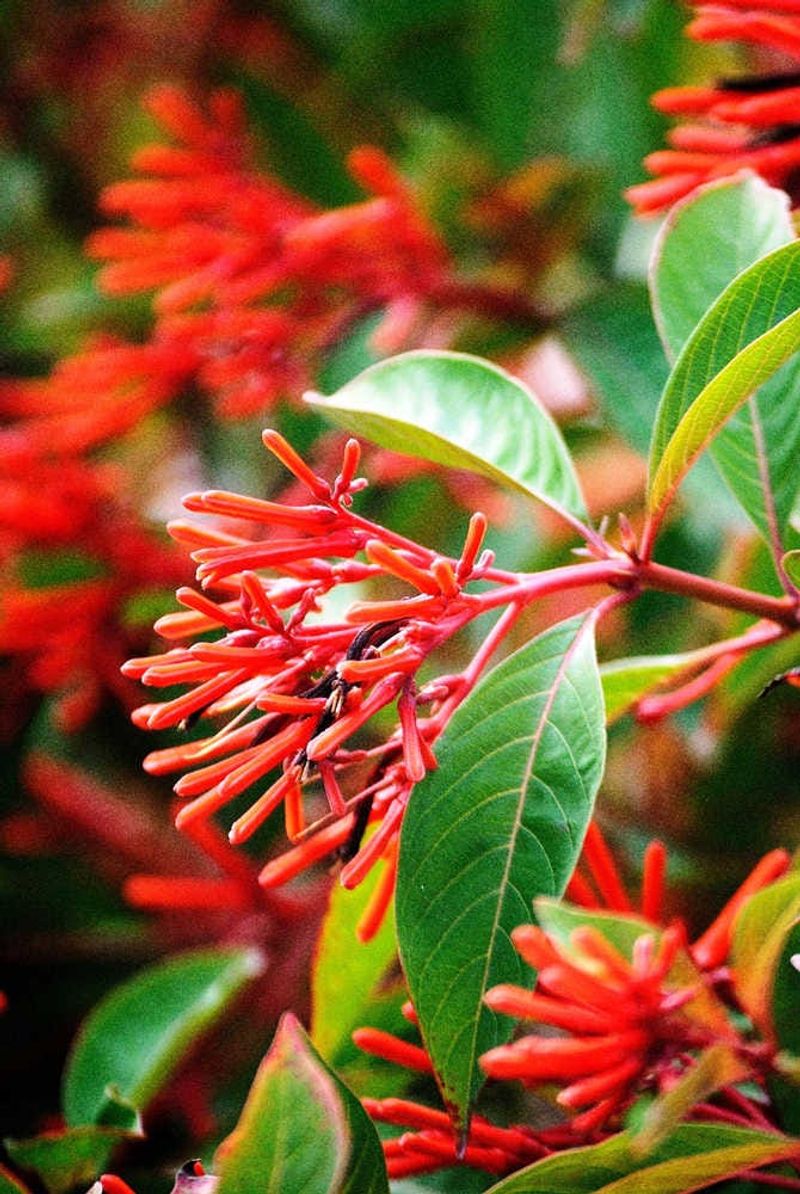
Clusters of tubular orange-red flowers glow like embers against dark green foliage, earning Firebush its fitting name and Texas Superstar recognition.
This Florida native has proven itself exceptionally well-suited to Texas conditions, particularly in the southern and coastal regions where it performs like a superstar.
Hummingbirds mob this plant from the moment flowers appear in late spring until frost, often defending favorite Firebush plants from competitors.
Growing 4 to 8 feet tall in a single season, Firebush fills spaces quickly and provides privacy screening or backdrop plantings.
The plant’s upright, somewhat leggy growth habit creates an airy feel rather than a dense barrier, allowing air circulation that helps prevent disease. New growth often emerges with reddish tints that complement the bright flowers beautifully.
Firebush handles full sun and heat with remarkable ease, actually producing more flowers when conditions get toasty. Once established in Texas gardens, it tolerates drought periods well, though occasional deep watering during extended dry spells keeps it looking its best.
The plant works wonderfully in naturalized areas, pollinator gardens, or anywhere you want continuous color with minimal effort.
In South Texas and along the coast, Firebush often survives winter as an evergreen shrub, while in Central Texas it typically freezes back and returns from roots. Gardeners in North Texas can grow it as an annual or in containers that move indoors before frost.
Birds feast on the small berries that follow flowers, adding wildlife value beyond the hummingbird attraction that makes this award winner such a garden favorite.
5. Zexmenia (Wedelia Texana)
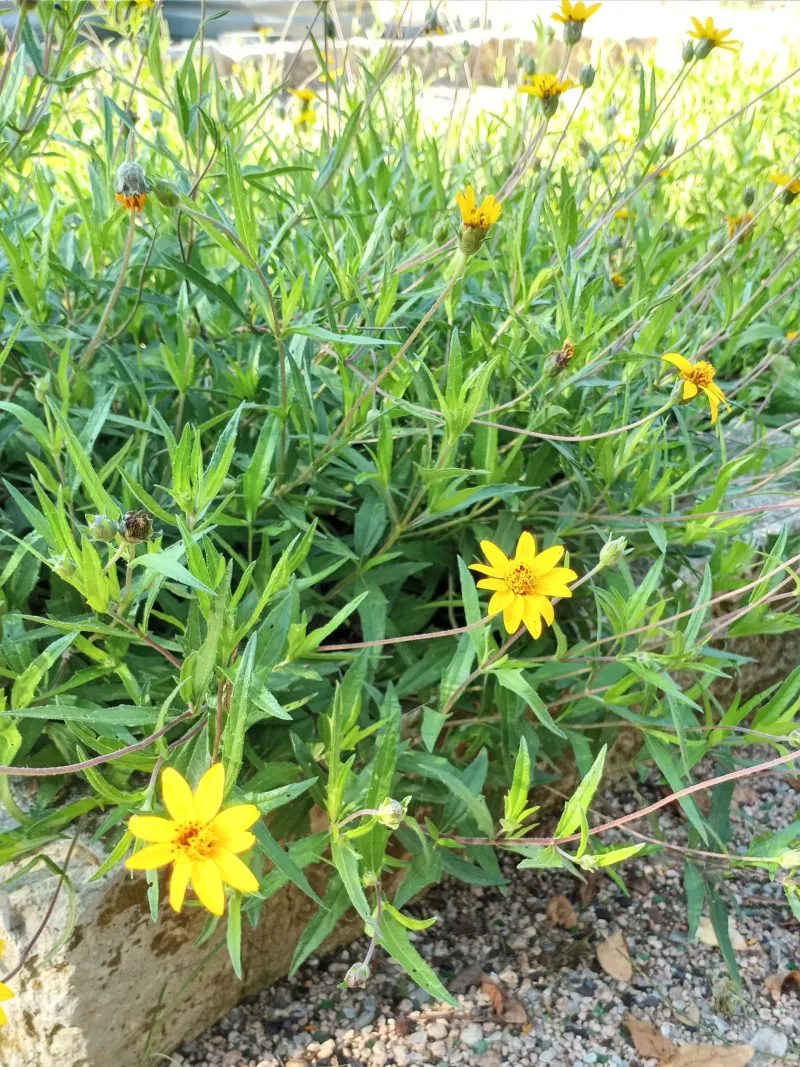
Golden daisy-like flowers cover this tough Texas native groundcover from spring through fall, creating carpets of sunshine that earned it Texas Superstar status. Zexmenia spreads enthusiastically but not invasively, filling bare spots with dense foliage that crowds out weeds naturally.
The cheerful 1-inch blooms attract butterflies and other beneficial insects while providing long-lasting color in challenging conditions where more delicate plants surrender.
Growing just 8 to 12 inches tall, Zexmenia works beautifully as an alternative to traditional lawn grass in areas where mowing proves difficult. It cascades gracefully over retaining walls, spills from containers, and creates weed-suppressing borders along pathways throughout Texas landscapes.
The plant’s spreading habit means one container can eventually cover several square feet, making it economical for large areas. Extreme heat and drought barely slow this award-winning performer once roots establish in Texas soil.
Zexmenia actually prefers lean, unamended ground and requires no fertilization to thrive, making it perfect for low-maintenance landscapes. It handles full sun to partial shade, though flowering increases with more direct sunlight exposure.
Deer usually avoid Zexmenia, which is fantastic news for rural Texas gardeners tired of their plants becoming wildlife buffets. The plant dies back somewhat during winter in northern areas but returns reliably each spring, quickly regaining its lush appearance.
In South Texas, it often stays semi-evergreen through mild winters. Whether you’re gardening in Fort Worth or Corpus Christi, this award winner delivers consistent results with practically zero demands on your time or water resources.
6. Turk’s Cap (Malvaviscus Arboreus Var. Drummondii)
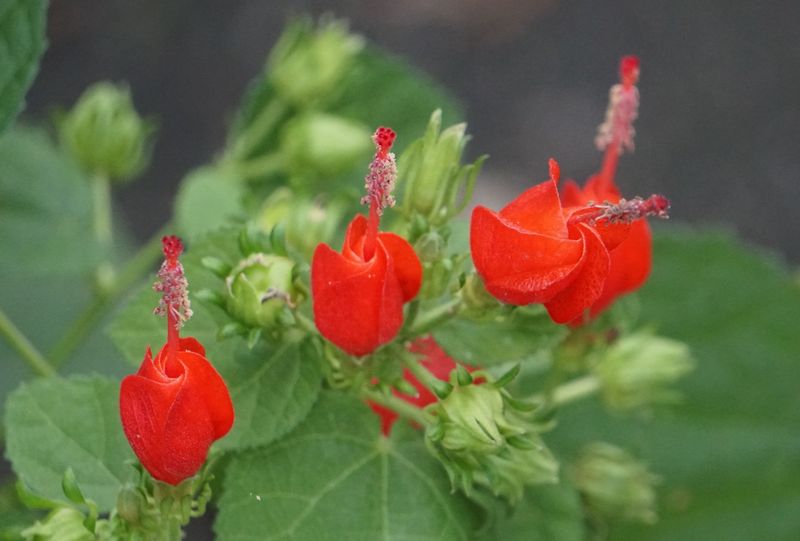
Unique red flowers shaped like tiny turbans peek out from lush green foliage on this charming Texas native shrub. Turk’s Cap has earned recognition as a Texas Superstar for its exceptional shade tolerance and non-stop blooming from late spring through frost.
The unusual flowers never fully open, maintaining their distinctive turban shape that gives the plant its memorable name and makes it instantly recognizable in Texas gardens.
This award winner thrives in partial to full shade, making it invaluable for woodland gardens or under tree canopies where most flowering shrubs struggle. Growing 2 to 5 feet tall and wide, Turk’s Cap creates an informal, cottage-garden feel that softens formal landscapes.
The plant’s somewhat loose, open growth habit allows it to blend naturally with other shade-lovers rather than dominating the space.
Hummingbirds adore Turk’s Cap flowers, often visiting repeatedly throughout the day during peak migration periods in Texas.
The blooms produce small red fruits that birds find irresistible, extending the plant’s wildlife value beyond its flowering season. Butterflies also visit regularly, making this native shrub a triple threat for pollinator-friendly landscapes.
Turk’s Cap handles Houston’s humidity, Austin’s limestone soils, and San Antonio’s heat with equal grace, proving its adaptability across diverse Texas conditions.
Once established, it tolerates drought remarkably well for a shade plant, though occasional watering during extended dry periods keeps foliage looking fresh.
Deer typically leave it alone, and it requires virtually no pruning unless you want to control size. This award-winning native deserves a spot in every Texas shade garden.
7. Lantana (Texas Superstar Selections)
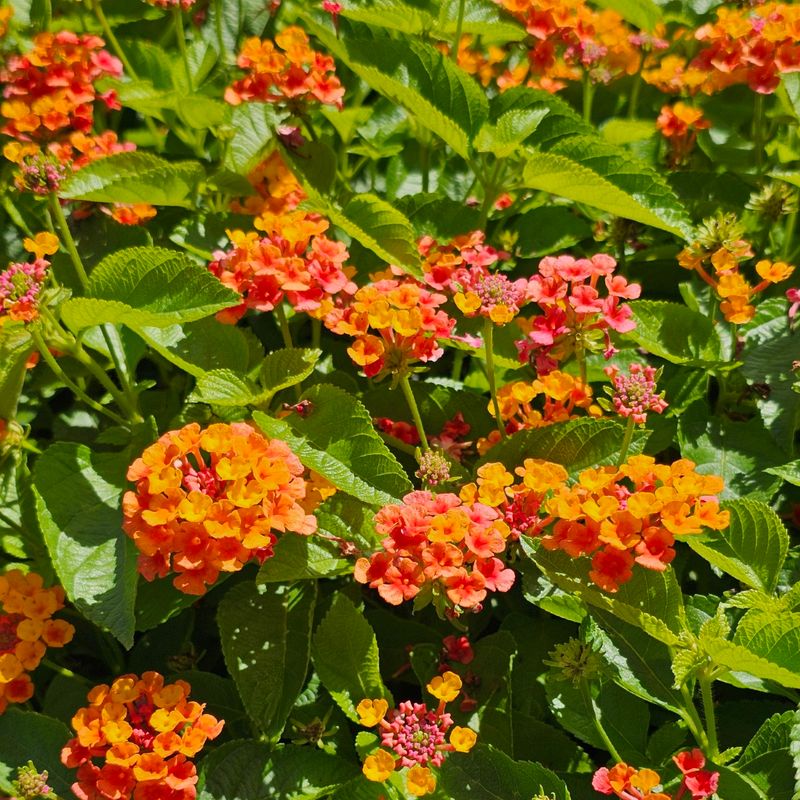
Clusters of tiny flowers in vibrant color combinations transform this award-winning plant into a butterfly magnet that blooms relentlessly through Texas summers.
Texas Superstar Lantana varieties have been selected specifically for superior heat tolerance, mildew resistance, and non-stop flowering performance.
Available in trailing and upright forms, these selections offer colors ranging from pure yellow and orange to pink, purple, and multicolored combinations that change as flowers age.
Lantana laughs at Texas heat, actually producing more flowers as temperatures climb into the triple digits. The plants grow 1 to 3 feet tall depending on variety, creating mounding forms perfect for borders, containers, or mass plantings.
Their somewhat coarse texture provides interesting contrast against fine-textured plants while their continuous blooms add reliable color from late spring until frost.
Butterflies consider Lantana essential, often covering plants so completely you can barely see the flowers beneath their wings. Hummingbirds visit regularly too, making this award winner a must-have for pollinator gardens throughout Texas.
The plant’s aromatic foliage deters deer, solving one of the biggest challenges facing Texas gardeners in suburban and rural areas.
Established Lantana tolerates drought exceptionally well, requiring water only during the most extreme dry periods. It thrives in poor soil without fertilization, making it ideal for low-maintenance landscapes from El Paso to Galveston.
Trailing varieties cascade beautifully from containers and hanging baskets, while upright forms create colorful hedges or foundation plantings.
Whether you’re a beginning gardener or experienced landscaper, these Texas Superstar selections deliver foolproof results that look professionally designed with minimal effort.
8. Trailing Plumbago (Plumbago Auriculata)
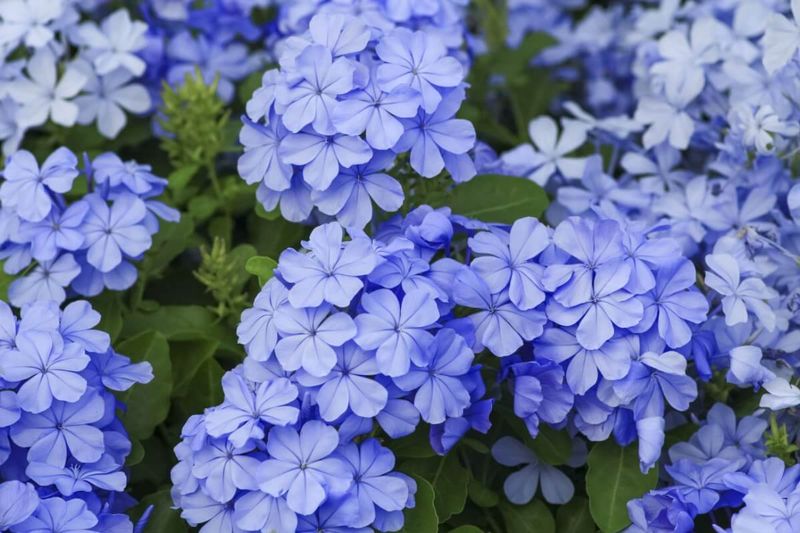
Delicate sky-blue flowers float above arching stems like tiny butterflies, bringing cool color to hot Texas summers. This award-winning selection earned recognition for its exceptional heat tolerance and ability to bloom continuously even during the most challenging weather conditions.
The soft blue shade provides a refreshing contrast to the hot oranges, reds, and yellows dominating most summer gardens, creating a calming visual effect that stands out beautifully.
Trailing Plumbago grows 2 to 4 feet tall with a spreading, somewhat vining habit that works wonderfully cascading over walls or spilling from large containers.
The plant’s flexible stems create an informal, relaxed appearance that softens formal landscapes and adds movement to static designs. White-flowered varieties are also available for gardeners preferring a different color palette.
This award winner handles full sun and intense Texas heat with remarkable composure, continuing to produce flowers when many other plants pause during the hottest weeks.
Once established in garden beds from Dallas to Brownsville, Plumbago tolerates drought well, though occasional deep watering keeps blooms coming strong. The plant prefers well-draining soil and actually performs better without heavy fertilization.
In South Texas and coastal areas, Trailing Plumbago often survives winter as an evergreen perennial, while in northern regions it typically freezes back and returns from roots after mild winters.
Many Central Texas gardeners treat it as an annual, enjoying its spectacular summer performance without worrying about winter protection.
Butterflies visit the flowers regularly, and the plant’s somewhat sprawling nature makes it perfect for difficult slopes or areas where you want casual, cottage-garden charm rather than rigid formality.