The Best Backyard Privacy Plants That Thrive In Texas Heat
Ever wish your backyard felt a little more like a private escape and a little less like a space on display?
That feeling is pretty common in Texas, where outdoor living is a big part of everyday life and yards often get used for everything from weekend barbecues to quiet mornings with coffee.
The problem is that privacy can be hard to create when the sun is intense, the heat drags on for months, and not every plant is built to handle that kind of stress.
A pretty shrub may catch your eye at the garden center, but if it cannot take full sun and high temperatures, it is probably not going to give you the lush screen you were hoping for.
That is why choosing the right backyard privacy plants matters so much. In Texas, the best options need to do more than grow fast or look full for a few weeks.
They need to hold up through scorching summers, add lasting structure, and help shape a yard that feels cooler, calmer, and more secluded. With the right plants in place, an open backyard can start feeling like your own little retreat.
1. Wax Myrtle
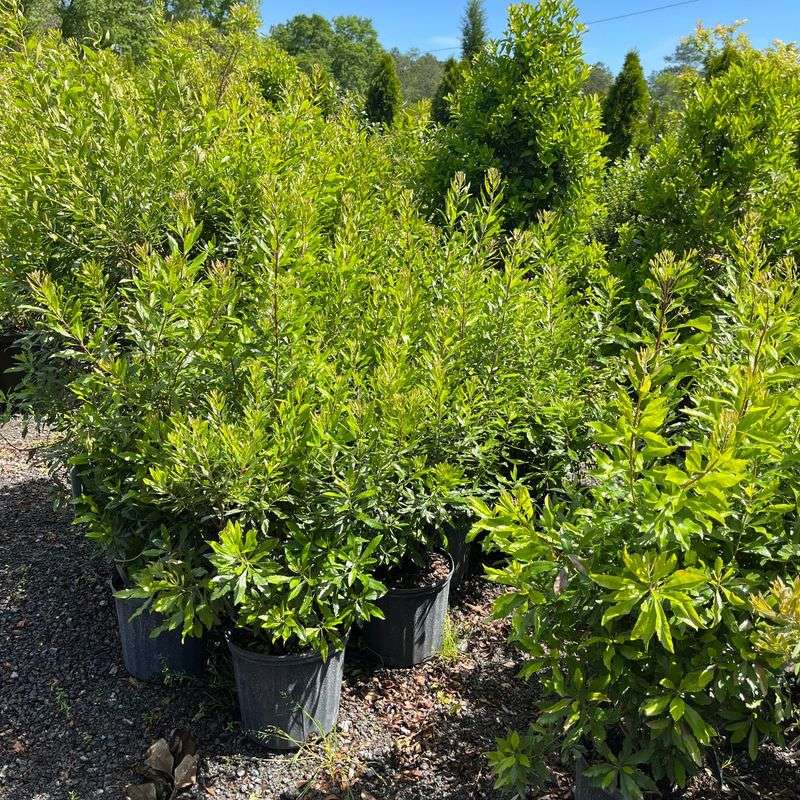
Few plants grow as fast or fill in as beautifully as Wax Myrtle. If you want privacy in a hurry, this is your plant.
It can shoot up to 10 to 15 feet tall, creating a thick, green wall that blocks neighbors and street noise at the same time.
Wax Myrtle is an evergreen, which means it holds its leaves all year long. You get privacy in January just as much as you do in July.
That kind of consistent coverage is hard to beat, especially in a state like Texas where outdoor living happens in every season.
One of the best things about this plant is how well it adapts to different soil types. It handles both wet and dry conditions without much fuss.
That makes it a strong choice for East Texas yards, where rainfall is higher and soils can stay moist longer than in other parts of the state.
Wax Myrtle also has a pleasant, slightly spicy scent when you brush against its leaves. It attracts birds, which is a nice bonus if you enjoy wildlife in your yard.
The small waxy berries it produces are a food source for mockingbirds and other native Texas birds.
Pruning is easy and keeps the plant looking neat. You can shape it into a formal hedge or let it grow naturally for a softer look. Either way, it fills your backyard with lush green coverage quickly and reliably.
2. Eastern Redcedar
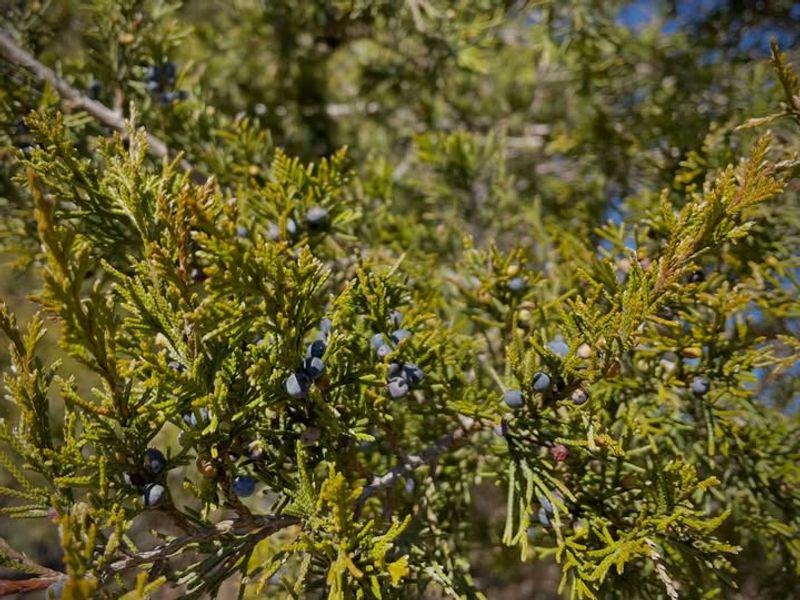
When the goal is serious privacy and you have a hot, dry, sun-baked yard to work with, Eastern Redcedar steps up like a champion. This is one of the toughest evergreen trees you can plant in Texas.
It shrugs off intense heat, dry spells, and rocky soils that would send other plants into shock.
Eastern Redcedar can grow quite tall over time, sometimes reaching 40 feet or more. That height makes it especially useful when you want a taller privacy buffer between your yard and the world outside.
Planted in a row, these trees form a dense green wall that blocks both sightlines and wind. In the open plains of North Texas or the dry stretches of West Texas, that wind protection is a real bonus.
The foliage is a rich, deep green and stays full year-round. You never lose your privacy screen when the seasons change.
Birds absolutely love Eastern Redcedar too. The small blue berries it produces in winter feed cedar waxwings, bluebirds, and mockingbirds, turning your privacy screen into a backyard wildlife habitat.
Planting is straightforward, and once established, this tree needs almost no supplemental watering. It is well-suited to the native Texas landscape and thrives without a lot of extra care from you.
Keep in mind that Eastern Redcedar does produce pollen in late winter, which can affect allergy sufferers. If that is a concern in your household, plant it farther from windows and doors to reduce any irritation during peak pollen season.
3. Yaupon Holly
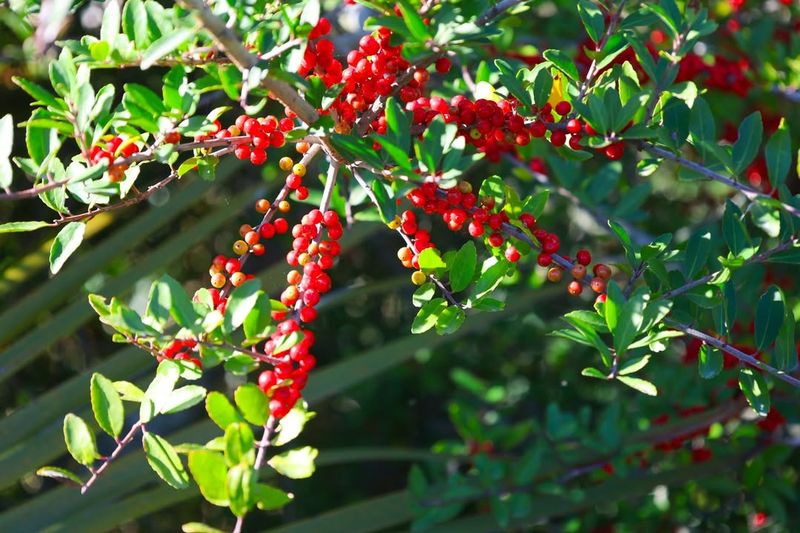
Ask any Texas gardener what the most reliable privacy shrub in the state is, and Yaupon Holly will come up every single time. It is tough, adaptable, and looks good no matter where you plant it.
From the humid piney woods of East Texas to the rocky limestone soils of the Hill Country, this plant handles it all without skipping a beat.
Yaupon Holly is evergreen, so you never have to worry about bare branches in winter. It keeps its glossy, dark green leaves through every season, giving your backyard a polished and private feel all year long.
That consistency makes it one of the most dependable choices on this entire list. One of its biggest strengths is flexibility. You can clip it into a clean, formal hedge or let it grow in a more relaxed, natural shape.
Either way, it fills in densely enough to block sightlines from neighbors or the street. It even tolerates shearing well, so maintenance stays simple.
Heat and drought do not slow Yaupon Holly down. Once it gets established in your yard, it needs very little water to stay healthy and full. It also handles poor soils, wet spots, and salty conditions better than most plants.
Fun fact: Yaupon Holly is the only native North American plant that contains caffeine. Indigenous peoples brewed it as a ceremonial tea for centuries.
That rich history makes this already impressive plant even more interesting to grow in your Texas backyard.
4. Carolina Cherry-Laurel
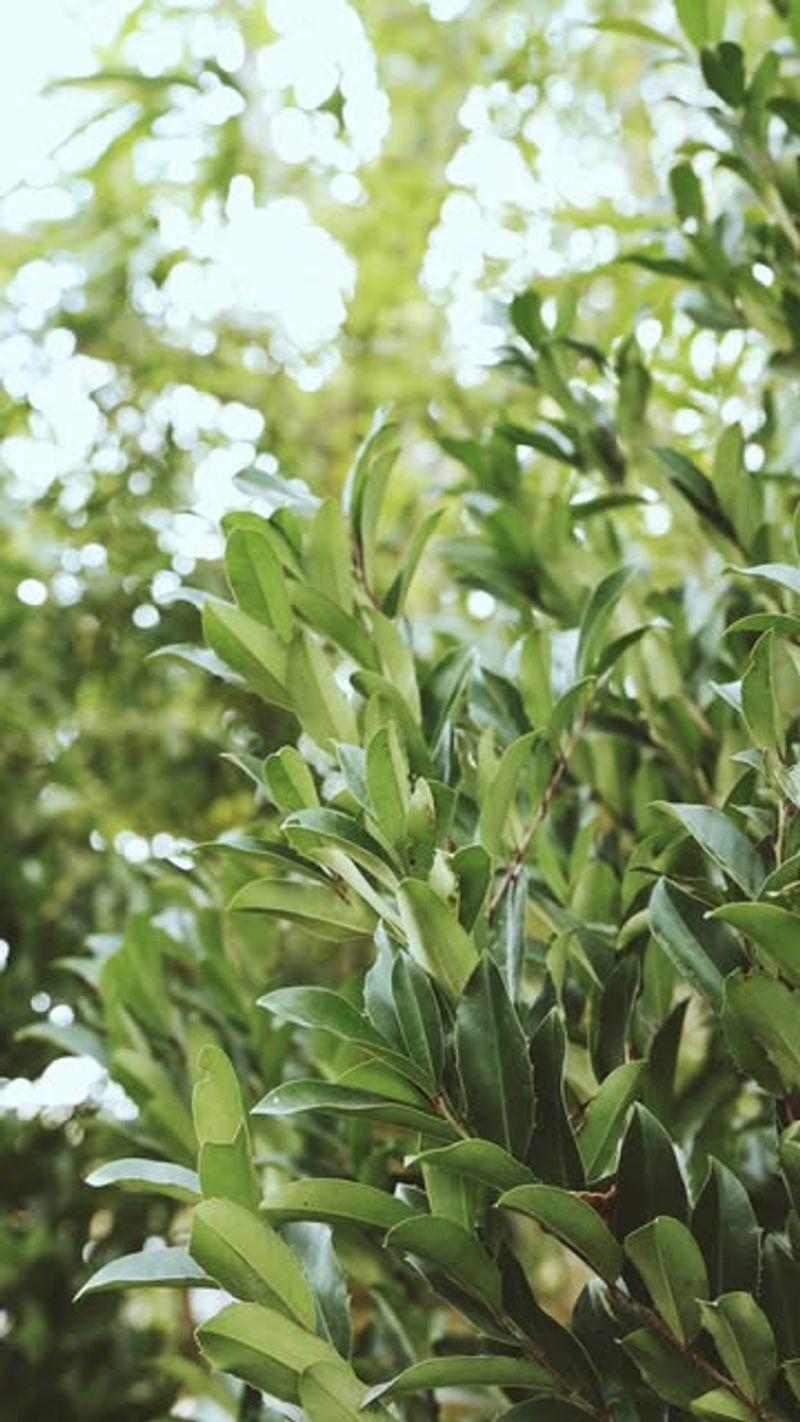
There is something almost elegant about Carolina Cherry-Laurel. Its glossy, deep green leaves give it a polished, refined look that makes any backyard feel more put-together.
If you want privacy and good curb appeal at the same time, this plant delivers both with ease.
Carolina Cherry-Laurel can grow impressively tall if you let it, sometimes reaching up to 40 feet in ideal conditions. Most homeowners keep it trimmed to a more manageable 10 to 15 feet, which is perfect for a full, lush privacy screen.
It responds well to shearing, so you can shape it into a clean formal hedge or let it stay a bit fuller and more natural looking.
This plant does best in East Texas and Central Texas, where soils hold a bit more moisture and conditions are less extreme. It can handle full sun or partial shade, which gives you flexibility when choosing where to plant it in your yard.
Avoid planting it in the driest parts of West Texas, where the soil and heat can be too harsh for it to really thrive.
Once established, Carolina Cherry-Laurel is reasonably drought-tolerant and does not need constant watering. It fills in quickly and creates a thick screen that blocks both views and noise from outside your property.
One small note: the berries and seeds of this plant contain compounds that can be harmful to pets and small children if eaten in large amounts. Plant it in areas where curious little ones and animals are less likely to snack on it.
5. Texas Sage (Cenizo)
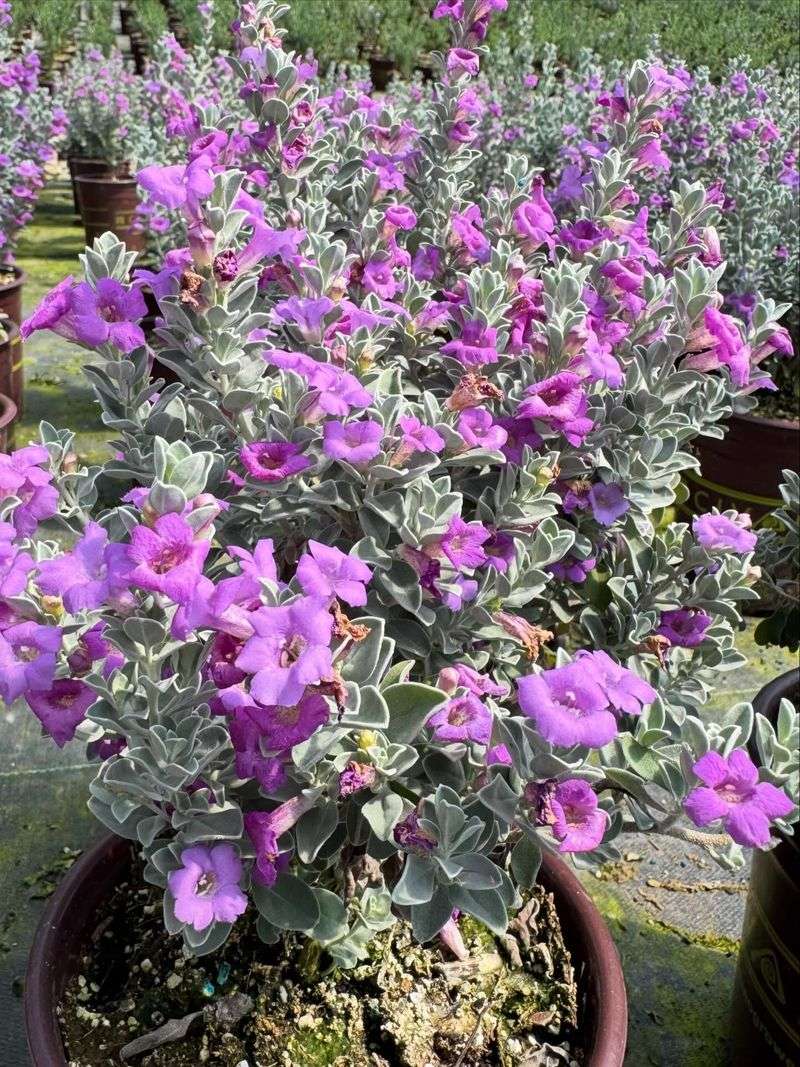
Walk through any neighborhood in San Antonio or El Paso after a summer rain, and you will likely spot Texas Sage bursting into clouds of purple blooms.
Locals call it the barometer bush because it tends to flower right after rainfall or a drop in humidity. That little quirk makes it one of the most charming plants in the Texas landscape.
Texas Sage, also called Cenizo, is built for heat. Its silvery foliage reflects sunlight rather than absorbing it, which helps the plant stay cool even during the most brutal Texas summers.
That same silvery color makes it a beautiful contrast against green lawns, wooden fences, or stone walls in your backyard.
For medium-height privacy, Cenizo is hard to beat. It naturally grows into a dense, rounded shrub that reaches about 4 to 6 feet tall and wide.
No aggressive pruning needed. Just let it do its thing and it will fill in nicely on its own, forming a soft but solid screen between your yard and your neighbors.
Drought tolerance is one of its strongest traits. Once established in your yard, Texas Sage needs very little supplemental watering.
It actually prefers dry, well-drained soils and will struggle if planted somewhere that stays wet. Avoid overwatering, and this plant will reward you with years of low-maintenance beauty.
It is a top pick for Central and West Texas landscapes, where intense sun and dry conditions are the norm. Few plants handle those conditions with as much style as Cenizo does.
6. Evergreen Sumac
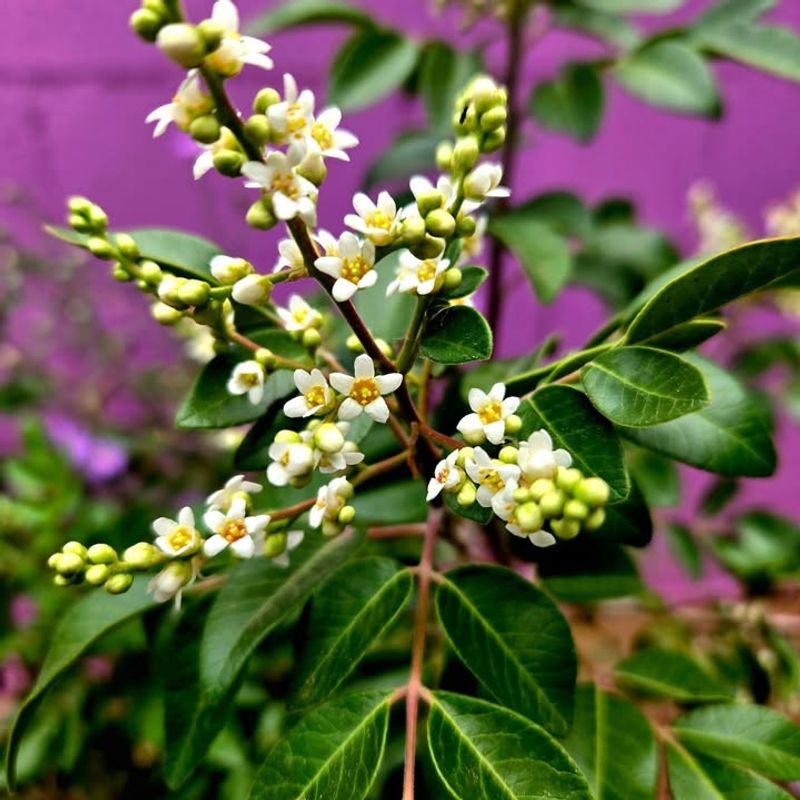
Not enough people know about Evergreen Sumac, and that is a real shame. This native Texas shrub is one of the most underrated privacy plants in the state.
It stays green year-round, handles brutal heat without complaint, and looks naturally full without needing constant trimming or shaping.
Evergreen Sumac grows to about 8 to 10 feet tall and spreads out generously, making it ideal for softening fences or filling in gaps along property lines.
The glossy, dark green leaves give it an attractive appearance that looks polished without being overly formal. It fits right into both naturalistic landscapes and more structured yard designs.
Central and West Texas are where this shrub really shines. Rocky, dry soils are no problem for Evergreen Sumac.
It is perfectly adapted to the native Texas landscape and does not need rich garden soil or frequent watering to stay healthy. Once established, it is remarkably self-sufficient.
In fall, the foliage sometimes takes on hints of red and orange before returning to green. It also produces small red berries that attract birds and other wildlife to your yard. That seasonal interest adds an extra layer of beauty to an already hard-working plant.
Planting Evergreen Sumac along a fence line or property border is a smart, long-term investment in your backyard privacy. It creates a layered, natural-looking screen that feels less like a barrier and more like a living part of the landscape.
For Texas homeowners wanting a low-fuss, high-reward option, this shrub deserves serious consideration.
7. Texas Mountain Laurel
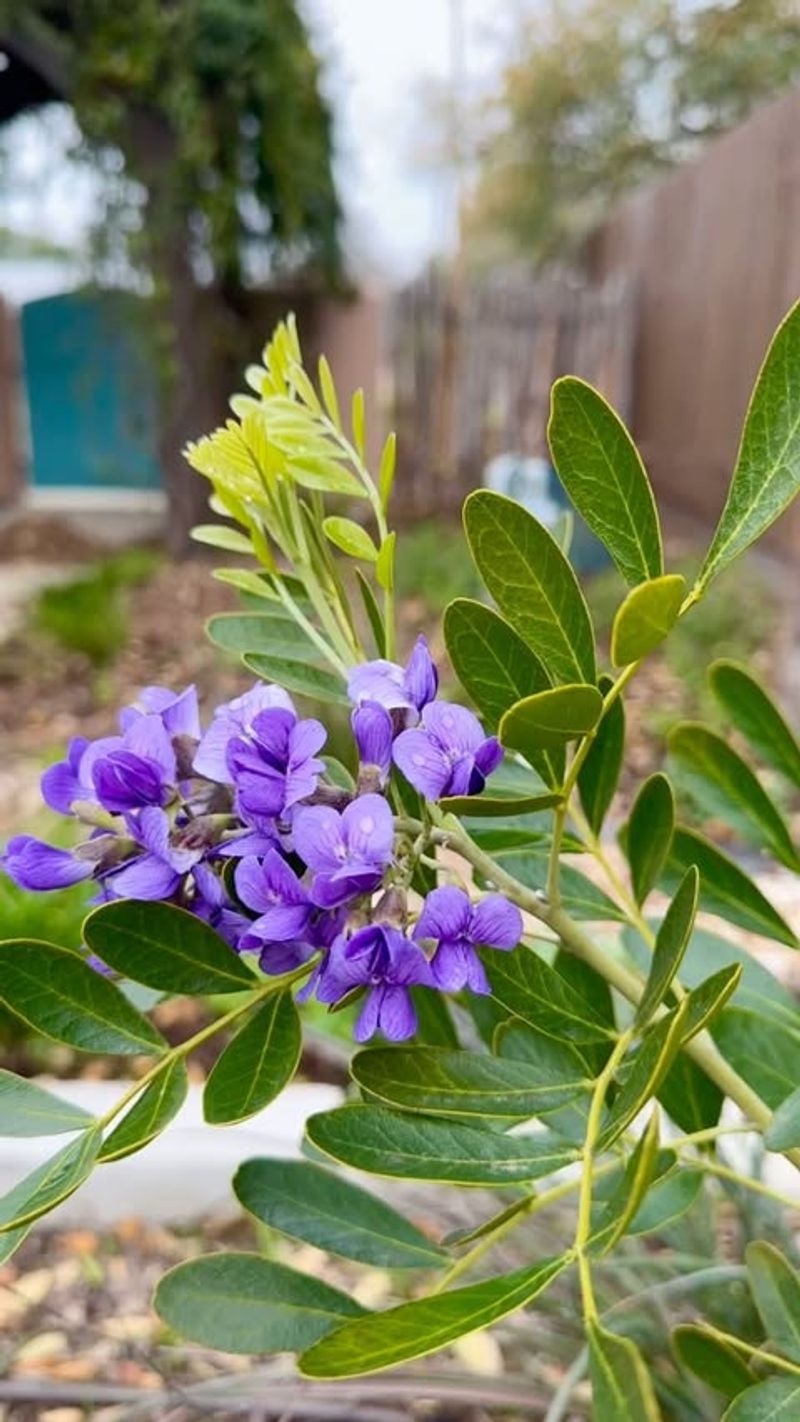
Every spring, Texas Mountain Laurel puts on a show that stops people in their tracks. Clusters of deep purple flowers hang from its branches and release a scent that smells exactly like grape soda.
It is one of those rare moments in gardening where beauty and fragrance come together in a truly unforgettable way.
Texas Mountain Laurel grows more slowly than some of the other plants on this list. Patience is required, especially in the first couple of years.
But once it gets established in your yard, it becomes one of the most durable and long-lasting privacy plants you can own in Texas. The wait is genuinely worth it.
The leathery, dark green leaves stay on the plant year-round, giving you consistent privacy coverage no matter the season. Over time, Texas Mountain Laurel builds into a thick, substantial shrub or small tree that creates real visual depth in your backyard.
It can eventually reach 10 to 15 feet tall, forming a dense, lush screen that looks like it has always been there.
Heat and drought are no match for this plant. Full sun and dry, rocky soils are exactly what it prefers, making it a natural fit for the Hill Country, San Antonio area, and other parts of Central and South Texas. It needs very little water once established and rarely requires fertilizer.
One important note: the bright red seeds inside its pods are toxic if swallowed. Keep that in mind if young children or pets spend time in your yard, and plant it in a spot that limits easy access to the seed pods.