The Best Backyard Shade Solutions For Florida Gardens
Florida backyards look beautiful in photos, but anyone who actually spends time outside knows the truth. By mid-summer, patios feel like frying pans, garden soil dries out fast, and even quick outdoor chores can turn uncomfortable.
Many homeowners end up avoiding their own yards during the hottest hours of the day, even though this is when kids want to play, plants need attention, and family gatherings usually happen.
The good news is that you do not have to accept the heat as unavoidable. Smart shade solutions can change how your backyard feels and functions without requiring major renovations or expensive landscaping projects.
From natural tree cover to simple fabric shade and creative plant placement, small changes can make a noticeable difference.
If you enjoy gardening, hosting friends, or simply relaxing outside, improving backyard shade can make your outdoor space usable again instead of something you escape from during Florida’s hottest months.
1. Why Florida Backyards Need Better Shade
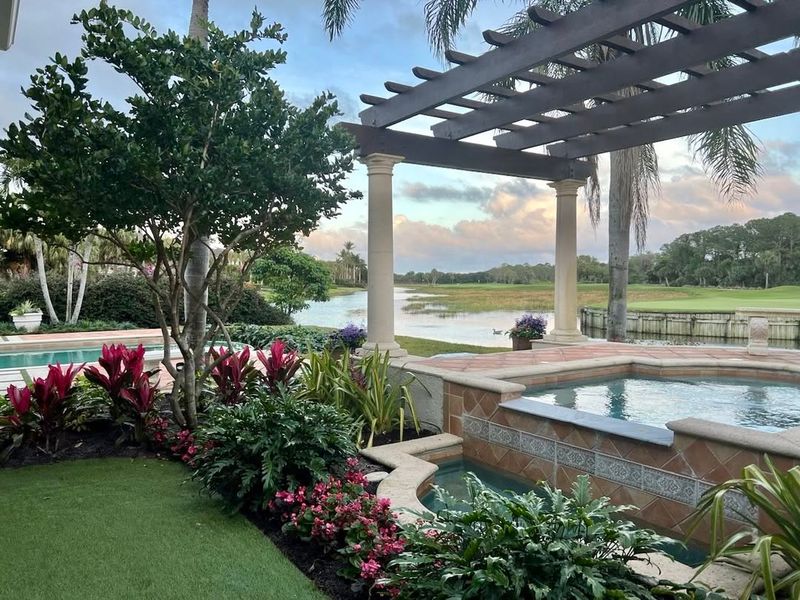
Step outside at two in the afternoon during summer and you’ll understand immediately, Florida heat isn’t just warm, it’s relentless. Your backyard bakes under UV rays that measure higher here than almost anywhere else in the continental United States.
Without adequate shade, patio furniture becomes too hot to touch, grass struggles to stay green, and spending time outdoors feels more like punishment than pleasure.
North Florida experiences slightly cooler winters but still faces scorching summers, while Central and South Florida deal with year-round intensity that never truly backs off.
Shade doesn’t just make your space comfortable, it can reduce surface temperatures by up to 15–20 degrees in shaded areas.
Plants suffer less heat stress, water evaporates more slowly from soil, and your air conditioning doesn’t work as hard cooling a house surrounded by sun-baked concrete.
Smart shade placement also protects your investment in outdoor furniture, prevents wooden decks from warping, and creates microclimates where delicate plants can actually survive Florida conditions.
2. Natural Shade From Trees And Shrubs
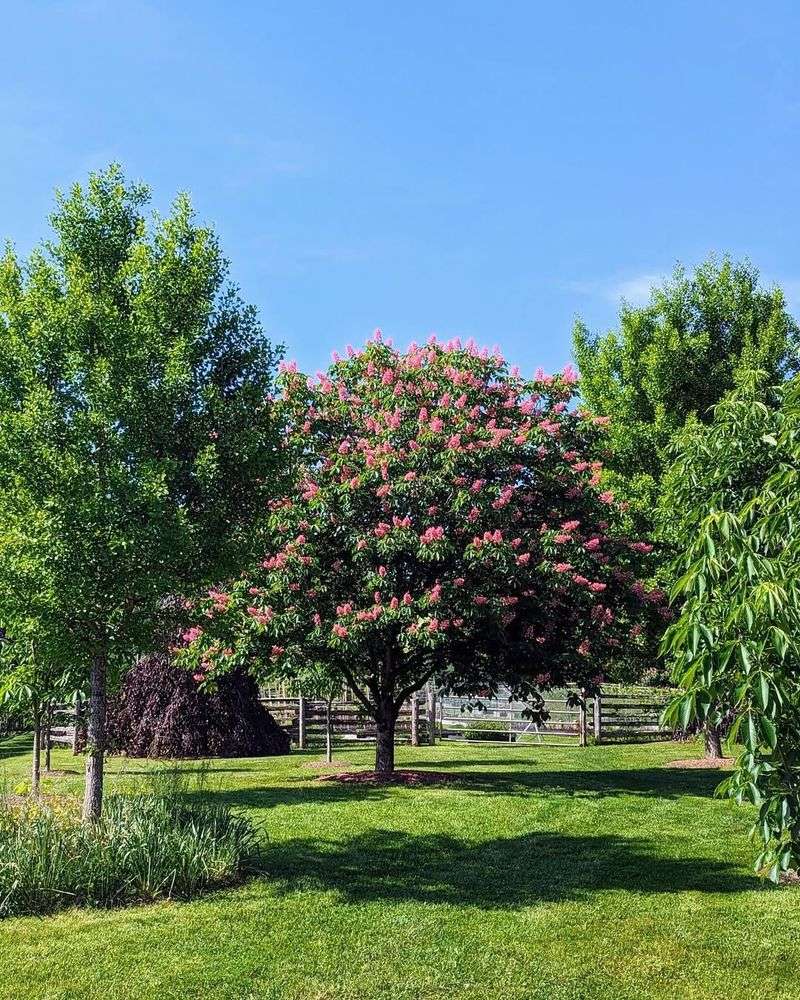
Planting the right tree creates shade that lasts decades and improves with every passing year. Live oaks spread wide canopies that filter sunlight beautifully across North and Central Florida, while mahogany and gumbo limbo trees thrive in South Florida’s tropical conditions.
These native and Florida-friendly species handle hurricanes better than exotic imports and require less maintenance once established.
Positioning matters more than most homeowners realize. Place shade trees on the west and southwest sides of your property where afternoon sun hits hardest.
A single mature tree can shade up to four hundred square feet and lower the temperature beneath its canopy by ten degrees or more.
Shrubs like firebush and Simpson’s stopper create layered shade along fence lines and garden borders, adding privacy while blocking low-angle morning and evening rays.
Young trees take three to five years before providing significant shade, so combine them with faster solutions while you wait. The long-term payoff makes this investment worthwhile for any homeowner planning to stay put.
3. Fast Shade Solutions For Immediate Relief
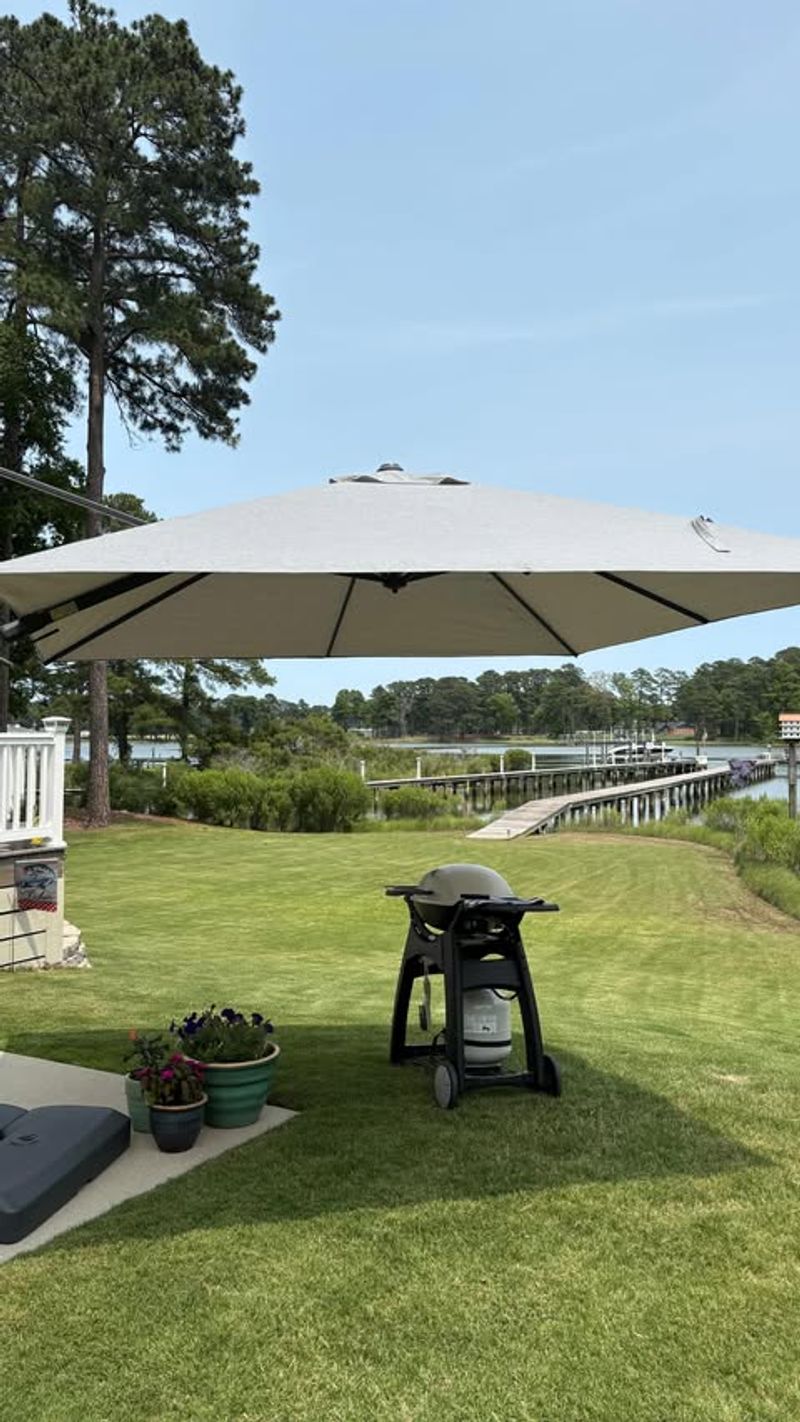
Sometimes you need shade now, not five years from now when your sapling finally grows tall. Shade sails stretched between posts or mounted to your house create instant relief and look modern without feeling temporary.
These UV-resistant fabric triangles or rectangles angle downward to shed rain while blocking up to ninety-five percent of harmful rays—perfect for Florida’s combination of sun and sudden afternoon storms.
Cantilever umbrellas provide movable shade that follows the sun throughout the day, and they fold away during hurricane season when anything loose becomes dangerous.
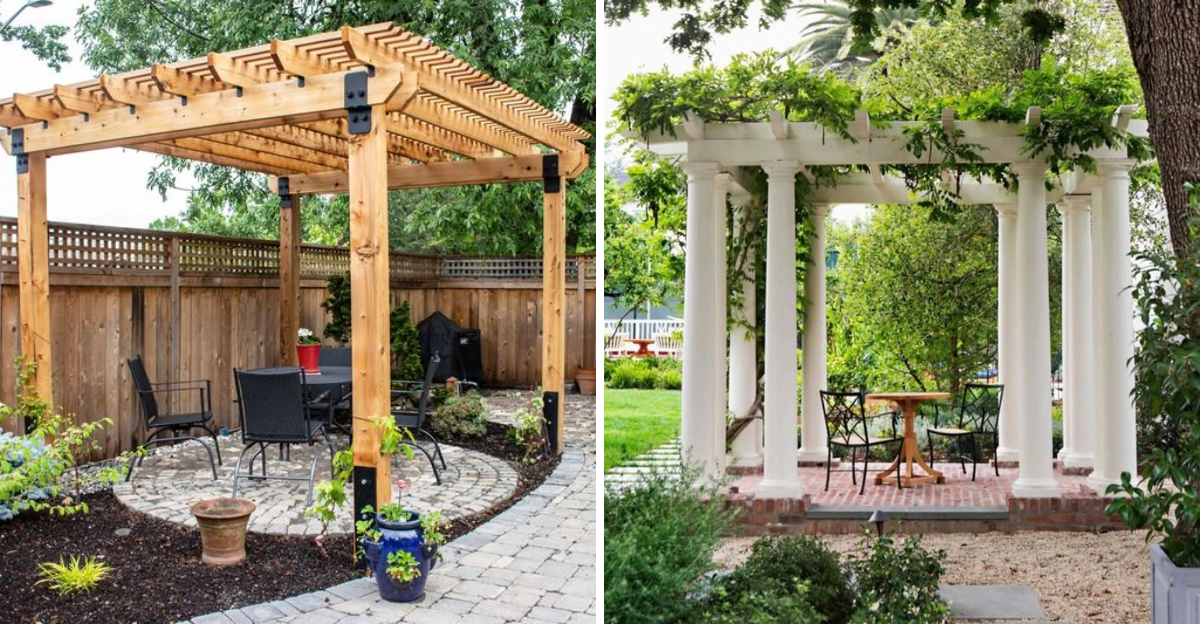
Pergolas topped with retractable canopies give you control over how much sun reaches your patio, adjusting coverage as seasons change and temperatures shift.
For budget-conscious homeowners, simple pop-up canopies work surprisingly well for temporary events or while you’re planning permanent solutions.
These options install quickly, cost less than major landscaping projects, and deliver cooling comfort the same week you set them up. Pair them with natural shade strategies for complete coverage that works immediately and improves over time.
4. Living Shade With Vines And Trellises
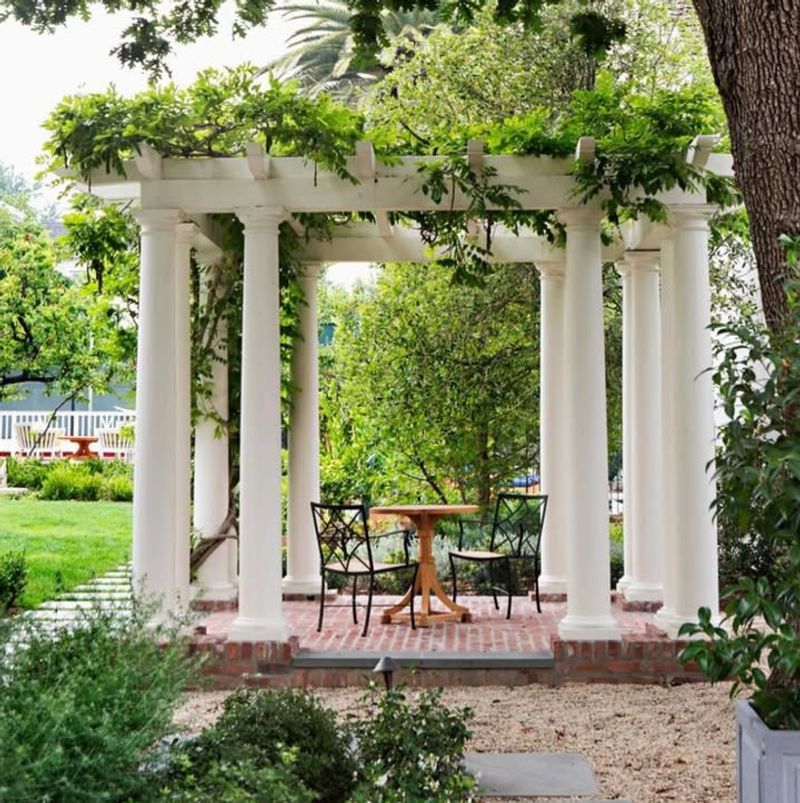
Vines climb upward fast, turning bare structures into living walls that filter sunlight while adding lush greenery your neighbors will admire. Coral honeysuckle attracts hummingbirds and butterflies while scrambling over arbors and fences throughout Florida.
Passionflower vines produce stunning blooms and edible fruit, thriving in full sun once established and creating dense shade within a single growing season.
Trellises positioned along west-facing walls block afternoon heat before it penetrates your home, reducing cooling costs noticeably during summer months. Jasmine varieties release fragrance during evening hours when you’re most likely enjoying your backyard, combining sensory pleasure with practical shade.
For vegetable gardeners, training pole beans or cucumbers up vertical supports creates temporary shade for heat-sensitive crops growing below.
Maintenance stays minimal with Florida-adapted vines. Occasional pruning keeps growth under control, and established plants handle dry spells better than most flowering annuals.
This approach works especially well in smaller yards where large trees would overwhelm the space but vertical shade makes perfect sense.
5. Shade For Patios And Seating Areas
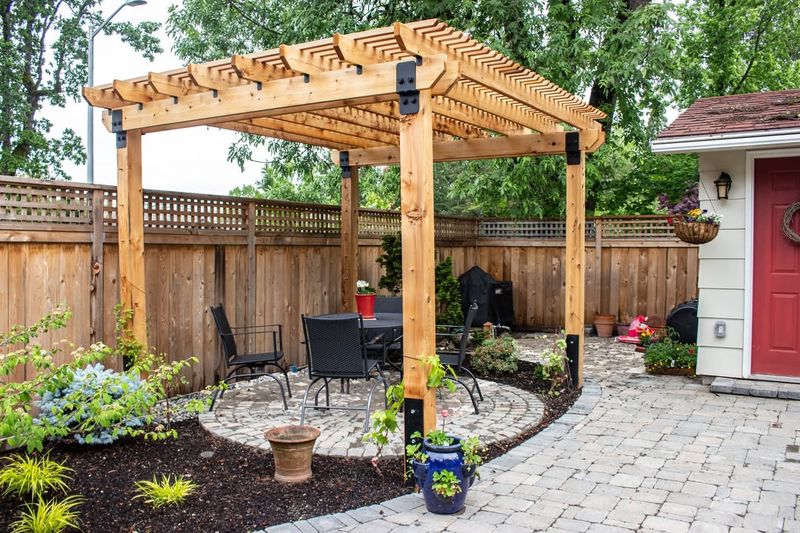
Your patio should feel like an outdoor room, not a solar oven, which means prioritizing shade where you actually spend time sitting and eating.
Permanent roof extensions match your home’s architecture while providing reliable protection from both sun and rain, essential for Florida’s unpredictable weather patterns.
These structures increase your home’s usable square footage and boost property value when built with quality materials and proper permits.
Freestanding pavilions work beautifully when your patio sits away from the house, creating defined gathering spaces surrounded by garden beds.
Ceiling fans mounted underneath circulate air and make even hot days feel more comfortable, turning your shaded patio into the coolest spot in the yard.
For flexibility, consider pergolas with adjustable louvers that tilt to control sunlight angle throughout the day and across seasons.
Position seating areas on the north or east side of your property when possible, where natural shade arrives earlier and lasts longer. Adding outdoor curtains to pergola sides blocks low-angle sun during morning and evening hours without feeling closed-in.
6. Cooling Effect Of Groundcovers And Mulch
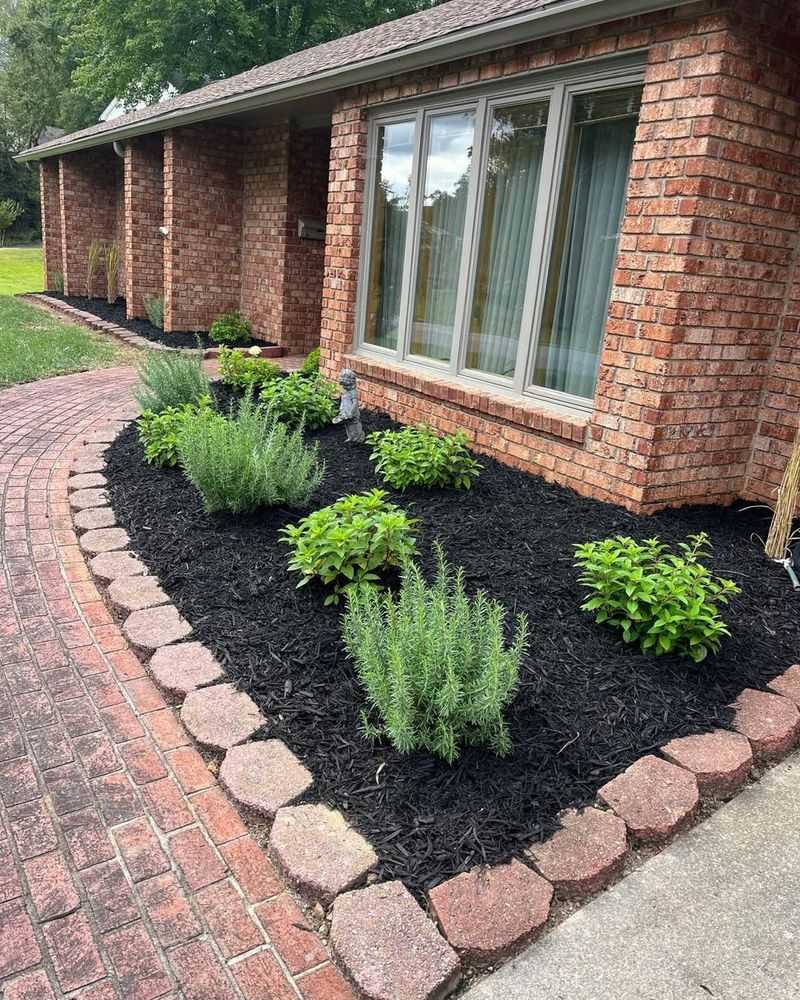
Bare soil and exposed rock radiate stored heat long after the sun sets, keeping your backyard uncomfortably warm well into evening hours.
Low-growing groundcovers like perennial peanut and sunshine mimosa spread quickly across open areas, creating living carpets that stay significantly cooler than grass or bare ground.
These Florida-adapted plants require minimal mowing, handle foot traffic reasonably well, and stay green through dry periods that turn lawns brown.
Mulch applied three to four inches deep around trees, shrubs, and garden beds moderates soil temperature while retaining moisture that would otherwise evaporate in minutes under direct sun.
Pine bark, eucalyptus, and melaleuca mulches work well in Florida and break down slowly, feeding your soil as they decompose.
The temperature difference between mulched and unmulched areas can reach twenty degrees on hot afternoons. It’s significant when you’re trying to establish new plants.
This ground-level shade strategy costs little but delivers measurable cooling across your entire property. Combine it with overhead shade for maximum comfort and plant health improvement.
7. How Shade Needs Change Across Florida
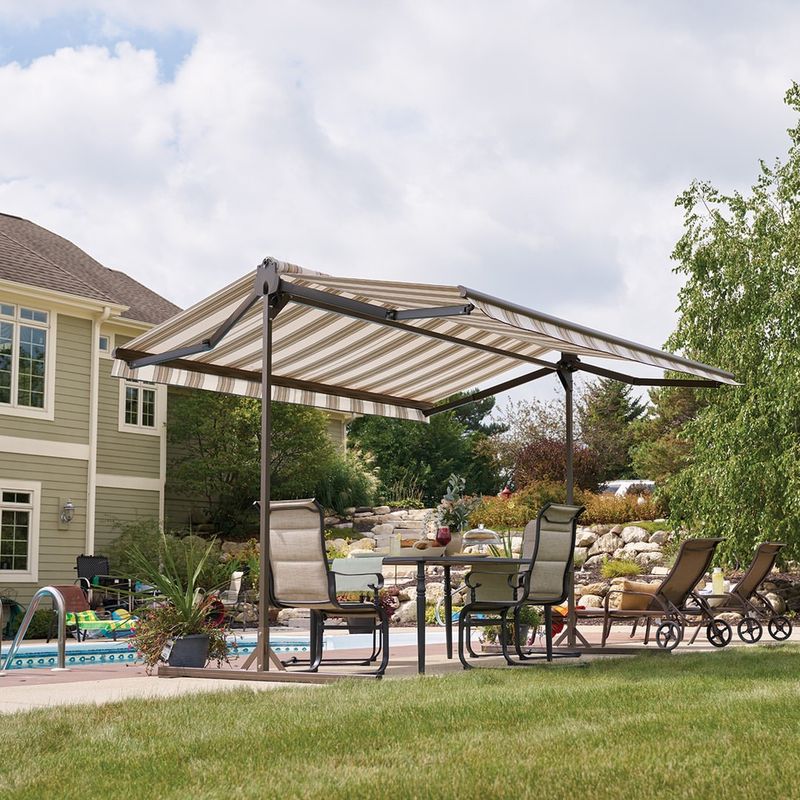
Florida stretches nearly five hundred miles from Pensacola to Key West, and shade strategies that work perfectly in Jacksonville might struggle in Miami’s tropical heat.
North Florida sits in USDA zones 8b and 9a, experiencing occasional freezes that limit plant choices but also providing winter relief from constant sun exposure.
Here, deciduous shade trees make sense because they drop leaves in winter, allowing warming sunlight through when you actually want it.
Central Florida’s zone 9b climate stays warmer year-round, meaning shade remains important even during January and February when northern neighbors enjoy cooler temperatures.
South Florida’s zones 10a through 11a face relentless tropical sun that demands maximum shade coverage twelve months annually, winter offers no real break from UV intensity.
Coastal properties throughout Florida deal with salt spray and hurricane winds that limit which shade structures and plants will survive long-term.
Understanding your specific location helps you choose solutions that match local conditions rather than fighting against Florida’s climate diversity. Check University of Florida IFAS Extension resources for region-specific recommendations.
8. Design Mistakes That Reduce Shade Effectiveness
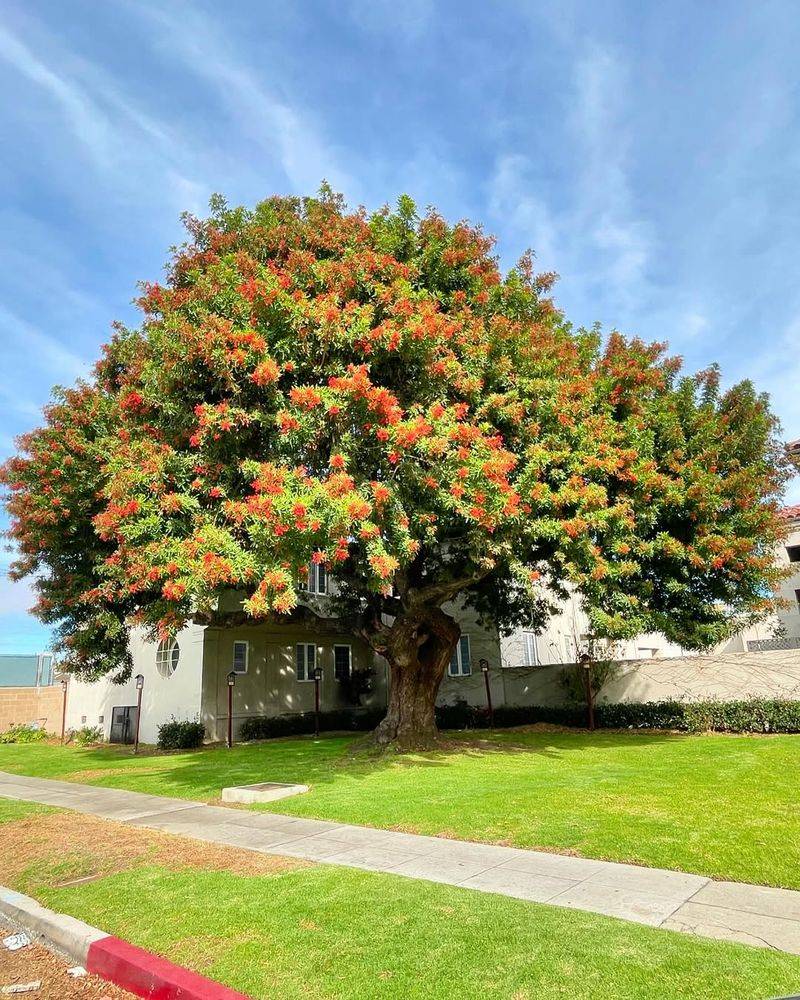
Homeowners often position shade structures where they look good rather than where sun actually hits hardest, wasting money on solutions that don’t solve the real problem.
Afternoon sun from the west carries the most intense heat, yet many patios face south or east where morning light arrives gentle and less threatening.
Measure where shadows fall during the hottest part of the day before committing to permanent installations.
Planting trees too close to your house creates future problems with roots damaging foundations and branches threatening roofs during storms, position large shade trees at least fifteen to twenty feet away from structures.
Choosing the wrong tree species leads to disappointment when beautiful specimens from other climates struggle in Florida humidity or require constant pest management.
Another common mistake involves installing solid shade that blocks cooling breezes, making spaces feel stuffy despite lower temperatures.
Overcrowding plants beneath shade structures prevents air circulation and encourages fungal diseases that thrive in Florida’s damp conditions. Space matters as much as coverage when designing comfortable outdoor areas that actually stay usable.
9. What Homeowners Notice After Adding Shade
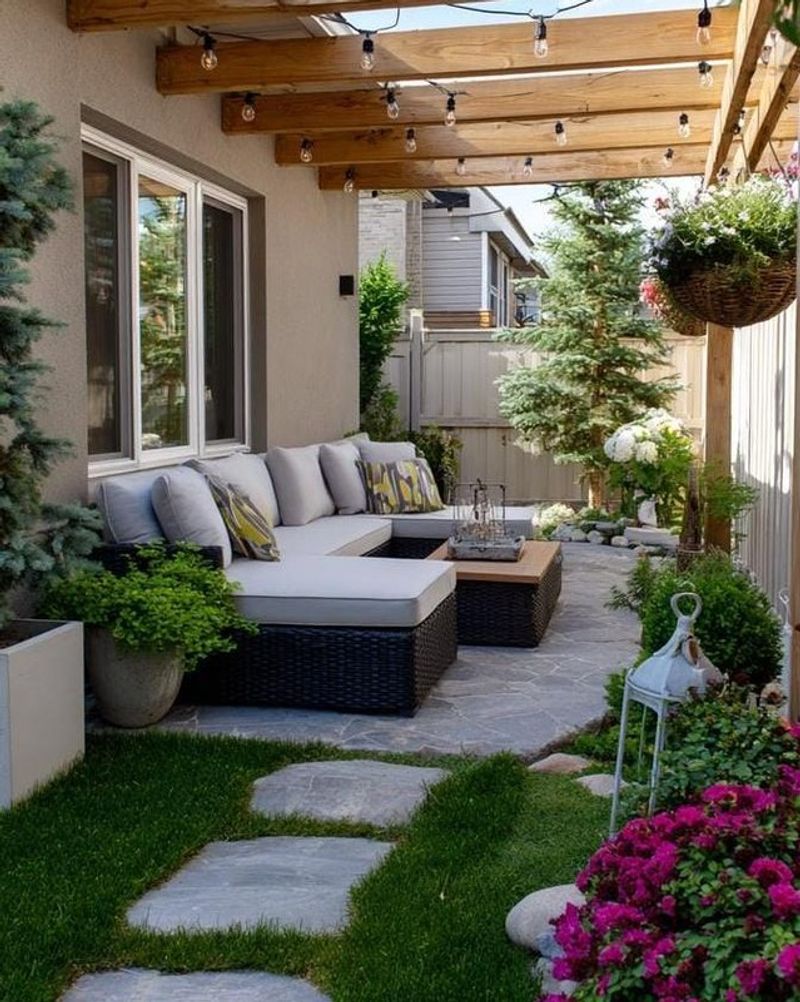
The first thing you’ll notice is how much more time your family spends outside once shade makes your backyard genuinely comfortable.
Kids play longer without overheating, pets actually use the yard during afternoon hours, and evening gatherings start earlier because the space cools down faster after sunset.
Your utility bills drop measurably when shade trees and structures block direct sun from hitting your home’s walls and windows. Some homeowners report cooling cost reductions of fifteen to thirty percent.
Plants that barely survived before suddenly thrive when protected from Florida’s harshest rays, and your lawn stays greener with less watering because shade slows evaporation dramatically.
Outdoor furniture lasts years longer when protected from constant UV exposure that fades fabrics and cracks plastic.
Neighbors start asking questions about your landscape improvements, and your property value increases because buyers recognize the difference between a generic yard and a thoughtfully designed outdoor living space.
Most importantly, you’ll rediscover why you wanted a backyard in the first place. Shade transforms Florida gardens from spaces you avoid into places you actually enjoy.