This Free Mulch Can Help Oregon Gardens Before Summer Heat Sets In
Summer heat can sneak up on Oregon gardens fast, especially once those cool, drizzly days start packing their bags. Before the soil turns dry and cranky, there’s one free garden helper worth grabbing: wood chips mulch.
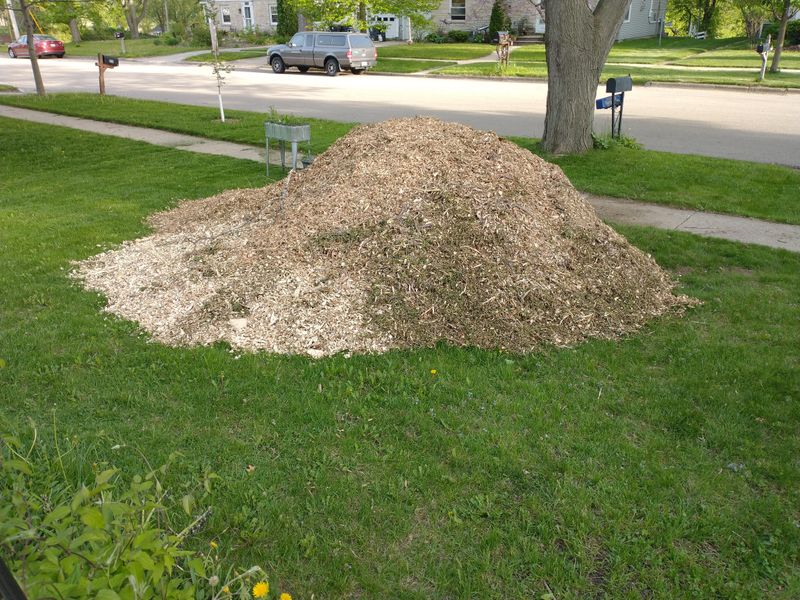
Many Oregon gardeners can score them through local tree services, utility trimming crews, neighborhood chip drops, or municipal programs, and they’re basically a cozy blanket for thirsty beds.
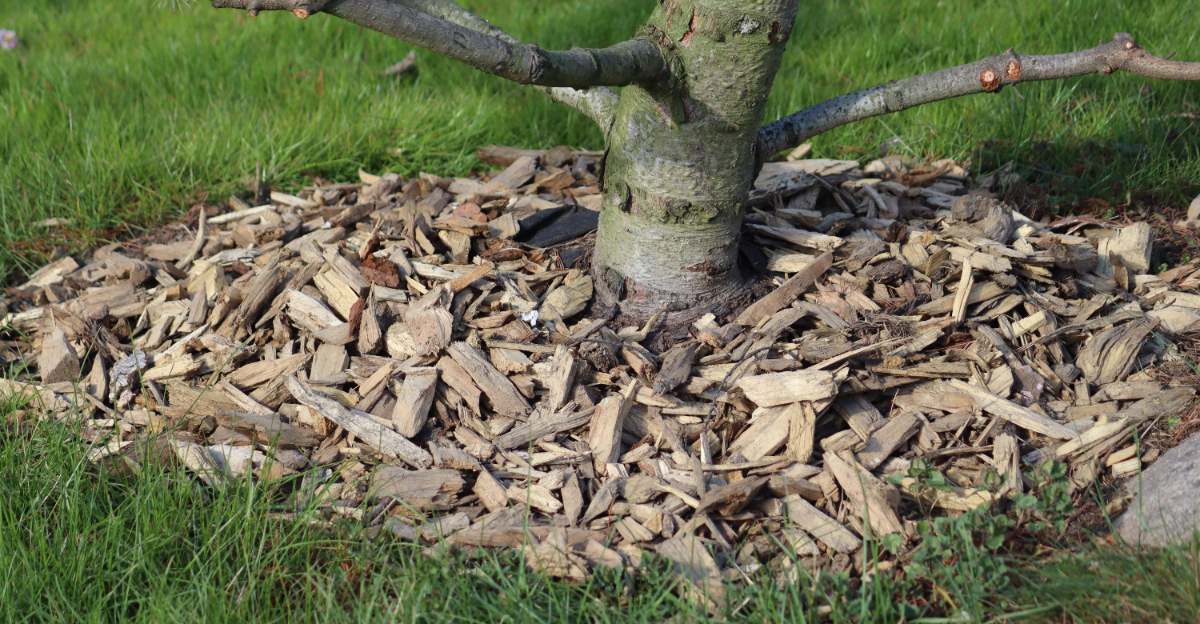
Spread over bare soil, wood chips help slow evaporation, cool plant roots, soften the blast of summer sun, and make weeds work a whole lot harder.
They also break down over time, adding organic matter that keeps soil happier year after year. Not bad for something that might otherwise get hauled away.
Give your garden a good drink first, lay the chips a few inches deep, and keep them away from plant stems. Your future summer garden will absolutely send a thank-you note.
1. What Are Wood Chips?
Walk past any tree trimming crew in Oregon and you will likely see a chipper machine grinding branches into small pieces. Those small pieces are wood chips, and they are one of nature’s most useful garden materials.
Wood chips are made from shredded tree branches, bark, and sometimes leaves. They come in different sizes and colors depending on the type of tree used.
Unlike store-bought mulch that is dyed or processed, fresh wood chips are natural and full of organic material. As they break down slowly over time, they feed the soil with nutrients.
This makes them a two-in-one tool: they protect your garden now and improve your soil later.
Many Oregon gardeners confuse wood chips with sawdust or bark nuggets. Wood chips are chunkier and more varied in texture.
That uneven texture is actually a good thing. It lets air and water pass through easily.
Sawdust, on the other hand, can compact and block water flow. Wood chips from tree services are often the freshest and most beneficial option for gardens across Oregon.
2. Why Oregon Gardens Need Them
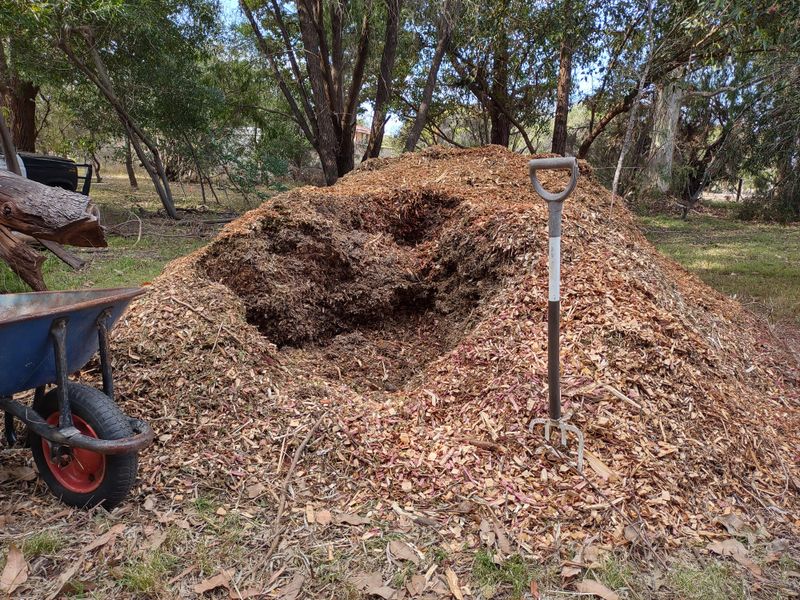
Oregon has a unique climate that makes wood chip mulch especially valuable. Wet winters leave soil soggy and compacted, while dry summers can bake the ground hard.
That swing between wet and dry is tough on plants. Mulch helps balance both extremes by regulating soil moisture and temperature throughout the year.
In the Willamette Valley, summers can bring weeks with little to no rain. Without mulch, the top layer of soil loses moisture fast.
Plants end up stressed, wilted, and struggling to produce. A good layer of wood chips acts like a blanket, slowing evaporation and keeping roots cool even on the hottest days.
Weeds are another big problem in Oregon gardens. When bare soil is exposed to sunlight, weed seeds sprout quickly and compete with your plants for water and nutrients.
Wood chips block that sunlight and make it much harder for weeds to take hold. Oregon gardeners who mulch their beds regularly report spending far less time pulling weeds each season.
That means more time enjoying the garden and less time fighting it.
Your Oregon Garden Changes Every Week. Your Plan Should Too.
Gardening in Oregon changes quickly throughout the season. Every Friday you’ll receive a simple weekly plan showing exactly what to plant, prune, fertilize, harvest, and protect so you never miss the right timing.
3. Where To Get Them Free
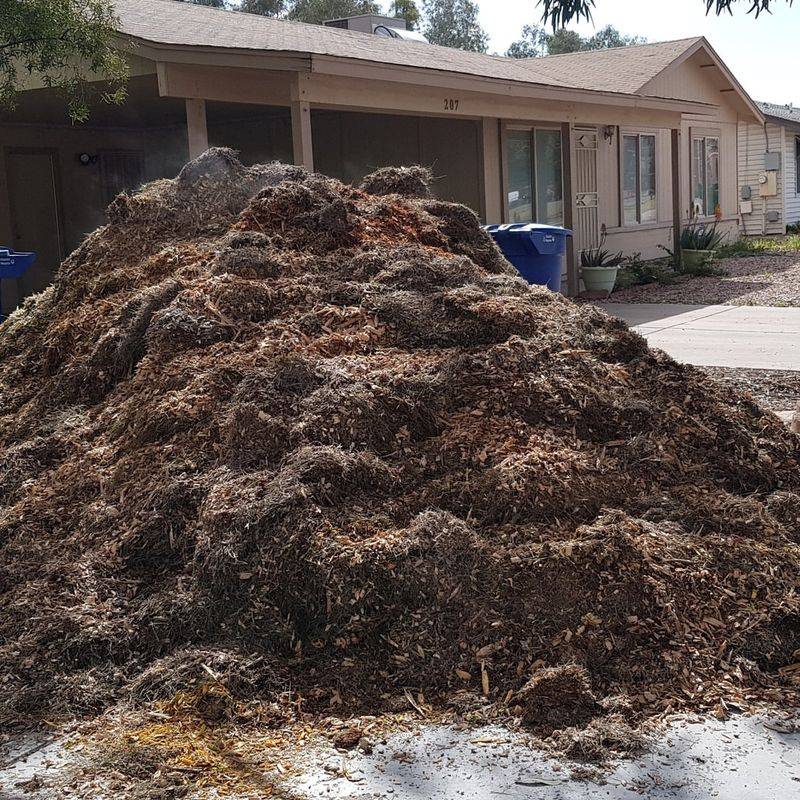
Getting free wood chips in Oregon is easier than most people think. One of the best ways is to contact local tree trimming companies directly.
These businesses often need to get rid of their wood chips quickly, and they are usually happy to drop a load at your home for free. It saves them a trip to the dump and saves you money.
Chip Drop is a free online service that connects tree services with gardeners who want wood chips. You sign up, enter your Oregon address, and wait for a crew to drop off a load.
Loads can be large, sometimes up to 15 cubic yards, so make sure you have space for them. The wait time varies, but many Oregon users report getting a delivery within a few weeks.
You can also check with your local Oregon city or county government. Many municipalities in cities like Salem, Corvallis, and Bend offer free or low-cost compost and wood chip programs.
Community gardens sometimes have shared piles too. Craigslist and Facebook Marketplace often have free listings from homeowners who had trees trimmed and ended up with more chips than they needed.
4. How Thick To Spread Them
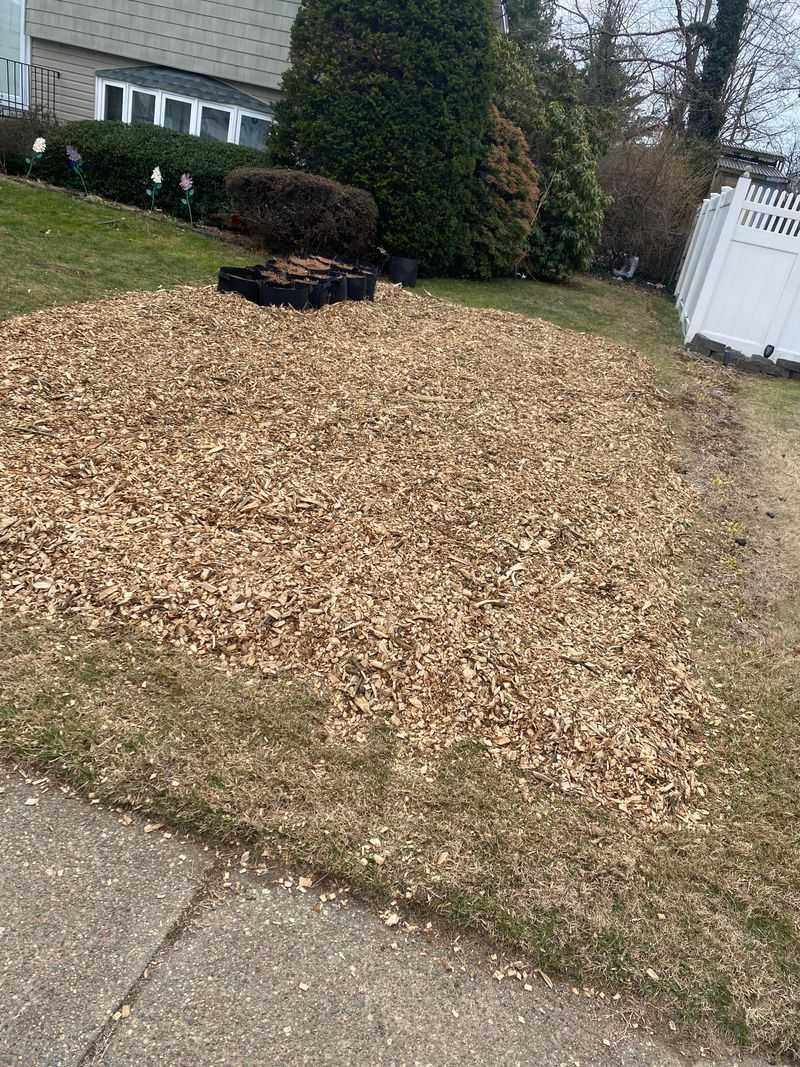
Spreading wood chips correctly makes a big difference in how well they work. Too thin and they will not block weeds or hold moisture effectively.
Too thick and they can prevent water from reaching the roots. Finding the right depth is key to getting the most out of your free mulch.
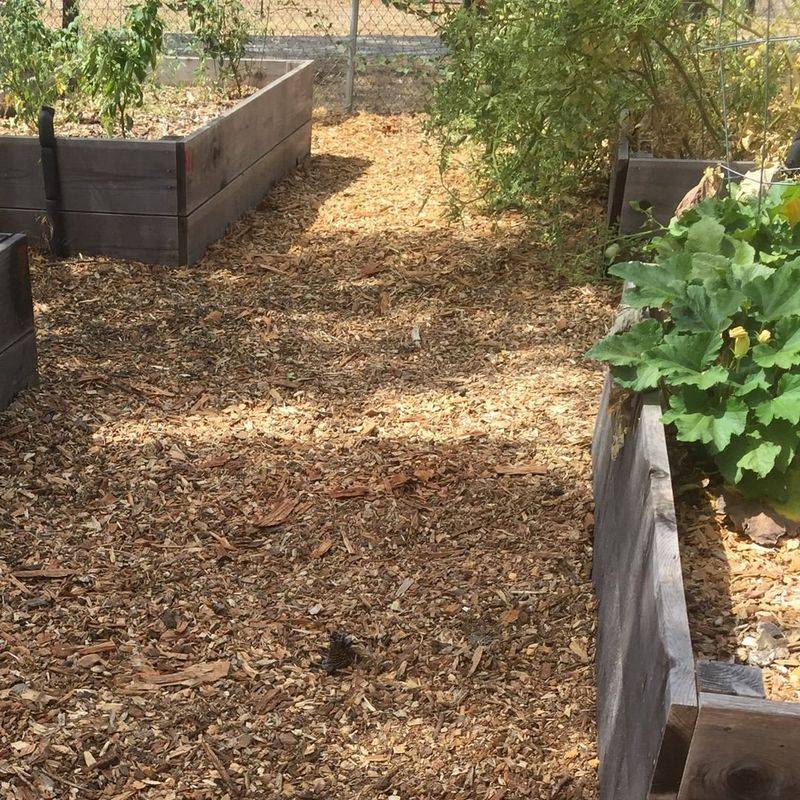
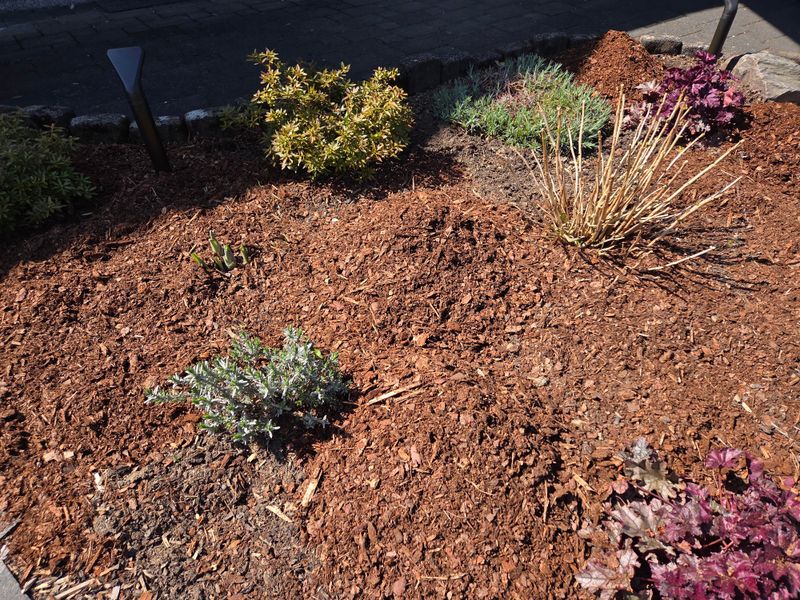
For most Oregon garden beds, a layer of three to four inches is ideal. This depth is thick enough to suppress weeds and slow evaporation but still allows rain and irrigation water to soak through to the roots below.
When you apply the chips, spread them evenly across the bed using a rake or your hands.
One important rule is to keep wood chips away from the base of plant stems and tree trunks. Piling chips directly against stems can trap moisture and lead to rot.
Leave a small gap of two to three inches around each stem. This is sometimes called volcano mulching when done wrong, and it is one of the most common mistakes Oregon gardeners make.
Refresh your mulch layer each spring as the chips break down and the layer gets thinner over time.
5. Best Plants To Mulch First
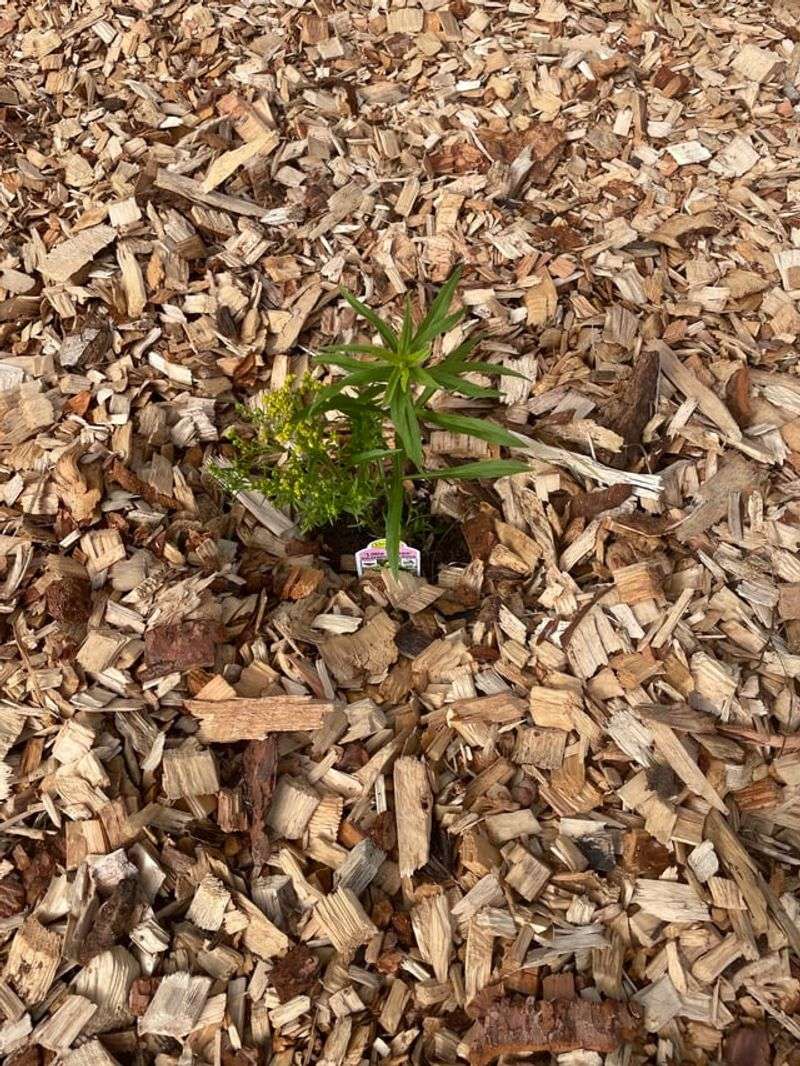
Not every plant benefits equally from wood chip mulch, but most garden favorites in Oregon respond very well to it. Fruit trees are at the top of the list.
Apples, pears, and cherries that grow well in Oregon benefit greatly from a wide ring of mulch around their base. It keeps roots cool, reduces competition from grass, and slowly feeds the soil as the chips break down.
Blueberries are another top priority. Oregon is a major blueberry-growing state, and these plants love acidic, moist soil.
Wood chips help maintain soil moisture and, as they decompose, they can slightly lower soil pH, which blueberries prefer. Mulching blueberry bushes before summer heat arrives can noticeably improve berry production.
Vegetable gardens also benefit a lot from wood chip mulch, especially tomatoes, peppers, and squash. These warm-season crops need consistent moisture and hate having their roots baked by the sun.
Roses, perennial flowers, and shrubs throughout Oregon landscapes are also great candidates. Mulch them first if they are in full sun or in areas where the soil tends to dry out quickly between waterings.
6. When To Apply Before Summer
Timing matters when it comes to mulching. The best window for Oregon gardeners is late spring, typically from mid-April through May.
By this point, the soil has warmed up enough to support plant growth, but summer heat has not yet set in. Applying mulch during this window gives your garden the best protection heading into the dry season.
If you mulch too early in the year, you risk trapping cold, wet soil under the chips. Cold soil slows root growth and can hold excess moisture that some plants do not tolerate well.
Waiting until the soil feels slightly warm to the touch is a good rule of thumb before spreading your chips.
Once Oregon temperatures start climbing into the 70s and 80s consistently, the window is closing fast. Mulching after the soil has already dried out is less effective because you are locking in dry conditions rather than moist ones.
Try to mulch right after a rain event when the soil is damp but not waterlogged. That way you are trapping moisture in from the start.
A well-timed application in spring can carry your Oregon garden through the driest months with far less watering needed.
7. Mistakes To Avoid
Even free mulch can cause problems if it is not applied correctly. One of the biggest mistakes Oregon gardeners make is using fresh wood chips directly on vegetable beds.
Fresh chips can temporarily tie up nitrogen in the soil as they begin to break down. This can slow plant growth.
Aged or partially composted chips are better for annual vegetable gardens.
Another common error is applying mulch over dry soil. If your garden bed is already parched, water it well first and then apply the chips on top.
Mulching dry soil just seals in the drought conditions and makes it harder for water to penetrate later. Always check soil moisture before you start spreading.
Watch out for sourcing chips from unknown trees that may have been treated with herbicides or that came from diseased wood. In Oregon, black walnut trees produce chips that can harm many garden plants.
Ask the tree service what type of trees the chips came from if you can. Also, avoid piling mulch against fences or structures where moisture can cause wood to rot over time.
With a few simple precautions, free wood chips are one of the safest and most rewarding things you can add to any Oregon garden this season.