The Best Evergreen Shrubs For Western Oregon Landscapes
Western Oregon knows how to keep gardeners on their toes. The winters are mild and wet, the summers can turn surprisingly dry, and plants that look amazing in one season sometimes sulk in the next.
That is where evergreen shrubs really earn their place. They keep the garden looking full, grounded, and pulled together even when everything else is taking a little seasonal breather.
Pretty helpful, right? A good evergreen shrub can soften a fence, frame a walkway, screen an awkward view, and add texture that keeps the whole space interesting month after month.
Western Oregon also gives gardeners plenty to work with, thanks to its mix of shady corners, sunny borders, sloped yards, and compact planting spaces.
With the right picks, you can build a landscape that still looks lively in the rainy season and still holds its shape when summer dryness rolls in.
That is a pretty great return for one plant.
1. Oregon Grape Brings Year-Round Northwest Character
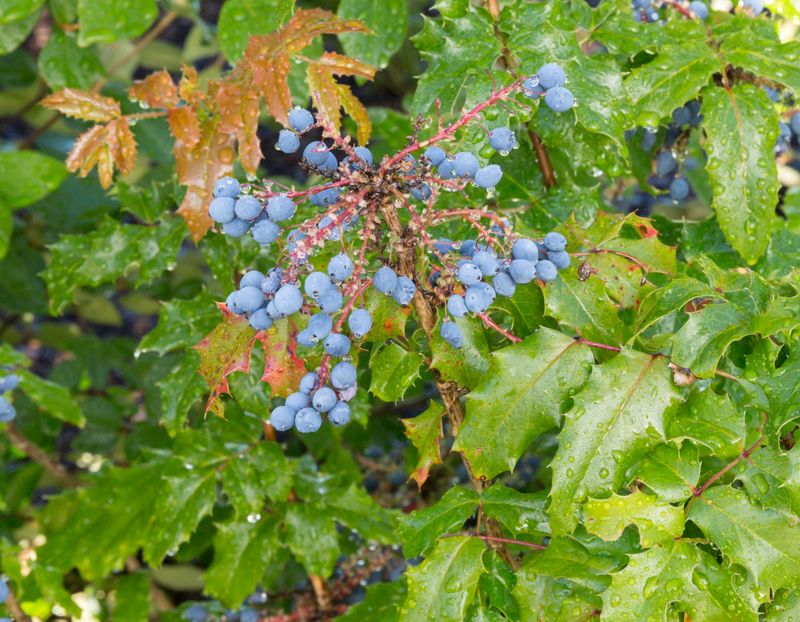
Few plants feel as naturally at home in Western Oregon as Oregon Grape. With its bold, holly-like leaves, clusters of bright yellow spring flowers, and dusty blue-purple berries that follow in summer, this native shrub earns its place in landscapes across the region.
It carries a rugged, woodsy character that blends beautifully into naturalistic plantings and more formal garden designs alike.
Oregon Grape tolerates the heavy rainfall of Western Oregon winters without complaint, and once established, it handles the dry summers that catch many gardeners off guard.
It grows well in full sun or partial shade, making it flexible enough for a range of spots around the home.
Taller varieties like Mahonia aquifolium can reach six to eight feet and work well as informal screens or background shrubs, while compact selections stay tidy near entryways or along pathways.
The foliage often takes on attractive bronze or reddish tones in winter, adding seasonal interest when other plants look dull.
Birds are drawn to the berries, so planting Oregon Grape near a window gives you a front-row seat to wildlife activity through the colder months.
Pruning is rarely urgent, but removing older canes occasionally helps keep the plant looking its best.
For gardeners who want a low-maintenance, locally connected shrub that genuinely belongs in the Western Oregon landscape, Oregon Grape is a reliable and rewarding choice worth considering.
2. Rhododendron Delivers Classic Evergreen Presence
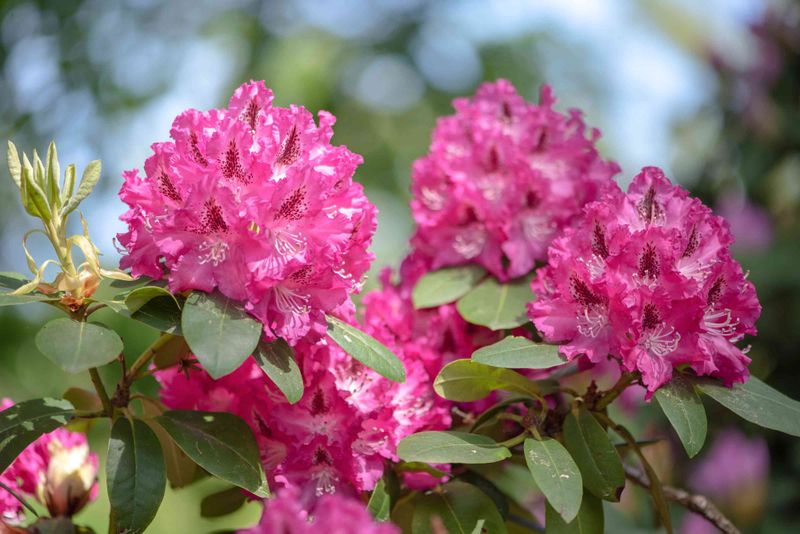
Walk through almost any established Western Oregon neighborhood in spring and you will likely spot at least one rhododendron putting on a show. These shrubs have become almost synonymous with Pacific Northwest gardening, and for good reason.
They offer large, leathery evergreen leaves that look handsome year-round and produce spectacular flower clusters in shades ranging from soft white and pale pink to deep red and rich purple.
Rhododendrons prefer the acidic, well-drained soils that are common in many parts of Western Oregon, which gives them a natural advantage in the region.
They do best with some protection from harsh afternoon sun, making them well-suited to the dappled shade found under tall conifers or on the north side of a house.
Your Oregon Garden Changes Every Week. Your Plan Should Too.
Gardening in Oregon changes quickly throughout the season. Every Friday you’ll receive a simple weekly plan showing exactly what to plant, prune, fertilize, harvest, and protect so you never miss the right timing.
Good drainage matters more than most gardeners realize, as roots sitting in soggy soil through a long Western Oregon winter can cause serious problems over time.
Sizes vary widely depending on the variety. Some selections stay compact at three to four feet, while others can eventually reach ten feet or more, so choosing the right size for your space upfront saves a lot of pruning effort later.
Rhododendrons work beautifully as foundation plantings, woodland garden anchors, or informal hedges. Feeding once a year with an acid-forming fertilizer in early spring tends to keep the foliage looking rich and green.
For classic evergreen presence in a Western Oregon landscape, few shrubs match the rhododendron’s long track record.
3. Camellia Adds Glossy Leaves And Seasonal Elegance
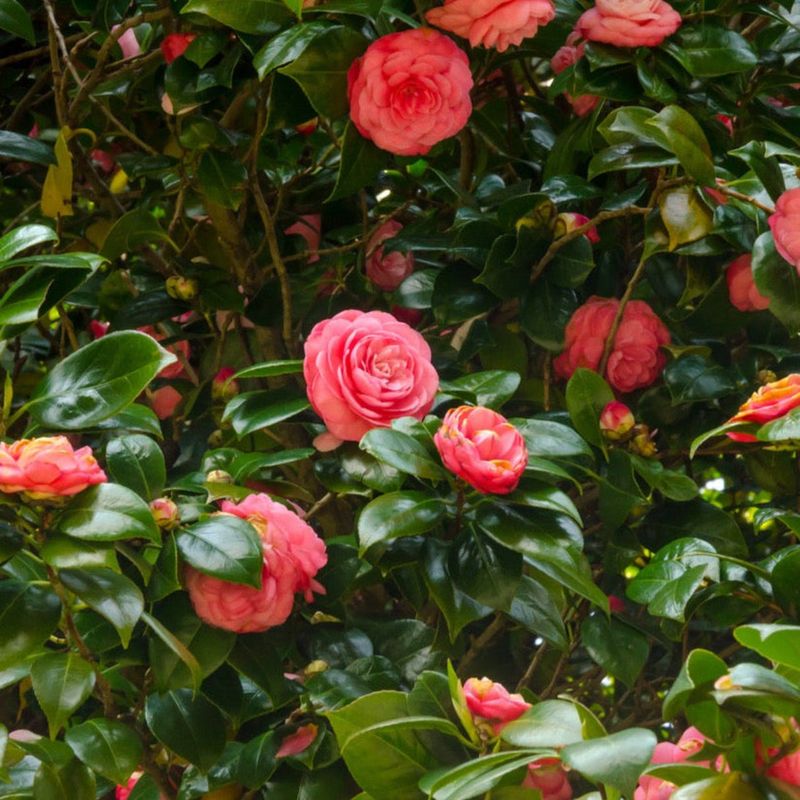
Camellias have a quiet confidence about them. Their leaves stay a rich, deep green through every season, catching light in a way that makes the shrub look polished even when nothing is blooming.
Then, when late fall or winter arrives and most of the garden has gone quiet, camellias open their flowers in shades of white, pink, red, and everything in between, offering a welcome burst of color during the dreariest stretch of the Western Oregon year.
Western Oregon’s mild winters are one reason camellias perform so reliably here. Hard freezes are uncommon in much of the Willamette Valley and along the coast, which means camellia buds and blooms survive what would damage them in colder climates.
They prefer slightly acidic, well-drained soil and appreciate a sheltered spot out of harsh winds. Morning sun with afternoon shade tends to suit them well, protecting blooms from browning in the occasional cold snap.
Camellia japonica varieties tend to bloom from late winter into spring, while Camellia sasanqua types often start earlier in fall and carry into winter. Both bring genuine value to Western Oregon home gardens.
Established plants need very little pruning, and once they settle in, they handle dry summers with reasonable ease. Planting near a patio or walkway lets you enjoy the blooms up close during winter walks through the garden.
For year-round elegance with a seasonal floral reward, camellias earn their space in any Western Oregon landscape.
4. Boxwood Keeps Structure In Every Season
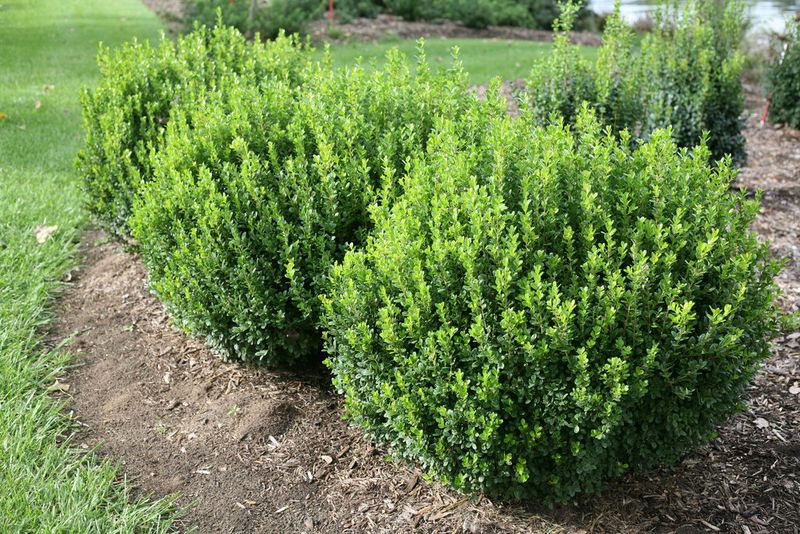
Some gardens need a steady anchor, something that holds its shape and keeps the landscape looking intentional even when flowering plants come and go. Boxwood fills that role with quiet reliability.
Its dense, small-leaved foliage responds well to shearing, making it one of the most versatile structural shrubs available to Western Oregon gardeners working on formal designs, defined borders, or tidy foundation plantings.
Boxwood tolerates Western Oregon’s rainy winters reasonably well when planted in soil with good drainage. Standing water around the roots is the main concern to watch for, especially in heavier clay soils that are common in parts of the Willamette Valley.
Raised beds or amended planting areas help in those situations. Sun or partial shade both work, giving boxwood flexibility in spots where other shrubs might struggle.
Varieties like English boxwood stay naturally compact and mounded, while American boxwood grows larger and suits taller hedge applications. Japanese boxwood is another popular option that tends to handle heat and sun with slightly more tolerance.
Boxwood blight has become a concern in some areas of the Pacific Northwest, so choosing resistant varieties and avoiding overhead watering helps reduce risk. Spacing plants with good air circulation also makes a difference over time.
Trimming once or twice a year keeps boxwood looking sharp without demanding much effort.
For a shrub that brings clean lines and consistent green color through every season in Western Oregon, boxwood continues to be a trusted and widely used choice.
5. Pieris Brightens Shady Spots With Evergreen Style
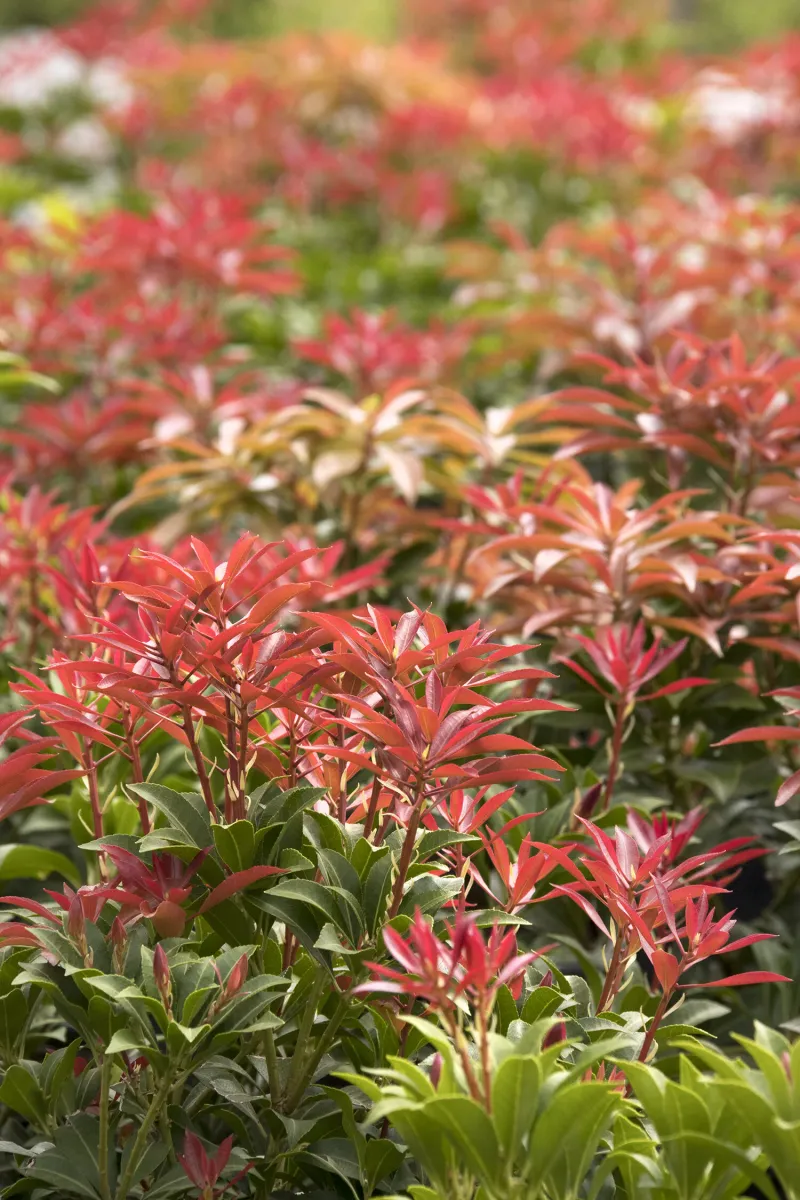
Shady corners of the garden can be tricky to fill with something that looks genuinely interesting through the year. Pieris, sometimes called Lily of the Valley shrub, handles shade with style.
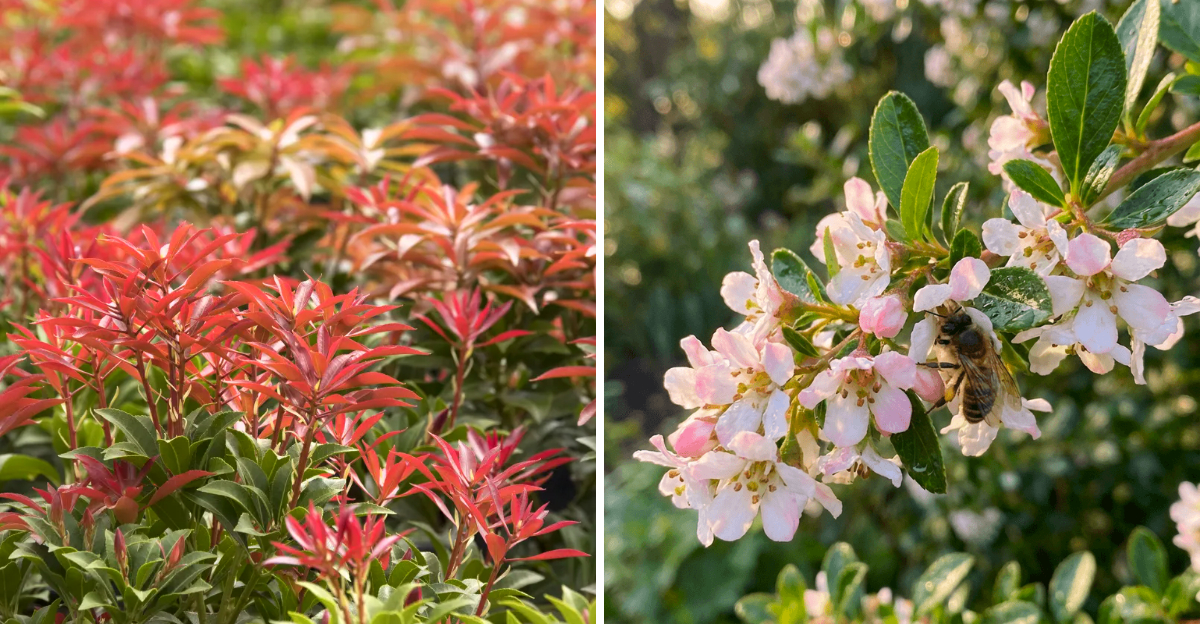
Its long chains of small, urn-shaped flowers droop gracefully in late winter and early spring, and the new growth that follows often emerges in shades of bright red or coppery orange before maturing to deep green, giving the plant two seasons of standout color.
Western Oregon’s mild, moist winters suit pieris well. It prefers acidic, well-drained soil and grows comfortably alongside rhododendrons and azaleas in similar conditions.
Partial to full shade is ideal, making it a natural fit under the canopy of conifers or along the shaded side of a house where other sun-loving shrubs would not thrive. Consistent moisture during dry summers helps keep the foliage looking its best.
Varieties like Pieris japonica ‘Mountain Fire’ are popular for their vivid red new growth, while ‘Valley Rose’ and similar selections offer soft pink flowers for a gentler look.
Most pieris varieties reach four to eight feet at maturity, though growth is slow enough that they rarely feel out of scale in a home garden.
Very little pruning is needed beyond removing spent flower clusters after bloom.
Pieris brings a layered, woodland feel to shady Western Oregon landscapes and pairs beautifully with ferns, hostas, and other shade-tolerant companions in mixed planting beds.
6. Cistus Thrives In Sunny Western Oregon Gardens
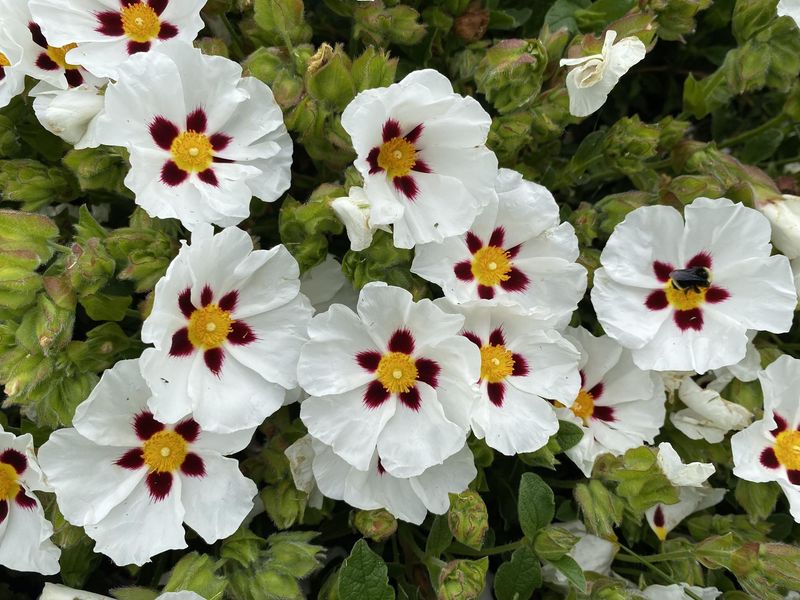
Not every corner of Western Oregon stays shaded and moist. Many south-facing slopes, gravel gardens, and open borders bake in full sun through the dry summer months, and finding an evergreen shrub that actually enjoys those conditions takes some searching.
Cistus, commonly known as rockrose, is one of the best answers for those sunny, well-drained spots where other shrubs tend to look stressed by August.
Cistus is native to the Mediterranean region and brings a relaxed, informal beauty to the garden. Its papery flowers open in late spring and early summer in shades of white, pink, and soft purple, often with contrasting centers that add detail up close.
The blooms are short-lived individually, but the plant produces them in such abundance that the display lasts for several weeks. Foliage tends to be aromatic, and the gray-green leaves give the shrub a soft, textured look even when not in bloom.
One of cistus’s greatest strengths in Western Oregon is its tolerance for dry summers once it has settled into a garden.
It actually prefers lean, fast-draining soil over rich amended ground, which makes it a good fit for gravel gardens or slopes where irrigation is limited.
Wet winter drainage matters more than summer water, so planting in a raised or sloped area helps in heavier soils. Cistus stays relatively compact, typically reaching two to four feet, and needs minimal pruning.
For sunny, low-water spots in Western Oregon, it is a genuinely practical and attractive choice.
7. Escallonia Offers Color And Evergreen Coverage
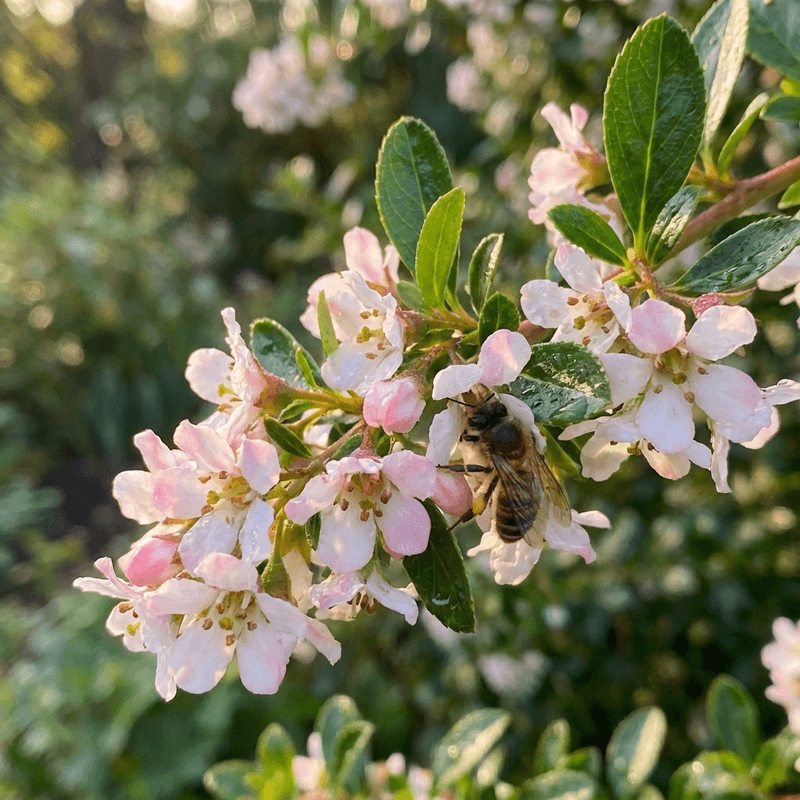
Coastal and mild inland gardens in Western Oregon have a lot to gain from escallonia.
This fast-growing evergreen shrub produces glossy, dark green foliage year-round and covers itself in small tubular flowers during summer, typically in shades of pink, red, or white depending on the variety.
The combination of reliable foliage and seasonal bloom makes escallonia a strong candidate for mixed borders, informal hedges, and privacy screens where both coverage and color matter.
Escallonia handles Western Oregon’s mild winters well and tolerates coastal winds and salt spray better than many other evergreen shrubs, which makes it particularly useful in gardens near the Oregon coast.
It prefers full sun to light shade and grows best in well-drained soil, though it adapts to a range of conditions once established.
Summer drought tolerance is solid after the first year or two, which fits Western Oregon’s dry season pattern without requiring heavy irrigation.
Varieties like ‘Apple Blossom’ offer bicolor pink and white flowers for a softer look, while ‘Red Elf’ stays compact with deep red blooms and suits smaller spaces well.
Larger varieties can reach eight to ten feet and work as effective screening plants along property lines or driveways.
Light pruning after the main flush of bloom helps maintain a tidy shape and often encourages a second round of flowers in late summer.
Escallonia is not always the first shrub gardeners think of, but it earns its place in Western Oregon landscapes through consistent performance and year-round visual interest.
8. Viburnum Davidii Brings Texture And Tidy Form
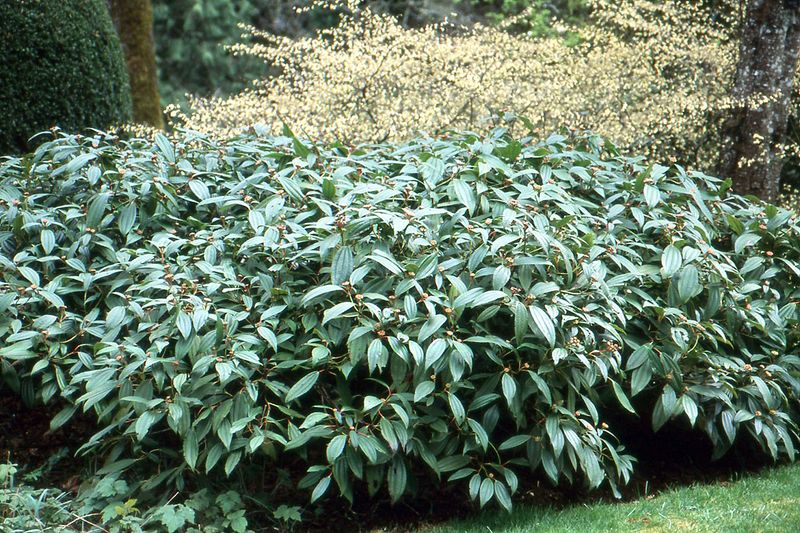
Low-growing shrubs that stay tidy without constant attention are genuinely hard to find, which is part of what makes Viburnum davidii such a valued plant in Western Oregon gardens.
This compact evergreen forms a neat, spreading mound typically reaching two to three feet tall with a slightly wider spread, fitting naturally into foundation plantings, shaded borders, and small-space gardens where scale matters.
The leaves are one of the most distinctive features. Deeply veined and dark green, they give the plant a bold, textured quality that reads well even from a distance.
Small white flowers appear in late spring, followed in fall and winter by clusters of metallic blue berries that add unexpected color during the quieter months of the Western Oregon gardening year.
To get good berry production, planting more than one shrub nearby tends to improve results.
Viburnum davidii grows well in partial shade, which makes it a useful option under trees or along the shaded side of structures where sun-loving shrubs would not be happy.
It handles Western Oregon’s wet winters without issue as long as the soil drains reasonably well.
Once settled, it manages summer dryness with minimal supplemental water, making it practical for gardeners who prefer lower-maintenance plantings. Very little pruning is needed to maintain its naturally tidy shape.
For gardeners looking for a compact, textured evergreen that earns its space through four seasons of interest in Western Oregon, Viburnum davidii is a thoughtful and satisfying choice.