The 9 Best Florida Plants To Grow In February For Early Spring Butterflies
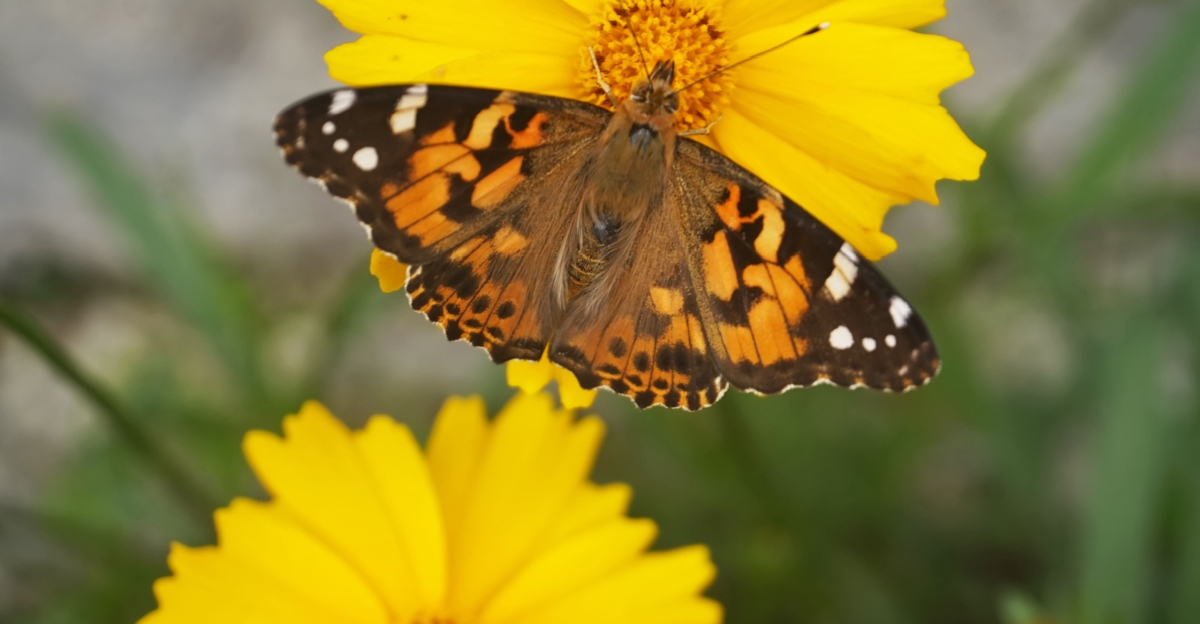
Florida gardeners get a head start on spring while much of the country still faces cold weather. February brings warm sun, longer days, and the perfect moment to turn any yard into a butterfly haven.
Monarchs, swallowtails, and other colorful visitors soon begin their seasonal return, searching for nectar and safe places to raise the next generation. The right plants placed in the ground now create a living buffet that draws butterflies in and keeps them coming back.
A few smart choices can fill your garden with movement, color, and life within weeks. Native flowers and hardy favorites thrive in Florida’s climate and support both adult butterflies and hungry caterpillars.
Plant now and watch quiet garden spaces transform into vibrant scenes filled with wings, blooms, and constant activity. Your spring butterfly show starts with what you plant today.
1. Native Milkweed For Monarch Caterpillars And Early Spring
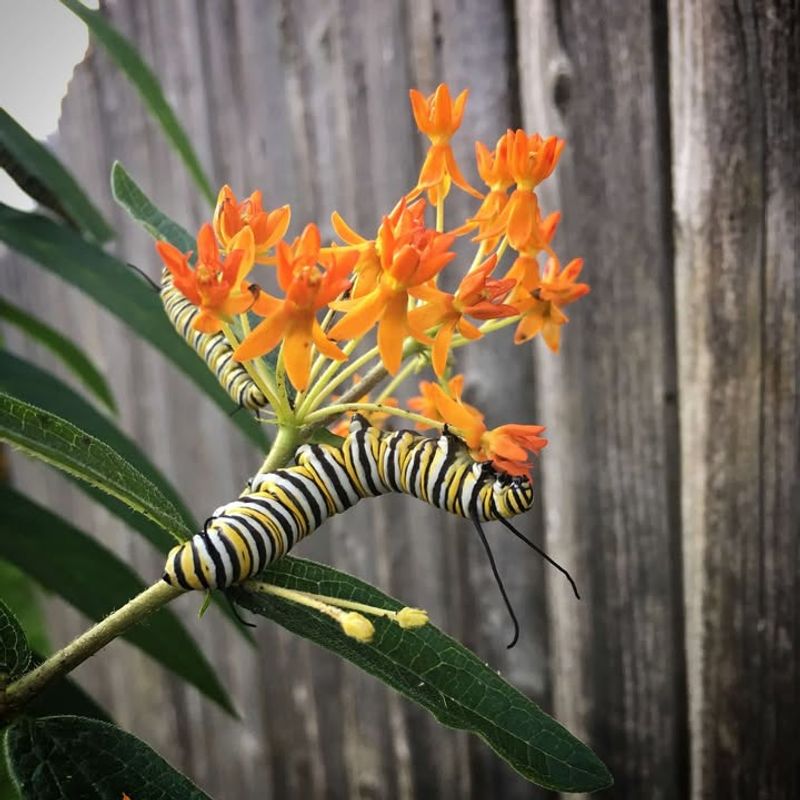
Monarch butterflies depend entirely on milkweed plants to complete their life cycle, making this native species absolutely essential for any Florida butterfly garden. Female monarchs lay their eggs exclusively on milkweed leaves, and the striped caterpillars that hatch will munch on nothing else.
February planting gives your milkweed time to establish strong roots and produce plenty of foliage before the main monarch migration arrives.
Florida supports several native milkweed species including swamp milkweed, butterfly weed, and white-flowered varieties. Each type offers clusters of small blooms that provide nectar for adult butterflies while the leaves feed hungry caterpillars.
Swamp milkweed tolerates wetter areas beautifully, while butterfly weed prefers drier, well-drained spots with full sun exposure.
Plant milkweed in groups of three or more to create visible feeding stations that attract passing monarchs. Space plants about two feet apart and water regularly during the first growing season.
Once established, most native milkweeds handle Florida’s heat and occasional drought quite well.
Watch for aphids on new growth, but resist using pesticides that harm caterpillars. A strong spray of water usually knocks aphids off effectively.
Your patience will reward you with front-row seats to one of nature’s most amazing transformations as caterpillars form chrysalises and emerge as beautiful orange and black butterflies ready to continue their incredible journey northward.
2. Coreopsis Tickseed As An Early Nectar Source For Spring
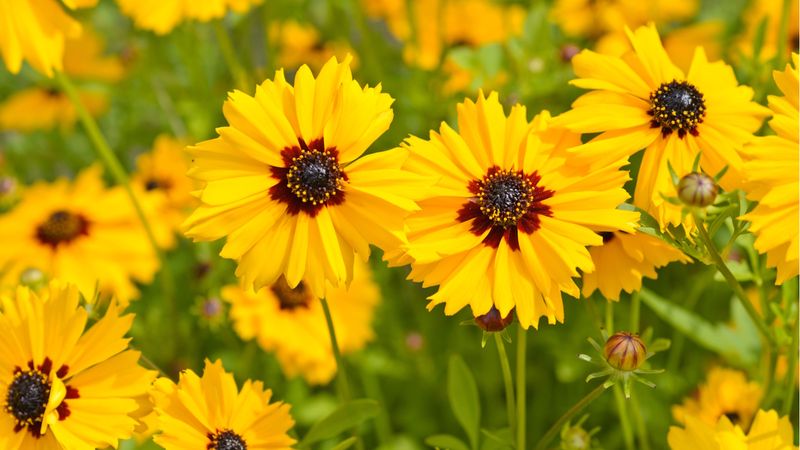
Cheerful yellow blooms cover coreopsis plants from late winter through spring, creating golden waves of color that butterflies simply cannot resist. This Florida native wildflower earned its common name from seeds that resemble tiny ticks, but gardeners love it for its reliable performance and minimal care requirements.
Plant coreopsis in February and you’ll see flowers appearing within just a few weeks as temperatures warm.
Several coreopsis varieties grow wild throughout Florida, from the delicate threadleaf types to larger flowered cultivars. All produce daisy-like yellow blooms on slender stems that sway gracefully in the breeze.
Butterflies appreciate the open flower structure that makes nectar easily accessible, while gardeners appreciate how coreopsis tolerates poor soil, heat, and drought once established.
Full sun exposure produces the most abundant flowering, though coreopsis manages light shade reasonably well. Space plants twelve to eighteen inches apart in well-drained soil.
Sandy Florida soils suit coreopsis perfectly, requiring no amendments or special preparation. Water new plantings regularly for the first month, then reduce watering as plants develop deep root systems.
Deadheading spent flowers encourages continuous blooming and prevents excessive self-seeding, though allowing some seeds to mature provides food for goldfinches and other seed-eating birds. Coreopsis combines beautifully with purple coneflowers and black-eyed Susans to create a classic cottage garden look that supports butterflies throughout the growing season.
3. Blanket Flower Gaillardia For Long Blooming Garden Color
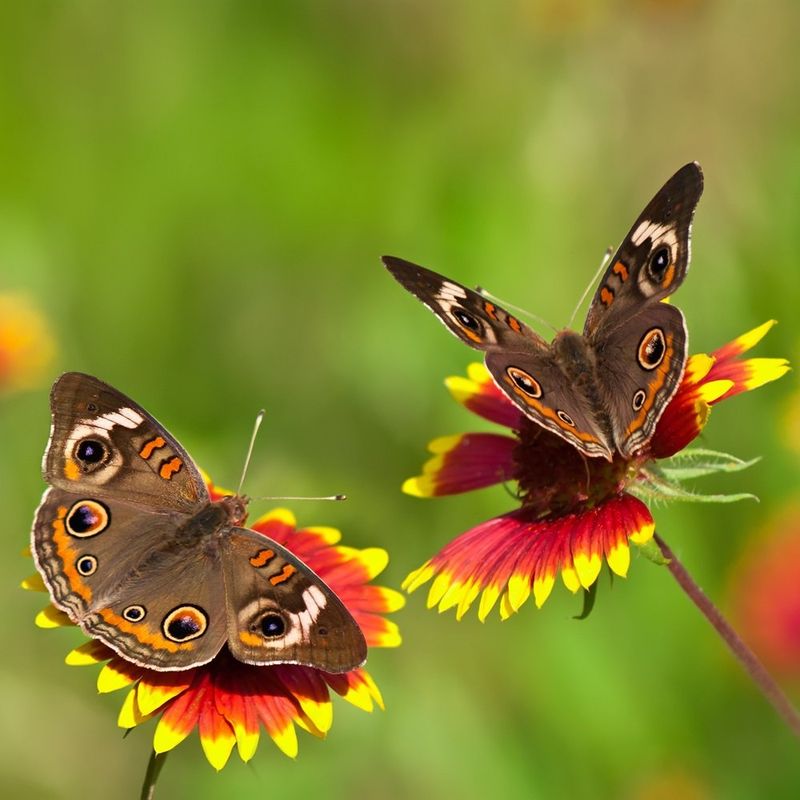
Bold red and yellow flowers with a distinctive bullseye pattern make blanket flower one of the most eye-catching additions to any Florida butterfly garden. Gaillardia blooms tirelessly from spring through fall, providing consistent nectar sources when many other plants take summer breaks.
February plantings establish quickly in Florida’s warming soil, often producing their first flowers by early April.
Native to North America, blanket flower thrives in Florida’s heat and humidity without complaint. The common name comes from the resemblance of its colorful petals to traditional Native American blanket patterns.
Each flower head actually contains hundreds of tiny individual flowers packed together, creating an abundant nectar buffet that attracts butterflies, bees, and hummingbirds alike.
Sandy, well-drained soil suits gaillardia perfectly, making it ideal for coastal gardens and areas where other plants struggle. Full sun produces the most prolific blooming, though plants tolerate light afternoon shade in hotter regions.
Space plants fifteen to eighteen inches apart and avoid overwatering, as blanket flower prefers drier conditions once roots establish.
Deadheading spent blooms extends the flowering season and keeps plants looking tidy, but leaving some seed heads in fall provides winter food for goldfinches. Blanket flower self-seeds moderately, filling gaps in garden beds without becoming invasive.
Divide established clumps every three years to maintain vigor and create new plants for other garden areas or sharing with friends.
4. Purple Coneflower As A Reliable Nectar Plant For Pollinators
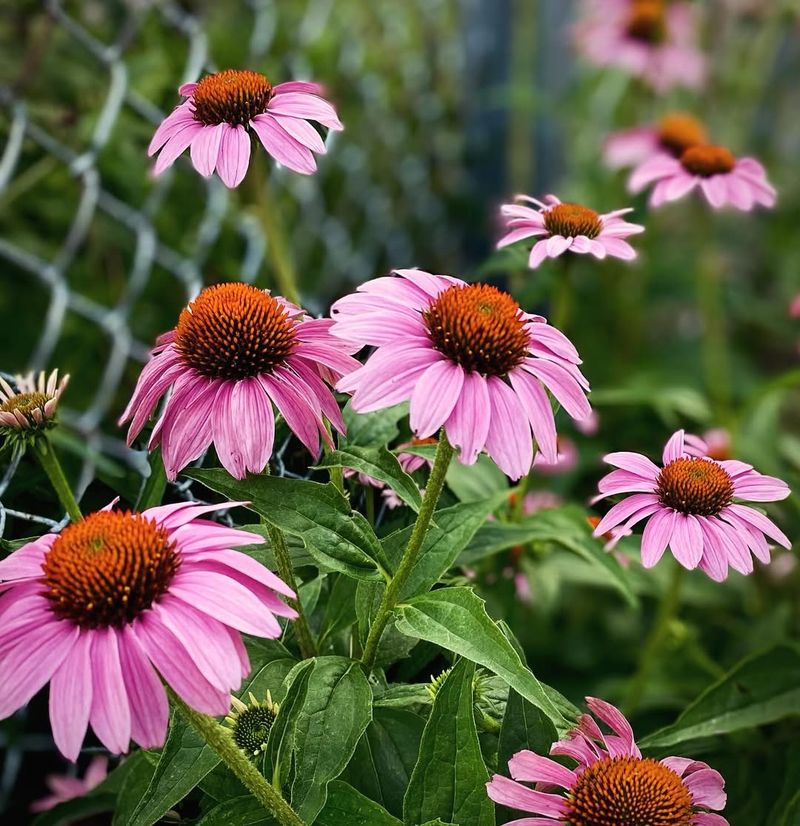
Sturdy stems topped with distinctive pink-purple petals surrounding prominent orange cones create an architectural presence in Florida gardens while feeding countless butterflies and bees. Purple coneflower ranks among the most dependable perennials for Florida landscapes, tolerating heat, humidity, and occasional neglect with remarkable grace.
Planting in February allows roots to establish before summer heat arrives, ensuring strong plants that bloom reliably for years.
Native to eastern North America, purple coneflower adapts beautifully to Florida’s climate zones. The raised central cone actually contains hundreds of tiny tubular flowers packed with nectar that butterflies access easily with their long tongues.
Swallowtails, fritillaries, and skippers visit these flowers constantly throughout the blooming season, which extends from late spring through summer.
Well-drained soil in full sun to partial shade suits purple coneflower best. Space plants eighteen to twenty-four inches apart to allow good air circulation.
Water regularly during establishment, then reduce frequency as plants mature and develop deep taproots that access moisture from lower soil layers.
Leave spent flower heads standing through winter rather than cutting them back completely. The seeds provide valuable food for goldfinches and other songbirds, while the dried stems offer overwintering habitat for beneficial insects.
Cut back old growth in late winter just before new shoots emerge. Purple coneflower rarely needs division but tolerates it well if you want to propagate additional plants.
5. Black Eyed Susan For Easy Color All Season
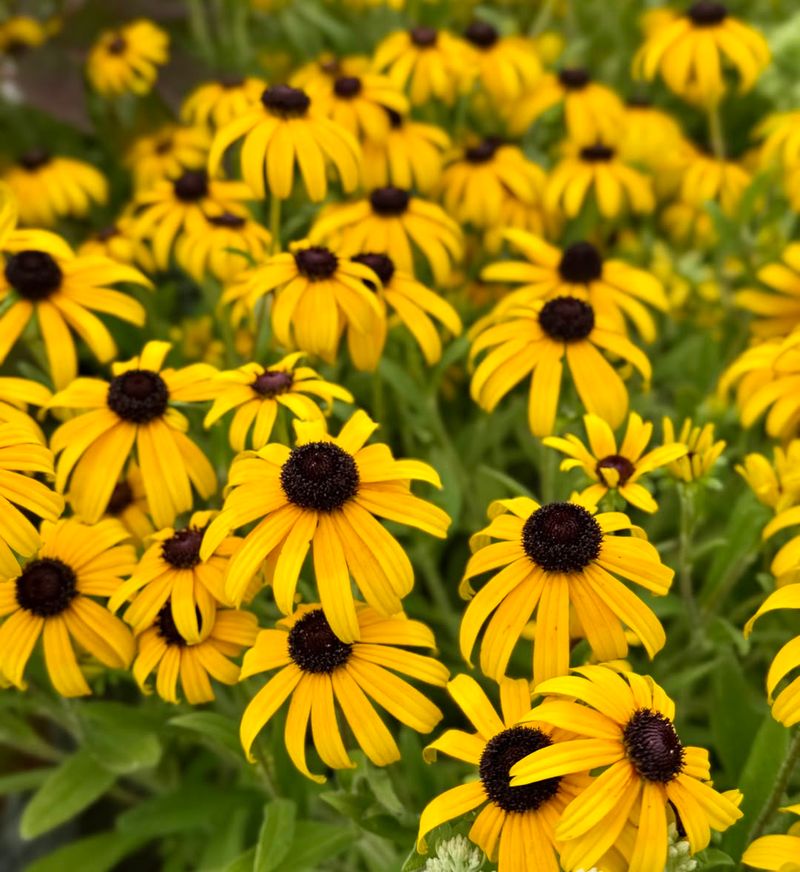
Sunshine yellow petals radiating from chocolate brown centers bring reliable cheer to Florida gardens from spring through fall with minimal effort required. Black-eyed Susans rank among the easiest perennials for beginning gardeners, tolerating poor soil, inconsistent watering, and Florida’s intense summer heat without missing a beat.
February plantings establish quickly, often producing their first cheerful blooms by late spring.
These North American natives grow wild in fields and roadsides throughout Florida, proving their adaptability to local conditions. The flowers attract an impressive variety of butterflies including painted ladies, buckeyes, and various skippers that appreciate the open flower structure and accessible nectar.
Each plant produces dozens of flowers over the growing season, creating a continuous buffet for visiting pollinators.
Full sun exposure produces the most abundant flowering, though black-eyed Susans manage partial shade reasonably well in hotter regions. Any well-drained soil works fine, including sandy or clay-based types.
Space plants twelve to eighteen inches apart and water regularly during the first month, then reduce watering as plants establish deep root systems.
Deadheading extends blooming but requires significant time investment with prolific bloomers like black-eyed Susans. Many gardeners simply enjoy the continuous flower show and accept some self-seeding.
Volunteer seedlings appear readily but pull easily from moist soil if they emerge in unwanted locations. Leave some seed heads standing in fall to feed goldfinches and provide winter interest in the garden.
6. Firebush As A Nectar Rich Shrub For Warm Climates
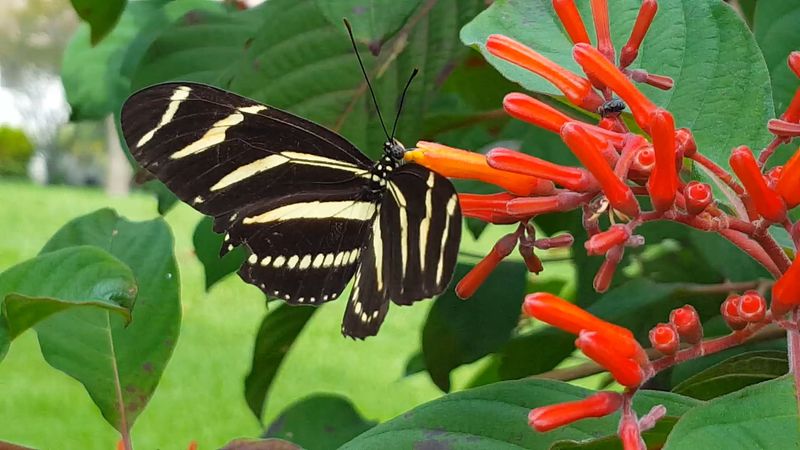
Clusters of brilliant red-orange tubular flowers cover this Florida native shrub from spring through fall, creating a beacon that attracts butterflies from impressive distances. Firebush grows quickly into a rounded shrub reaching four to eight feet tall, providing both nectar sources and shelter for butterflies in Florida gardens.
February planting takes advantage of the upcoming growing season, allowing firebush to establish strong roots before producing its spectacular floral display.
Native to southern Florida and tropical regions, firebush thrives in heat and humidity that stress many other flowering plants. The tubular flower shape perfectly suits butterflies with long tongues, particularly swallowtails, monarchs, and gulf fritillaries.
Hummingbirds also visit firebush flowers regularly, adding another dimension of wildlife interest to your garden.
Full sun to partial shade suits firebush well, though flowering increases with more sun exposure. Any well-drained soil works fine, and established plants handle drought periods effectively.
Space plants four to five feet apart when using firebush as a hedge or screen, or feature single specimens as accent plants.
Firebush requires minimal pruning but tolerates heavy cutting if needed to control size or shape. Light freezes may damage foliage in north Florida, but plants typically resprout vigorously from roots when spring warmth returns.
The small berries that follow flowers provide food for migrating birds in fall and winter, extending the wildlife value beyond the butterfly season.
7. Lantana For Continuous Blooms All Season
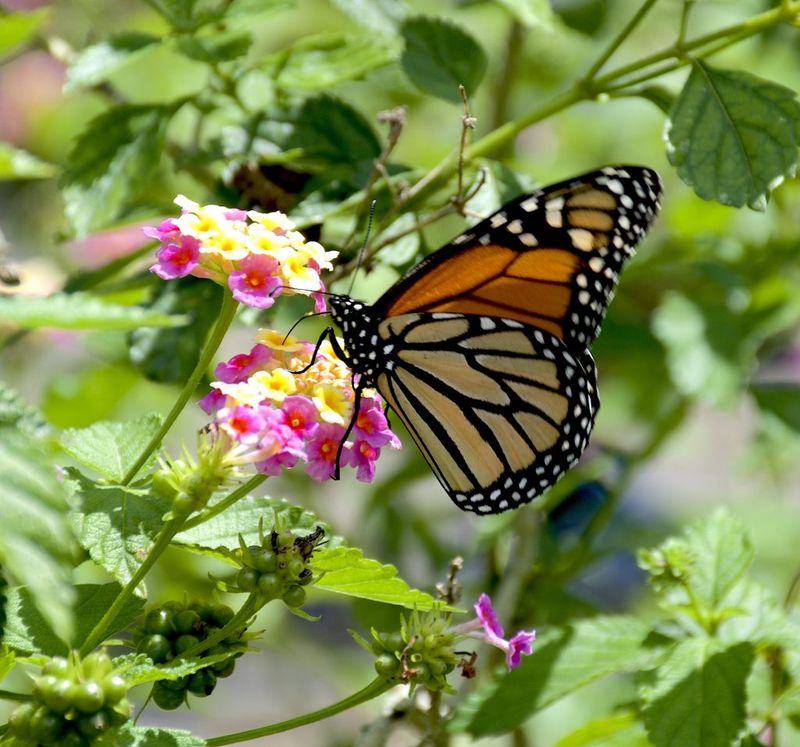
Multicolored flower clusters in vibrant combinations of pink, yellow, orange, and red create a carnival atmosphere in Florida gardens while providing endless nectar for butterflies. Lantana blooms relentlessly from spring through the first frost, making it one of the hardest-working plants in any butterfly garden.
February planting establishes lantana before hot weather arrives, ensuring robust plants that flower prolifically throughout the growing season.
Both native and cultivated lantana varieties thrive in Florida’s climate, though native types support local ecosystems more effectively. Each rounded flower cluster contains dozens of tiny individual blooms that open progressively from the outside toward the center, creating a multicolored effect as older and newer flowers display different shades.
Butterflies of all types visit lantana constantly, making it essential for any serious butterfly garden.
Full sun and well-drained soil produce the best results with lantana. Space plants two to three feet apart for groundcover effects or allow them more room to develop into larger mounded shapes.
Lantana tolerates heat, drought, and poor soil once established, making it perfect for low-maintenance landscapes.
Deadheading spent flower clusters encourages continuous blooming, though many gardeners skip this task since lantana flowers so prolifically regardless. Some lantana varieties produce small berries that birds enjoy but can self-seed aggressively.
Check with local extension offices about which varieties perform best in your specific Florida region without becoming invasive problems.
8. Pentas For Dense Nectar Clusters And Bright Color
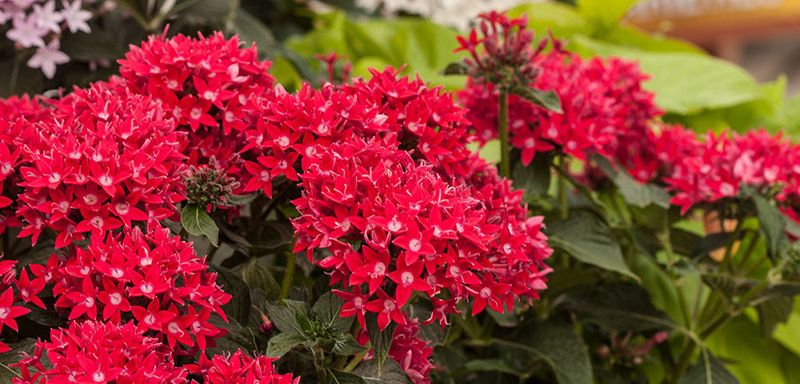
Star-shaped flowers packed into dense, rounded clusters create irresistible landing platforms for butterflies seeking nectar in Florida gardens. Pentas bloom continuously from spring through fall in shades of red, pink, purple, and white, earning their reputation as one of the most reliable butterfly magnets available.
February planting allows pentas to develop strong root systems before producing the abundant flower clusters that make them so valuable for butterfly gardening.
Native to tropical Africa, pentas adapt beautifully to Florida’s warm climate and thrive in conditions that challenge many other flowering plants. Each flower cluster contains dozens of individual star-shaped blooms, and plants often display multiple clusters simultaneously.
Butterflies can easily walk across the flat-topped flower clusters while feeding, making pentas particularly attractive to smaller butterfly species.
Full sun to partial shade suits pentas well, with more sun producing heavier flowering. Any well-drained soil works fine, though pentas appreciate regular watering during establishment and dry periods.
Space plants twelve to eighteen inches apart for a massed effect or use them individually as accent plants in mixed borders.
Deadheading spent flower clusters keeps plants looking tidy and encourages continuous blooming, though pentas flower so prolifically that some gardeners skip this task. Pentas may suffer frost damage in north Florida but typically resprout from roots when spring warmth returns.
The compact growth habit makes pentas perfect for container gardens on patios and porches where you can observe butterfly visitors up close.
9. Florida Flame Azalea For Native Spring Blooms
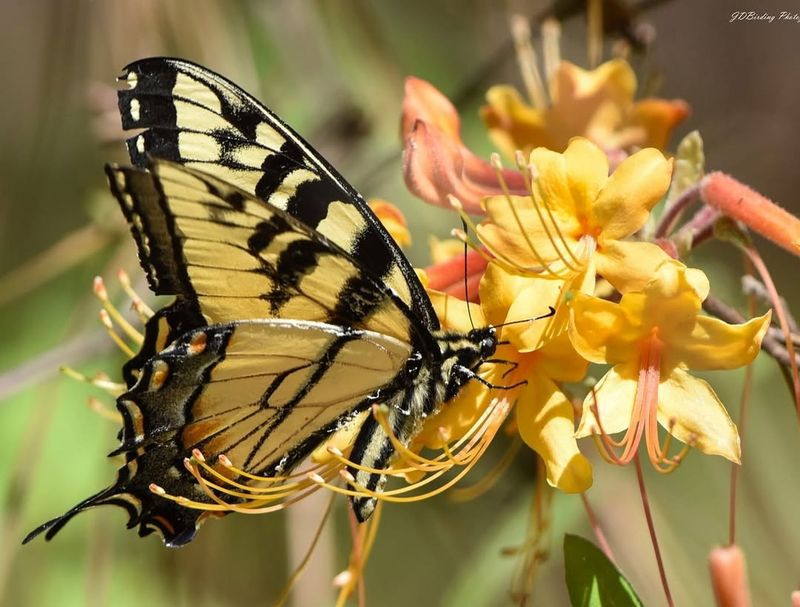
Brilliant orange-red tubular flowers explode across this native azalea in spring, creating a spectacular display that attracts early butterflies and hummingbirds to Florida gardens. Unlike the common Asian azaleas found in many landscapes, Florida flame azalea grows naturally in north and central Florida woodlands, making it perfectly adapted to local conditions.
February planting allows roots to establish before the spring blooming period arrives, ensuring healthy plants that flower reliably each year.
This deciduous native shrub typically reaches six to ten feet tall with an open, somewhat irregular growth habit that suits naturalistic garden designs beautifully. The tubular flower shape accommodates butterflies with longer tongues, particularly swallowtails that visit during the spring blooming period.
The flowers appear before or as leaves emerge, creating an especially dramatic effect against bare branches.
Partial shade to filtered sun suits Florida flame azalea best, mimicking the woodland edge conditions where it grows naturally. Acidic, well-drained soil enriched with organic matter produces the healthiest plants.
Space shrubs four to six feet apart and water regularly during establishment and dry periods.
Florida flame azalea requires minimal pruning but tolerates light shaping after flowering if needed to control size. This native shrub supports local ecosystems more effectively than non-native alternatives while providing spectacular spring color.
The leaves turn attractive shades of yellow, orange, and red in fall, extending ornamental interest beyond the spring flowering season.