The 8 Best Flowering Trees To Make Your Ohio Yard Look Like A Dream
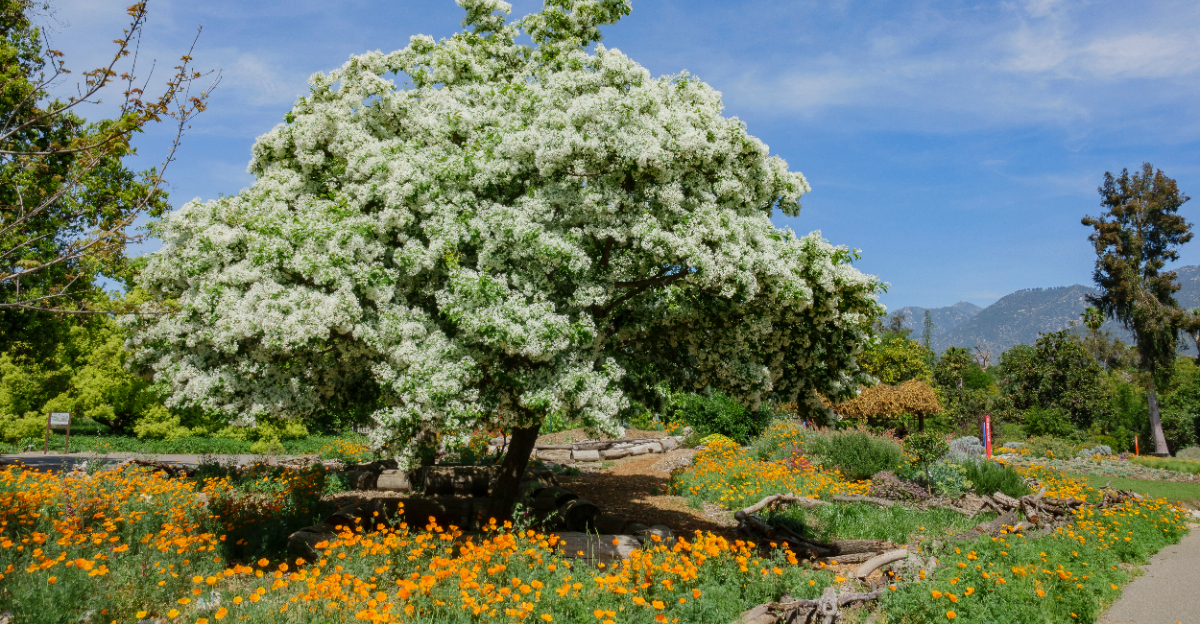
Ohio yards can be painfully polite. A little grass, a few shrubs, maybe one lonely hosta pretending to carry the whole landscape.
Then a flowering tree shows up and suddenly the yard has a plot twist. The driveway looks softer.
The front walk feels prettier. Even that awkward bare corner starts acting like it belongs in a magazine.
That is the magic of the right tree: it does not just bloom, it changes the entire personality of the place. And in Ohio, where winter drags on like an unwanted guest, those first flowers hit hard.
The catch? Not every pretty tree is built for Midwest mood swings.
Some need babying, some bloom beautifully once and sulk forever, and some simply cannot handle what Ohio throws at them. These flowering trees earn their keep, and they know how to make a yard look dreamy without trying too hard.
1. Eastern Redbud Turns Spring Into A Pink Canopy
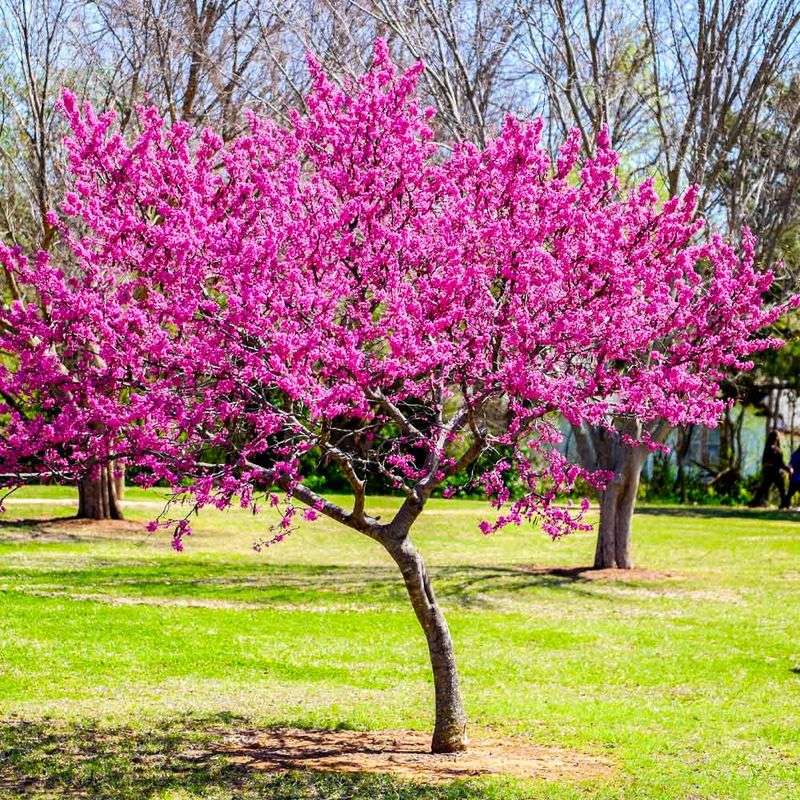
Before a single leaf unfurls, eastern redbud puts on one of the most striking shows in the spring landscape. Rosy pink to magenta flowers bloom directly on bare branches and even along the trunk, creating a cloud of color that stops people in their tracks.
This native tree is one of the earliest flowering trees to bloom, often appearing in April across much of the Midwest.
Eastern redbud typically matures between 20 and 30 feet tall with a wide, spreading crown. That makes it a solid fit for medium to smaller yards, woodland edges, and naturalized areas where it gets room to spread.
It performs well in full sun to part shade, though afternoon shade in hotter southern counties can help it stay healthy longer.
Drainage matters a lot with this tree. It does not like wet feet, so avoid low spots where water pools after rain.
Clay soil is common in many local yards, and while redbud can tolerate it, improving drainage before planting gives the tree a much better start.
Wildlife value is real here too. Native bees and early pollinators visit the flowers heavily.
The seed pods that follow provide food for birds and small mammals. Deer can browse young trees, so some protection during the first few years is worth considering in areas with heavy deer pressure.
2. Serviceberry Brings Early Blooms And Backyard Wildlife
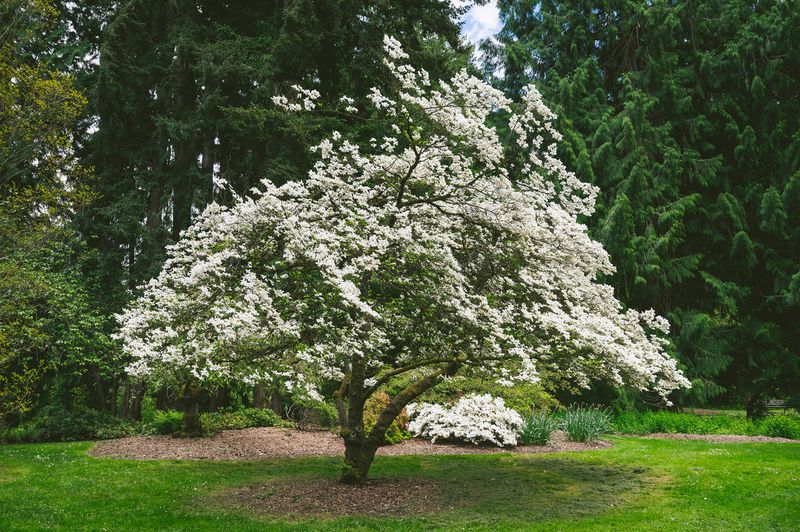
Serviceberry might be the most underused native flowering tree for residential landscapes.
It blooms early, often before most other trees have woken up, and those clusters of white flowers are genuinely beautiful against bare branches.
Several species are native to the region, including Amelanchier arborea and Amelanchier laevis, both of which are well-suited to local growing conditions.
One reason serviceberry earns so much respect from naturalists and gardeners alike is its four-season value. Spring brings white blooms.
Early summer produces small, sweet berries that birds absolutely love. Fall color can range from orange to deep red, and the smooth gray bark adds winter interest.
Few trees offer that kind of layered appeal in a compact package.
Your Ohio Garden Changes Every Week. Your Plan Should Too.
Gardening in Ohio changes quickly throughout the season. Every Friday you’ll receive a simple weekly plan showing exactly what to plant, prune, fertilize, harvest, and protect so you never miss the right timing.
Most serviceberry species stay in the 15 to 25 foot range, making them a smart choice for smaller lots, yard edges, and spots near patios where heavy shade from a large tree would be too much. They prefer moist, well-drained soil and do well in full sun to part shade.
Species and cultivar selection matters here. Some forms grow as large multi-stem shrubs rather than single-trunk trees, so confirm the growth habit before buying.
Northern yards can grow serviceberry without much worry since most native species handle cold winters without a problem.
3. Flowering Dogwood Adds Classic Woodland Beauty
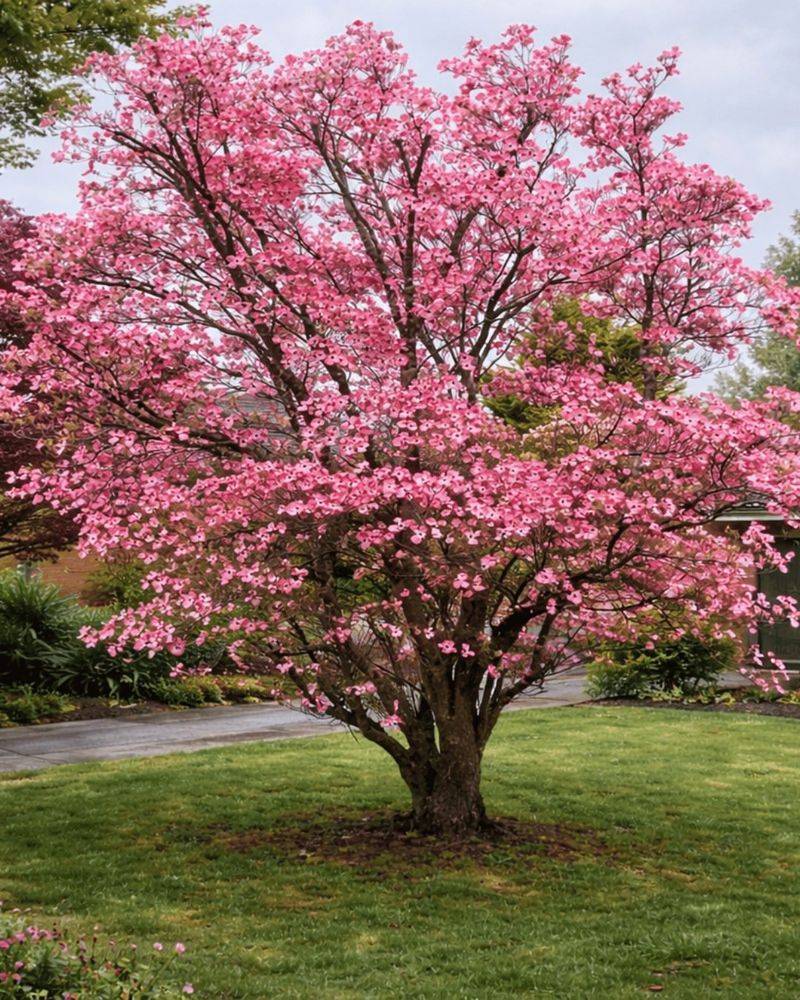
Few native trees carry the same emotional weight as flowering dogwood in spring.
Those large white or pink bracts surrounding tiny central flowers are instantly recognizable, and the horizontal branching structure gives the tree a graceful, layered look even when it is not in bloom.
Cornus florida is native to much of eastern North America, including the southern and central parts of the state.
Flowering dogwood performs best as an understory tree, meaning it appreciates some protection from harsh afternoon sun and drying winds.
Planting it at a woodland edge, near taller shade trees, or on the east side of a structure tends to produce healthier, longer-lived specimens.
It prefers moist, well-drained, slightly acidic soil and really struggles in heavy, poorly drained clay.
Disease pressure is a genuine concern. Dogwood anthracnose, caused by the fungus Discula destructiva, can be serious in shaded, moist sites with poor air circulation.
Choosing a planting spot with good airflow and avoiding overhead irrigation helps reduce risk significantly.
Fall brings red berries that birds eat quickly, and the foliage turns deep red to purple before dropping. Mature size typically ranges from 15 to 30 feet tall and wide.
Northern yards should note that flowering dogwood can experience some winter injury in exposed sites, so a sheltered location is a smart choice in colder parts of the state.
4. Crabapple Delivers Clouds Of Spring Color
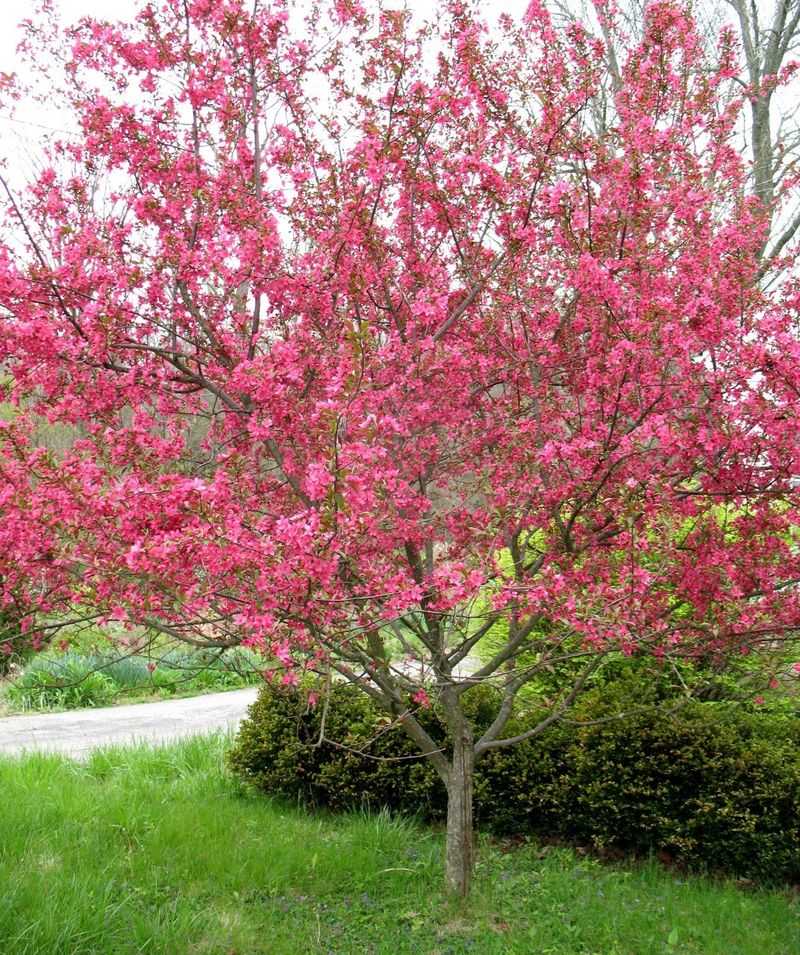
Spring-flowering crabapples are among the showiest ornamental trees available for Midwest gardens. When a well-chosen cultivar hits peak bloom, the tree looks like it has been dusted in pink, white, or deep rose from branch tip to branch tip.
The display can last one to two weeks depending on the weather, and the visual impact is hard to match.
Crabapple is not a native tree, but many cultivars are well-adapted to local soils and winters. The most important factor when choosing a crabapple is disease resistance.
Apple scab, fire blight, and powdery mildew can all be serious problems on susceptible cultivars. OSU Extension and the Morton Arboretum both recommend proven, disease-resistant varieties.
That helps you avoid a tree that looks stressed and defoliated by midsummer.
Some reliable cultivars to look for include Prairie Fire, Prairiefire, Donald Wyman, and Sugar Tyme. These have been evaluated for disease resistance in Midwest trials and consistently perform well.
Always check current cultivar ratings before buying, since recommendations can be updated as new data comes in.
Mature size varies widely by cultivar, from compact 8-foot specimens to trees reaching 25 feet. Small persistent fruits provide food for birds through fall and winter, adding wildlife value.
Full sun and good air circulation are key. Avoid planting in low, wet areas where drainage is poor.
5. Magnolia Makes The Yard Feel Instantly Romantic
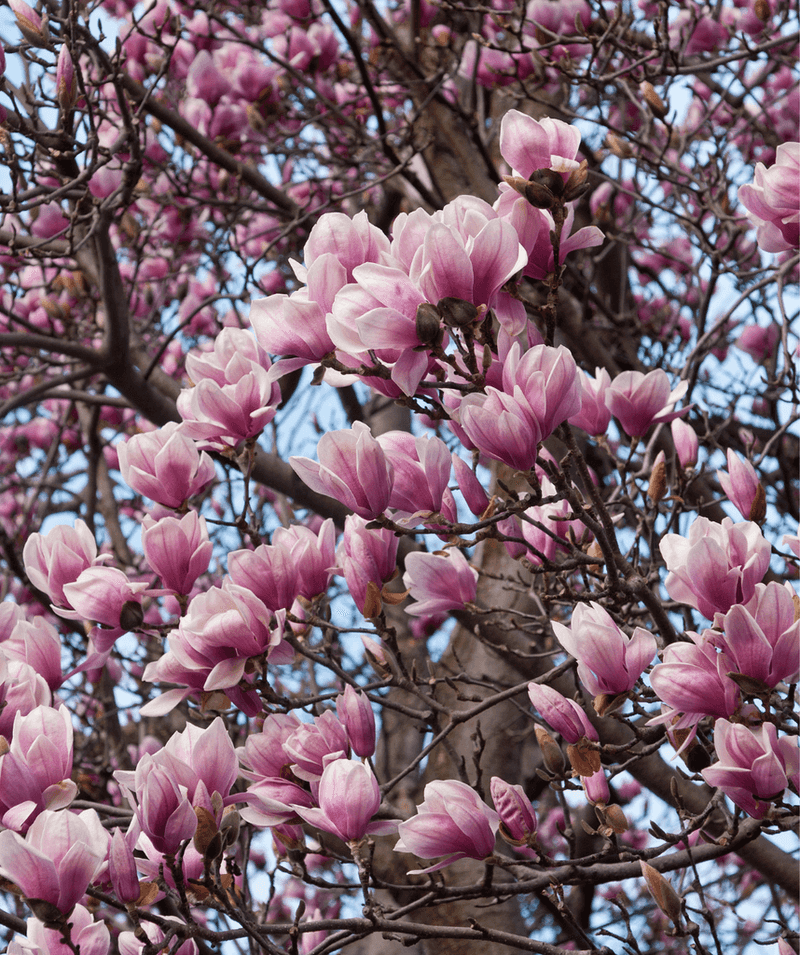
There is something undeniably dramatic about a magnolia in bloom. Large, silky flowers in white, pink, or deep purple open in early spring before the leaves emerge, turning the whole tree into a living bouquet.
The effect is bold, romantic, and memorable in a way that few other ornamental trees can match.
Not every magnolia is equally suited to Midwest winters, so species and cultivar selection really matters here. Star magnolia, Magnolia stellata, and saucer magnolia, Magnolia x soulangeana, are among the most commonly planted and widely available options.
Both can perform well in the state when sited correctly, though late spring frosts can damage early-opening flower buds in colder northern counties.
Choosing a sheltered planting spot, such as the south or east side of a building or near a windbreak, can help protect buds from late freezes.
Magnolias prefer moist, well-drained, slightly acidic soil and do not perform well in heavy clay without amendment or raised beds.
Mature size depends heavily on the species. Star magnolia stays relatively compact at 15 to 20 feet.
Saucer magnolia can reach 20 to 30 feet with a wide spread. Give these trees plenty of room and avoid planting too close to foundations or overhead utility lines.
Once established, a healthy magnolia needs very little maintenance to look spectacular each spring.
6. Ohio Buckeye Adds Native Charm With Creamy Blooms
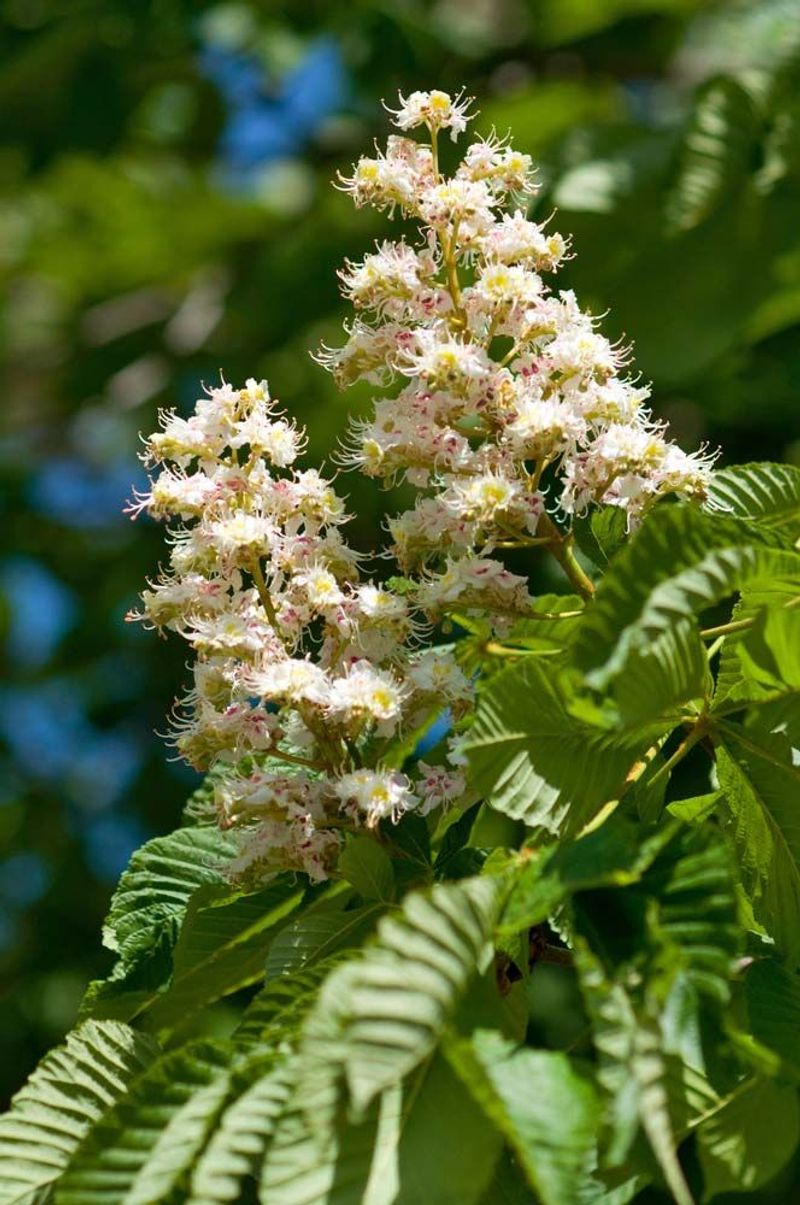
The Ohio buckeye carries real regional identity. As the official state tree, it shows up in school mascots and state pride gear, but its ornamental value in the landscape is often overlooked.
In spring, upright clusters of creamy yellow flowers appear alongside the emerging compound leaves, creating a lush, layered look that feels distinctly native and natural.
Wildlife value is solid. Squirrels and other small mammals interact with the seeds in fall, and the flowers attract native bees and other pollinators during bloom.
The large, palmate leaves create dense shade through summer, which can be a real asset in a hot, sunny yard.
There are some honest trade-offs to consider. Buckeye leaves can develop leaf scorch and begin to look tired by late summer, especially in dry years or exposed sites.
This is a natural part of the tree’s seasonal cycle, not a sign of serious trouble, but it is worth knowing before planting one as a focal specimen in a highly visible spot.
Mature size typically ranges from 20 to 40 feet tall, so this is not a tree for tight urban lots. It prefers moist, well-drained soil and does best with some protection from harsh afternoon sun and drying winds.
Slopes, woodland edges, and naturalized areas where it has room to grow and occasional moisture are where it tends to look its best over the long term.
7. Pawpaw Brings Unusual Flowers And Big Native Personality
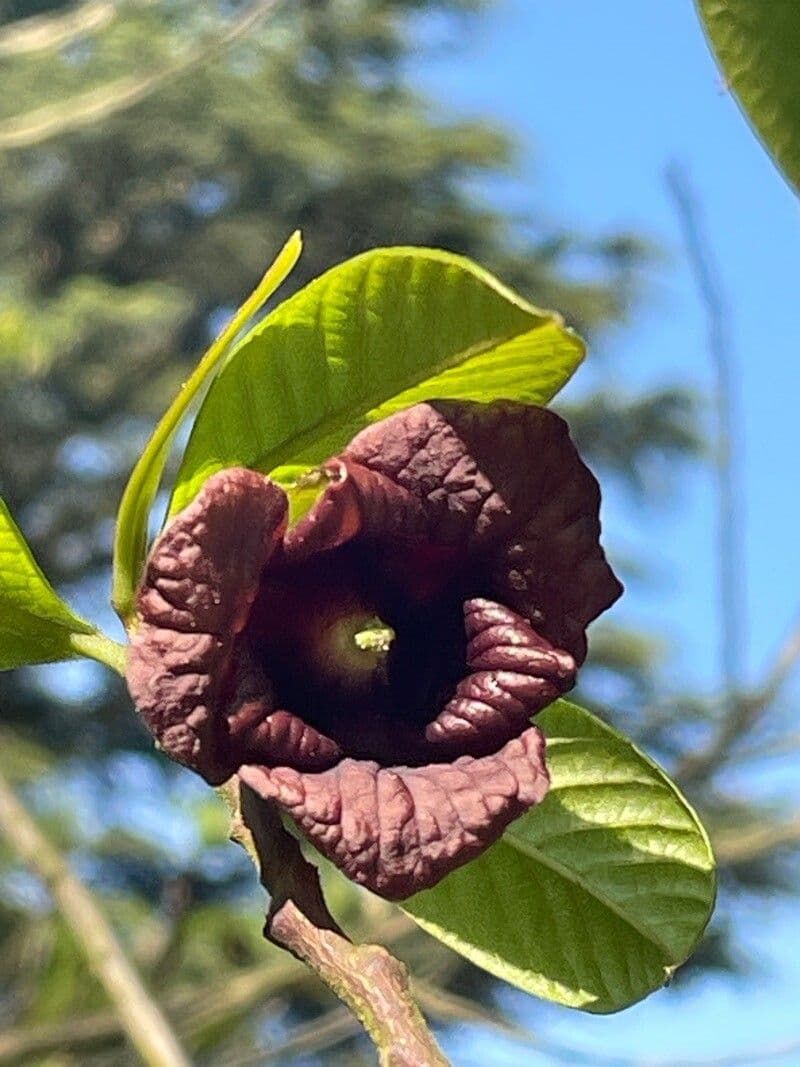
Pawpaw is the kind of native tree that makes plant enthusiasts genuinely excited. It has a prehistoric, tropical-looking quality with large, drooping leaves that give it a lush, layered feel unlike anything else you can grow in a temperate garden.
The flowers that appear in early spring are small, dark maroon, and unusual in the best possible way.
Asimina triloba is native to much of eastern North America, including woodland edges, stream banks, and rich bottomland sites across the state. It thrives in moist, fertile, well-drained soil and performs well in part shade to full sun.
A sheltered spot with protection from harsh wind tends to produce the healthiest specimens.
One practical detail worth knowing upfront: pawpaw often spreads by root sprouts, forming small colonies over time. In a naturalized area or a larger yard, that spreading habit can be a feature.
In a tighter space, it requires some management to keep the tree from expanding where you do not want it.
If fruit production is a goal, planting at least two genetically distinct trees improves pollination success. The large, custard-like fruits are edible and attract wildlife.
Even without fruit, pawpaw earns its place as a distinctive native understory tree with real ornamental character. Fall color can be a soft golden yellow, adding one more seasonal reason to give this underappreciated native a spot in the landscape.
8. Fringe Tree Covers Small Yards In Soft White Bloom
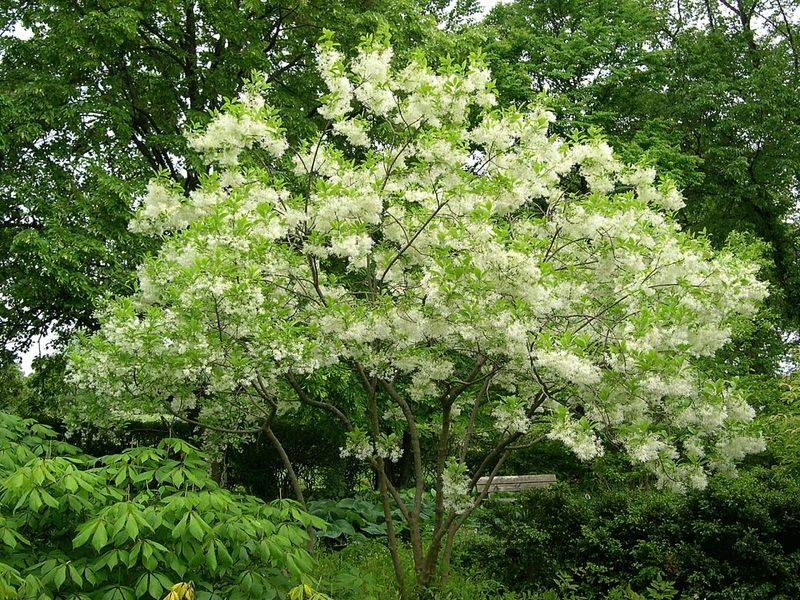
Fringe tree blooms later than most spring-flowering trees. That makes it a smart choice for a yard that peaks early and then goes quiet.
The flowers are remarkable: long, thread-like white petals hang in loose, fragrant clusters that give the whole tree a soft, cloud-like appearance. The effect is elegant without being fussy.
Chionanthus virginicus is native to the eastern United States and is well-suited to local growing conditions. It is considered one of the more adaptable small native trees available, tolerating a range of soil types as long as drainage is reasonably good.
Full sun to part shade both work, though flowering tends to be heavier in sunnier spots.
Mature size is one of fringe tree’s biggest selling points for smaller yards and urban lots.
Most specimens reach 12 to 20 feet tall with a similar spread, making it manageable near patios, along property lines, or as a focal point in a mixed border.
It grows slowly, which means it stays in scale longer than faster-growing alternatives.
Female trees produce small, blue-black fruits in late summer that birds find attractive. Male trees tend to have slightly showier flower clusters.
Both are worth growing for ornamental value. One caution: fringe tree is not an emerald ash borer-proof ash replacement.
Emerald ash borer has been documented on white fringe tree, including in Ohio. Choose it for its beauty and size, not for guaranteed pest resistance.