Heat-Tolerant Flowers To Plant In California Pots Before Summer
Potted flowers have a reputation for struggling through California summers, and honestly, most of them do.
The wrong variety in a container on a sunny patio can go from healthy to cooked in a matter of days once the heat settles in.
The pot heats up faster than garden soil, moisture disappears quickly, and plants that looked great in spring start declining right when summer is supposed to be their moment. The fix is not more watering or moving pots into the shade.
It is starting with flowers that were built for heat in the first place. California summers do not have to mean empty pots or constant replacements.
The right varieties thrive in containers through the hottest months, hold their color without fading, and keep blooming long after less suitable plants have called it quits.
Getting them in the pot before summer arrives gives them just enough time to settle in and hit their stride exactly when temperatures start climbing.
1. Lantana Keeps Blooming When The Patio Gets Hot
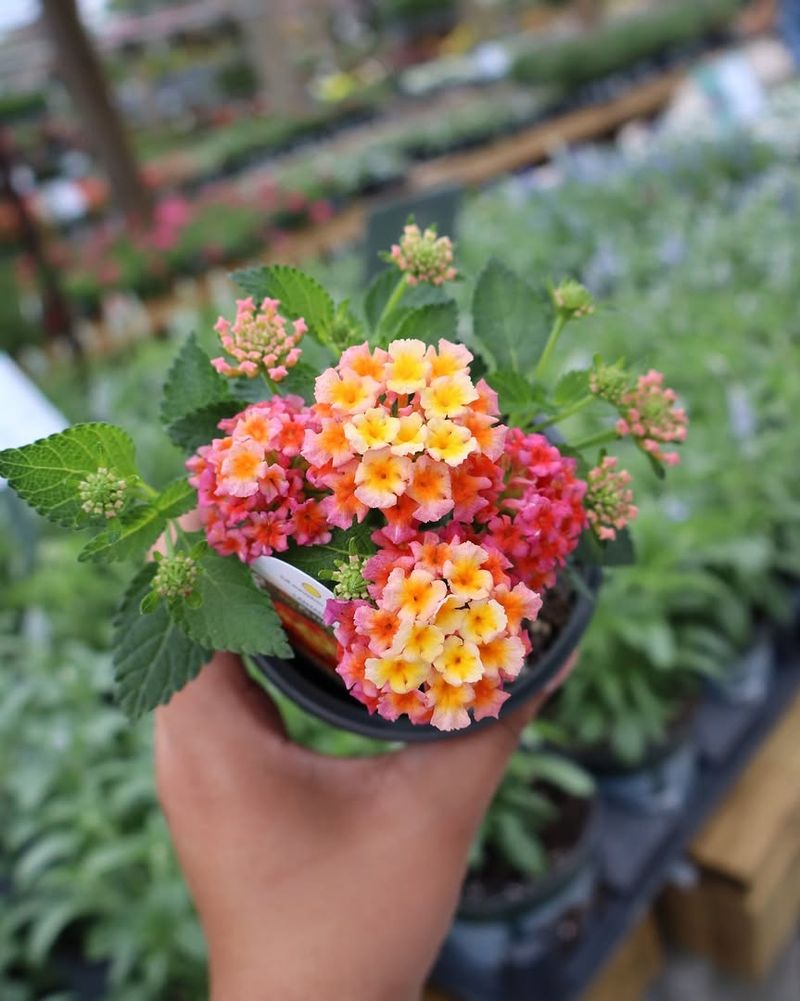
Few flowers put on a show like lantana when the temperature starts climbing. This tough, cheerful plant produces clusters of tiny blooms in bold combinations of orange, yellow, pink, red, and purple.
What makes it so special is that the more sun it gets, the happier it looks. Most flowers start to struggle when the patio heats up, but lantana just keeps going.
Planting it in a pot before summer gives the roots time to spread out and anchor in. Use a well-draining potting mix and pick a container with good drainage holes.
Lantana does not like to sit in soggy soil, so watering deeply but less frequently works better than daily light watering. Once established, it handles dry stretches really well.
In this state, lantana can bloom from spring all the way into fall without much fuss. Deadheading spent flowers is optional since the plant often drops old blooms on its own.
It also attracts butterflies, which makes it a fun addition to any outdoor space. Trim it back if it starts looking leggy, and it will reward you with a fresh round of blooms almost immediately.
It grows fast, stays colorful, and handles heat like a champ.
2. Zinnias Bring Big Color Without Complaining
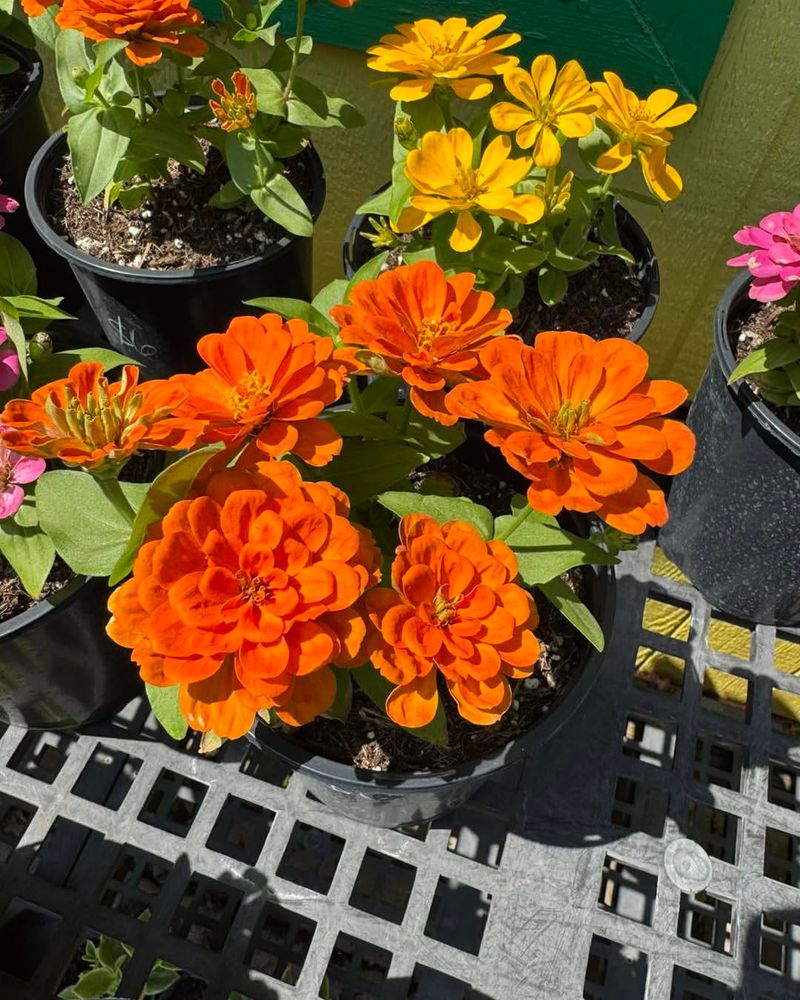
There is a reason gardeners across the country reach for zinnias every single year. These bold, cheerful flowers come in almost every color you can think of, and they bloom nonstop from late spring through the first cold snap.
They love full sun, handle heat without flinching, and grow quickly from seed or transplant. For pot gardening in warm climates, they are hard to beat.
Starting zinnias in containers before summer means they will be in full bloom right when you need them most. Choose a pot that is at least 12 inches wide to give the roots room to spread.
A rich, well-draining potting mix works great. Water at the base of the plant rather than overhead to help prevent powdery mildew, which zinnias can sometimes develop in humid conditions.
Your California Garden Changes Every Week. Your Plan Should Too.
Gardening in California changes quickly throughout the season. Every Friday you’ll receive a simple weekly plan showing exactly what to plant, prune, fertilize, harvest, and protect so you never miss the right timing.
One of the best things about growing zinnias in pots is that you can move them around to wherever they look best. They work well as a centerpiece on a patio table or grouped together near an entryway.
Deadhead spent blooms regularly to keep new flowers coming. Zinnias also attract butterflies and hummingbirds, turning your container garden into a little wildlife hotspot.
They are easy, colorful, and completely undemanding once they get going.
3. Portulaca Loves Hot Pots And Dry Spells
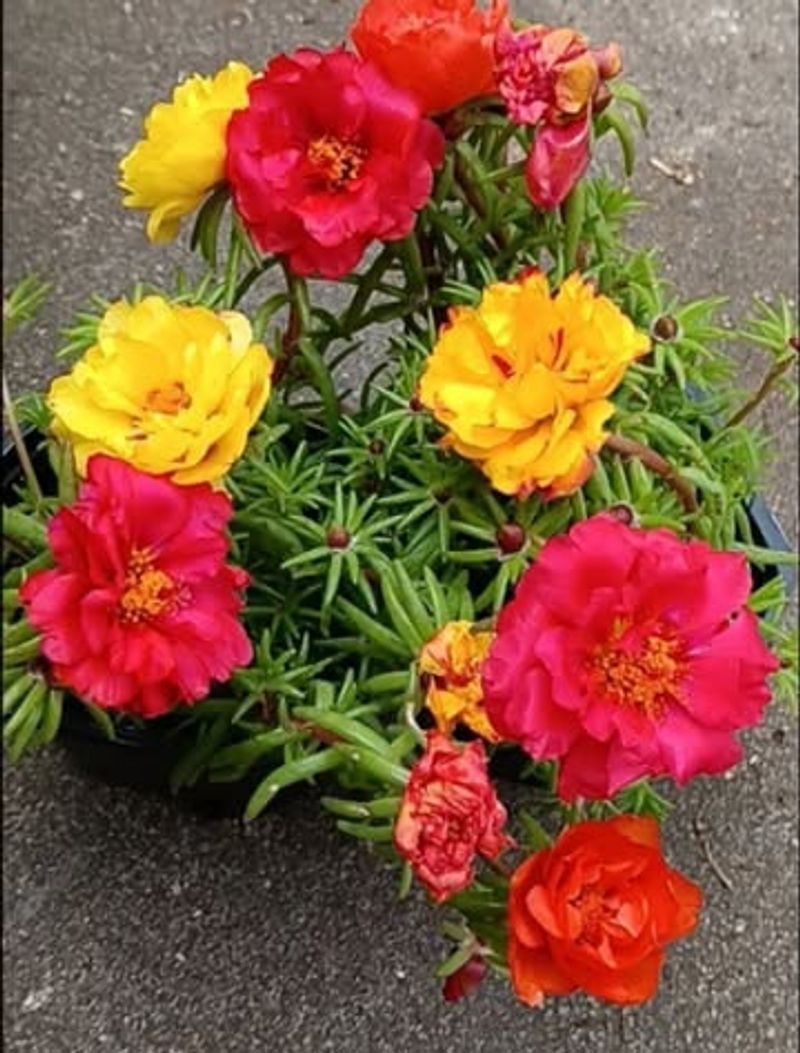
Hot, dry, and sunny? Portulaca is basically in its element.
Also called moss rose, this low-growing annual produces silky, jewel-toned flowers in shades of pink, red, orange, yellow, and white. The blooms open wide in bright sunlight and close up in the evening, almost like they are soaking up every last ray.
It is one of the toughest little flowers you can grow in a pot.
Because portulaca stores water in its thick, succulent-like stems and leaves, it handles dry spells far better than most flowering annuals. Forgetting to water for a few days?
Not a problem. This plant is surprisingly forgiving.
It thrives in shallow containers, making it perfect for window boxes, hanging baskets, and small decorative pots. Use a sandy or cactus-blend potting mix for the best results.
Planting portulaca before summer heat sets in gives it a head start so it fills out beautifully by the time temperatures peak. It spreads as it grows, creating a colorful carpet effect that looks stunning cascading over the edges of pots.
Full sun is a must, so place it in the sunniest spot you have. It rarely needs fertilizing and asks for very little in return for a whole season of bright, cheerful blooms that show up reliably day after day.
4. Gazania Opens Bright Blooms In Blazing Sun
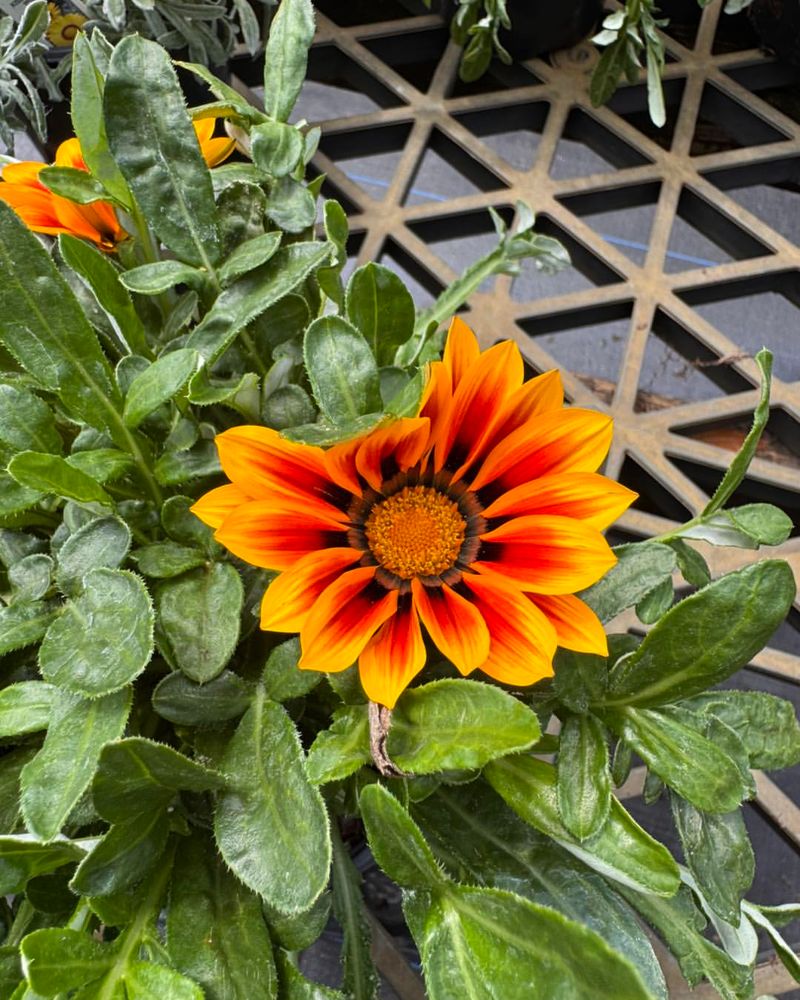
Gazania looks like it was designed to handle the harshest summer sun. Its bold, daisy-like flowers come in shades of orange, yellow, red, pink, and white, often with striking striped or spotted patterns near the center.
Native to South Africa, this plant evolved in dry, sunny conditions, which makes it perfectly suited to warm, dry summers here. It practically glows in direct sunlight.
One important thing to know about gazania is that its flowers open in response to sunlight and close on cloudy days or in the evening. So the sunniest spot you have is where it belongs.
Plant it in a container with excellent drainage, using a light potting mix or one blended with sand. Overwatering is really the only way to get into trouble with this plant, so let the soil dry out between waterings.
Gazania is a fantastic choice for pots along driveways, on south-facing patios, or anywhere that gets intense afternoon sun. Its low-growing habit makes it great for the front of a container arrangement or on its own in a wide, shallow pot.
It holds up well through heat waves without losing its color or dropping blooms. Trim back old flower stems occasionally to encourage fresh growth.
Once it settles in, it rewards you with weeks of brilliant, eye-catching color that few other plants can match in extreme heat.
5. Salvia Brings Heat-Friendly Blooms And Pollinators
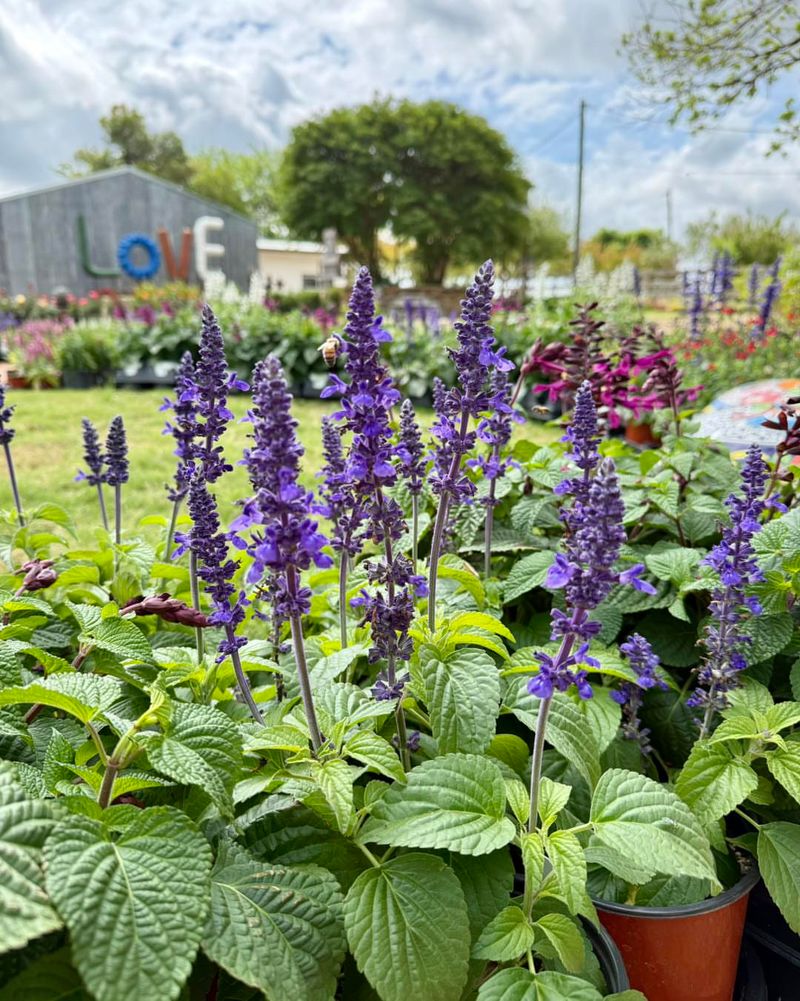
Walk past a pot of salvia in full bloom and you will likely spot a hummingbird hovering nearby. This plant is a magnet for pollinators, and it is also one of the most reliable heat-tolerant flowers you can grow in a container.
With tall spikes of flowers in red, purple, blue, pink, or white, salvia adds vertical interest and bold color to any outdoor setup.
There are many types of salvia, but the annual varieties like Salvia splendens and Salvia farinacea are especially well-suited to pot growing in warm climates. They thrive in full sun and prefer to dry out slightly between waterings.
A container with drainage holes and a quality potting mix is really all they need to get started. Planting them a few weeks before summer begins lets them establish strong roots before the real heat arrives.
One underrated quality of salvia is how long it blooms. Many varieties keep producing flowers from late spring through early fall with very little encouragement.
Cutting back the flower spikes after they fade prompts a fresh flush of blooms within a couple of weeks. Salvia also holds up well during heat waves, rarely wilting even when temperatures climb high.
For a pot that looks beautiful and supports local wildlife at the same time, salvia delivers on every front without demanding much attention in return.
6. Angelonia Looks Delicate But Handles Summer Heat
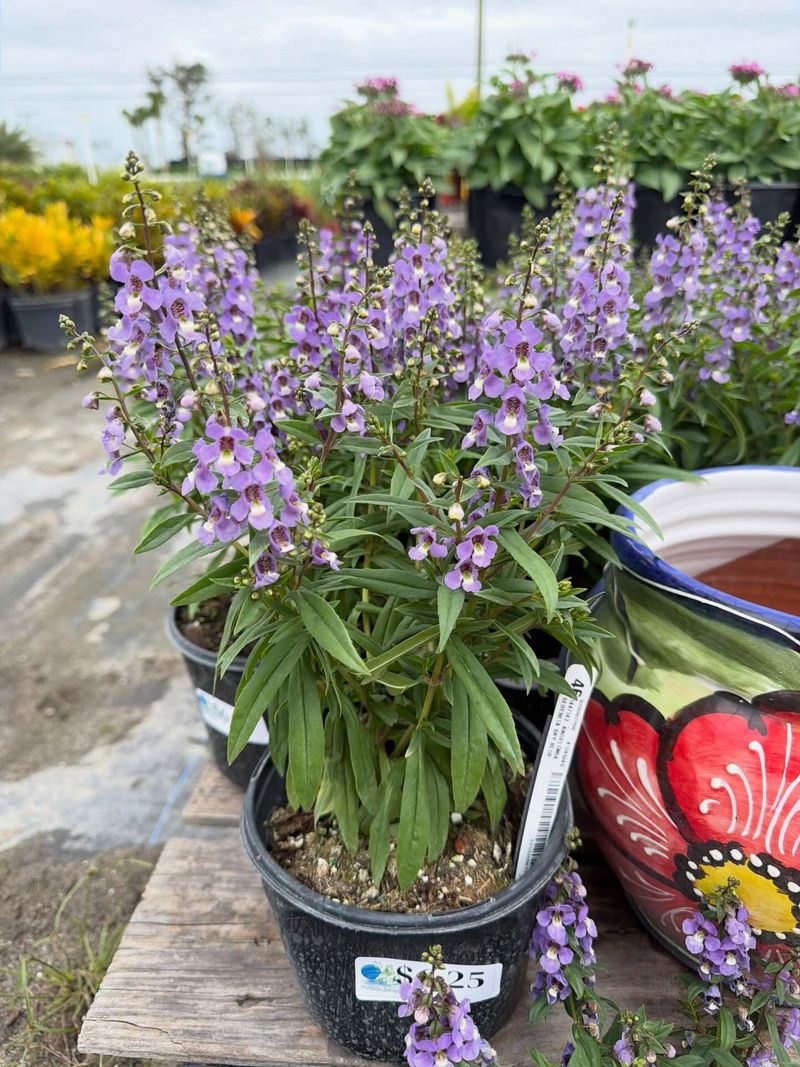
Do not let the dainty appearance fool you. Angelonia, sometimes called summer snapdragon, has a quietly tough personality beneath those graceful, orchid-like blooms.
The flowers come in shades of purple, pink, white, and bicolor, and they line up along slender stems in a way that looks almost too elegant for a hot, sunny patio. Yet that is exactly where angelonia thrives best.
Unlike traditional snapdragons that slow down in summer heat, angelonia actually picks up speed. It loves warm temperatures and full sun, making it a smart swap for anyone who has struggled to keep snapdragons looking good past spring.
Plant it in a well-draining potting mix in a medium to large container. It does not need a ton of water once established, but it appreciates consistent moisture during the hottest weeks of summer.
Another great thing about angelonia is its faint, sweet fragrance. On a warm afternoon, the scent drifts gently through the air, adding a sensory layer to your outdoor space that most heat-tolerant flowers skip entirely.
It pairs beautifully with other container plants like calibrachoa or portulaca. Deadheading is not required since it is self-cleaning, which means less maintenance for you.
From late spring through early fall, angelonia holds its form and color remarkably well, making it one of the most underappreciated flowers for hot-weather container gardening in this state.
7. Calibrachoa Gives Hanging Baskets Nonstop Color
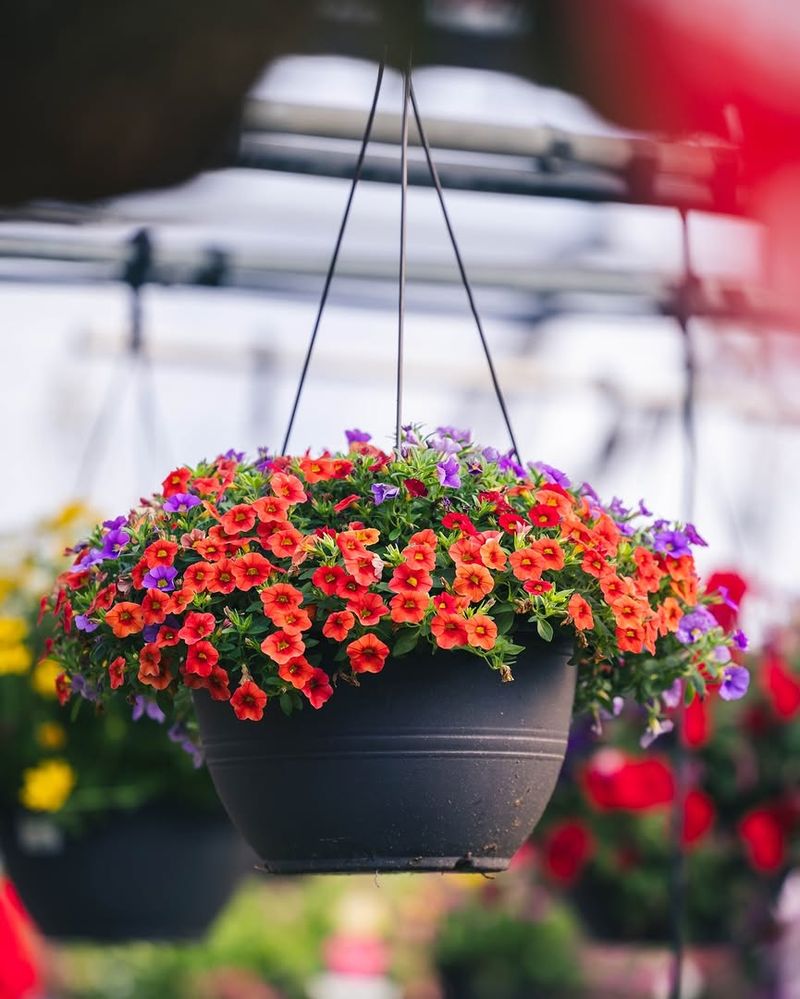
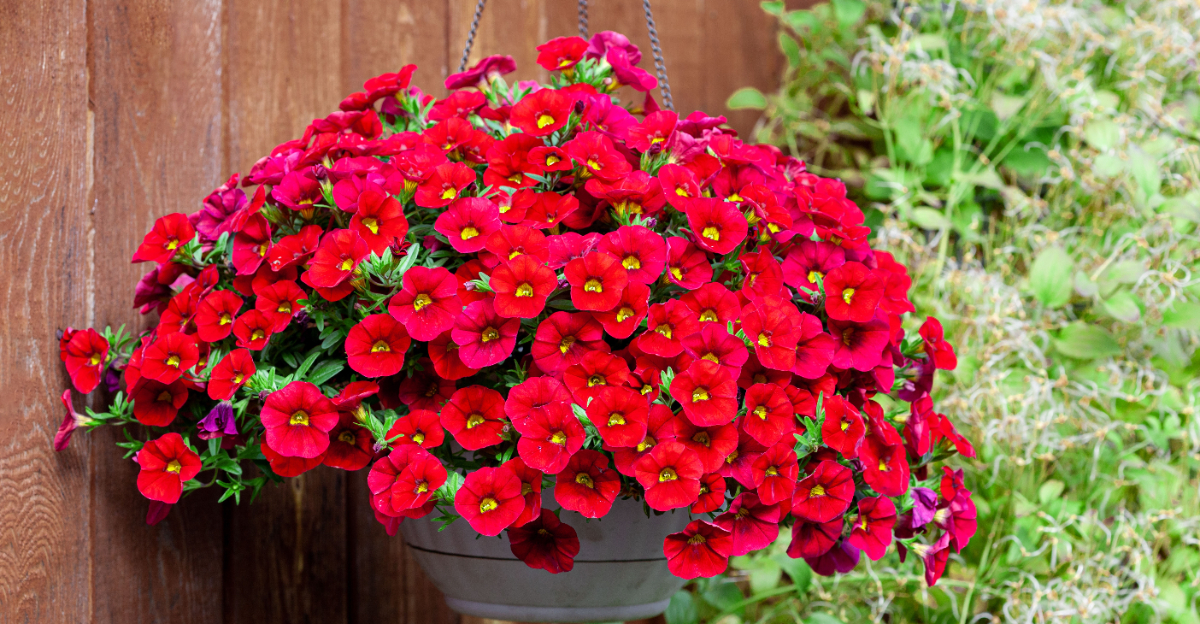
If you have ever seen a hanging basket absolutely overflowing with tiny, trumpet-shaped flowers all summer long, there is a good chance calibrachoa was doing the heavy lifting. Also called million bells, this plant earns its nickname by producing an almost ridiculous number of small blooms in every shade from soft pastels to deep, vivid jewel tones.
It is one of the most reliable performers in warm-climate container gardening.
Calibrachoa is a trailing plant, which makes it a natural fit for hanging baskets, tall pots, and window boxes where it can spill gracefully over the edges. It loves full sun and handles heat well once it gets established.
Use a high-quality potting mix and make sure the container drains properly. Because it grows quickly and produces so many flowers, it benefits from regular feeding with a balanced liquid fertilizer every couple of weeks through the growing season.
Planting calibrachoa before summer gives it time to root in and spread before the hottest days arrive. By midsummer, a well-fed plant can completely cover a hanging basket in a waterfall of color.
It is self-cleaning, meaning you do not have to remove old flowers manually. Pair it with upright plants like salvia or angelonia for a container arrangement that looks professionally designed.
For nonstop color with minimal fuss, calibrachoa is one of the smartest choices you can make for outdoor pots.
8. SunPatiens Take Bright Spots Better Than Regular Impatiens
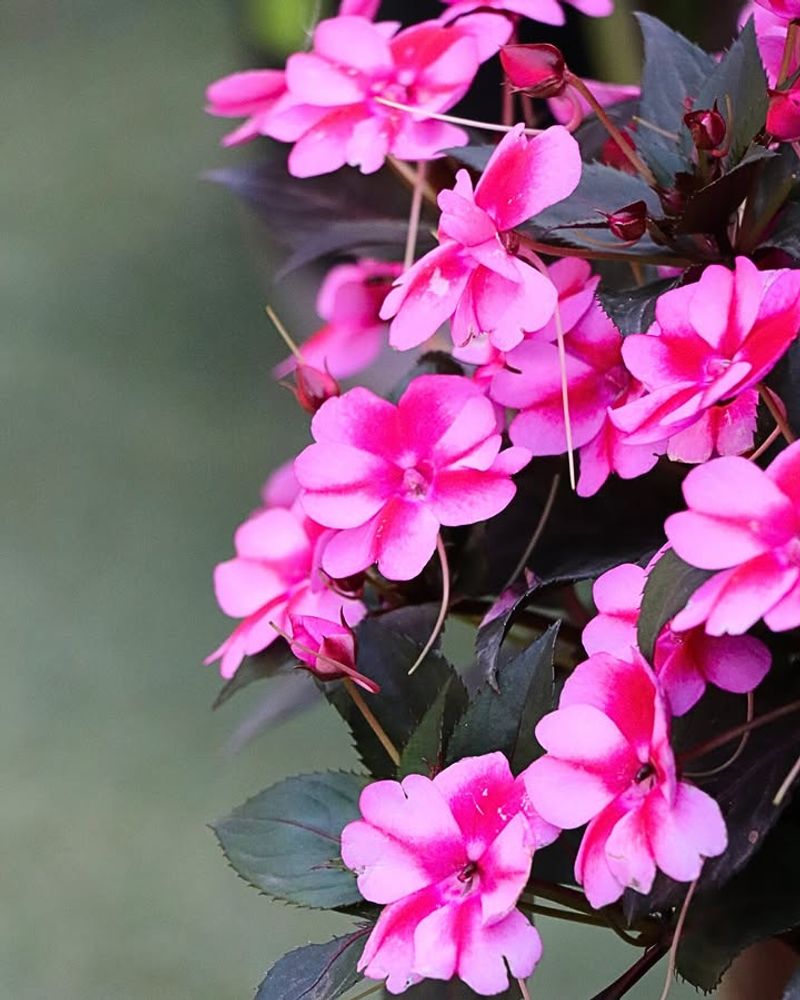
Regular impatiens are a classic container flower, but they tend to struggle badly once summer heat kicks in. SunPatiens are a different story entirely.
Bred specifically to handle full sun and high temperatures, these vigorous plants produce large, colorful blooms in shades of pink, red, orange, coral, lavender, and white. They grow fast, fill out quickly, and keep blooming even during the hottest stretches of the season.
SunPatiens work especially well in large containers where they have room to spread. They can reach 24 to 36 inches wide by midsummer if given enough space, nutrients, and water.
Unlike their shade-loving relatives, SunPatiens actually need direct sunlight to perform at their best. Plant them in a rich, moisture-retentive potting mix and water consistently, as they prefer not to dry out completely between waterings.
A slow-release fertilizer mixed into the soil at planting time gives them a strong foundation.
One of the most impressive things about SunPatiens is their disease resistance. Downy mildew wiped out many regular impatiens plantings across the country in recent years, but SunPatiens have strong resistance to that problem.
For gardeners in this state who want bold, full containers that look great from spring through fall, SunPatiens deliver reliable results without constant babying. They are a modern upgrade to a garden classic, and once you try them in your outdoor pots, it is hard to go back.