The Best Flowers That Actually Bloom And Thrive In North Carolina’s Poor Soil
Not every North Carolina yard comes with soil worth bragging about.
Sandy patches that drain before plants can drink, compacted ground that roots struggle to penetrate, low nutrient stretches left behind by construction grading, these are real conditions that real gardeners are working with across the state every season.
The instinct is to fix the soil first, but that process takes time, money, and ongoing effort that does not always pay off the way gardening guides promise.
A more practical approach is finding flowers that genuinely perform in poor soil conditions rather than fighting the ground you already have.
North Carolina actually has a strong lineup of options here, plants that not only survive lean, difficult soil but bloom more freely in it than they would in rich, amended beds.
Some of these are natives that evolved in exactly these conditions, and others are tough adapted varieties that thrive where more delicate flowers give up. If your yard has soil that has always felt like a limitation, these flowers are worth getting to know.
1. Black-Eyed Susan (Rudbeckia hirta)
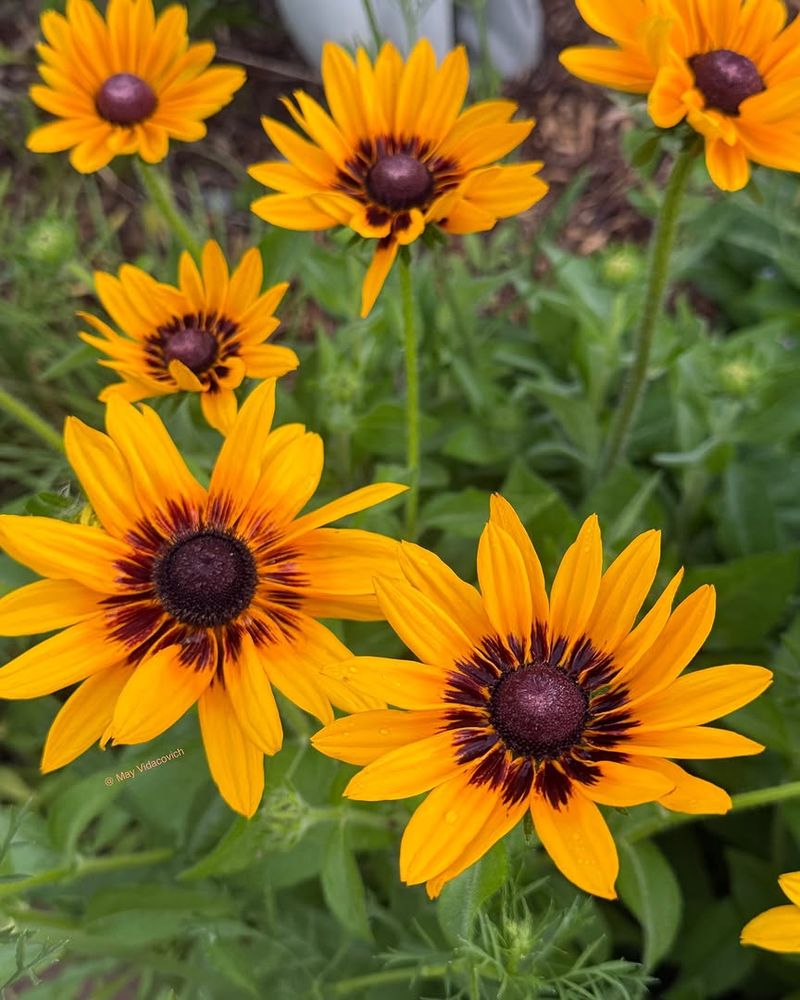
Few flowers shout “summer in North Carolina” quite like the cheerful, golden blooms of Black-Eyed Susan. Those bright yellow petals surrounding a dark brown center pop up along roadsides, meadows, and backyard gardens all across the state.
What makes this flower truly special is its stubborn refusal to need anything fancy from the soil beneath it.
Black-Eyed Susan is a true North Carolina native, meaning it evolved right here and knows exactly how to handle dry spells, heavy clay, and compacted ground. You can plant it in full sun and almost forget about it.
Once it gets going, it spreads naturally and fills in bare spots with almost no effort from you.
Gardeners who struggle with thin, nutrient-poor soil will love how reliably this plant performs season after season. It blooms from early summer all the way through fall, giving you months of color without a single bag of fertilizer.
Pollinators, especially bees and butterflies, absolutely flock to these flowers, making your yard a lively, buzzing hub of activity.
Planting is simple. Just scatter seeds or set transplants in a sunny spot, water them in, and step back.
North Carolina summers can be brutal, but Black-Eyed Susan takes the heat without complaint, bouncing back stronger every year.
2. Purple Coneflower (Echinacea purpurea)
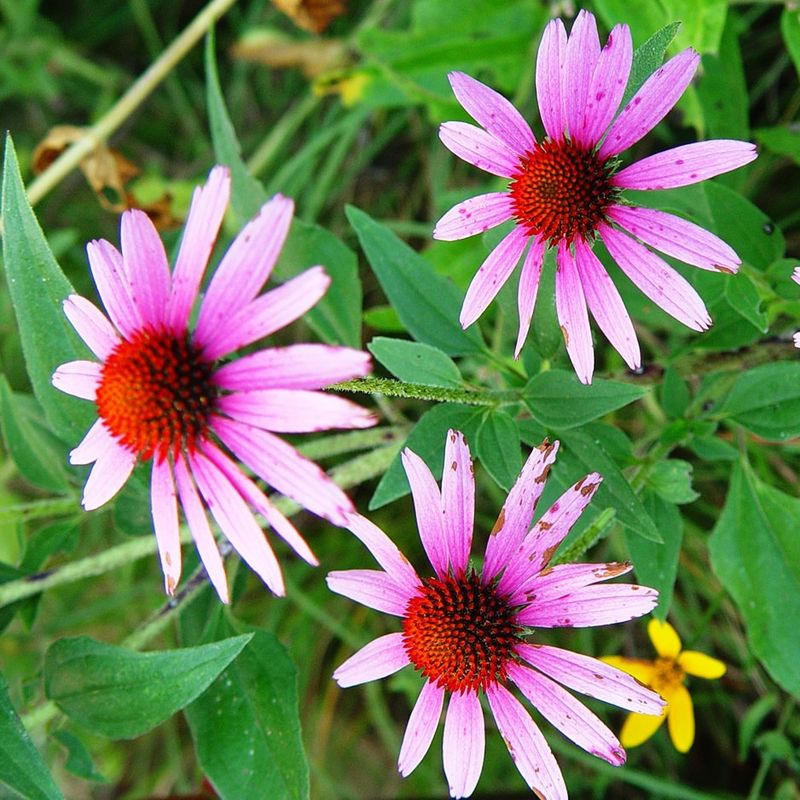
Purple Coneflower is one of those plants that looks like it belongs in a fancy garden but secretly thrives on neglect. The bold, rosy-purple petals fan out around a spiky orange-brown center, creating a look that stops people in their tracks.
North Carolina gardeners have been growing this native perennial for generations, and for very good reason.
Once established, Echinacea purpurea handles drought, lean soil, and blazing summer sun with impressive ease. You won’t need to fertilize heavily or water constantly, which makes it perfect for spots in your yard where nothing else seems to grow well.
Rich, over-amended soil can actually make the plant flop over, so your poor soil is genuinely an advantage here.
Your North Carolina Garden Changes Every Week. Your Plan Should Too.
Gardening in North Carolina changes quickly throughout the season. Every Friday you’ll receive a simple weekly plan showing exactly what to plant, prune, fertilize, harvest, and protect so you never miss the right timing.
Beyond its good looks, Purple Coneflower is a magnet for pollinators. Bumblebees, butterflies, and goldfinches visit the blooms and seed heads throughout the season, turning your garden into a mini wildlife sanctuary.
The dried seed heads are worth leaving standing through winter because birds snack on them well into the cold months.
Planting in full sun gives the best results across North Carolina. Space plants about 18 inches apart to allow good airflow, which helps prevent any fungal issues during humid stretches.
With minimal care, this perennial comes back stronger and more beautiful every single year.
3. Coreopsis (Coreopsis lanceolata)
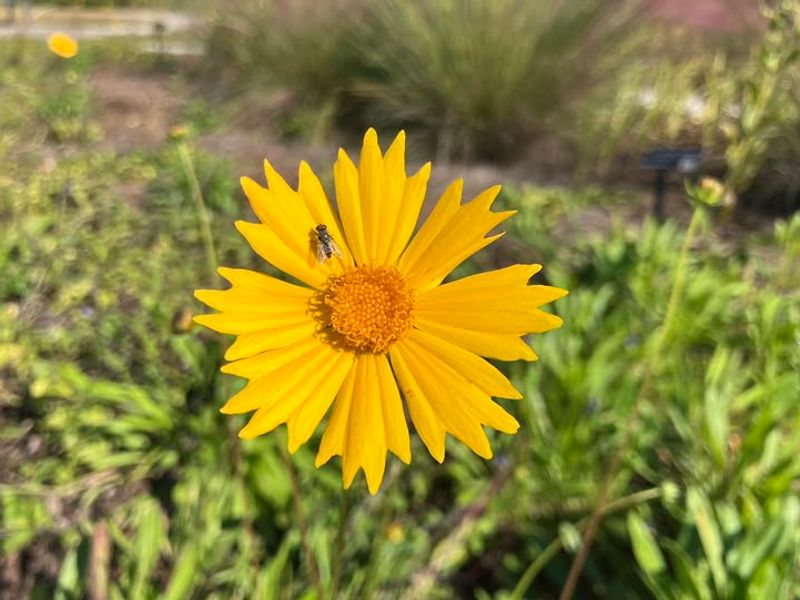
Drive along almost any sunny North Carolina highway in late spring and you’ll spot bright yellow Coreopsis nodding in the breeze along the roadsides.
This cheerful wildflower has been growing in the state’s sandy, low-fertility soils for centuries, and it brings that same effortless energy to home gardens too. It’s one of the most forgiving flowers you can grow.
Coreopsis lanceolata blooms heavily from late spring through summer, covering itself in golden yellow flowers that look like little suns. The plant genuinely prefers soil that isn’t too rich.
Add too much compost or fertilizer and you’ll get a lot of leafy growth but fewer blooms. Lean, sandy ground is where this wildflower truly shines and puts on its best show.
Heat and drought are no problem for this tough little plant. North Carolina summers can push temperatures into the upper 90s for weeks at a time, and Coreopsis just keeps on blooming.
It’s a fantastic choice for dry, south-facing slopes or areas where irrigation isn’t practical or convenient for your setup.
Deadheading spent flowers encourages even more blooms throughout the season. Coreopsis also self-seeds readily, meaning new plants pop up naturally each year without any extra work on your part.
Over time, a small planting can expand into a gorgeous, low-maintenance meadow-style display that your neighbors will definitely notice and admire.
4. Blanket Flower (Gaillardia pulchella)
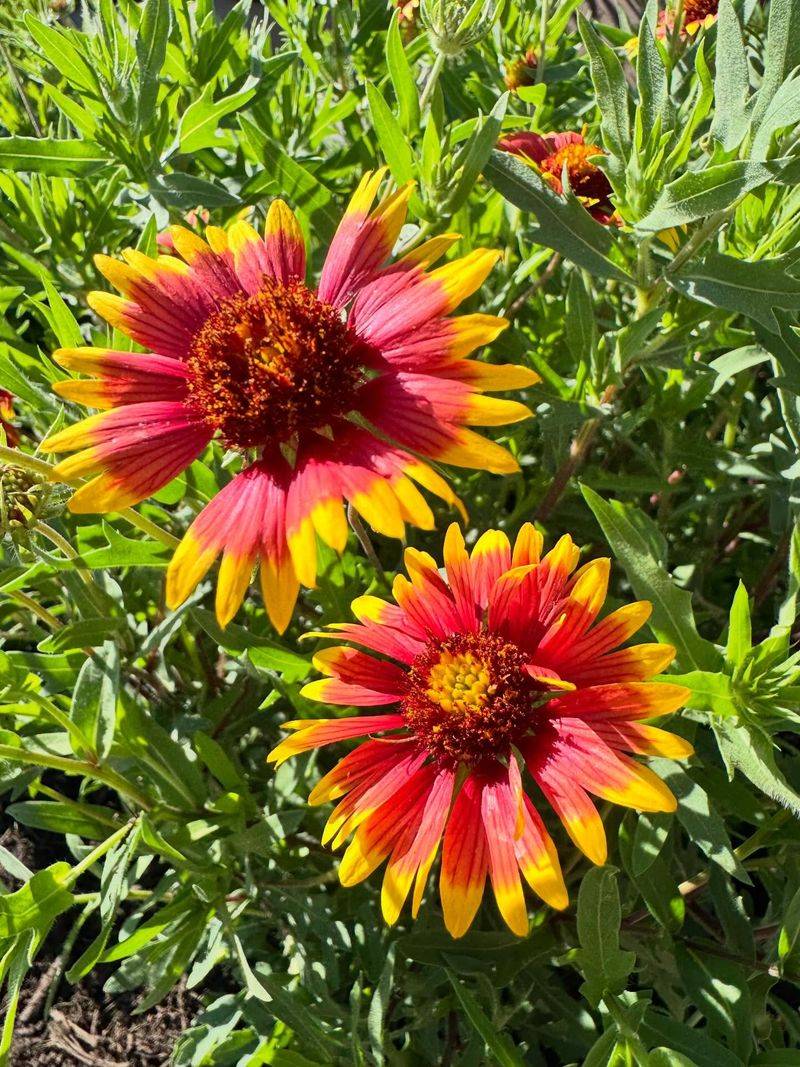
Blanket Flower earns its name from the way it spreads across dry, open ground in waves of fiery red, orange, and yellow. The blooms look like tiny sunsets, and they keep coming all season long without demanding anything special from the soil.
For North Carolina gardeners dealing with sandy or gravelly ground, this annual is practically a gift.
Gaillardia pulchella actually performs worse in rich, moist soil than it does in poor, dry ground. Over-watering or heavy fertilizing leads to weak stems and fewer flowers.
Sandy coastal soils and dry Piedmont gardens are basically ideal conditions for this heat-loving plant to absolutely thrive and bloom its heart out all summer.
Full sun is non-negotiable for Blanket Flower. Give it a spot with at least six hours of direct sunlight daily and it will reward you with nonstop color from late spring until the first frost.
The flowers are also excellent for cutting and bringing indoors, adding a burst of warm color to any room in your home.
Starting from seed is easy and inexpensive. Scatter seeds directly on prepared soil in spring after the last frost date for your North Carolina region.
Thin seedlings to about 12 inches apart once they sprout. The plants establish quickly and begin blooming within weeks, making them one of the fastest-rewarding flowers you can grow in challenging garden conditions.
5. Bee Balm (Monarda fistulosa)
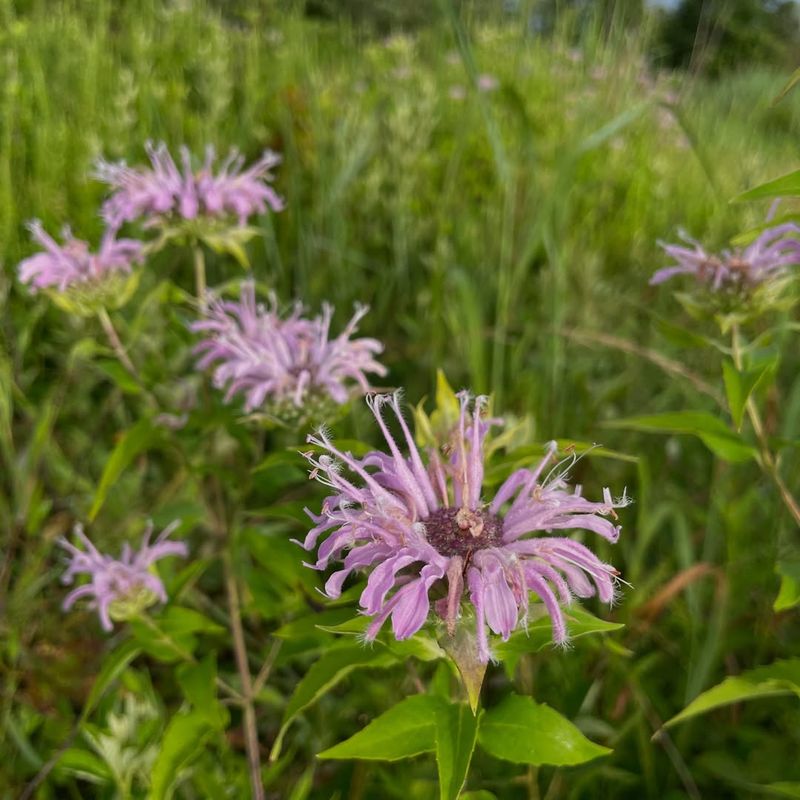
Bee Balm has a wild, shaggy charm that makes it stand out from tidier garden flowers. The lavender-pink blooms sit atop tall stems and smell faintly of oregano, which makes sense because this plant belongs to the mint family.
Native to North Carolina and much of the eastern United States, it has a long history of use by Indigenous peoples as both a medicinal and culinary herb.
Monarda fistulosa handles a wide range of soil types, including lower-fertility ground that would stress out many other flowering plants. It does prefer good drainage, so avoid spots that stay soggy after rain.
In North Carolina’s clay-heavy soils, mixing in a little grit or planting on a slight slope helps the roots stay healthy and happy throughout the growing season.
Humidity is the one challenge Bee Balm faces across North Carolina. Powdery mildew can appear on the leaves during hot, muggy stretches, so spacing plants 18 to 24 inches apart improves airflow and reduces that risk significantly.
Choosing the wild species over hybrid varieties also tends to produce better mildew resistance in tough summer conditions.
Hummingbirds, bees, and butterflies visit Bee Balm constantly once it starts blooming in midsummer. Cutting back the stems after the first bloom flush often triggers a second round of flowers.
The plant spreads gradually by underground runners, slowly filling in a bed with minimal effort needed from you.
6. Tickseed (Coreopsis verticillata)
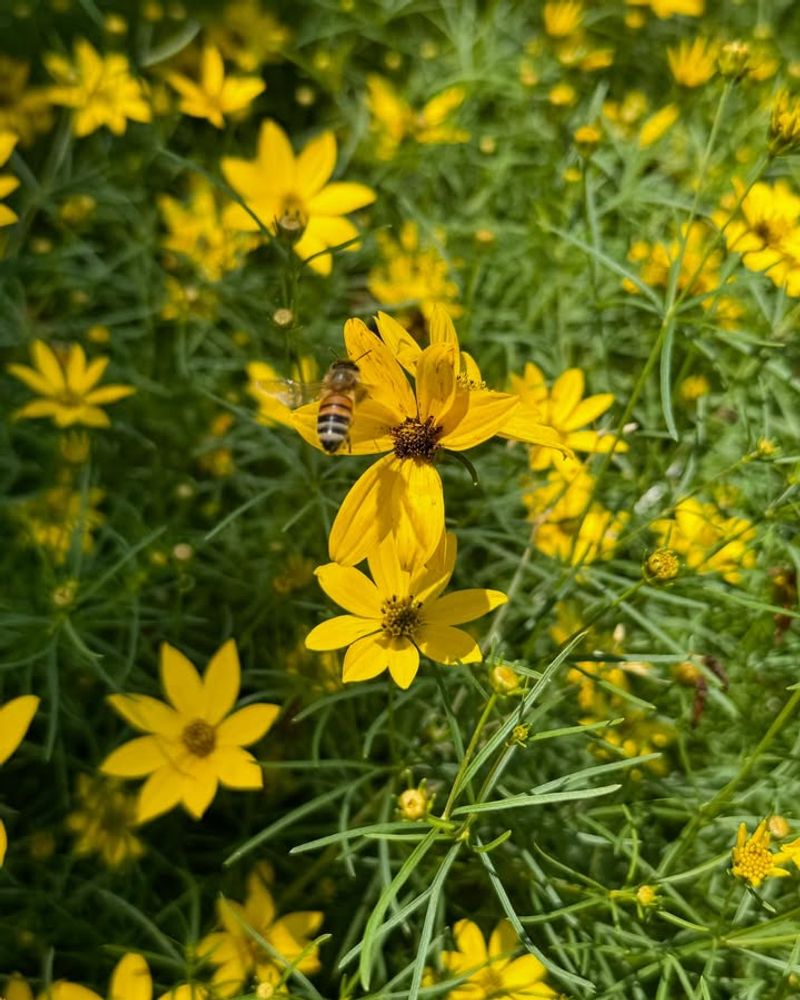
Tickseed is the kind of plant that makes experienced gardeners smile knowingly. While other flowers struggle and sulk in poor, dry soil, Coreopsis verticillata just keeps pumping out cheerful yellow blooms week after week.
It has one of the longest bloom periods of any native perennial you can grow in North Carolina, often flowering from late spring all the way through early fall.
The fine, feathery foliage of Tickseed gives it a delicate, almost lacy look that pairs beautifully with bolder plants like coneflowers and bee balm. Don’t let that delicate appearance fool you, though.
This plant is remarkably tough and thrives in exactly the kind of lean, well-drained soil that frustrates so many gardeners across the Piedmont and coastal regions of the state.
Heat tolerance is one of Tickseed’s greatest strengths. North Carolina summers are long and hot, and this plant handles that with ease.
It doesn’t need supplemental watering once established, making it an excellent choice for low-maintenance landscapes or gardens where irrigation isn’t always available or convenient for the homeowner.
Cutting plants back by about one-third in midsummer refreshes the foliage and encourages a strong second flush of blooms heading into fall. Tickseed spreads slowly by rhizomes, gradually forming tidy clumps that fill in gaps without becoming invasive or aggressive.
Dividing clumps every three to four years keeps the plants vigorous and blooming at their absolute best.
7. Blazing Star (Liatris spicata)
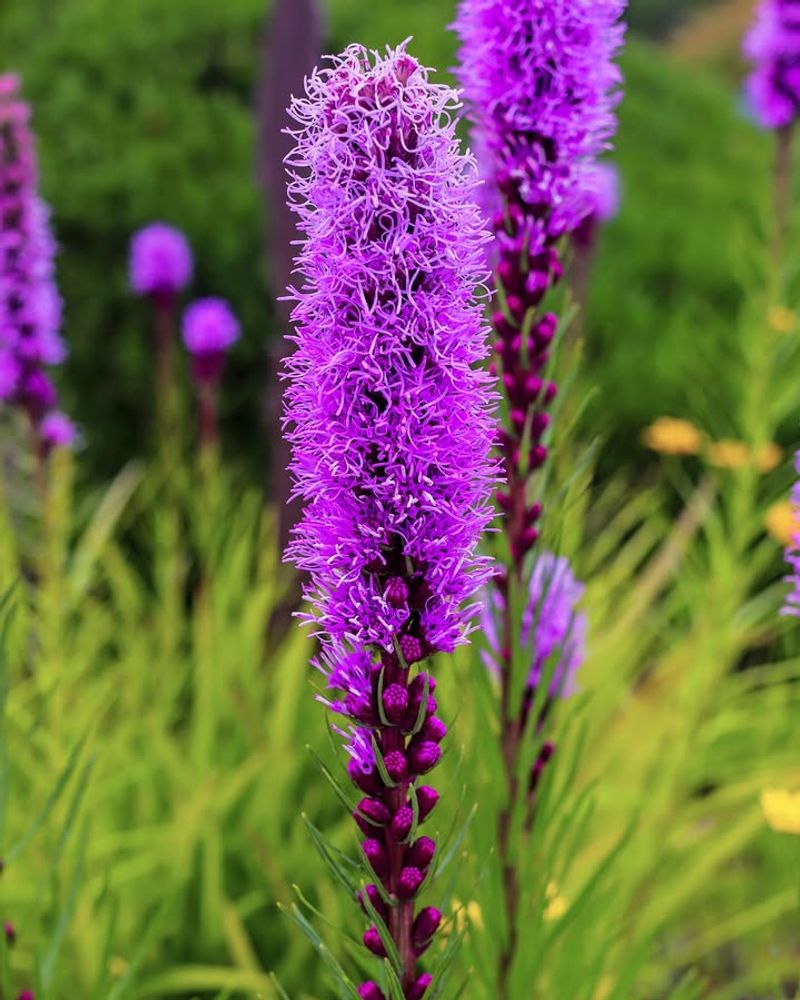
There’s something almost theatrical about Liatris. Tall, bold spikes of purple-pink flowers shoot straight up from the ground and bloom from top to bottom, which is the opposite of most other flowering spikes.
That unusual trait makes it a real conversation starter in any North Carolina garden, and pollinators absolutely go wild for the blooms all summer long.
Growing from corms rather than fibrous roots, Liatris spicata stores energy underground and handles poor soil conditions surprisingly well. The key requirement is good drainage.
Sitting in wet soil over winter can cause the corms to rot, but in North Carolina’s naturally well-drained sandy or gravelly soils, this is rarely a problem worth worrying about.
Full sun brings out the best in Liatris. Give it a bright, open spot and it will reward you with spikes that reach two to four feet tall, creating dramatic vertical interest in beds and borders.
The blooms are also fantastic for cutting and last well in a vase, bringing that bold purple color indoors for arrangements and centerpieces.
Planting corms in fall or early spring works well across most of North Carolina. Set them about two to three inches deep and six inches apart for a full, lush effect.
Once established, Liatris is drought-tolerant and long-lived, returning reliably each year with almost no maintenance required from even the most casual gardener in the state.
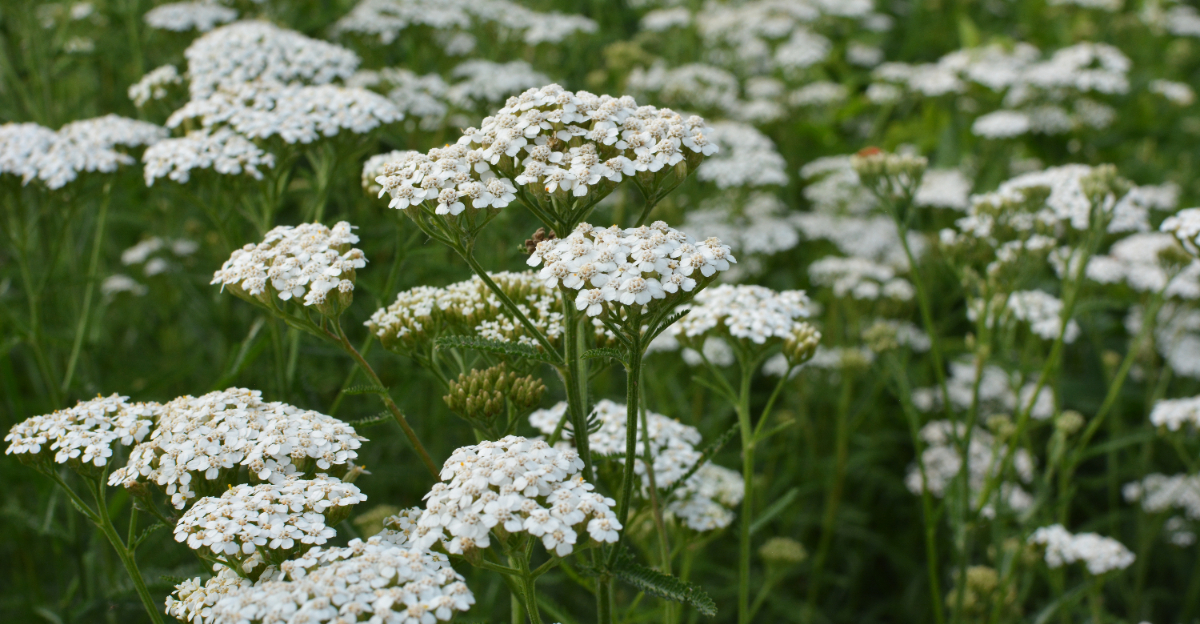
8. Yarrow (Achillea millefolium)
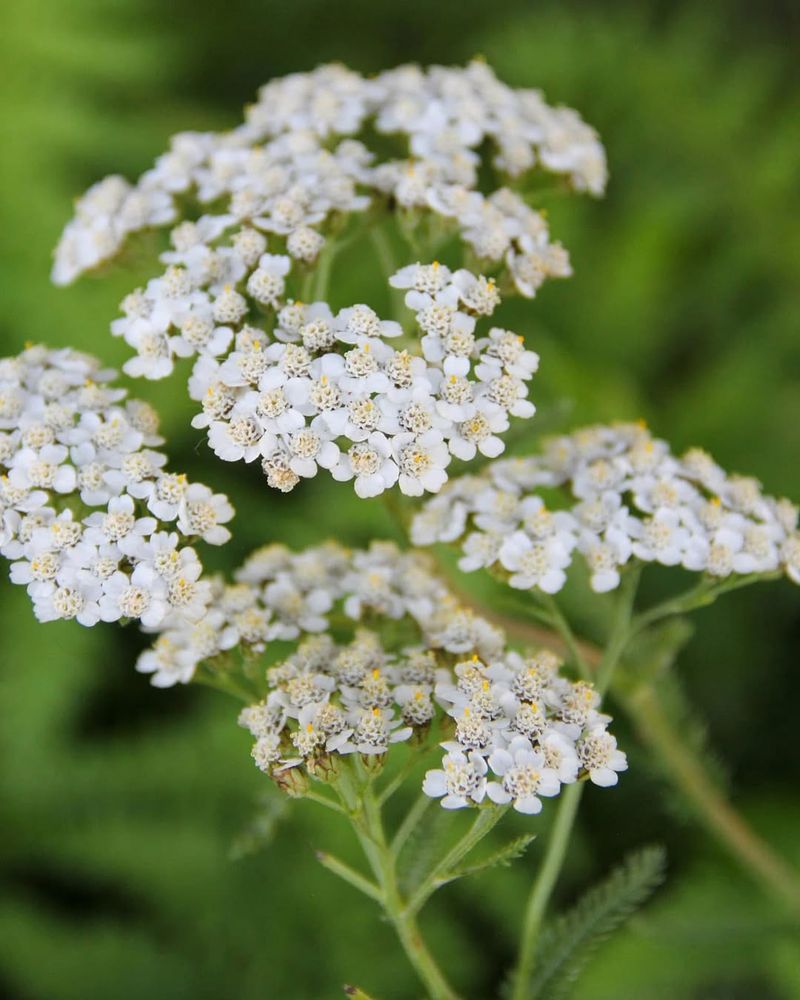
Yarrow is one of those fascinating plants with a history that stretches back thousands of years.
Ancient soldiers reportedly used its leaves to help treat wounds on the battlefield, and it has been a staple of cottage gardens and wildflower meadows across many continents ever since.
In North Carolina, it grows happily in poor, dry soil where most other flowers would simply give up.
Achillea millefolium produces flat-topped clusters of tiny flowers in shades ranging from classic white to soft yellow, pink, and deep red, depending on the variety you choose.
The ferny, aromatic foliage is attractive even when the plant isn’t in bloom, adding texture and interest to garden beds throughout the entire growing season without any special attention needed.
Here’s something surprising: adding fertilizer or rich compost to yarrow’s planting area actually hurts its performance. Too much nitrogen causes floppy stems and reduced flowering.
North Carolina’s naturally lean, low-fertility soils are genuinely ideal for this plant, and it thrives in spots where other flowers struggle to even survive the summer heat and dryness.
Full sun and good drainage are the two things Yarrow truly needs to perform at its best. Dividing clumps every two to three years keeps the plants from spreading too aggressively and encourages fresh, vigorous growth.
Yarrow also attracts a wide variety of beneficial insects, making it a smart and beautiful addition to any pollinator-friendly garden across the state.