7 Ways To Turn Kitchen Scraps Into Garden Gold In Georgia
Kitchen scraps add up fast in Georgia, and most of them end up in the trash without a second thought.
At the same time, garden beds lose nutrients quicker than expected, especially with warm weather and steady growth pulling from the soil. That gap between what gets tossed and what the garden needs often goes unnoticed.
Peels, leftovers, and small bits from daily cooking can do more than people expect when used the right way. Instead of going to waste, they can support healthier soil and stronger plant growth over time.
It does not take anything complicated to make that shift. A few simple habits can turn everyday scraps into something that actually benefits the garden in a real, visible way.
1. Start A Compost Pile With Fruit And Vegetable Scraps
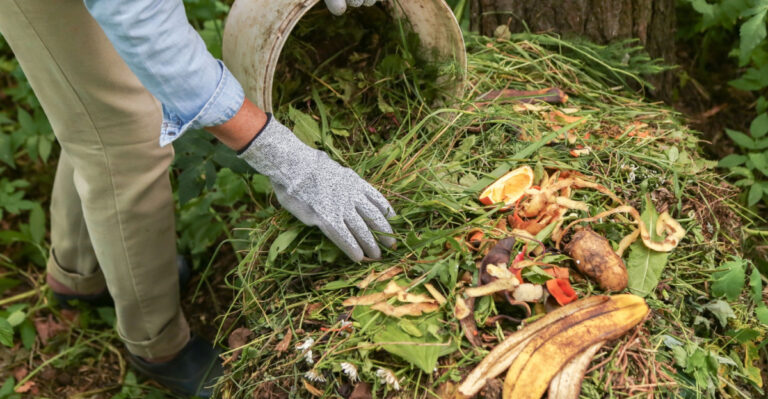
Banana peels, carrot tops, apple cores — most people toss these without a second thought, but they’re actually packed with organic matter your garden soil is hungry for. Starting a compost pile is one of the most straightforward things you can do, and Georgia’s warm weather gives the whole process a real head start compared to cooler states.
Pick a spot in your yard that gets partial shade. Full sun dries a pile out too fast, especially during Georgia’s hot summers.
A corner near your garden beds works well so you’re not hauling finished compost far when it’s ready to use.
Layer your fruit and vegetable scraps with dry materials like fallen leaves or shredded cardboard. Aim for roughly two parts dry material to one part food scraps.
That balance keeps the pile from turning into a soggy, smelly mess.
Turn the pile every week or two with a pitchfork or shovel. This brings oxygen in, which speeds up decomposition.
In Georgia’s warmer months, a well-maintained pile can break down into usable compost in as little as six to eight weeks, though results vary depending on what you add and how often you turn it.
Avoid adding meat, dairy, or oily foods — these attract animals and break down unevenly. Stick to raw fruit and vegetable scraps, and your pile will stay manageable.
2. Add Coffee Grounds To Compost To Improve Soil Quality
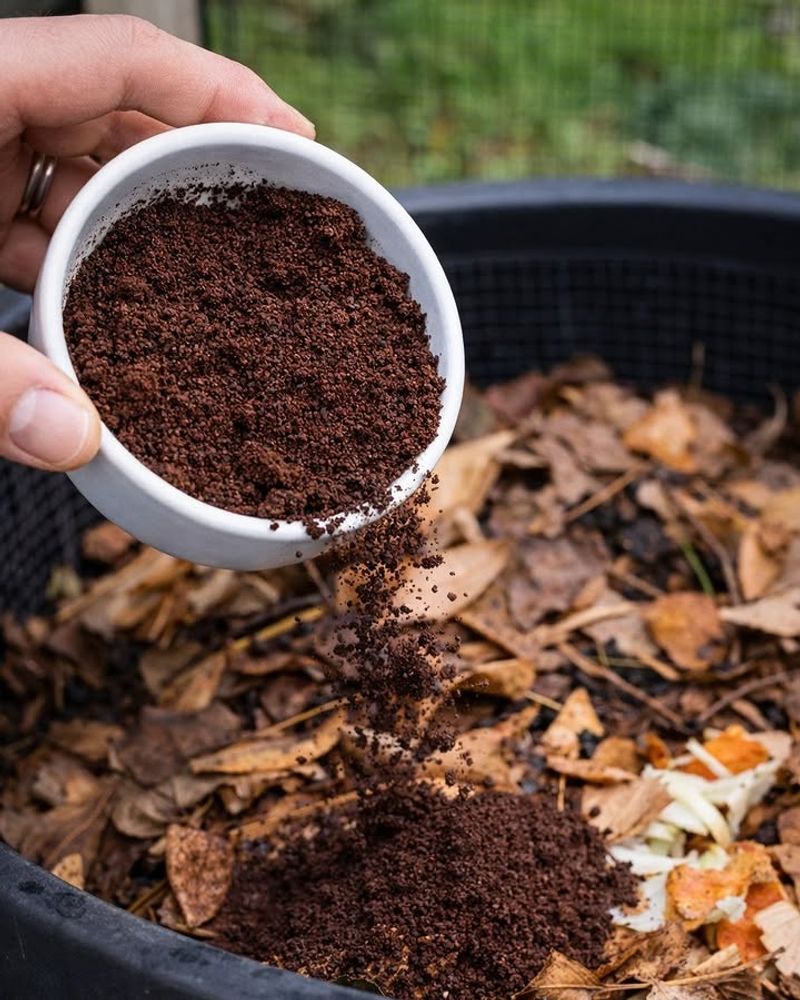
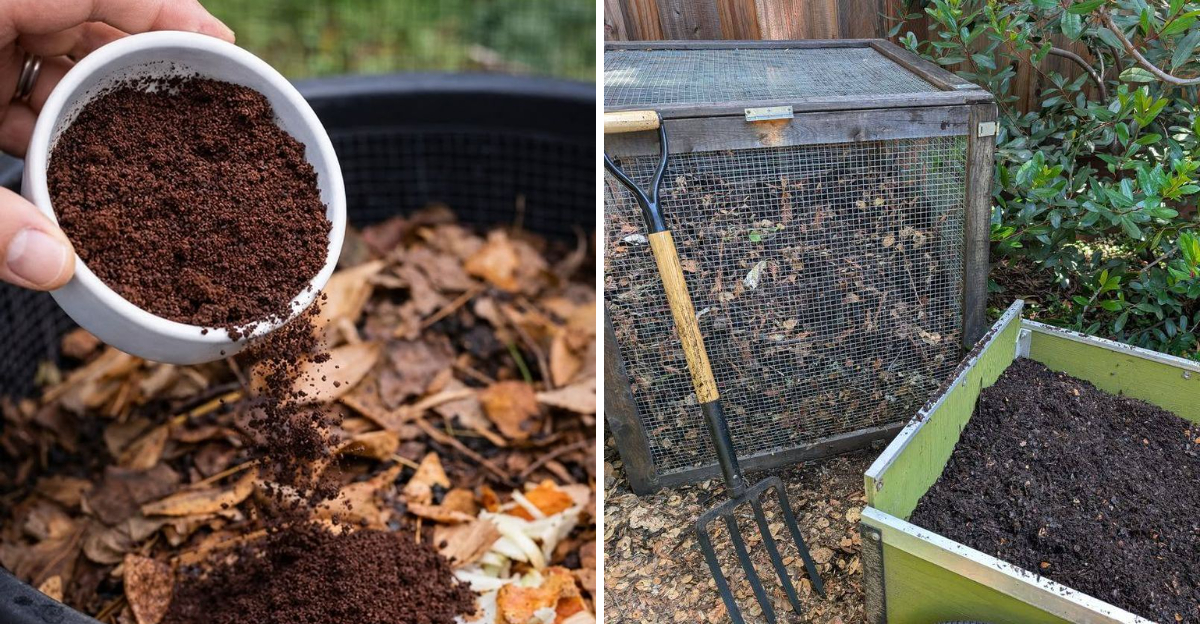
Used coffee grounds might be the most underrated thing sitting on your kitchen counter right now. They’re nitrogen-rich, which means they help fuel the microbial activity that breaks everything else down in your compost pile faster.
In Georgia, where clay-heavy soils are common across much of the state, adding organic matter like coffee grounds can gradually help improve drainage and soil texture over multiple growing seasons. It’s not an overnight fix, but consistent additions do make a difference.
Sprinkle grounds into your compost bin rather than dumping a large amount all at once. Too many grounds piled together can mat up and block airflow, which slows decomposition instead of speeding it up.
A thin layer mixed in with other scraps works much better.
Coffee grounds are slightly acidic, which suits blueberries, azaleas, and tomatoes well — all plants that thrive in Georgia gardens. That said, the acidity in grounds is mild enough that adding moderate amounts to a general compost pile won’t throw off your soil pH significantly.
Your Georgia Garden Changes Every Week. Your Plan Should Too.
Gardening in Georgia changes quickly throughout the season. Every Friday you’ll receive a simple weekly plan showing exactly what to plant, prune, fertilize, harvest, and protect so you never miss the right timing.
3. Crush Eggshells And Mix Them Into Compost For Calcium
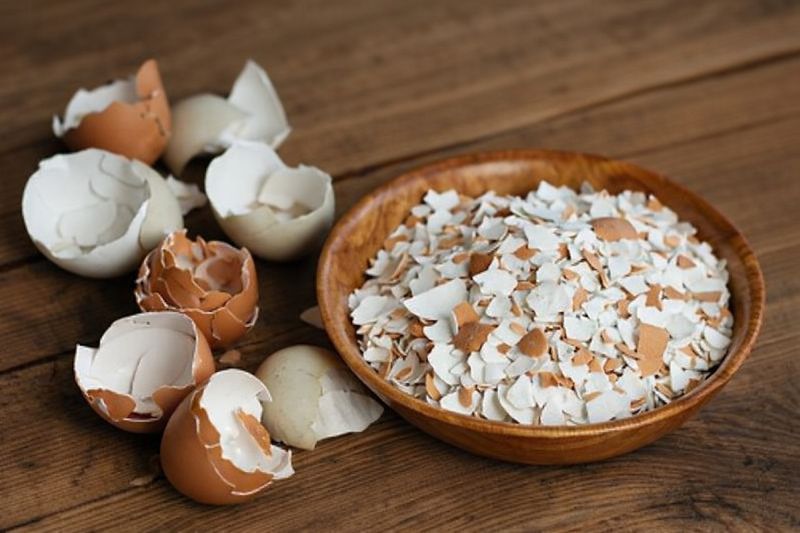
Calcium doesn’t get talked about as much as nitrogen or phosphorus, but plants need it to build strong cell walls and support healthy growth. Eggshells are about 94 percent calcium carbonate, making them a surprisingly useful addition to your compost pile or garden beds.
Before tossing shells into the compost, crush them up as small as you can. Whole or large shell pieces take a long time to break down — sometimes more than a year.
Crushed shells decompose faster and become available to your soil more quickly, especially in Georgia’s humid conditions where moisture helps speed the process.
Blossom end rot is a common frustration for Georgia tomato growers, and while low calcium in the soil isn’t always the direct cause, maintaining good calcium levels through consistent compost additions is a reasonable preventive step. Consistent additions over time support overall soil health.
Rinse your shells lightly before storing them so they don’t attract fruit flies. Let them dry out on the counter or in a low oven for a few minutes, then crush them with your hands or a rolling pin before adding them to your compost bin or directly around plant bases.
Pepper plants, squash, and broccoli also respond well to calcium-rich soil, so this habit pays off across a variety of vegetables common in Georgia gardens.
Keep a small container near your stove specifically for shells — once you get into the routine, you’ll be surprised how quickly they accumulate and how little effort it actually takes.
4. Make Compost Tea To Feed Plants Naturally
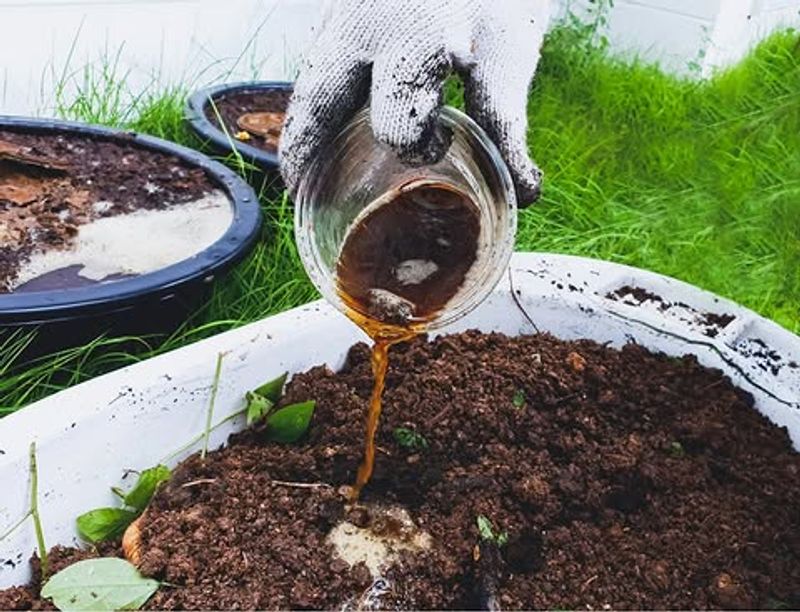
Compost tea sounds fancier than it is. Basically, you steep finished compost in water and use the resulting liquid to feed your plants — it’s a simple way to get nutrients directly to roots or onto leaves without waiting for solid compost to break down further in the soil.
Fill a bucket about one-third full with finished compost, then top it off with water. Let it sit for 24 to 48 hours, stirring occasionally.
Some gardeners add an aquarium bubbler to aerate the mix, which can encourage beneficial microbial growth, though a plain soak works reasonably well on its own.
Strain out the solid material using an old pillowcase or piece of burlap before applying the liquid. The remaining solid material can go right back into your compost pile — nothing gets wasted.
Apply the tea to your garden beds in the early morning before Georgia’s heat picks up.
Vegetable gardens tend to respond noticeably to regular compost tea applications during the growing season. Consistent use over several weeks can support healthier foliage and stronger root systems, though results depend on your existing soil conditions and how much organic matter is already present.
Avoid storing leftover tea for more than a day or two — the microbial content starts to drop off quickly. Fresh batches are more effective and take only a short time to prepare.
5. Use A Covered Bin To Compost Scraps Without Attracting Pests
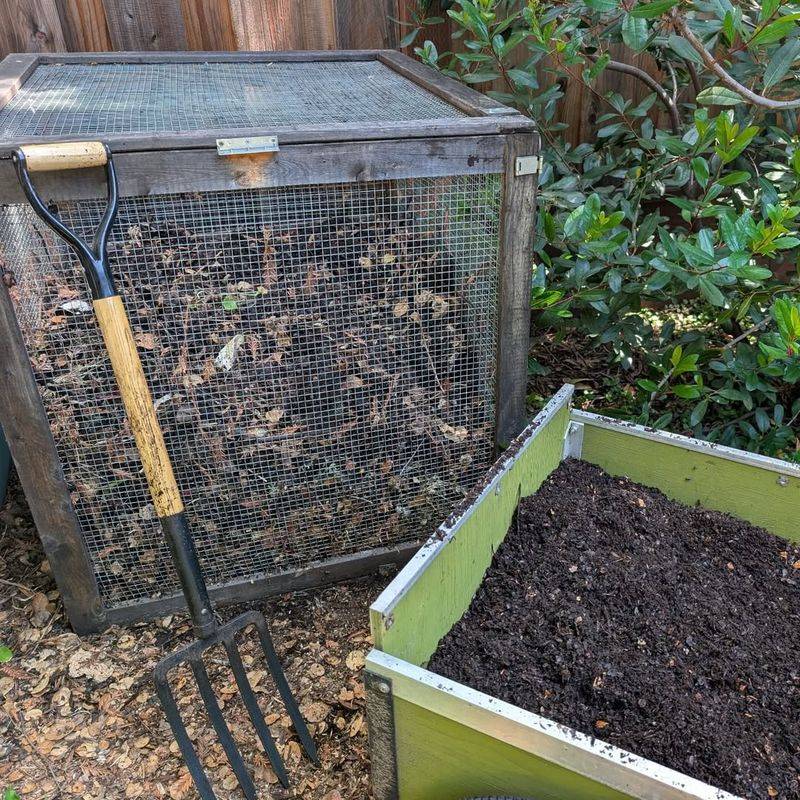
An open compost pile works fine in some situations, but if you’ve ever found raccoons or possums rummaging through your yard at night, you already know why a covered bin is worth considering. Georgia has no shortage of wildlife that finds exposed food scraps irresistible.
A basic covered bin with a locking or tight-fitting lid keeps curious animals out without much effort on your part. You can buy one at most garden centers or hardware stores, or build a simple wooden version with a hinged top.
Either way, the key feature is a lid that stays shut.
Place your bin on bare ground rather than concrete if possible. Worms and beneficial organisms from the soil can work their way up into the bottom of the pile, which speeds decomposition naturally.
Georgia’s soil stays active with microbial life for a longer portion of the year than in colder states, which works in your favor.
Add scraps regularly and mix them in rather than just piling them on top. Burying new material slightly under existing compost reduces odor and keeps flies from laying eggs on fresh scraps.
A small hand trowel kept near the bin makes this quick and easy.
If you notice fruit flies gathering around the lid, check whether you’re adding too many wet scraps without enough dry material.
6. Regrow Vegetables From Scraps For Extra Harvest
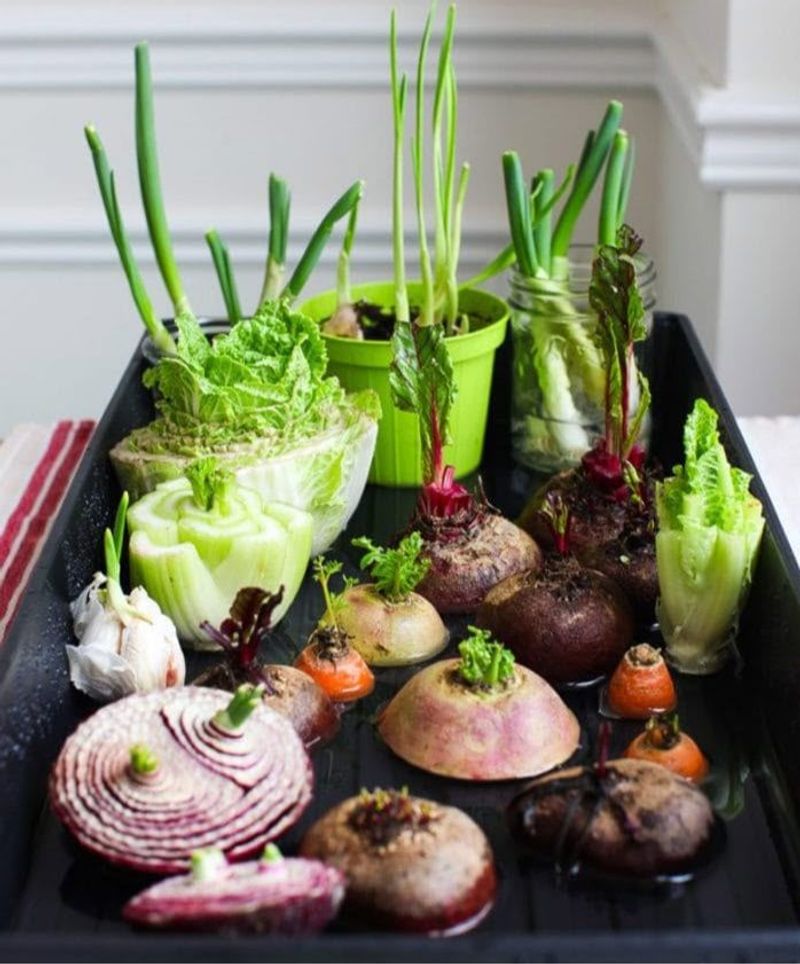
Regrowing vegetables from scraps is genuinely satisfying, especially when you realize how little effort it takes. Green onions are the easiest place to start — just drop the white root ends into a glass of water, set it on a sunny windowsill, and you’ll see new green shoots pushing up within a few days.
Romaine lettuce and celery work similarly. Cut the base off, place it in a shallow dish with about an inch of water, and keep it in a bright spot.
The regrowth won’t produce a full head of lettuce, but you can get a handful of fresh leaves within a week or two, which is a nice bonus from something you would have thrown out.
Georgia’s long growing season means you can transplant some of these regrown starts directly into garden beds for a more substantial harvest.
Green onions transplant easily and will keep producing if you cut them above the roots rather than pulling the whole plant.
Ginger and turmeric are worth mentioning here because both grow well in Georgia’s warm, humid climate. If a piece of ginger root from your kitchen has started sprouting, plant it in a pot or garden bed with rich, well-draining soil.
It takes several months to mature, but the payoff is a fresh supply of homegrown ginger that costs nothing extra.
7. Add Banana Peels To Compost To Support Nutrient Balance
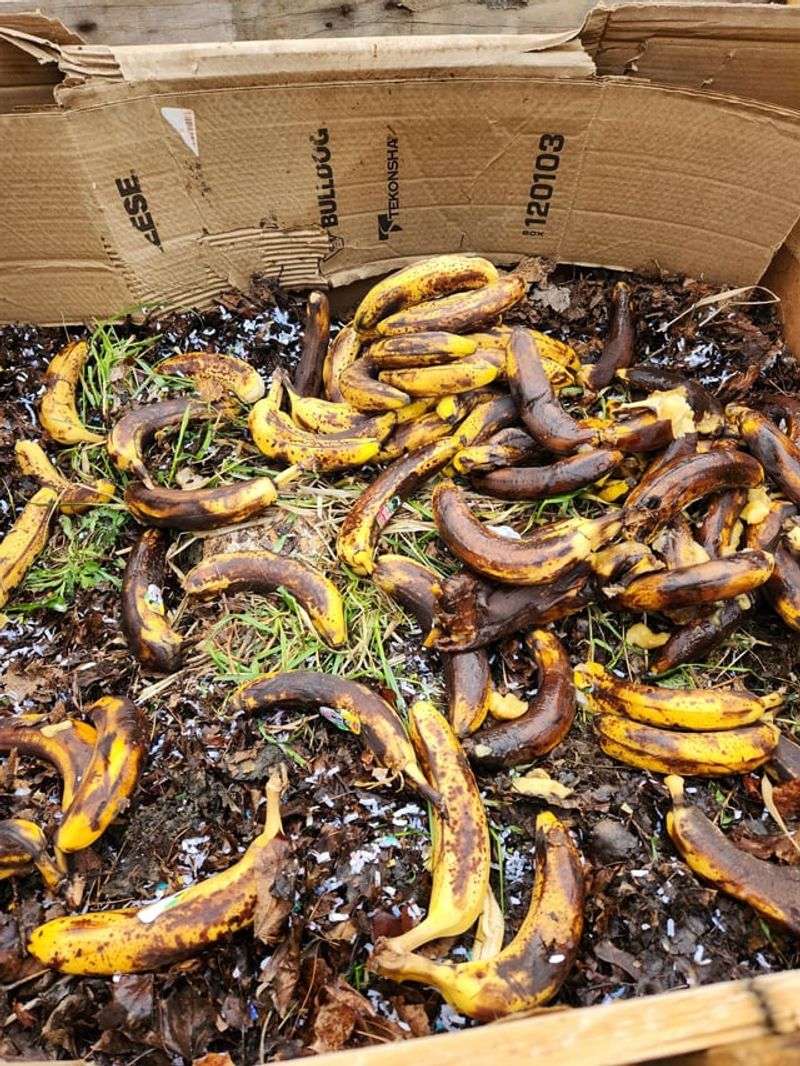
Banana peels break down quickly compared to a lot of other kitchen scraps, which makes them a practical addition to any compost pile. They’re also a decent source of potassium, along with smaller amounts of phosphorus and magnesium — nutrients that support root development and overall plant health.
Chop or tear peels into smaller pieces before adding them to your bin. Smaller pieces decompose faster, and in Georgia’s warm summer months, a chopped banana peel can break down noticeably within a couple of weeks when mixed into an active pile.
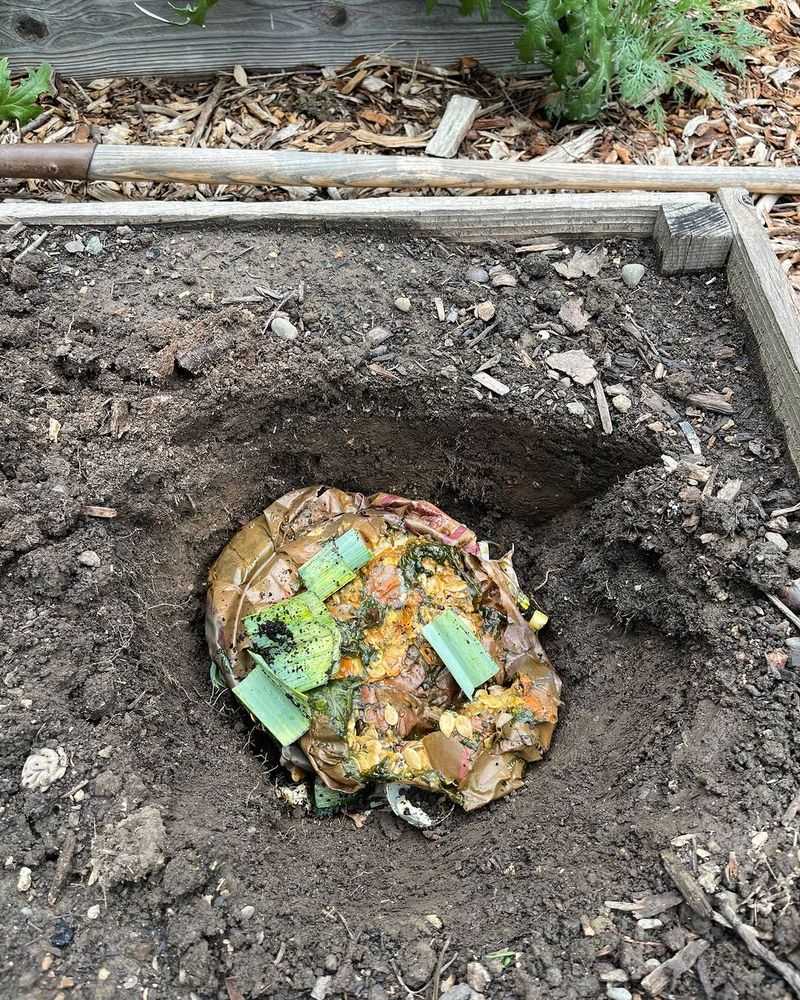
Some gardeners bury whole peels directly in the soil near the base of plants rather than composting them first. This can work, but it occasionally attracts animals if the soil isn’t covered well.
Composting first and then applying finished material to your beds is a more reliable approach in areas with active wildlife, which is common across much of Georgia.
Potassium plays a role in fruit development, so plants like tomatoes, peppers, squash, and strawberries — all popular in Georgia vegetable gardens — may benefit from soil that has a good potassium supply. That said, banana peels alone won’t address significant nutrient deficiencies.
They’re best viewed as one small piece of an overall composting routine rather than a standalone fix.