The 10 Best Flowers To Grow In Florida Gardens For Beautiful Arrangements
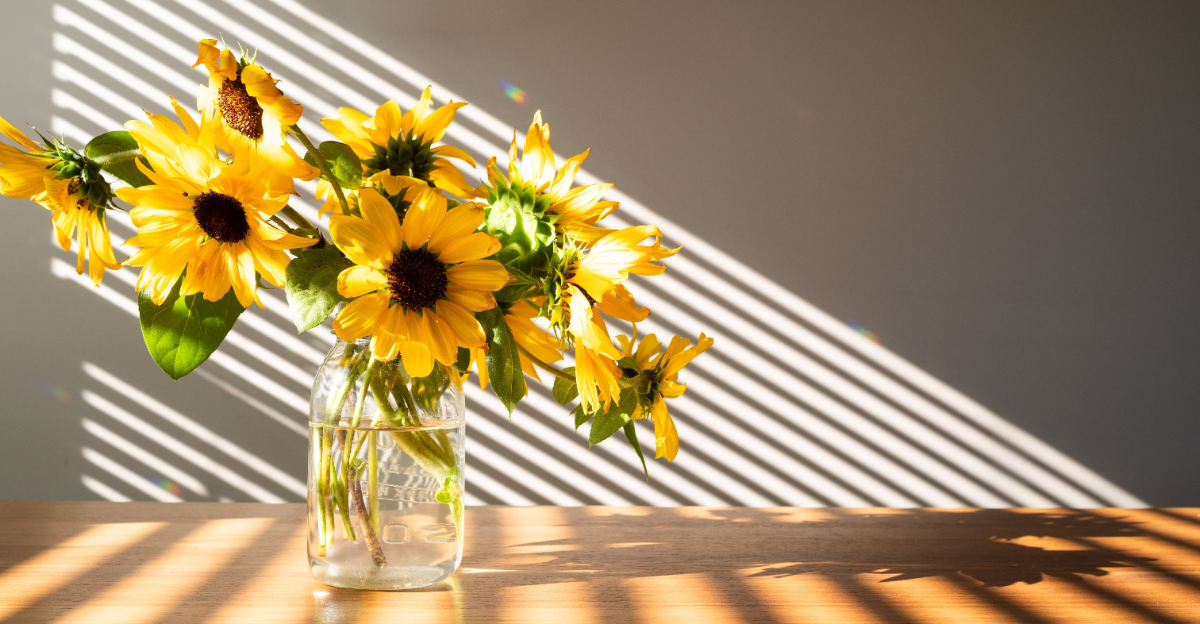
Florida gardens rarely stay quiet for long. One week it’s a burst of color, the next it’s cut stems sitting in a jar on the kitchen counter, catching that late afternoon light.
Plenty of people plant for curb appeal, but at some point, the idea shifts. You start noticing which flowers actually hold up after cutting and which ones turn a simple bunch into something you’d proudly set on the table.
That’s where the right picks make all the difference. Some flowers handle Florida heat without fuss and still look just as good indoors. Others grow fast, bloom often, and keep giving you something worth cutting again and again.
A few of them stand out for a reason, and once you see how they come together, it’s hard to go back to random garden clippings.
1. Plume Celosia That Adds Bold Texture And Standout Shape
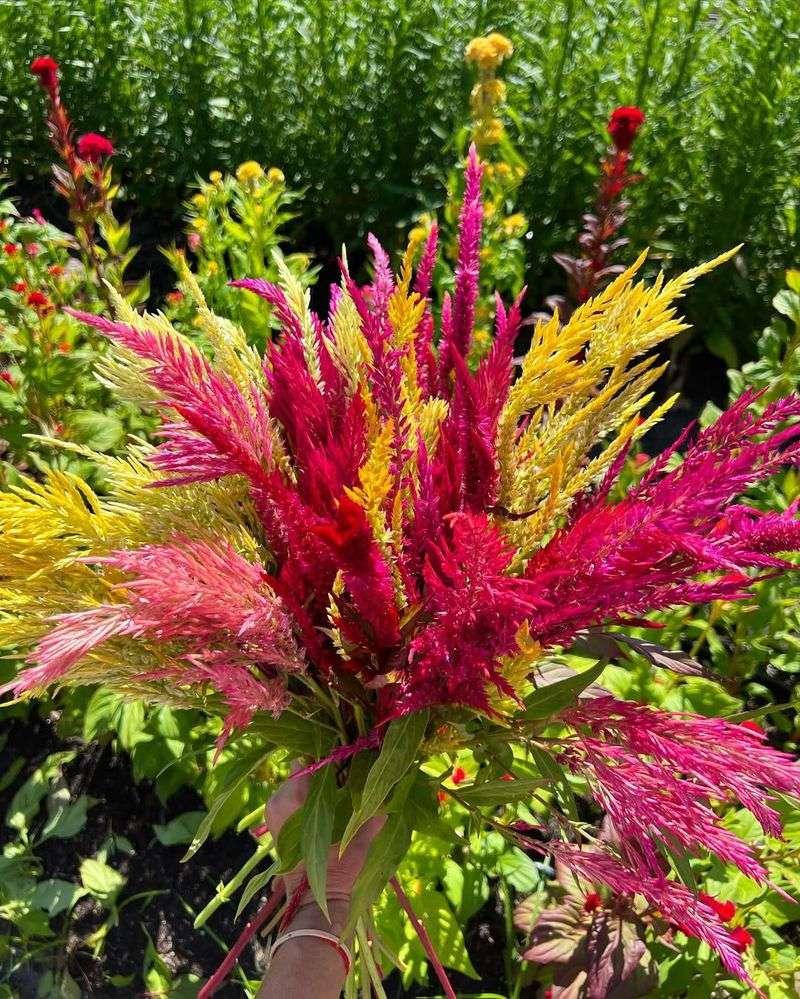
Some arrangements need a little contrast to feel complete, especially when everything starts blending together. That’s where plume celosia fits in, bringing height and a soft, feathery texture that breaks up rounder blooms and fills empty space without making things look heavy.
In Florida gardens, it tends to handle heat well and keeps growing through the warmer months. The colors lean warm and vivid, with shades of pink, red, orange, and gold that mix easily into summer arrangements.
It does best in full sun with soil that drains well, and spacing plants out a bit helps with airflow, which can matter during humid stretches.
Growth and flowering can vary depending on timing and care, but once it gets going, it often provides a steady supply of stems. Cutting regularly may encourage more side shoots, giving you more to work with over time.
For arrangements, stems are best cut once the color is fully developed and the plumes feel firm. They tend to hold up well in water compared to many summer flowers.
Plume celosia also dries easily, keeping much of its color and shape, which makes it just as useful beyond the fresh-cut stage.
2. Zinnias That Keep Your Garden And Bouquets Full Of Color
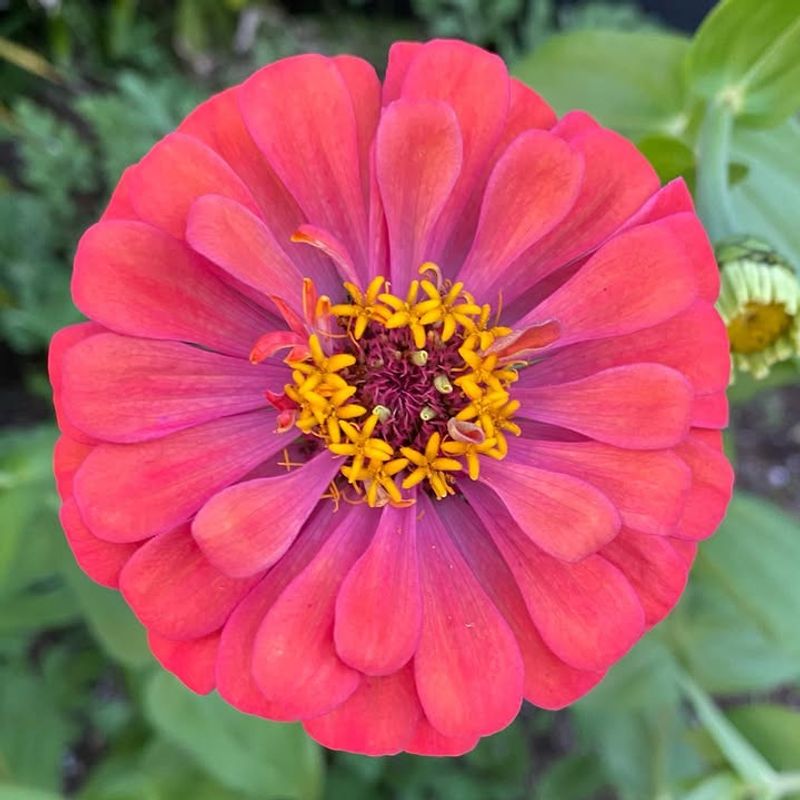
Bright and cheerful, zinnias are widely grown in Florida gardens for their reliable color and fast growth. These sun-loving annuals come in a wide range of shades, from soft pastels to deeper, saturated tones.
Many gardeners like how quickly they move from seed to bloom, often flowering within six to eight weeks under warm conditions.
Strong, upright stems make zinnias a practical choice for cutting. Depending on the variety, plants can reach two to four feet tall, giving you good stem length for arranging. Once cut, the blooms often hold well in water for about a week with regular water changes.
Zinnias generally perform well in Florida’s heat, but humidity can lead to issues like powdery mildew, especially later in the season. Planting in full sun with well-drained soil and allowing good air circulation helps keep plants healthier.
Bloom time can stretch from spring into fall, though it often depends on planting time, care, and local conditions.
Butterflies tend to linger around zinnias, adding a bit of movement to the garden while you gather stems for cutting. In a vase, mixing colors and flower shapes creates a fuller, more relaxed look.
Larger dahlia-style blooms stand out, while smaller pompom types help fill in around them.
3. Sunflowers That Instantly Brighten Any Arrangement
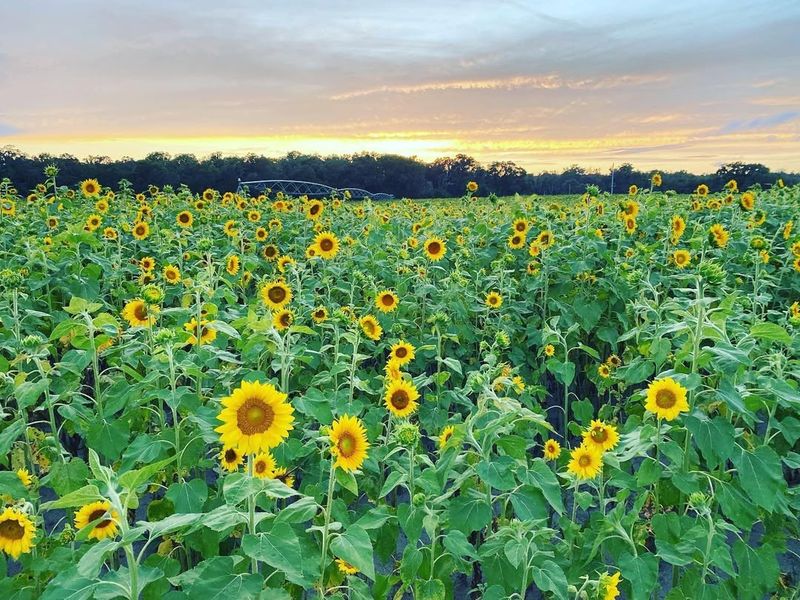
Large, open blooms with strong stems make sunflowers a natural focal point in any arrangement. Even a single stem can anchor a bouquet, while smaller varieties blend well with other flowers for a more relaxed, garden-style look.
Cutting them just as the petals fully open, before the center begins to shed pollen, helps extend their vase life, which often lasts around seven to ten days with proper care.
Sunflowers come in a wide range of sizes, from tall types that can grow quite tall depending on the variety to more compact varieties suited for smaller spaces. Their sturdy structure makes them easy to work with, especially for simple arrangements that don’t need much support.
They grow best in full sun with well-drained soil and benefit from consistent watering while establishing. Once established, they can tolerate short dry periods, though regular moisture supports stronger growth and better blooms.
In Florida, planting time depends on location. Gardeners in North Florida usually grow sunflowers from spring through early fall, while Central and South Florida can often fit in additional planting windows, especially during cooler months.
4. Gerbera Daisies That Bring Clean, Bright Pops Of Color
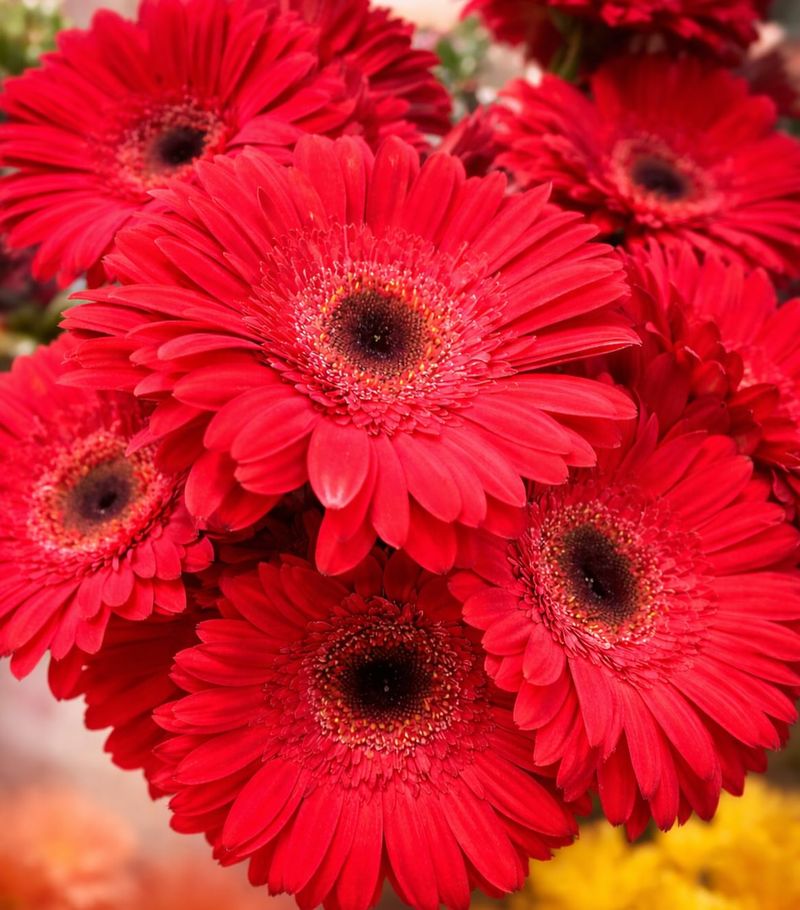
A bright pop of color on the table often comes down to flowers that hold their shape and stand out without much effort. Gerbera daisies do exactly that, with wide, clean petals and bold centers that draw the eye right away.
In Florida, how they grow depends on location. They tend to come back year after year in South Florida, while many gardeners in North and Central Florida grow them as seasonal plants.
The substantial flower heads measure three to five inches across, making them natural stars in any arrangement. Colors span the rainbow, from soft peach and coral to vibrant magenta and sunny yellow.
Each bloom sits atop a strong stem, though you’ll want to use floral wire for extra support in arrangements.
Growing gerbera daisies in Florida requires some attention to watering and placement. They prefer morning sun with afternoon shade, especially during intense summer months.
Good air circulation helps prevent fungal issues in Florida’s humid conditions. Water at the soil level rather than overhead to keep the foliage dry.
When cutting gerberas for arrangements, choose flowers that have just fully opened. They’ll last five to seven days in clean water.
Change the water frequently and recut the stems at an angle. These daisies look spectacular on their own in simple vases or mixed with greenery for classic elegance that brightens any Florida home.
5. Salvia That Adds Height And Soft Movement To Arrangements
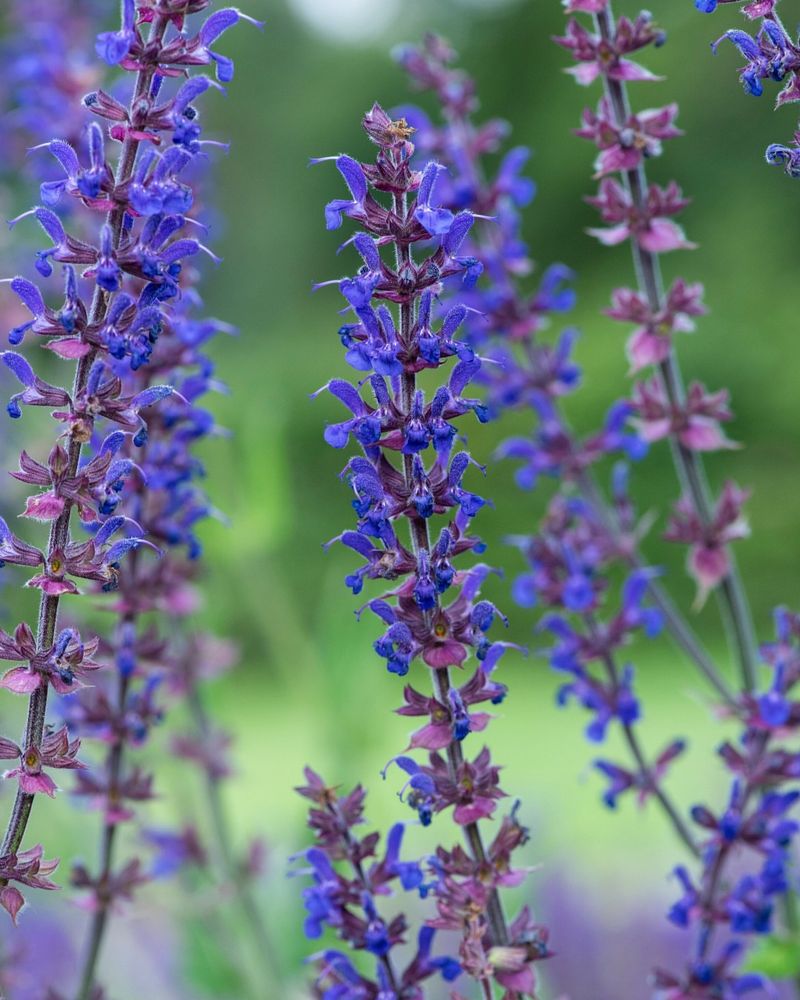
Arrangements can start to feel a bit flat without something to draw the eye upward, and that’s where salvia really earns its place. Those tall spikes bring height and shape, helping balance out rounder blooms like zinnias or gerbera daisies.
The range of colors, from deep blue and purple to red and white, makes it easy to fit into different styles without much effort.
In the garden, many salvia varieties handle Florida’s heat well and continue to produce flowers over an extended period, though bloom time can vary depending on the type and local conditions. They tend to do best in full sun with well-drained soil, and once established, they can get through short dry periods, especially with occasional watering during longer dry stretches.
Each spike opens gradually from the bottom up, which helps keep color in both the garden and the vase for longer. Pollinators like hummingbirds and butterflies are frequent visitors, adding a bit more life to the space.
For cutting, it helps to wait until about half the flowers on each spike have opened. Remove any leaves that would sit below the water line, and the stems will usually hold for about a week or a little longer.
6. Coreopsis That Gives A Light, Wildflower Feel To Bouquets
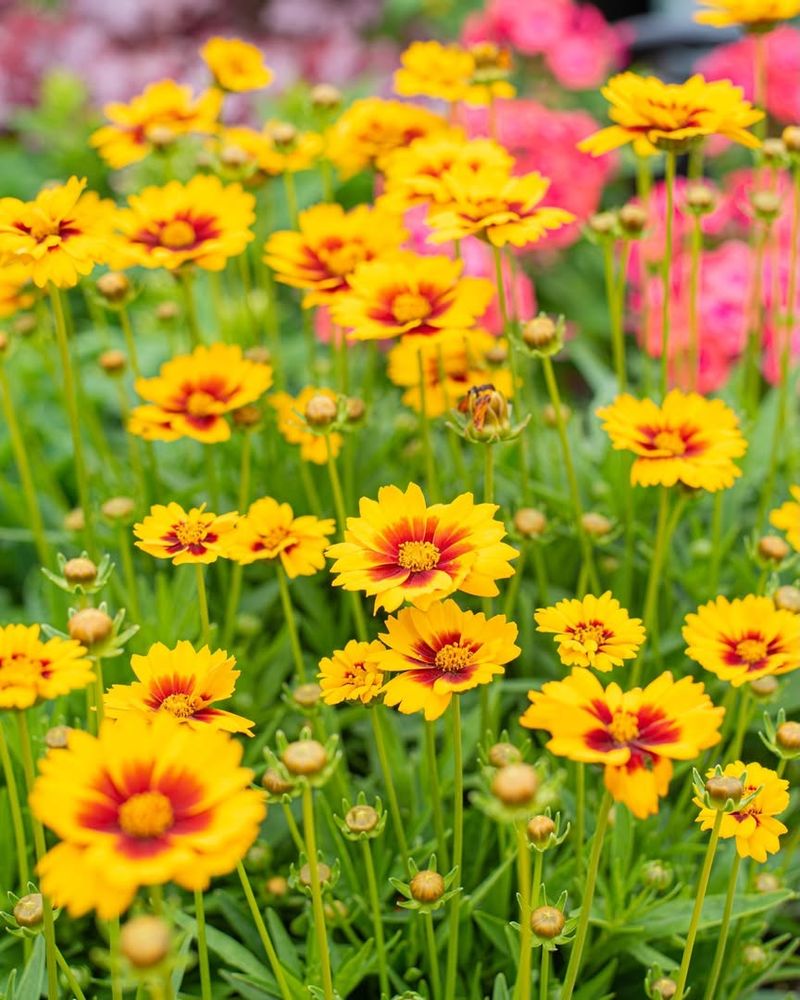
A familiar sight along Florida roadsides, coreopsis brings that same easy, sunlit look into garden arrangements. The small, daisy-like blooms with bright yellow petals and deeper centers add a light, natural feel that pairs well with both bold and simple flowers.
Different species of coreopsis grow across Florida, and choosing one suited to your region helps it settle in more reliably. Many types handle heat and sandy soils well, and some native varieties can tolerate coastal conditions, though performance can vary depending on the exact species and location.
Occasional watering during dry periods and removing spent blooms can help keep plants looking their best.
In the garden, coreopsis tends to flower steadily during its growing season, with the number of blooms depending on care and planting conditions. The slender stems give arrangements a loose, airy structure that works well as a filler around larger flowers.
Pollinators are often drawn to coreopsis, bringing a bit of extra activity to the garden while you gather stems for arrangements. Cut the flowers just as they begin to fully open, and they’ll usually hold for several days in water.
Their light, airy look works well for creating that relaxed, wildflower-style feel in a vase.
7. Bird Of Paradise That Creates A Bold Tropical Statement
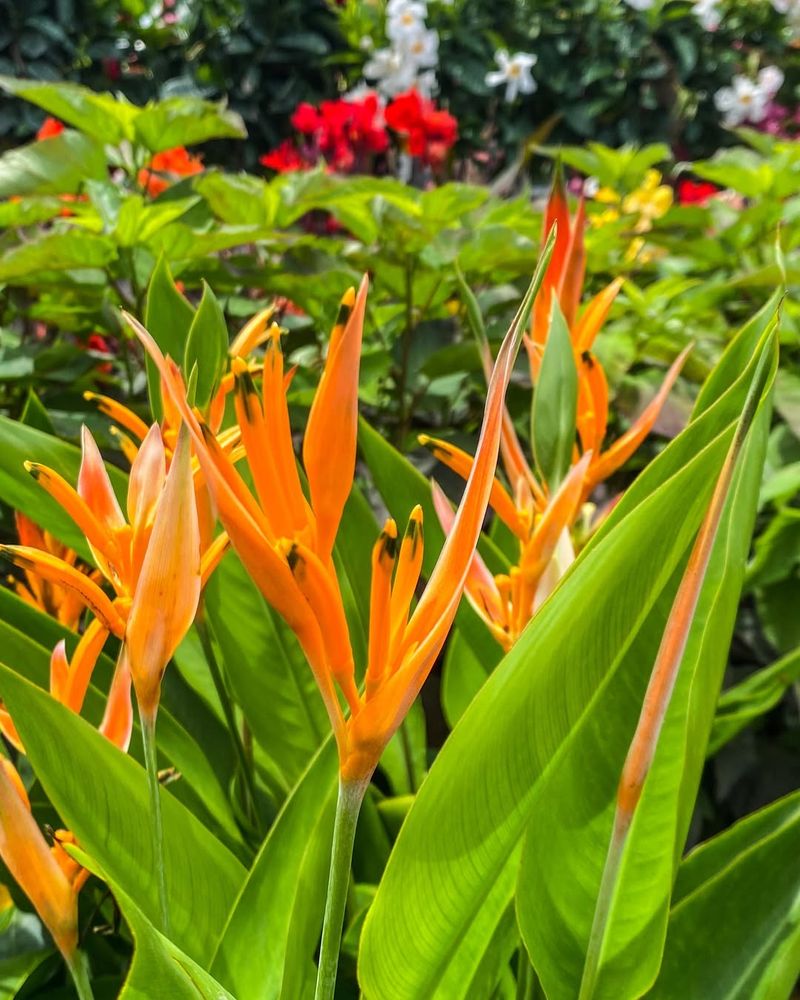
A bold, tropical look often starts with bird of paradise, especially when those orange and blue blooms begin to open. The flowers resemble birds in flight, emerging from boat-shaped bracts that give them their signature shape.
In Florida, these plants grow best in warm, frost-free areas, where they can settle in and produce blooms during favorable conditions rather than on a constant schedule.
The dramatic appearance of bird of paradise flowers makes them instant focal points in arrangements. Each bloom can last a long time, both on the plant and after cutting.
A single stem can provide interest for two weeks or more in a vase. The substantial, architectural quality means one or two stems often suffice for a complete arrangement.
Bird of paradise plants grow best in South and Central Florida, where frost rarely threatens. They appreciate full sun to partial shade and regular watering, especially during dry periods.
The plants themselves are large and bold, making them landscape features even when not in bloom.
When cutting bird of paradise for arrangements, choose flowers that have just begun opening. The blooms emerge sequentially from the bract, so you’ll enjoy new flowers appearing over time.
Use tall, heavy vases to support the substantial stems. These tropical beauties bring a distinctly Floridian flair to arrangements, instantly transforming any space into an exotic paradise.
8. Gaillardia (Blanket Flower) That Brings Warm, Sunset Tones
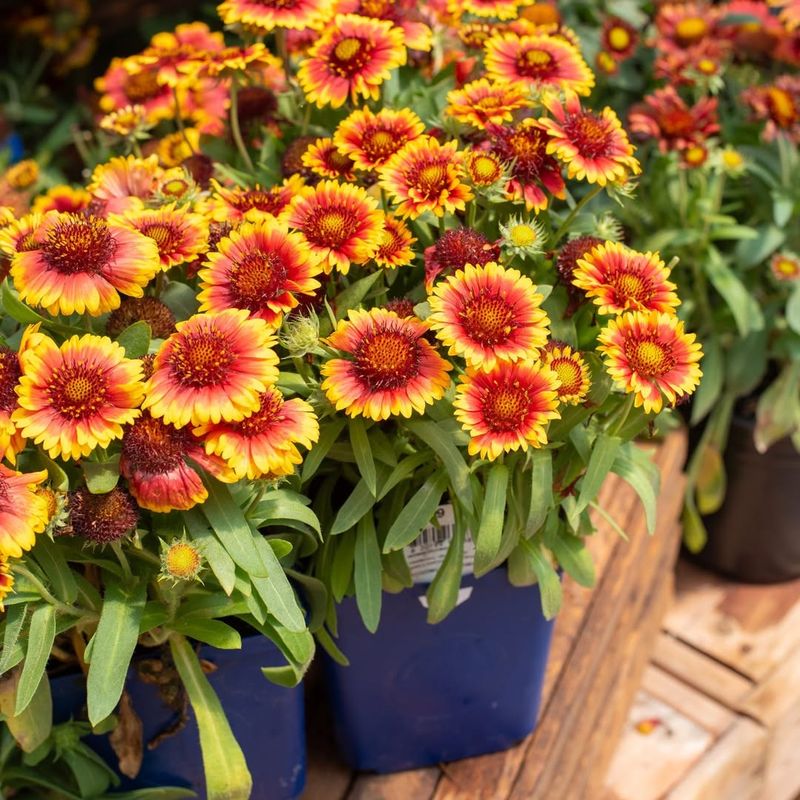
A mix of reds, oranges, and yellows can shift the whole mood of a bouquet, giving it that warm, sunlit look that feels right at home in Florida. Gaillardia brings those tones together in a way that pairs easily with both bold focal flowers and softer fillers, adding color without taking over the arrangement.
In the garden, it handles heat well and settles into sandy soils without much trouble. Flowering can carry through much of the warmer season, though timing depends on planting and local conditions.
Once established, it can get through dry stretches, with occasional watering helping maintain steady growth during longer dry periods.
Good drainage plays a big role. It performs best in full sun and soil that doesn’t stay wet for long, especially during Florida’s rainy season. Too much moisture around the roots can slow things down.
For cutting, gather stems once the flowers have fully opened. They usually hold for about five to seven days in water.
In arrangements, gaillardia blends easily with other warm tones or adds contrast alongside cooler shades, creating a relaxed, garden-style finish.
9. Pentas That Keep Arrangements Looking Fresh And Full
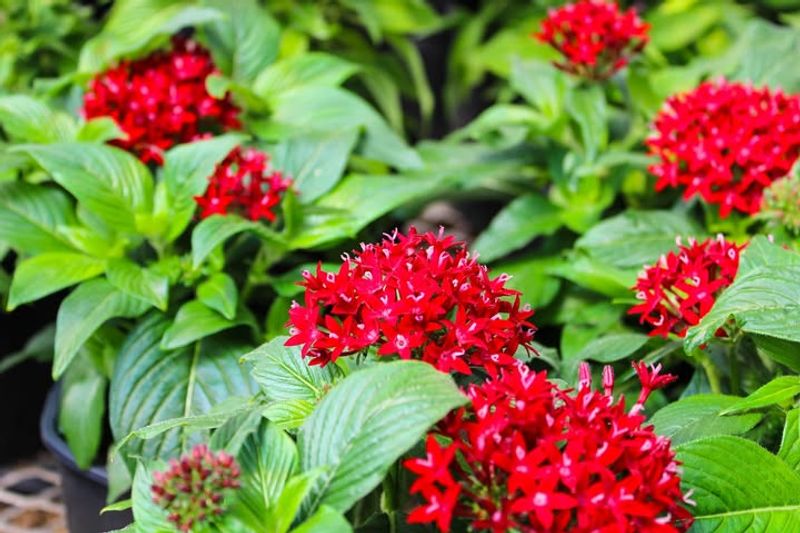
Full, rounded clusters make pentas an easy way to fill out an arrangement without it feeling crowded. The small, star-shaped blooms come together in soft domes that add color and structure while still letting larger flowers stand out.
They work well as a filler, especially when paired with taller stems like sunflowers or bird of paradise.
In the garden, pentas handle Florida’s heat well and tend to flower over a long season. Blooming can last from spring into fall in many areas, with longer stretches possible in South Florida depending on conditions.
The colors range from pink and red to lavender and white, giving plenty of flexibility when planning combinations.
In a vase, these clusters help bring everything together with a balanced, natural look, especially once most of the small flowers have opened. They usually hold for about a week in water, making them a reliable addition to mixed arrangements.
Planting in full sun with well-drained soil supports steady growth through the season. Plants can get through short dry periods, though regular watering helps keep them fuller.
Cutting stems for arrangements may encourage more flowering, though results can vary depending on care and timing.
10. Cosmos That Add A Soft, Airy Touch To Any Arrangement
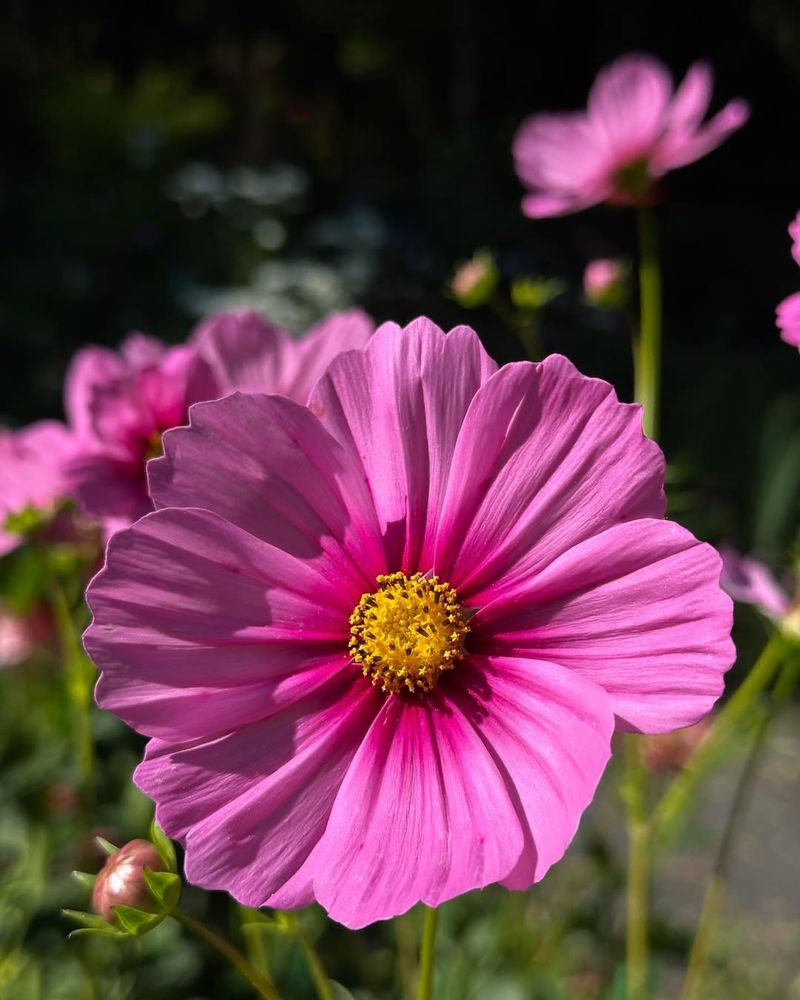
A loose, natural look often comes down to lighter stems that don’t feel too structured, and cosmos brings exactly that. The open, daisy-like blooms float above fine foliage, adding movement and a softer edge to fuller arrangements.
They’re especially useful when you want everything to feel a bit less formal.
Growing from seed works well in Florida, especially in a sunny spot with well-drained soil. Plants tend to establish quickly, though how fast they begin flowering depends on the season, temperature, and care.
They usually do well in the state’s sandy soil and don’t need heavy feeding to keep going.
The tall, slender stems make them easy to cut for arrangements, often reaching a few feet in height. Regular cutting can encourage more blooms over time, though results can vary depending on conditions.
For arrangements, cut flowers just as they open. They typically hold for several days in water and help soften stronger shapes from larger blooms.
Cosmos also attract pollinators, adding extra activity to the garden while supplying a steady flow of stems for cutting.