The Best Grass Types For Texas Yards That Birds Absolutely Love
In Texas, grass isn’t just ground cover—it’s habitat.
Certain grass types provide food, nesting material, and shelter that birds depend on, especially during extreme heat and dry spells.
These bird-friendly grasses produce seeds at the right times of year and create cover that helps birds feel safe.
Many are native or well-adapted, meaning they thrive in Texas conditions with less water and maintenance.
Texas homeowners who choose the right grasses notice more birds, more activity, and healthier yards overall.
A lawn doesn’t have to be lifeless. With the right grass, it becomes part of the ecosystem.
Little Bluestem (Schizachyrium Scoparium)
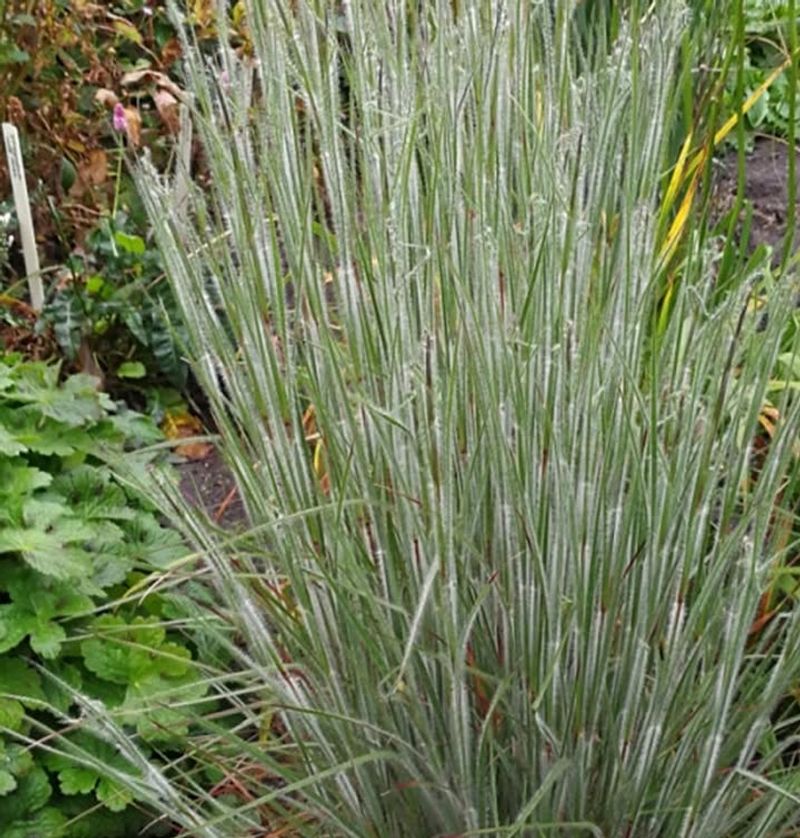
Native to nearly every corner of Texas, little bluestem stands out as a champion among bird-friendly grasses.
This warm-season beauty grows in graceful clumps that reach about two to four feet tall, displaying slender blue-green blades that turn stunning shades of copper and burgundy as cooler weather arrives.
Birds flock to little bluestem because it produces an abundance of small seeds from late summer through winter, offering a reliable food source when other plants have finished their growing season.
Sparrows, finches, and juncos particularly enjoy foraging through the dense tufts, finding both seeds and shelter from predators.
The clumping growth habit creates perfect nesting cover for ground-dwelling birds and provides safe hideaways for young fledglings learning to navigate the world.
What makes this grass especially valuable in Texas is its remarkable ability to tolerate extreme heat and long stretches without rain.
Once established, little bluestem thrives in poor soils and rarely needs extra watering, making it an excellent low-maintenance choice for eco-conscious gardeners.
Whether planted in full sun or light shade, this adaptable native transforms ordinary yards into wildlife havens while reducing water bills and maintenance time.
Its deep root system also helps prevent erosion and improves soil health over time.
Big Bluestem (Andropogon Gerardii)
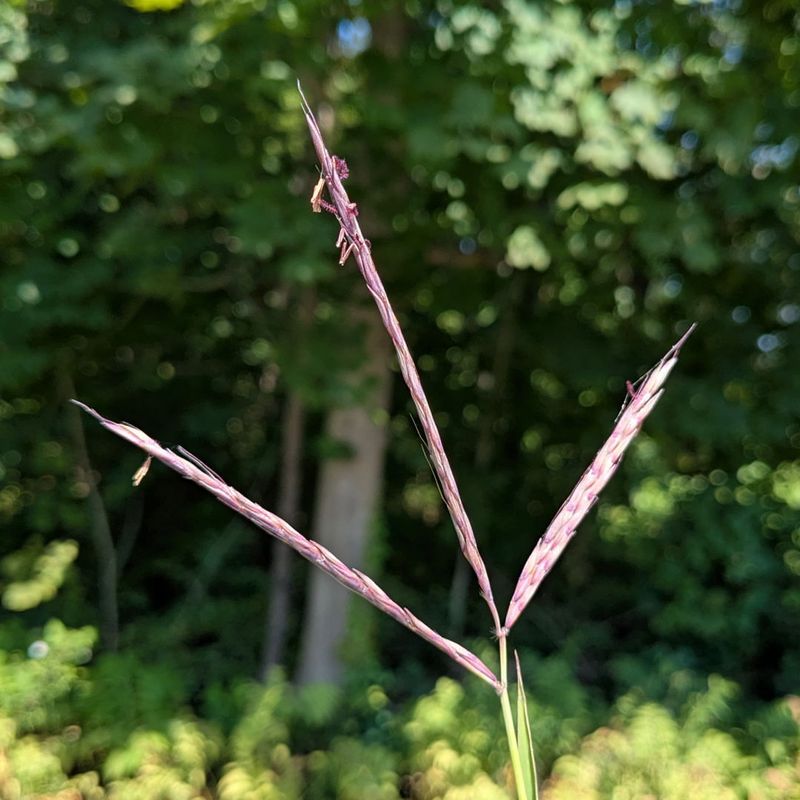
Towering up to eight feet tall in favorable conditions, big bluestem earns its nickname as the king of prairie grasses.
This majestic native once covered vast stretches of the Great Plains and still thrives beautifully in Texas landscapes today.
Its thick, upright stems create vertical structure that birds use for perching, scanning for insects, and singing territorial songs during breeding season.
The distinctive three-parted seed heads that appear in late summer resemble turkey feet and produce nutritious seeds that sustain birds well into the cold months.
Cardinals, towhees, and various sparrow species appreciate the dense cover big bluestem provides, especially during winter when other vegetation has withered away.
The sturdy stalks remain standing through storms and snow, offering crucial shelter when birds need it most.
For homeowners with larger properties or those creating naturalized areas, big bluestem makes an impressive statement while serving important ecological functions.
It adapts to different soil types and moisture levels, though it performs best with moderate water and full sun exposure.
Planting this grass in drifts or borders creates dramatic visual impact while establishing protected corridors that birds use for safe movement across your property.
Its deep roots also capture carbon and build healthy soil.
Switchgrass (Panicum Virgatum)
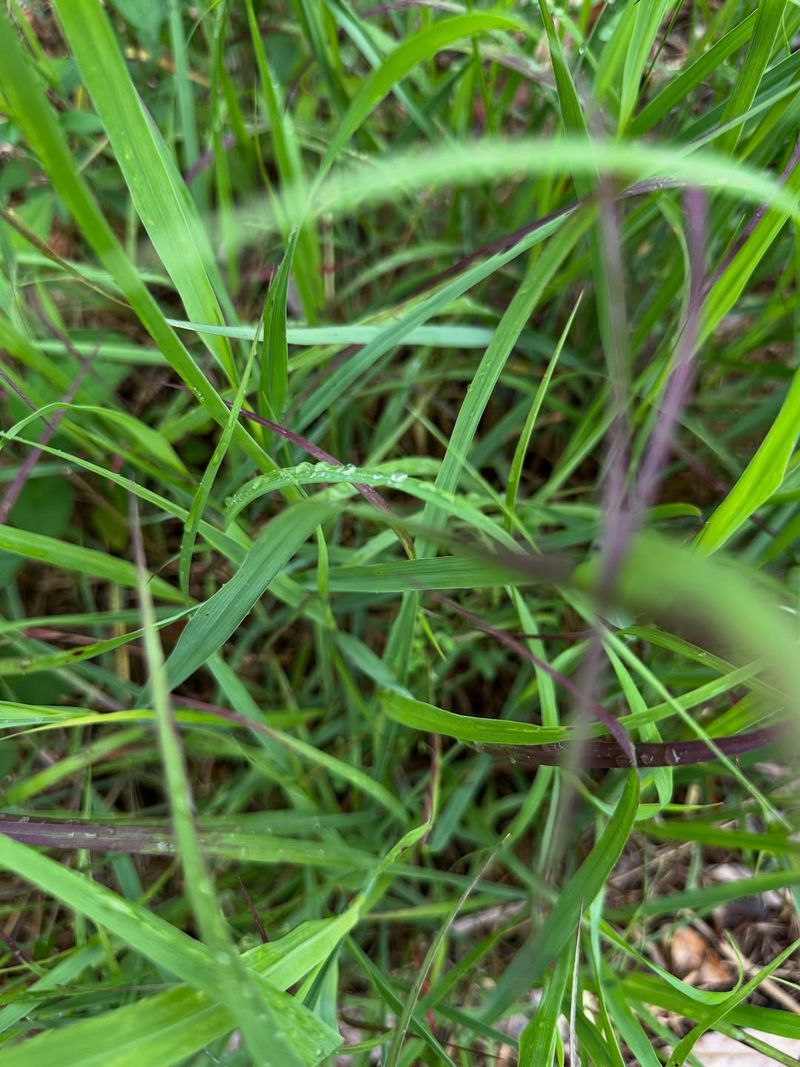
Wildlife biologists consistently recommend switchgrass as one of the top choices for creating bird habitat in Texas gardens.
This versatile native forms attractive clumps that range from three to six feet tall, with airy seed heads that dance gracefully in the breeze from midsummer through winter.
The seeds provide essential nutrition for dozens of bird species, including quail, meadowlarks, and various songbirds that depend on native grasses for survival.
Switchgrass excels at creating nesting structure, with its dense basal growth offering protected spaces where birds can safely raise their young away from predators and harsh weather.
Ground-nesting species particularly benefit from the thick cover this grass provides during the critical breeding season.
Beyond its wildlife value, switchgrass demonstrates remarkable adaptability to varied growing conditions throughout Texas.
It tolerates clay soils, sandy ground, and everything in between, while handling both wet periods and drought with equal ease.
Gardeners appreciate how switchgrass requires minimal care once established, needing only an annual cutting in late winter to remove old growth before fresh blades emerge.
The cultivar selections available offer different heights and colors, allowing you to customize your landscape while maintaining excellent bird habitat.
This grass truly delivers beauty and function in equal measure.
Indiangrass (Sorghastrum Nutans)
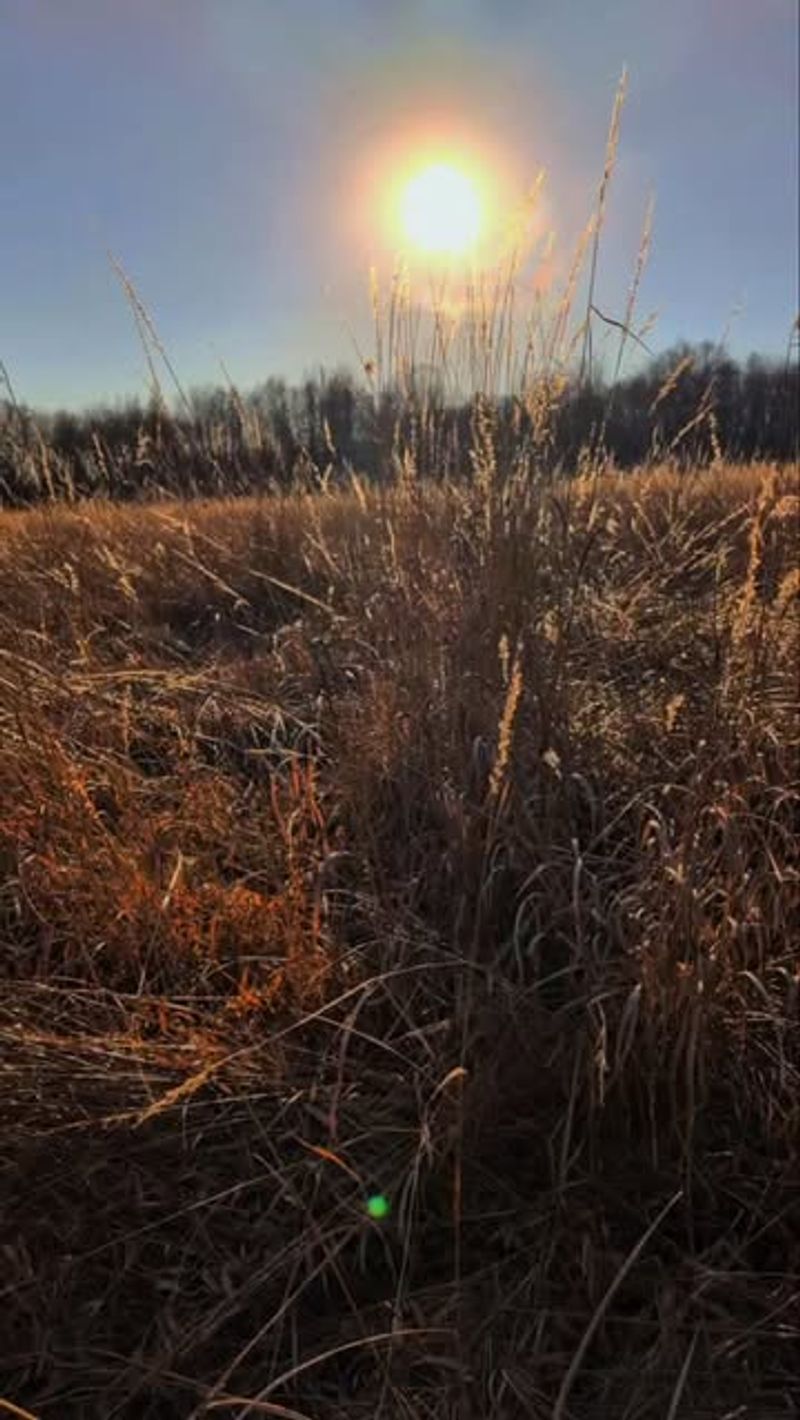
With its golden seed plumes catching sunlight above blue-green foliage, indiangrass brings both elegance and ecological value to Texas yards.
This warm-season native typically grows four to seven feet tall, creating substantial presence in the landscape while providing layered habitat that birds explore from ground level to the tips of its nodding seed heads.
The abundant seeds mature in late summer and persist through fall and winter, offering high-quality nutrition when birds need extra energy for migration or surviving cold snaps.
Doves, sparrows, and finches eagerly consume these nutritious seeds, often visiting the same grass clumps repeatedly as they work through the abundant harvest.
The dense summer growth creates excellent cover for nesting birds, with the sturdy stems supporting the weight of larger species while the thick base protects ground-dwellers.
Indiangrass thrives in full sun and well-drained soils, though it adapts reasonably well to heavier clay if not kept constantly wet.
Once established, it shows impressive drought tolerance and rarely needs supplemental watering except during the most extreme dry spells.
The dramatic fall color transformation from green to bronze and gold adds seasonal interest to your landscape, creating a constantly changing backdrop for bird watching throughout the year.
Gulf Muhly (Muhlenbergia Capillaris)
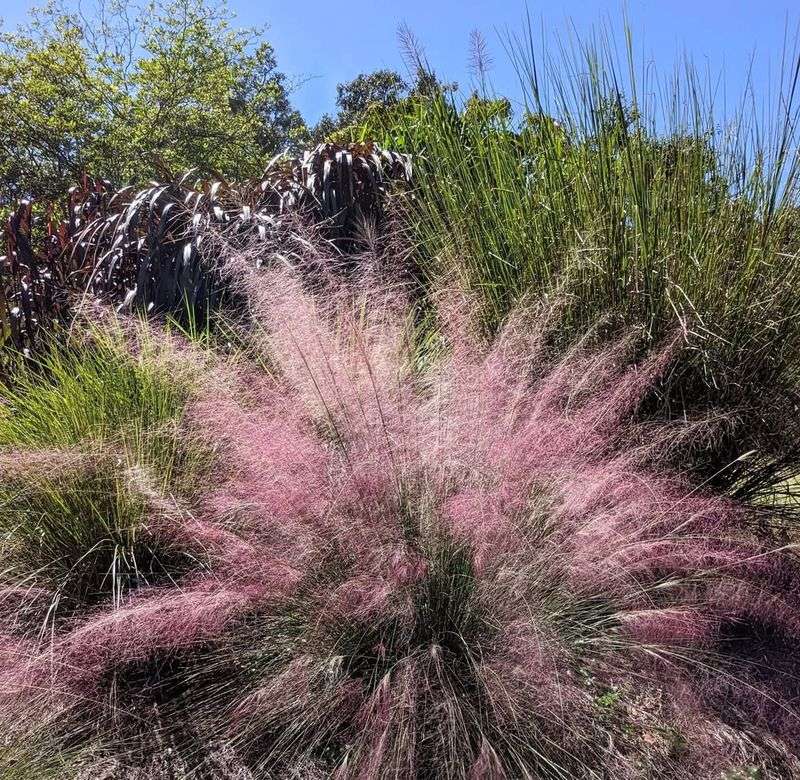
Few grasses create as much visual drama as gulf muhly when its clouds of pink to purple flower plumes emerge in fall.
This fine-textured native grows in neat clumps about two to three feet tall, with thread-like leaves that create a soft, billowing appearance in the garden.
While the airy blooms steal the show for human admirers, birds value gulf muhly for different reasons entirely.
The grass supports abundant insect populations that birds hunt among the delicate foliage, providing crucial protein especially during nesting season when parents need to feed hungry chicks.
The fine texture also offers shelter for smaller birds that might feel exposed in coarser grasses, giving them safe spaces to rest and preen throughout the day.
As the flower plumes mature into seed, finches and sparrows work through the wispy heads, extracting the tiny nutritious morsels.
Gulf muhly performs beautifully in Texas landscapes, tolerating heat and humidity while asking for little maintenance in return.
It adapts to various soil types and looks equally at home in formal garden beds or naturalized areas.
The compact size makes it perfect for smaller yards where taller grasses might overwhelm the space, allowing even urban gardeners to contribute to local bird conservation.
Plant several clumps together for maximum impact.
Eastern Gammagrass (Tripsacum Dactyloides)
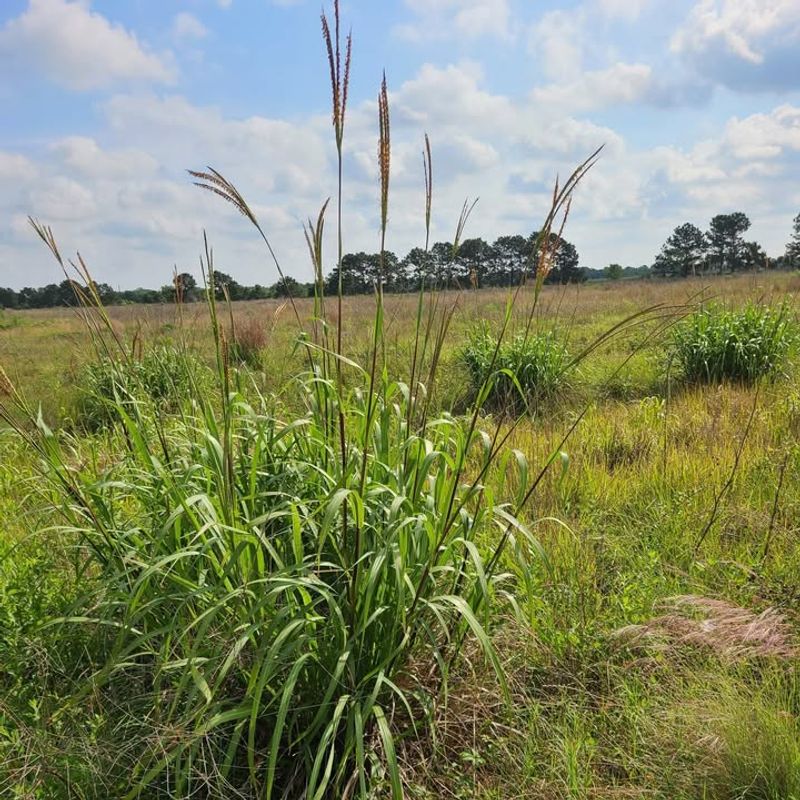
Robust and productive, eastern gammagrass ranks among the best choices for supporting ground-feeding birds in Texas landscapes.
This substantial native can reach five to eight feet in height, forming dense stands that create protected feeding zones where birds can forage without constant vigilance for aerial predators.
The large seeds that develop in distinctive finger-like spikes provide substantial nutrition, and their size makes them accessible to a wide range of bird species from small sparrows to larger game birds like quail.
Turkeys also appreciate areas where eastern gammagrass grows, using both the seeds and the insects attracted to the lush growth.
The thick summer vegetation offers prime nesting habitat for birds that build nests at various heights, from ground level to several feet up among the sturdy stems.
Eastern gammagrass prefers moist to moderately wet soils and tolerates periodic flooding, making it ideal for low spots in your yard or areas near water features.
It grows best in full sun but accepts light shade, adapting to different landscape situations with ease.
The spreading rhizomes gradually expand the planting, creating ever-larger patches of valuable wildlife habitat over time.
For naturalized yard edges or wildlife corridors, few grasses match the ecological value eastern gammagrass delivers.
Sideoats Grama (Bouteloua Curtipendula)
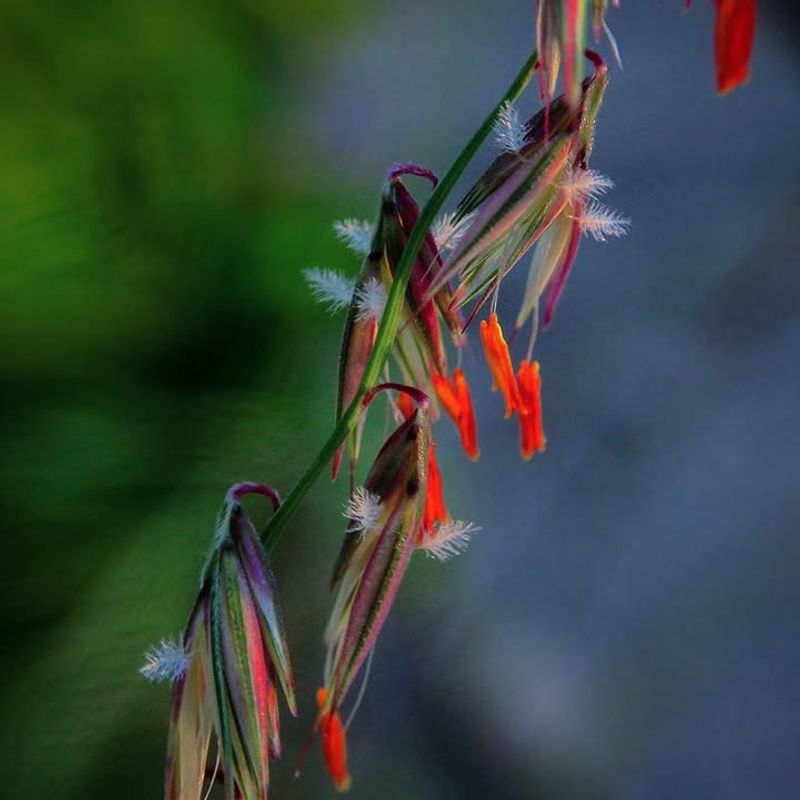
Designated as the official state grass of Texas, sideoats grama perfectly embodies the toughness and beauty of native landscapes.
The distinctive seed spikes hang along one side of the stem like tiny flags, creating a unique appearance that makes identification easy even from a distance.
These accessible seed heads attract numerous bird species that appreciate how easy the seeds are to harvest compared to grasses with tighter seed clusters.
Sparrows, juncos, and towhees frequently visit sideoats grama plantings, sometimes gathering in small flocks to work through productive patches.
The grass grows one to three feet tall in bunching clumps that provide cover without creating impenetrable thickets, allowing birds to move freely while still feeling protected.
What truly sets sideoats grama apart is its exceptional ability to thrive in hot, dry conditions that challenge many other plants.
Once established, it survives extended drought without supplemental water, making it perfect for xeriscaping and water-wise landscapes.
It adapts to various soil types from sandy to clay and grows well across all regions of Texas.
The fine texture and moderate height make sideoats grama appropriate for both large naturalized areas and smaller residential yards, fitting beautifully into diverse landscape designs while supporting local bird populations year after year.
Blue Grama (Bouteloua Gracilis)
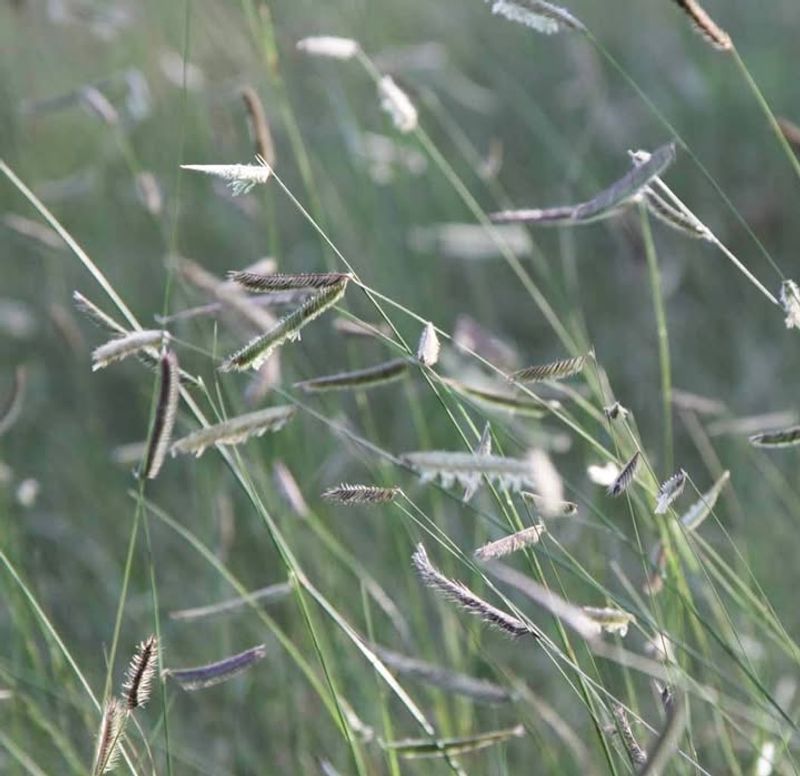
Short but mighty, blue grama creates excellent bird habitat despite its compact stature of just six to twelve inches tall.
The unusual seed heads resemble tiny eyebrows or combs arranged along horizontal stems, giving this grass a distinctive character that sets it apart from taller prairie species.
Ground-feeding birds absolutely adore blue grama because the low growth allows them to spot approaching danger while they forage for the abundant seeds.
Sparrows, horned larks, and various finches spend considerable time working through blue grama patches, efficiently harvesting the nutritious seeds that persist well into winter.
The short, dense growth also provides cover for ground-dwelling insects that insect-eating birds hunt throughout the growing season.
Blue grama thrives in open Texas landscapes where it receives full sun and good drainage, tolerating alkaline soils that challenge many other plants.
Its exceptional drought tolerance makes it a champion for low-water landscapes, surviving extended dry periods by going dormant and then greening up quickly when rain returns.
The fine texture creates a meadow-like appearance that contrasts beautifully with taller grasses and wildflowers, adding visual interest while supporting biodiversity.
For prairie restoration projects or naturalized areas that mimic historical Texas grasslands, blue grama serves as an essential foundation species that benefits countless wildlife species beyond just birds.
Texas Wintergrass (Nassella Leucotricha)
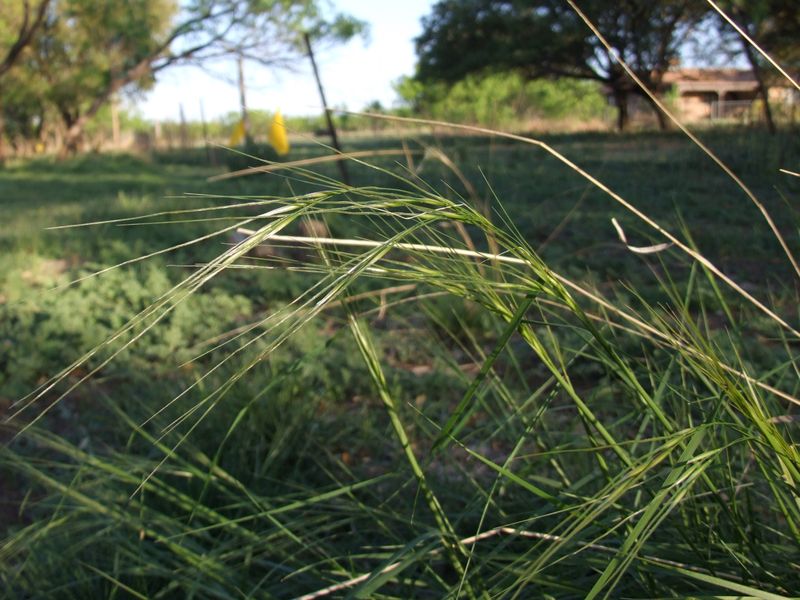
Unlike the warm-season grasses that dominate most Texas landscapes, Texas wintergrass provides crucial cool-season resources when birds need them most.
This native bunchgrass grows actively during fall, winter, and early spring, producing fresh green growth and seeds when many other plants have gone dormant or finished their growing cycle.
The timing makes Texas wintergrass especially valuable for resident birds that remain in Texas year-round and for winter migrants seeking food during the coldest months.
Sparrows, juncos, and other seed-eating species benefit tremendously from this extended food availability, often focusing their foraging efforts on wintergrass patches when other seed sources have been depleted.
The grass typically reaches one to two feet in height, forming attractive clumps with fine-textured foliage that moves gracefully in winter breezes.
The delicate seed heads mature in late winter to early spring, providing perfectly timed nutrition for birds preparing for migration or the breeding season ahead.
Texas wintergrass grows best in well-drained soils with full sun to light shade, adapting to various landscape situations throughout central and western Texas.
It requires minimal maintenance and naturally goes dormant during the hot summer months, conserving resources until cooler weather returns.
Including this cool-season species in your landscape ensures birds have food and cover throughout all four seasons.
Plains Lovegrass (Eragrostis Intermedia)
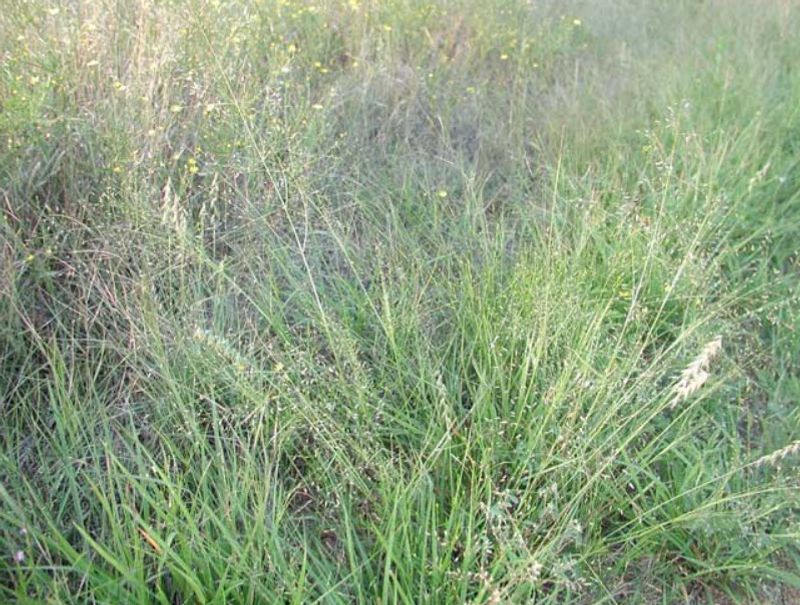
Producing some of the most abundant seed crops among native Texas grasses, plains lovegrass functions as a buffet table for seed-eating birds from summer through winter.
This warm-season native grows in clumps that reach two to three feet tall, with open, airy seed heads that create a soft, cloud-like appearance above the foliage.
The sheer volume of tiny seeds produced by each plant attracts both resident birds and migrants passing through Texas during spring and fall journeys.
Finches, sparrows, and buntings eagerly consume the nutritious seeds, often visiting the same plants daily as the seeds ripen in waves throughout late summer and fall.
The relatively open structure allows birds to access seeds easily while still providing some protective cover from predators watching from above.
Plains lovegrass demonstrates impressive adaptability across much of Texas, growing successfully in various soil types and tolerating both drought and occasional flooding.
It establishes quickly from seed and requires little care once growing well, making it an excellent choice for large-scale habitat restoration or low-maintenance wildlife gardens.
The fine texture combines beautifully with coarser grasses and wildflowers, creating layered plantings that support diverse bird communities.
Whether you have a small urban lot or extensive rural property, plains lovegrass deserves consideration for its exceptional wildlife value and ease of care.