The Best Ground Covers For Texas That Dont’ Need Constant Watering
Trying to keep a lush yard in Texas without constantly running sprinklers can feel impossible. Between hot summers, dry spells, and tough soil, grass alone often struggles to survive.
That’s where drought-tolerant ground covers come to the rescue. These plants can fill bare spots, reduce weeds, and stay green and healthy without endless watering.
Ground covers do more than just save water. They protect soil from erosion, add texture and color, and create a polished look for any yard.
Many of the best options for Texas handle intense sun, heat, and occasional neglect while still looking vibrant. From low-growing flowering plants to hardy leafy mats, there are plenty of choices that thrive in local conditions.
For gardeners who want a beautiful, sustainable landscape, selecting the right ground cover is a game-changer. With the right picks, even the driest Texas yard can stay lively, low-maintenance, and visually appealing all year long.
1. Frogfruit (Phyla Nodiflora)
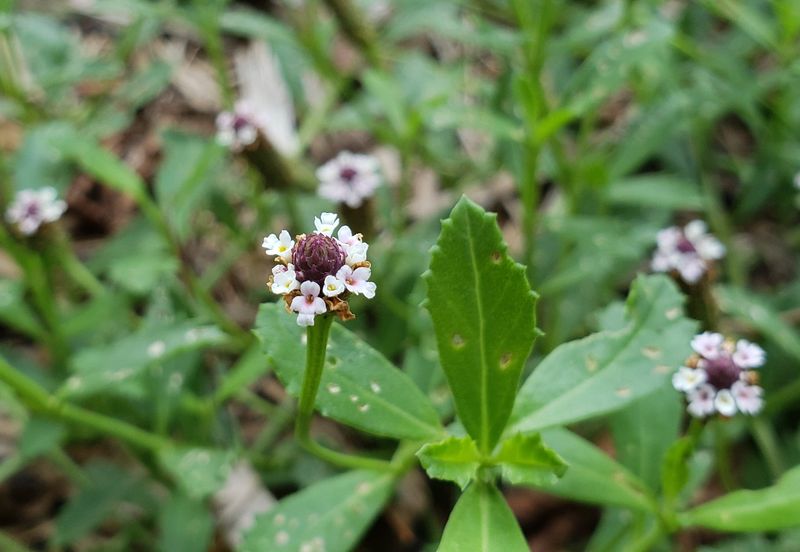
If you have ever walked across a soft, low-growing lawn and noticed tiny white flowers dotting the ground, you may have already met frogfruit.
This native Texas plant is one of the best-kept secrets in drought-tolerant landscaping. It spreads quickly and forms a thick green carpet that looks great without much fuss.
Frogfruit, known scientifically as Phyla nodiflora, is a true Texas native. That means it already knows how to handle the heat.
Once it gets established, it can survive on rainfall alone during most of the year. You will not need to run the sprinklers every week just to keep it alive.
One of the coolest things about frogfruit is that it attracts butterflies and bees. The small white flowers may look simple, but pollinators love them.
If you want a yard that supports local wildlife, this plant is a fantastic choice for any Texas landscape.
It also handles foot traffic surprisingly well. Kids can run across it, dogs can roam through it, and it bounces right back.
Most grass varieties would struggle under that kind of pressure, especially during a hot Texas summer.
Frogfruit grows well in both full sun and partial shade, which gives it an edge over many other ground covers. It does not need rich soil or special fertilizers.
Plant it once, water it while it settles in, and then let it do its thing. For homeowners across Texas who want a low-maintenance, eco-friendly lawn alternative, frogfruit is hard to beat.
2. Horseherb (Calyptocarpus Vialis)
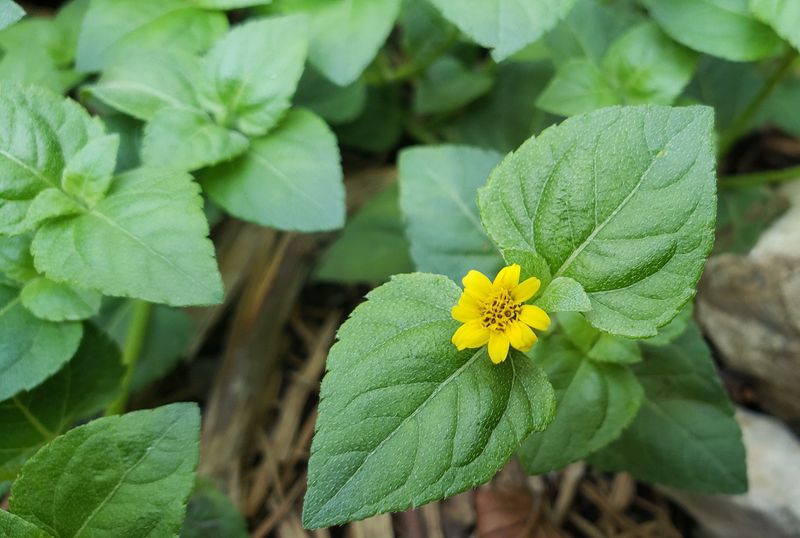
Shade is a rare luxury in many Texas yards, but when you have it, horseherb knows exactly what to do with it. This cheerful little native plant thrives in spots where most grass simply gives up.
With its soft green leaves and tiny yellow flowers, it brings a lush, natural look to shaded corners of any Texas landscape.
Calyptocarpus vialis, commonly called horseherb or straggler daisy, is a native ground cover that has been growing wild across Texas for a long time. Gardeners are now planting it on purpose because it fills in shaded areas under trees beautifully.
It creates a green carpet that stays soft and inviting all season long. Once established, horseherb needs very little water. It can handle dry spells without losing its color or charm.
That makes it a smart pick for Texas homeowners who want to cut back on irrigation without sacrificing curb appeal.
The small yellow flowers that appear throughout the growing season add a pop of brightness to shaded spots. They are subtle but pretty, giving the ground cover a natural, wildflower-like quality. Bees and other small insects are drawn to them as well.
Horseherb is not picky about soil. It grows in clay, sandy, or rocky ground, which is great news for Texas gardeners who deal with all kinds of difficult soil conditions.
It spreads on its own without becoming invasive, so it fills in gaps gradually and neatly. For low-light areas in Texas yards, this plant is one of the most reliable and rewarding choices available.
3. Silver Ponyfoot (Dichondra Argentea)
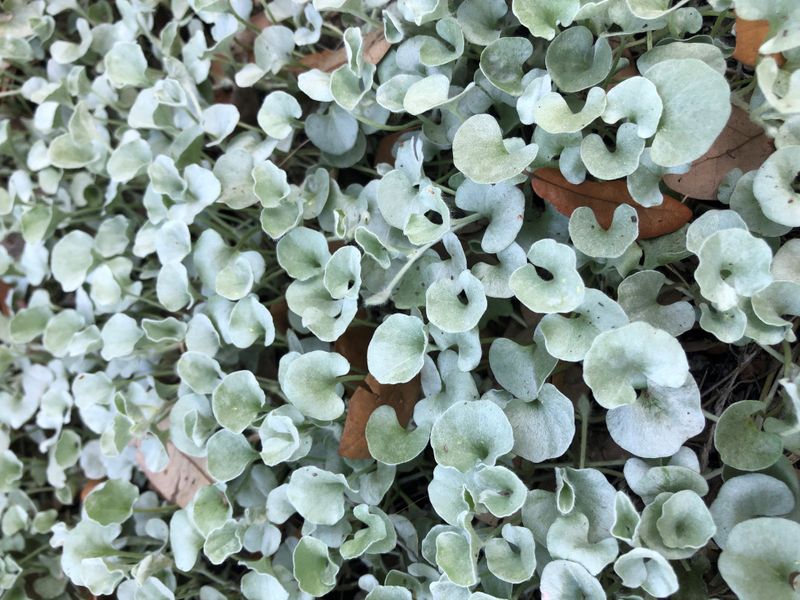
There is something almost magical about silver ponyfoot on a sunny afternoon. The leaves catch the light and shimmer like tiny silver coins scattered across the ground.
It is one of the most visually striking ground covers you can grow in Texas, and it thrives in the exact conditions that make other plants struggle.
Dichondra argentea is built for heat and sun. It loves dry, well-drained soil and actually performs better when you do not overwater it.
In Texas, where summer temperatures regularly climb past 100 degrees, that kind of toughness is a major advantage. Plant it in a sunny border or rock garden and watch it take off.
The trailing growth habit of silver ponyfoot makes it incredibly versatile. It drapes beautifully over rocks, spills along garden edges, and fills in gaps between stepping stones.
Landscape designers across Texas use it to add texture and contrast to dry garden beds without needing constant irrigation.
Silver ponyfoot spreads at a moderate pace, so it fills in spaces without taking over the whole yard. It stays low to the ground, usually only a few inches tall, which means no mowing required.
That alone is a big selling point for busy Texas homeowners who want beauty without the work.
This plant is also deer-resistant, which is a bonus in many parts of Texas where deer can wander into suburban yards. It pairs well with other drought-tolerant plants like sedum and creeping thyme.
If you want a ground cover that is both eye-catching and easy to care for, silver ponyfoot deserves a spot in your Texas landscape plan.
4. Creeping Thyme (Thymus Serpyllum)
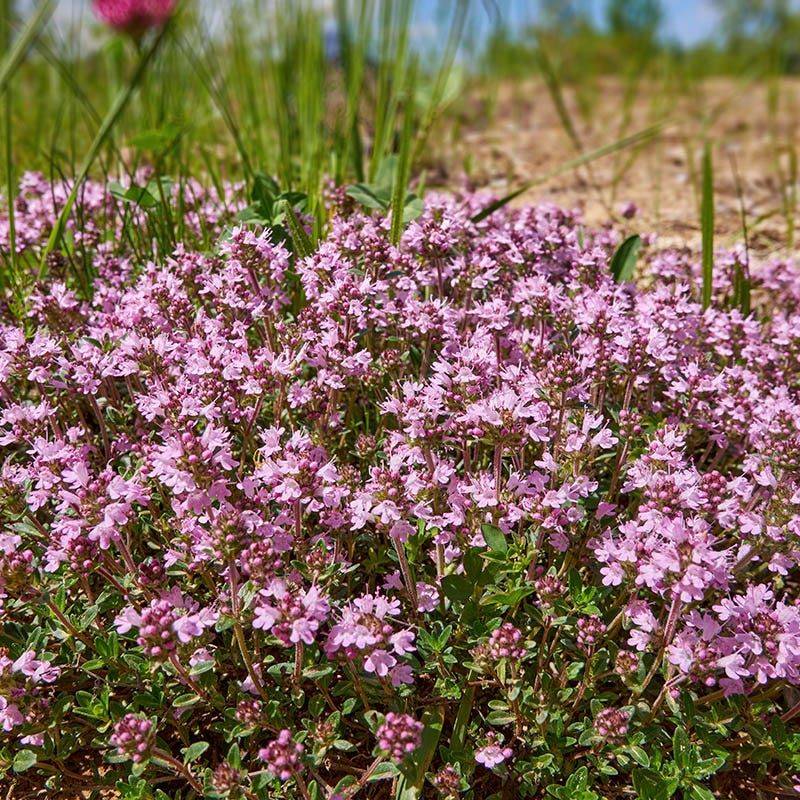
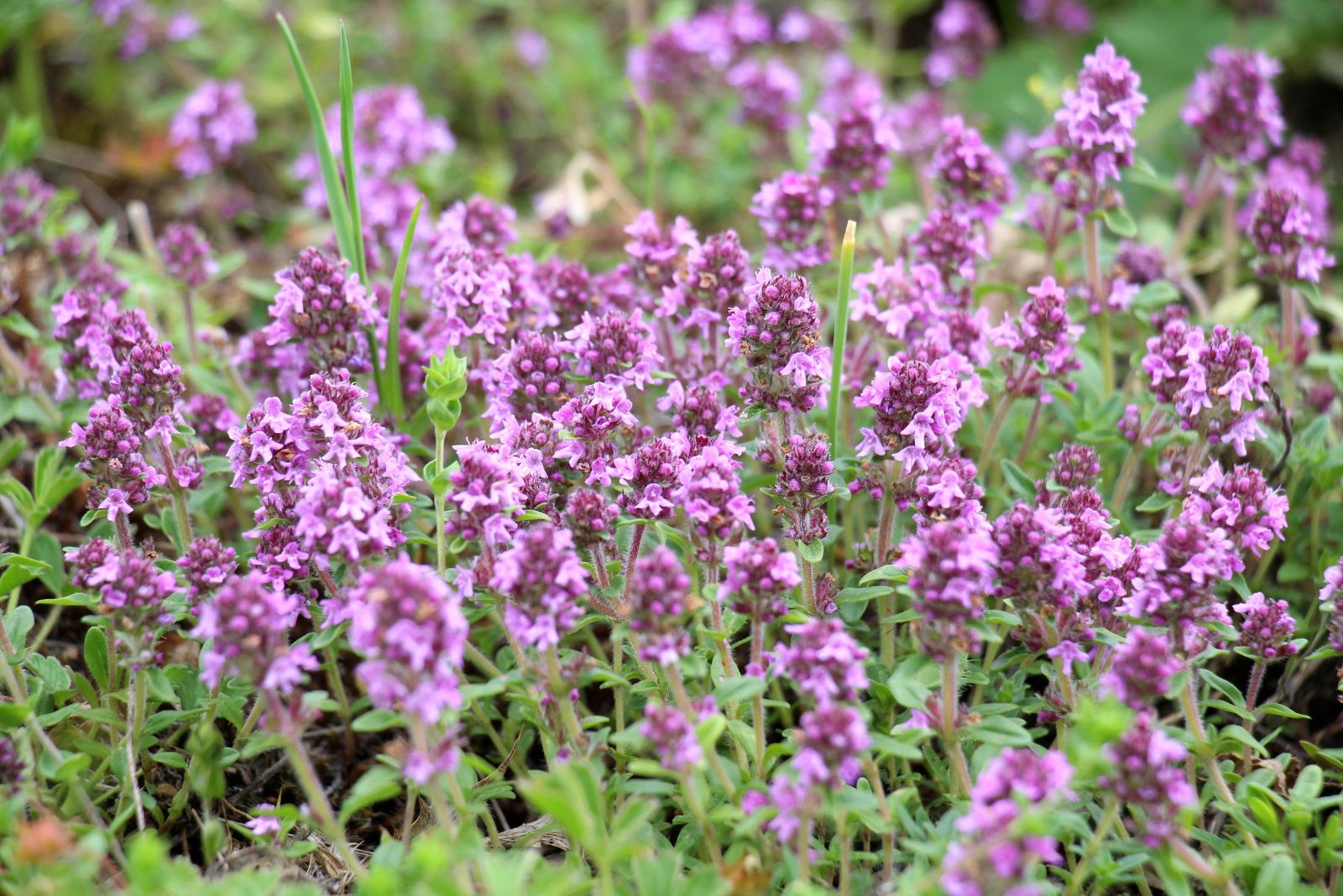
Walk across a patch of creeping thyme and you will immediately notice the sweet, herby fragrance rising up from beneath your feet.
That sensory experience alone makes it one of the most beloved ground covers in Texas. But looks and smell are just the beginning of what this tough little plant can do.
Thymus serpyllum forms dense, low mats of tiny leaves that stay green through most of the year. In late spring and early summer, it bursts into bloom with pink or lavender flowers that cover the entire plant.
Bees absolutely love it during bloom time, making it a great choice for pollinator-friendly Texas gardens.
Full sun and dry soil are exactly what creeping thyme prefers. It does not like soggy roots, so well-drained spots work best.
In Texas, where the soil can dry out fast between rains, that is actually a perfect match. Once established, it rarely needs supplemental watering during cooler months.
Creeping thyme handles light foot traffic well, which makes it a popular choice for filling the spaces between stepping stones or pavers.
It stays low, usually under three inches tall, so it never looks messy or overgrown. Trimming is rarely necessary, which saves time and effort.
Did you know creeping thyme has been used in gardens for hundreds of years? Ancient Greeks and Romans valued it for both beauty and cooking.
Today, Texas gardeners love it for its toughness and charm. It is a small plant with a big personality, and it brings color, fragrance, and life to sunny, dry spots across the Lone Star State.
5. Sedum (Stonecrop)
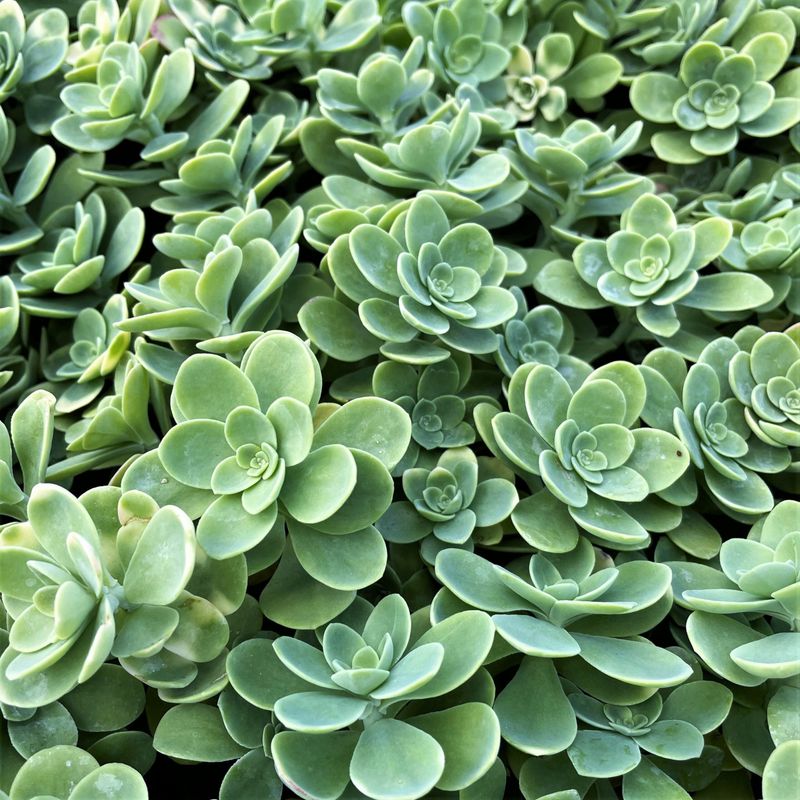
Succulents have become wildly popular in Texas gardens, and sedum is one of the best of the bunch for ground cover use. These tough, water-storing plants spread into low mats that look great all year long.
They come in a wide range of colors, from bright green to deep burgundy, so you can mix and match for a stunning visual effect.
Sedum species store water inside their thick, fleshy leaves. That built-in reservoir is what makes them so well-suited for the dry Texas climate.
During a drought, most plants start to look sad and wilted. Sedum just keeps on going, drawing from its own water supply without skipping a beat.
There are dozens of sedum varieties that work well as ground covers in Texas. Some stay bright green all year, while others change color with the seasons.
Autumn Joy sedum, for example, starts out with pink flowers that deepen to red as the weather cools. That seasonal color shift adds real drama to a Texas garden bed.
Sedum grows best in full sun and sandy or rocky soil. It does not need fertilizer or regular watering once it gets established.
In fact, too much water can cause problems, so it is better to underwater than to overwater. That makes it a genuinely low-effort ground cover for Texas homeowners.
Sedum also works well in containers, along slopes, and in rock gardens across Texas. It controls erosion on hillsides and fills in bare patches with minimal effort.
For anyone looking for a no-fuss, drought-proof ground cover that still looks polished and attractive, sedum is an outstanding choice.
6. Asian Jasmine (Trachelospermum Asiaticum)
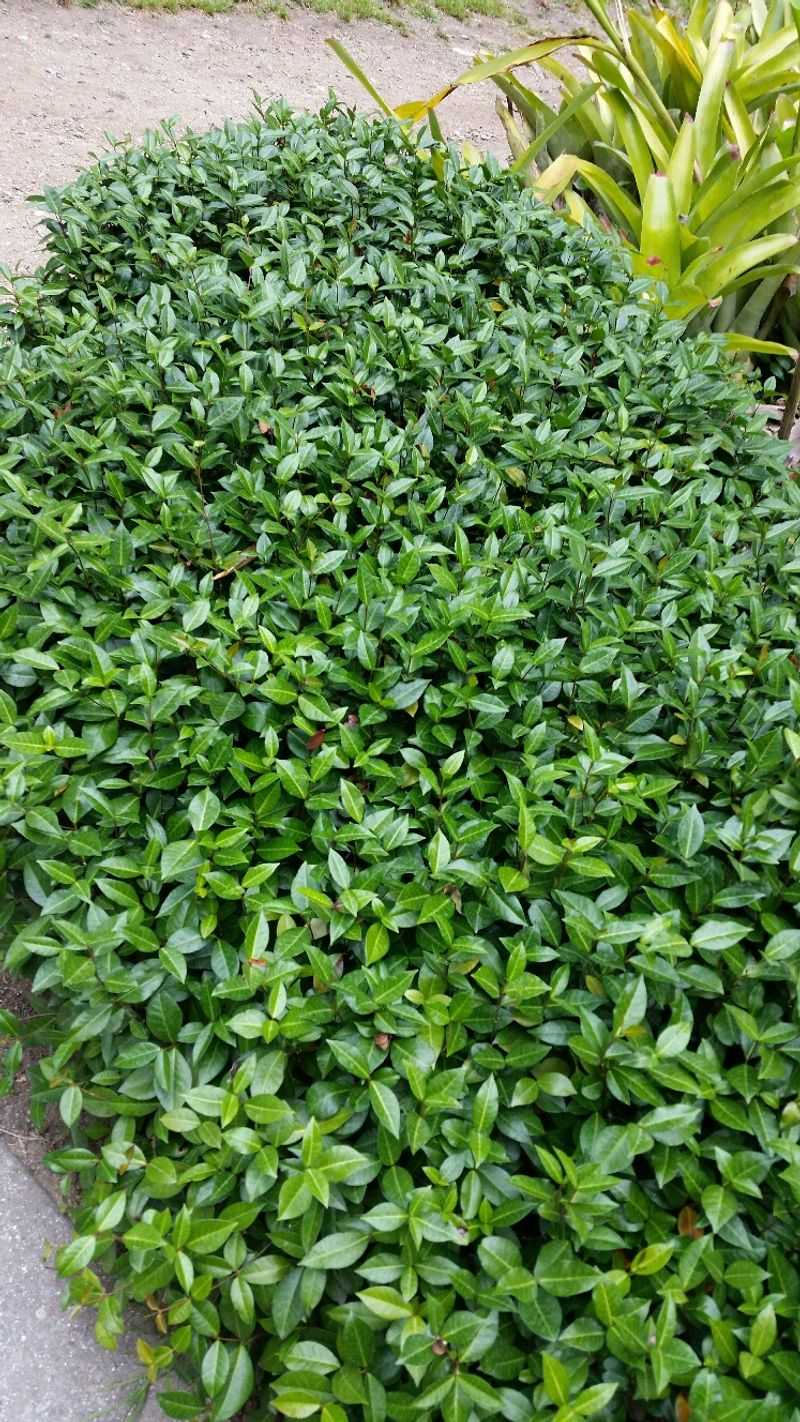
Few ground covers can match Asian jasmine when it comes to reliability in Texas landscapes. Once it gets going, it spreads steadily and forms a thick, lush carpet of dark green leaves that looks polished and well-kept all year long.
Homeowners across Texas count on it to fill large areas without demanding much attention in return.
Trachelospermum asiaticum is an evergreen, which means it stays green even through mild Texas winters. That is a big deal when you want your yard to look good year-round.
While other plants go dormant or turn brown in cooler months, Asian jasmine holds its color and keeps the landscape looking tidy.
One of the biggest advantages of Asian jasmine is its ability to grow in both sun and shade. Most ground covers lean one way or the other, but this plant handles both conditions with ease.
That flexibility makes it incredibly useful for Texas yards that have a mix of sunny open areas and shaded spots under trees.
After the first season, Asian jasmine becomes very drought-tolerant. It does not need much watering once it has had time to establish a strong root system.
During the hot Texas summers, an occasional deep watering is usually enough to keep it looking great.
Asian jasmine also helps control erosion on slopes and hillsides, which is a practical benefit beyond just good looks. It forms such a dense mat that weeds have a hard time pushing through, which means less time spent pulling unwanted plants.
For a dependable, year-round ground cover in Texas, Asian jasmine is one of the smartest choices you can make.