The Best Herbs To Start Growing In Georgia During February
February is when a Georgia garden quietly starts shifting, even if it doesn’t look busy yet. It’s a calm stretch that rewards small, well-timed decisions.
Herbs are some of the first plants to respond as soil loosens and light improves.
Starting them now gives roots time to settle before spring growth accelerates and temperatures swing.
Waiting until everything feels warm and obvious often means herbs struggle to keep up once growth takes off.
February planting isn’t about filling beds fast. It’s about choosing herbs that enjoy cooler starts and establish steadily without stress.
Getting them going now often leads to stronger plants, better flavor, and fewer setbacks later in the season. A little early attention can make the difference between herbs that survive spring and ones that truly thrive through it.
1. Parsley
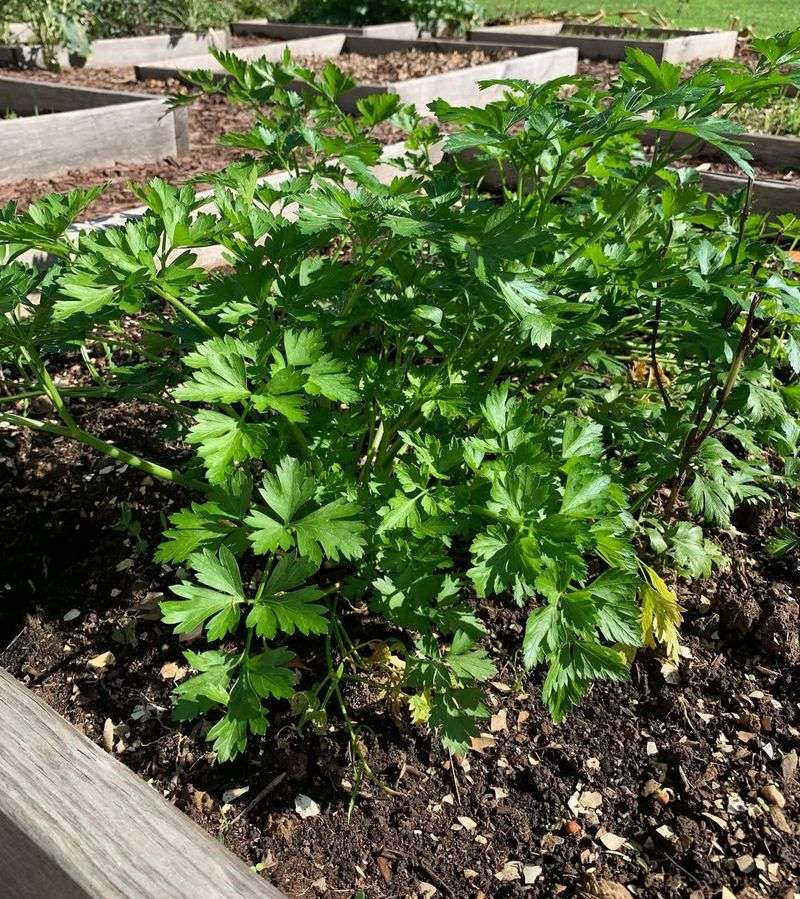
Parsley stands as one of the most versatile herbs you can grow in your Georgia garden during February. This biennial herb tolerates cool temperatures beautifully, making it an excellent choice for early planting in the Peach State.
Gardeners throughout Georgia have long appreciated parsley’s ability to withstand light frosts while continuing to produce fresh, flavorful leaves.
Both curly and flat-leaf varieties thrive when planted in February, giving you options based on your culinary preferences. Flat-leaf parsley, also called Italian parsley, offers a stronger flavor that chefs prefer for cooking.
Curly parsley works wonderfully as a garnish and still provides excellent taste for various dishes.
The herb prefers well-drained soil enriched with compost, which Georgia’s clay-heavy earth often needs. Mix in organic matter before planting to improve drainage and provide nutrients your parsley will love.
Space plants about eight inches apart to allow proper air circulation.
Parsley seeds germinate slowly, sometimes taking three weeks to sprout, so patience pays off. Some Georgia gardeners soak seeds overnight before planting to speed up germination.
Once established, parsley produces abundantly throughout spring and into early summer.
Regular harvesting encourages bushier growth and prevents the plant from bolting too quickly. Cut outer stems first, allowing the center to continue producing new growth.
This Mediterranean native has adapted beautifully to Georgia growing conditions and rewards gardeners with continuous harvests when cared for properly.
2. Cilantro
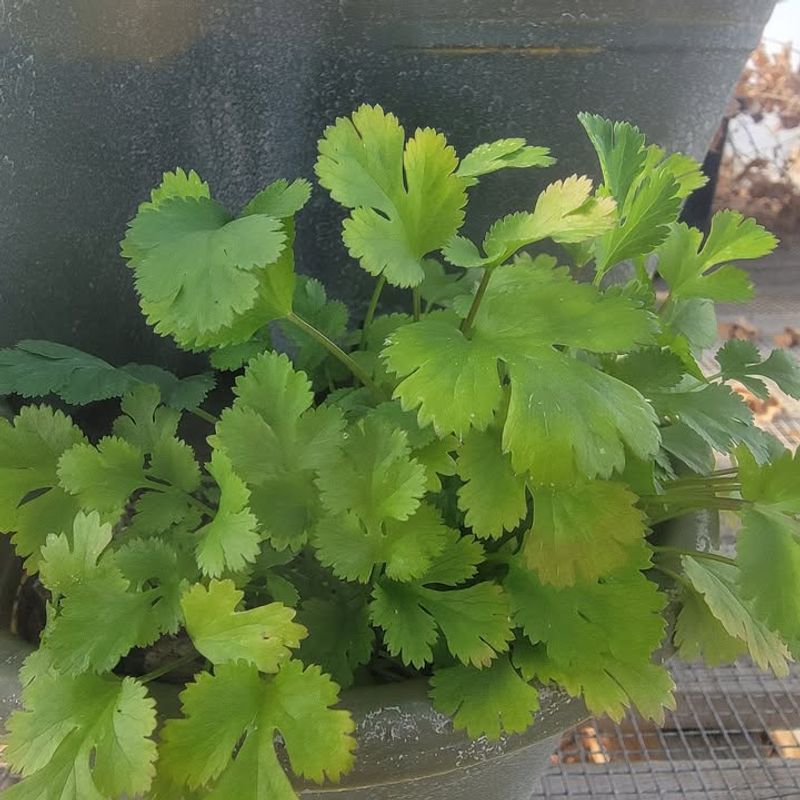
Georgia’s February weather creates nearly perfect conditions for growing cilantro, an herb that actually prefers cooler temperatures. This fast-growing annual thrives when planted early in the season, before Georgia’s notorious heat arrives.
Cilantro has a reputation for being finicky, but timing is everything, and February planting sets you up for success.
Cool-season herbs like cilantro bolt quickly when temperatures climb, making early planting essential in Georgia. February gives your plants time to establish strong growth before warm weather triggers flowering.
Once cilantro bolts, leaf production stops, though you can harvest the seeds as coriander.
Direct seeding works best for cilantro since it doesn’t transplant well due to its taproot. Scatter seeds in well-prepared garden beds or containers, covering them lightly with soil.
Keep the soil consistently moist during germination, which typically takes seven to ten days in Georgia’s February conditions.
Successive planting every two weeks ensures a continuous supply of fresh cilantro throughout spring. Plant small amounts rather than one large crop to avoid waste.
Georgia gardeners often plant cilantro in partial shade locations where afternoon sun won’t stress the plants.
The herb grows quickly, reaching harvestable size in just three to four weeks. Snip leaves regularly from the outside of the plant to encourage continued growth.
Cilantro’s distinctive flavor enhances salsas, curries, and countless dishes, making it a kitchen garden essential worth the effort of proper timing.
3. Chives
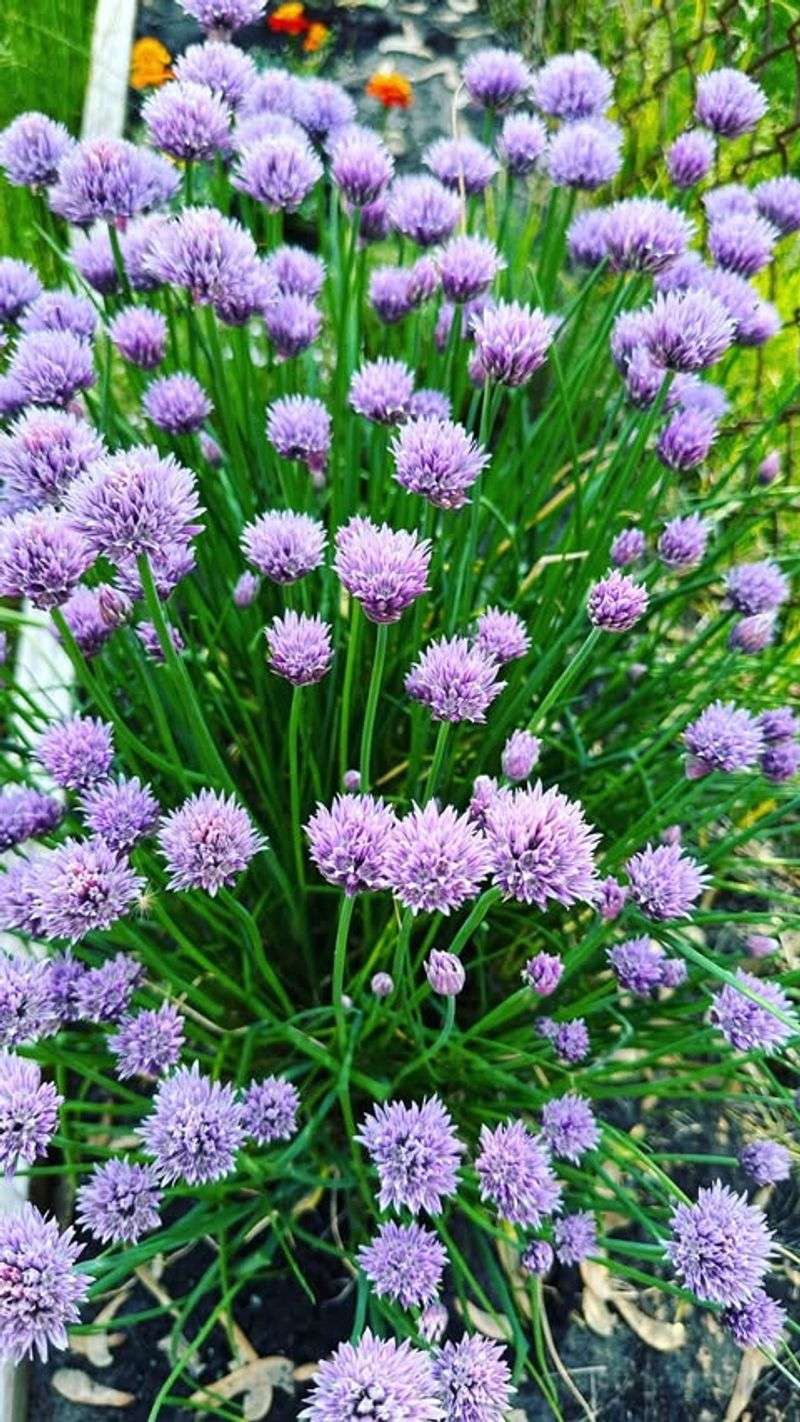
Few herbs prove as reliable and low-maintenance as chives when planted in Georgia gardens during February. These perennial herbs return year after year, making them an excellent investment for any gardener.
Chives belong to the onion family and bring mild, onion-like flavor to countless dishes while requiring minimal care once established.
February planting allows chives to develop strong root systems before producing their characteristic tubular leaves. Georgia’s climate suits chives perfectly, as they tolerate both cold snaps and eventual summer heat.
These hardy plants survive winter freezes and bounce back vigorously each spring.
Plant chives in full sun to partial shade, spacing clumps about six inches apart. They adapt to various soil types but prefer well-drained conditions with moderate fertility.
Adding compost at planting time gives chives a healthy start without overwhelming them with nutrients.
The plants grow in attractive clumps that expand over time, eventually needing division every few years. Purple globe-shaped flowers appear in late spring, adding ornamental value to your Georgia herb garden.
These edible blooms taste milder than the leaves and make beautiful garnishes.
Harvest chives by cutting leaves at soil level with sharp scissors, leaving about two inches of growth. Regular cutting encourages fresh growth and prevents flowering if you prefer leaf production over blooms.
Chives rarely suffer from pest problems and actually help repel certain garden insects. Their cold tolerance and perennial nature make them perfect for Georgia gardeners seeking dependable herbs that deliver year after year.
4. Thyme
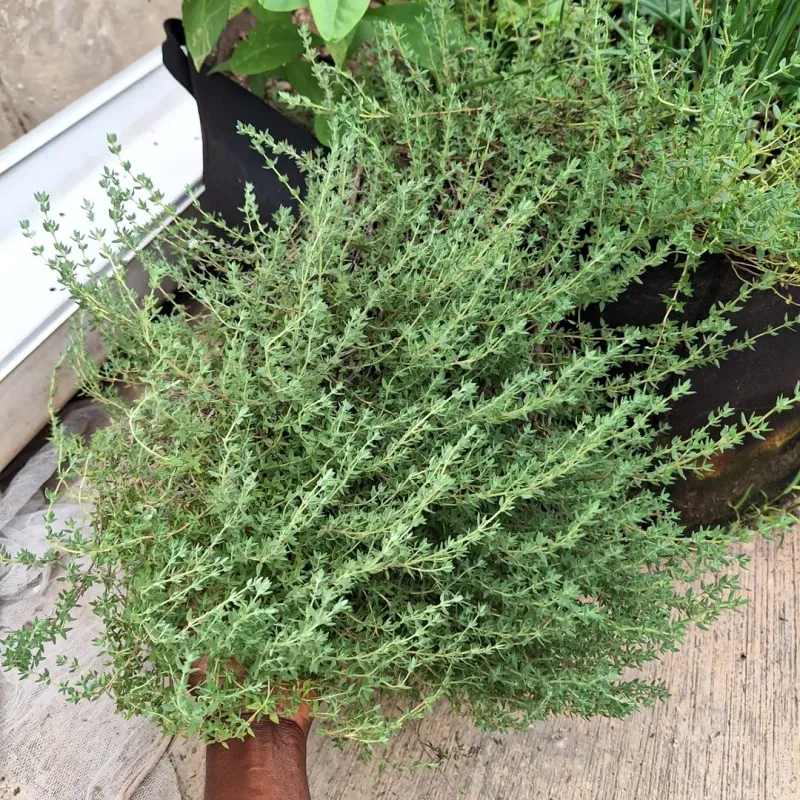
Thyme ranks among the toughest herbs you can grow in Georgia, making it ideal for February planting. This Mediterranean native actually prefers the kind of neglect that would stress other plants.
Georgia gardeners appreciate thyme’s drought tolerance and ability to thrive in less-than-perfect soil conditions.
Multiple thyme varieties exist, each offering unique flavors and growth habits. Common thyme works wonderfully for culinary use, while creeping varieties make excellent ground covers.
Lemon thyme adds citrus notes to dishes and grows just as reliably as other types in Georgia’s climate.
Plant thyme in well-drained soil with full sun exposure for best results. This herb absolutely hates wet feet, so raised beds or containers work perfectly for Georgia’s sometimes heavy clay soil.
Mix sand or perlite into planting areas to improve drainage if needed.
Once established, thyme requires little water and actually develops stronger flavor when slightly stressed. Overwatering causes more problems than underwatering with this tough herb.
Georgia’s summer heat doesn’t faze thyme, unlike many other herbs that struggle in July and August.
The woody stems become more pronounced as plants mature, creating attractive small shrubs in your herb garden. Harvest by cutting stems rather than picking individual leaves, which damages the plant.
Thyme dries beautifully, allowing you to preserve your harvest for year-round use. February planting gives thyme months to establish before summer, creating robust plants that enhance your Georgia garden for years to come.
5. Oregano
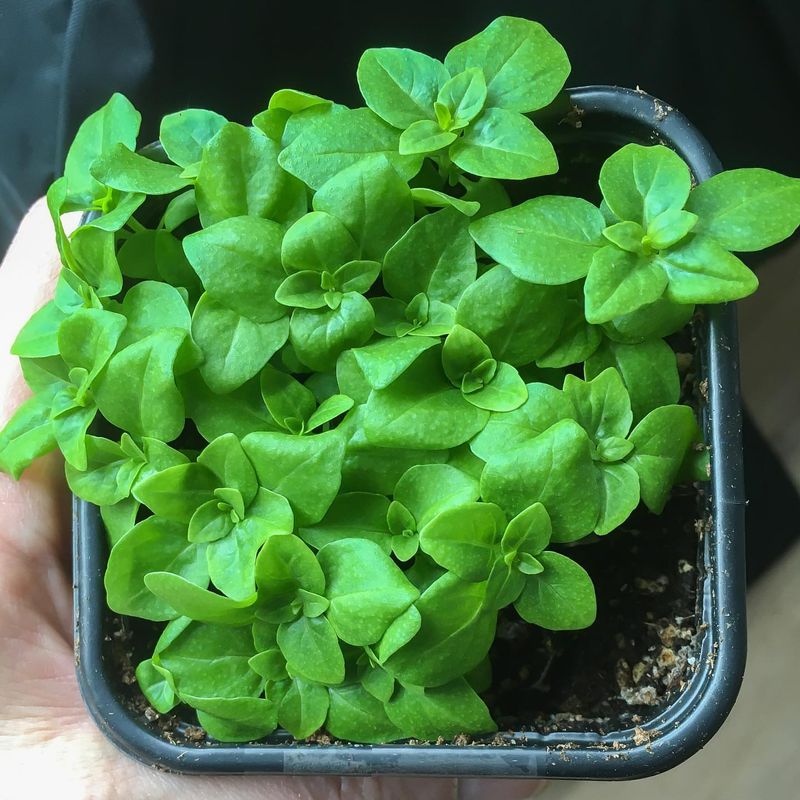
Oregano brings robust, pizza-perfect flavor to Georgia gardens when planted in February. This perennial herb establishes quickly and spreads enthusiastically, eventually forming attractive mounds of aromatic foliage.
Georgia’s growing conditions suit oregano beautifully, as it tolerates both cool spring temperatures and scorching summer heat.
Greek oregano offers the strongest flavor for cooking, while Italian varieties provide milder taste. Both types grow reliably in Georgia when given proper conditions.
Ornamental varieties exist too, though culinary types deliver better flavor for kitchen use.
Full sun and excellent drainage create ideal growing conditions for oregano in Georgia gardens. This herb tolerates poor soil better than rich, fertile conditions, which can actually dilute its essential oils and reduce flavor intensity.
Avoid fertilizing oregano heavily, as lean conditions produce more flavorful leaves.
February planting allows oregano to establish strong roots before rapid spring growth begins. The herb spreads through underground runners, eventually creating substantial patches if left unchecked.
Many Georgia gardeners grow oregano in containers to control its enthusiastic spreading habit.
Harvest oregano by cutting stems before flowers appear for maximum flavor concentration. The herb dries exceptionally well, maintaining its potency for months when stored properly.
Regular harvesting keeps plants bushy and productive rather than leggy.
Oregano rarely suffers from pest or disease problems in Georgia gardens. Its aromatic oils actually repel many common garden pests.
This low-maintenance herb rewards minimal effort with abundant harvests, making it perfect for busy gardeners seeking reliable flavor production throughout the growing season.
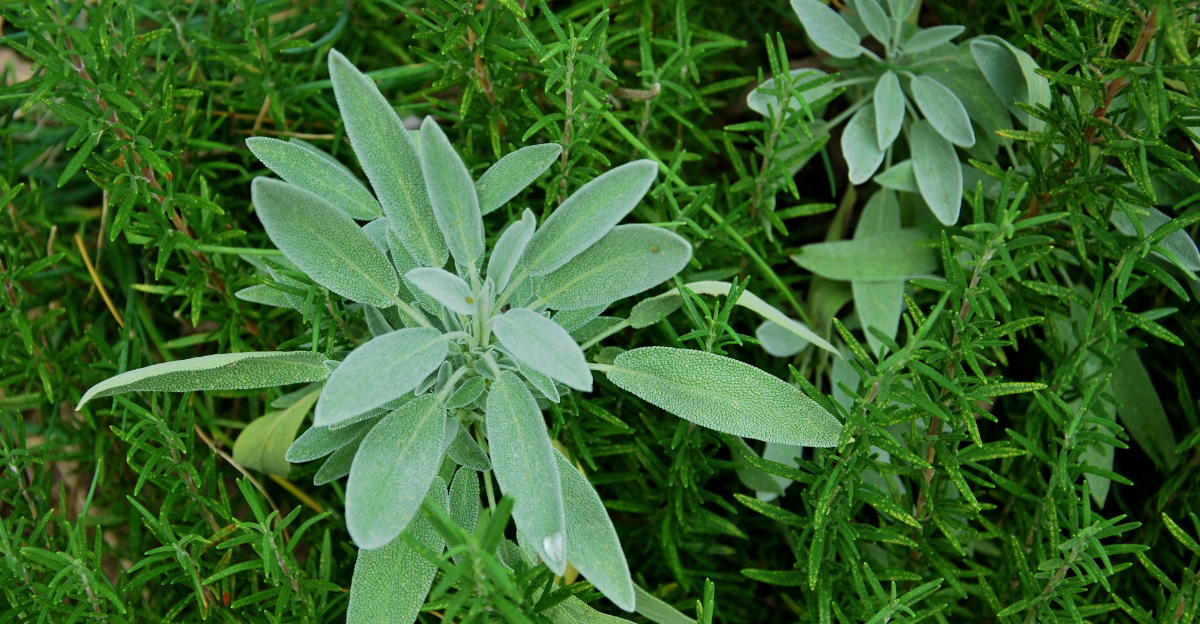
6. Sage
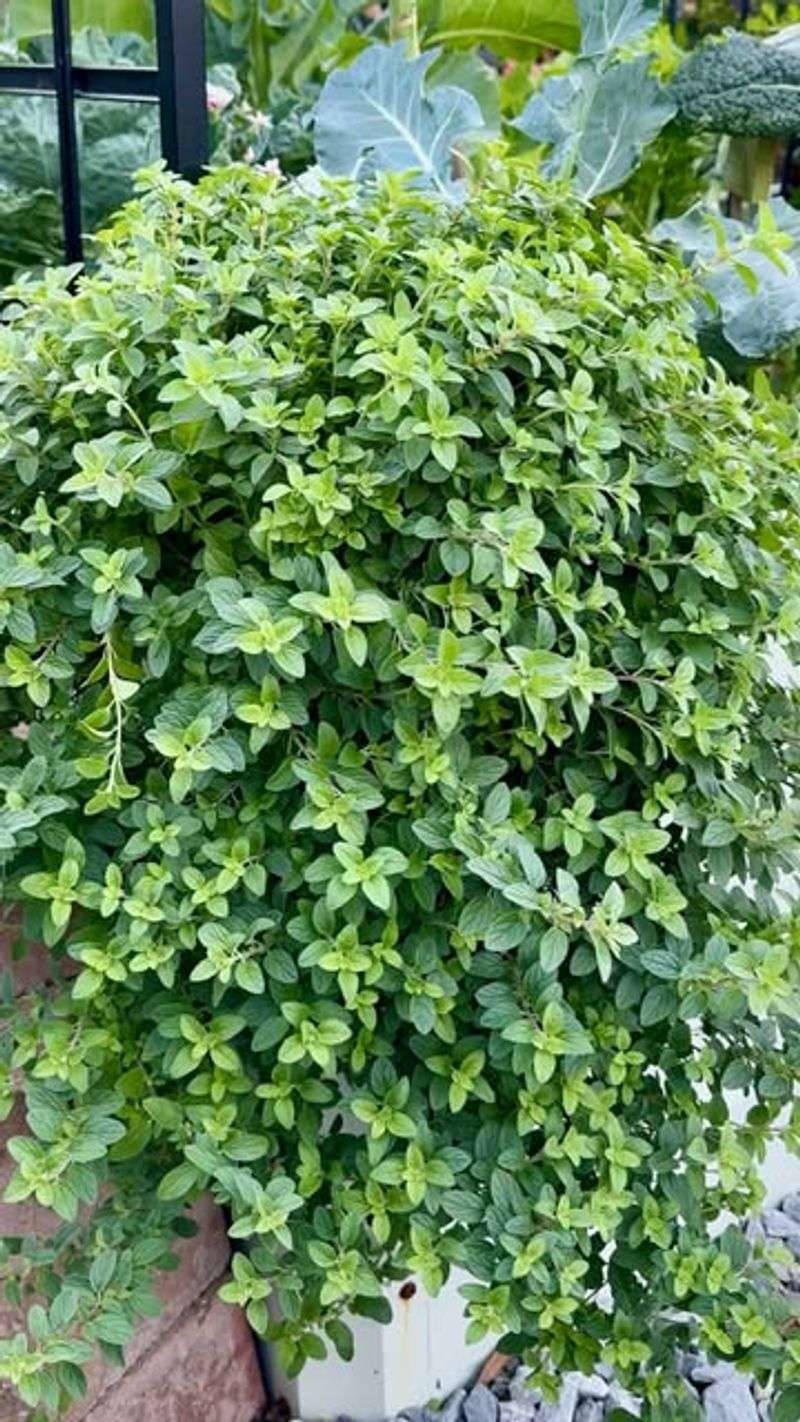
Sage adds both beauty and flavor to Georgia herb gardens when planted during February. This perennial herb features attractive gray-green foliage with a velvety texture that stands out among other garden plants.
Georgia’s climate supports sage growth beautifully, though the herb appreciates some afternoon shade during the hottest summer months.
Common garden sage provides classic flavor for cooking, while varieties like purple sage and tricolor sage offer ornamental appeal alongside culinary use. All types grow reliably in Georgia when given proper care and placement.
Pineapple sage, a different species, thrives in Georgia but prefers warmer planting times.
Well-drained soil proves essential for sage success in Georgia gardens. This Mediterranean native dislikes wet conditions and quickly develops root rot in poorly drained areas.
Raised beds or containers work wonderfully for growing sage in areas with heavy clay soil.
February planting gives sage time to establish before summer heat arrives. Young plants need regular watering until roots develop, then become quite drought-tolerant.
Mature sage plants often survive Georgia winters without protection in most areas of the state.
The herb grows into a small shrub over time, eventually reaching two feet tall and wide. Prune sage lightly after flowering to maintain compact growth and encourage fresh foliage production.
Heavy pruning of old wood often damages plants, so stick with light trimming.
Harvest sage leaves as needed throughout the growing season, taking care not to remove more than one-third of the plant at once. The herb dries well for long-term storage.
Georgia gardeners love sage’s resilience and ability to produce flavorful leaves year after year with minimal maintenance.
7. Dill
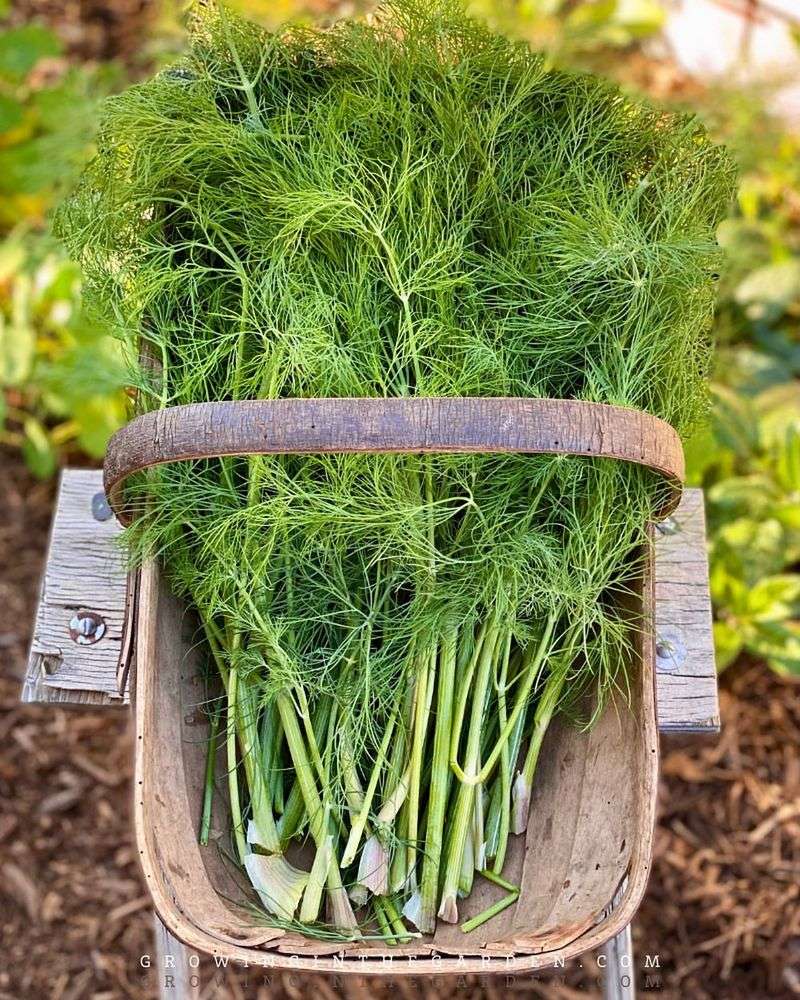
Dill’s feathery foliage and distinctive flavor make it a favorite among Georgia gardeners who start planting in February. This annual herb grows quickly in cool weather, producing abundant harvests before hot temperatures arrive.
Georgia’s February conditions provide the perfect environment for dill to establish strong growth patterns.
Cool-season planting proves crucial for dill success in Georgia. The herb bolts rapidly when temperatures climb, shifting energy from leaf production to flowering and seed formation.
February planting maximizes your harvest window before summer heat triggers bolting.
Direct seeding works best for dill since it develops a taproot that resents transplanting. Scatter seeds in prepared garden beds or large containers, barely covering them with soil.
Germination occurs within ten to fourteen days in Georgia’s February conditions.
Dill appreciates full sun and consistent moisture during its growing period. The plants grow quite tall, often reaching three feet or more, so consider placement carefully in your Georgia garden.
Staking may become necessary in areas with strong winds.
Both leaves and seeds offer culinary value, though most gardeners focus on fresh foliage for immediate use. Snip leaves regularly to encourage continued production and delay flowering.
Once seed heads form, harvest them for pickling or allow some to self-sow for future crops.
Successive planting every two weeks ensures continuous dill availability throughout spring. Plant small amounts rather than one large planting to avoid waste.
Georgia’s unpredictable spring weather sometimes challenges dill, but February planting generally provides excellent results before temperature extremes arrive.
8. Mint
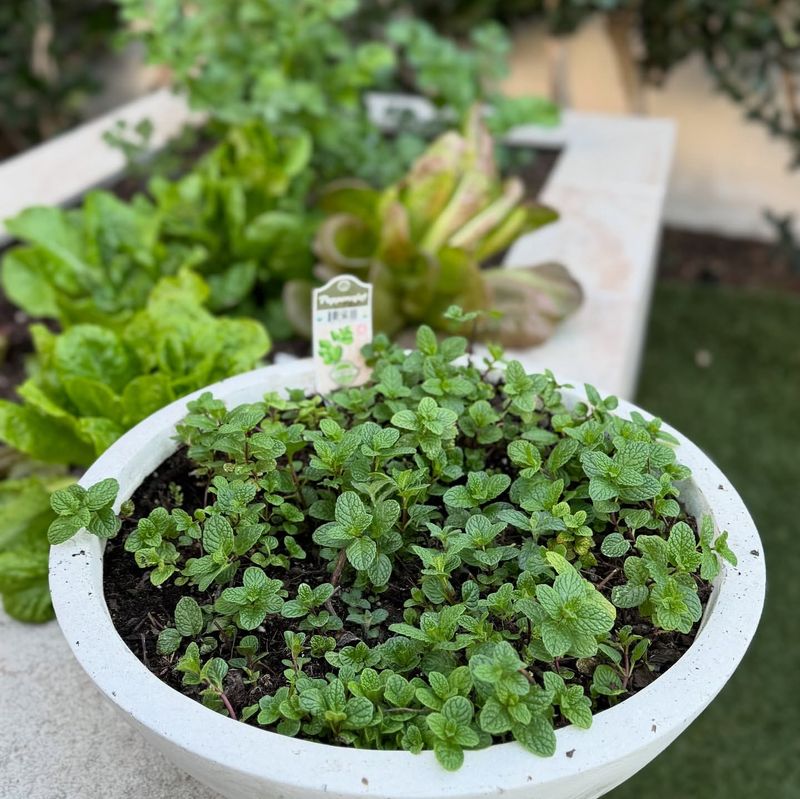
Mint grows with such enthusiasm in Georgia that most gardeners plant it in containers rather than garden beds. This perennial herb spreads aggressively through underground runners, quickly taking over areas if left unchecked.
February planting gives mint time to establish before producing the abundant growth Georgia’s climate encourages.
Numerous mint varieties exist, from classic peppermint and spearmint to chocolate mint and pineapple mint. All types grow vigorously in Georgia’s conditions.
Choose varieties based on your flavor preferences, as growth habits remain similar across types.
Mint prefers partial shade in Georgia, especially protection from intense afternoon sun. The herb tolerates more shade than most other culinary plants, making it perfect for those tricky garden spots.
Consistent moisture keeps mint happy, though established plants tolerate brief dry periods.
Container growing solves mint’s invasive tendencies while allowing you to position plants conveniently near your kitchen. Use pots at least twelve inches deep to accommodate mint’s root system.
Some Georgia gardeners sink containers into garden beds, creating barriers that contain spreading roots.
Harvest mint regularly by cutting stems rather than picking individual leaves. Frequent cutting encourages bushier growth and prevents flowering, which reduces leaf quality.
Mint dries well and also freezes successfully for long-term storage.
The herb rarely suffers from serious pest problems in Georgia, though spider mites occasionally appear during hot, dry weather. Rust disease can affect mint in humid conditions, so provide good air circulation.
Despite these minor concerns, mint remains one of the easiest herbs to grow in Georgia, producing abundant harvests with minimal care throughout the growing season.
9. Rosemary
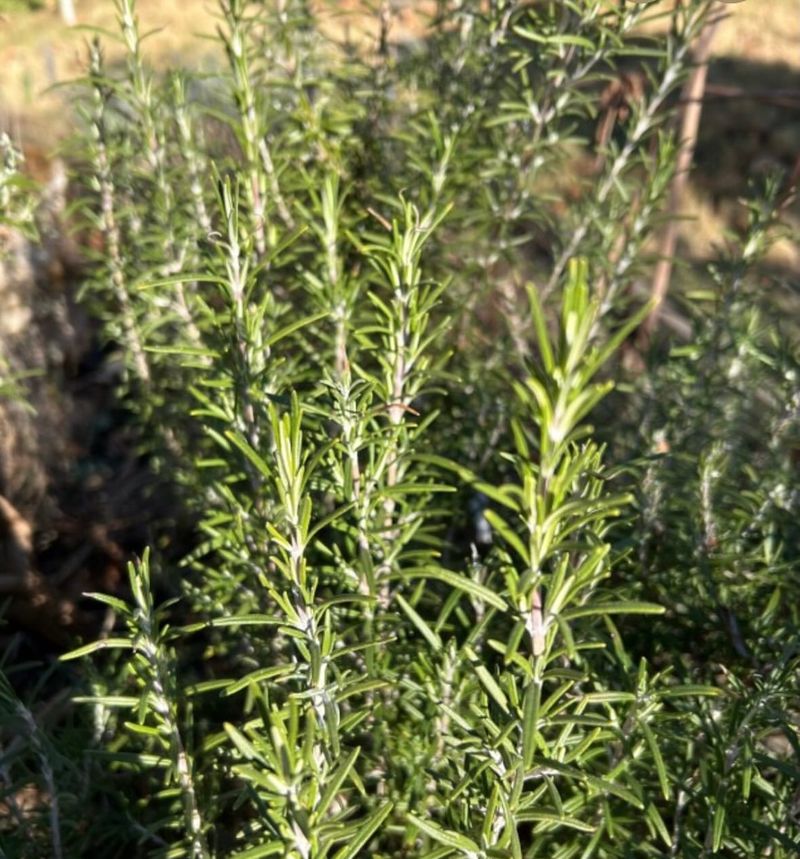
Rosemary brings Mediterranean charm to Georgia gardens when planted in February. This woody perennial herb develops into an attractive evergreen shrub that provides year-round interest and harvests.
Georgia gardeners in the southern portions of the state enjoy the easiest rosemary growing, while northern areas may need winter protection during harsh cold snaps.
Upright varieties work well for hedges and focal points, while prostrate types cascade beautifully over walls or container edges. All rosemary types prefer similar growing conditions regardless of their growth habit.
Arp rosemary offers improved cold hardiness for northern Georgia gardeners.
Excellent drainage proves absolutely essential for rosemary success in Georgia. This herb despises wet feet and quickly succumbs to root rot in poorly drained soil.
Sandy or amended clay soil works best, with raised beds providing ideal conditions for rosemary cultivation.
February planting allows rosemary to establish roots before summer heat arrives. Young plants need regular watering until established, then become remarkably drought-tolerant.
Mature rosemary often survives Georgia summers without supplemental irrigation once roots penetrate deeply.
The herb grows slowly compared to other culinary plants, eventually reaching three to four feet tall in Georgia gardens. Prune lightly after flowering to maintain shape and encourage dense growth.
Avoid cutting into old wood, which rarely produces new growth.
Harvest rosemary stems as needed throughout the year, as this evergreen herb provides fresh flavor even during winter months. The needles dry beautifully and maintain potency for extended periods.
Georgia’s climate allows rosemary to thrive with minimal care, rewarding gardeners with aromatic foliage and occasional blue flowers that attract beneficial pollinators to your herb garden.