The Best Lavender Companion Shrubs For Oregon Yards
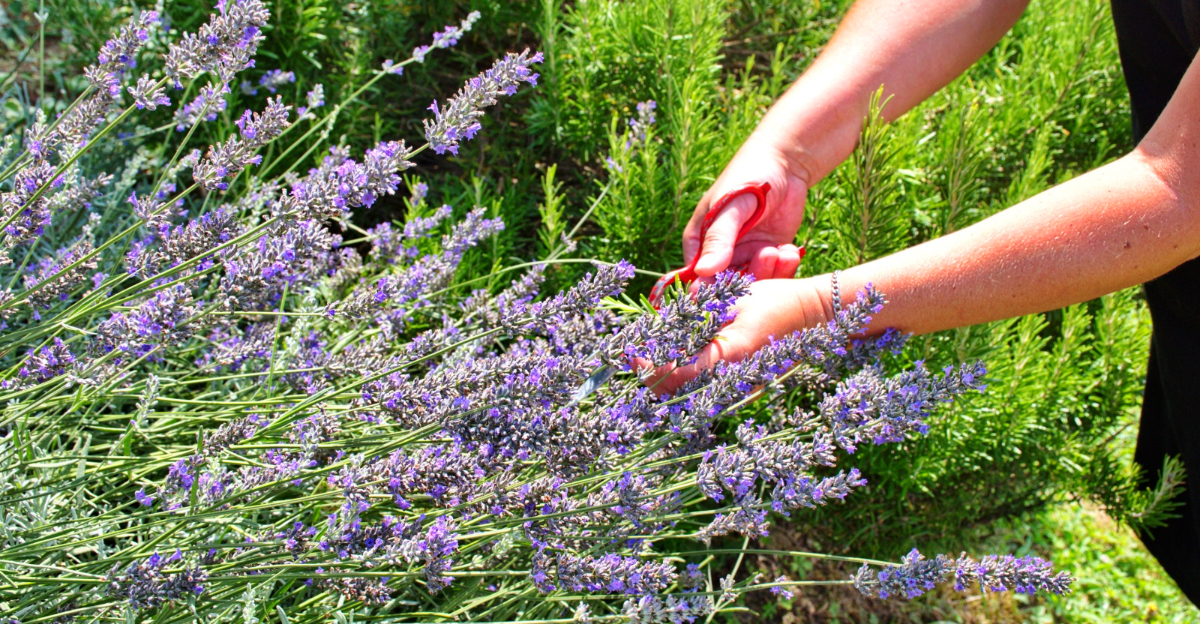
Lavender knows exactly what it wants in an Oregon yard, and it tends to look best when the plants around it want the same things. Give it full sun, lean soil, and sharp drainage, and it can look fantastic.
Pair it with thirstier shrubs, though, and the whole planting starts to feel like a compromise. Oregon gardeners work with all kinds of conditions, but dry summer weather is a familiar part of the season in many areas.
That makes plant pairing especially important. Shrubs that enjoy sunny spots, lighter watering, and well-drained soil can help lavender settle in and stand out at the same time.
The result is a planting that feels more balanced, looks more natural, and asks for less fuss once summer heat kicks in. That is a pretty great combination for any Oregon garden.
1. Rosemary Loves The Same Hot Dry Conditions
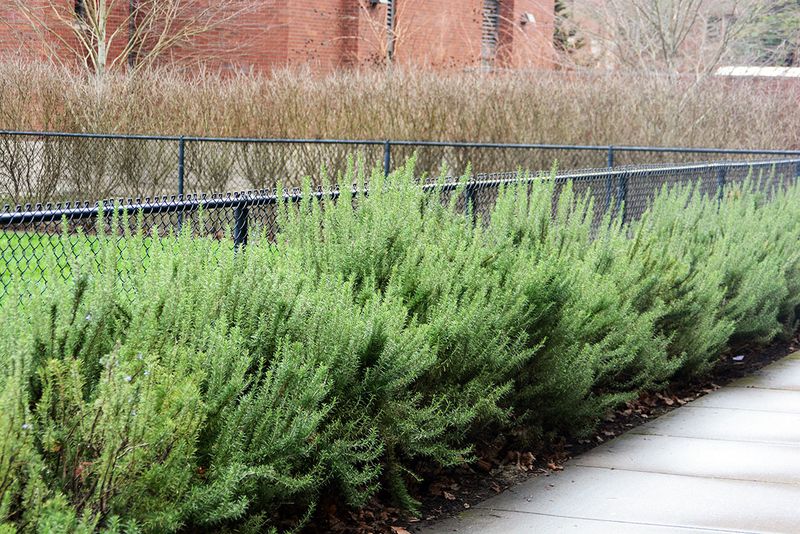
Few shrubs understand lavender’s lifestyle quite like rosemary. Both plants come from Mediterranean regions where summer heat is intense, rainfall is scarce, and soil is often rocky or sandy.
That shared background makes rosemary one of the most naturally compatible companions you can plant alongside lavender in an Oregon yard.
In the Willamette Valley and southern Oregon, rosemary tends to settle in beautifully once established. It asks for the same full sun exposure, the same lean and well-drained soil, and the same restrained watering schedule that lavender prefers.
Planting them side by side creates a cohesive look that feels intentional and polished without requiring much effort to maintain.
Rosemary brings a different texture to the bed, with its narrow, needle-like leaves contrasting nicely against lavender’s softer, more feathery foliage.
Both plants hold their structure through the dry season, which keeps the border looking tidy even when summer watering is minimal.
Some rosemary varieties also bloom in late winter or early spring, extending the garden’s interest well beyond lavender’s summer flowering window.
One thing Oregon gardeners should keep in mind is that rosemary can struggle in areas with cold, wet winters and heavy clay soil.
In wetter parts of western Oregon, planting on a slope or raised bed helps ensure drainage stays adequate.
Upright varieties tend to work well in foundation plantings, while trailing types can spill nicely over low walls or edges in sunnier front-yard beds.
2. Cistus Pairs Beautifully With Lavender In Sunny Spots
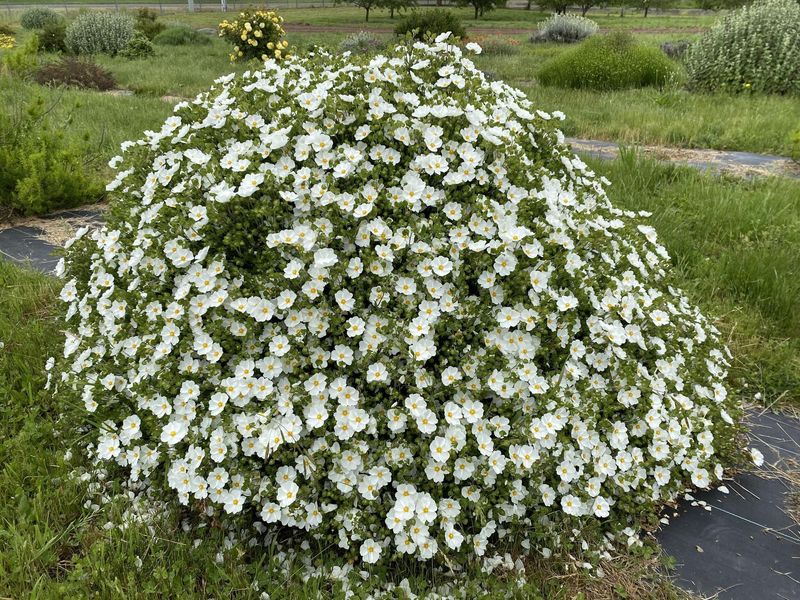
Sunny, dry garden spots in Oregon can be challenging to fill, but cistus, commonly called rockrose, handles those conditions with ease.
This Mediterranean shrub produces papery flowers in shades of white, pink, and soft purple, often with a contrasting eye at the center.
Planted near lavender, the two create a casual, cottage-style display that looks right at home in summer-dry landscapes.
Cistus is well suited to Oregon’s drier regions and the sunnier parts of the Willamette Valley, where summer rainfall is minimal and reflected heat from walls or pavement can stress less adapted plants.
Your Oregon Garden Changes Every Week. Your Plan Should Too.
Gardening in Oregon changes quickly throughout the season. Every Friday you’ll receive a simple weekly plan showing exactly what to plant, prune, fertilize, harvest, and protect so you never miss the right timing.
Once established, it asks for very little supplemental water, which aligns well with lavender’s preference for dry summers.
Both plants also share a dislike for heavy, wet soil, so pairing them in a raised bed or sloped border helps both thrive.
The bloom time for cistus generally runs from late spring into early summer, overlapping with lavender’s peak flowering period. That overlap creates a layered display of color and fragrance without requiring a complicated planting scheme.
After flowering, cistus holds its evergreen foliage through the season, providing structure even when blooms have faded.
Cistus tends to resent heavy pruning, so choosing a variety that fits the available space from the start is worthwhile.
Smaller cultivars work well in front-yard beds and dry borders, while larger varieties can anchor a sunny corner or serve as a low informal hedge alongside a lavender planting.
3. Grevillea Brings Evergreen Texture To Dry Borders
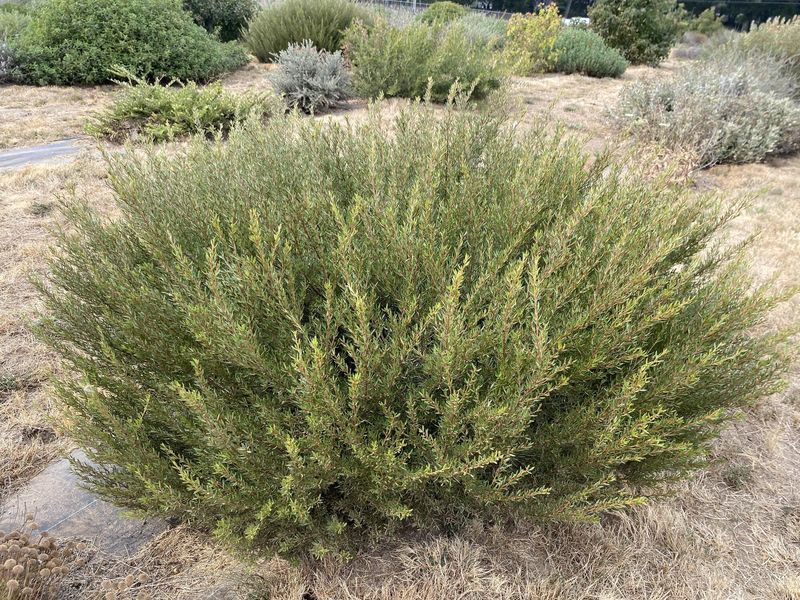
Dry borders in Oregon can sometimes look a little flat, especially in the off-season when flowering plants have faded.
Grevillea is an Australian native that brings year-round evergreen texture to those spots, with finely divided foliage and unusual spider-like flowers that appear in many cultivars from late winter through spring.
Planted near lavender, it adds visual interest during the months when lavender is dormant or just beginning to wake up.
Several grevillea varieties have proven reasonably hardy in the milder parts of western Oregon, particularly in the Willamette Valley and along the southern coast. They prefer sharp drainage and full sun, which puts them right in line with what lavender needs.
In heavier clay soils, both plants appreciate the same solution: amending with grit, planting in a raised area, or choosing a naturally sloping site.
Grevillea’s foliage color and texture vary considerably by variety. Some have fine, needle-like leaves with a silvery cast, while others carry broader leaves with a deep green top and pale underside.
That variety gives gardeners some flexibility in choosing a plant that complements the soft gray-green of lavender without clashing.
Hummingbirds are drawn to grevillea flowers, which adds an unexpected bonus for Oregon gardeners who enjoy wildlife activity in the yard.
Because grevillea dislikes heavy fertilization and wet roots, it fits naturally into a low-input planting scheme. Minimal pruning and infrequent watering once established are about all it needs to stay attractive alongside a lavender border through the seasons.
4. Manzanita Fits Right Into Lean Sunny Beds
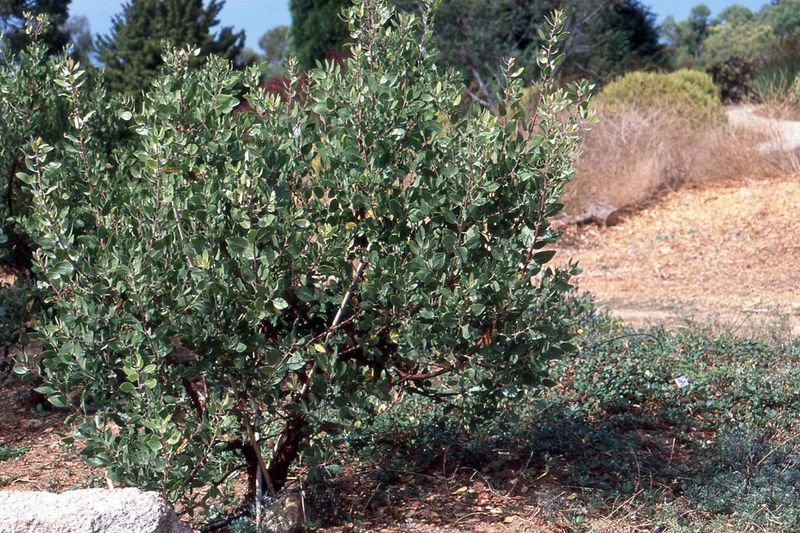
Lean, rocky, sun-baked beds are where manzanita truly feels at home, which makes it a natural fit alongside lavender in Oregon landscapes.
This Pacific Northwest native is known for its smooth, mahogany-colored bark, small leathery leaves, and clusters of tiny urn-shaped flowers that appear in late winter or early spring.
The combination of interesting bark, early blooms, and drought tolerance makes it one of the most distinctive native shrubs available to Oregon gardeners.
Manzanita and lavender share a strong preference for excellent drainage and minimal summer water once established.
Many manzanita species are native to dry slopes and open hillsides across Oregon and California, which means they are well adapted to the kind of lean, well-drained soil that lavender also prefers.
Planting the two together in a sunny front-yard bed or along a south-facing slope creates a planting that feels connected to the regional landscape.
Size varies quite a bit among manzanita species and cultivars, so it is worth researching before purchasing. Some compact varieties stay under three feet, making them easy to incorporate into smaller beds.
Larger species can reach eight feet or more, which may suit a background position in a wider border. Choosing the right size from the start helps avoid the need for heavy pruning later, since manzanita does not respond well to aggressive cutting back.
Wildlife value is another reason to consider manzanita near lavender. Bees visit the flowers enthusiastically in late winter, and birds are attracted to the berries that follow, bringing seasonal activity to the garden from late winter through summer.
5. California Lilac Thrives In Oregon’s Summer-Dry Gardens
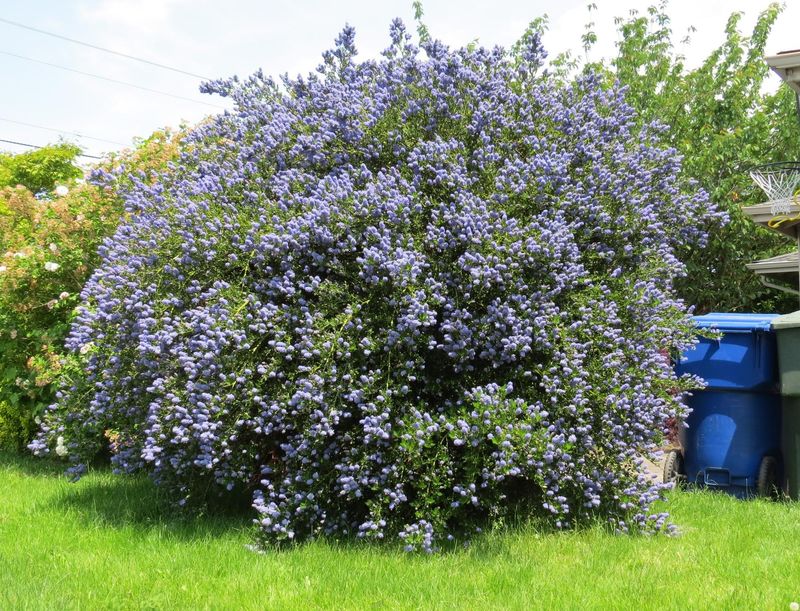
There is something genuinely striking about a California lilac in full bloom. Ceanothus, as it is botanically known, produces dense clusters of flowers in shades ranging from deep cobalt blue to soft lavender, and the color intensity during peak bloom can stop people in their tracks.
Planted near lavender, the two create a harmonious pairing of blues and purples that feels effortless and visually satisfying.
California lilac is well suited to Oregon’s summer-dry climate, particularly in the Willamette Valley and southern Oregon where warm summers and minimal rainfall are the norm.
Once established, ceanothus is notably drought tolerant and actually prefers to go dry in summer rather than receiving regular irrigation.
That trait aligns closely with lavender’s own preference for dry conditions between late spring and early fall, making the two genuinely low-maintenance companions.
Ceanothus blooms heavily in spring, often overlapping with or just preceding lavender’s summer flowering, which extends the season of color in the bed.
After blooming, the evergreen foliage remains attractive through the dry season, providing a dark green backdrop that makes lavender’s silvery leaves stand out.
Some varieties also rebloom lightly in fall, adding another wave of interest.
One consideration for Oregon gardeners is choosing a variety suited to the local winter conditions. Some ceanothus cultivars are frost-sensitive and may struggle in colder inland areas.
Hardier varieties, including several developed specifically for Pacific Northwest conditions, tend to perform more reliably.
Planting in a sheltered south-facing spot with excellent drainage gives ceanothus the best chance of establishing well and thriving for many seasons.
6. Caryopteris Adds Soft Color Later In The Season
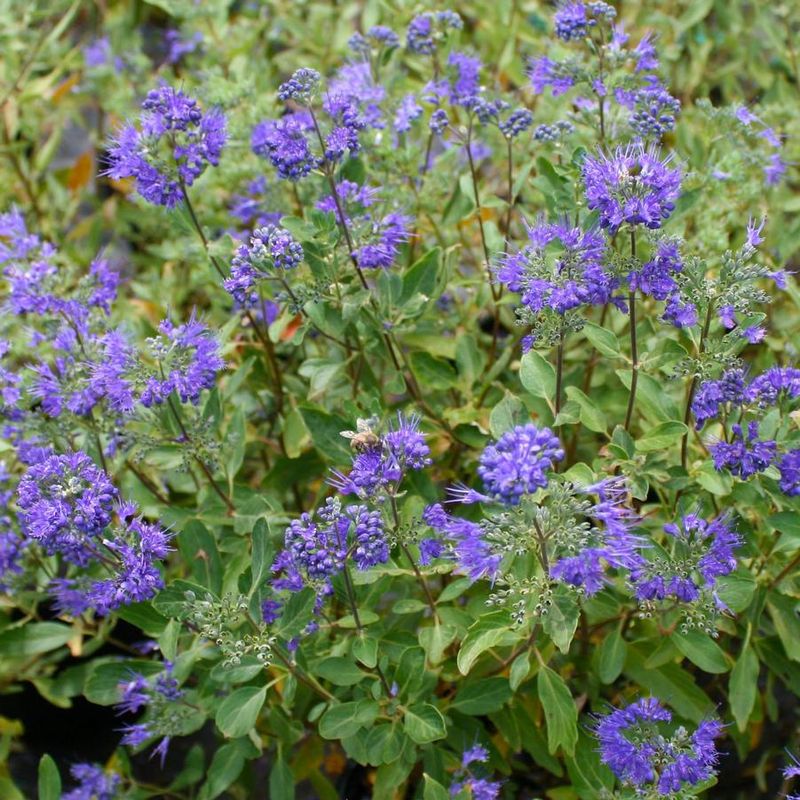
Late summer can feel a little quiet in the garden once lavender’s main flush of blooms has faded. Caryopteris, sometimes called bluebeard or blue mist shrub, steps in right when that lull arrives, producing soft clusters of blue to violet flowers from late summer into fall.
That extended bloom window makes it a thoughtful companion for lavender in Oregon yards.
Caryopteris is a low-growing, mounding shrub that stays relatively compact, usually reaching two to four feet in height and spread. That manageable size makes it easy to tuck into a mixed border alongside lavender without it overwhelming the planting.
Both plants prefer full sun and well-drained soil, and both handle Oregon’s dry summers without much fuss once they are established.
The silver-gray foliage of caryopteris echoes lavender’s own silvery leaves, creating a cohesive color palette even when neither plant is actively blooming.
Bees and butterflies visit caryopteris flowers enthusiastically, which adds lively movement to the garden during the late season when many other plants have slowed down.
Fragrance is also part of the picture, as the leaves release a pleasant scent when brushed.
In colder parts of Oregon, caryopteris may behave more like a herbaceous perennial, cutting back to the ground each winter and resprouting from the roots in spring. In milder coastal and valley areas, it tends to retain more woody structure.
Either way, cutting it back in late winter encourages fresh, vigorous growth and stronger blooming the following season.