The Best Leafy Greens For Homegrown Salads In Texas
If you love the idea of fresh salads made with greens from your own backyard, you’re in luck. Texas is a great place to grow your own leafy vegetables.
Whether you’re working with a spacious backyard garden or a few raised beds, the Lone Star State’s mild winters and warm springs give you a solid head start when it comes to leafy greens.
From tender butterhead lettuce to sturdy collards and crisp romaine, there’s a wide variety of greens that thrive here. Some of them can even be harvested multiple times, giving you more bang for your gardening buck.
Many Texas gardeners are surprised at just how easy it can be to grow salad-worthy greens at home. You don’t need a complicated setup or special tools.
With just a little bit of sunlight, water, and attention to soil quality, you’ll have fresh ingredients for your meals in no time. Plus, growing your own leafy greens means fewer trips to the store and better control over what’s going into your food.
Whether you’re new to gardening or already have some experience, this guide will show you the best leafy greens to plant for crisp, flavorful, homegrown salads in Texas. Let’s dig into what grows best and why.
1. Buttercrunch Lettuce
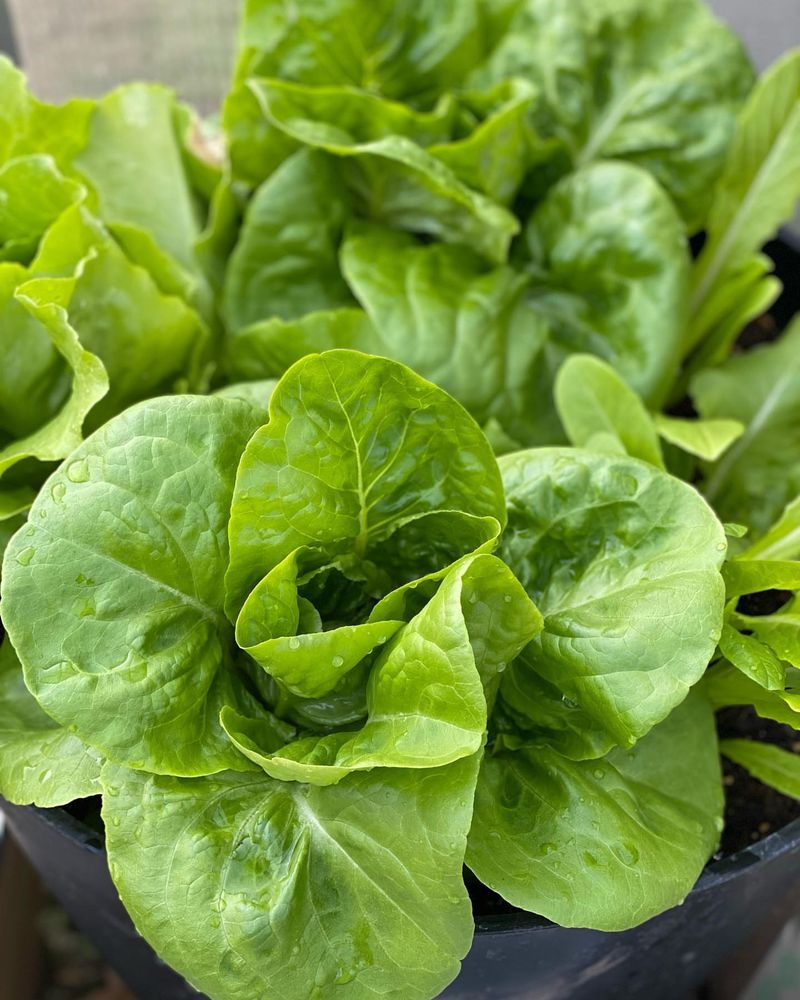
Buttercrunch lettuce earns its name from the incredibly soft, almost buttery texture of its leaves. This variety is a favorite among Texas gardeners because it tolerates our unpredictable spring weather better than most other lettuces.
The compact heads form tight rosettes of light green leaves that are sweet, mild, and absolutely perfect for fresh salads. Unlike some lettuce varieties that turn bitter when temperatures rise, Buttercrunch holds its flavor longer into the warming season.
Planting Buttercrunch in Texas works best during fall and early spring when temperatures stay between 45 and 75 degrees. You can start seeds directly in the garden or transplant seedlings for a quicker harvest.
The plants prefer rich, well-draining soil with plenty of compost mixed in, and they need consistent moisture to develop those tender leaves.
If you’re gardening in North Texas, aim for a September or February planting. South Texas gardeners can plant as early as October and continue through March.
One of the best things about Buttercrunch is how quickly it matures. You’ll be harvesting beautiful heads in just 55 to 65 days from planting.
The leaves are fantastic in salads, sandwiches, or even as wraps for tacos. Because the heads stay compact, you can fit more plants in a smaller space, making this variety ideal for container gardens or raised beds.
Texas gardeners love how reliably Buttercrunch produces, even when the weather doesn’t cooperate perfectly. Watch for aphids and slugs, which can sometimes bother lettuce plants.
A simple spray of water or organic insecticidal soap usually takes care of aphids. For slugs, try placing shallow dishes of beer near your plants or sprinkle diatomaceous earth around the base.
2. Arugula
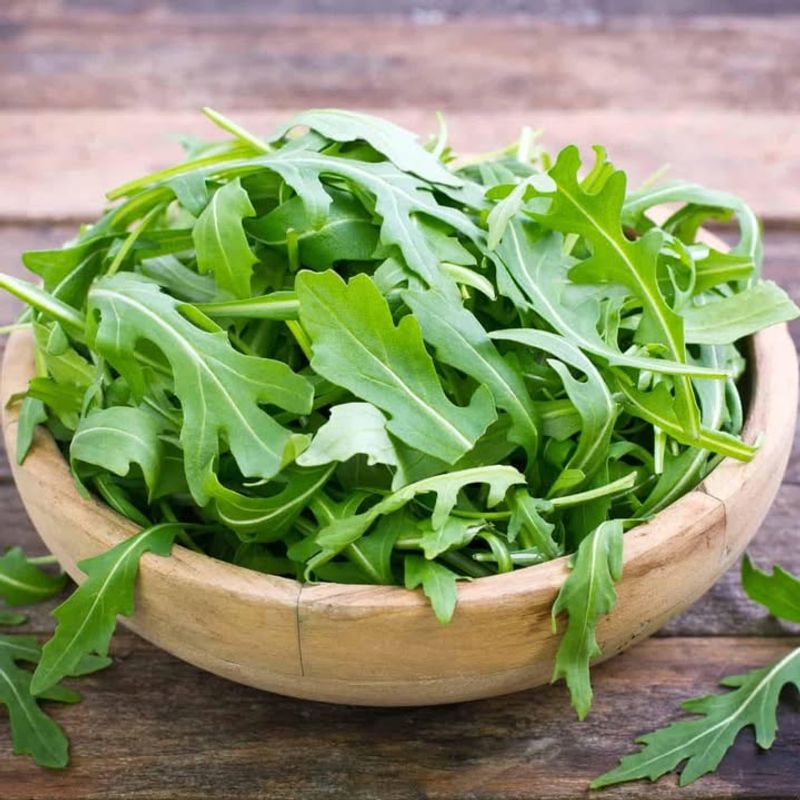
Arugula brings a peppery punch to any salad bowl, and Texas gardeners absolutely adore how fast and easy it grows. This leafy green doesn’t form heads like lettuce.
Instead, it produces clusters of deeply lobed leaves that look almost like dandelion greens. The flavor is bold and slightly spicy, adding a gourmet touch to even the simplest salad.
Young arugula leaves taste milder, while older leaves develop a stronger, more pungent flavor that some people compare to mustard or horseradish.
Texas provides nearly perfect conditions for arugula during our cooler months. Plant seeds directly in the garden from September through March, depending on your region.
The seeds germinate quickly, often sprouting within just five to seven days. Arugula grows best in full sun during fall and winter, but it appreciates some afternoon shade when planted in early spring.
The plants tolerate light frosts, making them excellent choices for Texas winter gardens.
Harvest arugula when the leaves reach three to four inches long, which usually happens about 30 to 40 days after planting. You can cut individual leaves or harvest the entire plant at once.
The more you harvest, the more it produces, so don’t be shy about snipping leaves regularly. Arugula pairs wonderfully with citrus fruits, nuts, and shaved parmesan cheese in salads.
Texas gardeners often plant arugula in succession, sowing new seeds every two weeks to ensure a continuous supply throughout the cool season.
Flea beetles sometimes nibble tiny holes in arugula leaves, but the damage is usually cosmetic and doesn’t affect the taste. Cover young plants with row covers to keep these pests away.
Arugula grows so quickly that even if pests cause some damage, you’ll have fresh leaves ready to harvest in no time.
3. Spinach
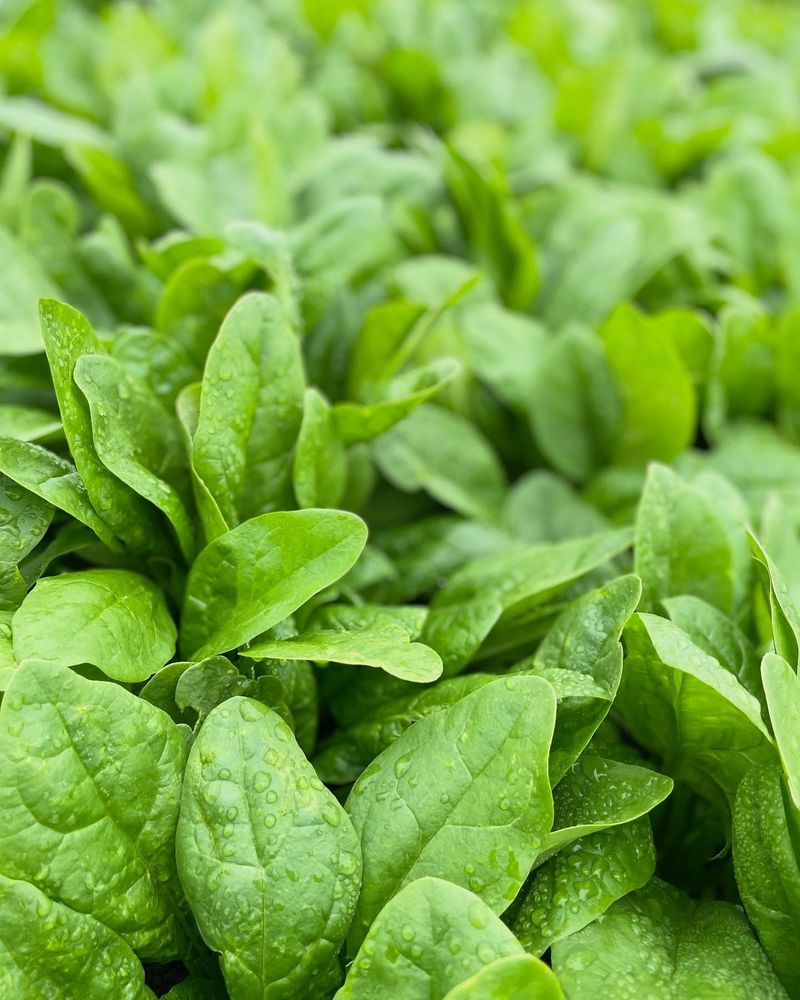
Spinach stands as one of the most nutritious leafy greens you can grow in your Texas garden. Packed with iron, vitamins, and minerals, this powerhouse vegetable deserves a spot in every salad lover’s plot.
Texas gardeners have excellent success with spinach during fall, winter, and early spring when temperatures stay cool.
The leaves grow in attractive rosettes, with varieties ranging from smooth-leafed types to crinkly, savoy-style leaves. Fresh spinach from your garden tastes sweeter and more delicate than store-bought versions.
Plant spinach seeds in Texas gardens from September through February, depending on where you live. South Texas gardeners can plant throughout winter, while North Texas gardeners should focus on fall and early spring plantings.
Spinach needs full sun during winter months but benefits from partial shade if you’re pushing the season into warmer weather.
The soil should be rich and slightly acidic, with plenty of nitrogen to encourage leafy growth. Add compost or well-rotted manure before planting for best results.
Most spinach varieties mature in 40 to 50 days, though you can start harvesting baby leaves even earlier for tender salad greens. Pick outer leaves first, allowing the center of the plant to continue producing.
This cut-and-come-again harvesting method extends your harvest period significantly. Spinach leaves work beautifully in fresh salads, especially when paired with strawberries, pecans, and a light vinaigrette.
Many Texas gardeners also enjoy cooking spinach, but eating it fresh preserves the maximum nutritional value.
Spinach occasionally struggles with leaf miners, tiny insects that tunnel between leaf layers creating white trails. Remove affected leaves promptly and dispose of them in the trash, not your compost pile.
Proper spacing and good air circulation help prevent fungal diseases that sometimes affect spinach in humid Texas regions.
4. Romaine Lettuce
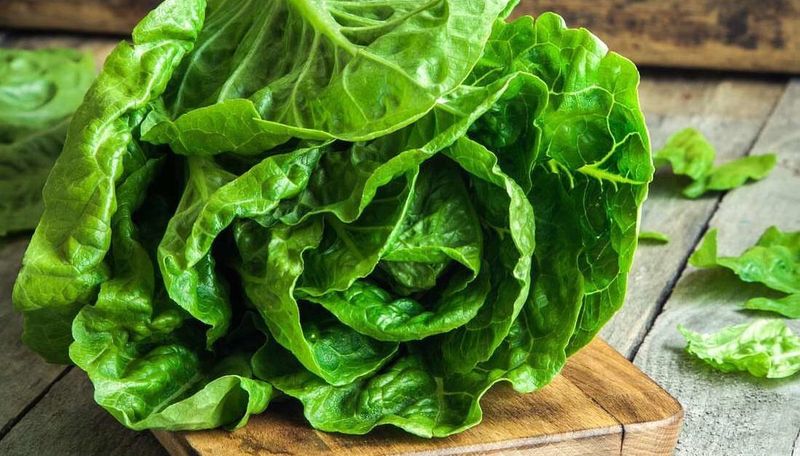
Romaine lettuce forms tall, upright heads with crisp, sturdy leaves that crunch perfectly in salads. This classic lettuce variety has been a staple in gardens for centuries, and Texas growers appreciate how well it performs during our mild winters.
The leaves grow in elongated heads, with the outer leaves darker green and the inner leaves pale yellow-green and especially tender. Romaine offers more nutritional value than iceberg lettuce, with higher levels of vitamins A and K.
Texas gardeners should plant romaine from October through February, timing plantings to avoid the hottest months. The plants need about 70 to 75 days to form full heads, though you can harvest outer leaves earlier if you’re impatient.
Romaine tolerates cooler temperatures better than many lettuce varieties, making it ideal for Texas winter gardens.
The plants prefer consistent moisture and rich soil amended with compost. Space plants about 10 to 12 inches apart to allow proper head development.
Growing romaine in Texas requires attention to watering, especially during dry winter periods. The plants need about an inch of water per week, either from rainfall or irrigation.
Mulch around the base of plants helps retain moisture and keeps the soil temperature stable. Romaine grown in Texas often tastes sweeter and less bitter than store-bought versions because you can harvest it at peak freshness.
The crisp texture makes romaine perfect for classic Caesar salads, but it also works wonderfully in mixed green salads or as a wrap for tacos.
Watch for signs of bolting, which happens when plants send up flower stalks. This typically occurs when temperatures rise above 80 degrees or when plants experience stress.
Once romaine bolts, the leaves turn bitter and tough. Harvest heads before this happens by checking plants regularly as spring approaches.
5. Kale
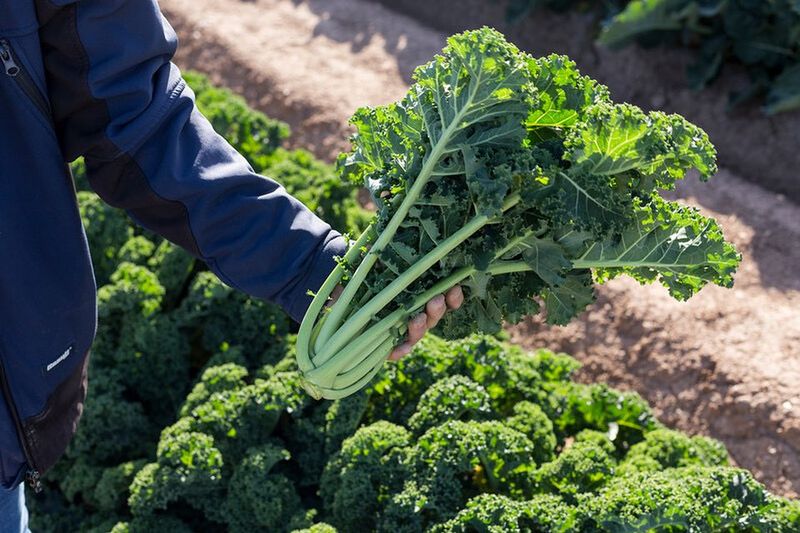
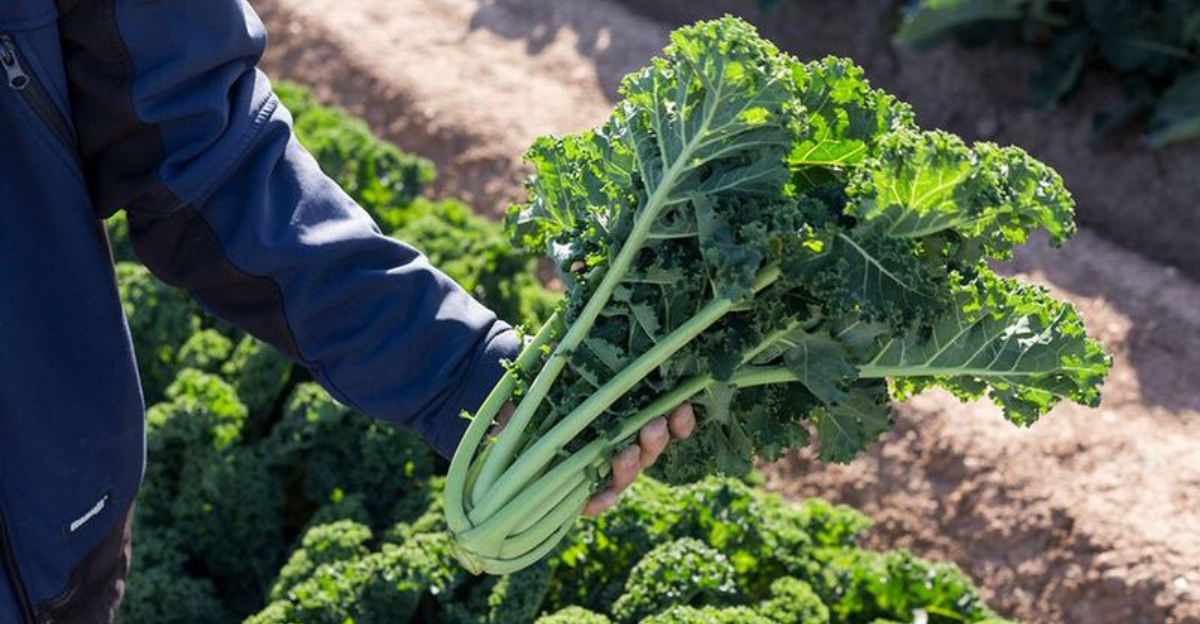
Kale has exploded in popularity over the past decade, and for good reason. This superfood green thrives in Texas gardens during our cooler months, producing abundant harvests of nutritious leaves.
Several kale varieties work well in Texas, including curly kale, Lacinato kale, and Red Russian kale. While many people think of kale as a cooking green, young tender leaves make excellent additions to fresh salads.
The flavor is slightly earthy and robust, adding substance and nutrition to any salad bowl.
Plant kale in Texas gardens from September through November for fall and winter harvests. The plants tolerate frost beautifully, and many gardeners swear that a light frost actually improves the flavor by making the leaves sweeter.
Kale grows best in full sun and well-draining soil enriched with compost. The plants develop slowly at first but eventually form large, bushy plants that produce leaves for months. Space plants about 18 inches apart to allow room for their mature size.
Harvest kale leaves when they reach the size you prefer, usually starting about 55 to 75 days after planting. Pick outer leaves first, leaving the center growing point intact so the plant continues producing.
For fresh salads, choose young, tender leaves from the top of the plant. These baby kale leaves taste milder and have a more delicate texture than mature leaves.
Massage kale leaves with a bit of olive oil and lemon juice before adding them to salads to break down the tough fibers and improve the texture.
Cabbage worms sometimes munch on kale leaves in Texas gardens. These green caterpillars blend in with the leaves, so check plants carefully.
Hand-pick worms or spray with organic Bt spray to control them. Kale generally resists most other pests and diseases, making it one of the easiest greens to grow in Texas.
6. Mustard Greens
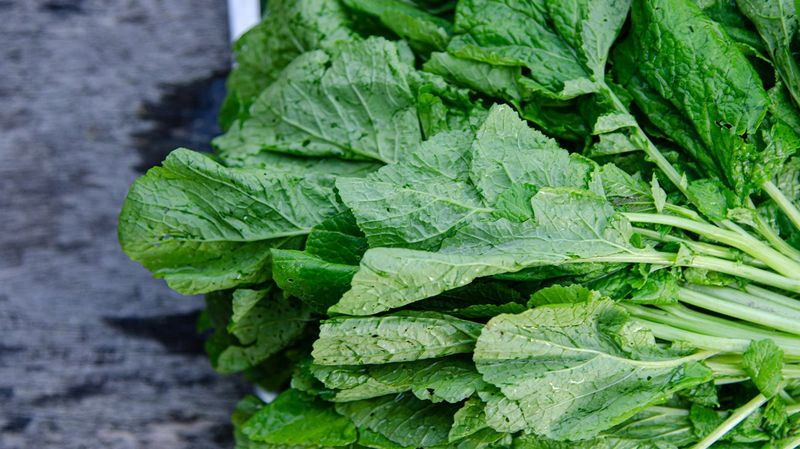
Mustard greens bring bold, spicy flavor to Texas gardens and salad bowls. These fast-growing plants belong to the same family as cabbage and kale, but they offer a distinctive peppery taste that wakes up your taste buds.
Texas gardeners can choose from several mustard varieties, including smooth-leafed types and frilly, decorative varieties with purple or red coloring.
Young mustard leaves work wonderfully in fresh salads, while larger leaves are better suited for cooking. The spicy kick mellows when cooked but remains pleasantly pungent when eaten raw.
Plant mustard greens in Texas from September through March, with fall plantings generally performing best. The seeds germinate quickly, often sprouting within three to five days.
Mustard grows rapidly, reaching harvest size in just 30 to 40 days. This makes mustard greens perfect for gardeners who want quick results or for filling gaps between slower-growing crops.
The plants tolerate light frosts and actually taste better when grown in cool weather. Hot temperatures cause mustard to bolt quickly and turn unbearably spicy.
Harvest mustard greens by cutting outer leaves when they reach four to six inches long. The plants continue producing new leaves from the center, giving you multiple harvests from each plant.
For fresh salads, mix young mustard leaves with milder greens like buttercrunch lettuce to balance the spicy flavor. The combination creates interesting flavor profiles that make ordinary salads exciting.
Many Texas gardeners plant mustard greens specifically for their ability to add zip and character to homegrown salads.
Flea beetles and aphids occasionally bother mustard greens, but the plants grow so quickly that pest damage rarely affects overall harvest. Row covers protect young plants from flea beetles.
Mustard greens generally resist most diseases, especially when grown during Texas’s cooler months.
7. Swiss Chard
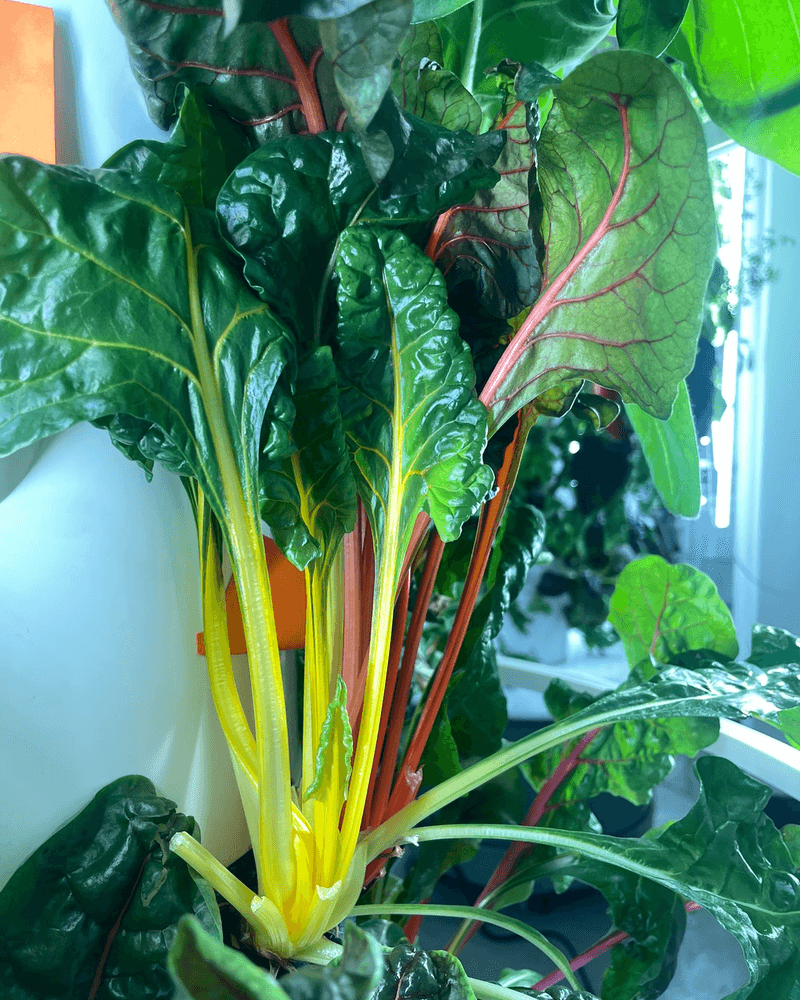
Swiss chard adds stunning visual appeal to Texas gardens with its colorful stems and large, glossy leaves. This beautiful vegetable comes in varieties with white, yellow, orange, pink, or red stems, making it as decorative as it is delicious.
The leaves taste similar to spinach but with a slightly earthier, more mineral-rich flavor. Young chard leaves work perfectly in fresh salads, while larger leaves are better suited for cooking.
Many Texas gardeners plant rainbow chard just for its ornamental value, then enjoy the bonus of harvesting nutritious leaves.
Plant Swiss chard in Texas gardens from September through March, though it tolerates heat better than most leafy greens. This makes chard an excellent choice for extending your salad green harvest into warmer months.
The plants prefer full sun during winter but appreciate afternoon shade during spring and early summer. Chard grows best in rich, well-draining soil with consistent moisture. Space plants about 12 inches apart to allow the large leaves room to develop properly.
Swiss chard matures in about 50 to 60 days, but you can start harvesting outer leaves much earlier. The cut-and-come-again harvesting method works perfectly with chard, allowing you to pick leaves for months from the same plants.
Remove outer leaves first, leaving at least four or five inner leaves so the plant continues growing. For fresh salads, choose young, tender leaves that haven’t developed tough stems yet.
The colorful stems add crunch and visual interest to salads, or you can remove them and cook them separately.
Texas gardeners love how reliably Swiss chard produces, even during weather fluctuations that stress other greens.
The plants rarely suffer from serious pest problems, though leaf miners occasionally tunnel through leaves. Remove damaged leaves promptly to prevent the problem from spreading.
8. Mizuna
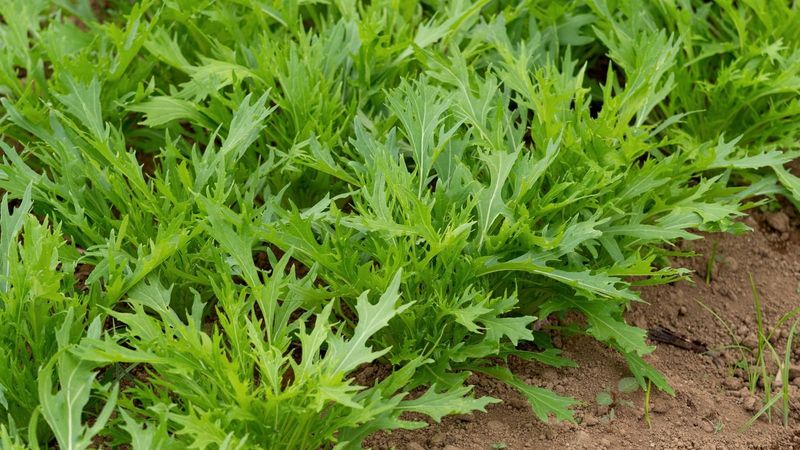
Mizuna remains relatively unknown among Texas gardeners, but those who discover it quickly become devoted fans. This Japanese mustard green produces beautiful rosettes of deeply serrated leaves that look almost feathery.
The flavor is mild and slightly peppery, less intense than regular mustard greens but more interesting than lettuce.
Mizuna adds wonderful texture to salads with its delicate, frilly appearance. The leaves stay tender even as they mature, making mizuna more forgiving than many other salad greens.
Plant mizuna in Texas from September through March for best results. The seeds germinate quickly and the plants grow rapidly, often ready for first harvest in just 25 to 30 days.
Mizuna tolerates cold weather exceptionally well, surviving hard frosts that would damage other greens. The plants also handle heat better than lettuce, allowing Texas gardeners to extend their salad season into warmer months.
Mizuna grows best in full sun during winter but appreciates some afternoon shade during spring. The soil should be rich and well-draining, with consistent moisture for optimal leaf production.
Harvest mizuna by cutting outer leaves or by cutting the entire plant about an inch above the soil line. The plant will regrow from the base, giving you multiple harvests.
The delicate leaves wilt quickly after harvesting, so pick mizuna right before you plan to use it. The mild, peppery flavor works beautifully in mixed green salads, and the feathery texture creates visual interest.
Many Texas gardeners mix mizuna with other Asian greens like bok choy and tatsoi for authentic Asian-inspired salads.
Mizuna rarely suffers from serious pest problems in Texas gardens. Flea beetles may create small holes in leaves, but the damage is usually minor. The plants grow so quickly that they outpace most pest problems naturally.