The Best Native Plants That Attract Pollinators To Your East Texas Garden
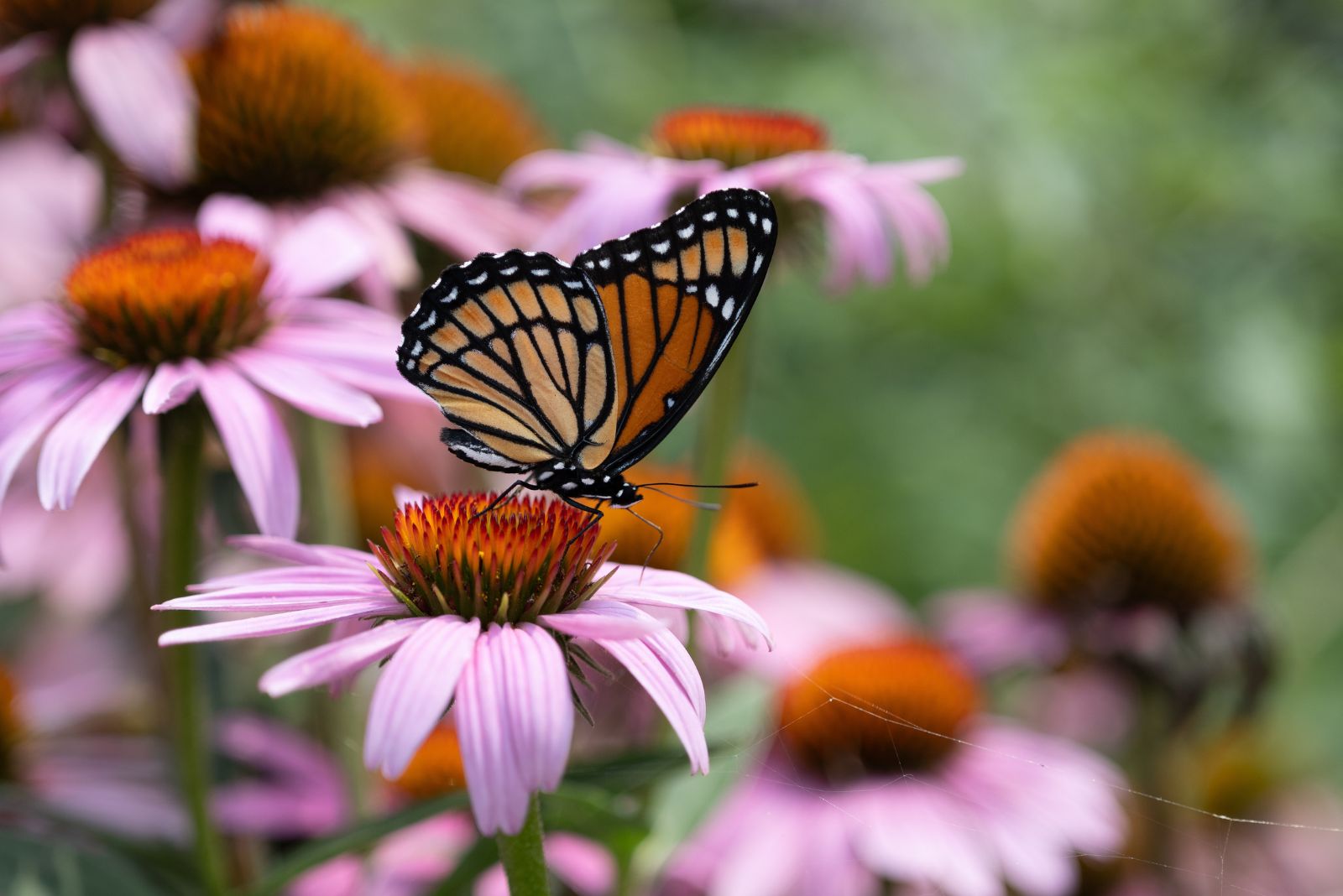
If you’re looking to add more life and color to your East Texas garden, why not invite some buzzing visitors to the party? Pollinators like bees, butterflies, and hummingbirds are essential for keeping your garden healthy and productive.
But these creatures don’t just show up on their own. They need plants that offer food and shelter to keep them coming back season after season.
Luckily, East Texas is home to a variety of native plants that are perfect for attracting these important visitors.
Native plants are naturally suited to the region’s climate, meaning they require less maintenance and water than non-natives. Plus, they’re the perfect match for local pollinators, providing the right nectar, pollen, and habitat.
From vibrant wildflowers to fragrant shrubs, there’s a wide range of plants that will turn your garden into a pollinator-friendly paradise. By planting these beauties, you’re not only helping local wildlife but also making your garden more vibrant and lively.
1. Purple Coneflower (Echinacea Purpurea)
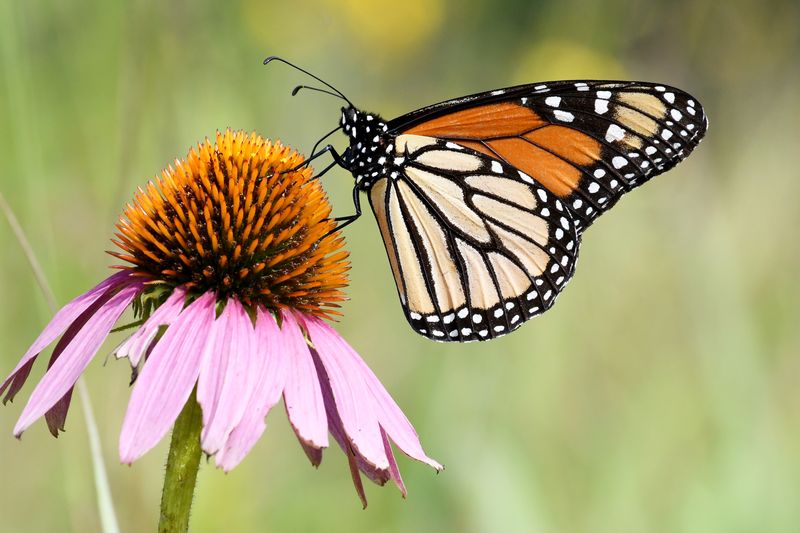
Few flowers command attention in a garden quite like the Purple Coneflower. With its bold purple petals fanning out around a spiky, copper-colored center cone, this plant is hard to miss and even harder not to love.
Native to much of the eastern United States, including East Texas, it has been a garden favorite for generations.
Purple Coneflower thrives in full sun and is remarkably forgiving when it comes to soil quality. Poor, sandy, or clay-heavy soils found across East Texas are no problem for this tough perennial.
It blooms from late spring through summer, offering a long-lasting nectar source for bees, butterflies, and even goldfinches that snack on the seed heads.
Planting it in groups of three or more creates a stunning visual effect while maximizing pollinator traffic. Space them about 18 inches apart to allow good air circulation and reduce the chance of mildew.
Water them regularly during the first season, but once established, they need very little attention.
One fun fact about Purple Coneflower is that Native American tribes used it as a traditional herbal remedy for centuries. Today, it is still one of the most widely recognized medicinal herbs in North America.
Beyond its health history, this plant brings real ecological value to your East Texas garden by supporting native bee populations that are essential for food crop pollination.
Cut back spent blooms to encourage more flowering, or leave them standing through winter to feed birds during the colder months.
2. Bee Balm (Monarda Citriodora)
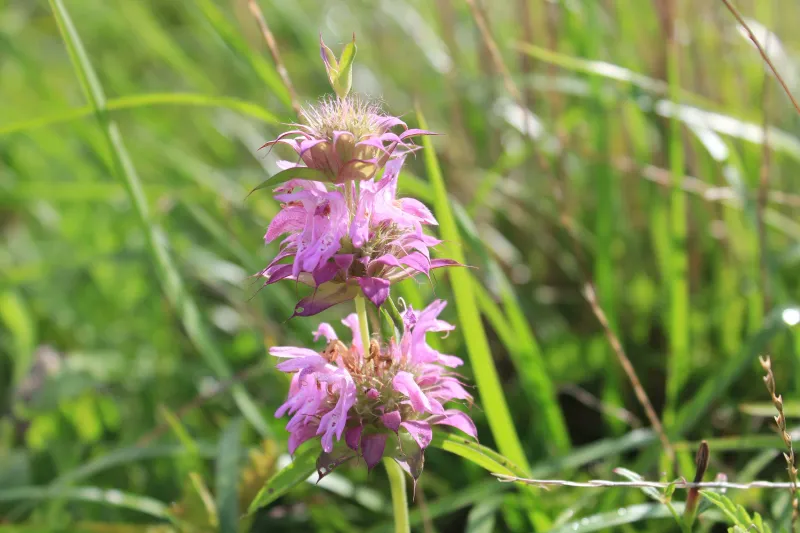
Walk past a patch of Bee Balm on a warm East Texas morning and you will immediately understand how it got its name. The air around it hums with activity.
Bees, butterflies, and hummingbirds cannot seem to stay away from its tiered, tubular blossoms that range from soft pink to deep purple.
Monarda citriodora, also called Lemon Bee Balm, is the native Texas variety and it is perfectly adapted to the local climate. It grows well in sunny spots with moist, well-drained soil, though it can tolerate drier conditions once established.
Bloom time stretches from late spring well into fall, meaning your garden gets months of colorful, fragrant action.
The fragrance is one of its best features. Crush a leaf between your fingers and you get a pleasant citrusy, herbal scent that is said to naturally repel mosquitoes.
That is a bonus most East Texas gardeners will appreciate during humid summer evenings outdoors.
Bee Balm spreads gradually through underground rhizomes, so give it a little room to grow and divide clumps every few years to keep it healthy.
It pairs beautifully with Black-eyed Susans and Purple Coneflower for a wildflower-style border that pollinators will visit all season long.
Plant it near a patio or garden path so you can enjoy both the fragrance and the pollinator show up close. For East Texas gardens, Bee Balm is truly one of the most rewarding native plants you can grow.
3. Black-Eyed Susan (Rudbeckia Hirta)
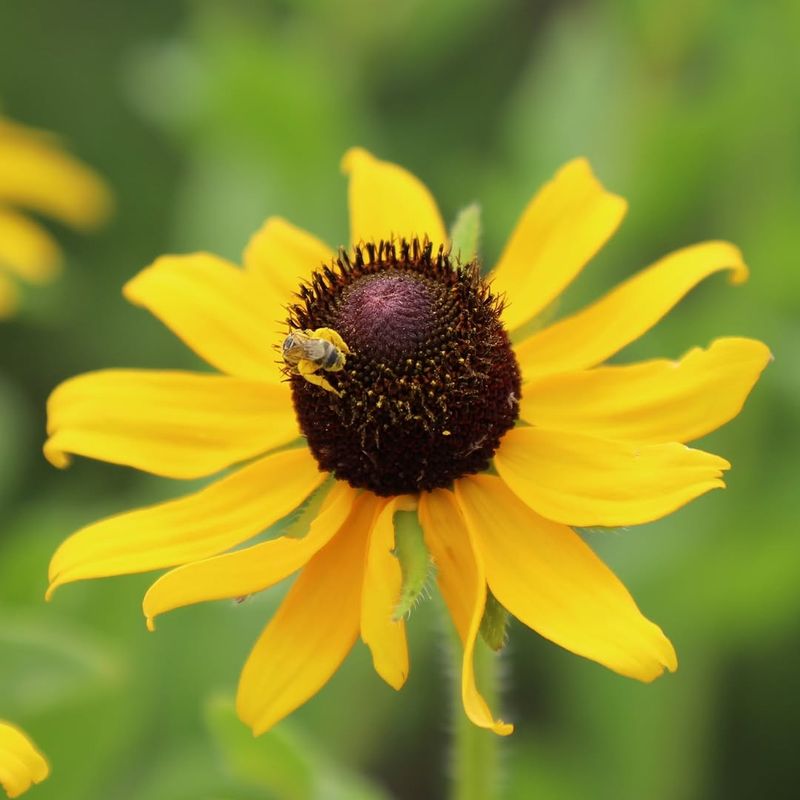
If there is one plant that practically screams summer in East Texas, it is the Black-eyed Susan. Those cheerful golden-yellow petals surrounding a dark brown center are instantly recognizable and endlessly charming.
This classic Texas native has been brightening up roadsides, meadows, and home gardens for as long as anyone can remember.
Rudbeckia hirta is a tough, adaptable plant that handles drought, heat, and poor soil without complaint. That makes it an ideal fit for the often unpredictable growing conditions across East Texas, where summer heat can be intense and rainfall inconsistent.
Plant it in full sun and watch it reward you with blooms from early summer all the way through fall.
Pollinators go wild for Black-eyed Susans. Honeybees, native bees, butterflies, and even beetles visit the flowers regularly to collect nectar and pollen.
After the blooms fade, the seed heads attract songbirds like finches and chickadees, extending the plant’s ecological value well beyond its flowering season.
Did you know Black-eyed Susan is the state flower of Maryland? While it may be famous up north, it thrives just as beautifully right here in East Texas gardens.
It self-seeds freely, so once you plant it, you are likely to enjoy it for many years with very little effort.
For best results, plant it alongside other native wildflowers like Purple Coneflower or Bee Balm. Together, these plants create a layered, pollinator-friendly landscape that looks stunning and supports local biodiversity all season long.
4. Butterfly Weed (Asclepias Tuberosa)
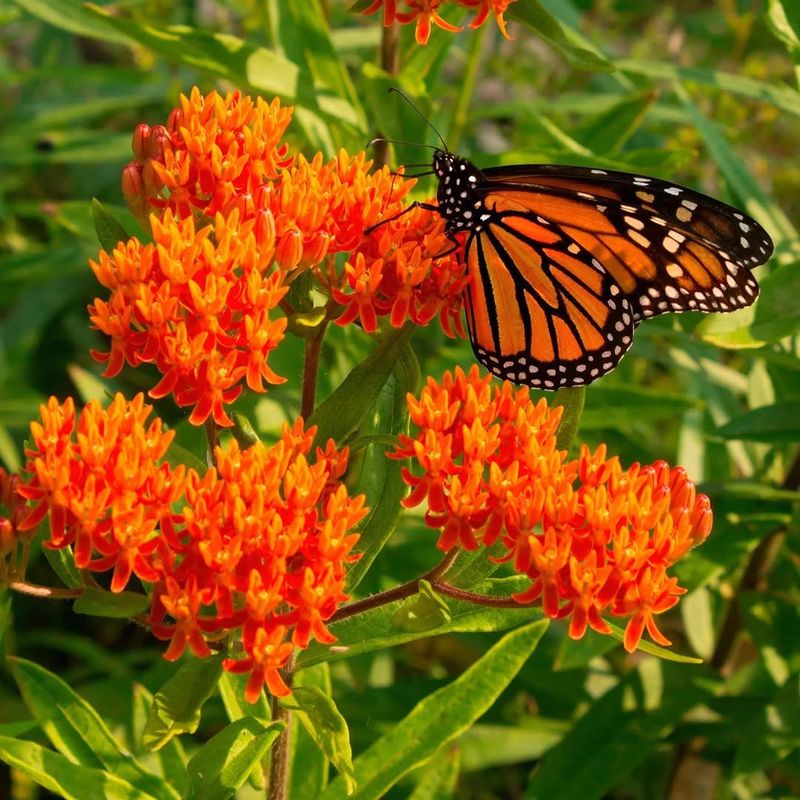
Monarch butterflies have a relationship with Butterfly Weed that is nothing short of extraordinary. This native milkweed is not just a nectar source but also the only type of plant where Monarch caterpillars can feed and grow.
Without it, the Monarch butterfly population would struggle to survive. Planting Butterfly Weed in your East Texas garden means you are directly supporting one of nature’s most iconic migrations.
Asclepias tuberosa stands out with its clusters of vivid orange flowers that bloom in early summer. The color is so intense it practically glows in the garden.
Beyond Monarchs, bees, hummingbirds, and a wide variety of other butterflies are also drawn to its rich nectar supply throughout the season.
One thing that makes Butterfly Weed especially practical for East Texas gardeners is its deep taproot.
This root system allows the plant to survive dry spells with ease, making it highly drought-tolerant once established. It prefers full sun and well-drained soil, so avoid planting it in areas that stay wet after rain.
Butterfly Weed is a slow starter, so do not be discouraged if it takes a season or two to really take off.
Once it is established, though, it comes back reliably year after year with little to no intervention needed. That kind of dependability is exactly what busy gardeners appreciate.
Try pairing it with native grasses or other wildflowers to create a meadow-style garden bed that looks natural, supports pollinators, and brings real beauty to any East Texas landscape.
5. Zexmenia (Wedelia Texana)
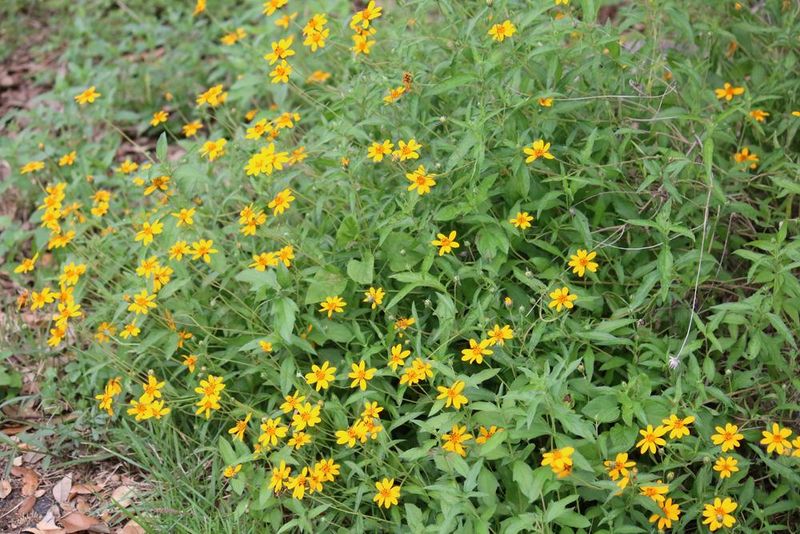
Not every pollinator plant needs to be tall and showy to make a big impact. Zexmenia proves that point with quiet confidence.
This compact, sprawling perennial may not be the flashiest plant in the garden, but it is one of the most reliable and hardworking native options available to East Texas gardeners.
Wedelia texana is native to Texas and thrives in the exact conditions that East Texas offers: full sun, well-drained soil, and occasional drought.
Its small, bright yellow, daisy-like flowers bloom from spring through fall, offering one of the longest flowering windows of any native plant in the region. That extended bloom period means pollinators have a consistent food source for months.
Bees love Zexmenia. Native bees in particular are frequent visitors, and you will often spot butterflies resting on its cheerful yellow blooms on sunny afternoons.
The plant spreads slowly over time, eventually forming a low, dense ground cover that suppresses weeds and reduces the need for mulching.
Maintenance is minimal, which makes Zexmenia perfect for gardeners who want results without constant upkeep. Trim it back lightly after the first frost and it will return stronger the following spring.
It also does well in containers or along garden borders where you want a pop of color without a lot of fuss.
For gardeners in East Texas looking to add a tough, low-profile plant that punches well above its weight in pollinator support, Zexmenia is an outstanding choice that rarely disappoints.
6. Mealy Blue Sage (Salvia Farinacea)
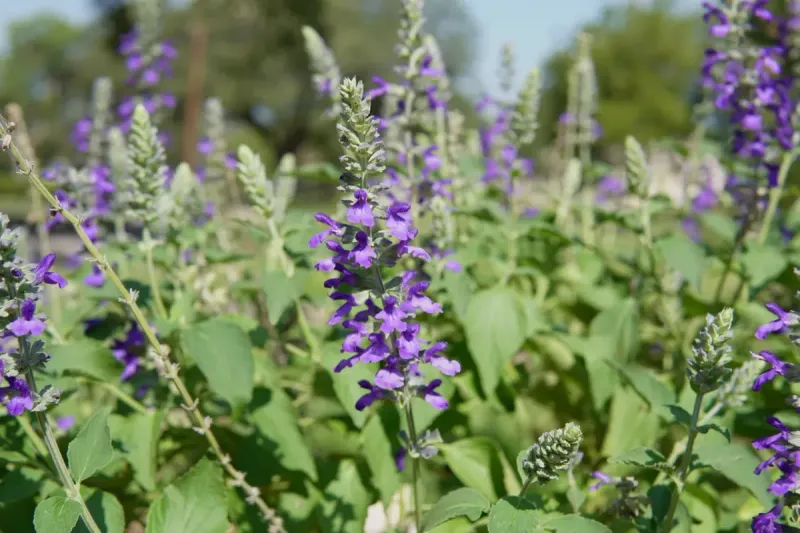
There is something almost magical about the way Mealy Blue Sage lights up a garden. Those tall, elegant spikes of deep blue-purple flowers have a way of making everything around them look more vibrant.
It is no wonder this native Texas sage is a staple in pollinator gardens across the state, especially here in East Texas where it grows like it owns the place.
Salvia farinacea is beloved by bees, butterflies, and hummingbirds, all of whom are attracted to the tubular flowers packed with nectar. Blooming begins in late spring and continues through the summer and into fall with minimal effort required.
The plant is drought-tolerant, heat-resistant, and thrives in full sun with well-drained soil, all of which describes typical East Texas growing conditions perfectly.
One of the best things about Mealy Blue Sage is how versatile it is in the landscape. Use it as a border plant, a mid-garden filler, or even a container specimen on a sunny porch.
It pairs especially well with orange Butterfly Weed or yellow Black-eyed Susans, creating a bold, complementary color combination that looks professionally designed.
Deadhead spent flower spikes regularly to encourage fresh blooms and keep the plant looking tidy. In East Texas, it often behaves as a short-lived perennial, returning for two to three seasons before needing replacement.
Luckily, it also self-seeds, so new plants frequently pop up nearby without any effort on your part.
For a reliable, gorgeous, and pollinator-friendly addition to any East Texas garden, Mealy Blue Sage is a top-tier choice.
7. Ironweed (Vernonia Fasciculata)
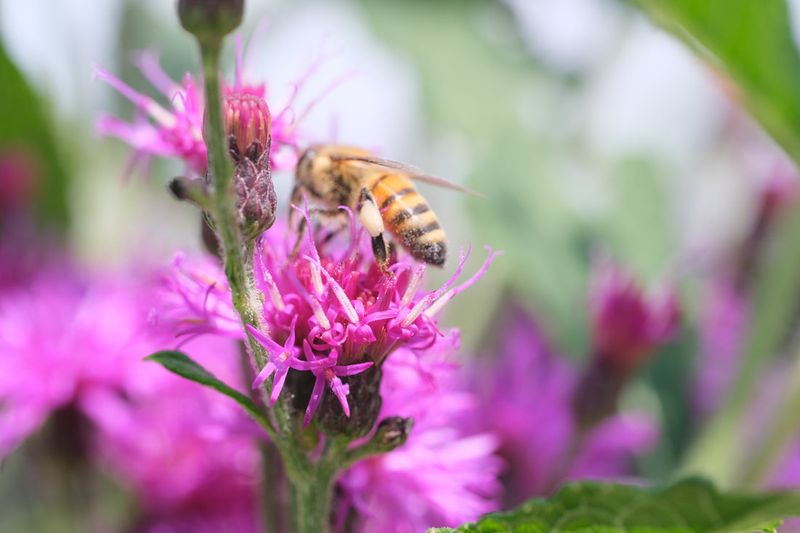
Late summer in East Texas can feel like a waiting game for gardeners, as many spring and early summer blooms begin to fade. Ironweed steps in at exactly the right moment.
Its clusters of intensely purple flowers burst open just when the garden needs them most, offering a striking display that carries the season all the way into fall.
Vernonia fasciculata is a tall, upright native perennial that can reach four to six feet in height. That bold stature makes it a natural focal point in the back of a garden bed or along a fence line.
The deep purple color is vivid and rich, unlike almost anything else blooming at that time of year, and pollinators respond to it enthusiastically.
Monarch butterflies, in particular, rely on late-blooming plants like Ironweed to fuel their migration south. Seeing a Monarch nectaring on Ironweed in your East Texas backyard during September or October is a genuinely exciting moment.
Native bees and swallowtail butterflies are also frequent visitors throughout the blooming period.
Ironweed grows best in full sun with well-drained soil, though it can tolerate a range of moisture levels. It is a tough, resilient plant that asks for very little once established. Cut it back to the ground after the first frost and it will return reliably the following year.
For East Texas gardeners who want to extend their pollinator season and add dramatic late-summer color, Ironweed is one of the most impactful native plants you can choose. It earns its place in any serious pollinator garden.