The Best Native Plants To Grow In Central Texas (Hill Country Favorites)
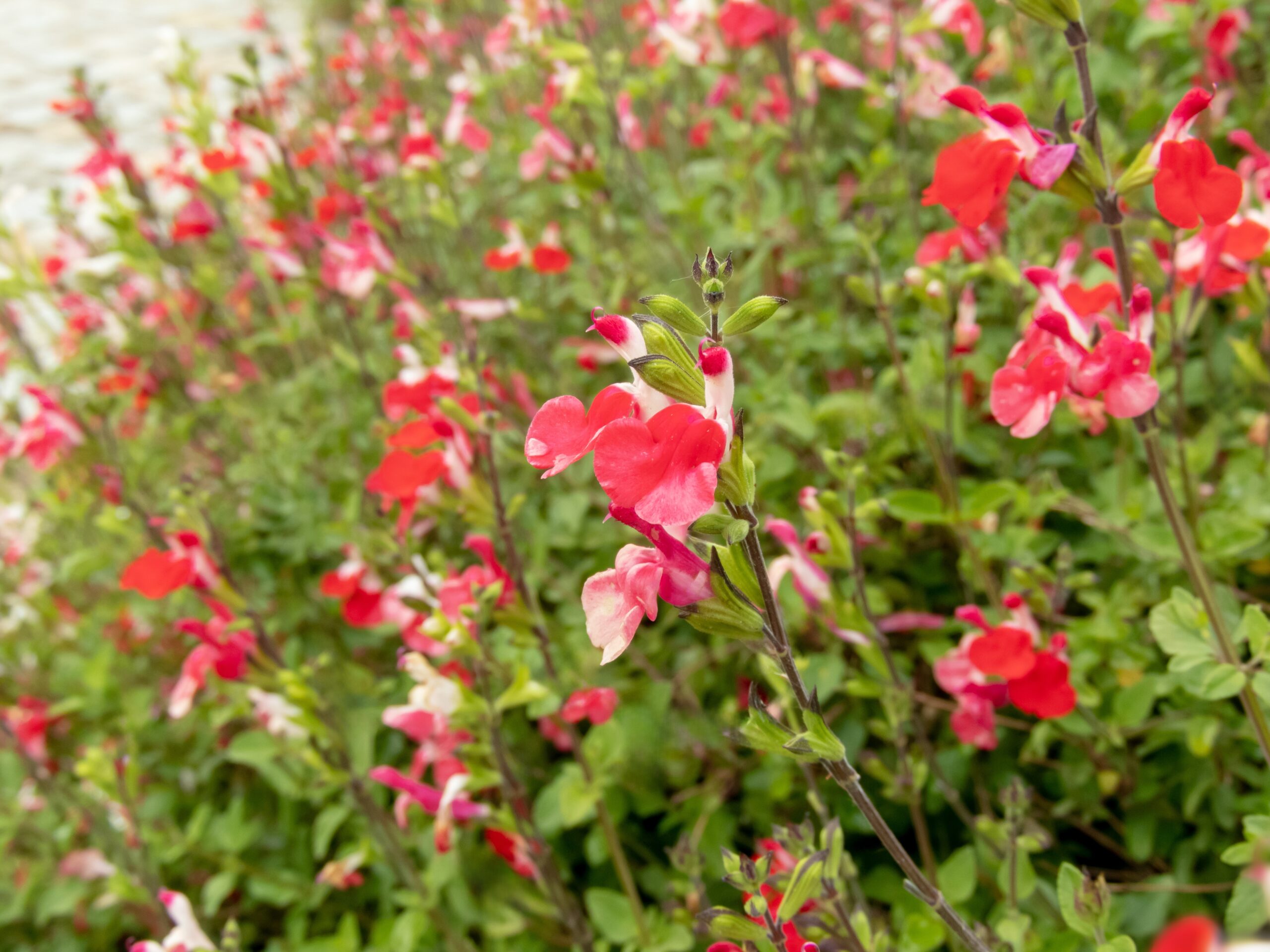
Central Texas gardens have a character all their own, and the Hill Country has a lot to do with that. The rocky soil, hot summers, dry stretches, and wide-open beauty create a setting where the right plants do more than just survive.
They belong. That is exactly why native plants are such a smart choice in this part of the state.
They already know how to handle the local conditions, which means they often need less water, less fuss, and less convincing to look good where they are planted.
There is also something especially satisfying about a garden that feels like it fits the landscape around it. Hill Country favorites bring color, texture, and seasonal interest in a way that looks natural instead of forced.
Some attract pollinators, some add structure, and some put on a bloom show that can hold its own even in the toughest weather. For gardeners who want a yard that feels beautiful without becoming a constant chore, native plants make a lot of sense.
Once you start seeing how well they perform in Central Texas, it is easy to understand why so many people keep coming back to the local favorites.
1. Blackfoot Daisy
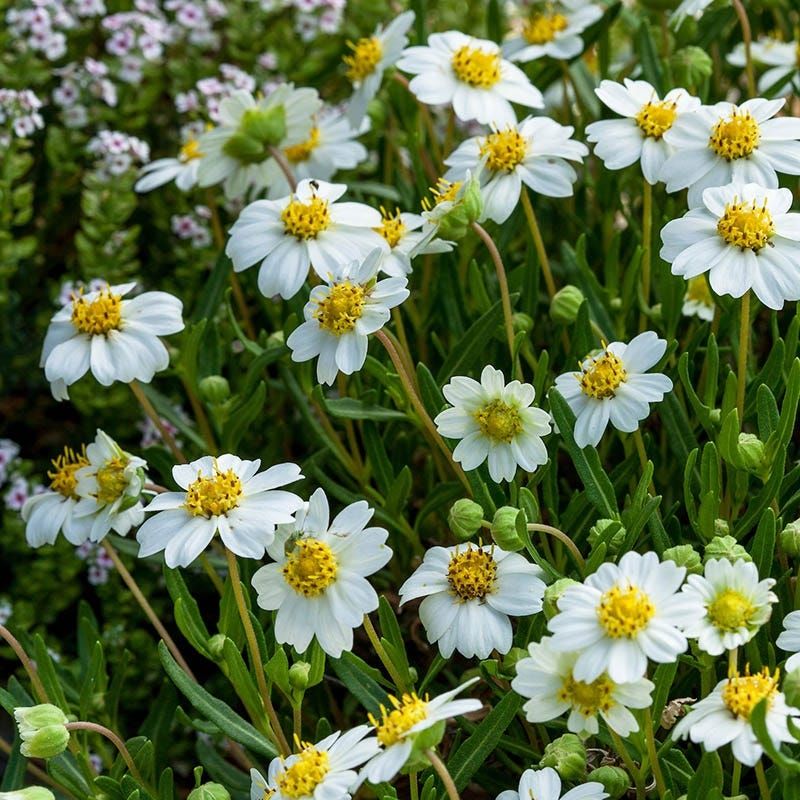
Walk through almost any rocky hillside in Central Texas during spring, and chances are you will spot the cheerful white blooms of the Blackfoot Daisy nodding in the breeze.
This low-growing perennial is a true Hill Country classic, and once you plant it, you will wonder how your garden ever looked good without it.
The flowers are small, white, and daisy-like with bright yellow centers that almost seem to glow in the Texas sun.
Blackfoot Daisy loves rocky, well-drained soil, which makes it a perfect match for the limestone-heavy ground found all across Central Texas. It does not like sitting in wet soil, so avoid heavy clay areas or spots where water tends to collect after rain.
Give it full sun and good drainage, and it will reward you with blooms from early spring all the way through fall.
One of the best things about this plant is how little water it needs once it gets settled in. After a short establishment period, it handles drought like a champ.
You rarely need to fertilize it, and it stays pretty tidy on its own. Did you know the name “Blackfoot” comes from the dark base of each flower head?
It is a small detail, but it makes the plant even more interesting to look at up close. For gardeners in the Hill Country who want big color with very little effort, Blackfoot Daisy is a must-have addition to any low-water landscape.
2. Autumn Sage
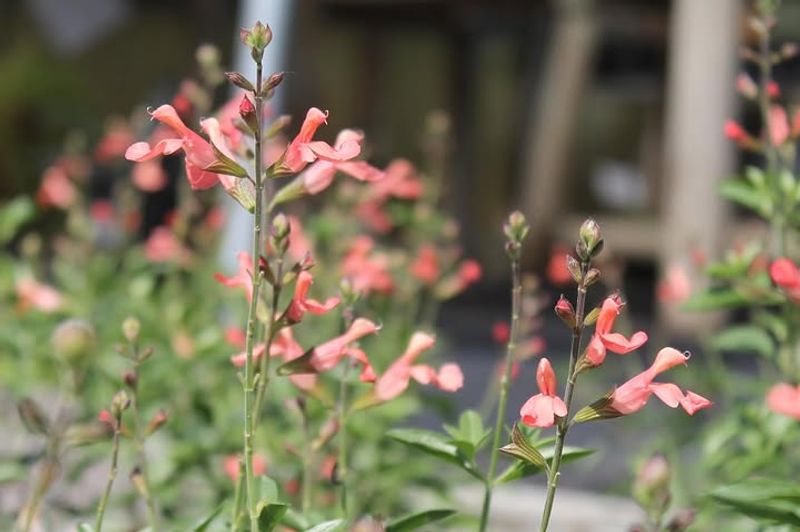
If you want a plant that never seems to take a break, Autumn Sage is your answer. From the first warm days of spring all the way through late fall, this tough little shrub just keeps pumping out flowers.
The blooms are small and tubular, and they come in shades of red, pink, coral, and white depending on the variety. Hummingbirds absolutely love it, and bees and butterflies are not far behind.
Central Texas gardeners have been planting Autumn Sage for decades because it handles the brutal summer heat without skipping a beat. It thrives in full sun and prefers well-drained soil, which is easy to find in most Hill Country yards.
Once established, it is remarkably drought-tolerant, needing very little supplemental watering even during the driest months of the year in this region.
Pruning is the one task you will want to keep up with. Cutting it back by about one-third a couple of times a year keeps the plant full and bushy instead of leggy and open.
It is a fast grower, so do not be surprised when it fills in quickly after a trim. Autumn Sage pairs beautifully with other native plants like Blackfoot Daisy and Mealy Blue Sage, creating a colorful, wildlife-friendly garden that practically takes care of itself.
For anyone gardening in Central Texas who wants reliable color and a steady stream of pollinators visiting the yard, this plant earns its spot every single season.
3. Texas Mountain Laurel
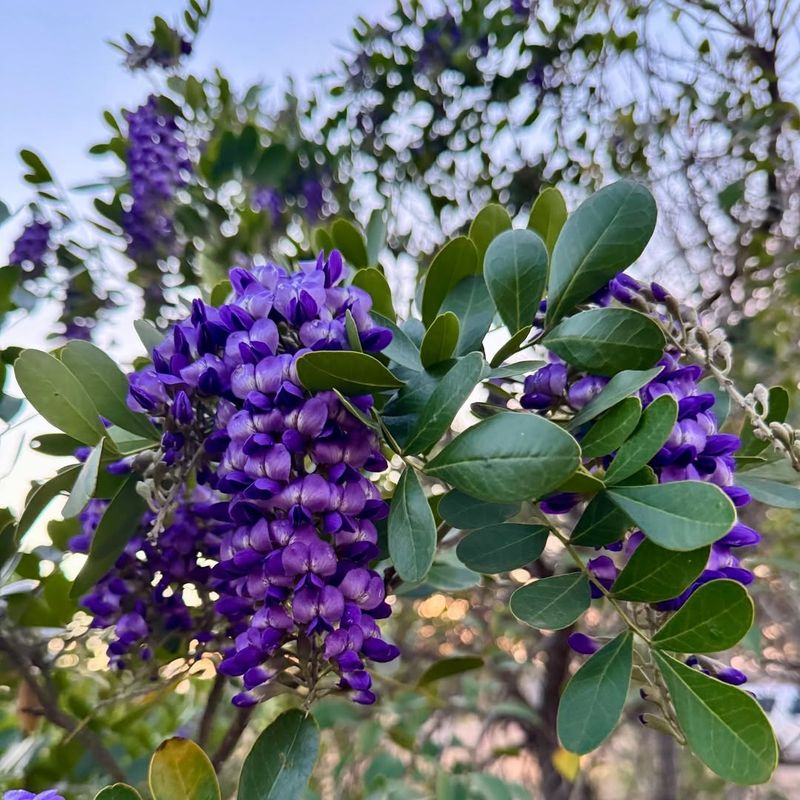
There is nothing quite like stepping outside on an early spring morning in Central Texas and catching the sweet, grape-like scent drifting through the air. That smell almost always means one thing: Texas Mountain Laurel is in bloom.
The deep purple flower clusters hang down like little bunches of grapes, and their fragrance can carry surprisingly far on a warm Hill Country breeze.
Texas Mountain Laurel is an evergreen shrub or small tree that keeps its glossy, dark green leaves all year long. That means even when it is not blooming, it still looks great in the landscape.
It grows slowly, which some gardeners find frustrating at first, but the payoff is a long-lived, low-maintenance plant that can anchor a garden for many years. It works beautifully as a specimen plant, a privacy screen, or even a small shade tree over time.
Once established in the rocky, alkaline soils typical of Central Texas, this plant barely needs any extra water. It is extremely drought-tolerant and does not require much fertilizer either.
Full sun is ideal, though it can handle a little afternoon shade during the hottest months. One fun fact worth knowing: the bright red seeds inside the seed pods are toxic, so it is smart to be aware of that if small children or pets spend time in your yard.
Overall, Texas Mountain Laurel is one of the most rewarding native plants you can grow anywhere in the Hill Country region.
4. Red Yucca
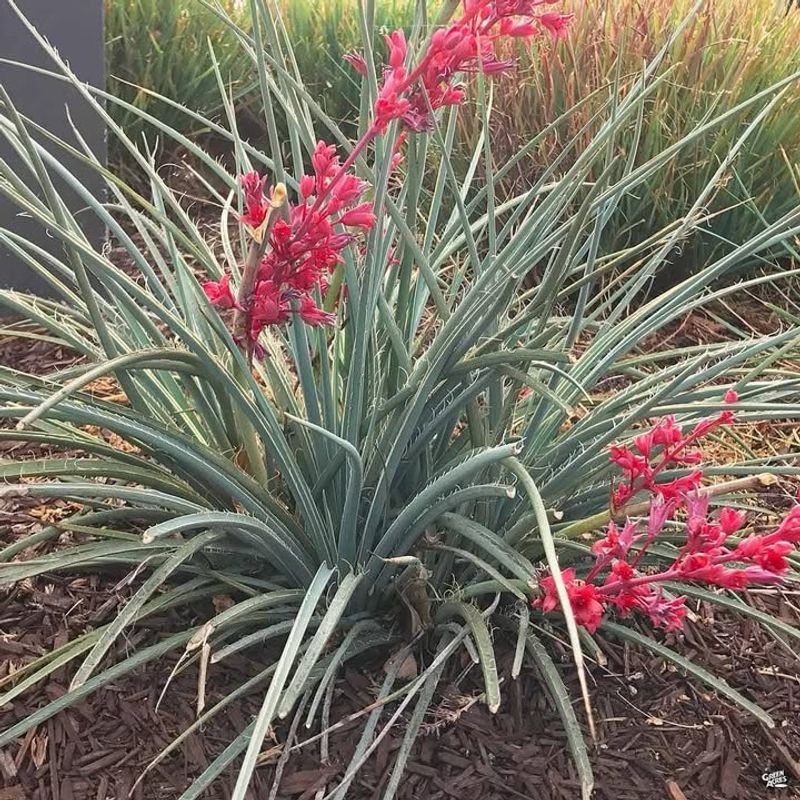
Do not let the name fool you. Red Yucca is not actually a true yucca, but it earns the comparison with its bold, architectural look and its ability to thrive in the toughest conditions Central Texas can throw at it.
The long, arching leaves form a graceful clump at ground level, and from late spring through summer, tall flower spikes shoot up and dazzle with coral-red blooms that hummingbirds simply cannot resist.
This plant was practically made for the Hill Country. It loves full sun and dry, well-drained soil, and it asks for almost nothing in return.
Once it is established, you can essentially leave it alone and it will keep performing year after year. It handles the scorching Texas summers without complaint and bounces back from drought conditions that would stress out most other plants in the landscape.
Red Yucca works especially well in xeriscape designs and low-water gardens, where its bold texture and height add visual interest without requiring constant care.
It also looks stunning planted in groups of three or more, creating a dramatic effect along a driveway or at the edge of a patio.
The seed pods that form after blooming are attractive in their own right and provide food for birds during the fall and winter months.
For anyone in Central Texas who wants a plant that is both beautiful and nearly indestructible, Red Yucca belongs at the top of the planting list without question.
5. Mealy Blue Sage
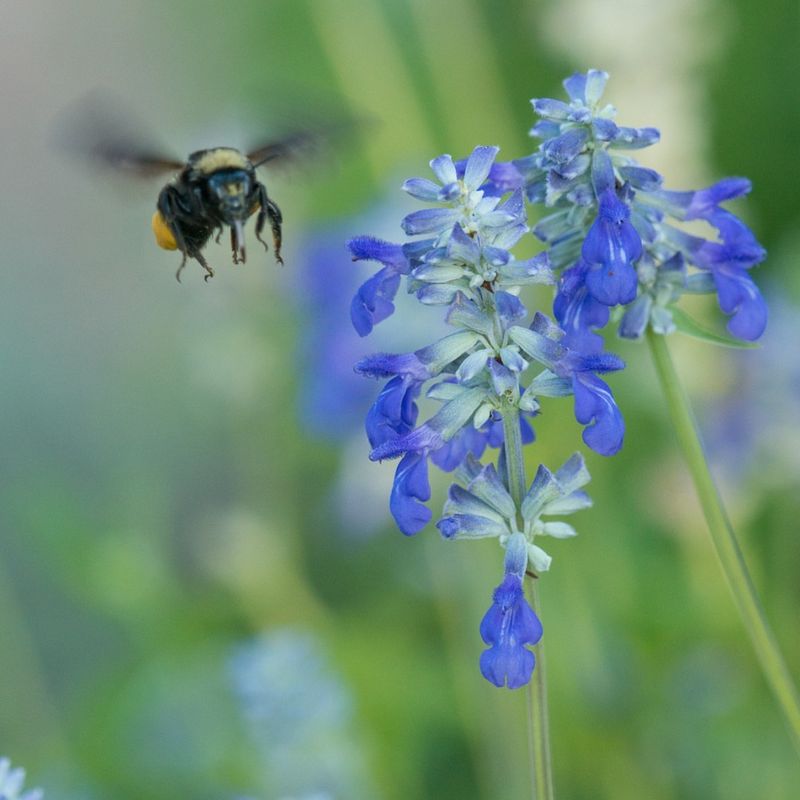
Blue is not the most common color in a Texas garden, which is exactly what makes Mealy Blue Sage so special.
The tall flower spikes rise up in shades of blue and violet, creating a cool, calming contrast against all the warm reds and yellows that tend to dominate Hill Country landscapes.
Bees go absolutely wild for this plant, and butterflies are constant visitors from early summer right through the first cool snaps of fall.
Mealy Blue Sage is one of the easiest native plants to grow in Central Texas. It tolerates heat extremely well, which is saying something given how intense the summers get in this part of Texas.
It prefers full sun and well-drained soil but is surprisingly adaptable, handling both rocky limestone soils and slightly richer garden beds without much fuss.
Once established, it is quite drought-tolerant, though a little extra water during the driest stretches will keep it blooming more consistently.
Deadheading, which means removing old flower spikes, encourages the plant to push out fresh new blooms throughout the season. Cutting it back by half in midsummer can also give it a second wind heading into fall.
It reseeds fairly easily, so you may find small volunteer plants popping up nearby each year. That is actually a nice bonus for gardeners who want to fill in more space over time.
Mealy Blue Sage is a reliable, carefree performer that adds months of color and life to any Central Texas garden.
6. Flame Acanthus
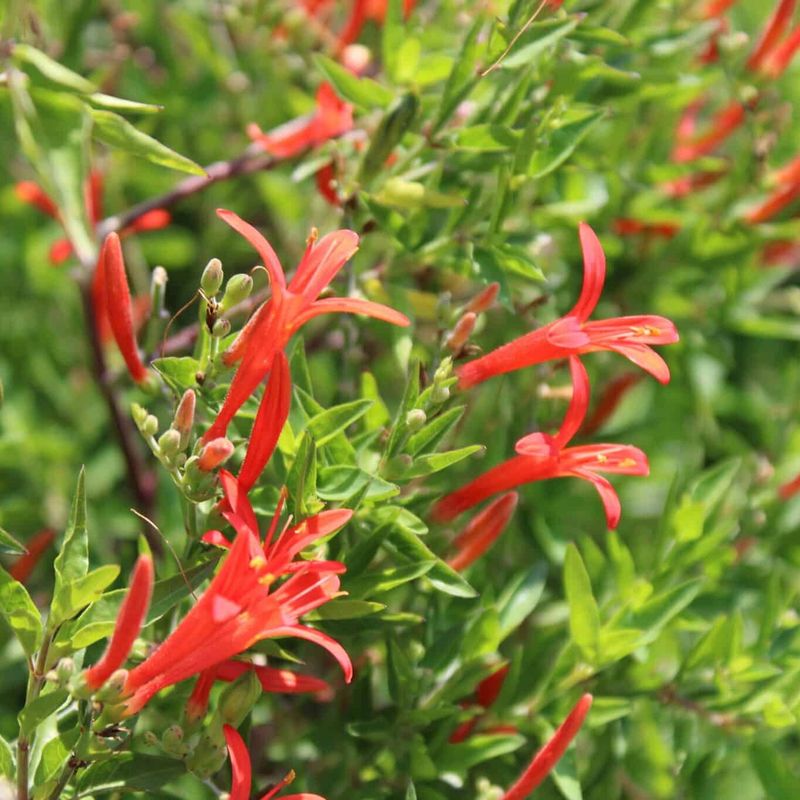
Picture a shrub that erupts in bright orange-red flowers right when summer heat is at its most brutal, and you have Flame Acanthus in a nutshell. While other plants sulk and struggle through the hottest months of the year in Central Texas, this tough native just keeps flowering.
Hummingbirds treat it like a fast-food stop, visiting the tubular blooms over and over throughout the day.
Flame Acanthus is native to the rocky slopes and dry washes of Central Texas, so it is completely at home in Hill Country conditions. It handles full sun, thin rocky soil, and extended dry periods without breaking a sweat.
Once established, it is one of the most low-maintenance shrubs you can have in your yard. You do not need to fuss over it with extra fertilizer or regular watering once the roots are settled in.
The plant goes dormant in winter and loses its leaves, which surprises some new gardeners who worry it will not come back. But come spring, it reliably leafs out again and begins building toward its summer flowering show.
Cutting it back to about six inches in late winter helps encourage a fuller, more compact shape during the growing season.
Flame Acanthus looks fantastic when planted alongside Red Yucca or Autumn Sage, creating a layered, wildlife-friendly planting that provides food and shelter for birds and pollinators throughout the warm months in Central Texas.
7. Rock Rose
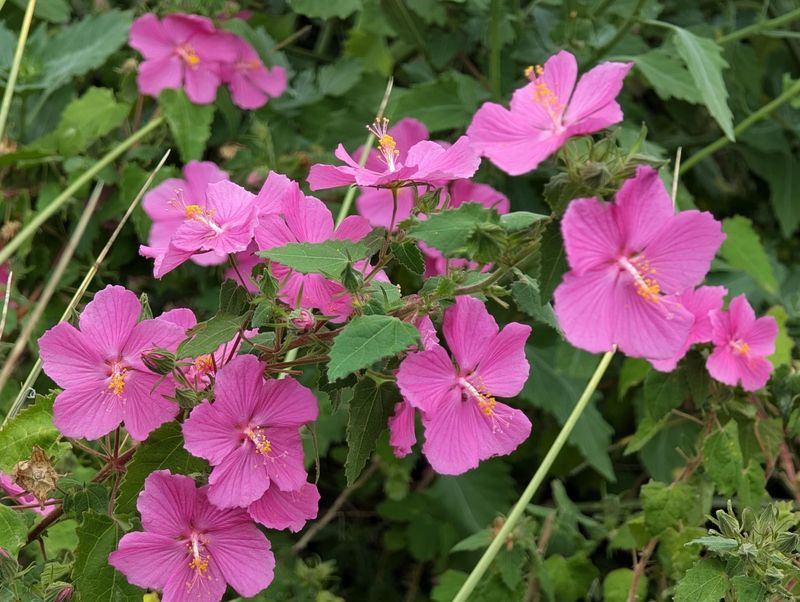
Soft, pink, and cheerful, Rock Rose has a way of making even the driest, rockiest corner of a Central Texas yard look like it was carefully designed. The flowers resemble small hibiscus blooms, which makes sense since the two plants are actually related.
They open fresh each morning and keep the show going day after day from late spring all the way through the first frost of the season.
Rock Rose is native to Central Texas and the surrounding Hill Country region, so it is completely adapted to the local conditions. It handles full sun to part shade, grows well in thin, rocky soil, and asks for very little water once it gets established.
That combination of flexibility and toughness makes it a go-to choice for gardeners who want reliable color without a heavy maintenance routine. Pollinators, especially native bees, visit the flowers regularly throughout the blooming season.
This plant works beautifully in naturalized garden settings where plants are allowed to grow in a relaxed, informal way. It reseeds readily, meaning you will likely find new plants popping up nearby each year, which is a great way to fill in a garden bed over time.
Cutting the plant back in late winter keeps it from getting too woody and encourages fresh, vigorous growth in the spring.
For anyone in Central Texas who wants a native plant that is soft in appearance but tough in performance, Rock Rose delivers season after season with very little asked in return.