The Best Oregon Patio Plants For Homes That Get Harsh Afternoon Sun
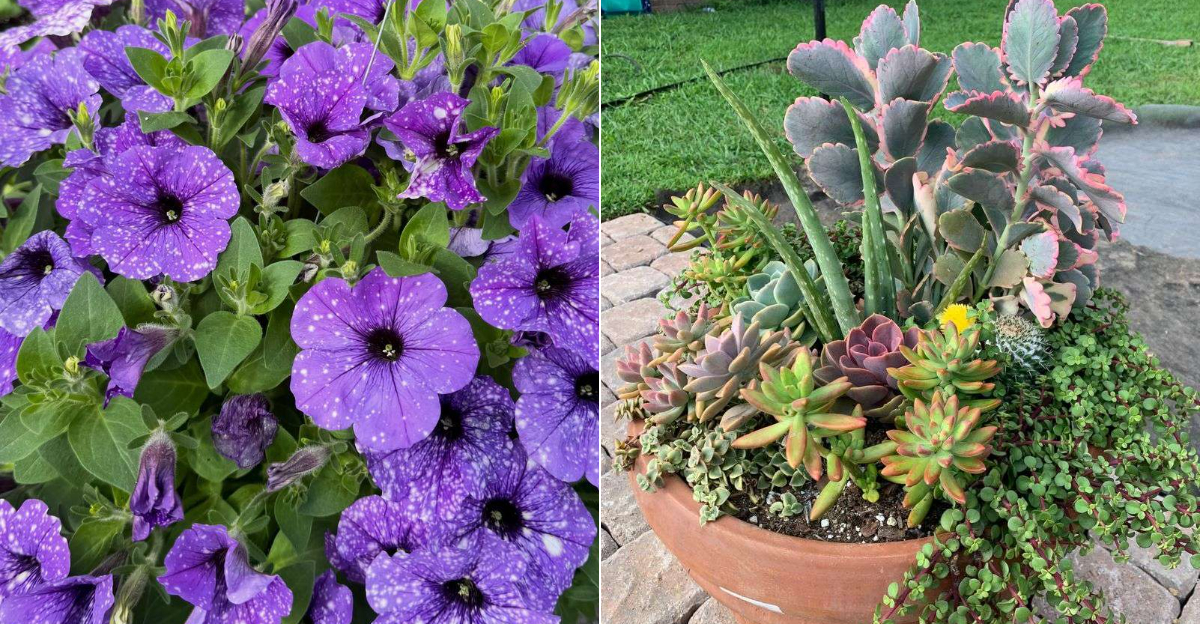
Afternoon sun can turn an Oregon patio into one of the toughest planting spots around the house.
Containers heat up fast, leaves lose moisture quickly, and plants that looked great in spring may start struggling by midsummer.
The good news is that some patio plants are far better equipped for those conditions than others.
They can handle strong western exposure without demanding constant rescue, especially when paired with the right pot size and watering routine.
The goal is not simply to find something labeled “full sun.” A plant that thrives in gentle morning light may still resent hours of reflected heat beside a wall or concrete surface. Choosing for the actual conditions makes a huge difference.
With the right picks, even a sun-baked patio can stay colorful, lively, and easy to manage through the hottest part of summer.
1. Geraniums Taking The Afternoon Heat In Stride
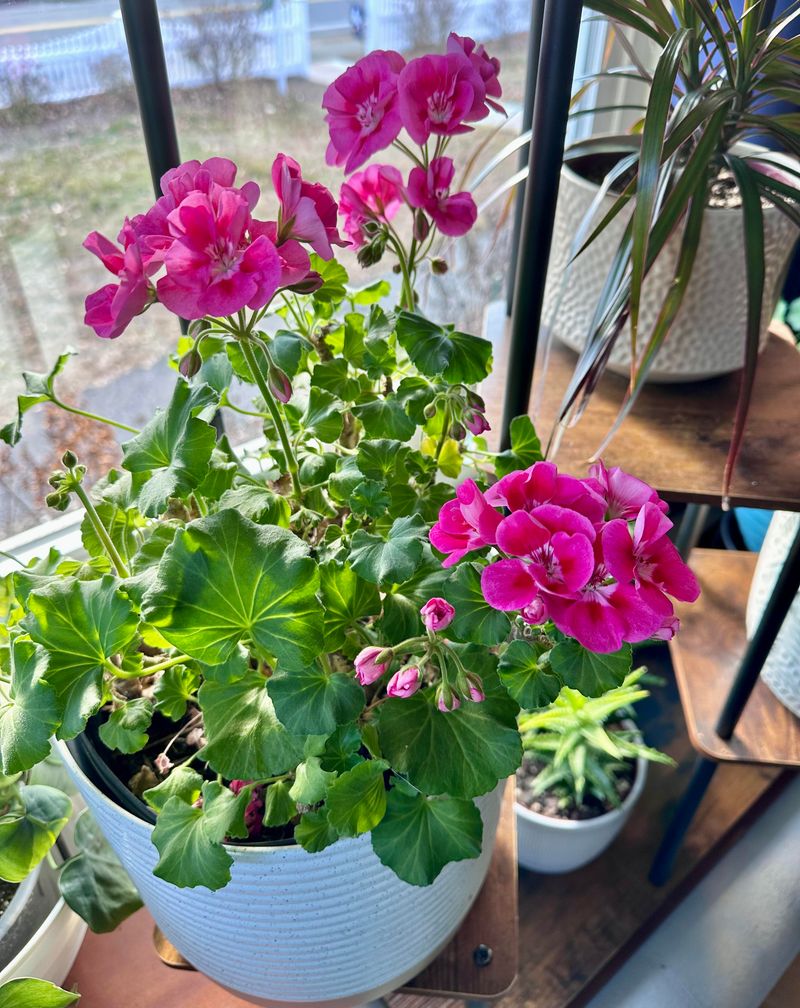
Few patio plants have earned their reputation quite like geraniums have. Gardeners have relied on them for generations, and for good reason.
They are tough, colorful, and surprisingly easy to care for in hot, sunny spots.
When the afternoon sun beats down on your patio, geraniums do not flinch. Their thick, waxy leaves help them hold onto moisture longer than many other flowering plants.
That built-in toughness makes them a natural fit for west-facing patios across Oregon.
Zonal geraniums are the most common type you will find at local nurseries. They come in shades of red, pink, coral, white, and even bi-color varieties.
Planting them in well-draining potting mix is key, because soggy roots are their biggest weakness.
Water them deeply but let the soil dry out a bit between waterings. Overwatering is a much bigger problem than underwatering with these plants.
Once you get the watering rhythm right, they practically take care of themselves.
Deadheading spent blooms regularly will keep new flowers coming all summer long. Just pinch off the faded flower heads and the plant redirects its energy into fresh buds.
A slow-release fertilizer applied in early summer gives them a nice boost without overdoing it.
Container size matters too. A pot that is at least 10 to 12 inches wide gives their roots enough room to spread out.
Crowded roots mean fewer blooms, so give them space to grow and they will reward you generously.
2. Petunias Keeping Pots Colorful Through Summer
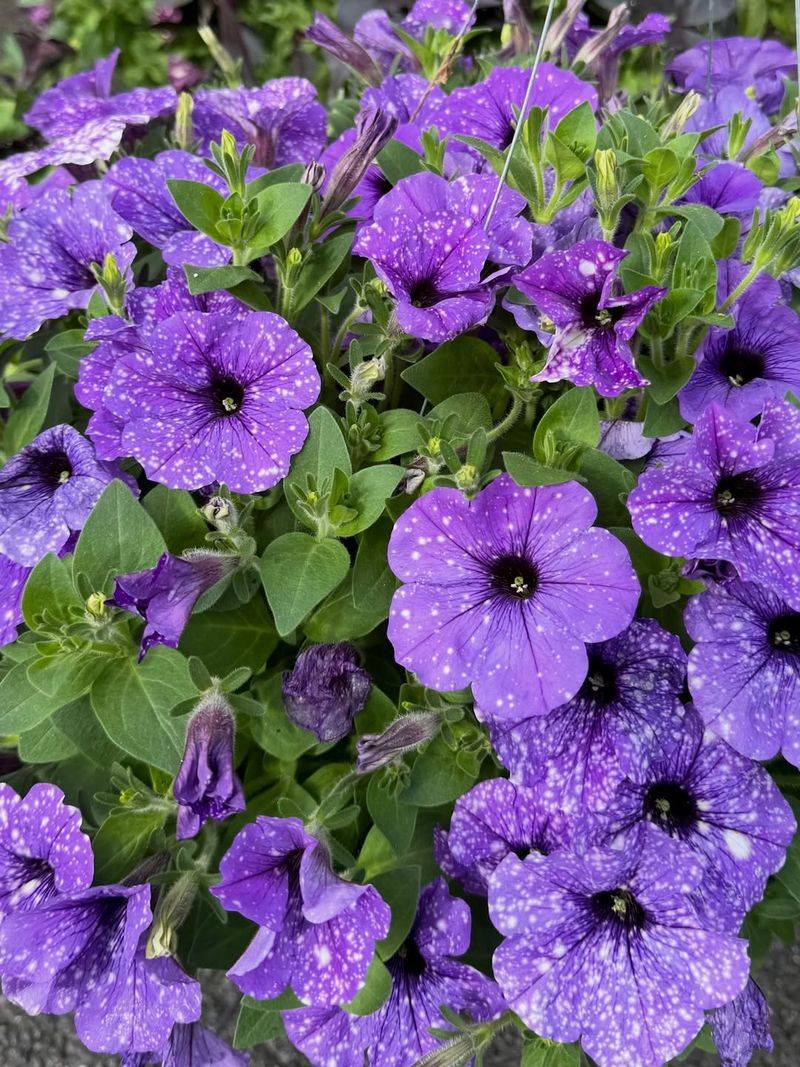
Walk through any garden center in Oregon during late spring and petunias are impossible to miss. They fill entire sections with color, and there is a very good reason nurseries stock so many of them.
These plants are built for summer sun and they show it.
Petunias love heat and full sun more than almost any other common container plant. The more sunlight they get, the more flowers they produce.
On a patio that bakes in afternoon light, they are genuinely in their element.
Wave petunias are especially popular for containers and hanging baskets because they spread and trail beautifully. They can fill a large pot quickly and spill over the edges in a way that looks lush and full.
Your Oregon Garden Changes Every Week. Your Plan Should Too.
Gardening in Oregon changes quickly throughout the season. Every Friday you’ll receive a simple weekly plan showing exactly what to plant, prune, fertilize, harvest, and protect so you never miss the right timing.
Grandiflora types have bigger blooms but need a little more deadheading to stay tidy.
Consistent watering is important with petunias, especially in containers. Pots dry out fast when the sun is strong, so check the soil daily during hot spells.
Sticking your finger about an inch into the soil is the easiest way to tell if it is time to water.
Fertilizing every week or two with a balanced liquid fertilizer makes a huge difference in bloom production. Petunias are heavy feeders and will get leggy and pale without regular nutrients.
A light trim in midsummer can also revive a plant that has started to look stretched out, encouraging a fresh flush of blooms before fall arrives.
3. Marigolds Handling Hot Patios Without Much Fuss
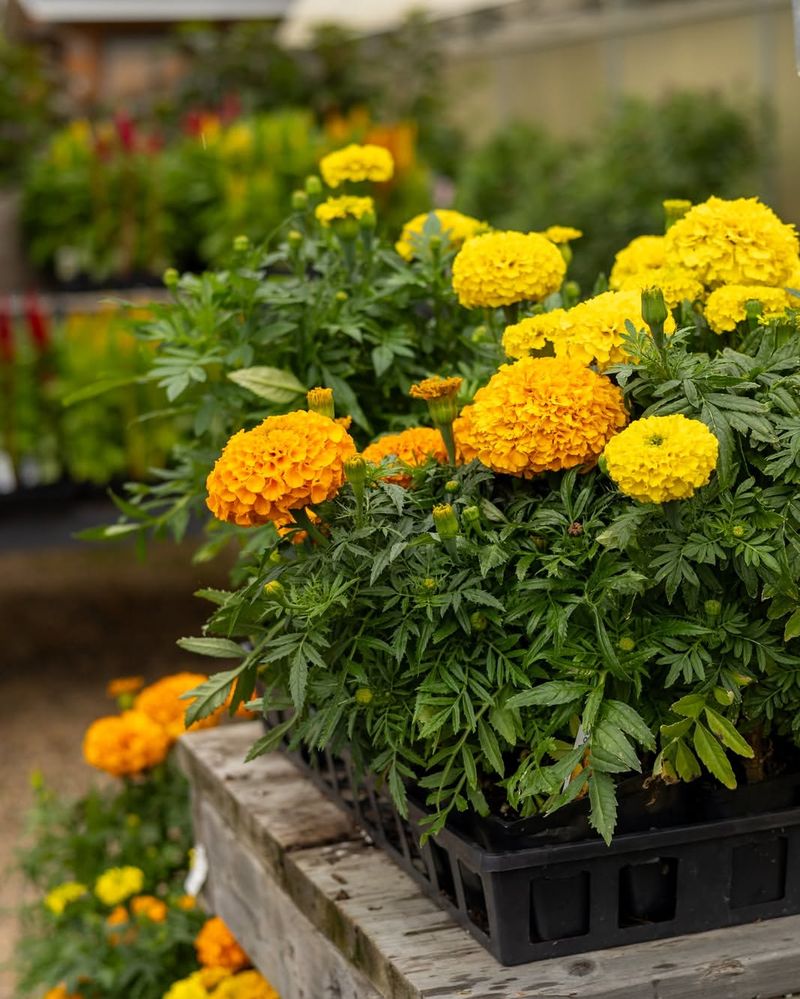
There is something wonderfully no-nonsense about marigolds. They do not ask for much, they do not complain about the heat, and they keep blooming long after other plants have given up.
For a sun-drenched patio, they are one of the most reliable choices you can make.
African marigolds grow tall and bold, often reaching 18 to 24 inches in height. French marigolds stay more compact, making them perfect for smaller pots and window boxes.
Both types handle intense afternoon sun extremely well and are very common in gardens across Oregon.
One of the best things about marigolds is their natural resistance to pests. Their scent actually repels many common garden insects, which is a bonus when your patio sits close to a vegetable garden.
Planting them near tomatoes or peppers in containers is a classic trick that actually works.
They grow well in almost any well-draining potting mix and do not need rich or amended soil to thrive. In fact, overly rich soil tends to produce lots of leaves and fewer flowers.
Keep the fertilizer light and let the sun do the heavy lifting.
Deadheading faded blooms keeps the plant producing new ones consistently. It only takes a few minutes every few days and makes a noticeable difference in how full and colorful the plant looks.
Marigolds also tend to get bushier with regular trimming, which gives containers a more polished, full appearance throughout the entire growing season.
4. Zinnias Blooming Hard In Bright Afternoon Sun
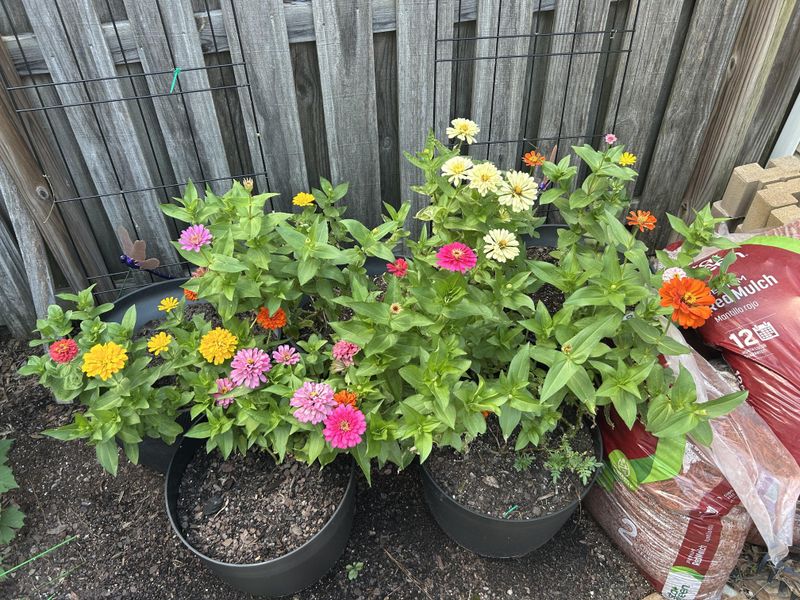
Bold, bright, and completely unbothered by heat, zinnias are the kind of plant that makes a patio look like it belongs in a magazine.
They come in almost every color imaginable and they bloom heavily from early summer all the way to the first cold snap of fall.
Hot weather is where zinnias truly shine. Unlike many flowering plants that slow down during the hottest weeks of summer, zinnias actually speed up.
More sun equals more blooms, and a well-watered zinnia in a large container can become a showstopper in just a few weeks.
Shorter varieties like Zahara or Profusion zinnias are especially well-suited for container growing on patios. They stay compact, branch out naturally, and do not need much staking or support.
Taller cutting types like Benary Giant can work in large pots but may need a small stake if winds pick up.
Water zinnias at the base of the plant rather than overhead. Wet leaves increase the chance of powdery mildew, which is one of the few problems these plants face.
Good air circulation around containers also helps keep foliage healthy and clean-looking.
Starting from transplants gives you a head start, but zinnias also grow fast from seed. Direct sowing into containers after the last frost is a budget-friendly option that works well in our warmer valley regions.
Either way, you will have blooms within weeks and a patio full of color that lasts all season long.
5. Verbena Spilling Over Pots And Loving The Heat
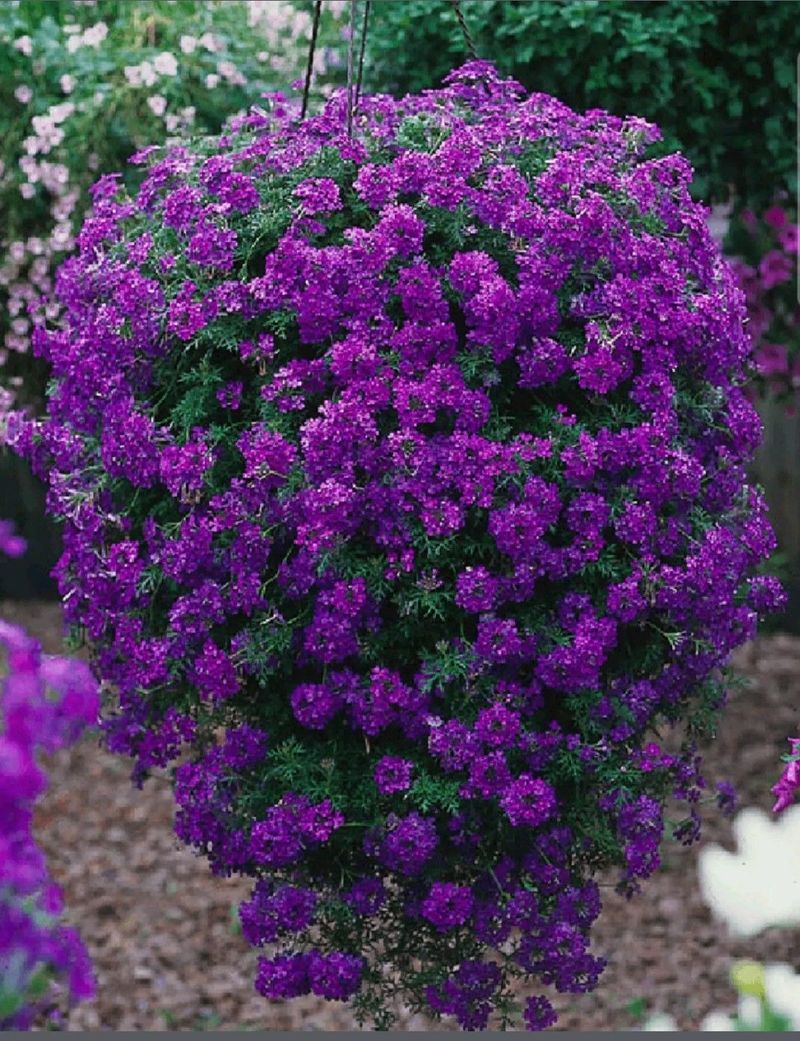
Verbena has a casual, free-spirited look that works beautifully on patios. It spreads, trails, and tumbles over the edges of containers in the most satisfying way.
And when the afternoon sun is blazing, verbena just keeps on blooming without missing a beat.
Trailing verbena varieties are the best choice for patio containers and hanging baskets. They spread quickly and fill in around other plants, creating a lush, layered look.
Colors range from deep purple and magenta to soft pink, white, and coral, so there is something to match almost any patio style.
One thing verbena really appreciates is good drainage. Sitting in wet soil is the fastest way to weaken this plant, especially in cooler nights that sometimes follow our warm summer days.
Make sure containers have drainage holes and that water flows freely through the potting mix.
Once established, verbena handles dry spells better than most flowering annuals. It is not quite as drought-tolerant as succulents, but it bounces back quickly after a missed watering.
That resilience makes it a great option for busy homeowners who cannot check their pots every single day.
Trim verbena back by about one-third in midsummer if it starts to look sparse or stretched. This encourages a fresh wave of growth and new blooms.
Fertilizing every two weeks with a balanced fertilizer keeps the flowers coming strong. Verbena paired with petunias or calibrachoa in a mixed container creates a stunning combination that holds up beautifully through the hottest weeks of summer.
6. Calibrachoa Filling Containers With Nonstop Color
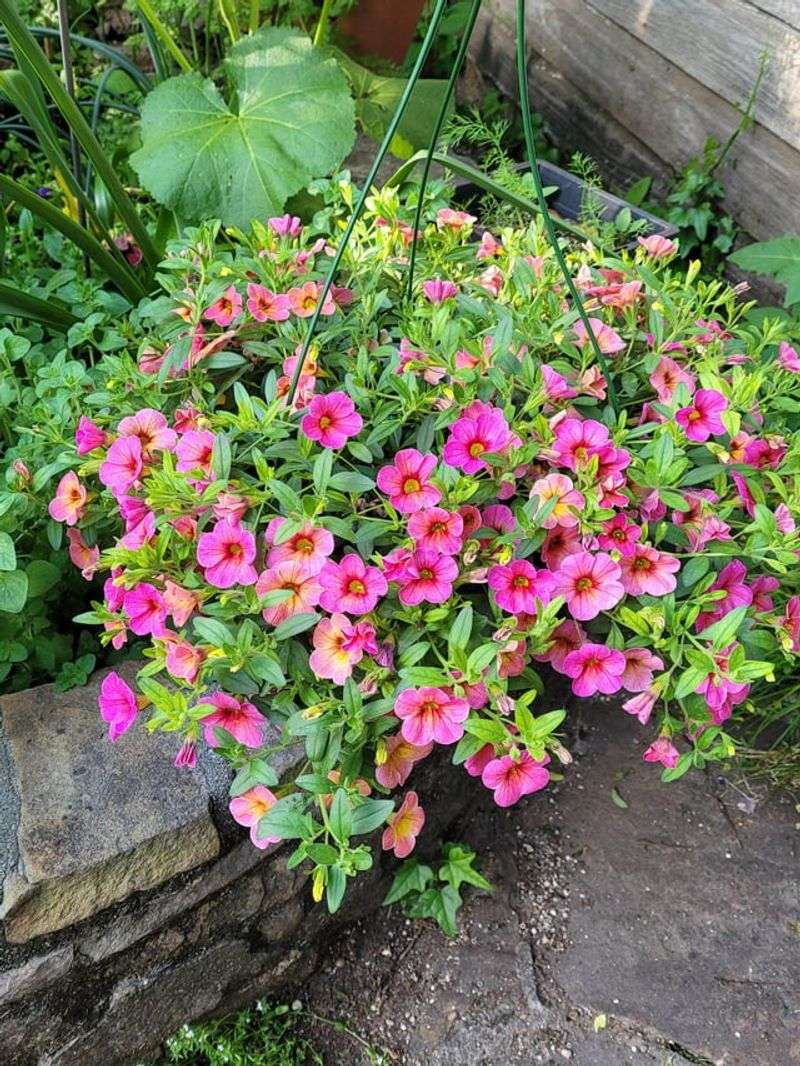
Sometimes called million bells, calibrachoa earns that nickname honestly. A single plant can produce hundreds of small, petunia-like flowers over the course of a season.
For a patio that gets a full blast of afternoon sun, few plants deliver more color for the effort.
These compact, trailing plants are perfect for hanging baskets, window boxes, and mixed containers. They grow quickly and fill in beautifully, creating a dense cascade of blooms that looks impressive from a distance.
Colors include yellow, orange, pink, purple, red, and white, often with contrasting centers that add extra visual interest.
Full sun is where calibrachoa performs best. Shaded spots lead to fewer flowers and a leggier plant overall.
On a patio that faces west or south and gets that intense afternoon heat, calibrachoa will thrive and bloom more heavily than in almost any other condition.
Consistent moisture is important, especially in containers that dry out fast. Calibrachoa does not like to go completely dry, so checking pots regularly during hot stretches is a good habit.
A slow-release fertilizer mixed into the potting soil at planting time gives the plant a steady supply of nutrients throughout the season.
Unlike petunias, calibrachoa is self-cleaning, meaning old blooms fall off on their own without deadheading. That makes it an especially low-maintenance choice for gardeners who want maximum impact with minimal effort.
Pairing it with verbena or sweet potato vine creates a full, flowing container that looks professionally designed and holds up through the warmest weeks of our state’s summer season.
7. Dwarf Citrus Trees Soaking Up The Extra Sunshine
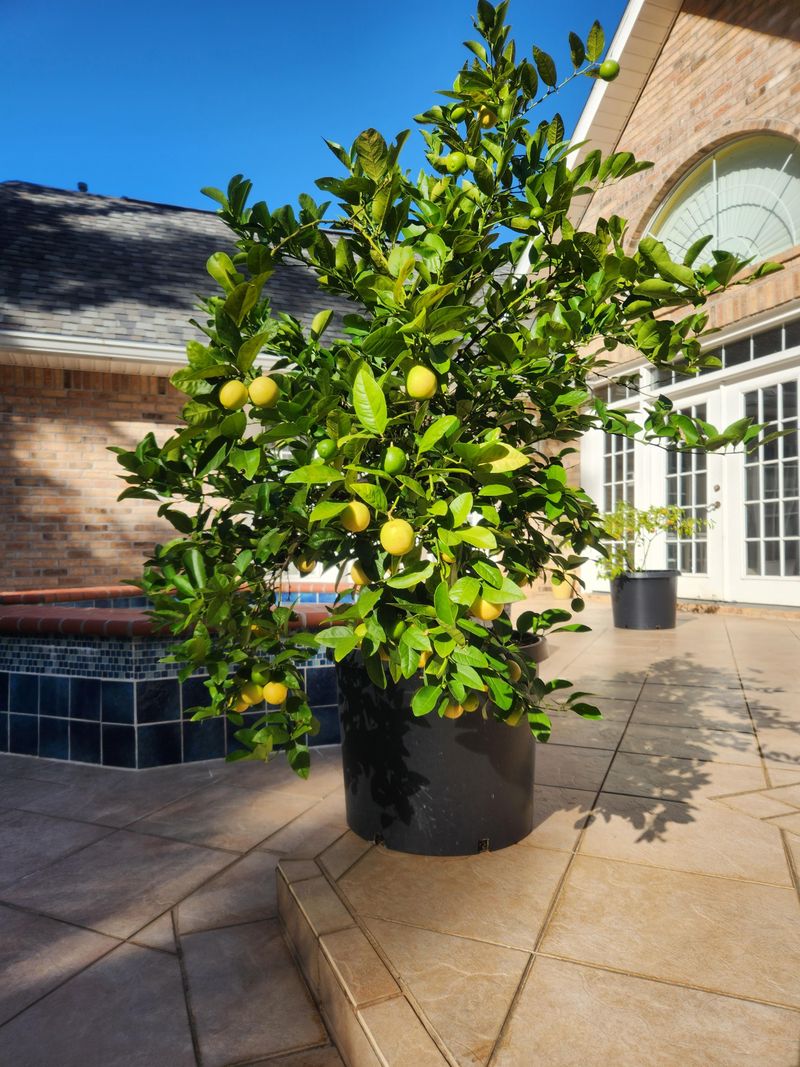
Growing a citrus tree on your patio might sound like something only people in California do, but dwarf varieties can absolutely thrive in containers here during our warm summers.
Meyer lemon and dwarf mandarin trees are two of the most popular options, and they bring a tropical, eye-catching energy to any outdoor space.
These trees love heat and need as much direct sunlight as possible, making a sun-drenched west or south-facing patio the perfect spot. The more sun they get, the better the fruit production.
During our warmest months, a container-grown dwarf citrus can produce a surprising amount of fruit for its size.
Container growing is actually a smart approach in our state because it allows you to bring the tree indoors before temperatures drop in fall. Citrus trees are sensitive to frost, so having them in pots gives you that flexibility.
A large container, at least 15 to 20 gallons, gives roots enough room to support healthy growth.
Use a well-draining citrus or cactus potting mix and water deeply but allow the top inch or two of soil to dry between waterings. Yellowing leaves are often a sign of overwatering, which is the most common mistake new citrus growers make.
Fertilize with a citrus-specific fertilizer every few weeks during the growing season to support both foliage and fruit development.
Aphids and spider mites can show up during dry, hot spells. A strong spray of water or a light neem oil treatment handles both problems quickly without harming the tree or the fruit.
8. Succulents Staying Happy When Pots Dry Out Fast
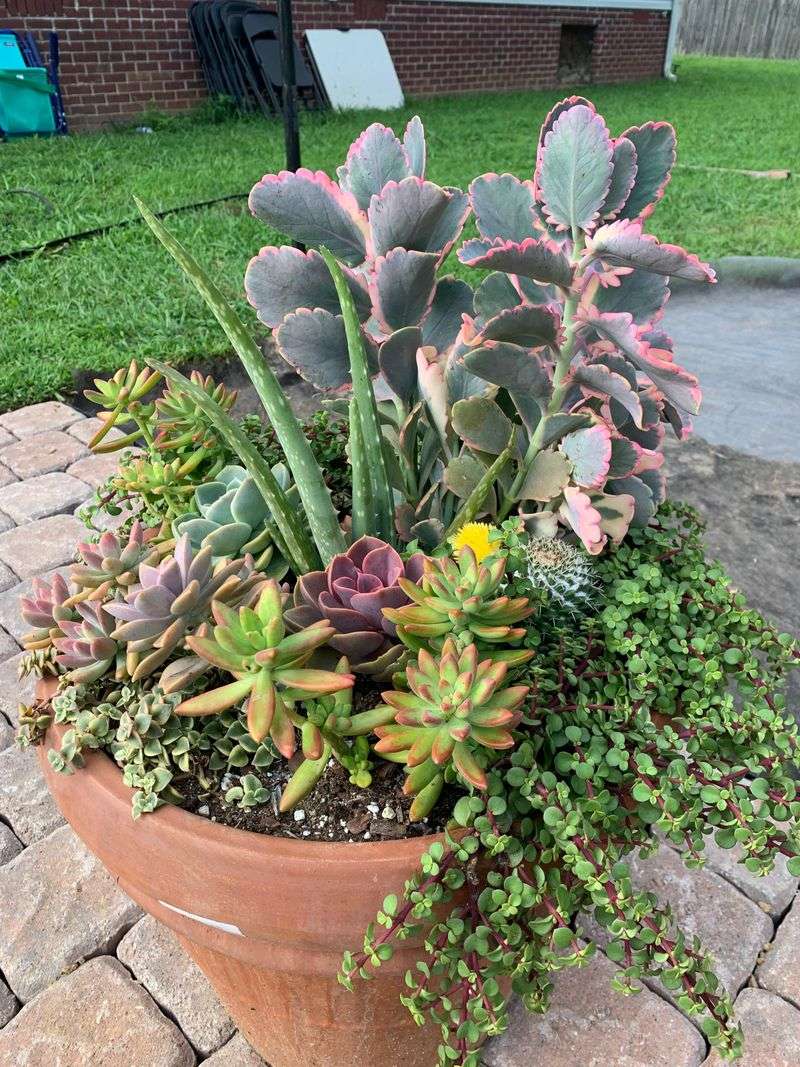
For a patio that gets blazing afternoon sun and where pots seem to dry out almost overnight, succulents are the most logical choice you can make.
These plants store water in their thick leaves and stems, which means they can handle conditions that would stress out almost anything else.
Sedums, echeverias, agaves, and aloes are all excellent options for hot patio containers in our state. Each one brings a unique texture and shape to a container arrangement.
Mixing several varieties in one large pot creates a striking display that looks intentional and artistic without requiring much upkeep.
Good drainage is the single most important factor in growing succulents successfully. A fast-draining cactus and succulent mix is the right choice over standard potting soil.
Pots with drainage holes are non-negotiable since standing water around roots is the quickest way to run into problems.
Watering deeply once a week during summer is usually enough. During a heatwave, every five days might be needed, but always check the soil before watering again.
The soil should feel completely dry at least an inch or two down before you add more water.
Succulents also add a modern, sculptural quality to patio spaces that other plants simply cannot match. Their low, rosette shapes and bold textures look great in both rustic terracotta pots and sleek modern planters.
In Oregon’s warmer regions, many sedums and hens-and-chicks can even stay outside year-round, making them one of the most cost-effective patio plants you can invest in.