The 7 Best Palms For North Florida With A Tropical Look And Better Cold Tolerance
Dreaming of a tropical yard in North Florida can feel risky the moment winter shows up. One cold snap is all it takes to turn the wrong palm into a brown, battered disappointment.
That is why plant choice matters so much here. You want the lush, vacation-style look palms bring, but you also need varieties that can handle cooler temperatures without falling apart.
The sweet spot is real, and it can completely change the way your landscape looks year-round. The best palms for North Florida deliver that bold tropical feel people love, yet stand up better when the weather turns sharp.
Some bring feathery elegance. Some add fan-shaped drama.
Some create instant height and structure that make a yard feel rich, layered, and far more polished. Pick wisely, and you do not have to choose between beauty and resilience.
You can have a landscape that feels tropical, looks impressive, and holds up far better through North Florida’s colder stretches.
1. Windmill Palm Brings The Island Look
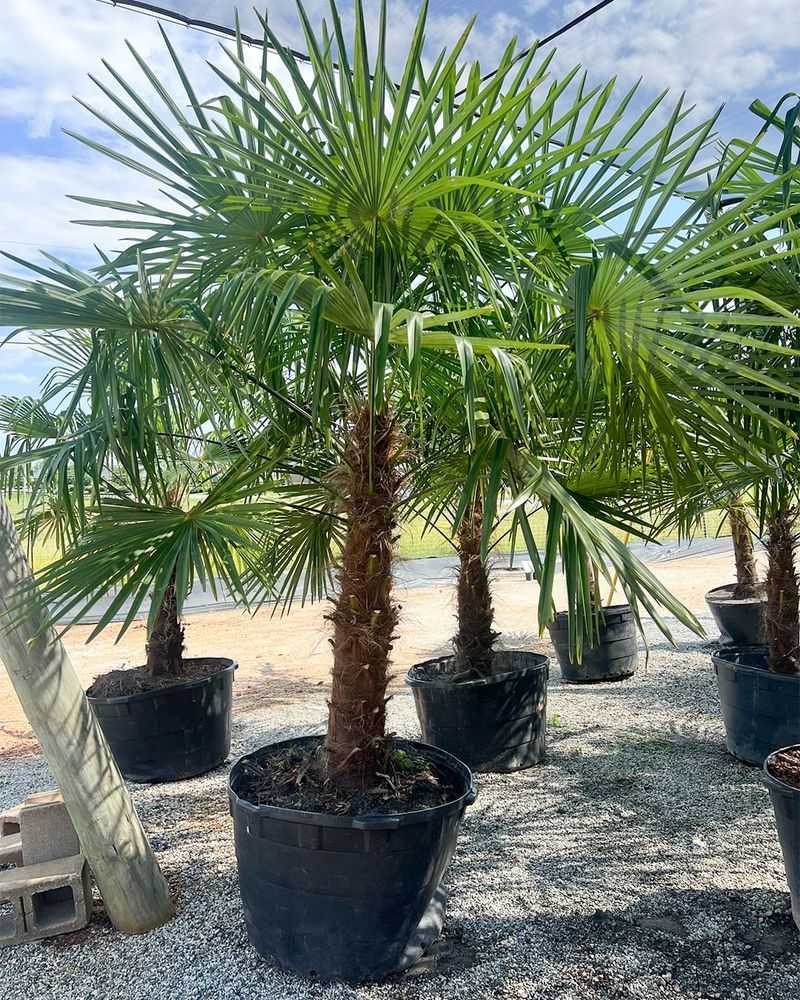
Few palms stop people in their tracks the way a well-grown Windmill Palm does. With its slender, fiber-wrapped trunk and bold fan-shaped fronds fanning out at the top, it looks like something you would find on a Mediterranean terrace or a tropical resort.
Yet this palm is genuinely one of the coldest-tolerant options available for North Florida landscapes, handling temperatures as low as about 10 degrees Fahrenheit according to UF/IFAS.
Trachycarpus fortunei grows slowly and typically reaches 10 to 20 feet at maturity, which makes it a manageable size for most home landscapes. The trunk is covered in dark, shaggy fibers that give it a distinctive, exotic texture even before you look at the fronds.
That combination of upright form and tropical-looking canopy makes it one of the best choices for homeowners who want serious cold protection without giving up the island aesthetic.
Plant Windmill Palm in a spot with good drainage and partial shade; it can grow in full sun but may need irrigation during dry spells. It does not demand heavy fertilization, but regular palm-specific fertilizer applications help keep the fronds a healthy green.
Growth is slow, so buying the largest specimen you can afford saves years of waiting. One honest limitation is that the fronds can look tattered after a hard freeze, though the palm itself usually recovers well.
Overall, it is a dependable, visually striking choice for any North Florida yard that wants a real tropical feel with fewer cold-weather worries.
2. Pindo Palm Softens The Whole Yard
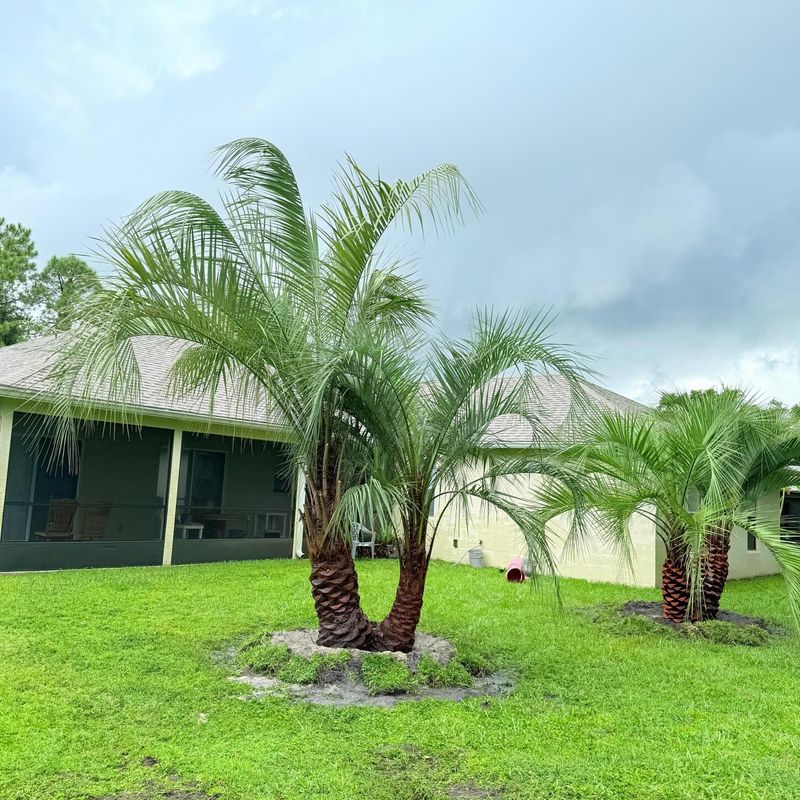
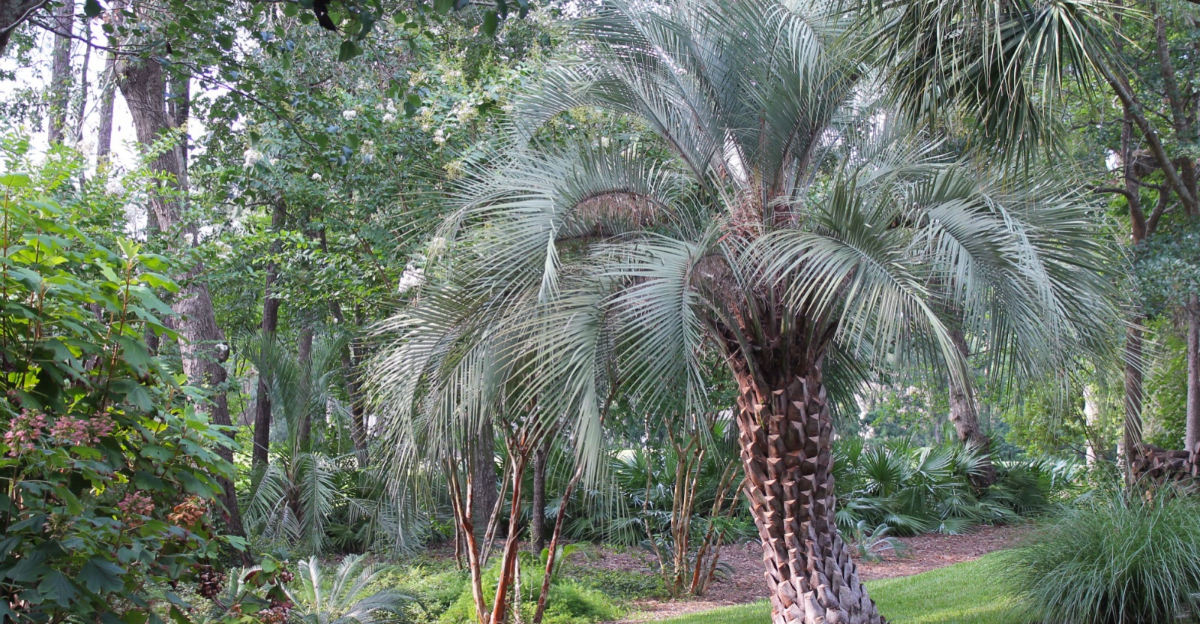
There is something almost graceful about the way a Pindo Palm grows. Unlike stiff, upright palms, Butia odorata arches its long, silvery-blue feather fronds gently outward and downward, giving any yard a softer, more relaxed tropical feeling.
Sometimes called the Jelly Palm because its small orange fruits can be made into jelly, this palm is both ornamental and surprisingly functional for North Florida homeowners.
Pindo Palm handles cold temperatures down to around 5 degrees Fahrenheit, making it a solid choice throughout most of North Florida according to UF IFAS Extension. It grows slowly to a mature height of about 15 to 20 feet, with a thick, patterned trunk left behind by old frond bases.
The arching fronds can spread 10 to 15 feet wide, so give it room to show off that sweeping, tropical silhouette without crowding nearby structures or plants.
Full sun and well-drained soil suit it best. Sandy Florida soils are actually fine for Pindo Palm, though regular fertilization with a quality palm fertilizer keeps it looking its best.
One thing to plan for is fruit drop. The palm produces clusters of fruit that fall and can create a bit of a mess on driveways or patios if planted too close.
Pruning old fronds as they brown keeps the plant tidy, but avoid over-pruning the green fronds since that stresses the palm and slows its already slow growth rate considerably.
3. Needle Palm Handles Real Cold
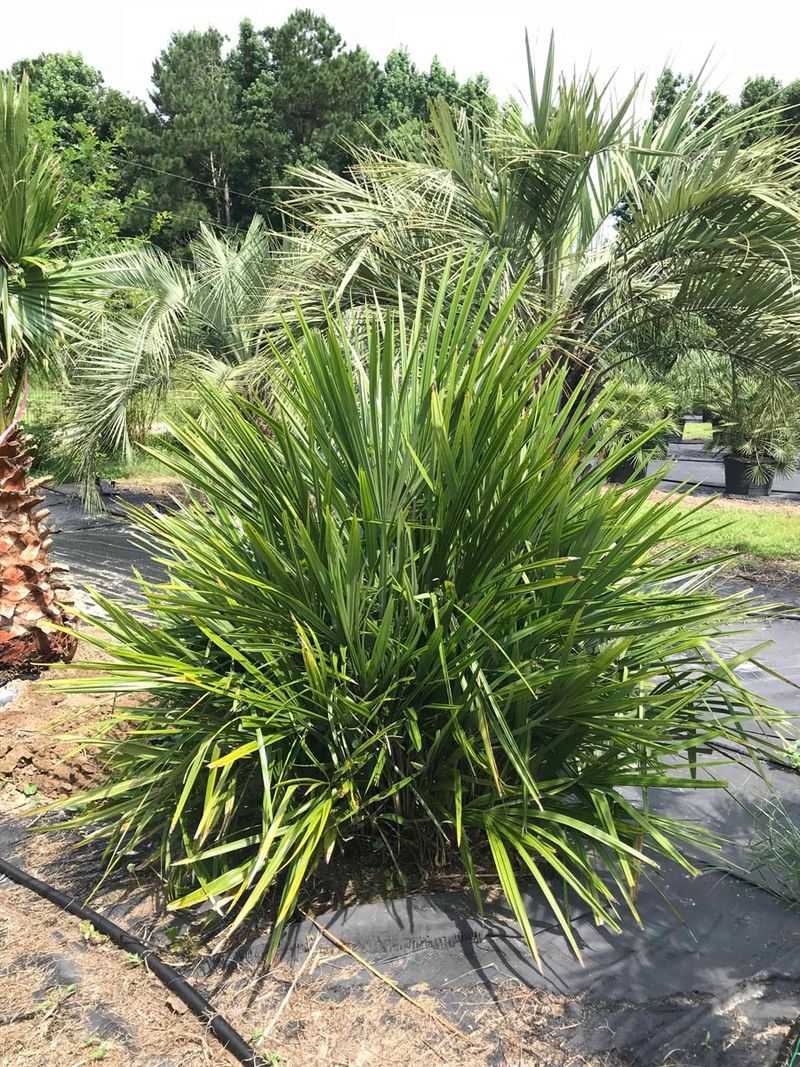
Bold claim: the Needle Palm might be the toughest palm in the entire southeastern United States. Rhapidophyllum hystrix is native to the coastal plain of the Southeast, and it has been documented surviving temperatures near 0 degrees Fahrenheit without serious damage.
That kind of cold tolerance puts it in a category of its own among palms that also manage to look lush and tropical.
Unlike tall, single-trunk palms, Needle Palm grows as a low, dense shrub that rarely exceeds 6 to 8 feet in height. Its dark green, deeply divided fan fronds emerge from a compact, clustering base, creating a thick, jungle-like mass of foliage that feels genuinely tropical even close to the ground.
According to UF IFAS Extension, it performs well in both sun and shade, which gives North Florida gardeners a lot of flexibility in where they place it.
One honest caution worth mentioning upfront: the common name comes from the sharp, needle-like black spines hidden among the leaf bases. These spines are serious and can cause painful injury if you reach into the plant carelessly.
Wear thick gloves when working near it. That said, those same spines make it a natural barrier plant along property edges or beneath windows where security planting makes sense.
Plant it in moist, well-drained soil and water regularly while it establishes. Once settled in, Needle Palm is remarkably low-maintenance and rarely needs much attention beyond occasional cleanup of old fronds.
4. European Fan Palm Brings Bold Texture
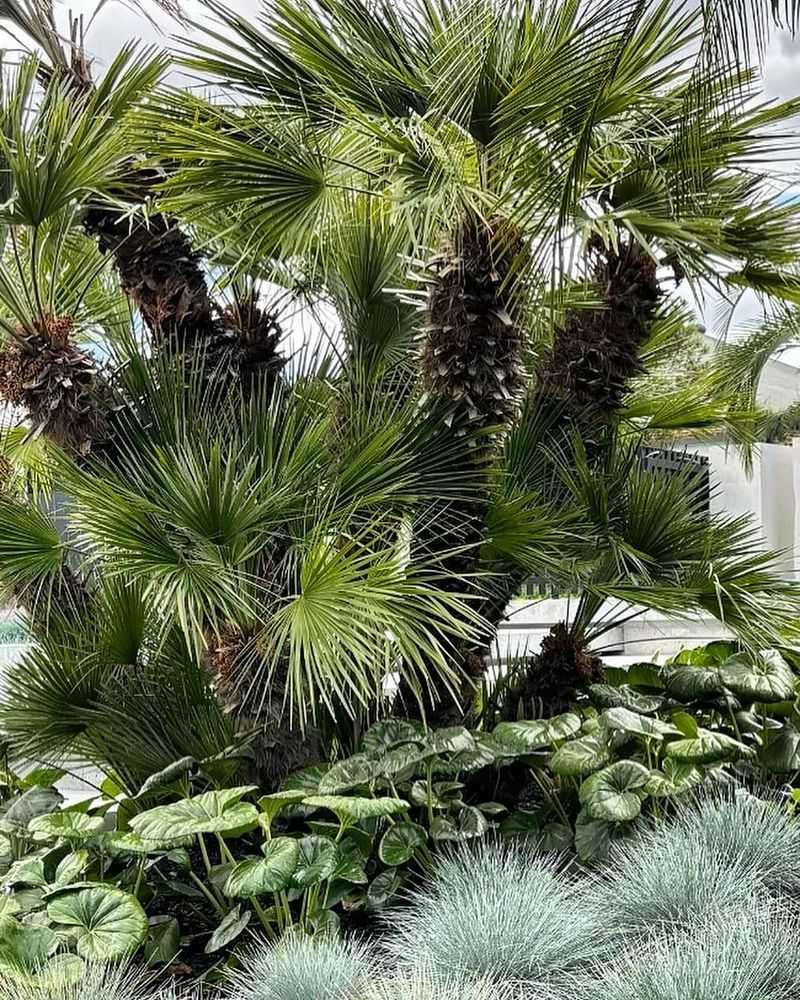
Walk past a mature European Fan Palm and the texture alone commands attention. Chamaerops humilis grows as a clumping, multi-stem palm, sending up several trunks from a single base and creating a dense, layered look that feels both Mediterranean and tropical at the same time.
That multi-trunk habit sets it apart from most other palms and gives it a sculptural quality that works beautifully in both formal and casual landscape designs.
Cold tolerance for European Fan Palm sits around 15 degrees Fahrenheit, which is workable throughout most of North Florida, though a severe hard freeze can cause frond damage in the most northern parts of the region. UF IFAS Extension notes that it prefers well-drained soil and full sun but tolerates partial shade reasonably well.
Mature height usually stays between 8 and 15 feet depending on growing conditions, making it a manageable scale for most residential properties.
The multi-trunk clumping form does mean the plant spreads outward over time, so give it space to develop its full, bushy silhouette without being crowded by walls or other plants. Leaf stems carry small spines, so handle with care during any pruning or cleanup.
Growth is slow, which is a common theme among cold-hardy palms, but the payoff is a long-lived, low-maintenance specimen that adds serious visual weight to any yard. Fertilize regularly with a slow-release palm fertilizer and water consistently during dry spells to keep it looking sharp and healthy year-round.
5. Cabbage Palm Owns The Florida Look
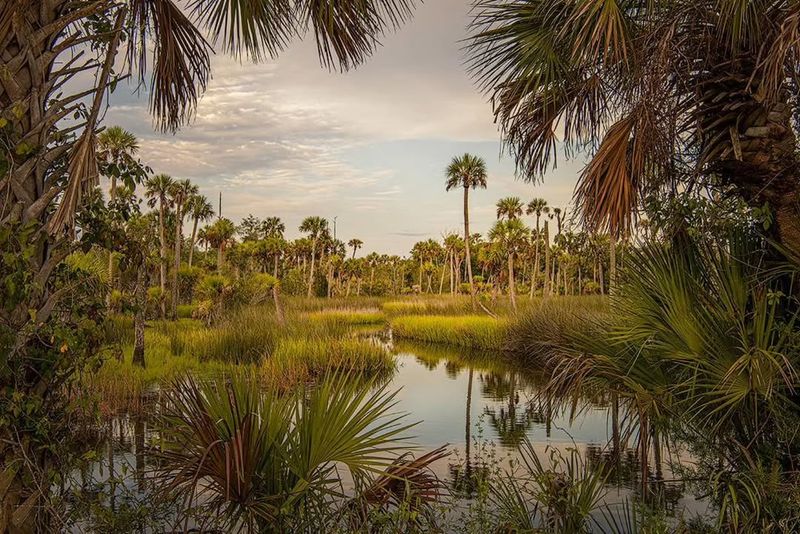
No palm says Florida quite like the Cabbage Palm. Sabal palmetto is the official state tree of Florida, and for good reason.
It grows naturally across the entire state, from the Panhandle all the way down to the Keys, and it has been doing so for thousands of years without anyone planting or watering it. That kind of proven track record speaks louder than any nursery label.
Cold tolerance is exceptional. Cabbage Palm handles temperatures down to about 15 degrees Fahrenheit and sometimes lower, making it one of the most dependable large palms for North Florida according to UF IFAS Extension and University of Florida Gardening Solutions.
Mature trees reach 40 to 50 feet tall with a broad, globe-shaped canopy of arching fan fronds. That height gives it a presence in the landscape that smaller palms simply cannot match, and it works beautifully as a specimen tree, a street tree, or a canopy accent in naturalistic plantings.
One of the biggest practical advantages of Cabbage Palm is how well it transplants. Mature specimens are routinely moved with minimal root protection and still recover, which is unusual for a large tree of any kind.
Old leaf bases called boots may remain on the trunk for years before eventually falling off, giving younger trees a distinctive crosshatch pattern. The boots eventually shed, leaving a smooth, gray trunk.
Fruit clusters attract birds and wildlife, adding another layer of ecological value to an already outstanding native palm choice for any North Florida yard.
6. Saw Palmetto Keeps It Wild And Lush
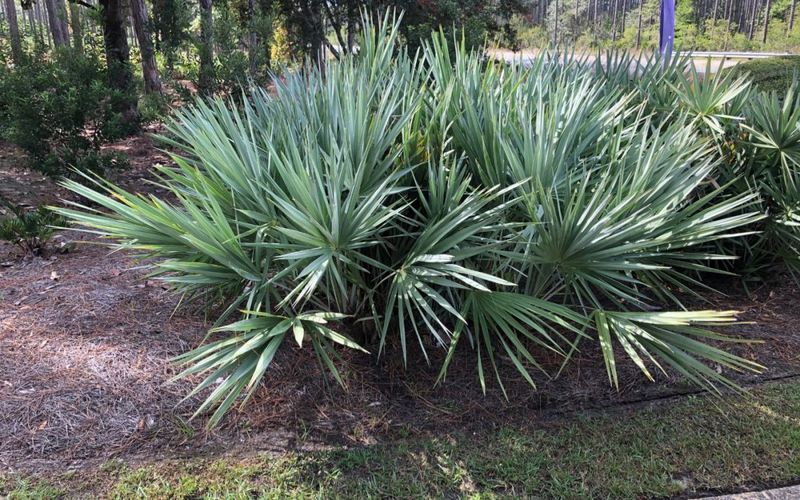
Saw Palmetto rarely gets the credit it deserves as a landscape plant. Most people associate it with roadsides and scrublands, but Serenoa repens brings a genuinely wild, lush quality to North Florida yards that no other plant quite replicates.
Its fan-shaped fronds, ranging from green to silvery blue-green depending on the ecotype, create a low, spreading mass of tropical-looking foliage that feels dense and full even in summer heat.
As a Florida native, Saw Palmetto is supremely cold-tolerant throughout the entire state, including the coldest parts of North Florida. UF IFAS Extension describes it as highly adaptable, tolerating drought, flooding, poor soils, full sun, and partial shade.
That flexibility makes it one of the most forgiving palms a homeowner can plant. It typically grows 2 to 7 feet tall with a sprawling, clumping habit, though some specimens develop a short, creeping trunk over many decades.
The serrated leaf stems give it its common name and are sharp enough to scratch skin, so be thoughtful about placement near walkways or play areas. Planted along a back fence line, under taller trees, or as part of a naturalistic garden edge, Saw Palmetto shines.
It also supports native wildlife, providing fruit for birds and bears and shelter for small animals. Maintenance needs are minimal once established.
Occasional removal of old brown fronds keeps it tidy, but this is a plant that genuinely thrives on being left mostly alone in the right spot.
7. Sylvester Palm Adds Silver Drama
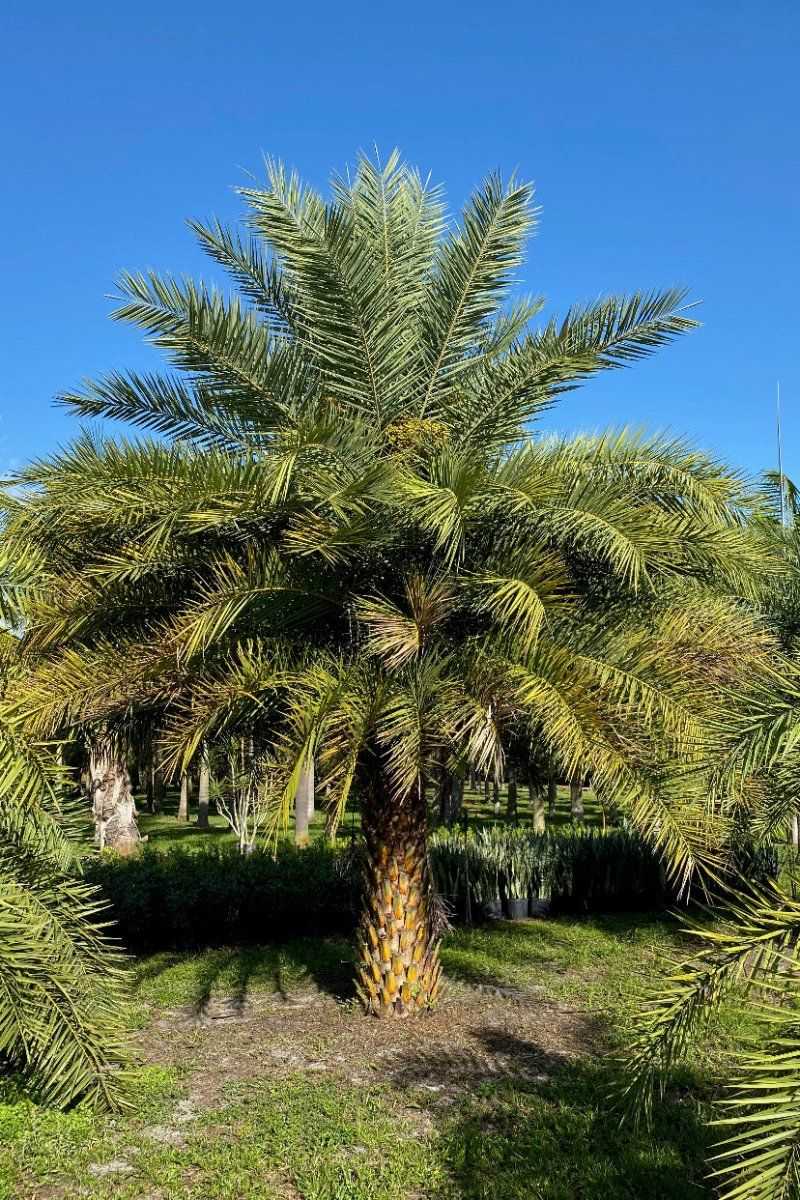
A Sylvester Palm in full form is genuinely hard to ignore. Phoenix sylvestris grows into a tall, stately feather palm with long, arching silvery-green fronds that catch the light in a way that feels almost cinematic.
The trunk develops a distinctive diamond-cut pattern from old leaf bases, adding visual interest even before you look up at the canopy. For homeowners who want bold tropical drama in a North Florida yard, this palm delivers it convincingly.
Cold tolerance for Sylvester Palm is generally rated around 15 to 20 degrees Fahrenheit, which puts it in a workable range for most of North Florida, though it may show frond damage during the harshest freezes in the northern Panhandle.
Mature height can reach 40 feet or more over time, so plan for a large specimen that will eventually dominate its corner of the yard.
Full sun and well-drained soil are non-negotiable for healthy growth.
There is one serious concern every North Florida homeowner must understand before planting any Phoenix palm: lethal bronzing disease. This bacterial disease spread by a sap-feeding insect has caused significant losses of Phoenix palms across Florida, including Phoenix sylvestris.
UF IFAS Extension strongly recommends that homeowners stay informed about lethal bronzing, monitor palms regularly for early symptoms like browning of lower fronds and fruit discoloration, and consult a certified arborist at the first sign of trouble.
Sylvester Palm is a rewarding choice, but it requires attentive care and informed management, not a set-it-and-forget-it approach.