The 10 Best Plants For Inland Southern California Heat
Some plants look great at the nursery, then fall apart the minute an inland Southern California summer starts doing what it does best.
The sun gets fierce, the air dries out, and suddenly anything fussy starts begging for more water, more shade, and more attention than most people want to give.
That is usually when the search for truly heat-tolerant plants gets very real. The good ones do more than survive.
They keep their shape, hold their color, and make a yard feel lively even when the forecast looks relentless day after day.
That kind of reliability can completely change how a garden feels in the toughest stretch of the season.
A smart plant choice here is not just about looks. It is about finding varieties that can handle blazing afternoons without turning your yard into a full-time project.
Once the right plants are in place, everything starts to feel easier, calmer, and a lot more suited to the way inland Southern California actually grows.
1. White Sage
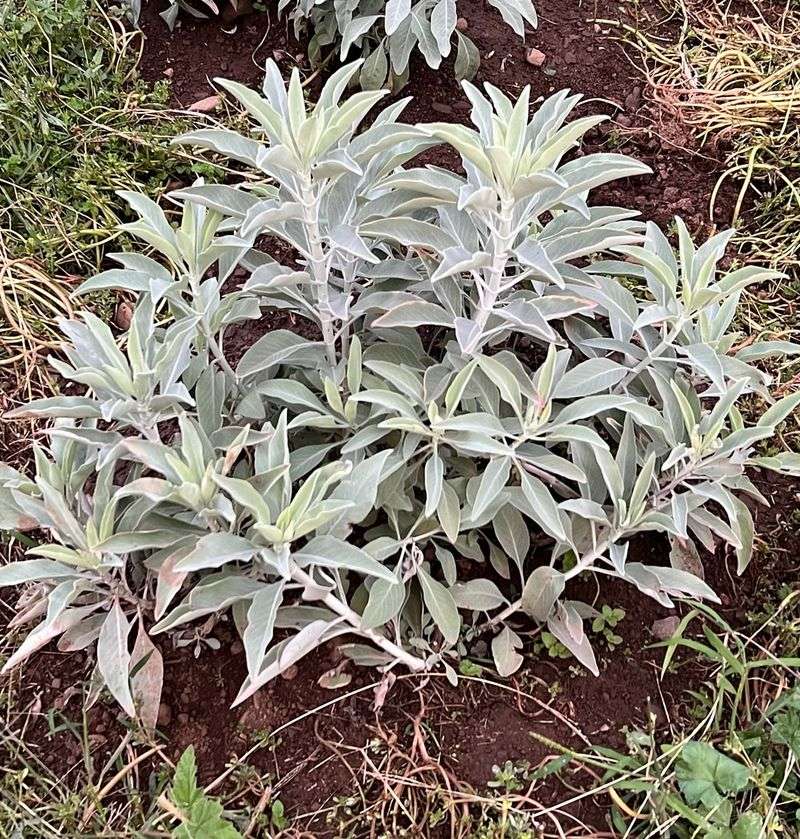
Few plants smell as amazing as white sage on a warm afternoon. Native to the hillsides and dry slopes of Southern California, this plant has been used for centuries by Indigenous communities for its cleansing and medicinal properties.
That rich history alone makes it worth growing.
White sage thrives in full sun and well-drained soil, making it a natural fit for Inland Southern California yards. Once established, it needs very little water.
It actually prefers dry conditions, so overwatering is the biggest mistake most gardeners make with it.
The silvery-green leaves have a soft, almost fuzzy texture and release a powerful, earthy fragrance when brushed. Tall flower spikes bloom in late spring and summer, attracting bees, butterflies, and hummingbirds.
It grows 3 to 5 feet tall and wide, giving your garden a bold, natural structure. Plant it along a sunny border or dry slope for a truly authentic California look.
It pairs beautifully with other native plants and requires almost no maintenance once it settles in.
2. Deer Grass
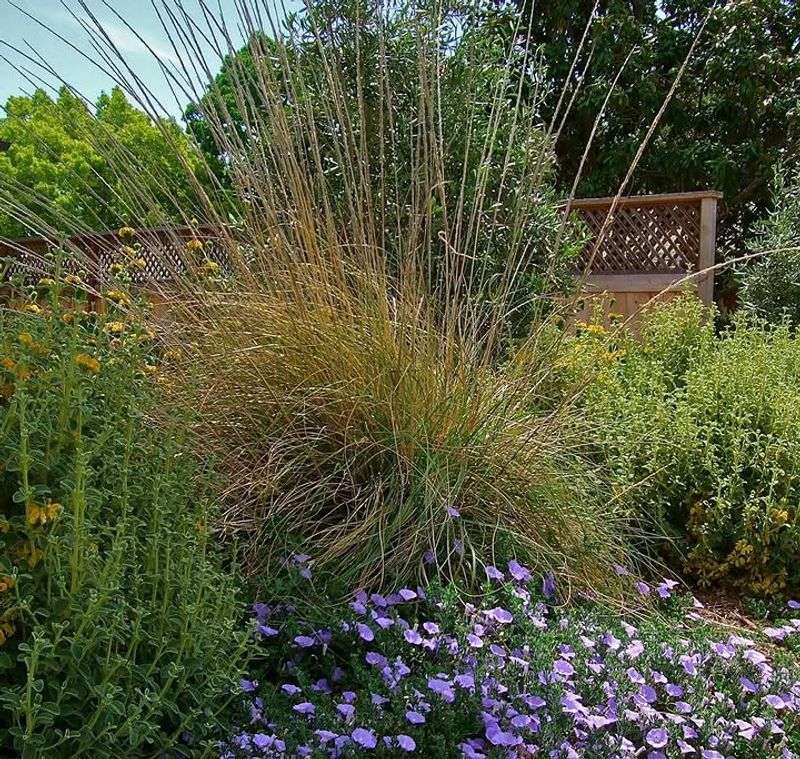
Not every great plant shows off with flashy flowers. Deer grass proves that texture and movement can be just as striking in a garden.
This native California bunchgrass forms beautiful, rounded clumps of soft green blades that sway gracefully in the breeze, adding a relaxed, natural feel to any yard.
Inland Southern California gardens benefit greatly from deer grass because it handles full sun and extreme heat without complaint. It is incredibly drought-tolerant once established and thrives in poor, rocky, or sandy soils where other plants struggle.
Tall, slender seed stalks shoot up in summer, reaching 3 to 5 feet and creating a lovely golden accent.
Deer grass works well as a ground cover, a border plant, or even a focal point in a dry garden design. It also helps control erosion on slopes, which is a real bonus in hillside yards.
Maintenance is minimal. You can cut it back in late winter to encourage fresh new growth in spring.
Wildlife loves it too, as birds often use the dry stalks for nesting material. It is one of the most reliable and low-effort plants you can add to your landscape.
Your California Garden Changes Every Week. Your Plan Should Too.
Gardening in California changes quickly throughout the season. Every Friday you’ll receive a simple weekly plan showing exactly what to plant, prune, fertilize, harvest, and protect so you never miss the right timing.
3. Bougainvillea
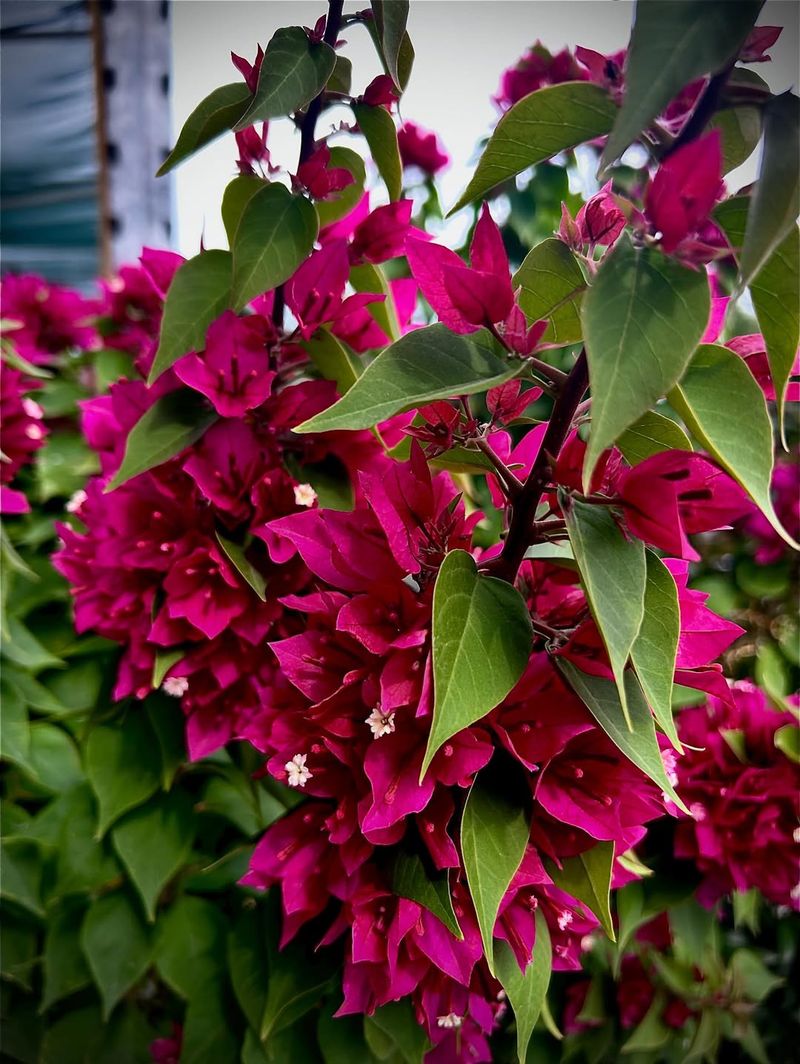
If you want a plant that turns heads, bougainvillea is your answer. Drive through any neighborhood in Inland Southern California during summer and you will see these blazing cascades of pink, purple, red, and orange spilling over fences and walls.
It is one of the most dramatic plants you can grow in a warm climate.
Bougainvillea actually loves heat and does not mind drought once it gets established. In fact, stressing it a little with less water encourages more blooming.
The colorful parts you see are not actually flowers but modified leaves called bracts. The tiny white blooms sit right in the center of those bracts.
Plant it in full sun against a wall or fence where it can climb and spread freely. It grows fast and can reach 20 feet or more if left unpruned.
Regular trimming keeps it manageable and actually promotes more blooms. Wear thick gloves when pruning because the thorns are sharp.
Bougainvillea is a classic choice for Inland Southern California landscapes and adds serious curb appeal with almost zero fuss once it gets going.
4. Jacaranda
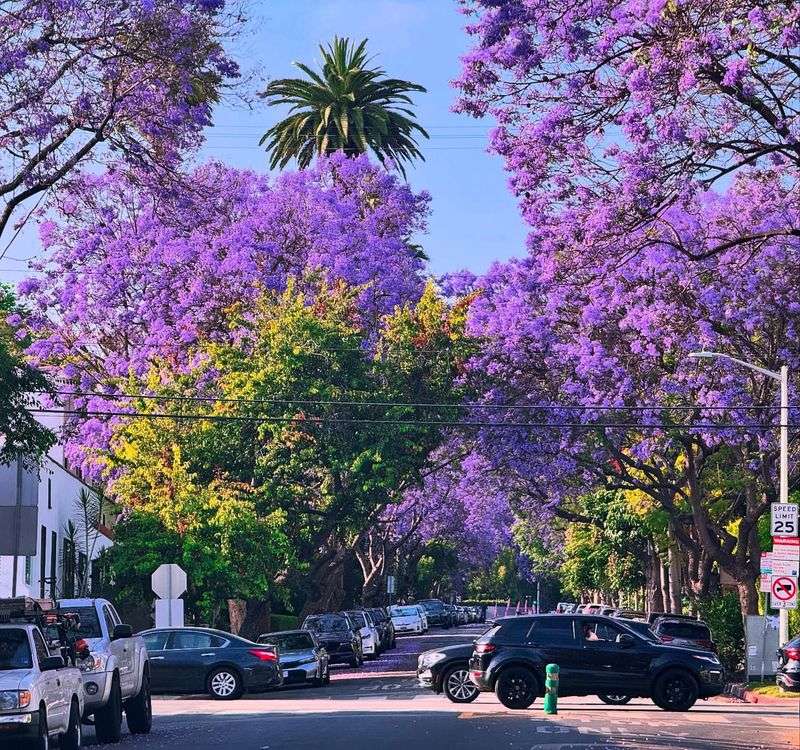
Every spring, something magical happens across Inland Southern California streets and parks. Jacaranda trees burst into clouds of soft purple-blue flowers that cover entire neighborhoods in color.
It is one of the most beloved and recognizable trees in the region, and for good reason.
Jacaranda handles heat extremely well and grows quickly once established. It is semi-deciduous, meaning it drops its leaves briefly before blooming in late spring.
The flower display typically lasts several weeks, carpeting the ground beneath with a purple blanket that looks almost unreal. After blooming, feathery, fern-like leaves return and provide light, dappled shade through summer.
These trees grow 25 to 50 feet tall, so they work best in larger yards or as a street tree. They prefer full sun and well-drained soil and are very drought-tolerant once mature.
One thing to know is that fallen flowers can make a slippery mess on sidewalks and driveways, so placement matters.
Still, most gardeners and homeowners in Inland Southern California agree the cleanup is completely worth it for that jaw-dropping springtime show. Plant one now and enjoy it for decades to come.
5. Bottlebrush
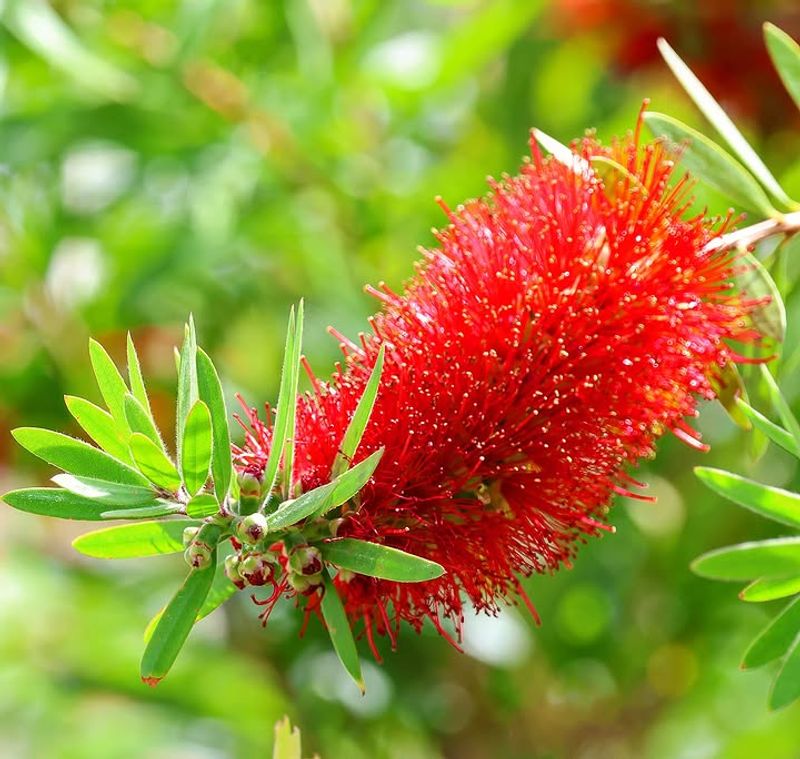
Named for its wild, bristly flower spikes that look exactly like old-fashioned bottle brushes, this plant is as fun to look at as it is easy to grow.
Bottlebrush is a tough, reliable shrub or small tree that thrives in the heat of Inland Southern California and puts on a show almost year-round.
The bright red flower spikes are absolutely magnetic to hummingbirds. If you want more of these tiny, fast-moving visitors in your garden, planting a bottlebrush is one of the quickest ways to make it happen.
Blooming typically peaks in spring and again in fall, with scattered flowers appearing in between during warm weather.
Bottlebrush grows 6 to 15 feet tall depending on the variety and handles full sun, heat, and drought with ease. It tolerates a wide range of soils as long as drainage is decent.
Pruning after each bloom cycle keeps the shape tidy and encourages more flowers. It works beautifully as a hedge, screen, or standalone accent plant.
For Inland Southern California homeowners who want color, wildlife, and low maintenance all in one package, bottlebrush is a genuinely excellent pick.
6. Palo Verde
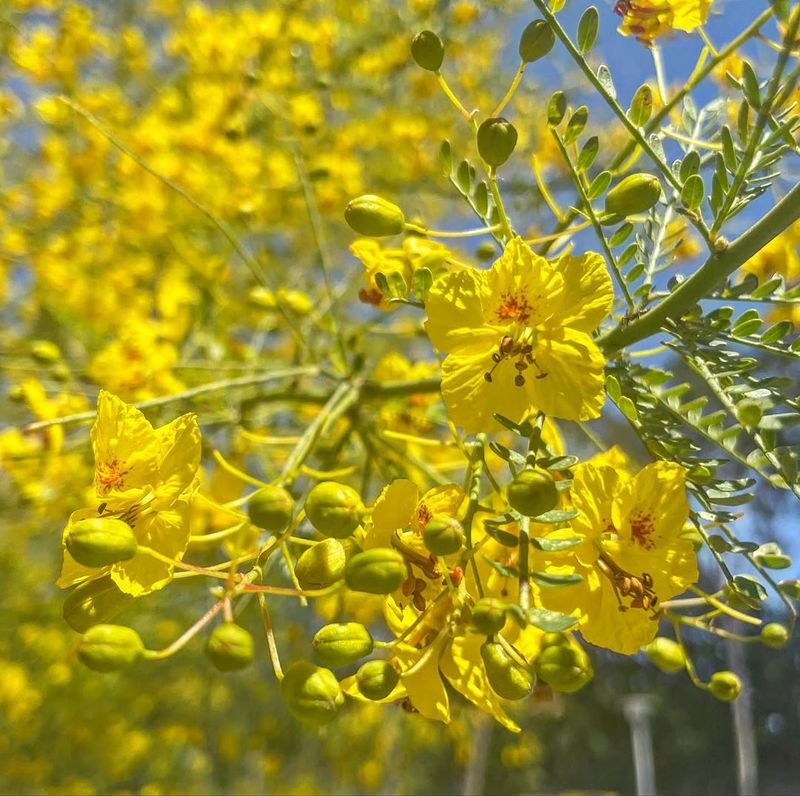
Here is something you do not see every day: a tree that photosynthesizes through its bark. Palo Verde, which means green stick in Spanish, has a distinctive green trunk and branches that continue making energy even when the tree drops its leaves during dry spells.
It is one of nature’s most clever heat-survival strategies.
In spring, Palo Verde explodes into a cloud of tiny yellow flowers that completely cover the branches. The display is stunning and brief, usually lasting a few weeks.
After flowering, small compound leaves fill in and provide light, airy shade. The tree grows 15 to 30 feet tall and develops a graceful, spreading canopy over time.
For Inland Southern California landscapes, Palo Verde is almost perfect. It thrives in full sun, handles extreme heat, and needs very little water once established.
It grows naturally in desert washes and rocky terrain, so poor, fast-draining soil suits it just fine. The light shade it provides is enough to cool a patio without blocking too much sun from nearby plants.
Plant it as a specimen tree in a dry garden and watch it become a true standout through every season of the year.
7. Desert Willow
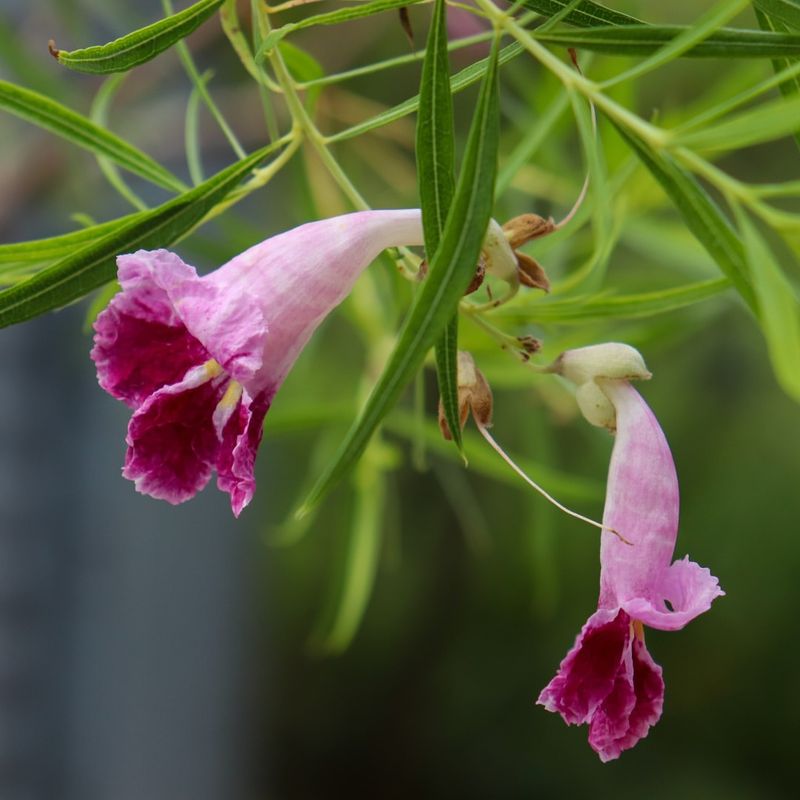
Despite its name, desert willow is not a true willow at all. It belongs to the trumpet vine family, and once you see its flowers, the connection makes total sense.
Long, slender leaves and showy trumpet-shaped blooms in shades of pink, lavender, and white give this tree a soft, elegant look that feels almost tropical in the middle of a blazing hot summer.
Desert willow is built for heat. It thrives in full sun and dry, well-drained soils across Inland Southern California.
Blooming runs from late spring all the way through fall, making it one of the longest-flowering trees you can grow in the region. Hummingbirds and bees absolutely love the nectar-rich flowers.
The tree typically grows 15 to 25 feet tall with a graceful, open canopy. It is deciduous, dropping its leaves in winter, but the interesting branching structure keeps it attractive even without foliage.
Water it occasionally during the first couple of growing seasons to help it get established, then back off and let the heat do its thing.
Desert willow fits naturally into dry, native-inspired garden designs and adds a touch of unexpected beauty to any Inland Southern California yard.
8. Cleveland Sage
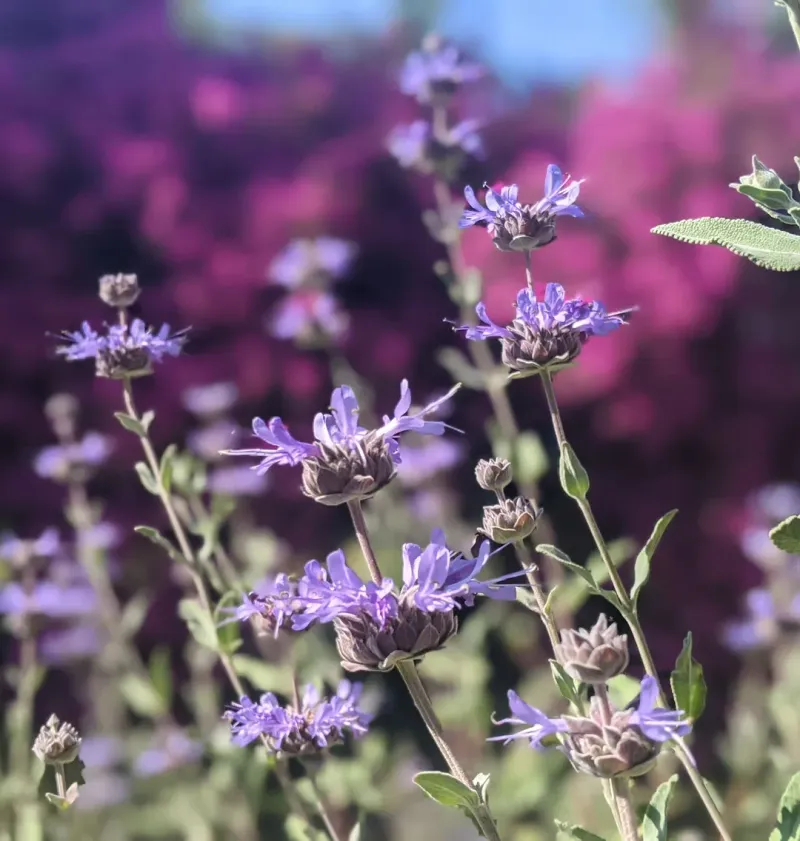
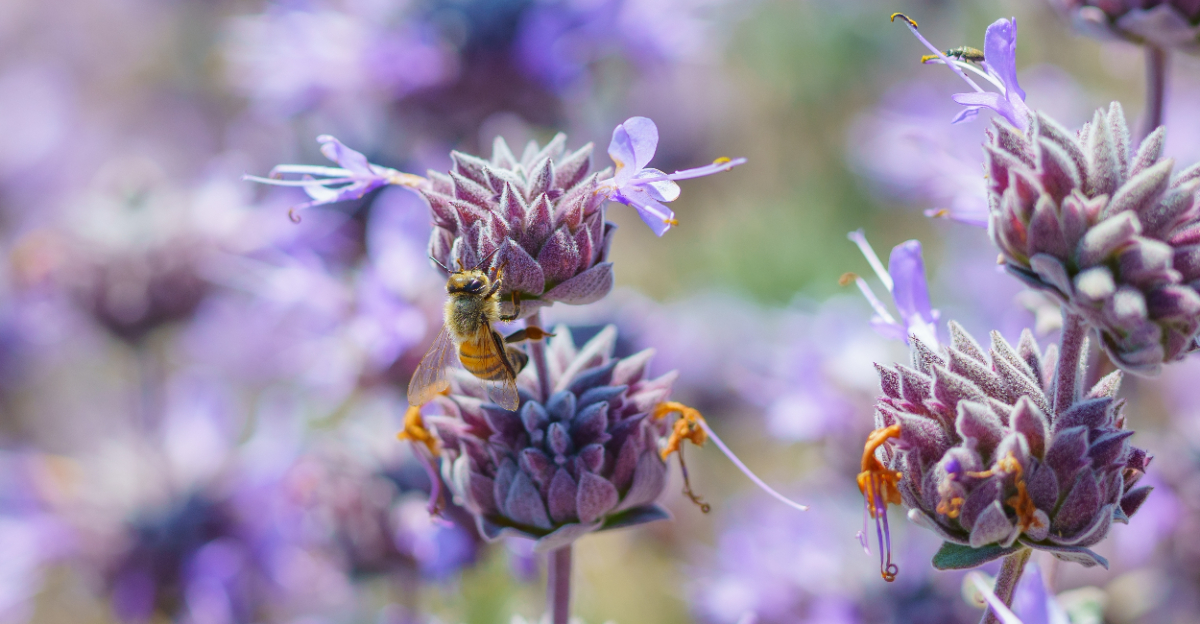
Walk past a Cleveland sage on a warm morning and the scent will stop you in your tracks. This native California sage releases a rich, spicy fragrance that many people find instantly calming and deeply pleasant.
It is one of those plants that engages more than just your eyes.
Cleveland sage grows naturally in the dry chaparral and hillsides of Southern California, which means it is perfectly adapted to the intense heat and drought conditions found across Inland Southern California.
It thrives in full sun and well-drained soil and actually looks its best when it gets very little supplemental water. Too much moisture can cause root problems.
The plant grows 3 to 5 feet tall and wide, forming a dense, rounded mound of soft gray-green foliage. In spring, tall purple flower spikes shoot up and attract a frenzy of bees, butterflies, and hummingbirds.
The blooms last for weeks and create a stunning visual display. After flowering, a light trim keeps the plant looking tidy and encourages fresh growth.
Cleveland sage pairs beautifully with other native shrubs like white sage and California buckwheat, making it a natural fit for any water-wise garden design in the region.
9. Lantana
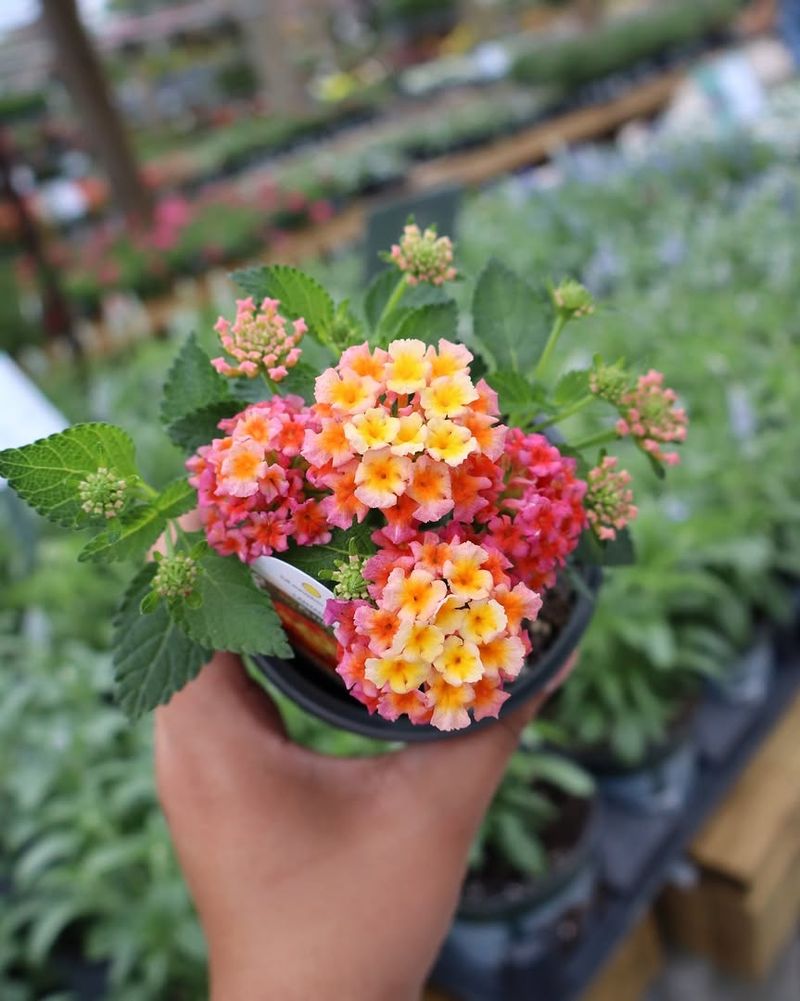
Hot weather does not slow lantana down one bit. While other plants wilt and struggle through the peak of summer in Inland Southern California, lantana just keeps blooming.
It is one of the most heat-loving plants you can put in a garden, and its cheerful clusters of tiny flowers come in some of the most vibrant color combinations imaginable.
Each flower cluster often contains multiple shades at once, ranging from yellow and orange to pink, red, and purple. The colors shift slightly as the flowers mature, giving each cluster a layered, multicolored look.
Butterflies swarm these plants constantly, making your garden feel alive and buzzing all season long.
Lantana grows as a spreading shrub or ground cover, depending on the variety. Trailing types work beautifully in hanging baskets or spilling over retaining walls.
Upright varieties make great border plants or low hedges. It handles full sun, poor soil, and dry conditions with no complaints.
Water it occasionally during the hottest months to keep it blooming at its best. One note of caution: the berries are toxic to pets and children, so placement matters.
Overall, lantana is one of the most rewarding warm-season plants for Inland Southern California gardens.
10. California Buckwheat
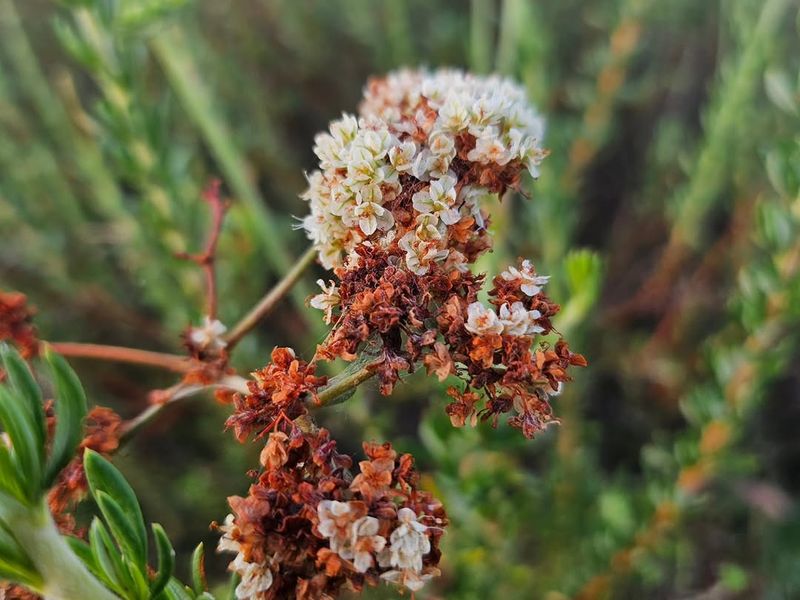
California buckwheat might not get the same attention as flashier plants, but gardeners who know their natives understand just how valuable it really is.
This rugged, low-growing shrub is one of the most ecologically important plants in the Southern California landscape, supporting hundreds of native bee species and other pollinators throughout the growing season.
Clusters of small white flowers appear in late spring and summer, gradually turning a warm rust color as they dry. Many gardeners leave the dried flower heads on the plant through fall and winter because they add beautiful texture and feed seed-eating birds.
The overall effect is subtle but incredibly charming in a natural, wild sort of way.
California buckwheat grows 2 to 4 feet tall and spreads wider than it is tall, making it excellent for covering dry slopes and preventing erosion. It handles full sun, rocky or sandy soil, and serious drought without any fuss.
Once established in an Inland Southern California yard, it needs almost no supplemental water.
It pairs wonderfully with other natives like white sage, Cleveland sage, and deer grass to create a cohesive, low-water landscape that looks intentional and beautiful through every season of the year.