The Best Sun Loving Indoor Plants For Texas Homes
Ever notice how some houseplants seem to perk up the second they get a bright sunny window? In Texas homes, that kind of light can be a huge advantage.
With all that sunshine pouring in, the right indoor plants can do more than just survive. They can grow beautifully, show off bold color or shape, and make a room feel fresher and more alive without a lot of effort.
The trick is picking plants that actually enjoy strong light instead of getting stressed by it.
That matters more than people think, especially in homes where south-facing or west-facing windows get intense sun for hours. Some indoor plants love that kind of spot and seem happier the brighter it gets.
They can turn a plain corner, windowsill, or sunny room into one of the best-looking parts of the house. For Texas plant lovers, that is good news.
When you choose sun-loving varieties, you are working with your home instead of against it, and that usually makes plant care feel a whole lot easier and more rewarding.
1. Snake Plant (Sansevieria)
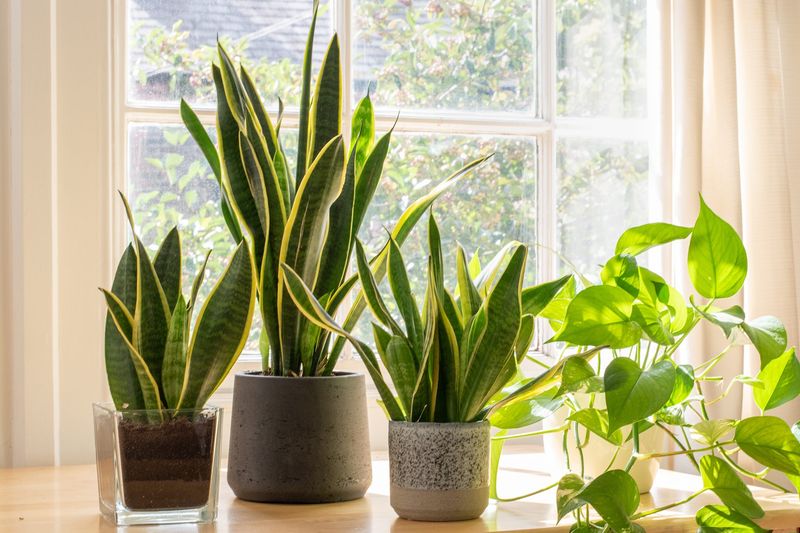
Few plants are as tough and easygoing as the Snake Plant. It has been a household favorite for decades, and once you learn why, it is easy to see why people keep coming back to it. The Snake Plant is practically built for Texas living.
These plants thrive in bright, sunny spots, which Texas homes have in abundance. Place one near a south- or west-facing window and watch it flourish without much effort on your part. The upright, sword-shaped leaves add a clean, modern look to any room.
One of the best things about Snake Plants is how little water they need. In fact, overwatering is the most common mistake people make with them. Let the soil dry out completely between waterings, and your plant will be very happy.
Snake Plants are also known for their air-purifying qualities. They can help remove toxins from indoor air, which is a nice bonus on top of their good looks. They do this quietly in the corner without asking for much attention.
If you have a busy schedule or tend to forget about your plants, the Snake Plant is a great match. It can handle missed waterings, inconsistent light, and even some neglect without losing its good looks. That kind of resilience is rare.
For Texas homeowners who want a low-maintenance plant that still looks sharp, the Snake Plant checks every box. It is affordable, widely available, and nearly impossible to mess up. Start here if you are new to indoor plants.
2. Aloe Vera
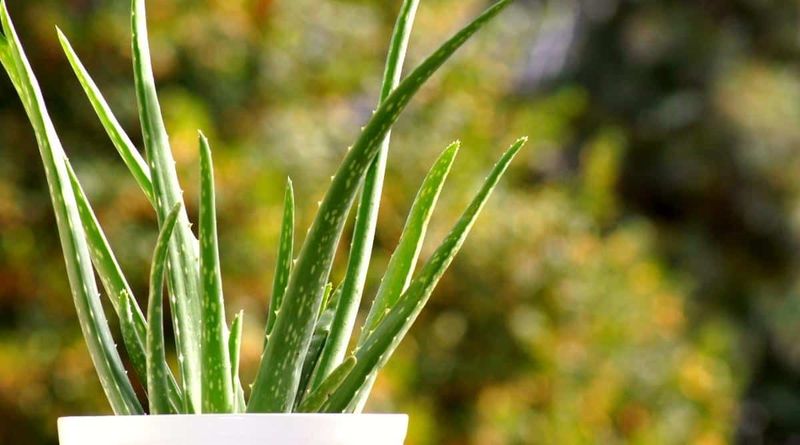
Aloe Vera is one of those plants that earns its place in your home twice over. First, it looks great on a sunny windowsill.
Second, it has real practical uses that make it more than just a pretty face. Texans have been growing Aloe Vera for generations, and for good reason.
This plant absolutely loves direct sunlight and warm temperatures, two things Texas delivers in generous amounts. A south-facing window is the perfect home for an Aloe plant. Give it plenty of sun and well-draining soil, and it will reward you with thick, healthy leaves.
Watering Aloe Vera is simple. Water it deeply, then let the soil dry out completely before watering again.
During the hot Texas summers, you might water it slightly more often, but always check the soil first to avoid overdoing it.
The gel inside Aloe Vera leaves is well known for soothing minor burns and skin irritations. Many Texas families keep an Aloe plant in the kitchen for exactly this reason. It is like having a small first-aid kit growing on your counter.
Aloe Vera also does well in containers, which makes it easy to move around your home to follow the best light. It does not need a huge pot to thrive, so it fits nicely on shelves, counters, or windowsills without taking up too much space.
Whether you want a useful plant or simply a beautiful one, Aloe Vera delivers on both fronts. It is one of the most rewarding choices for any Texas home.
3. Jade Plant (Crassula Ovata)
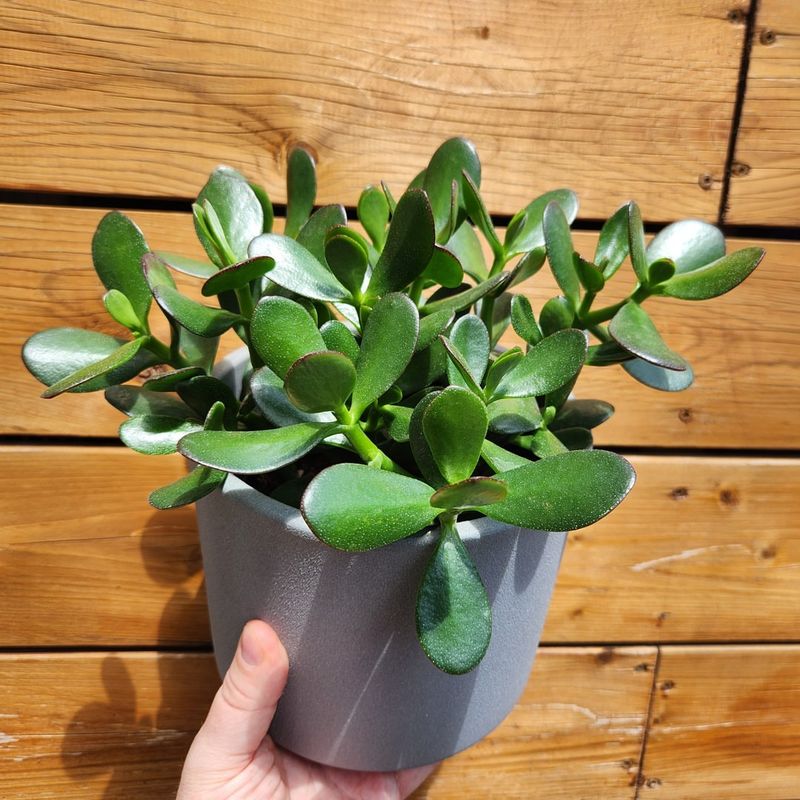
There is something almost timeless about a Jade Plant sitting on a sunny shelf. With its thick, glossy leaves and sturdy trunk-like stem, it looks like a miniature tree.
In many cultures, the Jade Plant is considered a symbol of good luck and prosperity, which makes it an even more welcome addition to any Texas home.
Jade Plants prefer bright light and can handle several hours of direct sun each day. A south- or east-facing window in a Texas home is an ideal spot.
The more light they get, the better their leaves look, often developing a slight reddish tint along the edges when exposed to strong sunlight.
One of the best qualities of the Jade Plant is its forgiving nature when it comes to watering. The thick leaves store water, so if you miss a watering session here and there, the plant handles it just fine. Water it thoroughly, then let the soil dry out before watering again.
Jade Plants grow slowly, which means they stay manageable and do not outgrow their pots quickly. Over time, they can become impressive statement plants that last for many years. Some Jade Plants are passed down through families like heirlooms.
They prefer temperatures that are warm and consistent, which makes the climate inside most Texas homes a natural fit. Avoid placing them near air conditioning vents, as cold drafts can stress the plant.
For anyone looking for a beautiful, low-fuss plant with a long lifespan, the Jade Plant is a fantastic choice for Texas living.
4. Croton
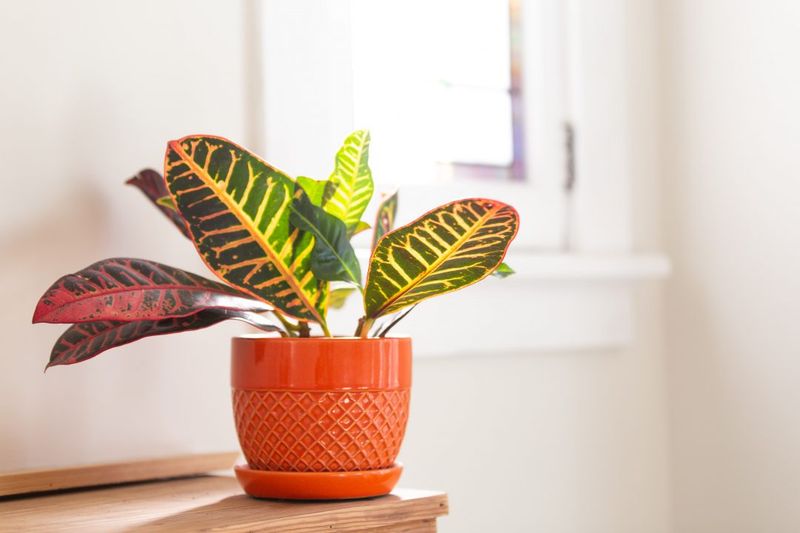
Walk into a garden center and the Croton will stop you in your tracks. The leaves are painted in shades of red, orange, yellow, and green, all swirled together in wild, eye-catching patterns.
No two Croton plants look exactly alike, which makes each one feel like a one-of-a-kind piece of living art.
Strong light is the secret to keeping a Croton looking its best. Without enough sunlight, the colors fade and the plant loses its wow factor.
In a Texas home with bright, south-facing windows, a Croton can truly shine. The more sun it gets, the bolder and more saturated those gorgeous leaf colors become.
Watering a Croton requires a bit more attention than some other plants on this list. Keep the soil consistently moist but never waterlogged.
In the dry Texas heat, the air inside your home can get quite low in humidity, so misting the leaves occasionally or placing a small humidifier nearby can help the plant stay healthy.
Crotons are tropical plants, so they love warmth. Texas temperatures suit them well, especially during the long, hot summers. Just keep them away from cold drafts and air conditioning vents, which can cause leaf drop.
Did you know Crotons are related to the rubber plant? Both belong to the same family and share a love of bright conditions.
That botanical connection makes sense once you see how bold and tropical both plants look.
For Texas homeowners who want serious color and drama indoors, the Croton is one of the best choices available.
5. Hibiscus (Indoor Variety)
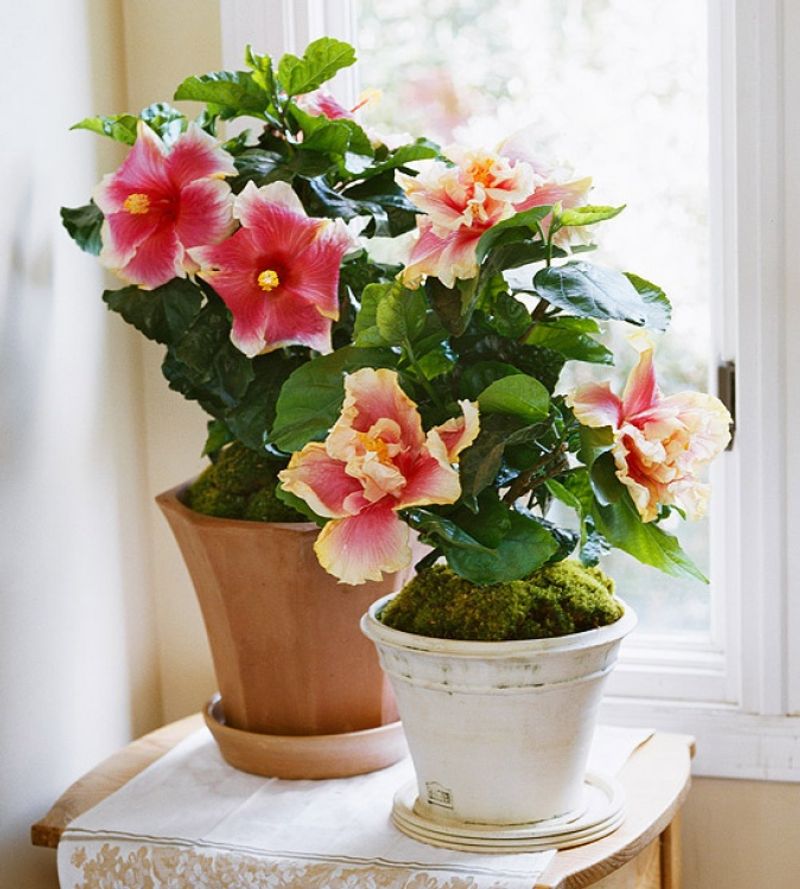
Imagine walking past your living room and seeing a burst of tropical color right there on your windowsill. That is exactly what an indoor Hibiscus can do for your Texas home.
With blooms that can stretch several inches wide in shades of red, pink, yellow, and orange, this plant brings the tropics straight to your front room.
Tropical Hibiscus varieties do very well indoors when given a bright, sunny window. In Texas, where sunlight is strong and plentiful for most of the year, an indoor Hibiscus can thrive and even produce multiple blooms at once.
A south-facing window is the prime real estate this plant is looking for. Watering is important with Hibiscus. Keep the soil evenly moist and never let it dry out completely.
During the warm Texas months, the plant may need watering more frequently. Check the top inch of soil and water when it starts to feel dry.
Feeding your Hibiscus regularly with a balanced liquid fertilizer during the growing season helps encourage more blooms. Plants that get good light and consistent nutrients tend to flower more generously. A little care goes a long way with this one.
One fun thing about indoor Hibiscus is that the flowers only last a day or two, but the plant keeps producing new ones throughout the growing season. So every morning can bring a fresh new bloom to brighten your space.
For Texas homeowners who love bold, tropical beauty indoors, a Hibiscus plant is a truly rewarding and stunning addition to any sunny room.
6. Cactus (Various Types)
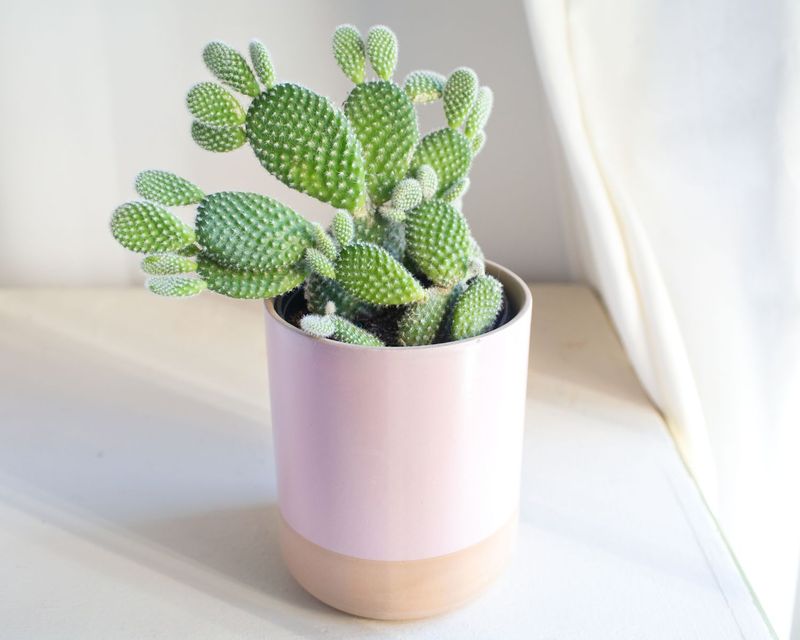
Nothing says Texas quite like a cactus. These plants are practically synonymous with the Lone Star State, and for good reason.
Cacti are perfectly designed for hot, sunny, dry conditions, which describes Texas weather for a good chunk of the year. Bringing them indoors just makes the connection even more fitting.
Most cacti absolutely love direct sunlight and will thrive near a south- or west-facing window where the sun is strong throughout the day. In Texas homes, this kind of bright, intense light is easy to find.
Give a cactus plenty of sun, and it will reward you with steady growth and sometimes even beautiful flowers.
Watering cacti is refreshingly simple. During the growing season in spring and summer, water thoroughly and then let the soil dry out completely before watering again.
In the winter months, you can cut back watering even further. Overwatering is the fastest way to run into trouble with these plants.
There are hundreds of cactus varieties to choose from, ranging from tiny barrel cacti that fit in the palm of your hand to tall columnar types that can become impressive focal points in a room.
Mixing several different varieties together on a sunny windowsill creates a beautiful, low-maintenance display.
Cacti are also incredibly long-lived plants. Some varieties can live for decades with minimal care, making them excellent investments for your home.
For anyone in Texas looking for a plant that practically takes care of itself, cacti are an obvious and excellent choice. They are rugged, beautiful, and perfectly at home in the Lone Star State.
7. Succulents (Echeveria, Haworthia, Etc.)
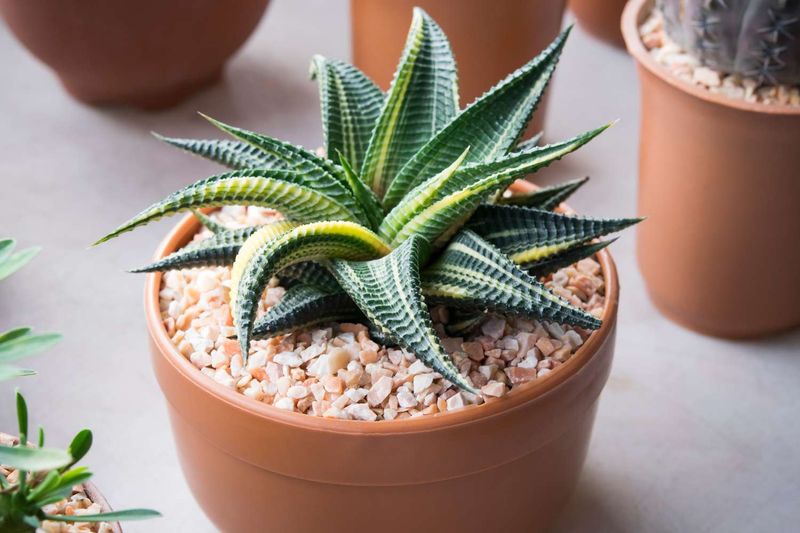
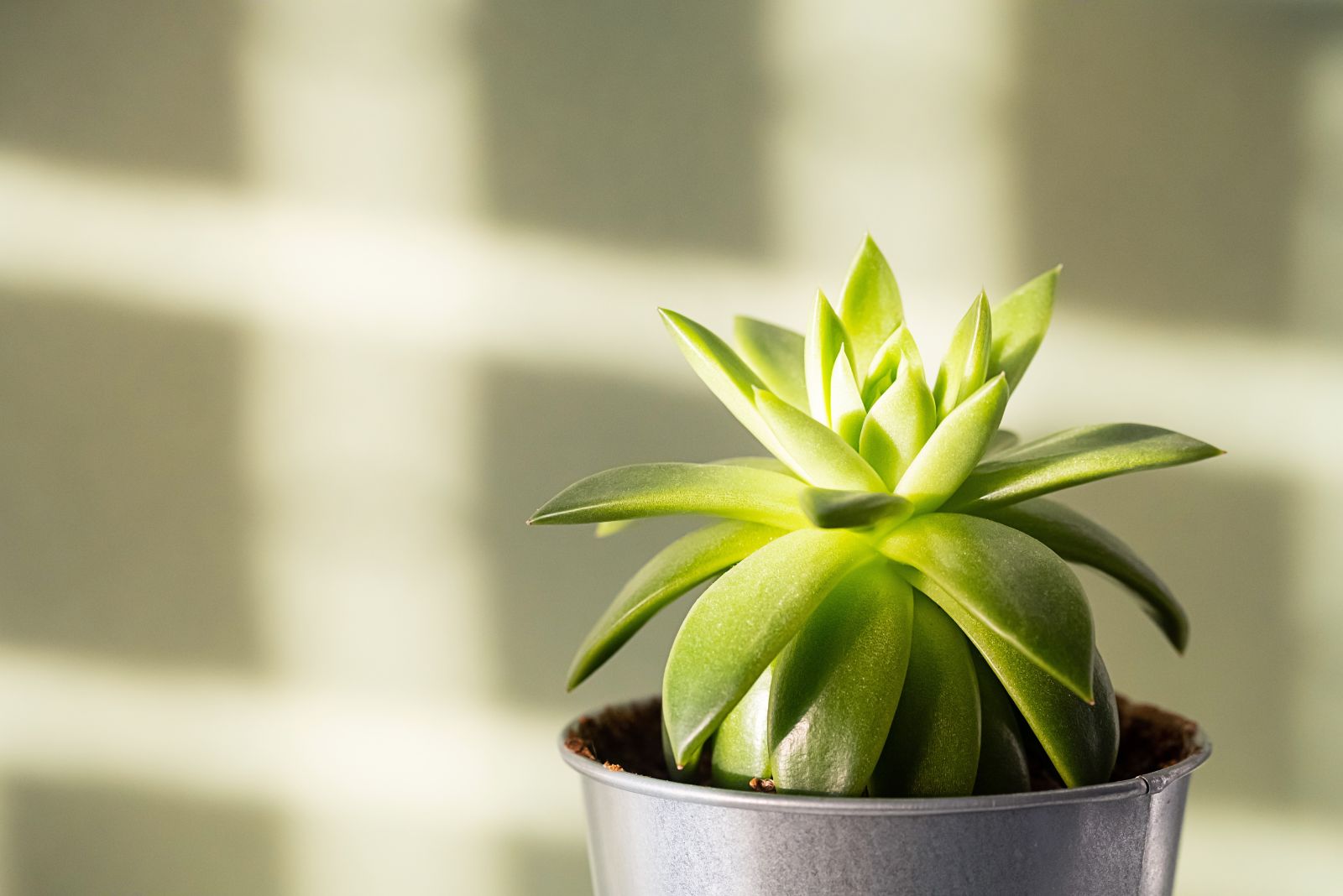
Succulents have taken the plant world by storm, and it is not hard to see why. They come in dozens of shapes, colors, and textures, from the rosette-shaped Echeveria with its dusty pink and purple leaves to the striped, architectural Haworthia that looks almost like it came from another planet.
No matter your home style, there is a succulent that fits. These plants are tailor-made for the bright, warm conditions found in Texas homes. Most succulents love several hours of direct or bright indirect sunlight each day.
A sunny windowsill in your Texas home is basically their dream home. They soak up that light and use it to stay compact, colorful, and healthy.
Watering succulents is one of the easiest parts of caring for them. Water deeply, then wait until the soil is completely dry before watering again.
In the Texas heat, this might mean watering every week or two during summer, but always let the soil guide you rather than following a strict schedule.
One of the most fun things about succulents is how easy they are to propagate. A single leaf from an Echeveria can grow into a whole new plant.
This means your collection can grow over time without spending much money, which is always a bonus.
Succulents also look stunning when grouped together in a shallow dish or tray. Mixing different varieties creates a miniature garden that adds personality and warmth to any Texas living space.
For anyone wanting beautiful, low-maintenance greenery that thrives in the Texas sun, succulents are an absolute must-have for your home.