The Best Time Of Day To Water Michigan Gardens Between August Heat And Storms
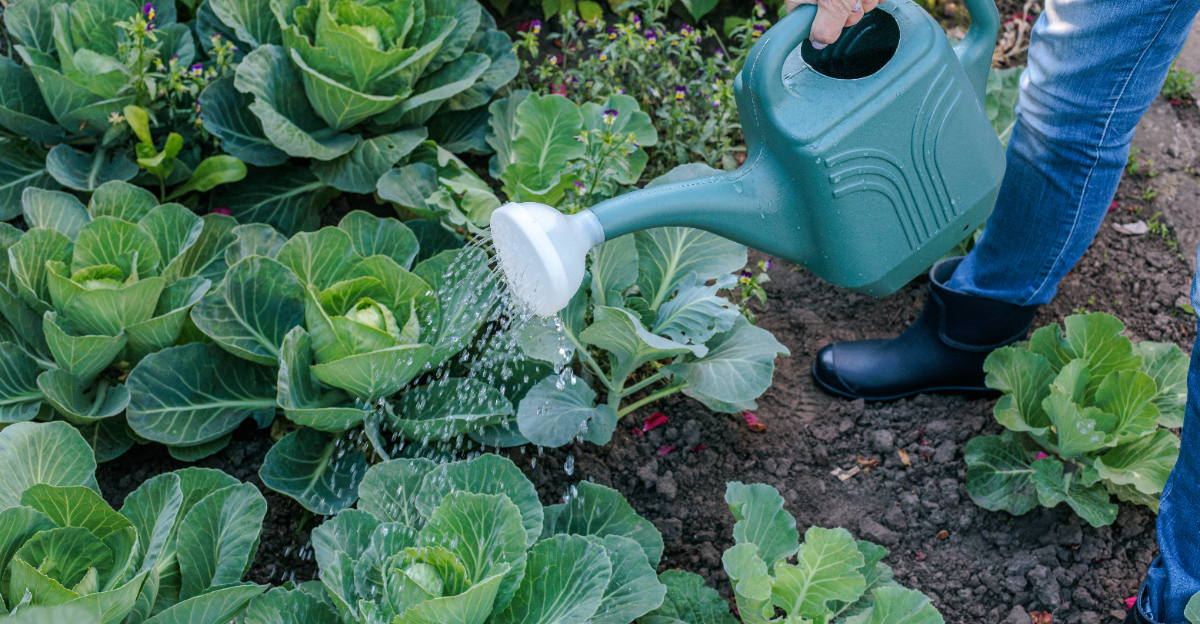
Early morning remains the best time to water Michigan gardens during August, especially with unpredictable heat and storms both in play.
Watering before sunrise or shortly after allows moisture to soak deep into soil before evaporation increases through the day.
This timing also helps plants build up reserves before intense afternoon heat puts additional stress on their systems. Evening watering can leave excess moisture sitting on leaves overnight, creating conditions that encourage fungal issues in humid August air.
Checking the forecast helps gardeners decide whether supplemental watering is even necessary before an incoming storm. Deep, less frequent watering generally works better than light daily sprinkles during this unpredictable stretch.
Mulching helps retain moisture between watering sessions, reducing stress during sudden dry spells. Sticking to a consistent morning schedule helps gardens handle whatever August throws at them next.
1. Early Morning Is The Best Overall Watering Time
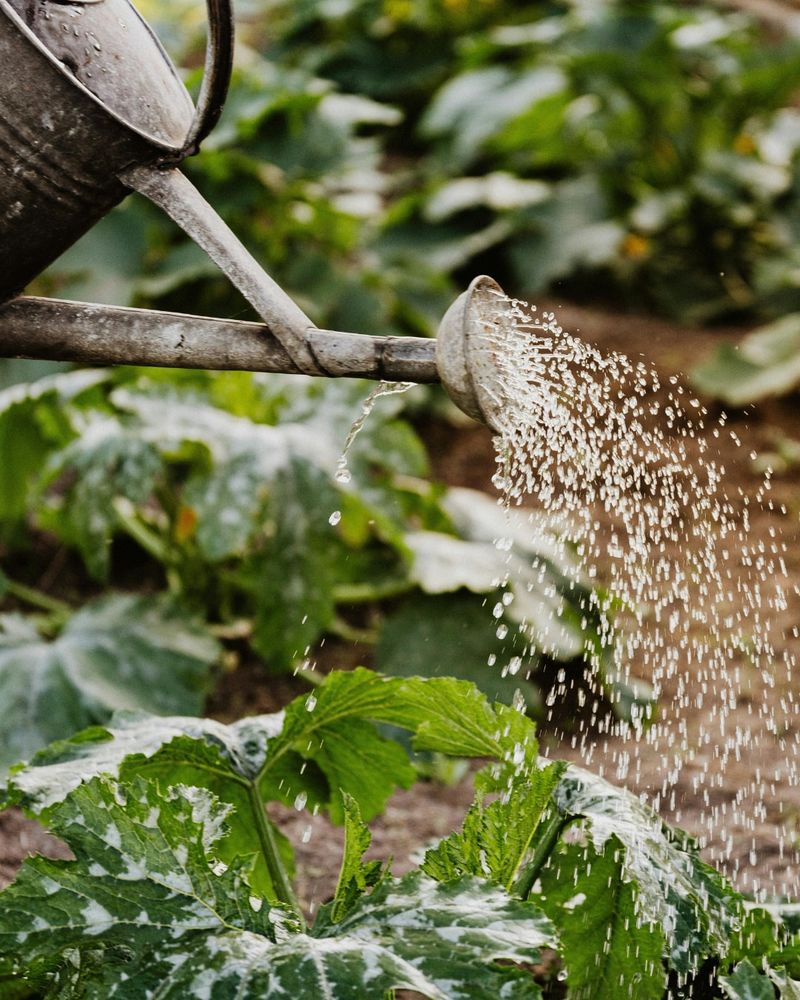
Something magical happens in a garden just after sunrise. The air is cooler, the wind is calm, and the soil is ready to soak up every drop you give it.
Watering during these quiet morning hours is hands down the smartest move you can make for your Michigan garden in August.
Cooler morning temperatures mean water evaporates much more slowly from the soil surface. That gives moisture a real chance to travel down into the root zone before afternoon heat ramps up plant demand.
Vegetables, flowers, herbs, shrubs, and newly planted perennials all benefit from that slow, steady absorption happening before the sun gets intense.
Another big bonus is foliage safety. If your hose accidentally sprays leaves during watering, morning gives those leaves most of the day to dry out completely.
Wet leaves sitting through a hot afternoon are far less problematic than wet leaves sitting through a cool, humid night.
One thing worth mentioning is that no single clock time works perfectly for every Michigan gardener. Sunrise shifts throughout August, shade patterns change across different yards, and household schedules vary widely.
Some gardeners head out at 6 a.m., while others manage closer to 8 or 9 a.m. and still get solid results.
The real goal is simple: get water to the roots while temperatures are low and evaporation is minimal. Morning watering consistently checks both of those boxes.
Starting this habit now can make a noticeable difference in how your garden handles August heat week after week.
2. Check The Soil Before Watering Ahead Of A Storm
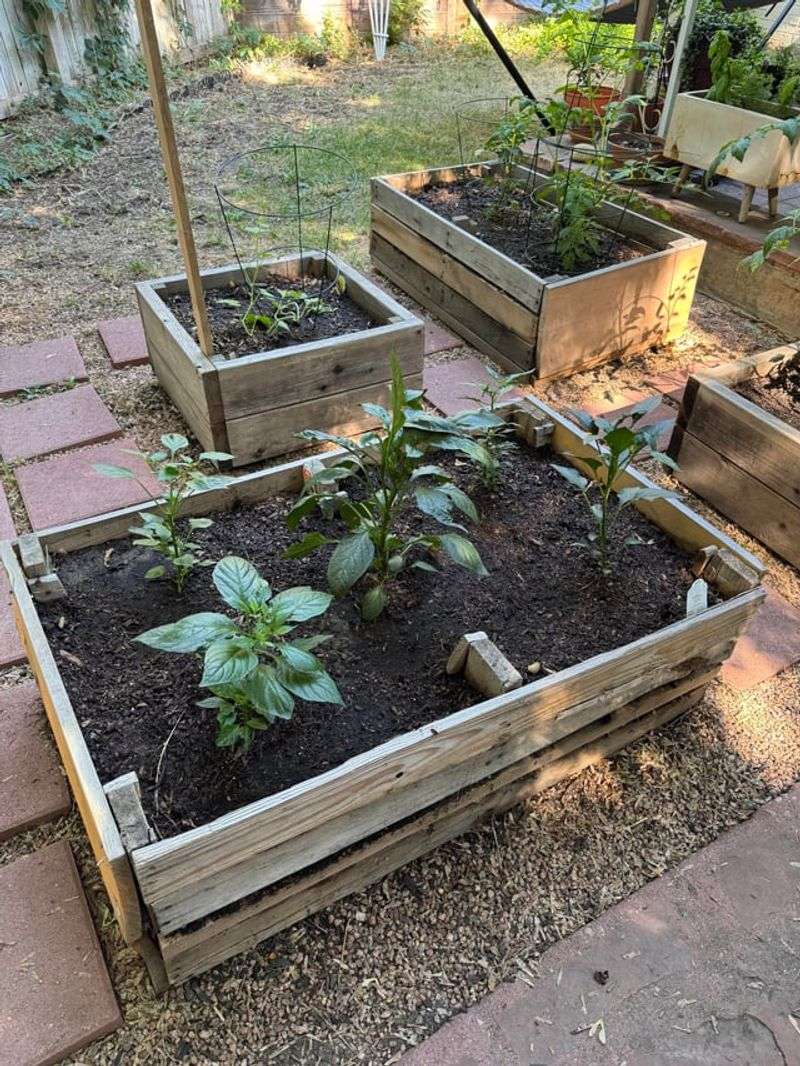
A storm is rolling in, and you figure your garden is about to get a good drink. So why bother watering? Actually, that assumption can lead you in the wrong direction more often than you might expect.
Michigan thunderstorms are notoriously unpredictable. A storm that looks impressive on radar can split, weaken, or track just north or south of your property.
Meanwhile, your garden soil may already be bone dry at root level while the sky looks threatening overhead. Skipping irrigation based on a forecast alone can leave plants stressed through the heat of the day.
Before deciding whether to water, press your finger or a screwdriver several inches into the soil in more than one spot across the bed. If the soil feels dry at depth where active roots are working, morning watering is still worth doing.
Your Michigan Garden Changes Every Week. Your Plan Should Too.
Gardening in Michigan changes quickly throughout the season. Every Friday you’ll receive a simple weekly plan showing exactly what to plant, prune, fertilize, harvest, and protect so you never miss the right timing.
Dry soil around growing roots is a real problem that a forecast cannot fix.
On the flip side, if your soil already feels evenly moist a few inches down, waiting makes sense. Clay soil especially can become oversaturated when a storm delivers significant rain on top of a fresh irrigation.
Waterlogged clay restricts oxygen around roots, which creates its own set of problems. The simple habit of checking before watering puts you in control of the situation.
It takes less than two minutes and prevents both under-watering and over-watering. Soil does not lie, and that quick finger test is more reliable than any weather app forecast you will find on your phone.
3. Measure Storm Rain Rather Than Guessing
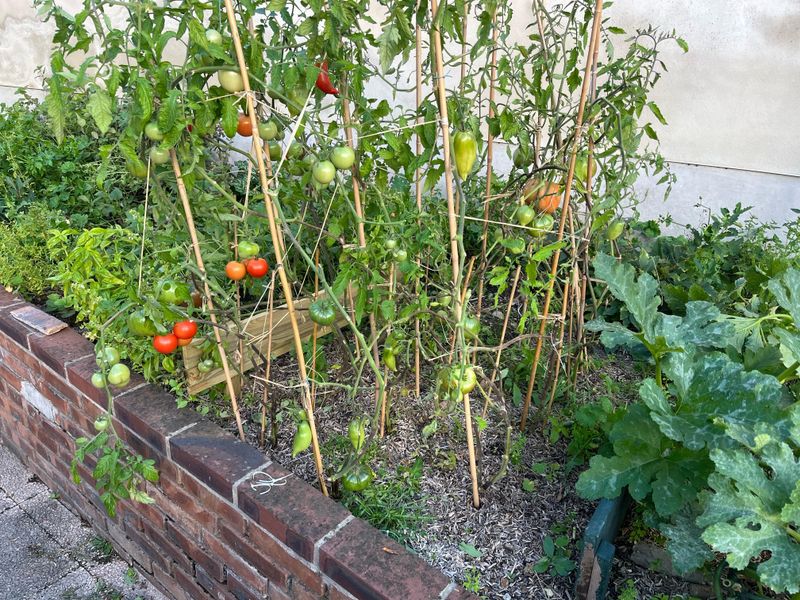
A thunderstorm crashes through your neighborhood, lightning flashes, and rain pounds the roof for twenty solid minutes. It feels like your garden just got a week’s worth of water.
But appearances can be surprisingly misleading when it comes to actual soil moisture.
Heavy Michigan summer rain is often highly localized. One street can receive half an inch while a neighborhood just a mile away gets barely a trace.
Even within a single yard, water distribution varies significantly. Slopes, compacted pathways, raised beds, and crusted soil surfaces can cause rain to run off quickly rather than soaking into the root zone where plants actually need it.
A rain gauge solves this problem almost instantly. Place a straight-sided container or an inexpensive gauge in an open spot away from roof overhangs and tree canopies.
After the storm passes, read the measurement and write it down. Most established vegetable gardens and perennial beds need roughly one inch of water per week during August, though sandy or clay soils change that calculation somewhat.
Even after you measure the rain, take a few minutes to check soil moisture by hand in different areas of your garden. A measured inch of rainfall does not guarantee that every root zone received the same benefit.
Thick mulch, dense plantings, and uneven ground can create dry pockets that the rain gauge simply cannot detect.
Making measurement a regular habit after every storm removes the guesswork entirely. Your garden will thank you for it with stronger growth and less weather-related stress throughout August.
4. Water Sandy Soil More Often But Avoid Wasting Water
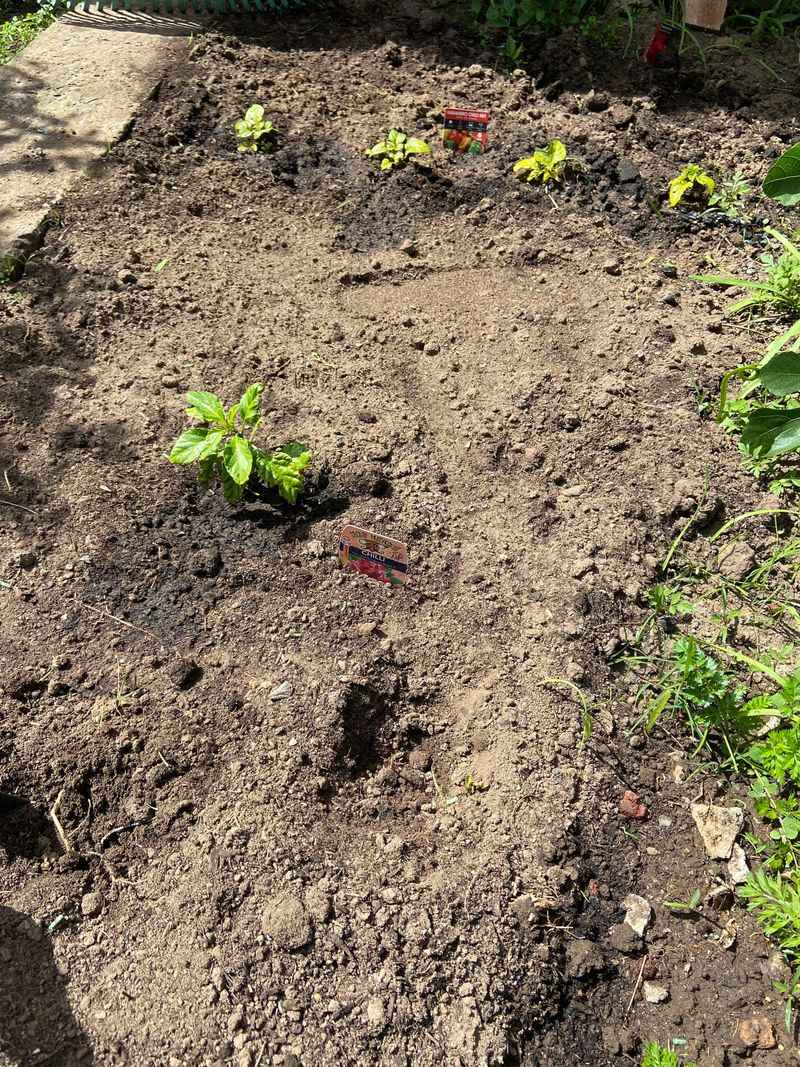
Sandy soil has a personality all its own. Water rushes into it quickly, which sounds like a great thing at first, but that same fast drainage means moisture moves beyond shallow roots surprisingly fast too.
In August heat, sandy Michigan gardens can go from moist to dry within a single day.
The key with sandy soil is frequent, moderate watering rather than long, heavy sessions. Applying too much water at once pushes moisture below the active root zone, where most plants simply cannot reach it.
That water is essentially wasted, and your plants are still thirsty an hour later despite the generous irrigation you just gave them.
Early morning is still the ideal time to water sandy beds, but plan on checking moisture levels more often during hot or windy August stretches.
A quick finger test a few inches below the surface tells you quickly whether roots are getting what they need.
Some sandy garden areas may genuinely need attention every day during a heat wave, while a cooler, cloudy week might stretch the interval to every other day.
Mulching sandy soil generously with wood chips, straw, or shredded leaves makes a remarkable difference. Mulch slows evaporation at the surface and helps the soil hold onto moisture longer between watering sessions.
Even a two or three inch layer can reduce how often you need to water.
Working with sandy soil takes a bit more attention, but understanding its rhythm makes the whole process feel manageable rather than frustrating. Consistent small adjustments keep plants healthy without wasting a drop.
5. Apply Water Slowly To Clay Soil
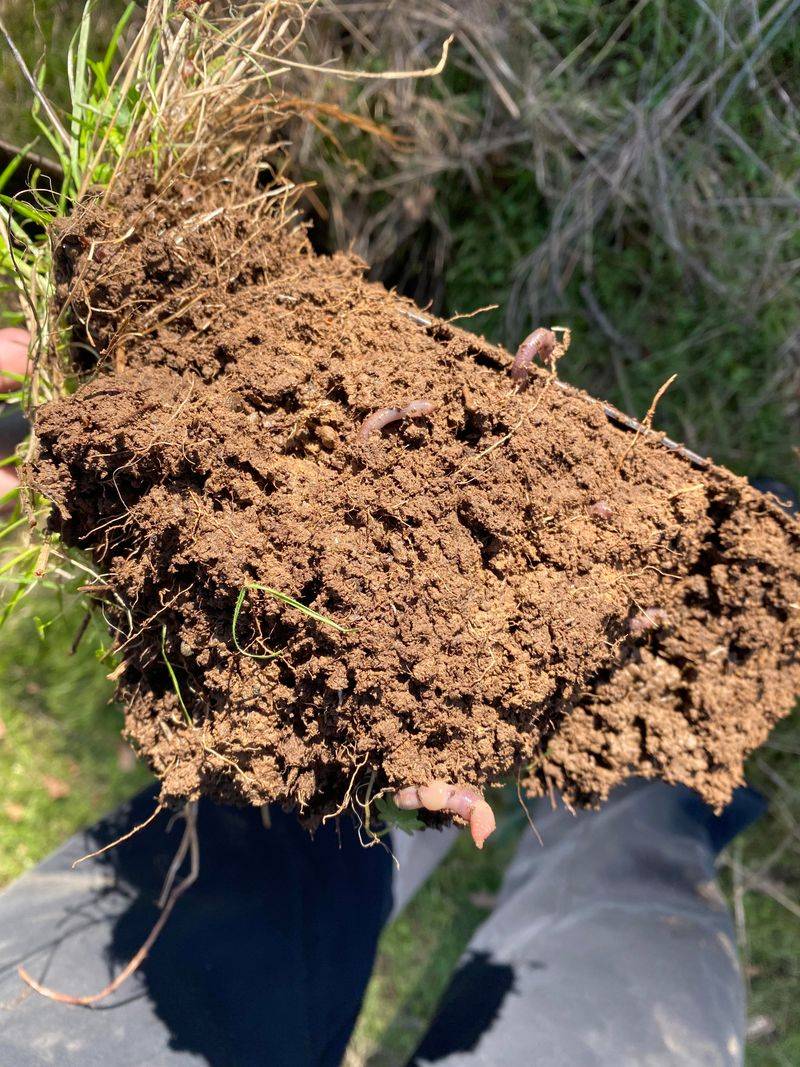
Clay soil is stubborn in the best and worst ways. It holds moisture beautifully once it is properly hydrated, but getting water to actually penetrate the surface requires patience.
Pour water on clay too fast, and it puddles on top, runs sideways into your paths, or disappears into cracks rather than soaking into the root zone.
Slow and steady is the only approach that truly works with clay. A gentle hose flow, a drip irrigation line, or a soaker hose laid along plant rows gives water time to infiltrate the soil gradually.
When you notice runoff beginning, pause the irrigation for several minutes before continuing. That brief break allows water already on the surface to soak in before you add more.
One advantage clay has over sandy soil is that it holds moisture significantly longer. During August, that means clay beds may need less frequent watering than sandy beds, even during heat waves.
The soil acts like a slow-release reservoir, keeping roots supplied between rain events and irrigation sessions.
Repeatedly watering clay that is already wet creates a different problem. Saturated clay pushes out the air pockets that plant roots depend on for oxygen.
Roots in waterlogged clay struggle to function properly, and prolonged saturation can weaken even established plants over time.
Before watering any clay bed, always check a few inches below the surface first. If the soil still feels cool and moist at depth, hold off and check again the following morning.
Clay rewards patient, observant gardeners with strong, healthy root systems that handle August heat remarkably well.
6. Give Containers Their Own Morning Inspection
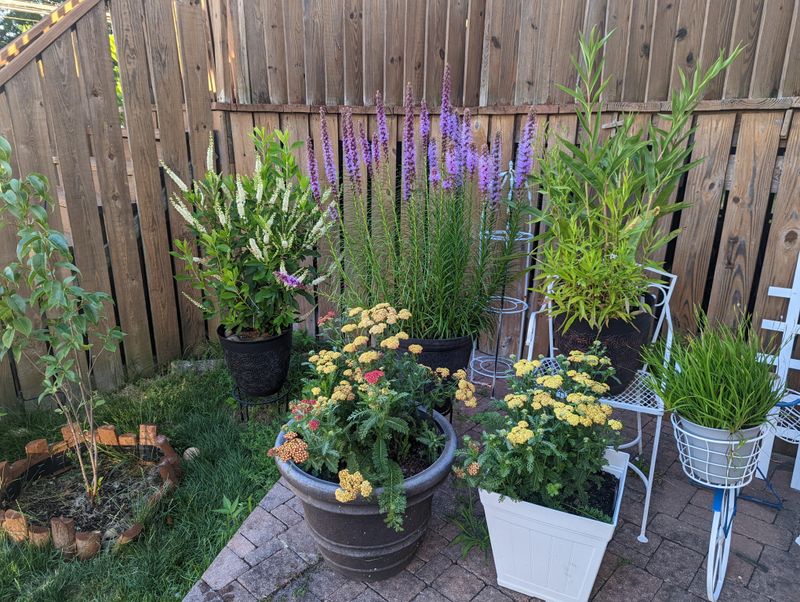
Container gardens play by completely different rules than in-ground beds, and August in Michigan makes those differences even more dramatic.
Porch pots, hanging baskets, window boxes, and fabric planters can go from perfectly moist to critically dry in just a few hours on a hot, breezy August afternoon.
The reasons containers dry so fast come down to basic physics. Limited potting mix means limited water storage.
Exposed container walls, especially dark plastic or fabric ones, absorb heat and accelerate moisture loss. Add mature root systems filling every inch of available mix, and you have a situation where water demand often outpaces supply between waterings.
Morning is the right time to inspect each container individually. Lift smaller pots to feel their weight.
A noticeably light pot is almost certainly dry at the root level. For larger containers, push a finger an inch or two into the mix and feel for moisture. Dry mix at that depth means watering is needed right away.
Not every container dries at the same rate, and that is worth remembering. A large glazed ceramic pot in full shade may stay moist for two or three days, while a small fabric planter in direct sun might need water every single morning.
Grouping containers by their sun exposure and size makes your inspection routine faster and more accurate over time.
Free drainage is non-negotiable for healthy containers. Always make sure water flows freely from drainage holes during irrigation.
Containers sitting in standing water develop root problems quickly, especially during the warm, humid conditions August regularly brings to Michigan.
7. Use Evening Water Only When Plants Cannot Wait
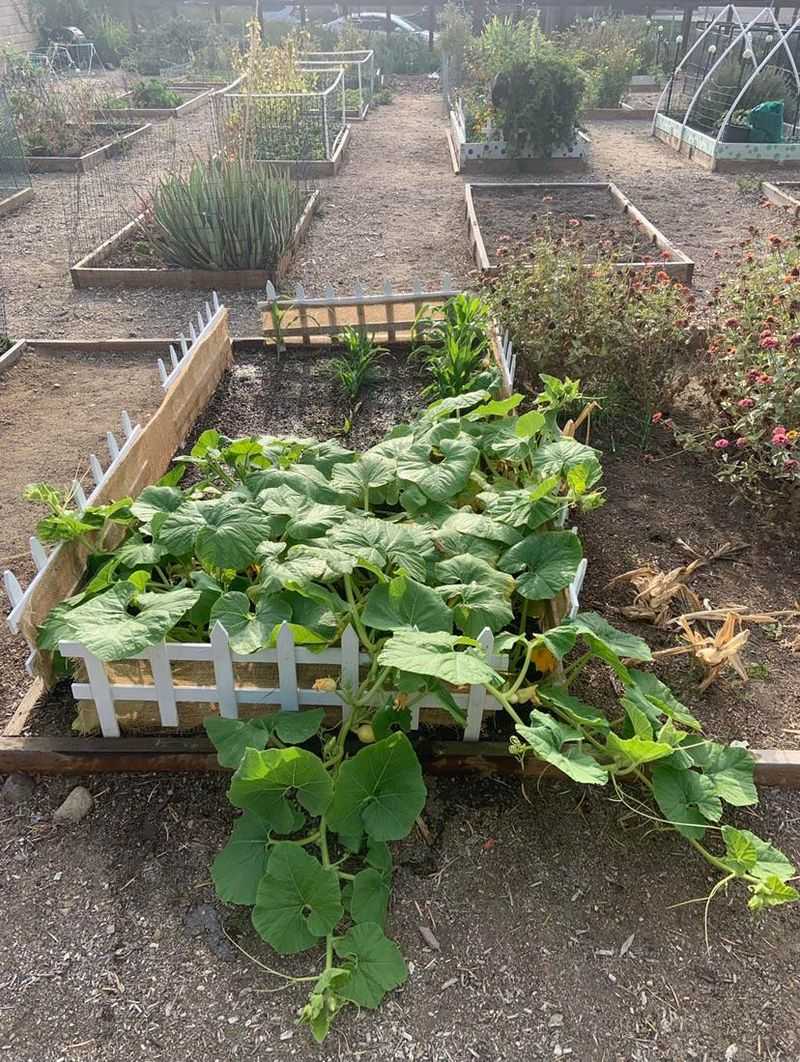
Evening watering gets a bad reputation in gardening circles, and honestly, most of that reputation is deserved. Wet foliage sitting through a cool Michigan night creates ideal conditions for fungal issues that can spread quickly across a garden.
But there are moments when waiting until morning simply is not the right call.
A plant showing genuine wilt after sunset, especially a newly planted one, is telling you something important. Newly planted perennials, shrubs, and vegetables have limited root systems that cannot draw moisture from a wide area yet.
When their small root ball dries out completely, stress builds fast. Letting that situation continue overnight is harder on the plant than the risk of evening watering.
The approach matters enormously when you do water in the evening. Direct the water to the soil at the base of the plant, not onto the foliage.
A gentle hose flow or a watering can aimed at the root zone gets moisture exactly where it needs to go without soaking leaves that will stay wet all night. Take your time and water slowly so the soil absorbs rather than runs off.
Evening watering works best as a thoughtful response to a specific plant in genuine need, not as a casual routine for the entire garden after dinner.
If you find yourself reaching for the hose every evening, that is a signal to reassess your morning watering schedule or check whether your soil needs amendment.
Plants that need occasional evening help are not a failure. Recognizing when a plant needs immediate care and responding properly is exactly what good gardening looks like in practice.
8. Water Deeply Enough To Reach Active Roots
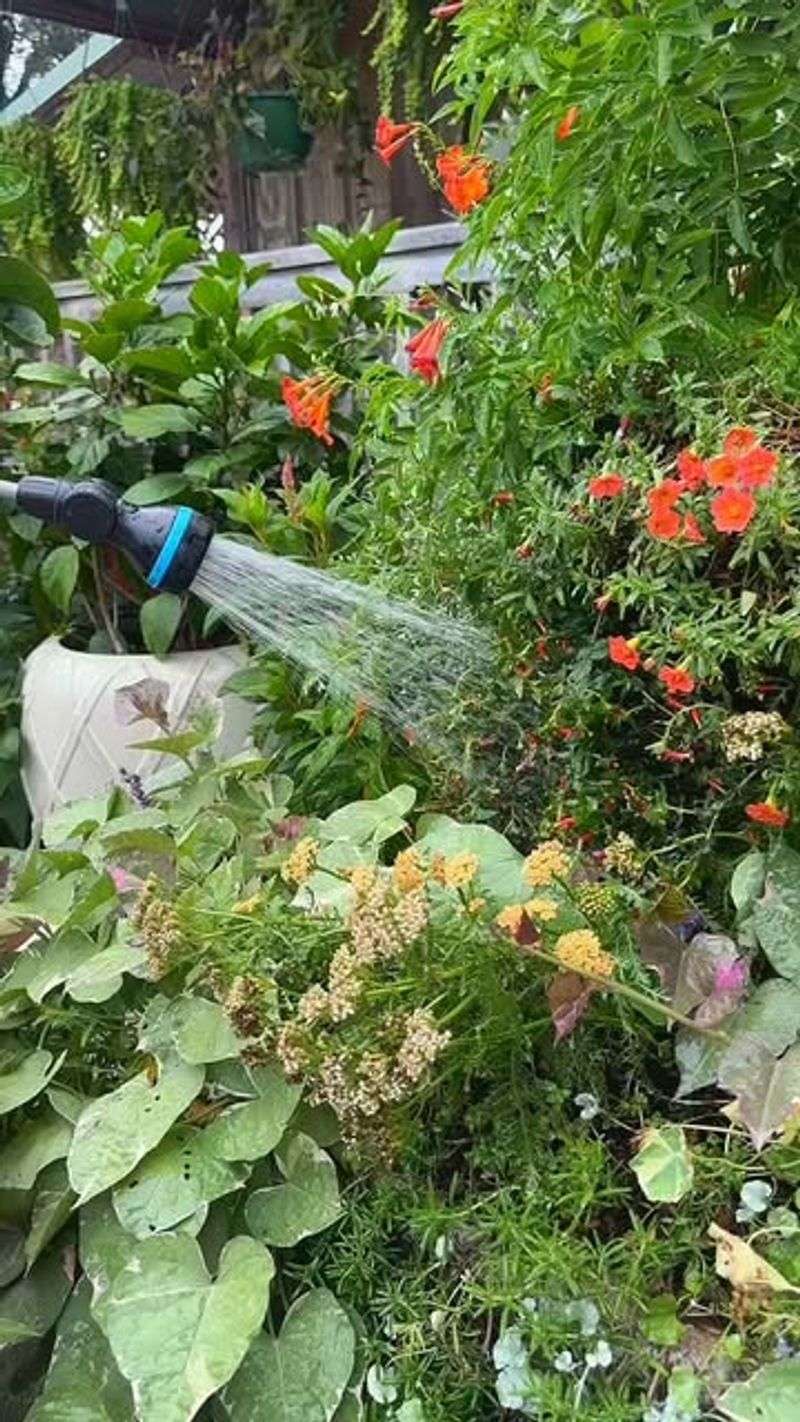
Timing your watering perfectly means nothing if the water never reaches the roots. Surface sprinkling is one of the most common watering mistakes in Michigan gardens, and August heat makes it even more problematic.
A quick spray that wets only the top inch of soil evaporates fast and leaves deeper roots completely dry.
Established vegetables like tomatoes, peppers, and zucchini push roots several inches below the surface. Perennials and shrubs go even deeper as they mature.
Reaching those roots requires applying water slowly enough that it has time to move downward rather than spreading sideways or evaporating before it penetrates. Rushing the process defeats the whole purpose.
After watering, take a trowel or your finger and check how deeply moisture actually traveled. Dig a small hole a few inches from a plant stem and feel the soil at different depths.
If the soil is moist only at the very surface, your watering session was too short or too fast. Adjust accordingly the next morning.
Frequent shallow watering also trains roots to stay near the surface, where they are far more vulnerable to heat and drought stress. Deeper, less frequent watering encourages roots to grow downward into cooler, more stable soil layers.
That root depth becomes a genuine advantage during August heat waves.
Organic mulch is your best partner in this effort. A two to three inch layer of wood chips or straw over garden beds dramatically slows evaporation and keeps soil temperatures lower.
Combined with early morning timing, measured rainfall tracking, and regular soil checks, deep watering creates an August routine that genuinely supports every plant in your Michigan garden.