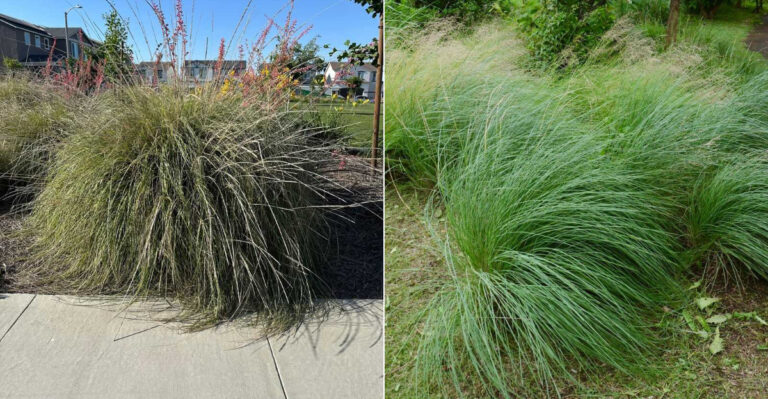
The Best Time To Divide Ornamental Grasses In California For Healthier Spring Growth
Fountain-shaped clumps that stay green through winter and slow down in summer usually belong to a cool-season crowd that often welcomes a fall split. I love how one simple clue tells California gardeners when to grab the spade.
Warm-season types run on a different clock, waiting for late spring and about three to six inches of fresh growth. Split them in cold, wet soil, and the pieces may sit and rot instead of rooting.
Between you and me, my old bread knife has spent more time in the garden than the kitchen lately. Big root balls can weigh well over fifty pounds, so bribing a friend with cookies is part of my plan.
One clue shows up as a hollow brown ring in the middle, and another warning hides in tiny teeth along each blade. Which tired clump in your yard is ready for a fresh start?
That Hollow Center In Your Grass Clump Is Asking For Something
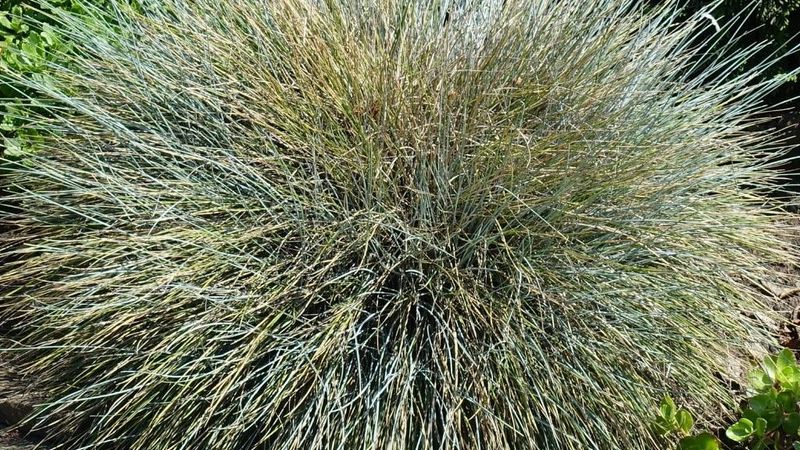
Gardeners call it the donut effect, and once you see it, you can’t unsee it. The outside of the clump stays green and lively while the middle turns brown, thin, or bare.
Bunch grasses grow outward from the edges over time. The oldest crowns in the center slowly lose vigor, and the crowded roots there compete hard for water and nutrients. University of California gardening guides note that many ornamental grasses benefit from division every three to five years for this reason.
Other clues show up too. Your grass may flop open in the middle, bloom less than it used to, or spread far past the spot you gave it. A clump that once looked tidy might now look like a messy haystack.
Personally, I treat the hollow center as a calendar reminder rather than a problem. The plant isn’t failing. It is simply ready for a fresh start, and dividing it gives the young outer sections room to grow strong roots again.
Before you grab a shovel, though, you need to know one thing about your grass. Its growing season decides the best month for the job, and that detail changes everything that follows.
Warm-Season Grasses Like Muhly And Miscanthus Want A Late Spring Split
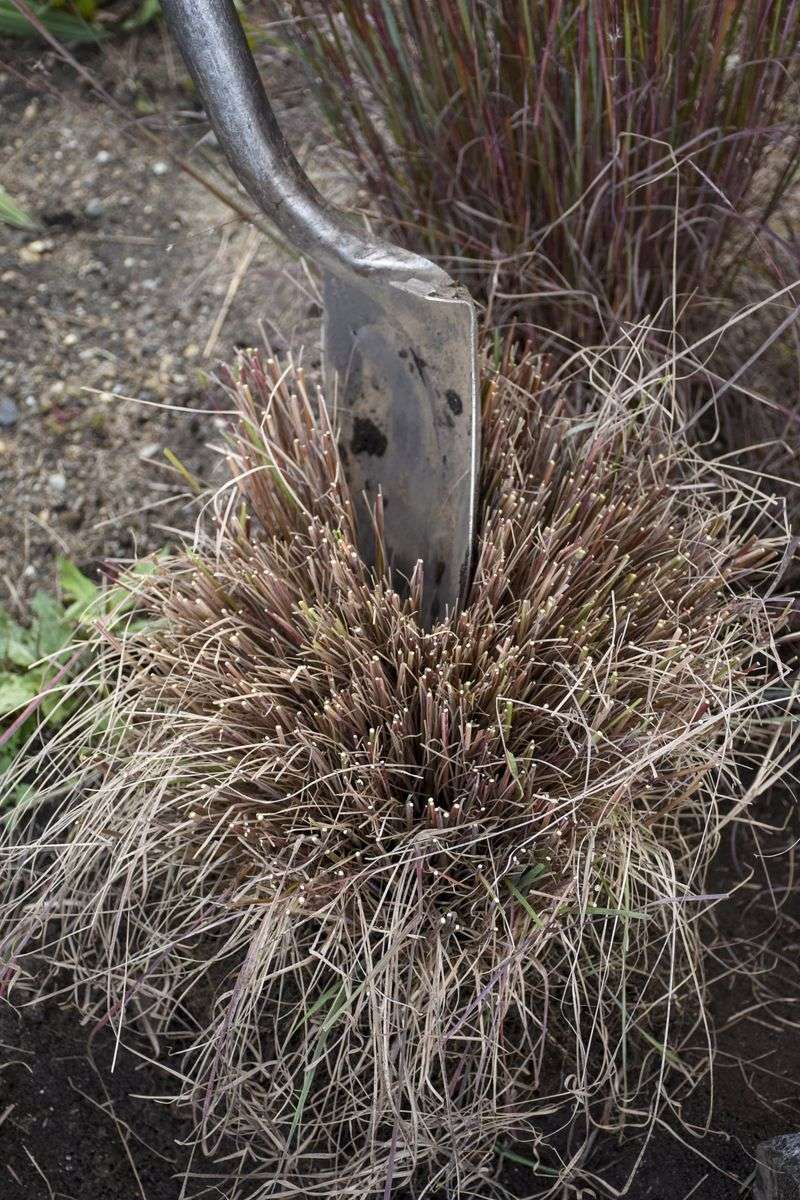
Late spring is the sweet spot for warm-season grasses, and California gardeners grow plenty of them. Think pink muhly, miscanthus, switchgrass, and many fountain grass varieties.
These plants wake up slowly. They sit fairly quiet through winter, then push out new blades once the soil warms. The best signal is roughly three to six inches of fresh green growth at the base.
Why wait for that growth? Actively growing roots heal and spread quickly, so each new division settles in fast. Split them while dormant in cold, wet soil, and the cut pieces can sit there and rot instead of rooting.
In most of the state, that window lands somewhere between April and May. Inland valleys and Southern California warm up earlier, while foggy coastal spots and mountain gardens run a few weeks later.
One quick tip saves headaches. Avoid dividing these grasses during a hot spell, especially in the Central Valley or desert areas where temperatures climb fast.
A cool, cloudy morning gives fresh divisions a gentler start. Done at the right time, your split clumps often look fuller by late summer than the original plant did.
Cool-Season Fescues And Feather Reed Grass Run On A Different Clock
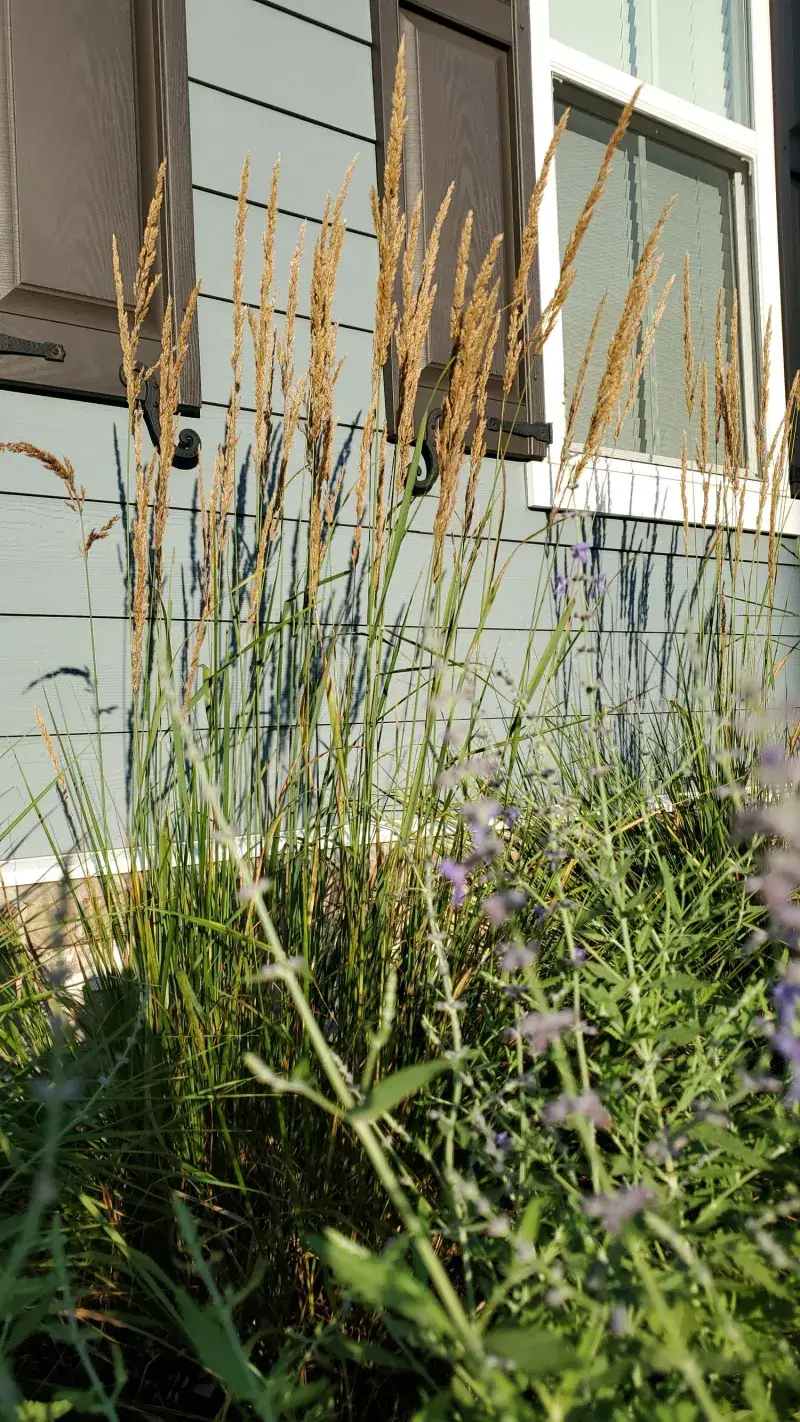
Blue fescue taught me a humbling lesson. I divided mine in June along with everything else, and it pouted through the whole summer.
Cool-season grasses grow most when temperatures are mild. That group includes blue fescue, feather reed grass, blue oat grass, and many California natives like deer grass relatives and some needlegrasses that green up with winter rains.
These plants respond best to division in early spring as new growth starts, or in fall. In much of California, fall works beautifully because the coming rains help roots settle in. Aim for at least six weeks before any hard freeze if you garden in higher elevations.
Early spring division gives cool-season grasses time to root before summer heat arrives. In hotter inland regions, finish this job by early March so plants are established before temperatures soar.
Not sure which type you have? Watch when it looks its best. If it stays green through winter and slows down in summer, you likely have a cool-season grass.
A quick look at the plant tag or a chat with a local nursery can also settle the question. Getting the type right is half the battle.
A Sharp Spade And Sturdy Gloves Make Splitting Tough Grass Roots Easier
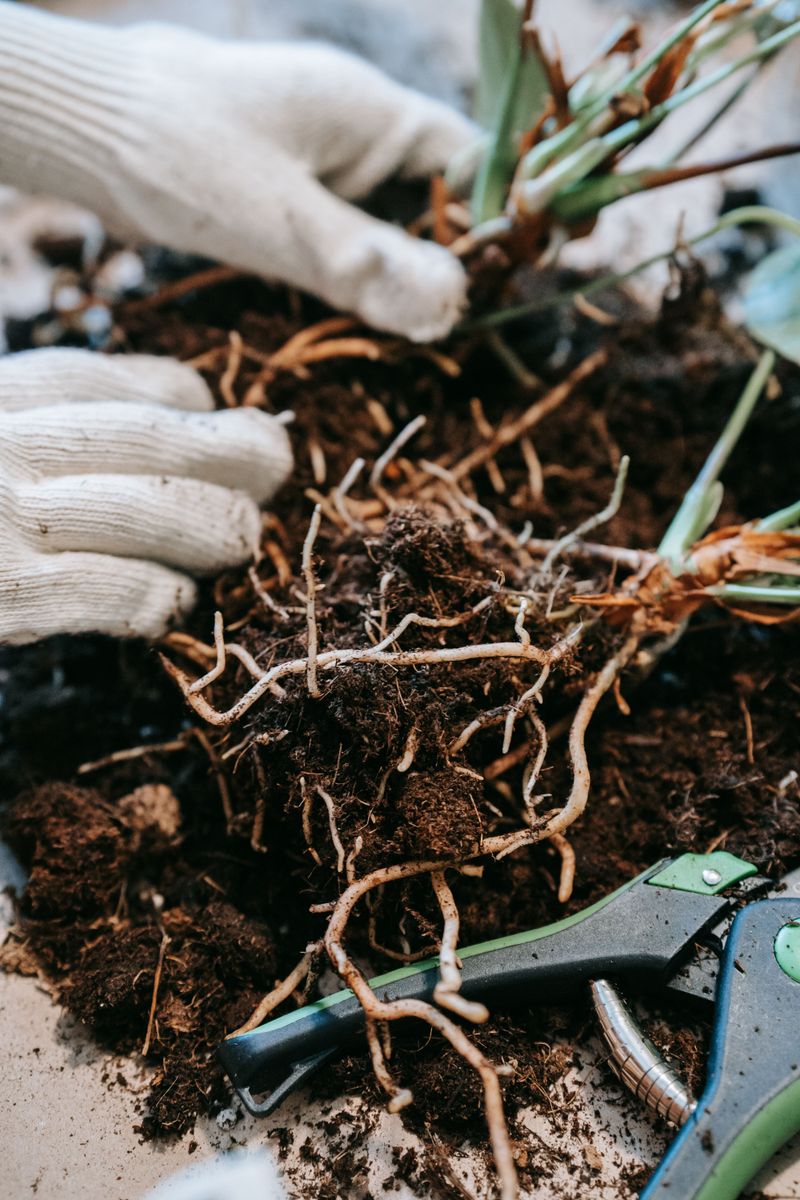
Old ornamental grass roots can feel like a tangle of steel wire. I once bent a cheap shovel trying to pry apart a five-year-old miscanthus, and I learned to bring better tools.
A sharp, flat-edged spade is your main helper. It slices cleanly through roots instead of tearing them, which helps divisions heal faster.
For really big clumps, add a pruning saw or a root saw. Plenty of gardeners swear by an old serrated bread knife for smaller grasses, and it works surprisingly well.
Protect yourself too. Many grass blades have sharp, tiny teeth along the edges that can leave paper-cut style scratches, so wear thick gloves and long sleeves.
A tarp or wheelbarrow keeps the mess contained and makes moving heavy root balls simpler. A hose nearby lets you rinse soil off roots so you can see where to cut.
Fun fact for the curious. Some large grass clumps can weigh well over fifty pounds once dug up, so ask a friend for help with the heaviest ones.
Gathering everything first means less running around and less time with roots drying in the sun.
Cut Back The Old Blades Before You Dig Up The Root Ball
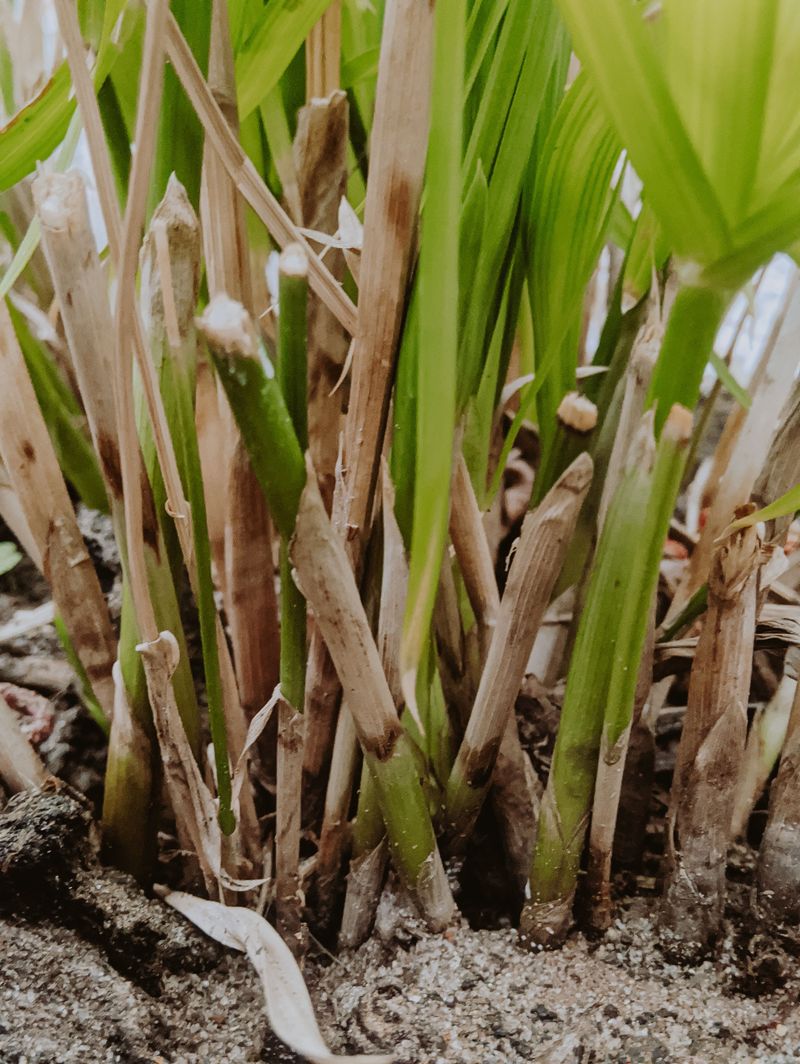
Start with a haircut. Trim the old foliage down to about four to eight inches tall, and the whole job suddenly feels manageable.
Shorter blades let you see the crown clearly. They also reduce water loss after division, since a smaller plant needs less moisture while roots recover.
Next, dig a circle around the clump a few inches out from the base. Work the spade under the root ball and lever it out of the ground.
Got a monster clump that won’t budge? You can slice sections straight off the outer edge while the plant stays in place, then fill the hole with fresh soil.
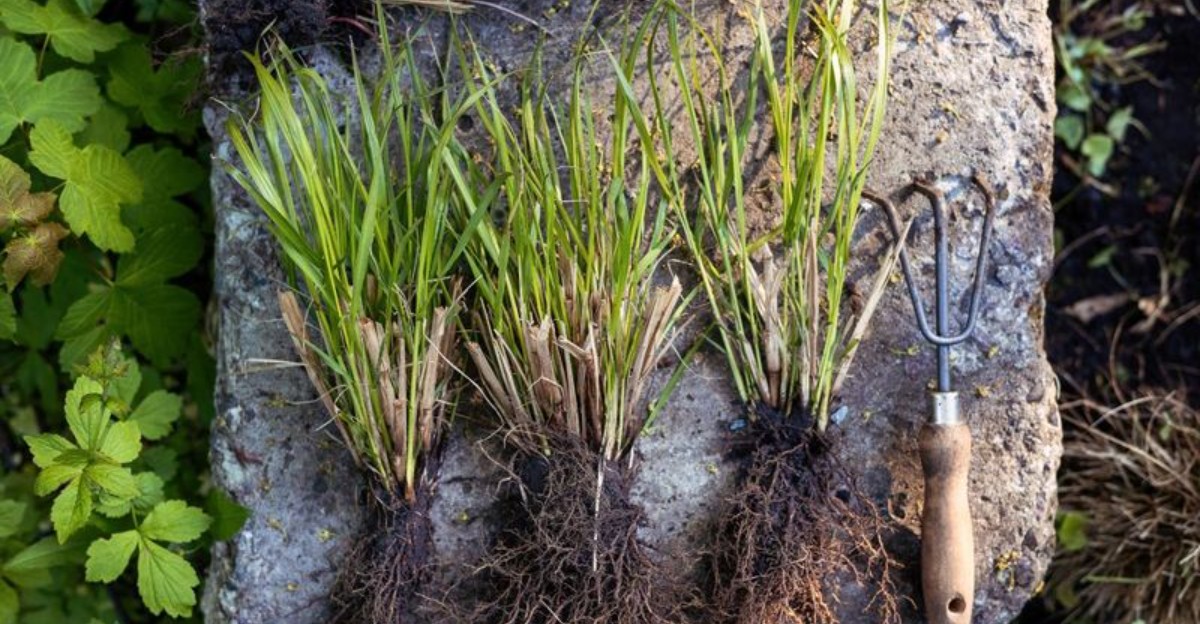
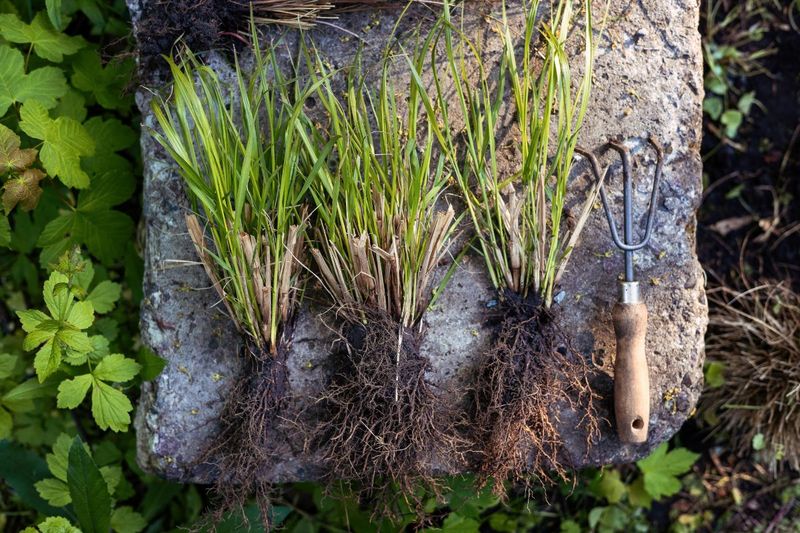
Once the root ball is out, toss the woody, hollow center. Keep the healthy outer pieces, and make sure each one has plenty of roots plus several green shoots.
Fist-sized divisions or larger usually establish best. Tiny slivers can work, but they take longer to fill in and need extra pampering.
Replant right away at the same depth the plant grew before. Setting the crown too deep invites rot, while planting too high lets roots dry out, so match that original soil line carefully.
Fresh Grass Divisions Need Steady Water And A Layer Of Mulch
Water is the secret ingredient after the cutting is done. A deep soak right after planting settles soil around the roots and removes air pockets.
For the next several weeks, keep the soil evenly moist but not soggy. New divisions have small root systems, so they can’t reach deep water yet.
California’s dry spring winds and quick warm spells can stress young plants. Check the soil every few days by poking a finger two inches down, and water when it feels dry.
Add a two to three inch layer of mulch around each plant. Shredded bark or wood chips work well and help hold moisture, cool the soil, and slow down weeds.
Keep mulch a couple of inches away from the crown, though. Piling it against the base can trap moisture and invite rot.
Skip the heavy fertilizer for now. Ornamental grasses generally need little feeding, and too much nitrogen can produce floppy growth.
Once you see fresh blades pushing up, roots are taking hold. You can then stretch out watering, which fits nicely with local water-saving rules and many drought-tolerant landscape plans.
Extra Grass Clumps Can Fill Bare Spots Or Brighten A Friend’s Yard
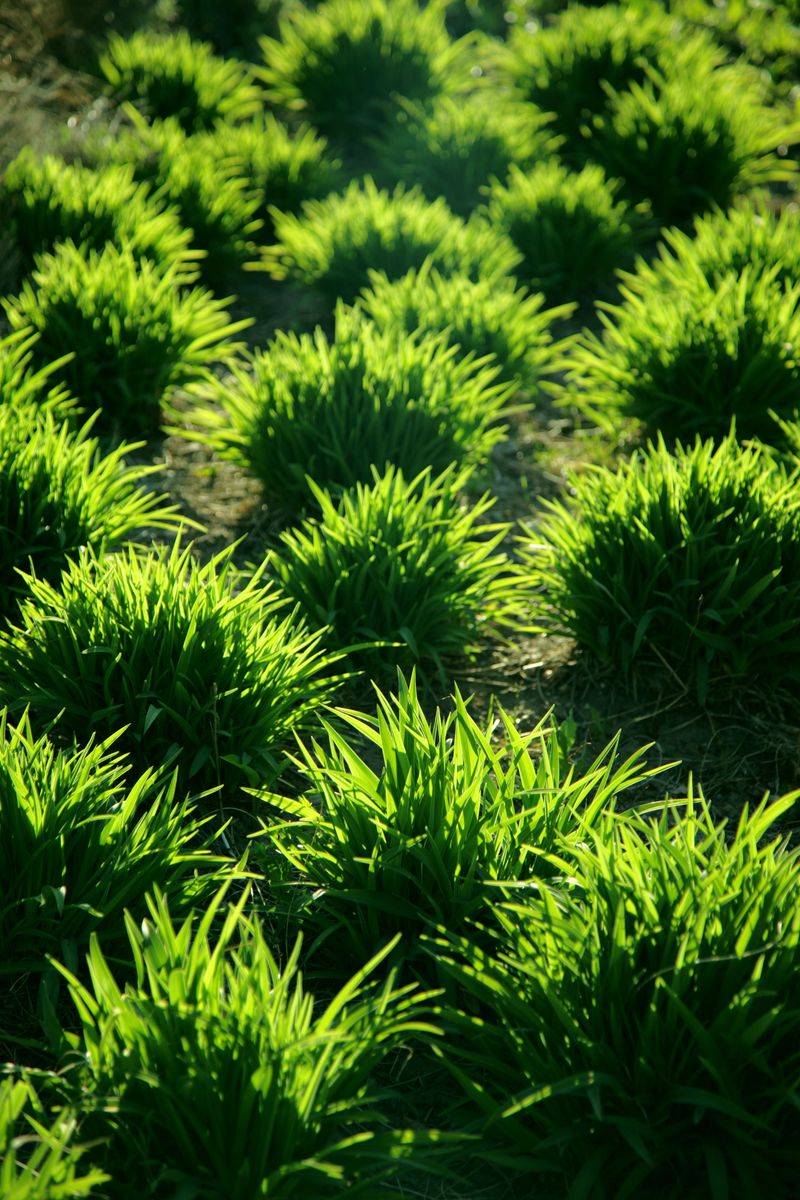
Dividing grass is a little like finding money in an old coat pocket. One tired clump can hand you three, four, or even more healthy new plants for free.
Use them to fill gaps in a border, repeat a favorite grass along a walkway, or soften a hard fence line. Repeating the same grass in groups gives a garden a calm, designed look.
Extra divisions also pot up easily. Plant them in containers with fresh potting mix, water well, and keep them in light shade for a week or two.
Then share the wealth. Neighbors, garden clubs, and plant swaps often welcome sturdy grass starts.
A quick word of caution helps here. Some grasses, like certain fountain grass and pampas grass types, spread aggressively in California and appear on invasive plant lists from the California Invasive Plant Council.
If you have one of those, consider replacing it with a native such as deer grass or California fescue instead of passing it along.
Mark your calendar for another division in three to five years. A little planning keeps your grasses full and lively for seasons to come.