The One California Grass That Naturally Keeps Gophers Out Of Garden Beds
A gopher rarely announces itself with more than a fresh mound and one mysteriously wilting plant. By the time the damage becomes obvious, tunnels may already run beneath an entire garden bed.
One California native grass has gained attention because its dense underground growth can make those routes harder to establish.
Above ground, it brings height and movement without looking like a pest-control measure.
Below the surface, its tightly packed roots create the feature that interests gardeners most.
It will not make a yard completely gopher-proof, and a single clump cannot protect every vulnerable plant.
Placement matters, particularly around bed edges and areas with frequent activity. Used thoughtfully, though, this grass can support a broader defense while fitting naturally into a water-conscious landscape.
Its real value becomes clear once you see what is happening beneath the soil.
1. Building A Tough Border Around Beds
Few plants earn their place in a garden the way deer grass does. Most borders are decorative.
This one actually works as a physical barrier that gophers find hard to deal with.
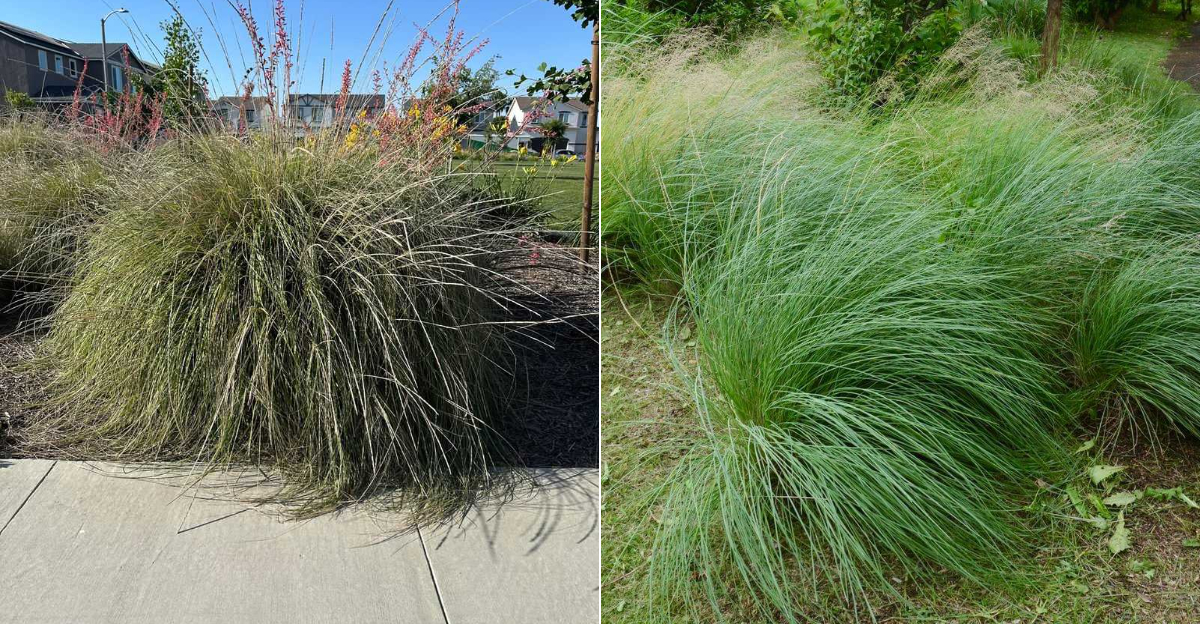
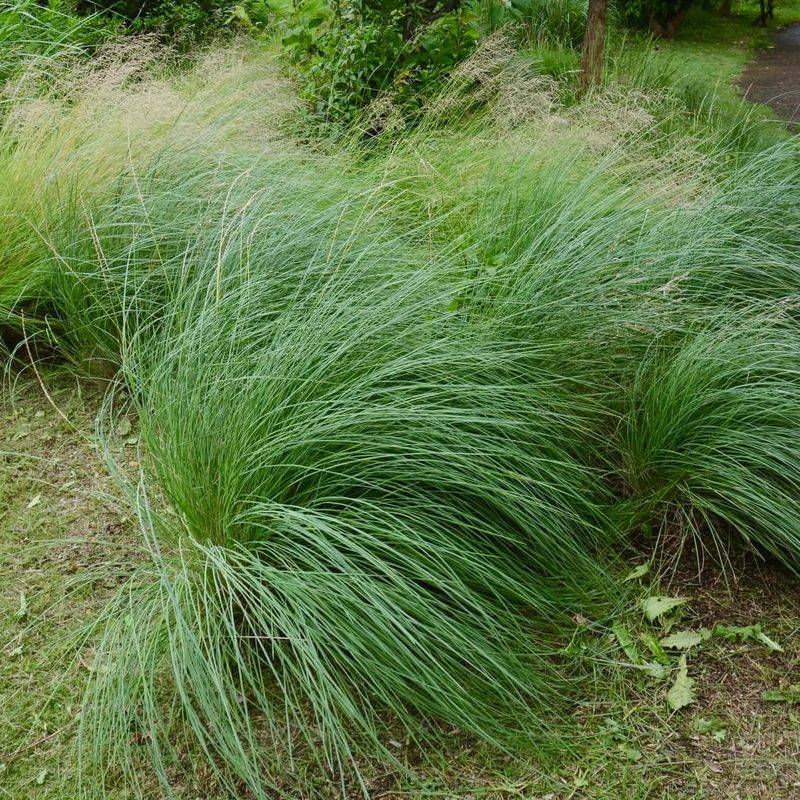
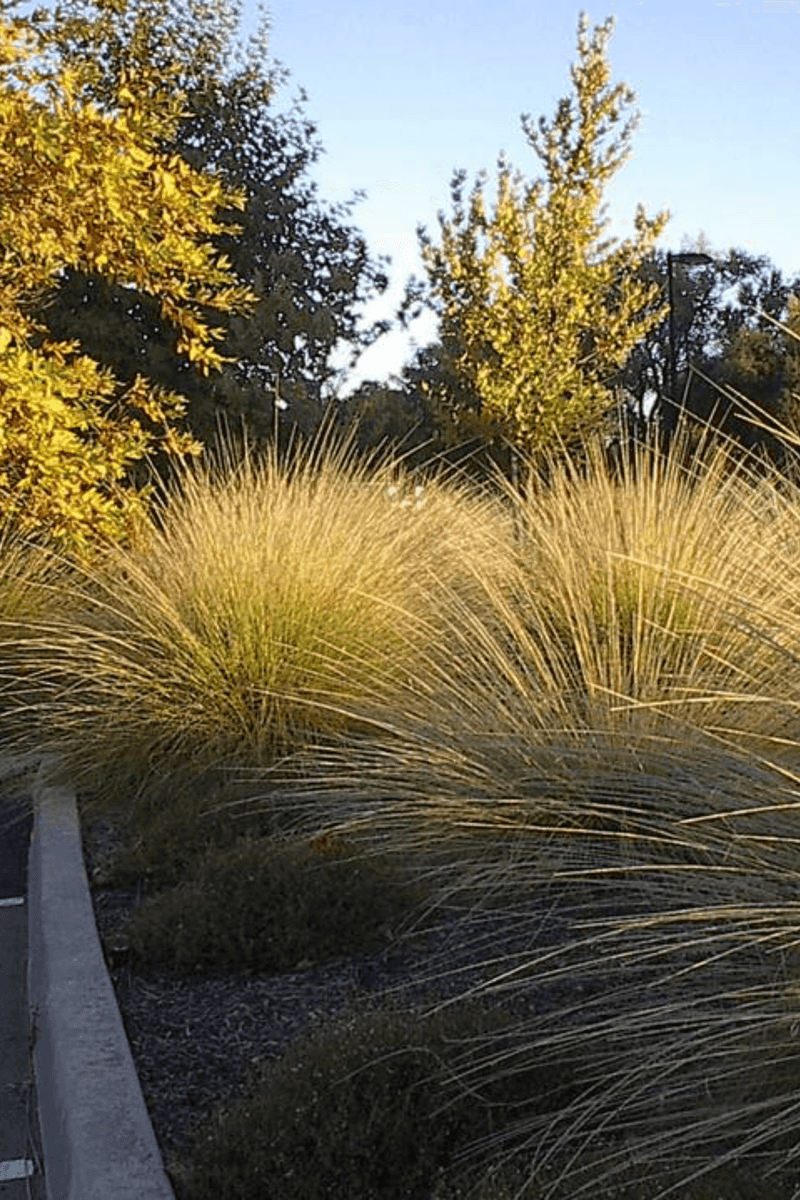
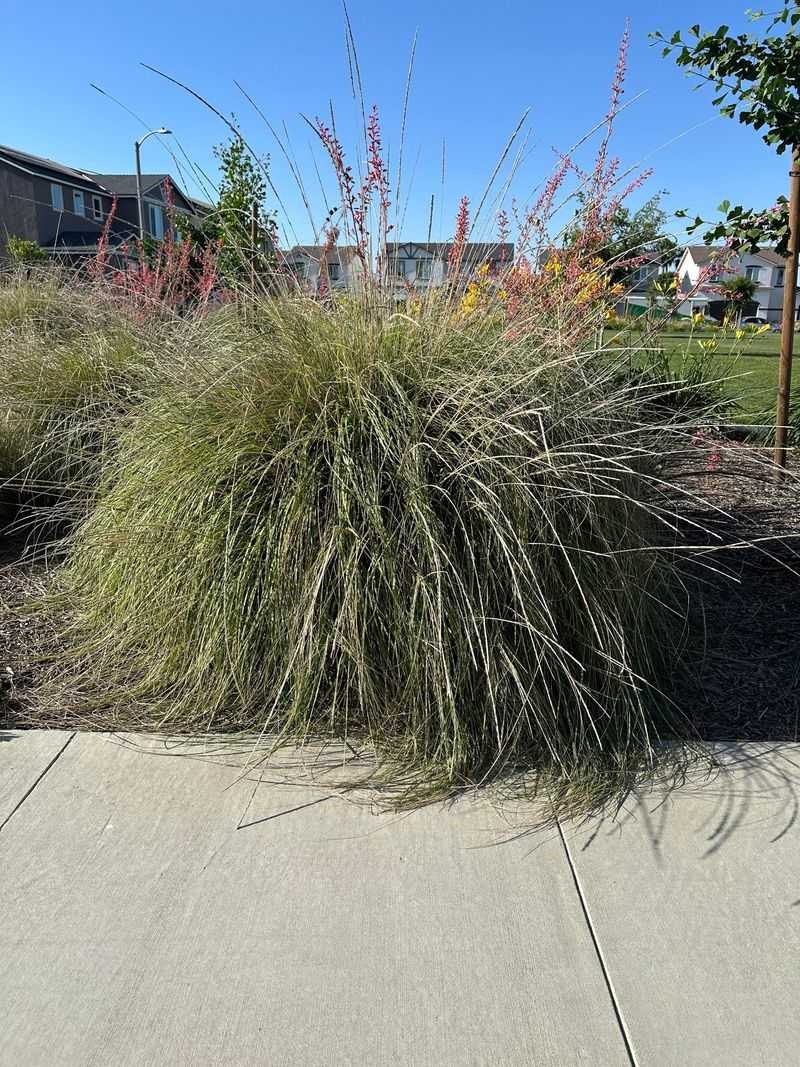
Deer grass, known scientifically as Muhlenbergia rigens, grows in large, dense clumps that can reach four to five feet wide. When planted closely along the edge of a garden bed, those clumps form a wall of sorts.
The thick base and tightly packed stems make it difficult for gophers to find a clean entry point into the softer soil behind it.
Gophers are creatures of efficiency. They follow the path of least resistance underground.
When they hit the base of a deer grass clump, they often turn around rather than push through it.
The roots go deep and spread wide, creating a zone that simply does not feel welcoming to a burrowing animal.
Planting deer grass in a continuous row around the perimeter of a bed gives you coverage without gaps. Spacing plants about two to three feet apart allows them to eventually grow together.
Once established, they form a nearly seamless line of root mass and dense growth. This setup works especially well around raised beds where gophers tend to target the softer, amended soil inside.
The border becomes both beautiful and functional at the same time.
2. Dense Roots Making Digging Less Inviting
Not all grass roots are created equal. Some are shallow and easy to push through.
Deer grass roots are something else entirely, and that difference matters a lot when gophers are involved.
The root system of Muhlenbergia rigens is fibrous, deep, and incredibly dense. When a gopher tunnels toward a clump of deer grass, it runs into a wall of tightly woven roots that resist digging.
Unlike the loose, amended soil in a garden bed, this root zone is compacted and unyielding. Gophers prefer easy digging, and this grass simply does not offer that.
Research on burrowing rodent behavior shows that these animals assess soil resistance before committing to a tunnel path. Dense root zones signal extra work with little reward.
Gophers are smart in that way. They will redirect their tunnels toward softer ground rather than fight through tough root systems.
Your California Garden Changes Every Week. Your Plan Should Too.
Gardening in California changes quickly throughout the season. Every Friday you’ll receive a simple weekly plan showing exactly what to plant, prune, fertilize, harvest, and protect so you never miss the right timing.
For gardeners, this means that placing deer grass strategically around vulnerable areas can redirect gopher traffic away from beds. The roots do not need to be a perfect barrier.
They just need to make the area less appealing than the alternatives nearby. Over time, as the clumps grow and the root systems expand, that zone of resistance gets larger and more effective.
It is a slow build, but the payoff is worth it for anyone dealing with repeat gopher problems.
3. Why Gophers Prefer Softer Garden Targets
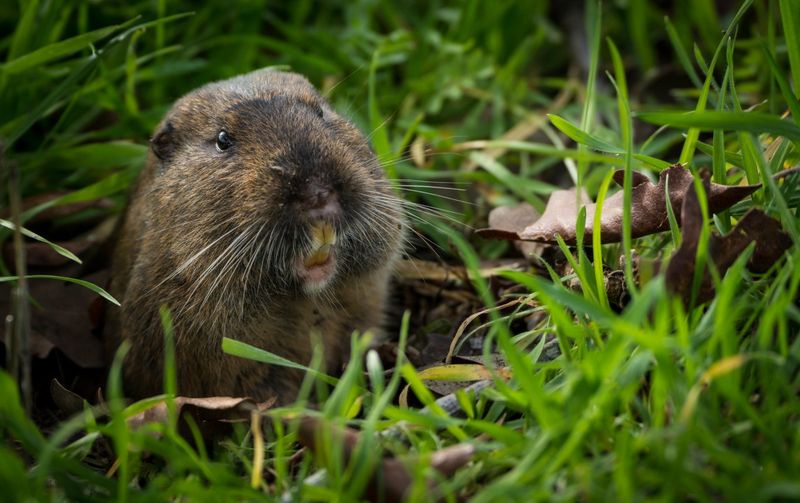
Gophers do not tunnel randomly. They are always looking for the easiest path to the best food source.
Understanding how they think helps explain why garden beds are such common targets.
Most vegetable and flower beds are filled with loose, amended soil. Gardeners add compost, peat, and other organic matter to improve drainage and root growth.
That same loose texture is exactly what makes digging easy for gophers. They can move through it quickly and efficiently while searching for roots, bulbs, and tubers to eat.
Compacted native soil is much harder for them to work through. Natural areas with established root systems, rocky layers, or heavy clay slow them down significantly.
This is part of why garden beds stand out as prime real estate in a gopher’s world. The soil is soft, the food is plentiful, and the digging is easy.
Placing deer grass around the outside of a bed introduces a zone of difficulty right at the entry point. The gopher goes from open soil to a dense root mass before it ever reaches the garden.
That friction is often enough to redirect it. Gardeners in drier parts of California have found this especially useful because deer grass thrives in those same dry conditions where gopher activity tends to be highest.
The grass is already adapted to the environment where the problem is worst.
4. Big Clumps Creating A Natural Underground Barrier
Size matters when you are trying to stop a gopher. A small, young plant will not do much.
But a fully grown deer grass clump is a different story, and it is one worth paying attention to.
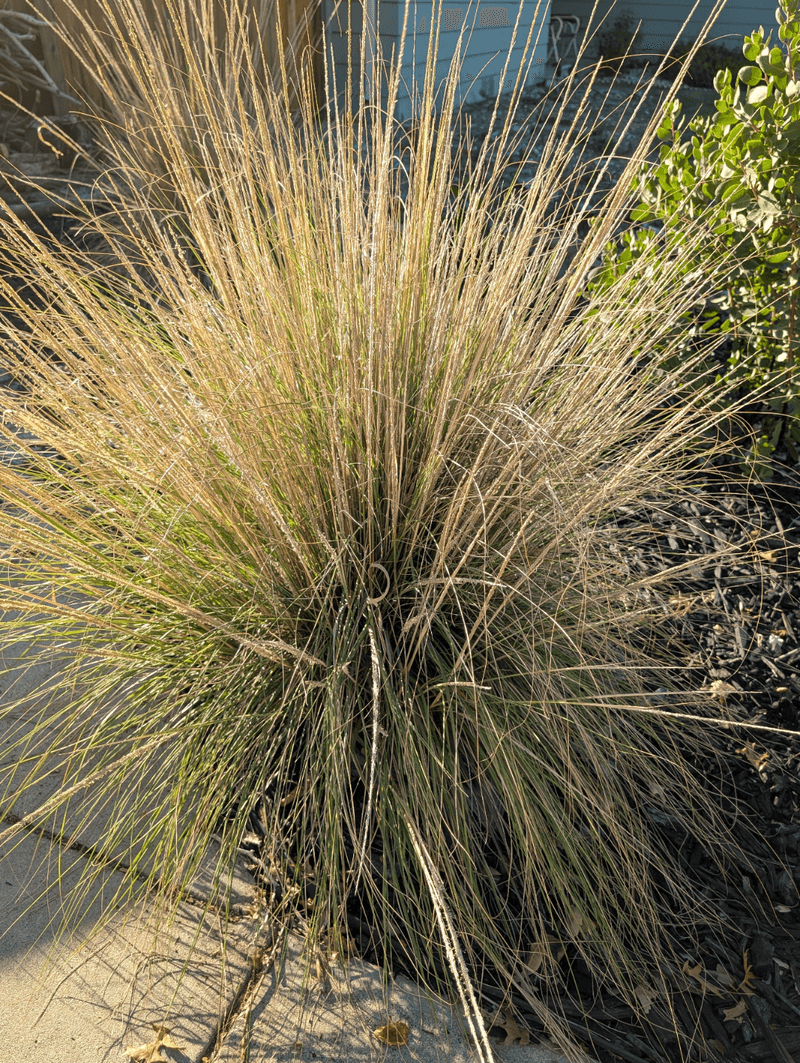
Mature deer grass clumps can grow four to five feet tall and just as wide. Below ground, the root mass mirrors that spread.
What you see above the soil is a good indicator of what is happening underneath. A wide, full clump has an equally wide and deep root system that occupies significant underground space.
When several of these mature clumps are planted near each other, their root zones eventually overlap. That creates a continuous underground layer that gophers must navigate around rather than through.
It is not a perfect wall, but it is a meaningful obstacle that changes how gophers move through the area.
Gardeners who have used deer grass as a perimeter plant for several growing seasons often report that gopher mounds appear less frequently near those established clumps. The effect builds over time as the plants mature and spread.
Starting with one-gallon or five-gallon nursery plants gives you a head start. Larger plants establish faster and begin building that root barrier sooner.
For gardeners who have been fighting gophers for years, adding a row of deer grass clumps along the most vulnerable sides of a bed can shift the dynamic in a meaningful way.
5. Placing Deer Grass Where Tunnels Usually Start
Knowing where to plant deer grass is just as important as knowing why to plant it. Gophers do not enter garden beds from random directions.
They tend to follow predictable patterns based on the landscape around them.
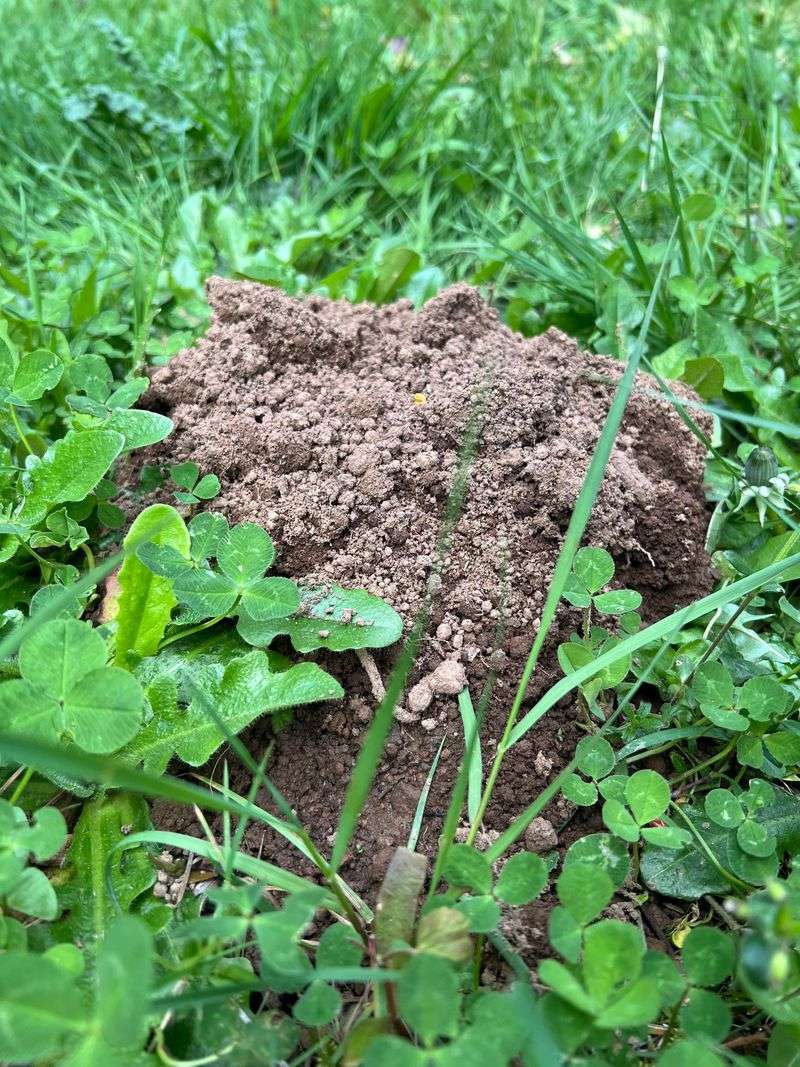
Gopher tunnels usually start from open lawn areas, weedy slopes, or unmaintained edges where the soil is easy to work and there is less foot traffic.
From those starting points, they extend tunnels outward toward food sources, which often means straight toward a garden bed.
Identifying where those entry paths likely begin gives you a starting point for placing deer grass.
Look at the areas around your bed where gopher mounds appear most often. That is where tunnel activity is concentrated.
Planting deer grass along that edge creates an obstacle right in the path of the most common approach routes. You are not guessing.
You are placing the barrier where it is most likely to intercept actual gopher movement.
In many yards, the downhill side of a bed or the edge closest to a lawn is where gopher pressure is highest. Starting your deer grass planting there and working around the perimeter over time gives you the most impact with the fewest plants.
As your budget and space allow, you can extend the planting further. This targeted approach makes the strategy more practical for gardeners who cannot plant the entire perimeter at once.
6. Giving Vegetable Beds A Tougher First Line Of Defense
Vegetable beds are almost always the first place gophers go. The combination of soft soil and edible roots makes them irresistible.
Adding deer grass around the outside gives those beds a fighting chance before any underground visitor even gets close.
Think of deer grass as the outer wall of a fort. The vegetables inside are the treasure worth protecting.
The grass does not need to stop every gopher every time. It just needs to slow them down and make the approach harder.
Most gophers will look for easier ground if the first attempt meets resistance.
Pairing deer grass with other deterrents can strengthen this first line of defense even more. Some gardeners use gopher wire under the bed in addition to the grass border on the outside.
That combination of underground mesh and dense roots on the perimeter creates a multi-layered approach that is much harder to defeat than any single method alone.
Deer grass also does not compete aggressively with vegetables for water or nutrients when planted at the right distance. Keeping the grass clumps about two feet away from the bed edge gives the roots room to spread without interfering with what is growing inside.
This balance lets both plants thrive. Vegetable gardeners in the drier parts of California have found deer grass especially useful because it needs very little water once established, making it easy to maintain alongside a productive food garden.
7. Why This Native Grass Handles California Heat Too
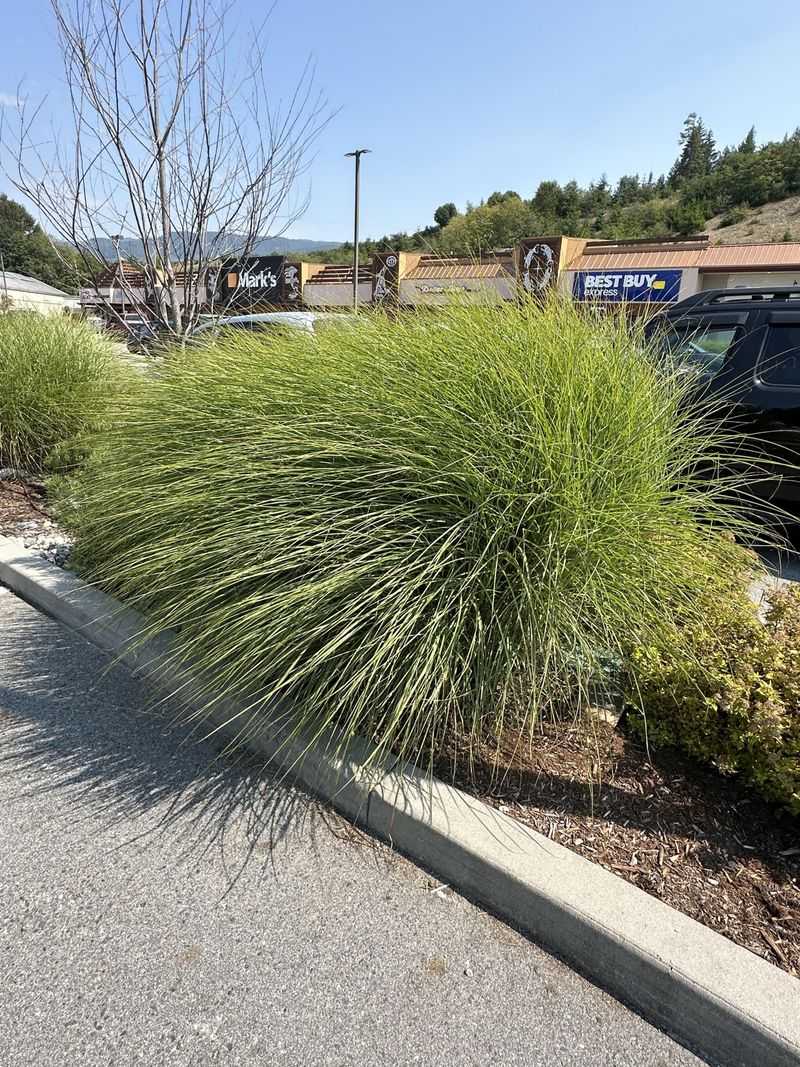
One of the biggest advantages of using deer grass as a gopher deterrent is that it actually belongs here.
This is a true California native, and that means it is built for the conditions most gardeners in this state deal with every single season.
Summers in much of California are long, dry, and hot. Many plants struggle to survive without regular irrigation.
Deer grass handles this with ease. Once established, it needs very little supplemental water.
It goes semi-dormant in the driest months and bounces back when cooler weather and rain return in fall and winter.
This drought tolerance matters for gardeners who are trying to reduce their water use. You get a plant that works hard for your garden without adding to your water bill.
That is a practical advantage that goes beyond the gopher-deterrent function. Deer grass earns its spot in the garden on multiple levels.
In northern regions of the state, deer grass also handles occasional frost without much trouble. It is adaptable across a wide range of microclimates, from coastal gardens to inland valleys.
Gardeners in hotter, drier areas like the Central Valley have used it successfully for years. The fact that it thrives in the same environments where gopher pressure tends to be worst makes it an especially well-matched solution.
You are not fighting the climate while also fighting gophers. The grass handles both challenges at once.
8. Keeping Clumps Thick Without Letting Them Crowd Plants
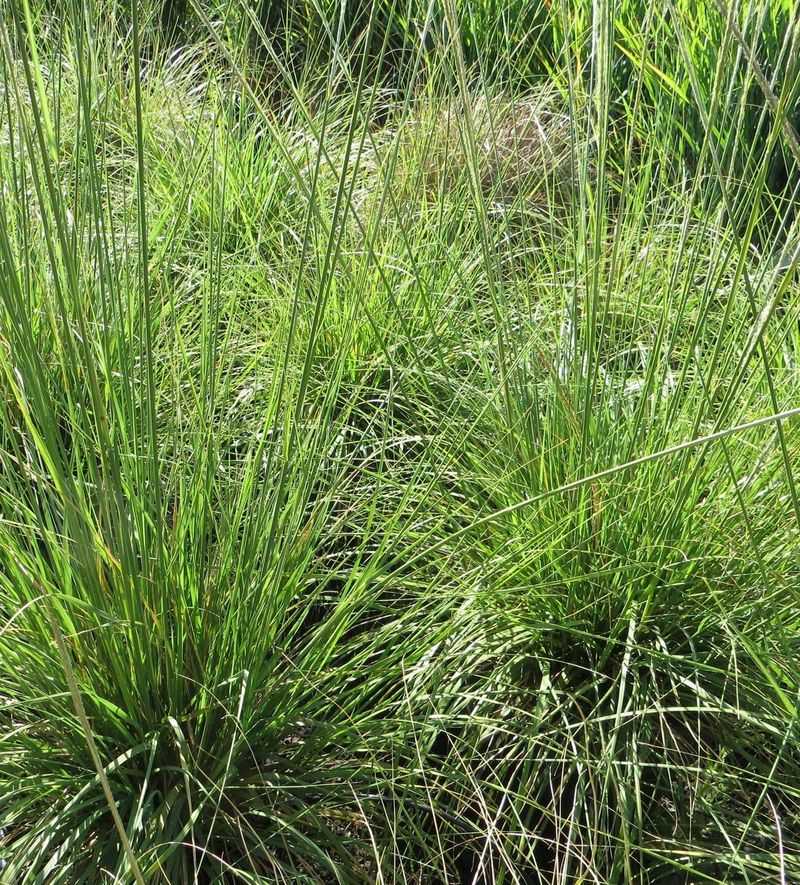
Deer grass is low maintenance, but that does not mean it takes care of itself forever. Keeping clumps healthy and properly sized is key to making sure they continue working as a barrier without becoming a problem for the plants they are meant to protect.
Over several years, deer grass clumps can get very large. That growth is what makes them effective.
But if they spread too close to a garden bed, they can start shading vegetables or competing for moisture near the root zone.
Watching the size of each clump and trimming back the edges when needed keeps everything in balance.
Most gardeners cut deer grass back hard in late winter or early spring, just before new growth begins. This keeps the clump from getting woody in the center and encourages fresh, dense growth from the base.
A healthy, full base is exactly what you want for both appearance and function. Thin or open-centered clumps lose their effectiveness as barriers.
Dividing clumps every four to six years is another way to keep them vigorous. You can take a divided section and plant it elsewhere along the perimeter, slowly expanding your barrier over time without buying new plants.
This makes deer grass a very cost-effective long-term solution. A single plant purchased years ago can eventually supply enough divisions to line an entire garden bed, all while providing steady, natural protection against burrowing pests.