The Best Time To Plant Annuals In Georgia For Blooms All Season Long
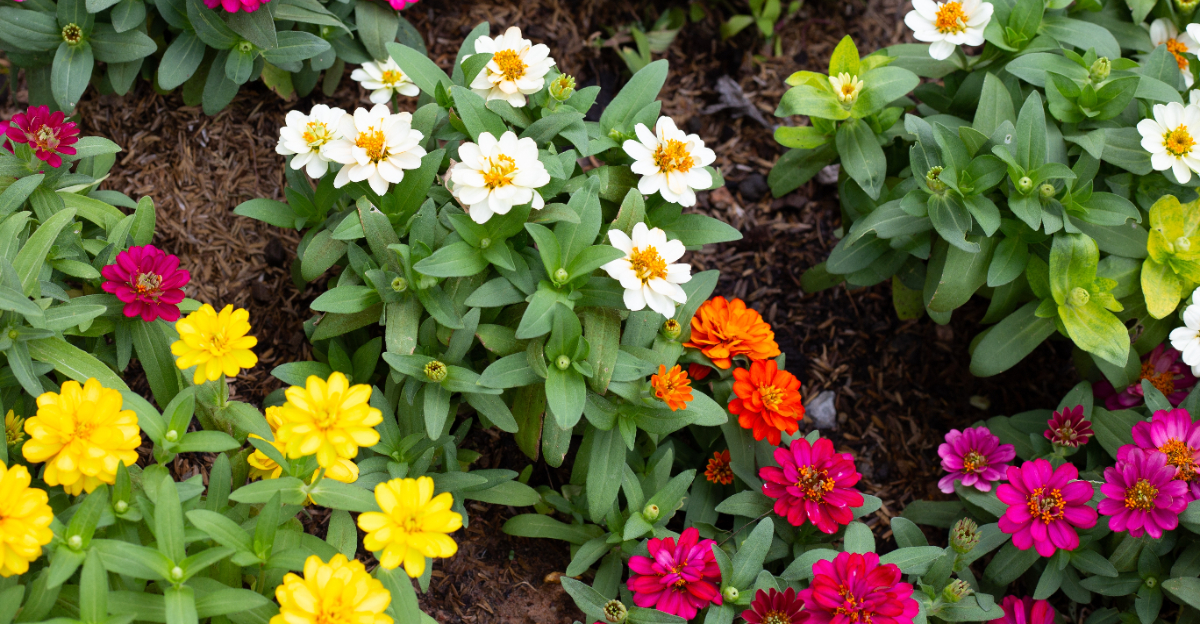
Planting annual flowers in Georgia is not just about picking colorful plants and hoping for the best. Timing plays a much bigger role than many gardeners expect.
Put them in the ground too early and a surprise cold snap can slow them down or damage young growth. Wait too long and the rising heat of late spring can shorten the blooming season before it even really begins.
The sweet spot for planting annuals in Georgia happens during a short window when the soil begins warming and nights stay more stable.
That moment gives young plants the best chance to settle in, grow strong roots, and start producing flowers that keep going through the long warm months ahead.
Getting the timing right does more than help plants survive. It sets the stage for a garden that stays colorful, lively, and full of blooms from spring well into the heart of summer.
1. Soil Temperature Matters More Than The Calendar When Planting Annuals
Forget the date on the calendar for a second. What actually determines whether your annuals root in successfully is the temperature of the soil beneath your feet.
A lot of Georgia gardeners get tripped up by a warm sunny day in February, thinking it is time to plant, but the ground is still cold enough to stall root development completely.
Warm-season annuals like zinnias and marigolds want soil that has reached at least 60 to 65 degrees Fahrenheit before you put them in the ground.
Cool-season annuals like pansies and snapdragons are more forgiving, but they still perform better when soil temps are consistently above freezing and not frozen solid at night.
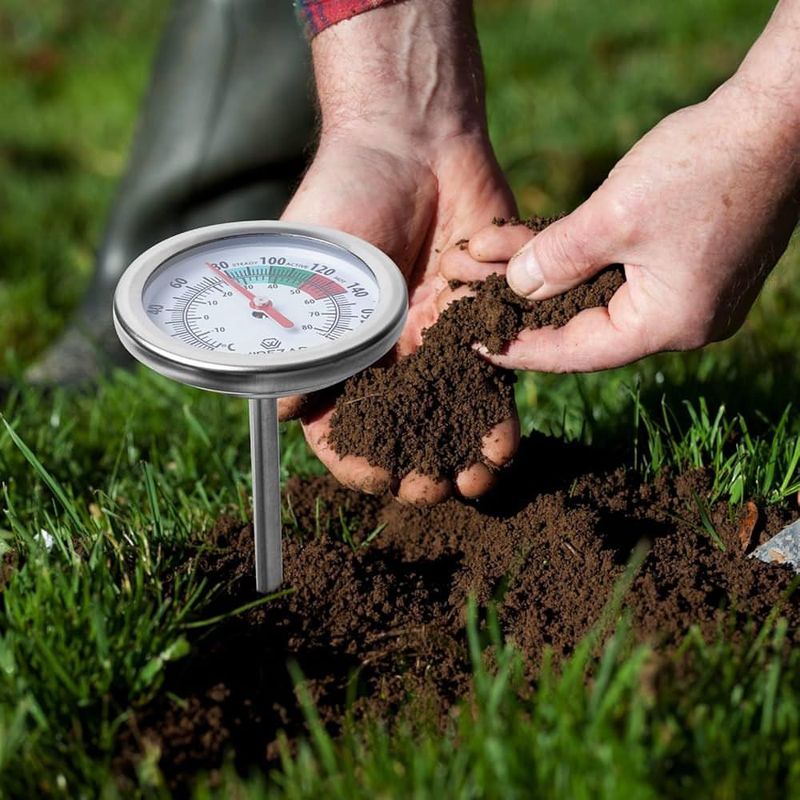
A basic soil thermometer costs just a few dollars and takes the guesswork out of planting day decisions. Push it about two to three inches deep and check it in the morning, when soil is at its coolest.
In South Georgia, soils warm up faster and earlier than in the mountains of North Georgia, sometimes by four to six weeks. If you are gardening around Atlanta or Macon, expect the sweet spot for warm-season planting to land somewhere in early to mid-April.
Checking soil temperature regularly, rather than guessing by the weather forecast, is one of the simplest habits that separates a garden full of healthy blooms from one that struggles all season long.
2. Plant Tender Annuals Only After The Risk Of Frost Has Passed
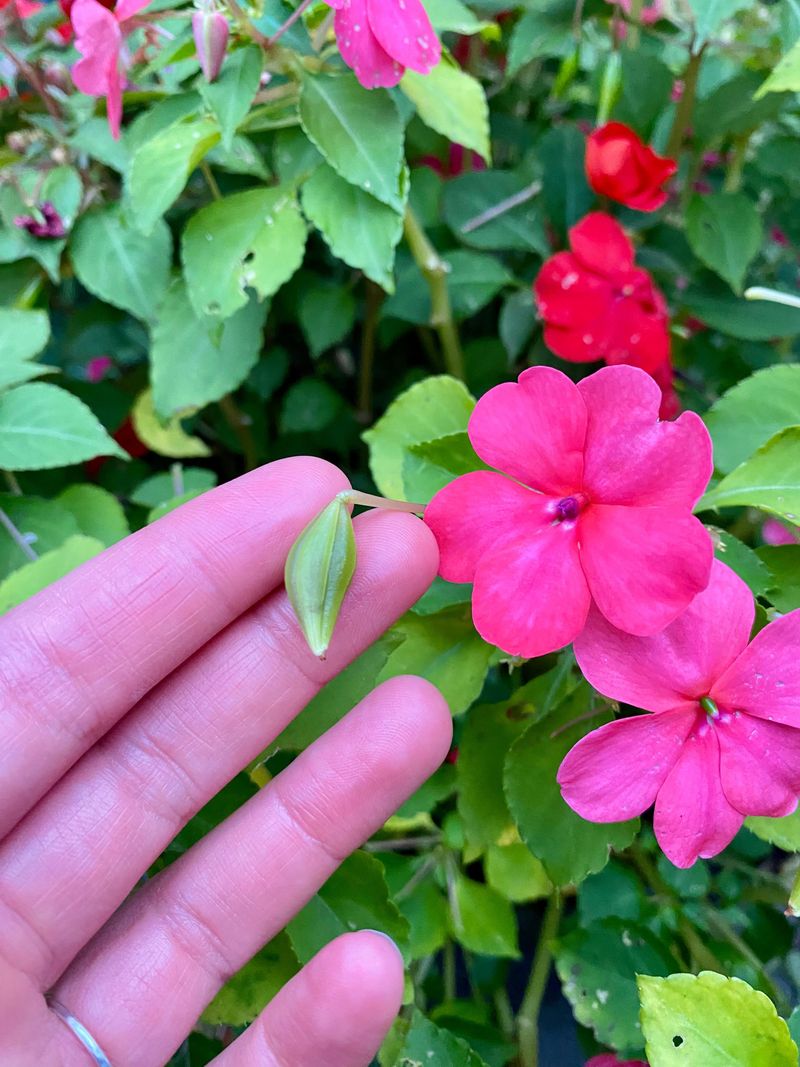
Nothing stings quite like losing a flat of impatiens you just paid good money for because a surprise frost rolled through overnight.
Tender annuals have zero tolerance for freezing temperatures, and even a light frost at 32 degrees can blacken leaves and set plants back by weeks.
Georgia’s last frost dates vary significantly by region. South Georgia, around Valdosta and Tifton, typically sees its last frost by late February or early March.
Central Georgia, including Columbus and Macon, usually clears frost risk by mid-March.
Up in the North Georgia mountains near Dahlonega or Blue Ridge, you might be waiting until late April or even early May before it is truly safe to put tender annuals outside without protection.
Checking the average last frost date for your specific county is a smart starting point, but local microclimates matter too. A low-lying yard or a garden tucked near a tree line can stay colder longer than a raised bed in full sun.
If a late frost warning pops up after you have already planted, cover your annuals with a frost cloth or even an old bedsheet overnight. Keep it handy in April just in case.
Rushing tender annuals into the ground before frost season ends is the most common mistake Georgia gardeners make, and waiting just a week or two longer almost always pays off with stronger, faster-growing plants that catch up quickly once warm weather locks in.
3. Cool-Season Annuals Can Be Planted Earlier In Spring
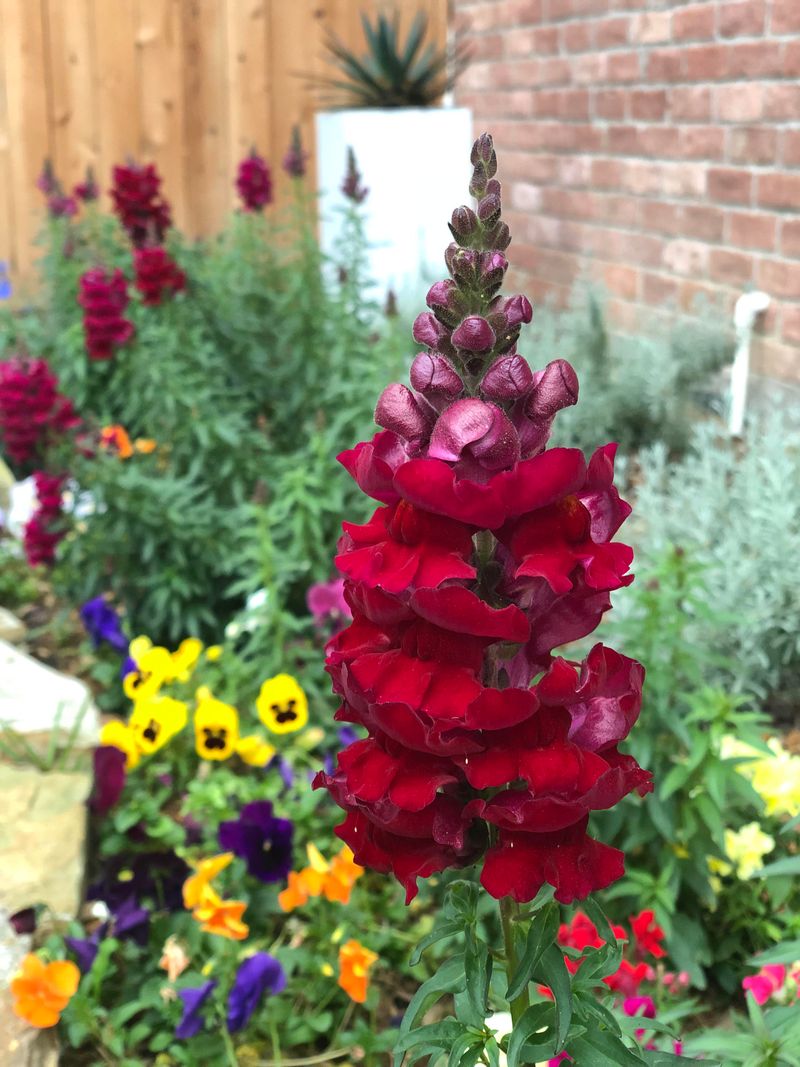
Pansies, snapdragons, dianthus, and calendula are the early risers of the annual world. Unlike their warm-season cousins, these plants actually prefer cool air and can handle a light frost without much drama.
For Georgia gardeners, that means you can get color into your beds weeks before anyone else on the block.
In South Georgia, cool-season annuals can go in the ground as early as late January or early February. Central Georgia gardeners are usually safe to plant in late February or early March.
If you are up in North Georgia, aim for mid-March to early April depending on your elevation. Starting seeds indoors six to eight weeks before your outdoor planting date gives you a real head start and saves money compared to buying transplants.
One thing worth knowing: cool-season annuals do not just tolerate the cold, they actually bloom more vibrantly when temperatures stay between 45 and 65 degrees.
Once Georgia summers kick in and heat climbs above 80 degrees consistently, most cool-season flowers will slow down and eventually fade out.
That is completely normal and expected. Pull them out when they start looking ragged, and replace them with heat-tolerant warm-season varieties to keep the color going.
Planning for that transition ahead of time, rather than scrambling when the plants decline, is what keeps a Georgia garden looking sharp from late winter all the way through summer.
4. Warm-Season Annuals Grow Best Once Soil Becomes Consistently Warm
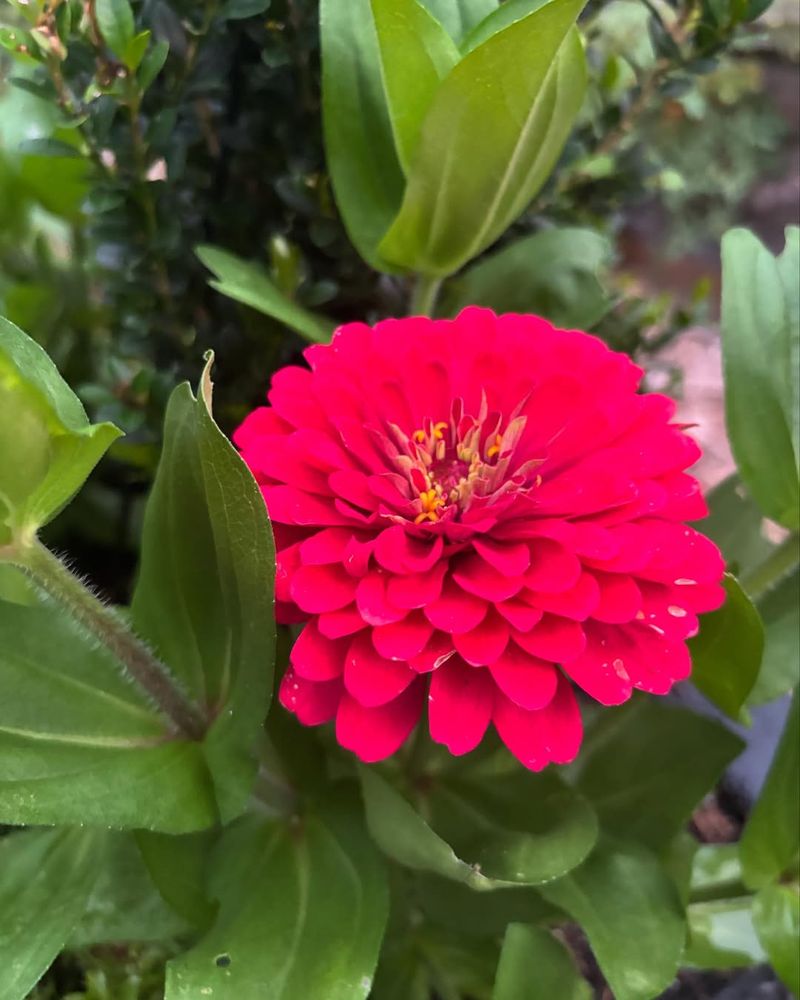
Zinnias, marigolds, vinca, celosia, and impatiens are summer workhorses in Georgia. They love heat, they love sun, and they will reward you with nonstop color from late spring through early fall if you put them in the ground at the right time.
The catch is that they genuinely need warm soil to get going.
Planting warm-season annuals too early, even if air temperatures feel comfortable, can cause them to just sit there looking sad for weeks. Cold soil slows root development and leaves plants vulnerable to root stress.
Wait until soil temperatures are holding steady at 60 degrees or above before transplanting these varieties. In South Georgia, that window typically opens in mid-to-late March.
Central Georgia gardeners can usually plant in early to mid-April. North Georgia is best served by waiting until late April or early May.
Starting seeds indoors six to eight weeks before your planned outdoor transplant date is a solid strategy, especially for slower-growing annuals like vinca and begonias.
Harden off seedlings by setting them outside in a sheltered spot for a few hours each day over about a week before planting them in the ground.
Georgia summers can be brutally hot and humid, so choosing heat-tolerant varieties suited to Southern conditions gives your garden a much better shot at staying colorful through July and August.
Vinca and celosia in particular are well-suited to Georgia’s long, steamy summers and hold their color beautifully even during heat waves.
5. Planting In Stages Helps Maintain Continuous Blooms
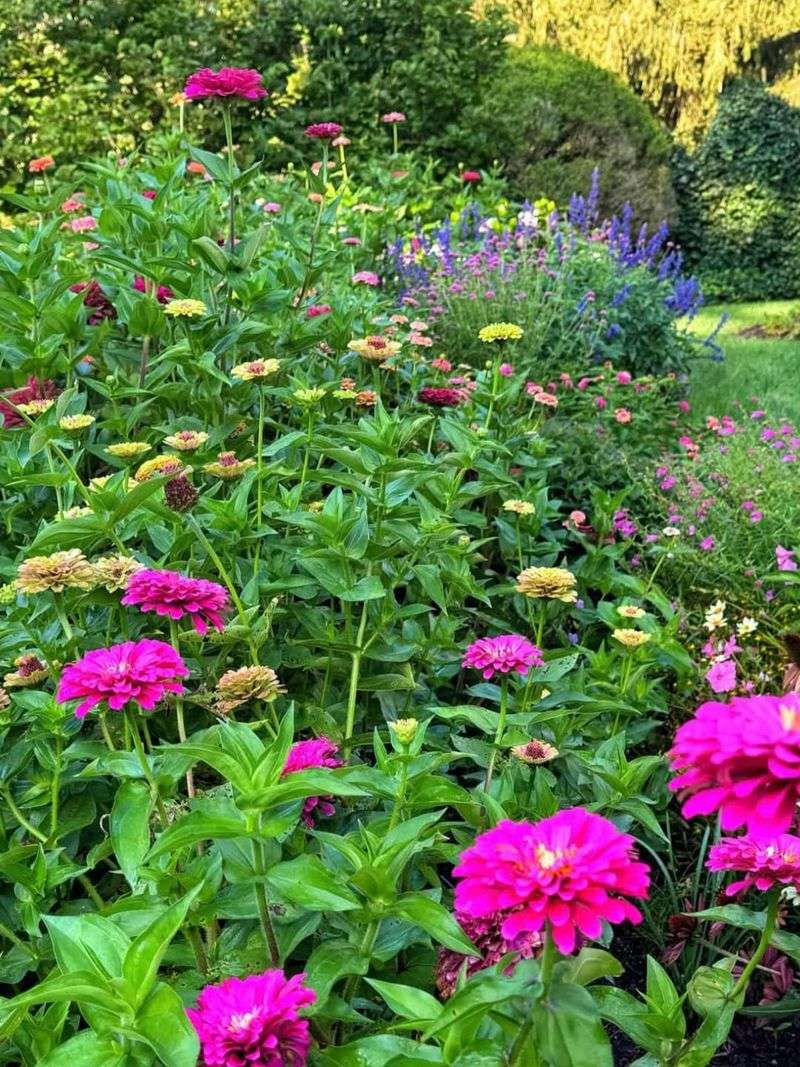
Staggered planting is one of the most underused tricks in home gardening, and it works especially well in Georgia where the growing season stretches nearly year-round.
Instead of planting everything at once and watching it all fade at the same time, you spread your plantings out over several weeks to keep fresh blooms coming in waves.
Start with cool-season annuals like pansies and dianthus in late winter or early spring. As those begin to slow down in late April or May, have your warm-season transplants ready to go in right behind them.
A second round of zinnias or marigolds planted in late June or early July will carry your garden through late summer and into fall when the first round starts to look tired.
Georgia’s climate is genuinely well-suited for this kind of layered planting approach because the growing season is so long. In South Georgia especially, you can squeeze in cool-season flowers again in October and November after summer annuals fade out.
Keeping a simple planting calendar on your phone or a notepad in the garden shed helps you stay on schedule without relying on memory. Note when each wave was planted, how it performed, and when it peaked.
Over a couple of seasons, you will develop a personal rhythm that keeps your Georgia garden in near-constant bloom from February through November with very little extra effort once you get the system dialed in.
6. Consistent Watering Helps Newly Planted Annuals Establish Faster
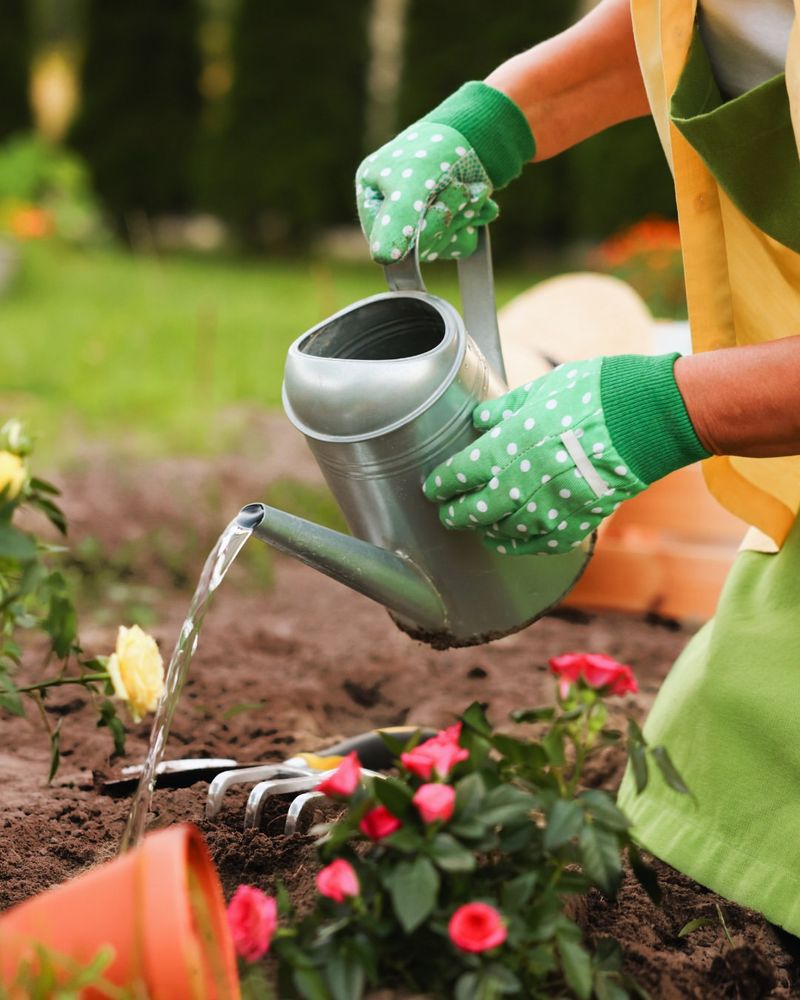
Right after transplanting, water is everything. Newly planted annuals do not have the root system yet to pull moisture from deep in the soil, so they depend almost entirely on what you give them in those first few weeks.
Skip a day or two during a dry Georgia spring and you will notice the difference fast.
For the first week after planting, water every day if there is no rain. After that, aim for deep, thorough watering two to three times per week rather than a light daily sprinkle.
Deep watering encourages roots to grow downward into the soil, which makes plants far more resilient when summer heat hits. Most annuals need about one to one and a half inches of water per week from rain or irrigation combined.
Watering in the morning is better than watering at night in Georgia’s humid climate. Wet foliage sitting overnight creates ideal conditions for fungal issues, which are already more common in the South due to high humidity.
A soaker hose or drip irrigation system keeps water right at the root zone and off the leaves entirely.
Adding a two to three inch layer of mulch like pine straw or bark chips helps hold moisture, keep roots cooler, and reduce watering during Georgia’s hot summer months.
7. Deadheading Encourages Many Annual Flowers To Keep Blooming Longer
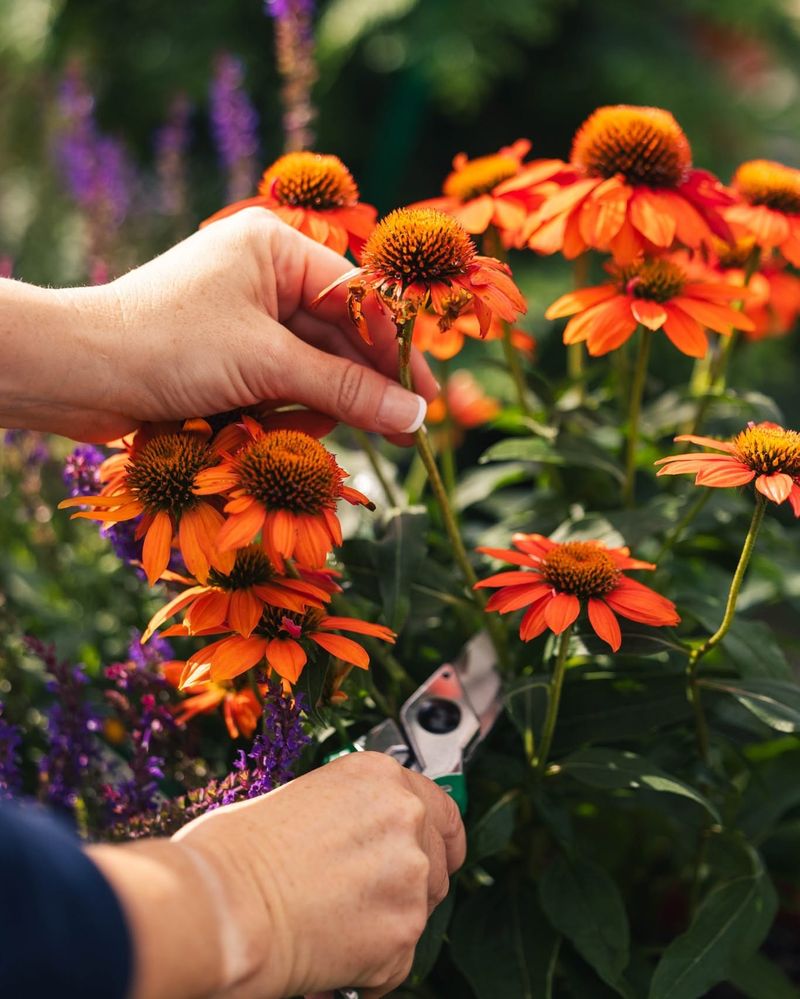
Most annuals are biologically programmed to set seed and call it a season once their flowers fade. Deadheading, which simply means removing spent blooms before they go to seed, short-circuits that process and tricks the plant into producing more flowers.
It sounds like a small thing, but the difference in bloom production is dramatic.
Marigolds, zinnias, petunias, and salvias respond especially well to regular deadheading. For petunias, a light shearing back by about a third in midsummer can reinvigorate a plant that has started to look leggy and sparse.
Zinnias benefit from cutting spent flowers all the way back to a set of healthy leaves rather than just snapping off the head. That encourages branching and more flower stems over time.
In Georgia, where summer heat can push annuals hard from June through August, deadheading every week or so keeps plants looking tidy and blooming actively instead of going dormant early.
It takes maybe ten to fifteen minutes per bed once you get into the habit.
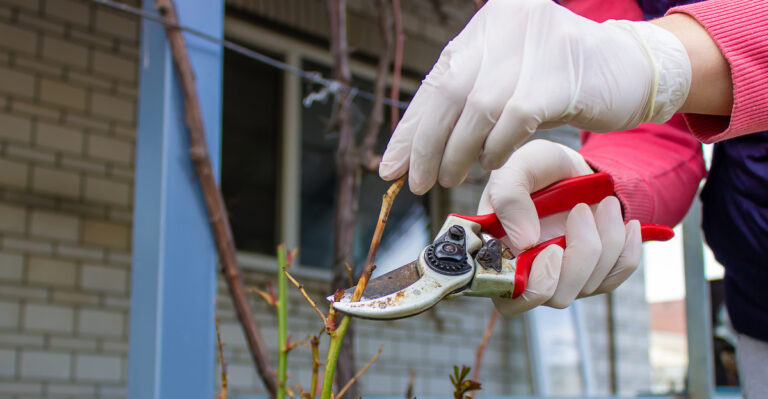
A small pair of clean garden snips or even just your fingers works fine for most annuals. Some newer hybrid varieties, especially certain vinca and impatiens types, are bred to be self-cleaning and do not require deadheading at all.
Reading the plant tag when you buy transplants tells you whether your variety needs regular attention or handles spent blooms on its own. Either way, a little hands-on time each week goes a long way in a Georgia summer garden.