The Best Time To Plant Crotons In Florida For A Strong Start
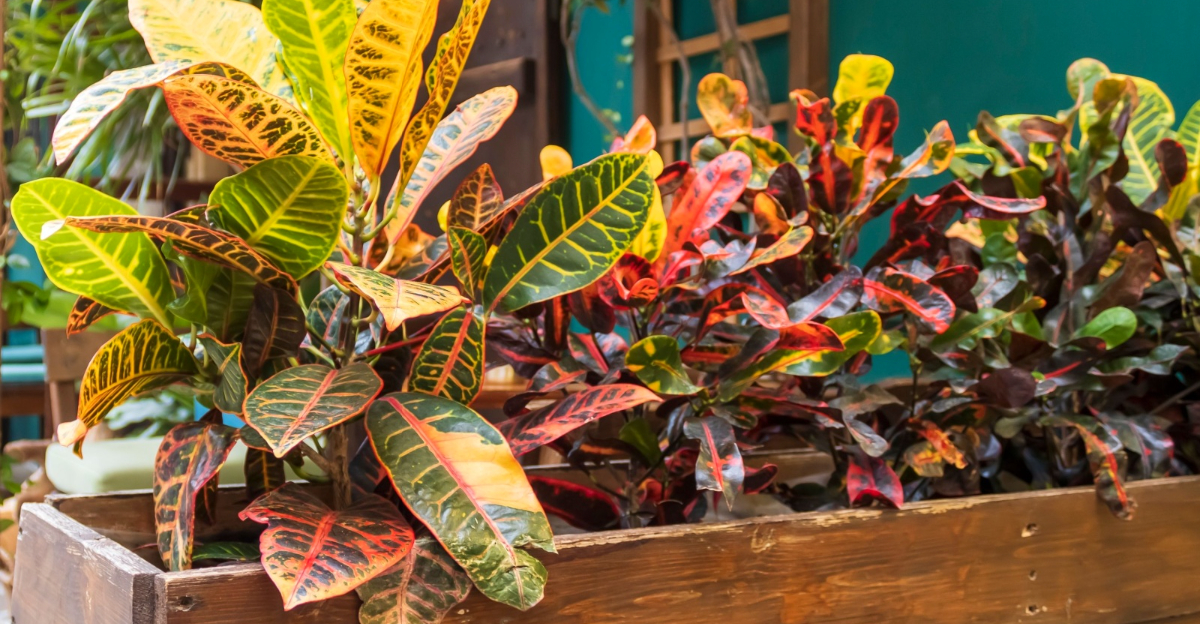
Crotons are not exactly shy about their preferences. They love warmth, they love humidity, and they absolutely love showing off those bold, multicolored leaves in a landscape that actually suits them.
The good news is that if you garden in South or Central Florida, you are basically living in their dream home. But even in a climate this agreeable, timing your planting makes a real difference.
Get them in the ground at the right moment and crotons settle in fast, build strong roots, and start doing what they do best, looking spectacular. Plant at the wrong time and you are playing catch-up before the season even gets going.
Early spring tends to be the sweet spot, though May can still work out beautifully with the right site, solid drainage, and a little extra attention to watering.
1. Early Spring Gives Crotons Time To Settle
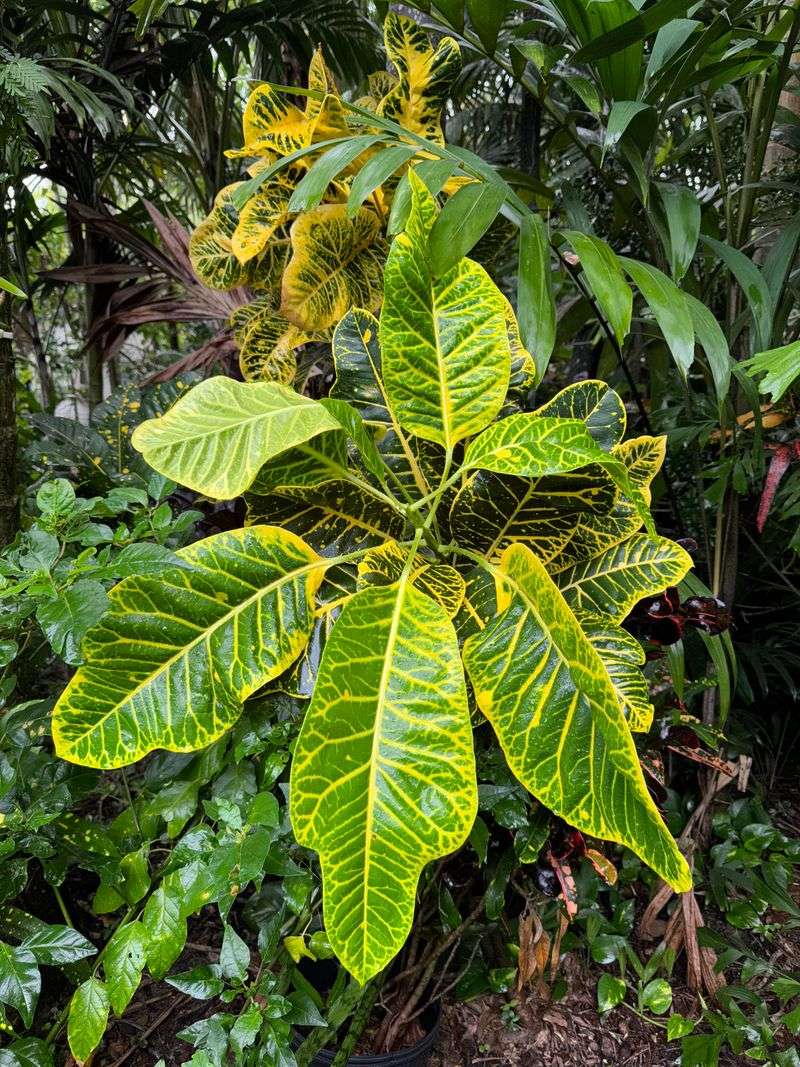
Warm spring mornings have a way of pulling gardeners outside, and that energy is worth putting to work for crotons. Planting in early spring, once cold nights have eased, gives these colorful shrubs a real head start.
The soil has had a chance to warm up, and daytime temperatures are comfortable enough for new roots to begin spreading without the stress of intense summer heat.
Early spring planting works well because crotons can spend several weeks quietly establishing their root systems before the peak of summer arrives. That window of mild, warm weather encourages steady growth without pushing the plant too hard too soon.
Newly planted shrubs benefit from that gradual transition rather than landing in the ground right as temperatures climb sharply.
Keep in mind that even in Florida, early spring weather can vary. A late cool night is still possible in Central Florida, so watch the forecast for a few weeks after planting.
Covering new plants during an unexpected cool spell can help protect tender foliage. Once the plant has settled in and warmer weather holds steady, crotons tend to respond with fresh, vibrant leaf growth that makes the timing feel well worth it.
2. May Is Still A Good Time With Care
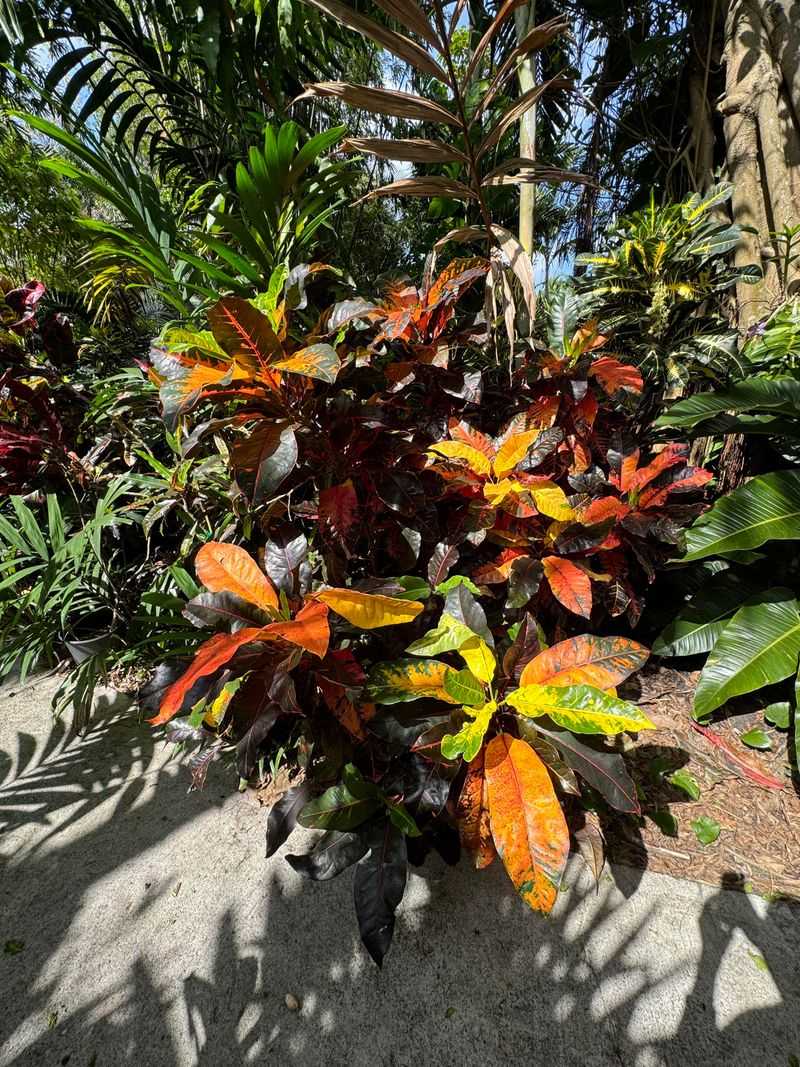
Not every gardener gets to plant in early spring, and May is not a reason to give up on crotons for the season. In Florida, May still offers warm soil, consistent humidity, and long days that support new plant growth.
The key difference is that temperatures are rising faster, which means newly planted crotons need a little more attention in the weeks after going into the ground.
Watering is the most important factor when planting in May. New root systems have not yet spread far enough to pull moisture from a wide area of soil, so keeping the root zone moist without waterlogging it becomes a daily habit.
Sandy Florida soils drain quickly, so checking soil moisture more frequently than you might expect is a reasonable approach during the first few weeks.
Choosing a planting site with some afternoon shade can also take pressure off new May plantings. Full sun is fine for many croton cultivars, but a little relief from the hottest part of the day can help reduce stress on a newly planted shrub.
Your Florida Garden Changes Every Week. Your Plan Should Too.
Gardening in Florida changes quickly throughout the season. Every Friday you’ll receive a simple weekly plan showing exactly what to plant, prune, fertilize, harvest, and protect so you never miss the right timing.
With thoughtful watering and a well-chosen spot, May planting can still lead to a strong, healthy croton by the time summer is in full swing.
3. South And Central Florida Offer The Best Fit
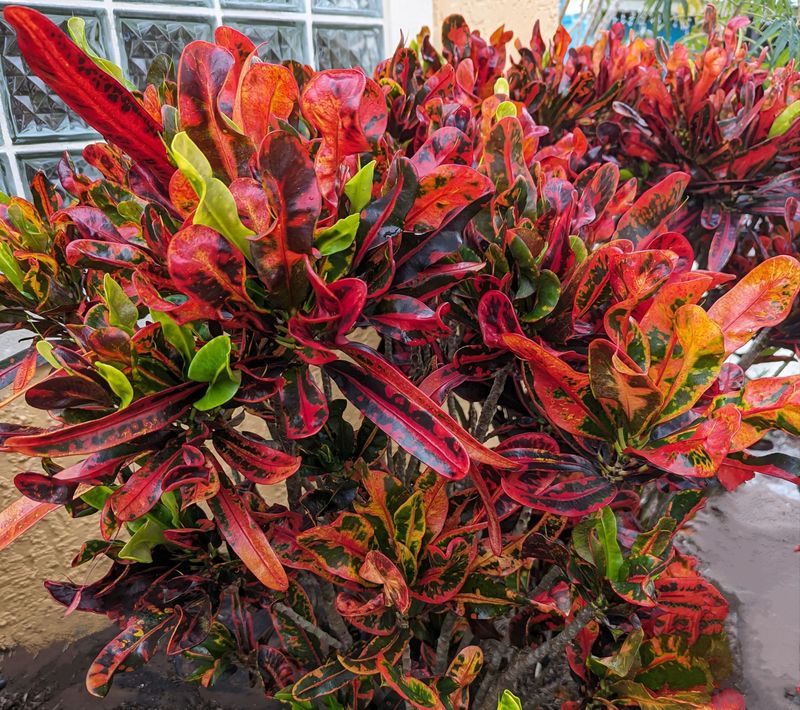
Crotons are subtropical plants at heart, and that tells you something important about where they perform best. South and Central Florida provide the warm temperatures and high humidity that these plants genuinely enjoy.
In these regions, crotons can be grown outdoors in landscape beds, entryway plantings, foundation borders, and poolside arrangements with relative confidence across much of the year.
South Florida, including the Miami area and the Keys, rarely sees frost, which gives crotons an especially comfortable home.
Central Florida sits in a transitional zone where cold snaps are possible during winter months, but the warm season is long enough for crotons to establish and grow well when planted at the right time.
Gardeners in these areas often use crotons as bold accent plants because the foliage colors are so striking against green lawns and tropical-style garden beds.
North Florida is a different story. Cooler winters and the real possibility of frost make outdoor croton planting a riskier choice without a protected microclimate or a plan to cover plants during cold weather.
Understanding your region helps set realistic expectations and guides smarter planting decisions from the start.
4. Choose A Warm Protected Planting Spot
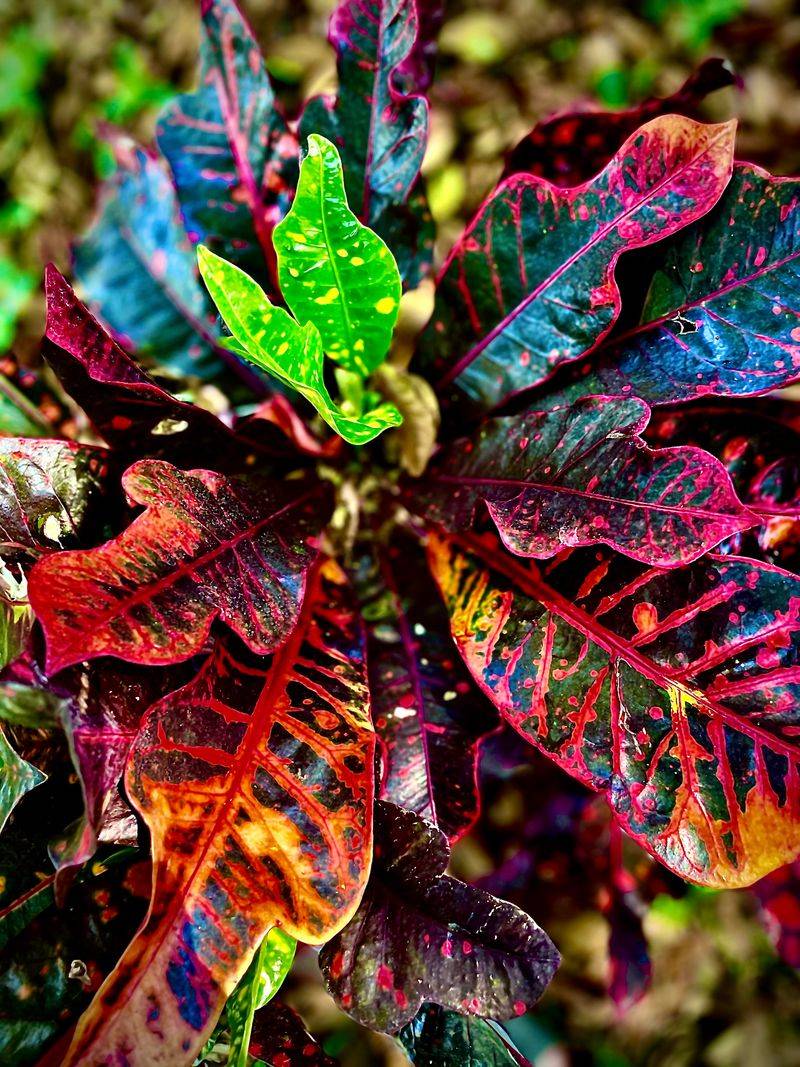
Location within your yard matters just as much as the time of year you plant. Crotons do well in spots that stay warm, receive good airflow, and offer some protection from cold winds during cooler months.
A south-facing wall or a sheltered corner near a fence can create a slightly warmer microclimate that benefits cold-sensitive plants like crotons, especially in Central Florida where winter nights can dip unexpectedly.
Poolside beds are a popular choice for crotons in Florida landscapes, and for good reason. The warmth reflected off pool decking and water can raise the temperature slightly in that area, creating a hospitable environment for tropical foliage plants.
Foundation beds along the south or west side of a home offer similar warmth benefits while also keeping plants close enough to a structure that radiates heat on cool nights.
Avoid low-lying areas where cold air settles on still nights, and stay away from spots that collect standing water after rain.
Crotons do not appreciate soggy roots, and poorly drained areas can lead to root problems that slow establishment.
A warm, well-drained location with some wind protection gives crotons the kind of environment where they can settle in and show off their colorful foliage with confidence.
5. Pick The Right Light For Leaf Color
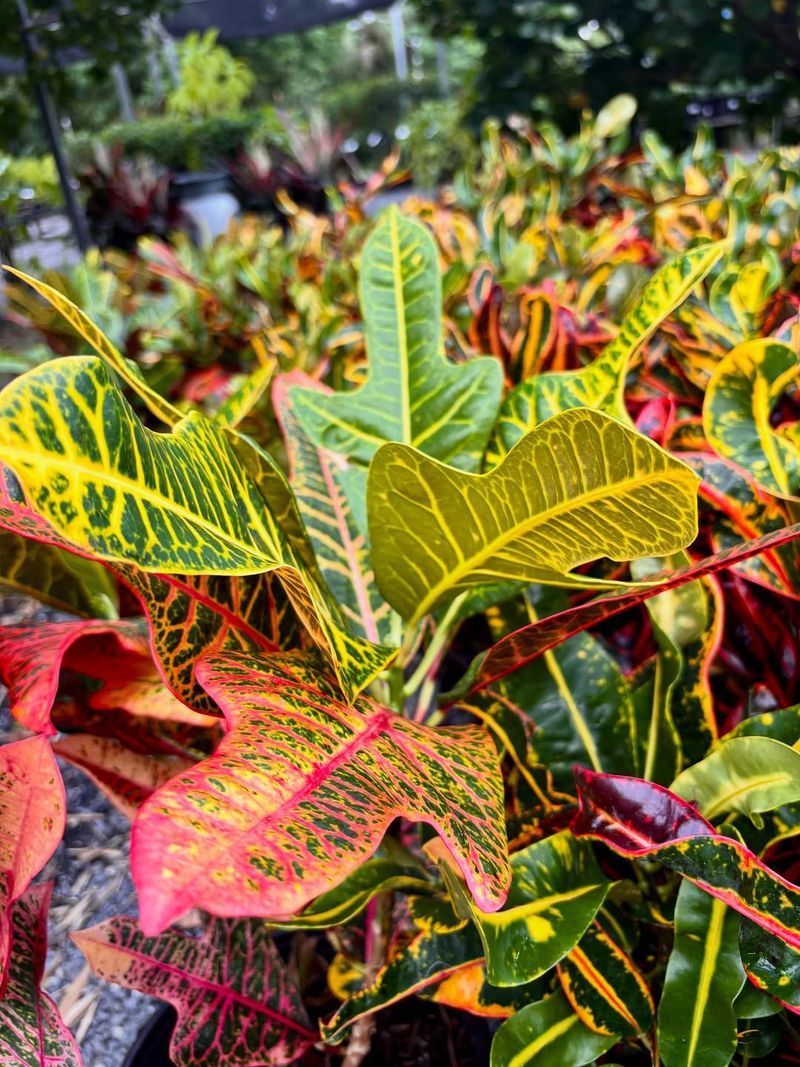
One of the most exciting things about crotons is the range of leaf colors they produce, and light plays a big role in how vivid those colors appear. Many croton cultivars develop their boldest reds, oranges, and yellows when they receive plenty of direct sunlight.
A spot with full sun for most of the day tends to bring out the most intense color in sun-loving varieties.
That said, not every croton thrives in full sun, and not every Florida yard offers a fully sunny planting bed. Some cultivars actually prefer partial shade and can look washed out or stressed if pushed into too much direct light.
When shopping for crotons, checking the light preference for the specific cultivar you are buying helps match the plant to the spot you have available rather than the other way around.
Indoor or low-light crotons often show less vivid coloring, which is worth knowing if you are growing one in a shaded patio corner or inside a Florida lanai.
Gradual transitions from lower light to brighter outdoor conditions can help reduce leaf stress.
Matching light levels to the plant’s natural preferences is one of the simplest ways to keep croton foliage looking bold, healthy, and eye-catching throughout the growing season.
6. Prepare Soil With Drainage In Mind
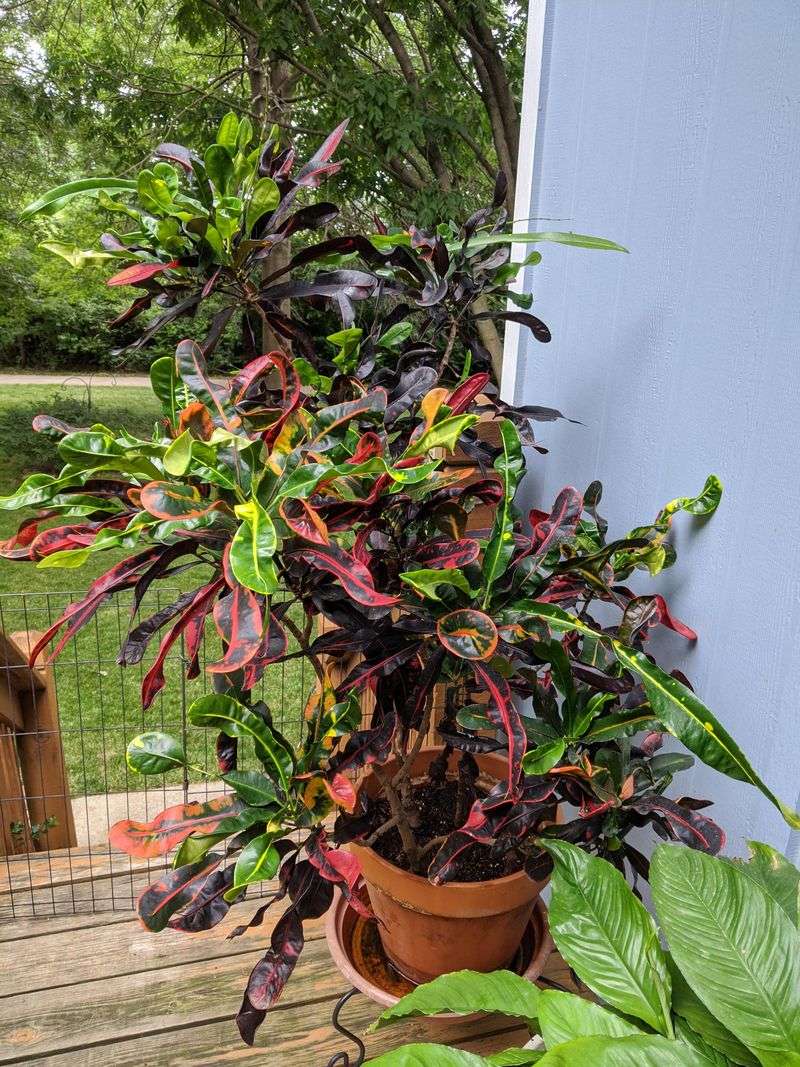
Sandy soil is a familiar reality for many gardeners, and it shapes how you should approach planting crotons. Sandy soils drain quickly, which helps prevent waterlogging but also means moisture moves away from roots faster than in heavier soils.
Adding organic matter before planting can improve the soil’s ability to hold some moisture while still allowing excess water to drain freely.
Crotons need soil that does not stay wet for long after rain or irrigation. Poorly drained spots, whether in the ground or in containers, can cause root problems over time.
Raised beds or mounded planting areas can be a practical solution in Florida yards where the natural drainage is slow, especially in areas with compacted soil or heavy clay layers beneath the sandy surface.
For container-grown crotons, using a quality potting mix designed for good drainage is a straightforward step that pays off quickly.
Garden soil alone tends to compact in containers and drain poorly, so choosing a blend formulated for container use is worth the small extra investment.
Whether planting in the ground or in a pot, taking a few minutes to assess and improve drainage before the croton goes in the ground sets up a healthier start than skipping that step.
7. Plant At The Right Depth
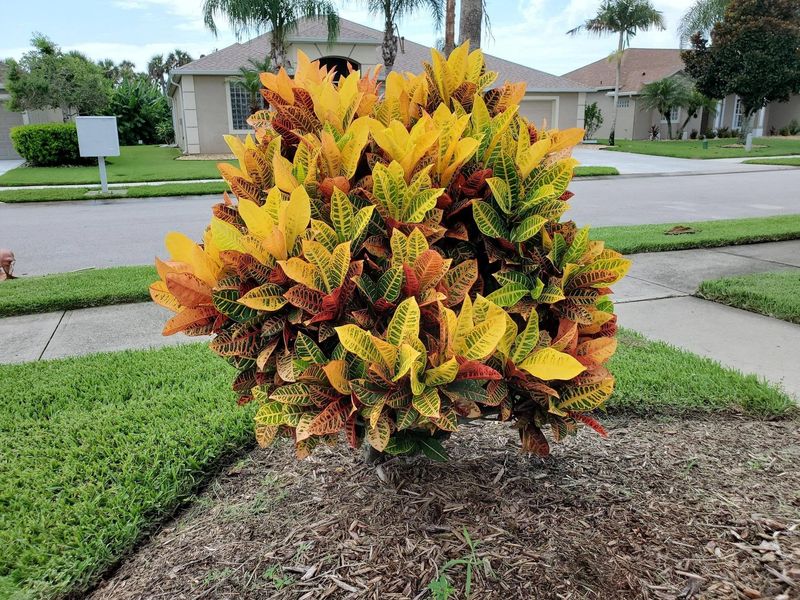
Getting the planting depth right is one of those details that seems small but makes a genuine difference in how well a croton establishes. The top of the root ball should sit level with or slightly above the surrounding soil surface rather than buried below it.
Planting too deep can trap moisture against the stem and slow the plant down during the critical first weeks after planting.
In Florida, where heavy summer rains are common, planting slightly high is a reasonable precaution in beds that tend to collect water.
Soil naturally settles over time after planting, so starting the root ball just a touch above grade helps account for that settling without leaving roots exposed.
The goal is to avoid having the crown of the plant sitting in a low spot where water pools after a storm.
Once the croton is in the hole at the right depth, backfill with the original soil or an amended mix and firm it gently around the root ball to eliminate large air pockets.
Adding a layer of mulch around, but not touching, the stem helps conserve moisture and moderate soil temperature.
Getting this step right from the beginning gives new roots a clear, healthy path to spread outward and anchor the plant firmly.
8. Water The Root Ball After Planting
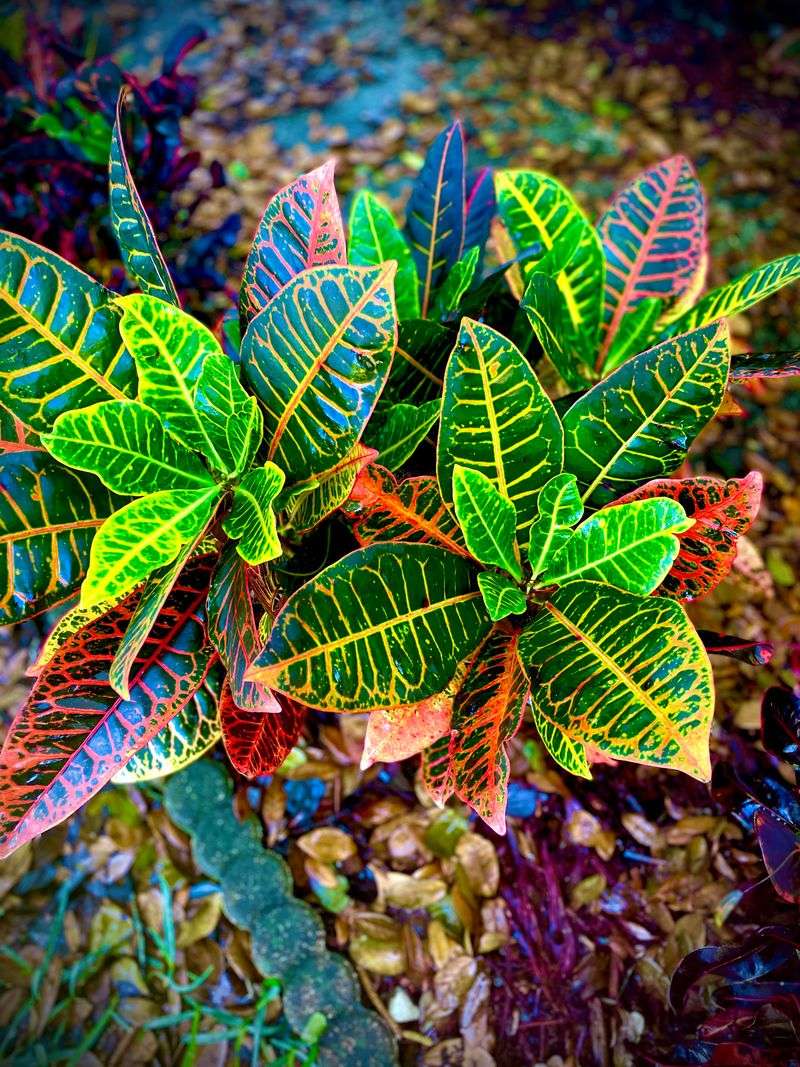
Right after a croton goes into the ground, watering the root ball thoroughly is one of the most important things you can do.
That first deep watering helps settle the soil around the roots, eliminates air pockets, and begins the process of connecting the root ball to the surrounding soil moisture.
Skipping or rushing this step can leave gaps that dry out quickly in Florida’s warm weather.
In the weeks that follow, newly planted crotons need consistent moisture while their roots spread into the surrounding soil.
The root ball itself dries out faster than the surrounding ground, so watering directly at the base of the plant rather than relying solely on general irrigation coverage is a smart habit early on.
Sandy Florida soils drain quickly, so checking the root zone every day or two during the first few weeks helps you catch dry conditions before the plant shows stress.
Once the croton has been in the ground for several weeks and shows signs of new growth, it generally needs less hand-holding with irrigation. Established crotons appreciate regular moisture, especially during dry spells, but they do not need to be kept constantly wet.
Building good watering habits from planting day forward gives the root system the steady support it needs to grow strong and wide.
9. Use Containers In Cooler Florida Areas
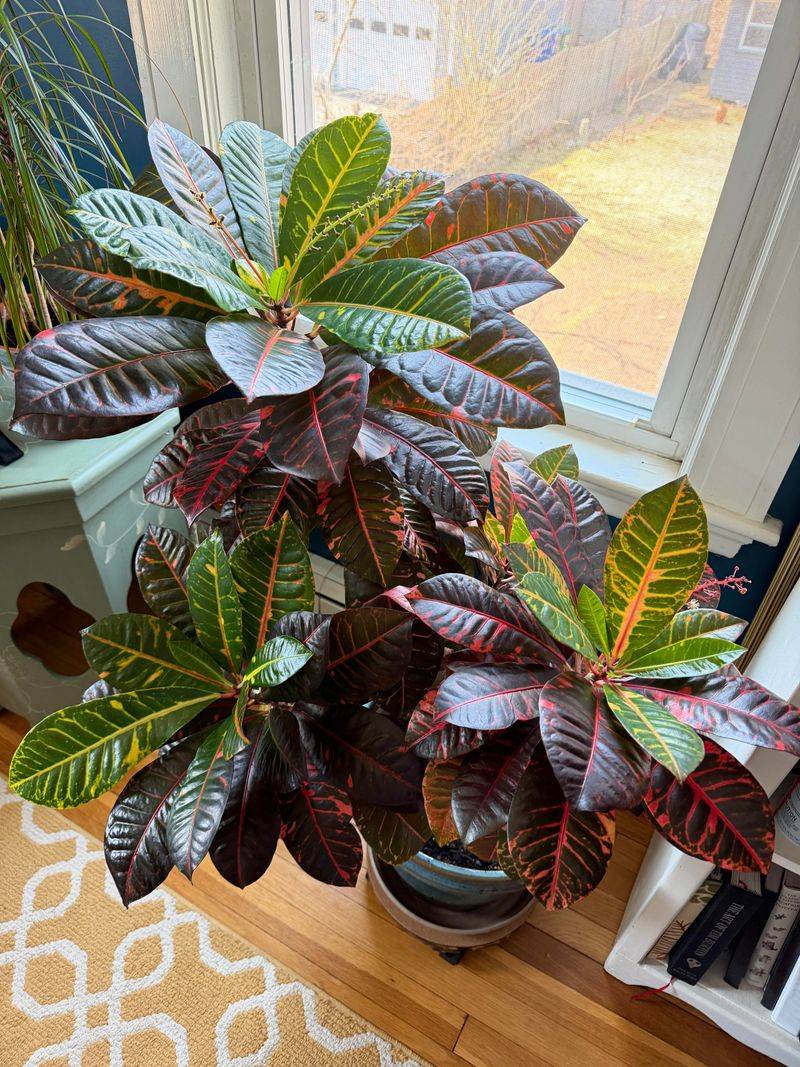
Growing crotons in containers is a practical and attractive solution for Florida gardeners who live in areas where cold snaps are a real seasonal concern.
North Florida and parts of Central Florida can experience frosts during winter months, and crotons are not well-suited to freezing temperatures.
A container gives you the flexibility to move the plant to a sheltered spot, like a garage, a covered lanai, or an indoor area, when cold weather arrives.
Patio containers also work beautifully in South and Central Florida, where crotons are used as bold accent plants on porches, pool decks, and entryways.
A large container filled with a well-draining potting mix and placed in a warm, sunny spot can support a healthy, colorful croton for years.
Choosing a container with drainage holes is a straightforward requirement that helps prevent the soggy root conditions crotons dislike.
Keep in mind that container plants dry out faster than those planted in the ground, so checking soil moisture more frequently is part of the routine.
Fertilizing container crotons carefully and according to label directions supports healthy growth without overloading the plant.
With the right pot, mix, and placement, container-grown crotons can bring bold tropical color to any Florida outdoor space, no matter what part of the state you call home.