The Best Time To Plant Zinnias In Texas For All-Summer Color
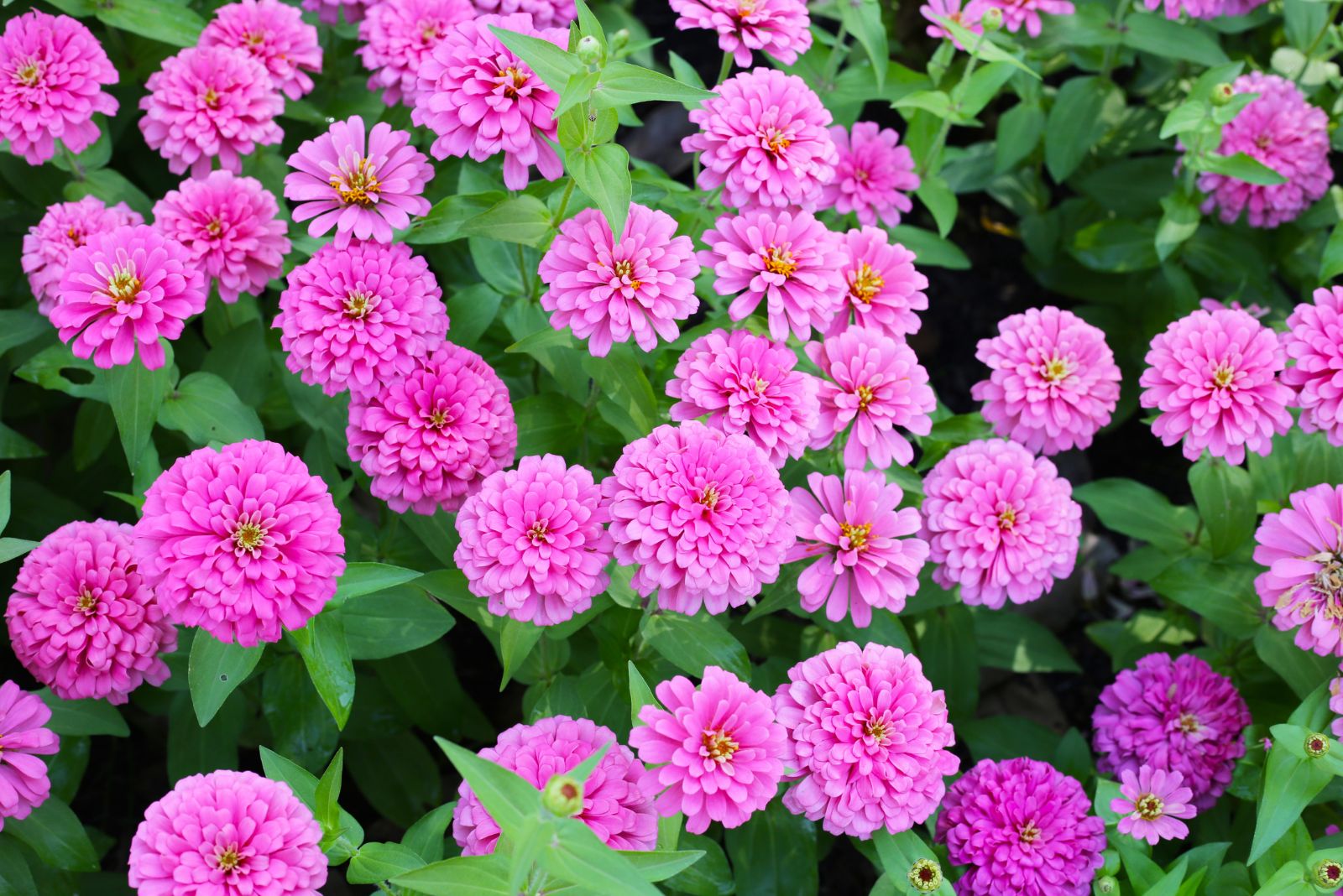
Few flowers bring as much cheerful color to a Texas garden as zinnias. Their bright blooms seem to glow under the summer sun, filling flower beds with shades of red, orange, pink, yellow, and white.
Once they start blooming, they often keep going for months, which makes them a favorite for gardeners who want a yard that stays lively through the hottest part of the year.
Still, getting that long stretch of color depends on one simple detail that many people overlook. Planting zinnias at the right time can make a big difference in how strong the plants grow and how many flowers they produce.
Seeds placed in the soil too early may struggle with cool temperatures, while waiting too long can shorten the blooming season.
Texas weather gives gardeners a great advantage because the warm season lasts a long time. With the right timing, zinnias can grow quickly and reward you with vibrant flowers from late spring well into summer.
Why Zinnias Are Perfect For Texas Gardens?
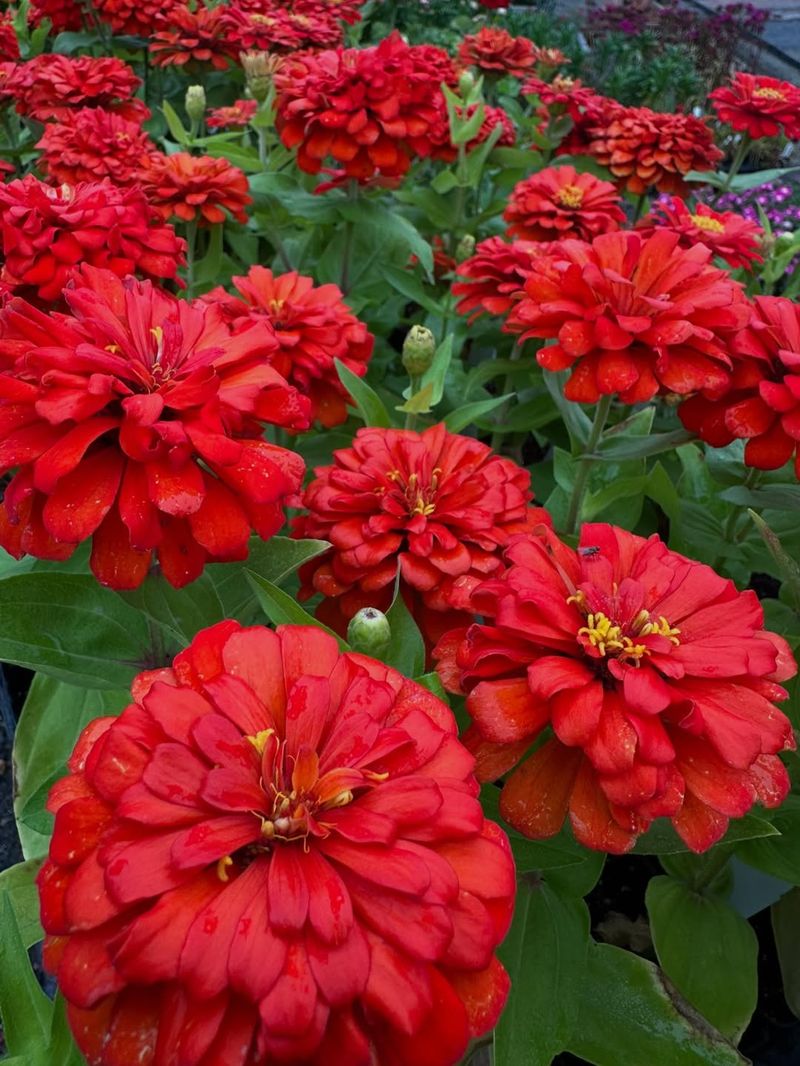
Hot summers, blazing sunshine, and long growing seasons make Texas one of the best places in the country to grow zinnias. These tough, colorful flowers absolutely love the heat, and Texas has plenty of it.
While many flowers struggle once temperatures climb above 90 degrees, zinnias just keep on blooming without missing a beat.
Zinnias come in nearly every color you can imagine, from deep red and bright orange to soft pink and pure white. They grow quickly too, often producing their first blooms within just six to eight weeks after planting.
That means you can go from a handful of seeds to a garden bursting with color in no time at all.
One of the best things about growing zinnias in Texas is how they attract pollinators. Butterflies, bees, and hummingbirds are drawn to zinnia blooms like magnets.
Watching these visitors flutter around your garden is one of the most rewarding parts of growing these flowers.
Zinnias are also very budget-friendly. A single seed packet costs just a few dollars and can fill an entire garden bed.
They do not need fancy soil, expensive fertilizers, or complicated care routines. Even beginner gardeners in Texas find zinnias easy and rewarding to grow.
Another reason Texans love zinnias is their long blooming season. Plant them at the right time, and they will produce flowers from late spring all the way through the first cool days of fall. That is months of color with very little effort on your part.
The Best Time To Plant Zinnias In Texas
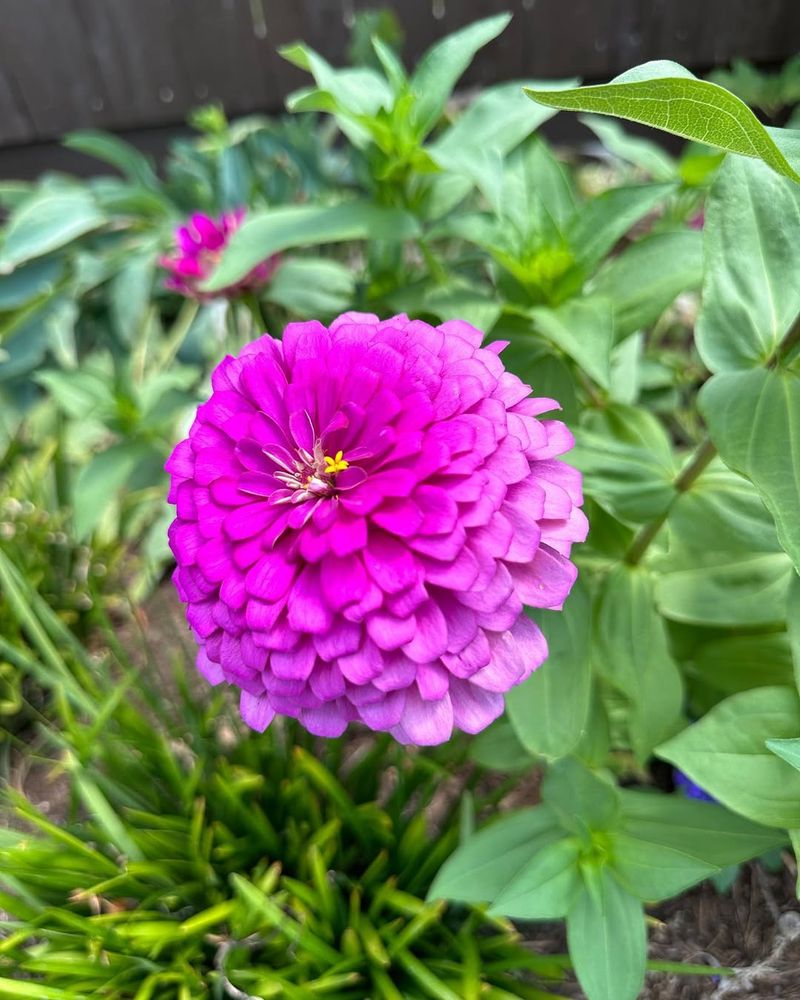
Timing is everything when it comes to growing zinnias in Texas. Plant them too early, and cold soil will slow germination or damage young seedlings. Get the timing right, and your garden will reward you with months of nonstop blooms.
Zinnias are warm-season flowers that need soil temperatures of at least 60 degrees Fahrenheit to sprout well. Most gardening experts recommend waiting until after your area’s last expected frost date before putting seeds in the ground.
Planting too soon in cold, damp soil is one of the most common mistakes new gardeners make.
For most parts of Texas, the sweet spot for planting zinnias falls somewhere between late February and mid-April, depending on where you live in the state.
Southern areas of Texas can often get started earlier, while gardeners in northern parts of the state should wait a little longer to be safe.
One helpful tip is to check the soil temperature before planting rather than just going by the calendar date. A simple soil thermometer, available at most garden centers, takes the guesswork out of timing.
When the soil reads 60 degrees or warmer a few inches below the surface, you are good to go.
You can also do a second planting in late summer, around August, to get a fresh flush of blooms heading into fall. Texas has a long enough growing season to support two rounds of zinnias in many areas.
That second planting can carry color in your garden all the way to the first frost of the season.
Planting Timing Differences Across Texas
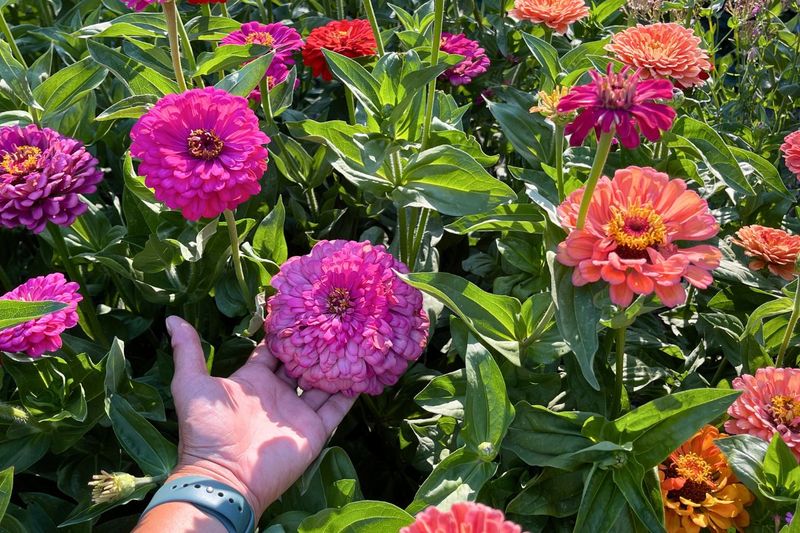
Texas is a massive state with several different climate zones, and that means planting times for zinnias can vary quite a bit depending on where you live.
What works perfectly for a gardener in Corpus Christi might be too early for someone up in Dallas. Knowing your region makes a big difference.
In South Texas, cities like Houston and Corpus Christi enjoy some of the earliest planting windows in the state. Gardeners in these areas can often sow zinnia seeds as early as late February or the first weeks of March.
The mild winters and early warming trends in South Texas give zinnias a long head start on the growing season.
Central Texas, which includes cities like Austin and San Antonio, typically sees its last frost around mid-March. Gardeners in this region usually aim to plant zinnias from mid-March through early April.
Waiting until the soil warms up properly is still important, even in this generally mild part of the state.
Up in North Texas, cities like Dallas and Fort Worth can sometimes see late frosts stretching into late April.
Gardeners in this region should hold off on planting until late April or even early May to be safe. Rushing the season in North Texas can set your garden back significantly.
West Texas, including areas around El Paso, follows a slightly different pattern due to its drier, desert-like climate. Planting from early to mid-April works well for most of West Texas.
No matter which part of the state you call home, always check your local last frost date before putting seeds in the ground.
How To Plant Zinnias For The Best Results?
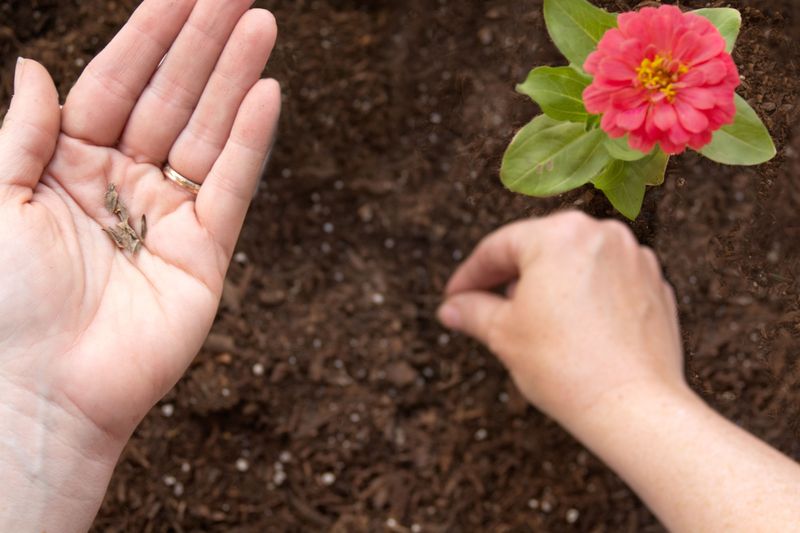
Zinnias are wonderfully straightforward to plant, but a few simple techniques can make a big difference in how well they perform all season long. Starting with the right spot is key.
Zinnias need full sun, which means at least six to eight hours of direct sunlight every day. A shady spot will produce weak, leggy plants that bloom poorly.
Soil preparation matters more than most beginners realize. Zinnias prefer well-draining soil that does not hold water around the roots.
If your Texas garden has heavy clay soil, mixing in some compost or coarse sand before planting will improve drainage and give seeds a better environment to sprout in.
Sow seeds directly into the garden bed about a quarter-inch deep. You do not need to start zinnias indoors, because they grow so quickly in warm soil that direct sowing works just as well and avoids transplant stress.
Germination usually happens within five to ten days when soil temperatures are warm enough.
Spacing is one detail that gardeners sometimes overlook. Crowding zinnias together might seem like a good way to fill space faster, but it actually reduces airflow between plants.
Poor air circulation is one of the leading causes of powdery mildew on zinnias, especially during Texas summers when humidity can spike.
A good rule of thumb is to space smaller zinnia varieties about six inches apart and larger varieties twelve inches or more.
Thinning seedlings early gives each plant room to branch out and produce more flowers. A little patience during thinning leads to a much healthier, fuller garden later in the season.
Tips To Keep Zinnias Blooming All Summer
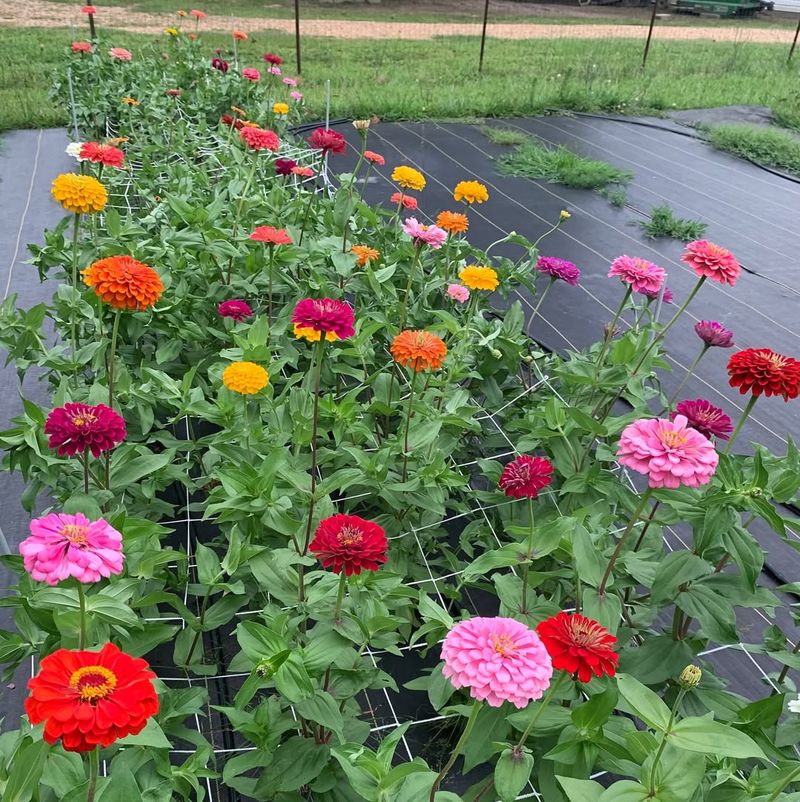
Getting zinnias to bloom from late spring all the way through fall in Texas is very achievable with just a little regular attention. The single most effective trick is something called deadheading.
When a zinnia flower fades and starts to look tired, snipping it off right below the bloom signals the plant to produce a new flower in its place.
Deadheading might sound like extra work, but it only takes a few minutes every few days. A pair of small garden scissors or even your fingers can do the job.
Gardeners who skip deadheading often find their zinnia plants slow down or stop producing new blooms by midsummer.
Watering correctly is just as important as deadheading. Zinnias in Texas need deep, infrequent watering rather than light, daily sprinkles.
Watering deeply once or twice a week encourages roots to grow downward, making plants more drought-tolerant during the hottest weeks of a Texas summer.
Always water at the base of the plant rather than overhead. Wet leaves, especially during humid periods, invite fungal problems that can spread quickly through a garden bed.
A soaker hose or drip irrigation system works great for keeping moisture right where zinnias need it most.
Light fertilizing can also help keep plants producing flowers all season long. A balanced, slow-release fertilizer applied once in early summer is usually enough.
Avoid over-fertilizing with nitrogen-heavy products, because too much nitrogen pushes leafy green growth at the expense of flowers. With these simple habits, your Texas zinnia garden can stay colorful and vibrant from one end of summer to the other.
Common Mistakes To Avoid When Growing Zinnias
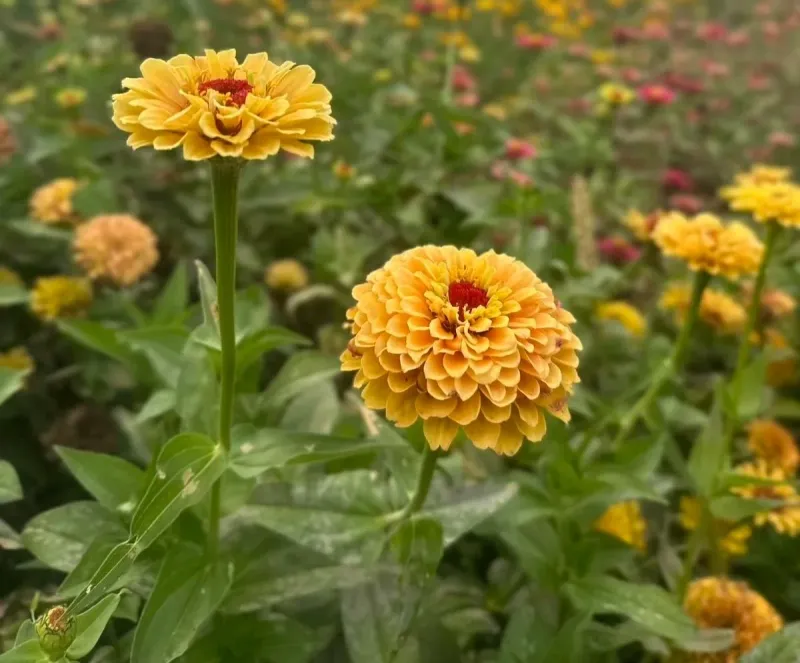
Even a plant as tough and forgiving as the zinnia can run into trouble when a few basic rules get ignored. Knowing what not to do is just as valuable as knowing what to do, especially for first-time zinnia growers in Texas.
Planting too early is probably the most common mistake. It is tempting to get seeds in the ground the moment the calendar flips to spring, but cold soil slows germination and leaves seeds vulnerable to rot.
Seeds planted in warm soil will actually sprout faster and catch up to seeds planted weeks earlier in cold conditions.
Crowding plants is another mistake that causes real headaches down the line. When zinnias are packed too closely together, airflow between them drops significantly.
Poor airflow creates the warm, moist conditions that fungal diseases like powdery mildew thrive in. Once mildew takes hold in a Texas summer garden, it spreads fast and is hard to control.
Overwatering is a mistake that surprises many beginners, especially those who assume Texas heat means plants always need more water. Zinnias actually prefer to dry out slightly between watering sessions.
Constantly soggy soil weakens root systems and encourages fungal problems at the base of the plant.
Finally, planting in too much shade is a mistake that quietly ruins many zinnia gardens. Even partial shade can reduce blooming and cause plants to stretch toward the light rather than growing full and bushy.
Always choose the sunniest spot in your Texas yard for zinnias. Avoiding these common errors sets you up for a season full of bold, beautiful blooms without unnecessary frustration.