The Best Time To Prune Roses In Texas To Enjoy Bigger Blooms
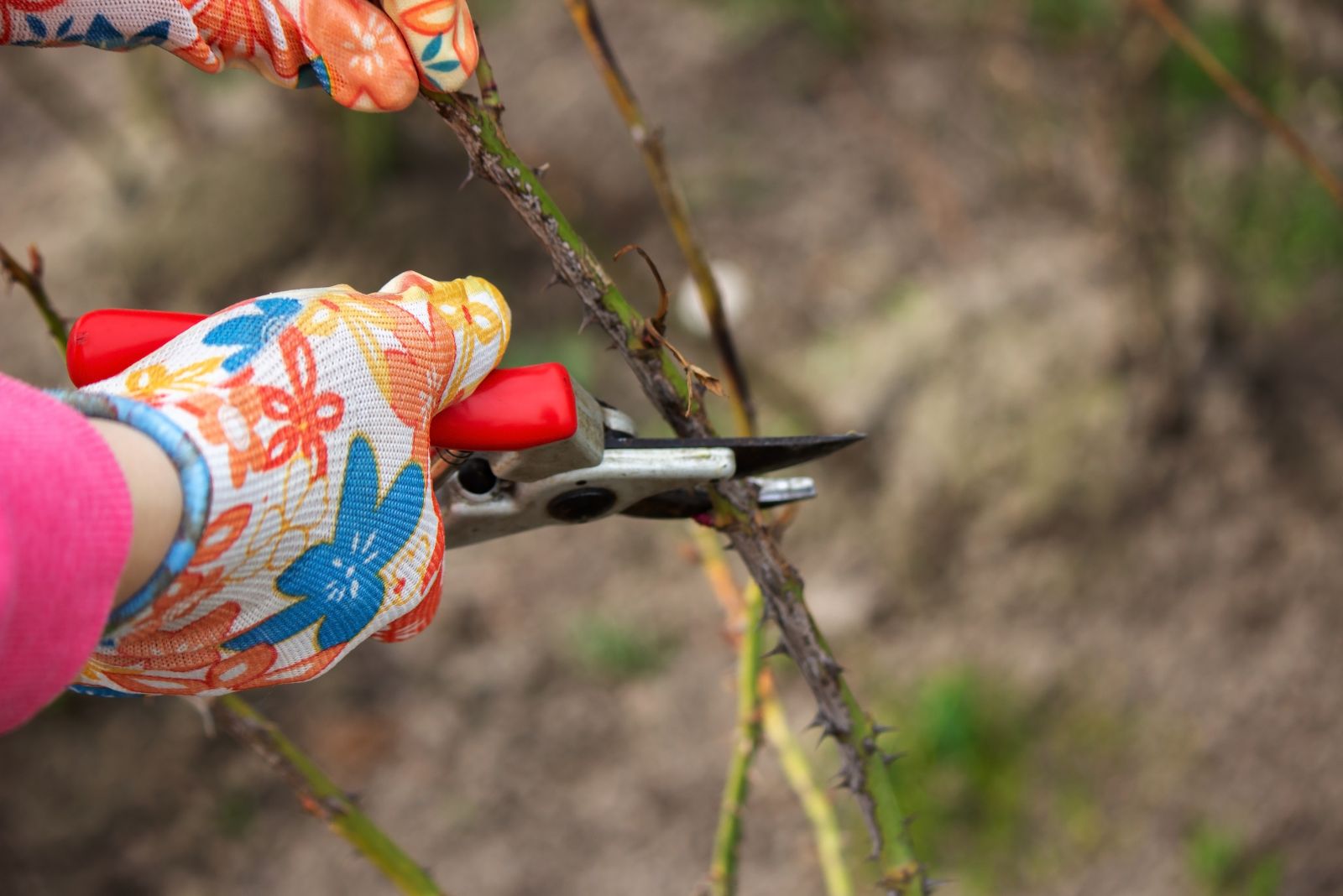
Roses have a special place in Texas gardens. Their rich colors and classic beauty can turn even a simple yard into something that feels a little more charming.
But if you want those big, impressive blooms that really steal the show, timing your pruning matters more than you might think.
Many gardeners hesitate when it comes to cutting back their roses. It can feel risky to trim a plant that is already growing well.
The truth is that the right pruning schedule helps roses grow stronger, healthier, and far more productive. When done at the right moment, pruning encourages fresh growth that leads to fuller plants and larger flowers.
Texas weather adds another layer to the decision. Mild winters and early springs mean rose bushes wake up sooner than in many other places.
Knowing when to reach for the pruners can make the difference between average blooms and a garden filled with bold, vibrant roses that keep producing throughout the season.
Why Pruning Roses Matters For Bigger Blooms?
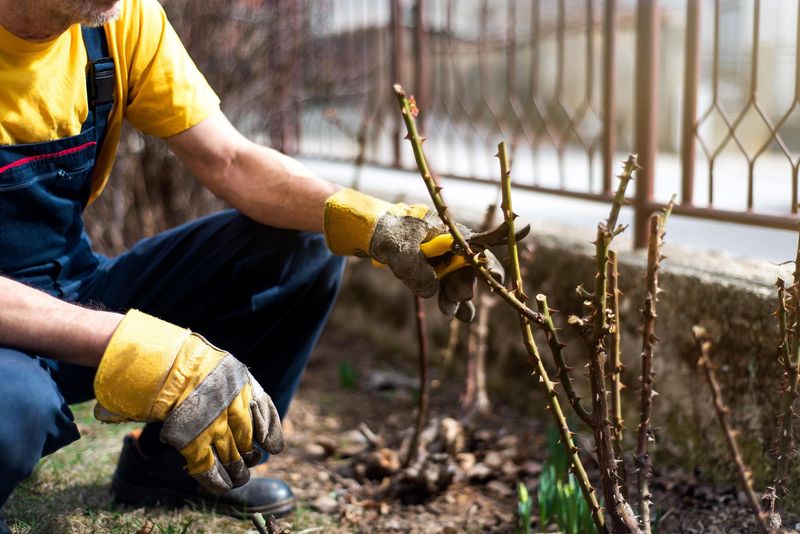
Healthy roses do not happen by accident. Pruning is one of the most powerful things you can do to help your rose bushes thrive, especially in a warm state like Texas where growing conditions can be intense.
When you prune a rose bush, you remove old, woody canes that are no longer producing strong flowers.
The plant then sends its energy toward fresh new stems, which are much better at producing large, vibrant blooms. More new growth means more flowers, plain and simple.
Good airflow is another major reason to prune regularly. Texas gardens can be humid, especially in the eastern parts of the state.
Without proper pruning, rose bushes become crowded and dense, trapping moisture inside the plant. That trapped moisture creates the perfect conditions for fungal diseases like black spot and powdery mildew.
Removing old wood also helps the plant stay a manageable size. A rose bush that has not been pruned in years can become a tangled mess that is hard to work with and difficult to treat when problems arise.
Keeping the bush shaped and open makes every gardening task easier. Pruning also encourages stronger canes overall. When you cut back weak or thin stems, the plant focuses its resources on the remaining, healthier canes.
Those canes grow thicker and produce bigger flower buds. Over time, a well-pruned rose bush in Texas will consistently outperform one that has been left to grow without any guidance. Think of pruning as giving your roses a fresh start every season.
The Best Time To Prune Roses In Texas
Timing is everything when it comes to pruning roses in Texas. Prune too early, and a surprise frost can damage the fresh new growth.
Wait too long, and you miss the window when the plant is ready to push out strong new stems for spring.
Most experienced Texas rose growers aim to prune between late January and early March. The exact date depends on where you live in the state, since Texas stretches across multiple climate zones.
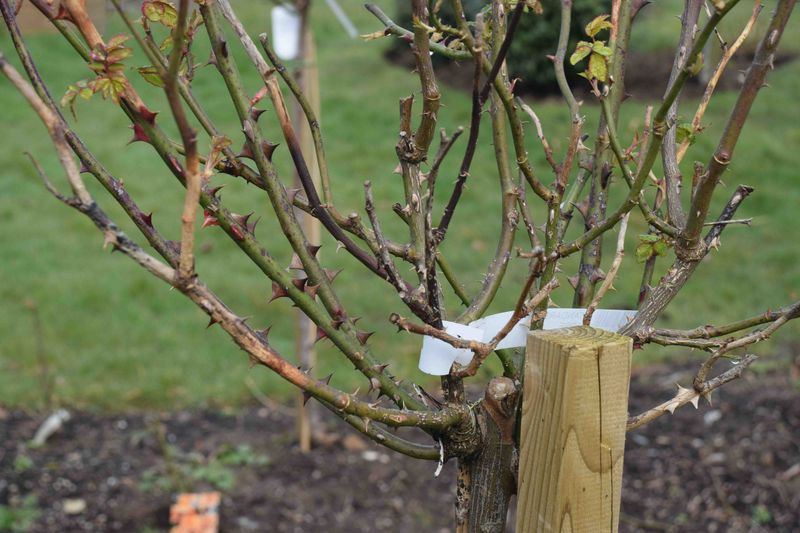
The general rule is to prune just before new growth starts to emerge from the canes.
A helpful trick many gardeners use is to watch for forsythia shrubs to bloom. When those bright yellow flowers appear, it is usually a good signal that it is safe to start pruning roses.
Another popular method is to check the buds on the rose canes themselves. When the buds begin to swell and turn red, the plant is waking up and ready for pruning.
Late winter pruning works so well because the plant is still mostly dormant. Cutting back during dormancy causes far less stress than pruning during active growth.
The rose bush gets a clean start, and all of its energy goes straight into producing new, vigorous canes.
Skipping the annual late-winter pruning is a common mistake in Texas gardens. Some gardeners assume the warm climate means roses do not need as much attention.
In reality, Texas roses benefit greatly from a consistent yearly prune to keep them healthy, productive, and ready to deliver those stunning spring blooms everyone looks forward to.
Pruning Timing Differences Across Texas Zones
Texas is a big state, and the climate across it varies more than many people realize. A gardener in Dallas and a gardener in San Antonio are dealing with very different winters, which means their pruning schedules should not be identical.
In South Texas, cities like San Antonio and Corpus Christi enjoy milder winters with earlier last frost dates. Gardeners in these areas can often start pruning their roses as early as mid to late January.
The warmer temperatures mean new growth arrives sooner, so earlier pruning makes perfect sense.
Central Texas, including the Austin area, sits in the middle of the spectrum. Most gardeners there begin pruning in mid to late February.
Temperatures are cooler than the south but warm up faster than North Texas, making this a comfortable window for getting the job done.
North Texas, including the Dallas-Fort Worth area, deals with colder winters and later last frost dates. Pruning too early in this region can expose tender new growth to damaging freezes.
Most North Texas gardeners wait until late February or even early March before picking up their pruning shears.
Understanding which zone you garden in makes a real difference in your results. Pruning at the wrong time for your region can set your roses back significantly.
A late freeze hitting freshly pruned canes can slow the plant down for weeks. Checking your local last frost date is always a smart first step.
The Texas A&M AgriLife Extension website is a great resource for finding accurate frost information specific to your county, so use it before you start cutting.
How To Prune Roses Properly For Better Flower Production?
Knowing when to prune is only half the battle. Knowing how to prune correctly is just as important if you want your Texas rose bushes to produce bigger, more beautiful blooms season after season.
Start by removing any canes that are clearly dry, damaged, or showing signs of disease. These canes are easy to spot because they look brown, shriveled, or discolored.
Cutting them away first gives you a clearer picture of the plant’s overall structure and helps prevent disease from spreading to healthy tissue.
Next, focus on crossing canes or any branches that grow toward the center of the bush. Rose bushes need sunlight and airflow to reach the inside of the plant.
Removing inward-growing canes opens up the center and creates a more productive growing environment.
For hybrid tea, floribunda, and grandiflora roses, a harder prune works best. Cut the remaining healthy canes back to about 12 to 18 inches above the ground.
This may seem drastic, but these rose types respond very well to hard pruning and will reward you with strong new growth and large flowers.
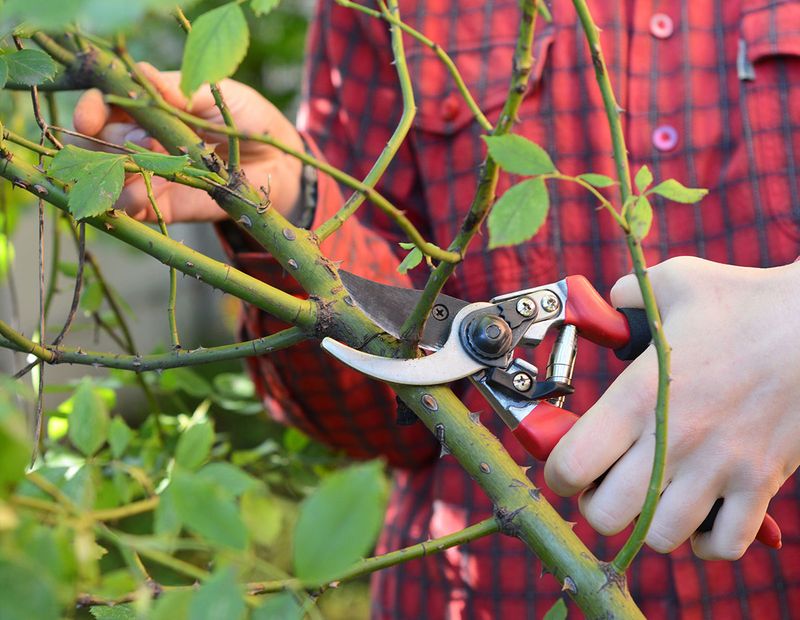
Always make your cuts at a 45-degree angle, positioned about a quarter inch above an outward-facing bud. Angled cuts allow water to run off the wound rather than sitting on the cut surface and causing rot.
Sharp, clean pruning shears are a must. Dull blades crush the cane instead of cutting it cleanly, which creates an entry point for disease.
Wipe your tools with rubbing alcohol between plants to avoid spreading any infections from one rose bush to another across your Texas garden.
Common Rose Pruning Mistakes Texas Gardeners Make
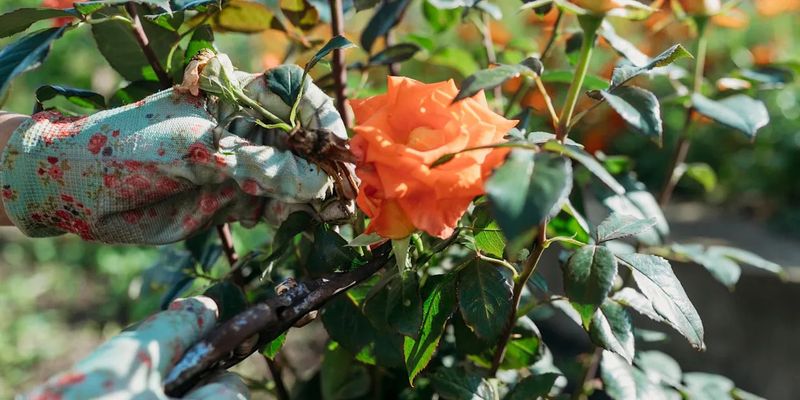
Even well-meaning gardeners make pruning mistakes that end up hurting their roses more than helping them. Being aware of these common errors can save you a lot of frustration and help your Texas roses reach their full blooming potential.
One of the biggest mistakes is pruning too early in the season. It is tempting to get outside and start gardening when January brings a warm stretch of weather, but in North and Central Texas, freezing temperatures can still return well into February.
Cutting back your roses only to have a hard freeze roll through can set the plant back considerably.
Pruning too lightly is another frequent issue. Some gardeners are afraid to cut too much and end up barely trimming the tips of the canes.
Light pruning leaves behind too much old wood and does not stimulate the strong new growth that produces large blooms. On the flip side, cutting everything down too aggressively without leaving any healthy canes can also stress the plant.
Leaving crowded, crossing branches inside the bush is a mistake that quietly causes problems all season long.
Those tangled branches block sunlight and trap humidity, creating ideal conditions for fungal disease, which is already a concern in many parts of Texas.
Using dull or dirty pruning tools might be the most overlooked mistake of all. Dull blades tear at the canes rather than cutting them cleanly.
Dirty tools can carry disease from one plant to another without you even realizing it. Always sharpen your shears before pruning season and clean them regularly. Small habits like these make a noticeable difference in the health and beauty of your roses.
After-Pruning Care To Encourage Bigger Blooms
Pruning is just the beginning. What you do in the weeks after pruning plays a huge role in how well your Texas roses recover and how spectacular their spring blooms turn out to be.
Once you see new growth beginning to emerge from the canes, that is your signal to start fertilizing. A balanced rose fertilizer or a slow-release granular fertilizer works well for this stage.
Feeding your roses at the right moment gives them the nutrients they need to push out strong new stems and develop large flower buds. Avoid fertilizing too early, before new growth appears, since the plant is not ready to use those nutrients yet.
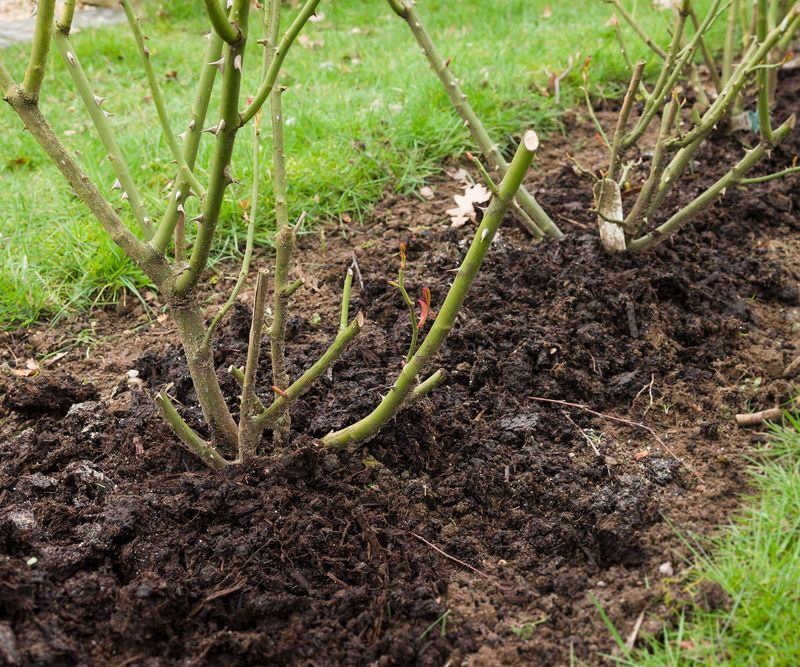
Adding a fresh layer of mulch around the base of each bush is another smart move. Mulch helps the soil hold onto moisture as Texas temperatures begin climbing in spring.
It also keeps the soil temperature more consistent, which roses appreciate. A two to three inch layer of wood chip or shredded bark mulch works great.
Consistent watering is critical during this growth phase. Roses need about an inch of water per week, either from rainfall or irrigation.
Deep, infrequent watering encourages roots to grow deeper into the soil, which makes the plant more resilient during Texas summers.
Keep a close eye on your rose bushes as temperatures rise in spring. Aphids, spider mites, and black spot fungus tend to appear quickly once warm weather settles in across Texas.
Catching pest and disease problems early makes them much easier to manage. A little attention each week goes a long way toward keeping your roses healthy and blooming beautifully all season long.