The Best Time To Start Gardening In Florida (It’s Not What You Think)
You’ve probably heard a dozen different opinions about when to start gardening in Florida, and somehow they all seem to contradict each other.
Maybe someone told you spring is ideal, or that fall is the only season worth trying, and now you’re standing in your yard wondering who actually knows what they’re talking about.
Florida gardening doesn’t follow the rules most people learn from books, seed packets, or advice written for the rest of the country.
What works perfectly up north can completely fail here, which is exactly why timing your garden in Florida matters far more than you might expect.
If you want to avoid frustration and wasted effort, here’s the key: the best time to start your main vegetable garden in Florida is in fall — September through November in North Florida, October in Central Florida, and November in South Florida.
Planting during this window lets your crops grow through mild temperatures and lower humidity, which most vegetables thrive in.
Why Florida Gardening Advice Feels So Confusing
You’ve probably noticed that every Florida gardener you meet has a completely different opinion about when to plant.
One neighbor swears by March, another insists October is the only sensible choice, and someone else claims gardening year-round is totally possible.
The confusion exists because Florida spans multiple growing zones, ranging from 8a in the Panhandle down to 11a in the Keys.
What works well in North Florida can struggle in Central Florida and completely fail in South Florida.
Most gardening guides and seed packets are written for northern climates where seasons follow predictable patterns.
Florida doesn’t follow those patterns at all.
Instead of traditional spring and fall, we experience wet seasons and dry seasons.
Our summers are extremely hot and humid, while winters are mild enough that frost is rare in most areas.
All of this creates a gardening calendar that feels backwards compared to standard advice.
It’s no wonder so many Florida gardeners feel confused when typical gardening wisdom doesn’t match their real-life results.
Once you understand that fall is your prime planting season, everything else — the struggles, the heat, the pests — starts to make sense.
The Common “Best Time” Everyone Assumes Is Right
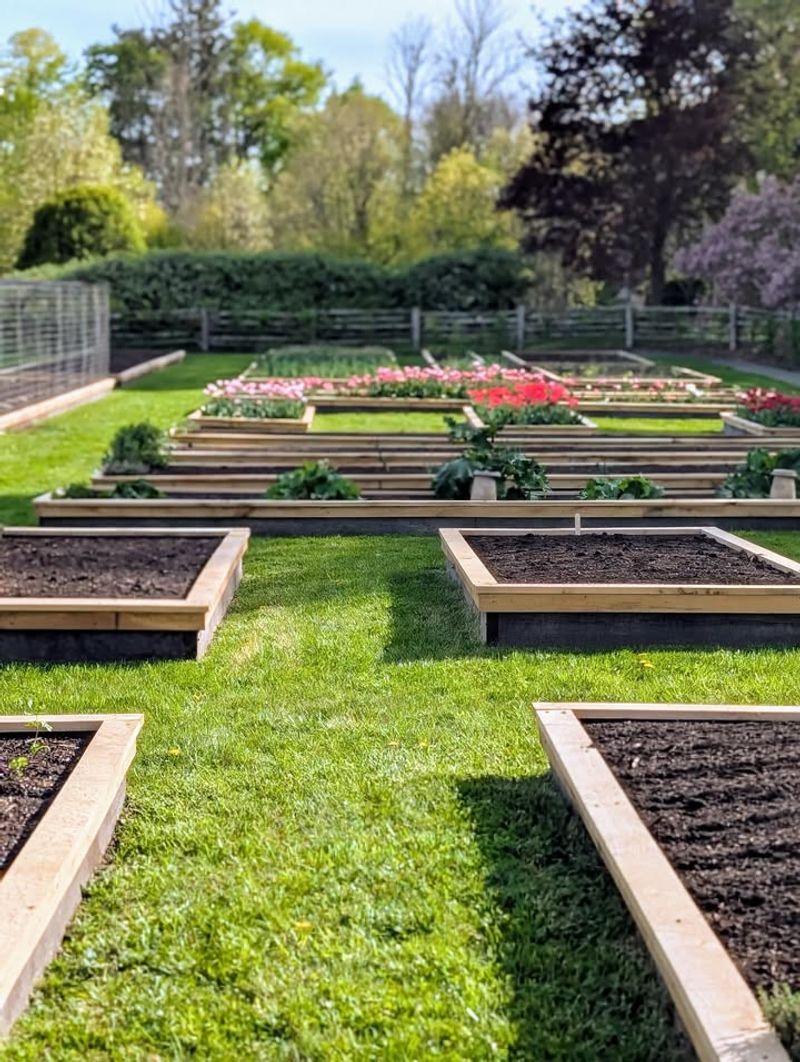
Most people assume spring is the perfect time to start a garden because that’s what works everywhere else in America.
You see those gorgeous seed displays at the hardware store in March and April, and it feels like the natural moment to begin.
Television shows and gardening magazines reinforce this idea constantly.
Even seed packets often list spring planting dates as the standard recommendation.
This assumption makes total sense if you live in Ohio or Pennsylvania where spring brings warm soil and gentle temperatures.
But Florida is not Ohio.
By the time spring rolls around here, we’re already heading toward summer heat.
Temperatures climb fast, and humidity becomes oppressive.
Many vegetables that thrive in cooler weather start struggling by late April or May.
Tomatoes stop setting fruit when nights stay above seventy-five degrees.
Lettuce bolts almost immediately in the heat.
Spring planting can work for certain crops, but it’s definitely not the universal best time everyone assumes it is.
That common wisdom leads countless new Florida gardeners straight into frustration.
What Actually Happens If You Follow That Advice
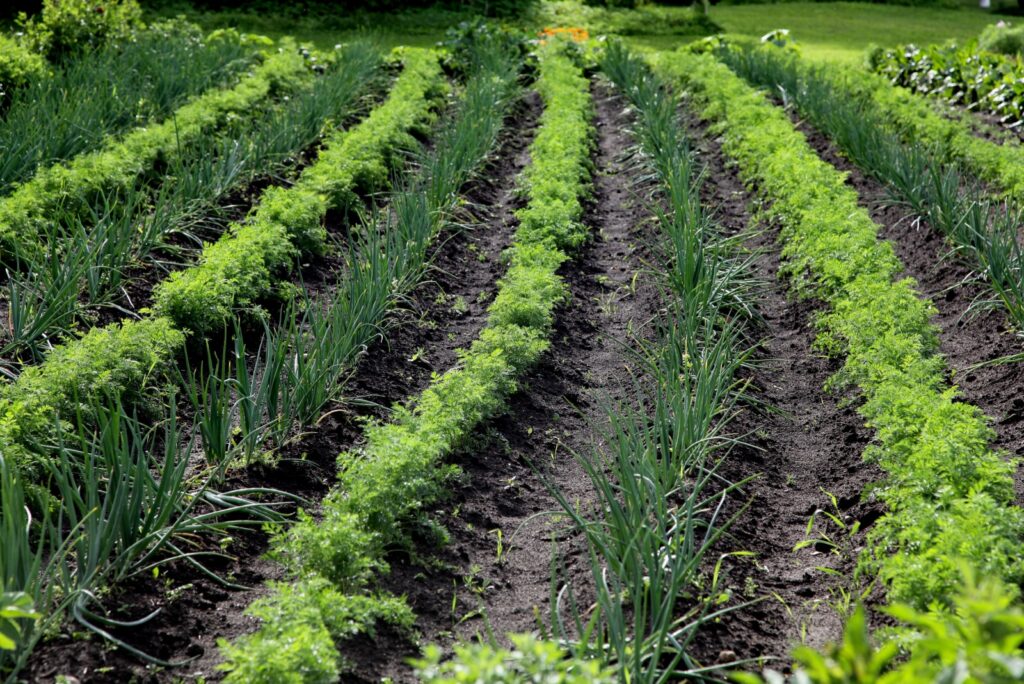
Picture this: you plant your garden in March full of excitement and hope.
Everything sprouts beautifully, and for a few weeks your garden looks absolutely perfect.
Then May arrives with its relentless heat and afternoon thunderstorms.
Suddenly your tomato plants stop producing even though they’re covered in flowers.
Your lettuce turns bitter and shoots up tall stalks.
Squash plants develop powdery mildew seemingly overnight.
Pests multiply like crazy in the humidity.
You water constantly but plants still look stressed and unhappy.
By June, half your garden has given up completely despite your best efforts.
This scenario plays out in Florida backyards every single year.
It’s not that you did anything wrong with your planting technique or care routine.
The problem is that you started at a time when plants had only a short window before conditions became hostile.
Many vegetables simply cannot handle Florida summer heat no matter how much you baby them.
Following traditional spring planting advice sets you up for disappointment before you even put seeds in the ground.
Florida’s Seasons Are Backwards For Gardening
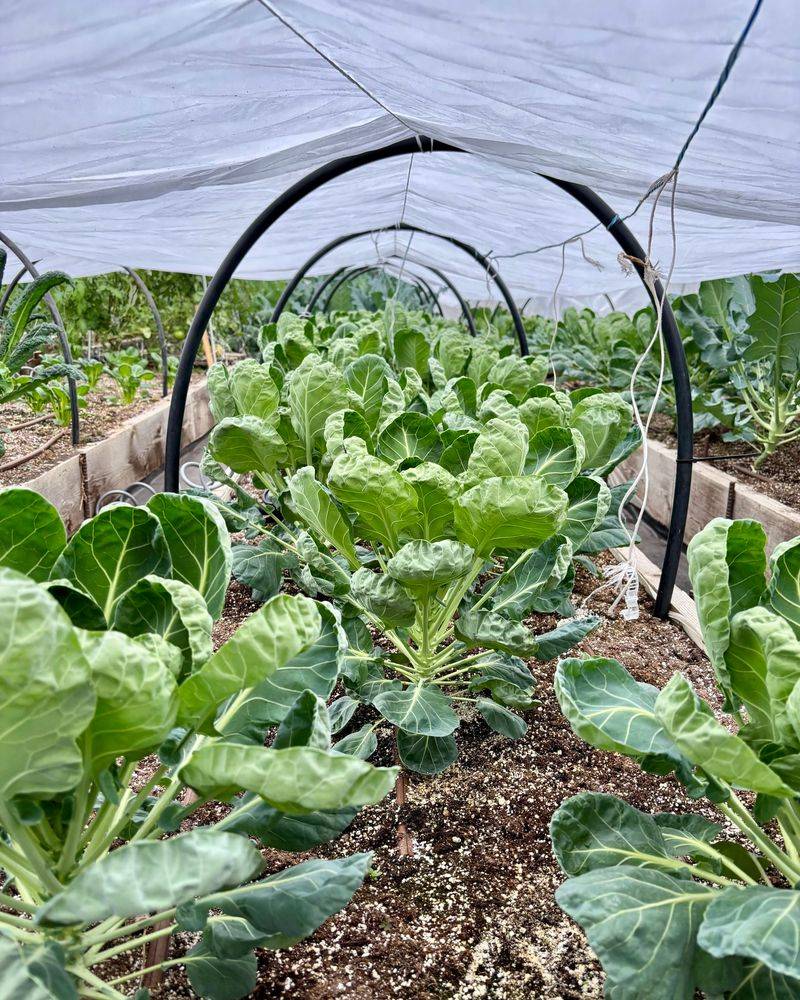
Here’s the mind-bending truth that changes everything about Florida gardening.
Our growing season is essentially backwards compared to northern states.
While gardeners up north plant in spring and summer, Florida gardeners do their main planting in fall and winter.
Summer is actually our off-season for most vegetables.
It sounds completely wrong until you understand why.
Northern gardens need warm weather because their winters are freezing and plants can’t survive cold temperatures.
Florida has the opposite problem.
Our winters are mild and pleasant, with temperatures that most vegetables absolutely love.
Meanwhile, our summers are so hot and humid that many plants go dormant or wither.
Tomatoes, peppers, lettuce, broccoli, and dozens of other vegetables prefer temperatures between sixty and eighty degrees.
Florida winter provides exactly that.
Florida summer provides ninety-degree days with suffocating humidity.
Once you flip your thinking and treat winter as prime growing season, everything suddenly makes sense.
This backwards calendar is the key insight that separates struggling gardeners from successful ones in Florida.
The Time Of Year Vegetables Truly Thrive Here
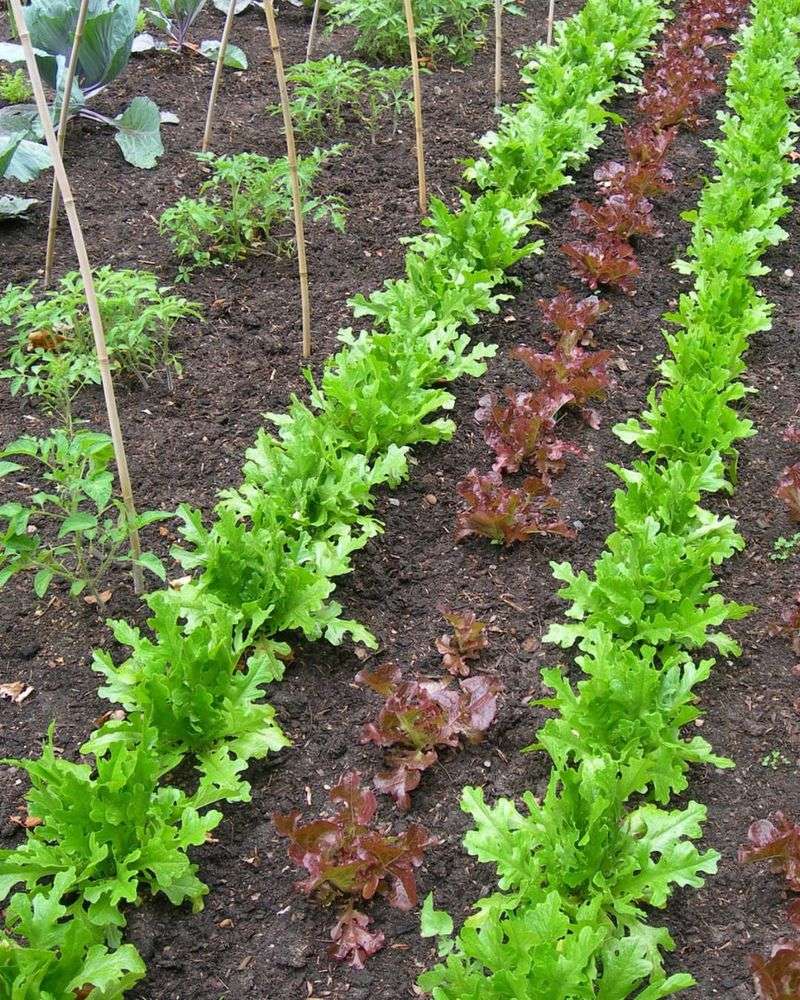
October through March is when Florida vegetable gardens truly come alive.
This six-month window offers the ideal conditions that most vegetables desperately need.
Temperatures stay comfortable, usually ranging from the fifties at night to the seventies or low eighties during the day.
Humidity drops to bearable levels.
Afternoon thunderstorms stop their daily assault.
Pests slow down significantly because many insects become less active in cooler weather.
Plant diseases spread more slowly without constant moisture.
Your plants can focus energy on growing and producing instead of just surviving.
Tomatoes set fruit prolifically during this period.
Peppers produce steadily without stress.
Leafy greens grow tender and sweet instead of bitter.
Root vegetables develop properly in the cooler soil.
Even herbs that struggle in summer heat become lush and flavorful.
You’ll spend less time fighting problems and more time actually enjoying your garden.
This is the season when Florida gardening feels easy and rewarding instead of like a constant uphill battle against nature.
Why Heat And Rain Change Everything
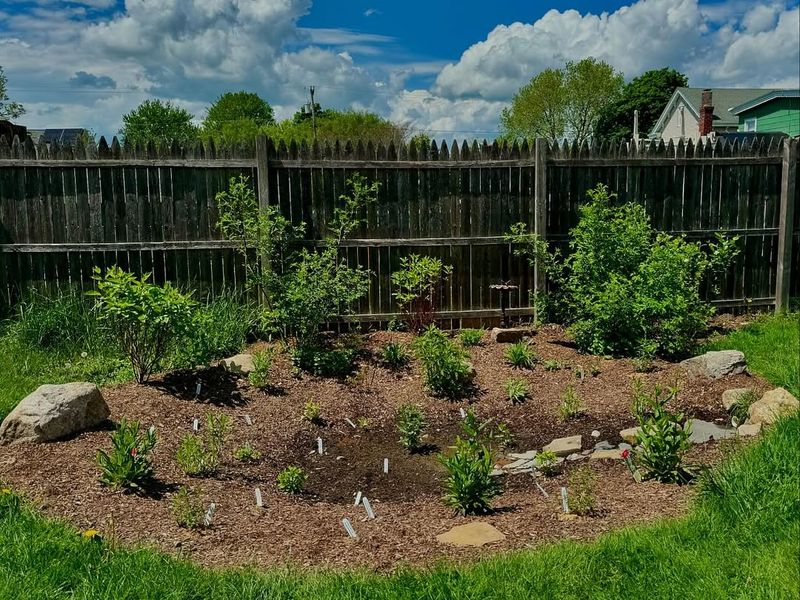
Florida’s combination of extreme heat and daily rain creates a unique challenge that northern gardeners never face.
Summer temperatures regularly hit the nineties with heat indexes well over one hundred degrees.
That kind of heat literally stops certain vegetables from reproducing.
Tomatoes won’t set fruit when nighttime temperatures stay above seventy-five degrees because the pollen becomes sterile.
Many plants shut down their growth and go into survival mode.
Then there’s the rain situation.
Summer brings daily afternoon thunderstorms that dump inches of water in short periods.
Soil stays constantly wet, which creates perfect conditions for root rot and fungal diseases.
Leaves never fully dry out, so powdery mildew and other problems spread rapidly.
The combination of heat and moisture also makes pests incredibly happy.
Aphids, whiteflies, and caterpillars reproduce at alarming rates.
You can spray today and find new infestations tomorrow.
Winter changes this equation completely.
Cooler temperatures keep plants actively growing.
Less rain means better disease control and fewer pests mean less damage.
Understanding how heat and rain dictate success helps you work with Florida’s climate instead of against it.
What You Can Successfully Plant During Each Season
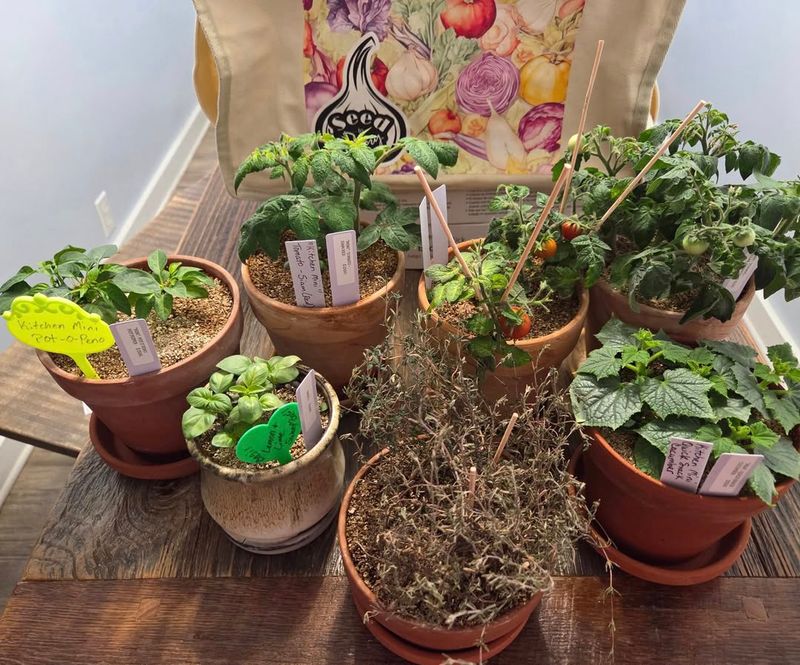
Fall planting from September through November gives you the longest harvest window.
This is the time to plant tomatoes, peppers, eggplant, squash, cucumbers, beans, and most herbs so they have months of ideal growing conditions.
Leafy greens like lettuce, spinach, and kale also thrive when planted in the fall, taking advantage of the cooler temperatures and lower humidity.
Winter planting from December through February focuses on cool-season crops that prefer milder weather.
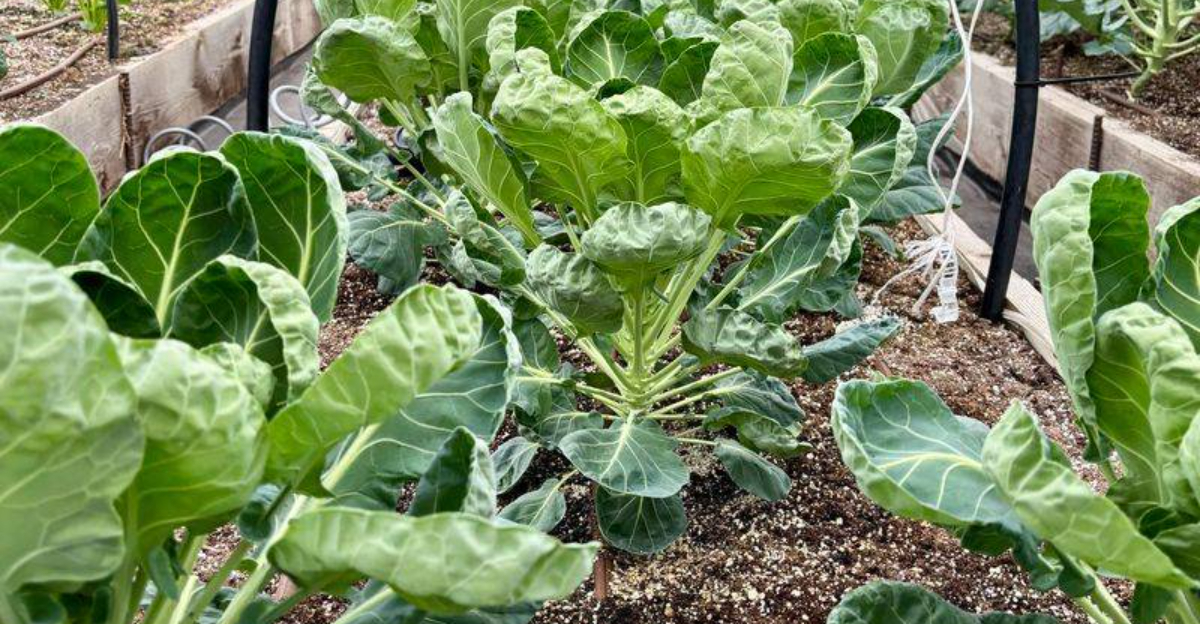
Broccoli, cauliflower, cabbage, and Brussels sprouts flourish in this period, developing fully before the heat returns.
Root vegetables such as carrots, beets, and radishes grow perfectly in winter soil, producing tender, well-formed roots.
Peas also enjoy the cooler months and can be planted successfully during this time.
Spring becomes a transition period from March through May, when the weather begins to warm.
You can still harvest crops planted in the fall, but new planting options narrow significantly as temperatures rise.
Heat-tolerant herbs like basil can do well if planted early in this season before the full summer heat sets in.
Some gardeners manage to squeeze in quick-maturing crops before summer, making the most of the transition period.
Summer from June through August is challenging for most vegetables due to high heat and humidity.
Southern peas, okra, sweet potatoes, and certain peppers can handle the summer conditions if planted carefully.
Many gardeners use the summer months to rest their beds, add compost, and prepare for the upcoming fall planting.
Others grow cover crops to improve soil structure, suppress weeds, and add nutrients.
Knowing what to plant when prevents wasted effort, money, and frustration on crops that are unlikely to survive Florida’s extreme summer conditions.
Mistakes New Florida Gardeners Make With Timing
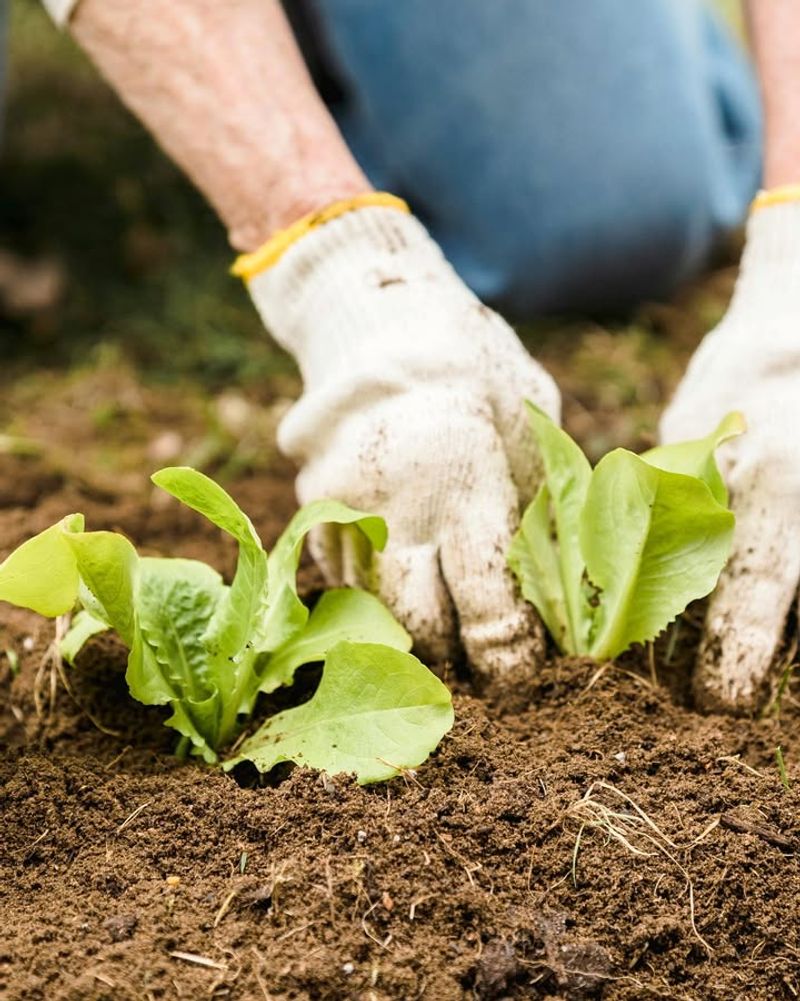
One of the biggest mistakes is buying transplants whenever you see them at the store without considering the timing for your local area.
Garden centers often stock plants based on national schedules rather than Florida-specific climate needs.
You might pick up tomato transplants in March and assume that means you should plant them immediately.
By the time these plants mature, summer heat has arrived, causing them to struggle or fail entirely.
Another common error is planting everything at once instead of staggering plantings for succession.
Florida’s long growing season allows multiple plantings of quick crops such as lettuce and beans.
Many beginners also ignore their specific location within Florida, which affects ideal planting times.
North Florida can handle earlier fall planting than South Florida due to differences in frost risk.
South Florida gardeners often wait longer because frost is rarely a concern, allowing for a slightly later schedule.
Some newcomers give up entirely after one failed summer garden attempt, believing they simply can’t grow vegetables in Florida.
In reality, they just planted during the wrong season for their region.
Others try to force northern gardening methods to work in Florida through sheer determination.
They fight the climate instead of adapting to it, often facing repeated frustration.
Perhaps the most heartbreaking mistake is not starting at all because the information seems contradictory and confusing.
Once you understand Florida’s “backwards” seasons, timing your plantings becomes much clearer and far more successful.
How To Tell When Your Garden Is Ready to Start
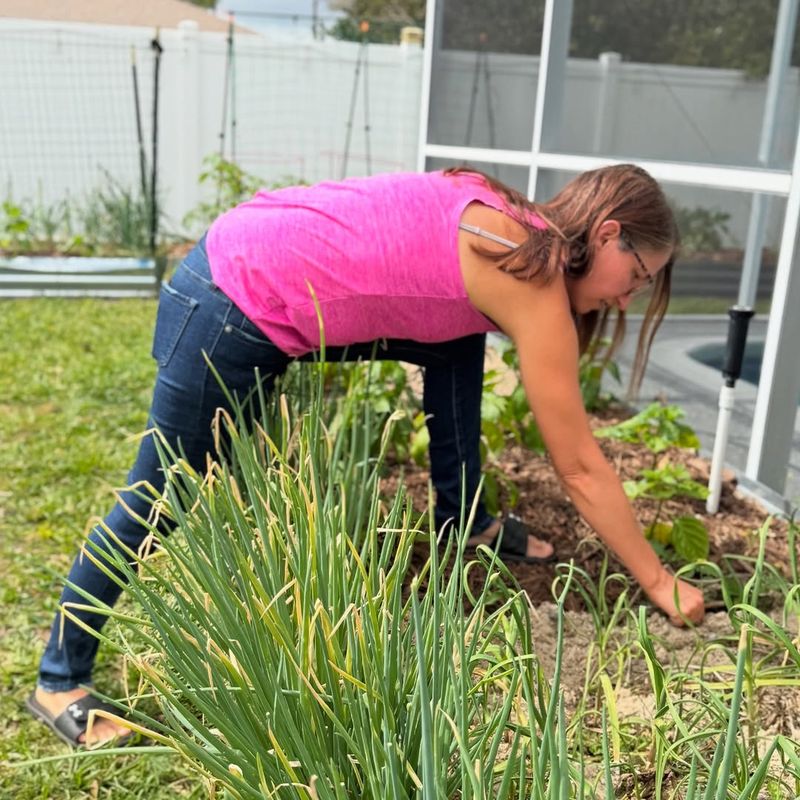
Your garden is ready when nighttime temperatures consistently drop below seventy-five degrees.
This usually happens in September for North Florida and October for South Florida, depending on your exact location.
Check your local weather history rather than relying solely on a specific calendar date.
Soil temperature matters as well because most vegetables germinate best when soil is between sixty and eighty degrees.
You can purchase an inexpensive soil thermometer to confirm when your soil is ready for planting.
Another signal is when afternoon thunderstorms become less frequent and less intense.
Once the daily summer rain pattern breaks, conditions improve dramatically for new plantings.
Your soil should also be workable and not waterlogged from summer rains.
If water pools in your beds after rain, wait until the drainage improves before planting.
Many experienced Florida gardeners watch for the first cool front to move through, signaling that temperatures are dropping consistently.
That weather shift often marks the transition into Florida’s prime gardening season.
You don’t need perfect conditions to start planting.
Waiting for ideal weather often means missing valuable growing opportunities.
Preparing your garden bed well matters more than picking the absolute “perfect” day to begin.
So When Should You Start Gardening In Florida?
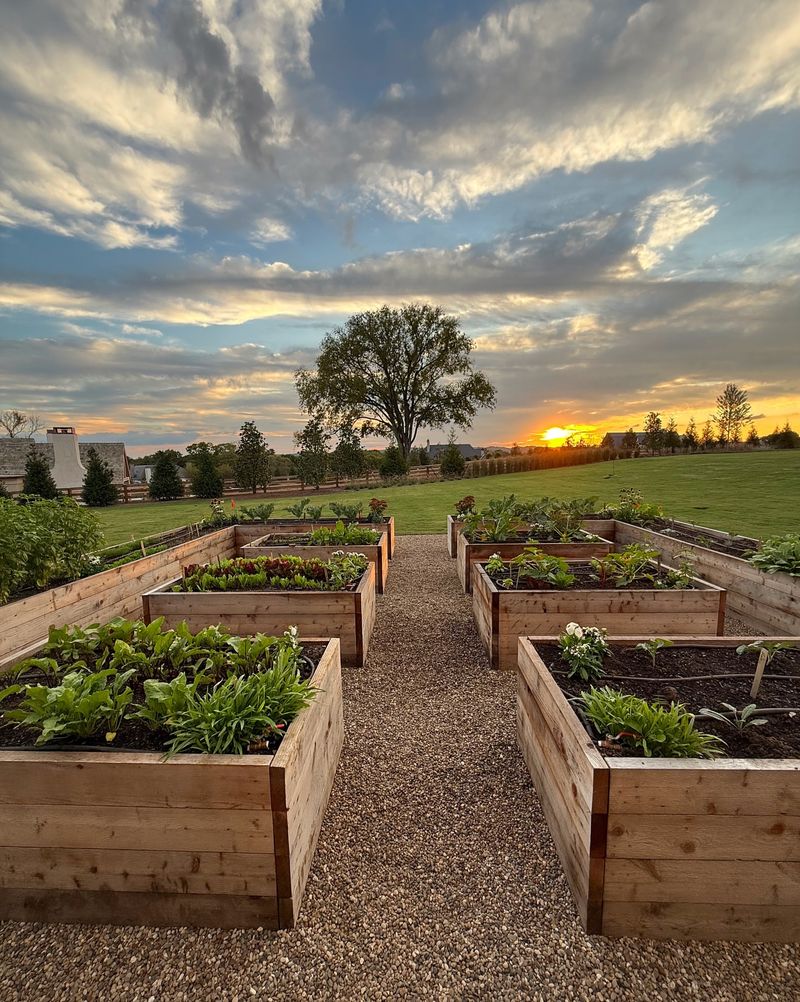
The answer isn’t a single date because Florida is too diverse for one-size-fits-all advice.
But here’s a general guideline: plan your main vegetable garden for fall planting.
North Florida gardeners should start in late September or early October to take advantage of the cooler months.
Central Florida gardeners can begin in October, once temperatures start to moderate.
South Florida gardeners often wait until November when conditions are ideal for most vegetables.
This timing gives your plants months of optimal growing conditions ahead.
They’ll establish strong roots, grow vigorously, and produce abundantly through winter and into spring.
You can also plant a second round of cool-season crops in January for a mid-season harvest.
Spring planting works for certain heat-tolerant vegetables if you start early and choose appropriate varieties.
However, spring planting rarely produces the same abundance as fall planting.
The real secret is realizing that Florida gardening happens when most of the country is winding down.
While northern gardeners are harvesting their last tomatoes and preparing for frost, you’re just getting started.
Embracing this backwards calendar is what makes Florida gardening so special, productive, and rewarding.
Stop fighting the calendar and start working with Florida’s unique climate instead.