The Best Time To Start Tomatoes In Oregon By Zone

Tomatoes are the most popular vegetable Oregon gardeners grow, and also the one that causes the most unnecessary stress.
Too many people start seeds too early, get caught out by a late frost, or wait so long that their plants barely have enough warm days to produce before fall arrives.
Timing is everything with tomatoes here, and getting it wrong is an easy mistake to make. Here’s the thing though: Oregon is not one single climate.
Not even close. A gardener in Medford is working with a completely different reality than someone growing in Portland, and both of them are worlds apart from a gardener on the coast or up in the Willamette Valley.
Zone matters. A lot. Starting tomatoes at the right time for your specific part of the state is the single biggest thing you can do to set your plants up for a genuinely productive season. Everything else is secondary.
Zone 6: Wait Until Late May Or June
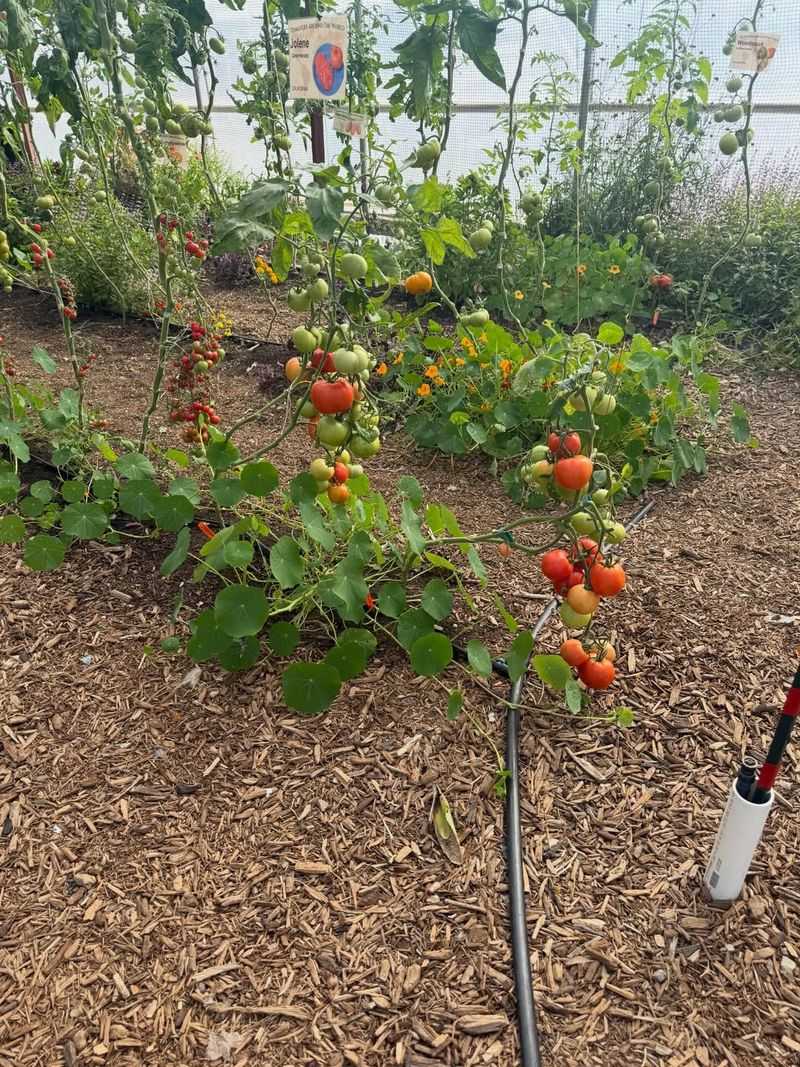
Oregon’s Zone 6 regions are some of the coldest in the state. Places like parts of the Blue Mountains and higher elevations in eastern Oregon fall into this zone.
Winters are long, and spring arrives slowly. Last frost dates can stretch all the way into late May or even early June.
Patience is your best tool here. Rushing your tomatoes outside before the soil warms up will only slow them down.
Tomatoes need soil temperatures of at least 60 degrees Fahrenheit to grow well. Cold soil stresses plants and makes them more likely to struggle.
Start your seeds indoors about eight to ten weeks before your expected last frost. That usually means starting seeds in late March or early April.
Keep your seedlings under grow lights or in a very sunny window. Water consistently and do not let the soil dry out completely.
Once late May arrives, check your nighttime temperatures carefully. If nights are still dropping below 50 degrees, wait a little longer.
A few extra days of patience can make a big difference in how well your tomatoes settle in. Zone 6 gardeners in Oregon know that good things take time.
Zone 7: Transplant In Mid-To-Late May
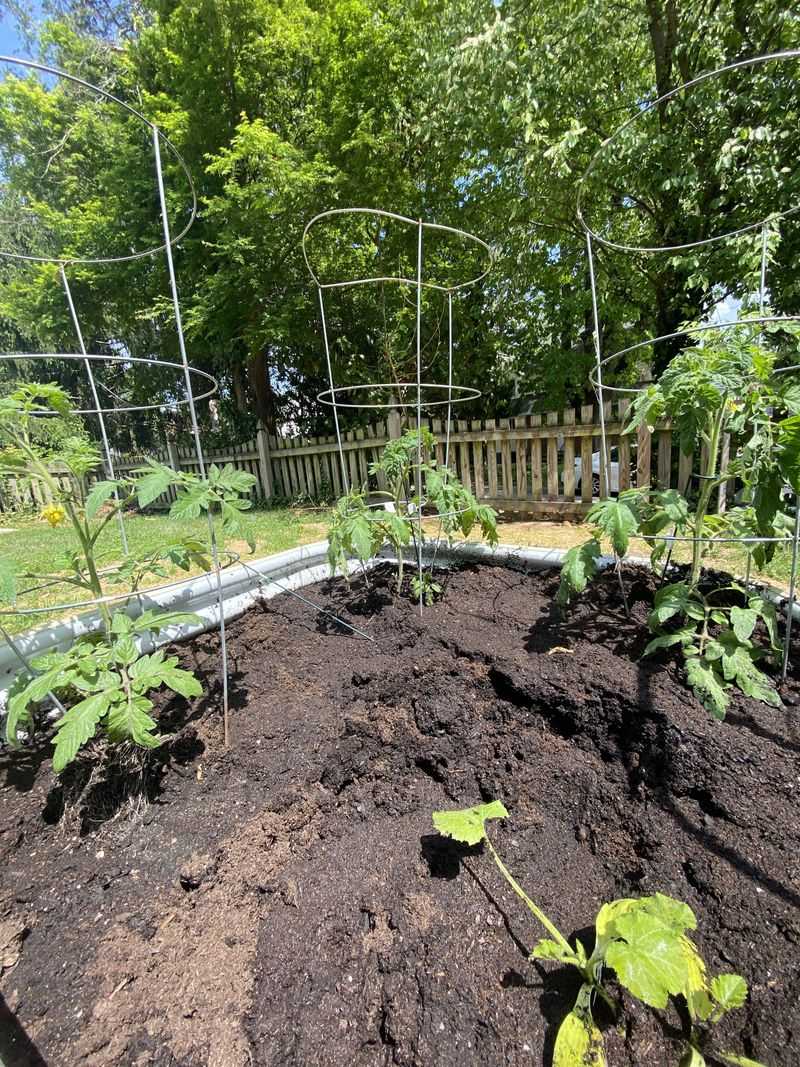
Zone 7 covers a good chunk of inland Oregon, including parts of the Rogue Valley, the Umpqua Valley, and some areas around the Willamette Valley’s edges. Winters here are cold but not extreme, and spring warms up at a steady pace.
Most Zone 7 gardeners in Oregon target mid-to-late May for transplanting tomatoes.
Your last frost date in Zone 7 usually falls somewhere between late April and mid-May. Waiting until mid-May gives you a nice safety buffer.
Tomatoes planted too early in cold soil will just sit there, looking sad and growing very slowly.
Starting seeds indoors six to eight weeks before transplanting is a smart move. That puts your seed-starting date around mid-March.
Use a good seed-starting mix, keep the soil moist, and make sure your seedlings get plenty of light. Leggy, pale seedlings usually mean they need more sun or artificial light.
Your Oregon Garden Changes Every Week. Your Plan Should Too.
Gardening in Oregon changes quickly throughout the season. Every Friday you’ll receive a simple weekly plan showing exactly what to plant, prune, fertilize, harvest, and protect so you never miss the right timing.
By mid-to-late May in Zone 7, soil temperatures are typically warm enough and nighttime lows are safer. Choose a sunny spot with well-draining soil.
Tomatoes planted in Zone 7 Oregon gardens during this window tend to establish quickly and reward you with a solid summer harvest.
Zone 8: Plant Outside In Early-To-Mid May
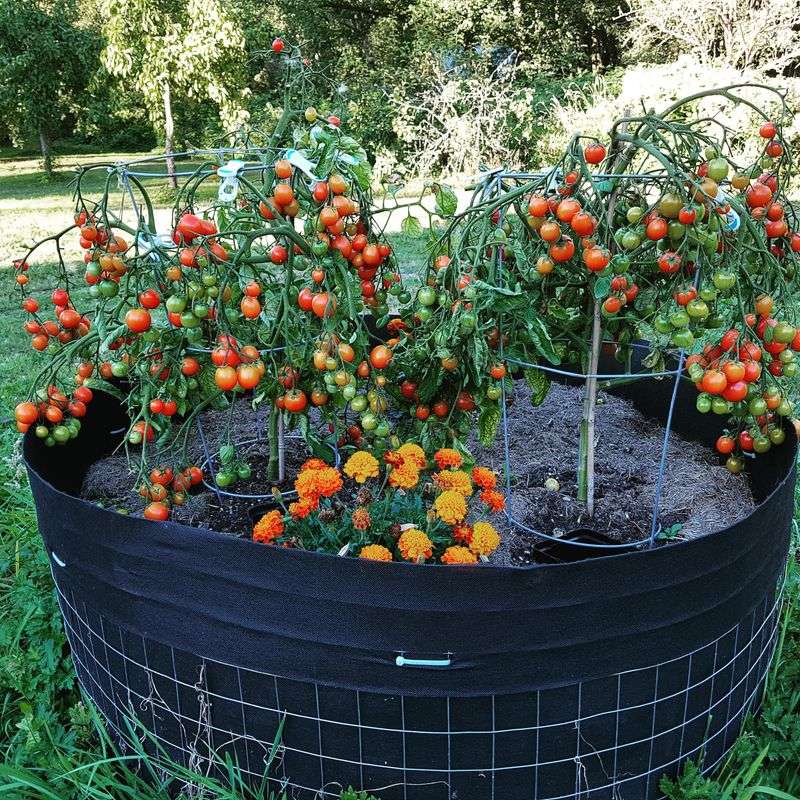
Zone 8 is where a lot of Oregon’s most productive vegetable gardens thrive. The Willamette Valley, including cities like Portland, Salem, and Eugene, sits squarely in Zone 8.
Winters are mild and rainy, and spring arrives earlier than in colder zones. Early-to-mid May is the sweet spot for getting tomatoes in the ground here.
Last frost in Zone 8 Oregon typically happens in early April. By early May, nighttime temperatures have usually climbed safely above 50 degrees.
Soil temperatures are warming up nicely, and tomatoes will settle in much faster than they would even a few weeks earlier.
Start your seeds indoors around mid-to-late March for a strong head start. Give them a warm, bright spot and water them carefully.
Tomato seedlings in Zone 8 grow quickly once they have enough light and warmth. Harden them off gradually before moving them outside.
When you plant in early-to-mid May in Zone 8, you are giving your tomatoes a long, warm growing season. Oregon’s Willamette Valley summers are sunny and warm, which tomatoes absolutely love.
With the right timing, Zone 8 gardeners can expect a generous harvest stretching from late July all the way through October.
Zone 9: Move Tomatoes Out In Late April Or May
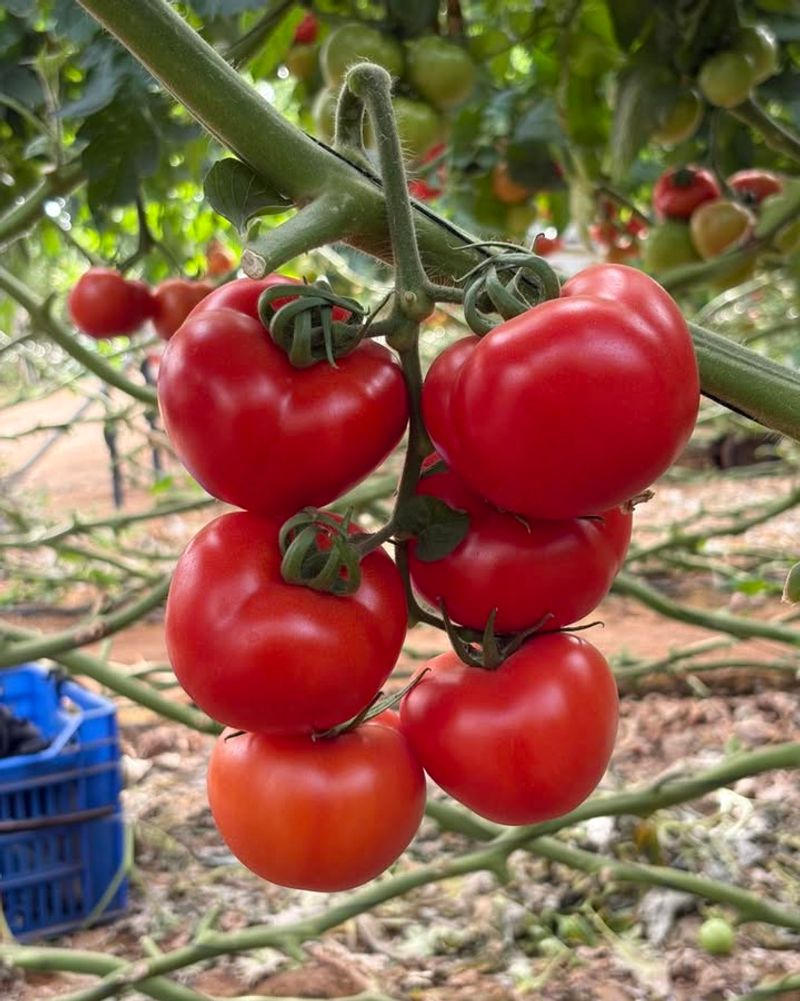
Southern Oregon’s warmest areas, particularly around Medford, Ashland, and the southern Rogue Valley, fall into Zone 9. This zone enjoys some of the mildest winters and warmest springs in the entire state.
If you garden in Zone 9, you have a real advantage when it comes to growing tomatoes.
Late April is often warm enough to start moving tomatoes outdoors in Zone 9 Oregon. Last frost dates here usually fall in late March or very early April.
By late April, soil temperatures are typically well above 60 degrees Fahrenheit, which is exactly what tomatoes need to hit the ground running.
Start seeds indoors about six weeks before your planned transplant date. That means starting in mid-to-late March is perfectly reasonable for Zone 9.
Your seedlings will be strong and ready to go outside right when the weather is cooperating.
Zone 9 gardeners in Oregon can also extend their season by planting early-maturing varieties like Early Girl or Celebrity. These varieties produce faster and give you ripe tomatoes sooner.
With a long, hot growing season, Zone 9 is honestly one of the best places in Oregon to grow tomatoes. Take full advantage of your warm climate and get planting early.
Coastal Zones: Watch Night Temperatures
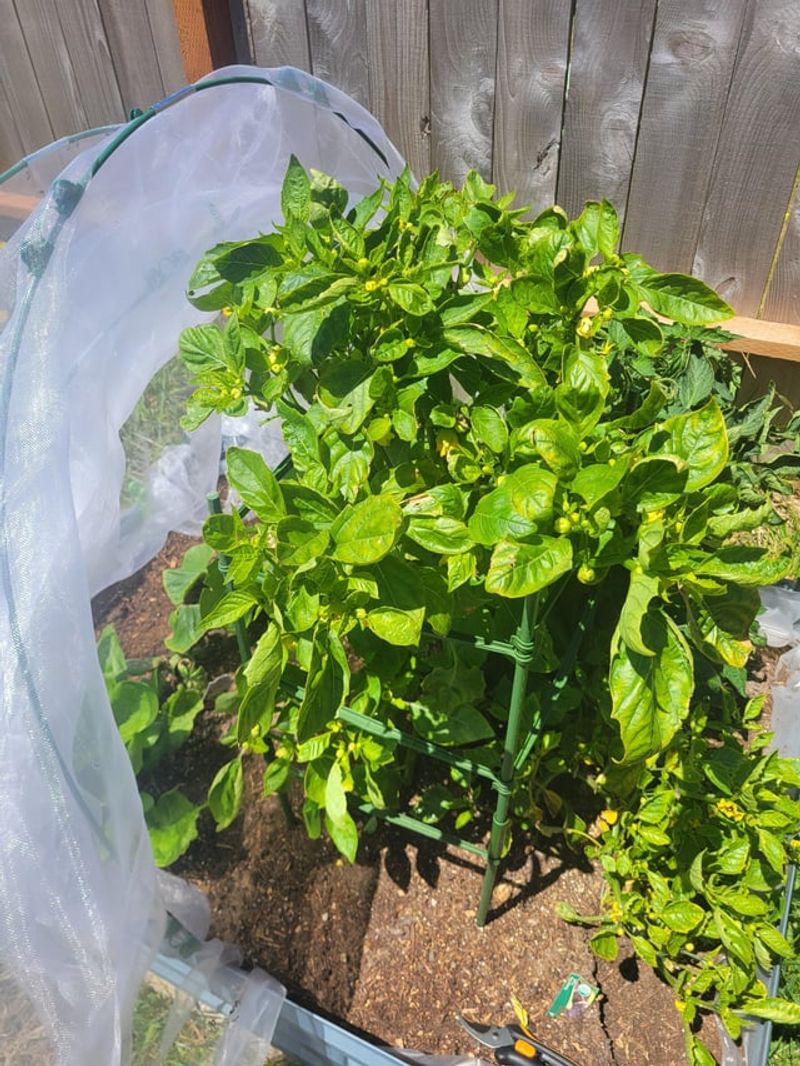
Gardening along the Oregon coast is a unique experience. The Pacific Ocean keeps temperatures mild year-round, which sounds great, but it also means cool, foggy summers that tomatoes are not always thrilled about.
Coastal Oregon falls into Zones 8 and 9, but the growing conditions feel much cooler than those zone numbers suggest.
Nighttime temperatures are the biggest challenge for coastal Oregon tomato growers. Even in June and July, nights can dip into the low 50s or even the upper 40s along the coast.
Tomatoes stop growing well when nights are that cool. They need consistent warmth to set fruit properly.
Choosing the right variety makes a huge difference on the Oregon coast. Look for cold-tolerant varieties like Siletz, Legend, or Stupice.
These were practically made for cool Pacific Northwest conditions. Plant in the warmest, most sheltered spot in your yard, ideally against a south-facing wall or fence that holds heat.
Row covers and season extenders can also help coastal gardeners squeeze more warmth out of the season. Start transplanting in mid-to-late May, but keep covers handy for chilly nights.
Patience and the right variety choices will reward coastal Oregon gardeners with a solid tomato harvest even in a cool, foggy summer.
High Desert Zones: Protect From Late Frost
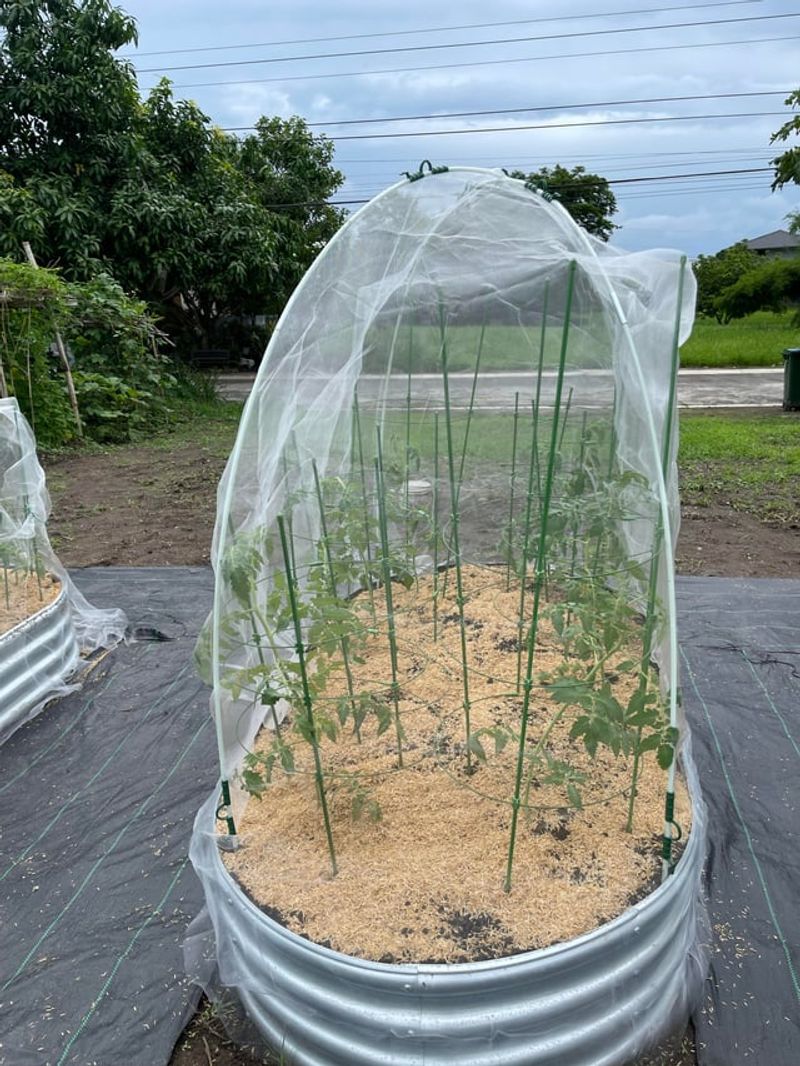
Eastern Oregon’s high desert is a fascinating but challenging place to grow tomatoes. Cities like Bend, Burns, and Ontario experience dramatic temperature swings between day and night.
Summers get hot and sunny, which tomatoes love, but late spring frosts can sneak in well into May or even early June at higher elevations.
Frost protection is not optional in high desert Oregon. Even after your average last frost date has passed, a surprise cold snap can hit.
Wall-O-Waters, frost cloth, and cold frames are popular tools among high desert gardeners. They create a warmer microclimate around your plants and buy you extra time.
Wall-O-Waters are especially popular in this region because they allow you to plant tomatoes several weeks earlier than you normally could. Some eastern Oregon gardeners use them to get transplants in the ground as early as mid-April, even though frost risk is still real.
The water-filled tubes absorb heat during the day and release it at night, protecting plants from freezing temperatures.
Without protection, wait until late May or early June to transplant in high desert zones. Choose short-season varieties that mature in 65 to 70 days.
The growing season here is shorter, so every day counts. With the right tools and variety choices, high desert Oregon gardeners can still grow beautiful, flavorful tomatoes all summer long.
Harden Off Before Transplanting
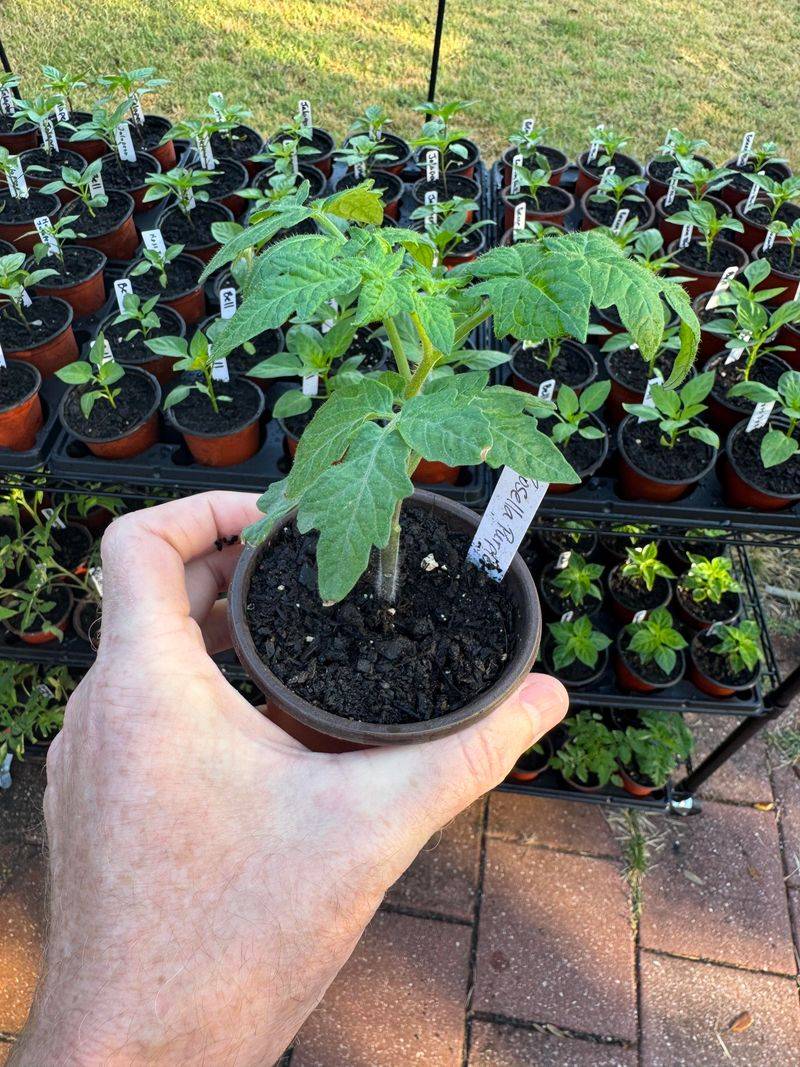
No matter which Oregon zone you garden in, hardening off your tomato seedlings before transplanting is one of the most important steps you can take. Hardening off simply means gradually introducing your indoor-grown seedlings to outdoor conditions.
It sounds simple, but skipping this step can really set your plants back.
Seedlings grown indoors under lights or in a greenhouse are used to stable, sheltered conditions. Moving them straight outside into wind, direct sun, and temperature swings is a shock to their system.
Leaves can bleach out, curl, or even develop sunscald within just a day or two of unprotected outdoor exposure.
Start the hardening process about one to two weeks before your planned transplant date. Set your seedlings outside in a sheltered, partly shaded spot for just one to two hours on the first day.
Gradually increase their outdoor time each day, moving them into more sun and leaving them out longer.
By the end of the hardening period, your seedlings should be spending full days outside and handling direct sun without any issues. Bring them in if temperatures drop sharply at night during this process.
A well-hardened tomato plant transplants much more smoothly and recovers faster than one that skipped this step. Oregon gardeners who harden off consistently tend to see noticeably stronger, faster-growing plants all season long.