The Best Vegetables To Plant In Georgia Before August Begins
Running out of summer does not mean running out of planting opportunities. Some vegetables actually prefer getting their start before August arrives.
Choosing the right crops now gives you fresh harvests well into fall. Skip the guesswork and make every empty garden space count.
Late July still offers plenty of possibilities in Georgia. Warm soil helps many seeds sprout quickly, while cooler weeks ahead support steady growth.
Bush beans, carrots, collards, kale, radishes, and several other vegetables can still reward you with productive harvests.
Choosing the right varieties today gives your garden another successful season instead of ending it early.
A few smart planting decisions now can keep fresh food coming long after summer begins to fade. Your next harvest could start with seeds planted this week alone outdoors today.
1. Bush Beans Suit Late Summer Planting
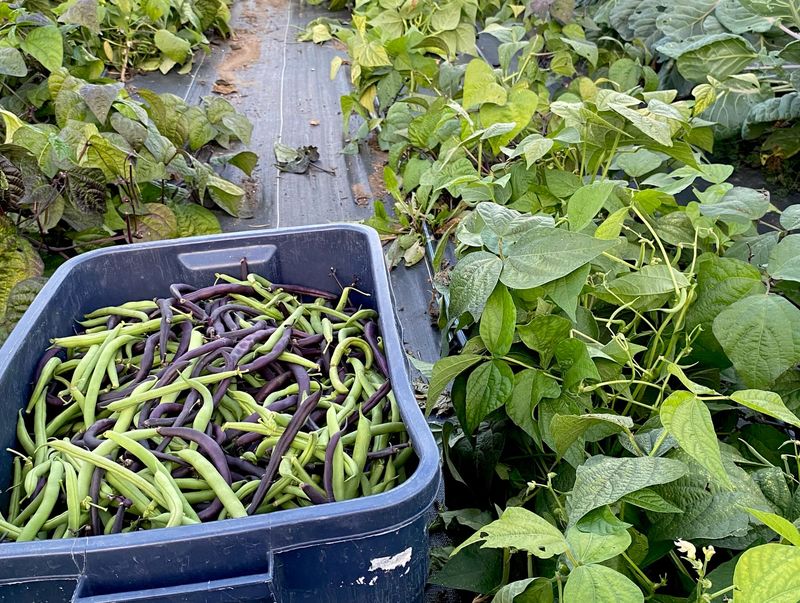
Bush beans are one of those crops that almost seem too easy. Drop the seeds in the ground, water them regularly, and within about 50 to 60 days you have pods ready to pick.
Planting them before August gives you a solid shot at a productive harvest before cooler nights arrive.
Unlike pole beans, bush varieties do not need trellises or support structures. That makes them a smart choice for gardeners who want less setup and more results.
Varieties like Provider and Contender handle heat reasonably well and have proven themselves in warm Southern conditions.
Soil preparation matters more than most beginners realize. Loose, well-drained soil with some compost mixed in gives roots room to spread and nutrients to pull from.
Waterlogged beds can cause seeds to rot before they sprout, so drainage is worth checking before you plant.
Spacing seeds about four to six inches apart keeps airflow moving between plants. Good airflow reduces the chance of fungal issues, which tend to flare up in humid summer weather.
Water at the base of plants rather than overhead to help keep leaves dry.
Harvest pods when they snap cleanly and before seeds inside start to bulge. Leaving pods on the plant too long signals the plant to slow production.
Picking regularly encourages more flowers and more beans throughout the season.
2. Southern Peas Keep Producing Through Heat
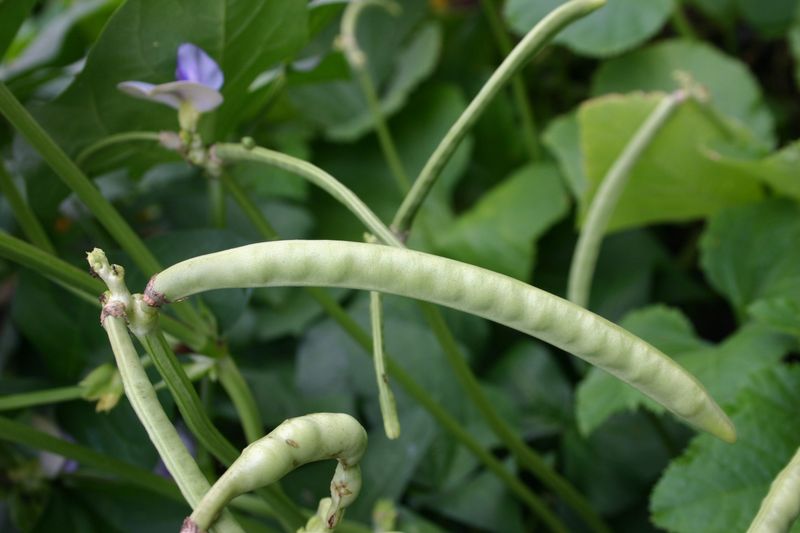
Few vegetables handle Southern heat as confidently as southern peas. Crowder peas, black-eyed peas, and purple hull peas all fall into this group, and each one thrives when temperatures push into the upper 80s and 90s.
Planting before August gives them plenty of warm days to hit their stride.
Southern peas actually fix nitrogen in the soil as they grow. That means they feed themselves to a degree and can even improve soil quality for whatever you plant next season.
It is a practical bonus that most gardeners appreciate over time.
These plants prefer full sun and well-drained soil. Soggy conditions at the root zone tend to create problems, so raised rows or beds with good drainage work well.
Once established, they are fairly drought-tolerant compared to many other vegetables, though consistent moisture during flowering helps pod set.
Your Georgia Garden Changes Every Week. Your Plan Should Too.
Gardening in Georgia changes quickly throughout the season. Every Friday you’ll receive a simple weekly plan showing exactly what to plant, prune, fertilize, harvest, and protect so you never miss the right timing.
Expect around 60 to 70 days from planting to harvest, depending on the variety. Purple hull types are often easier to spot at harvest time because the pods turn a deep reddish-purple when ready.
Crowder types need a bit more attention to timing since pods stay green longer.
Shelling fresh peas takes patience but the flavor payoff is worth it. Freshly shelled southern peas cooked simply with a little seasoning taste nothing like the canned version.
Growing your own makes a noticeable difference in quality.
3. Cucumbers Offer A Warm Season Harvest
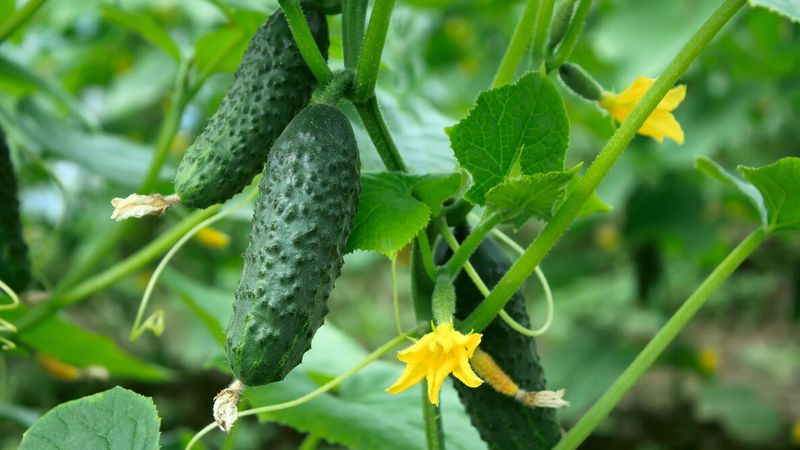
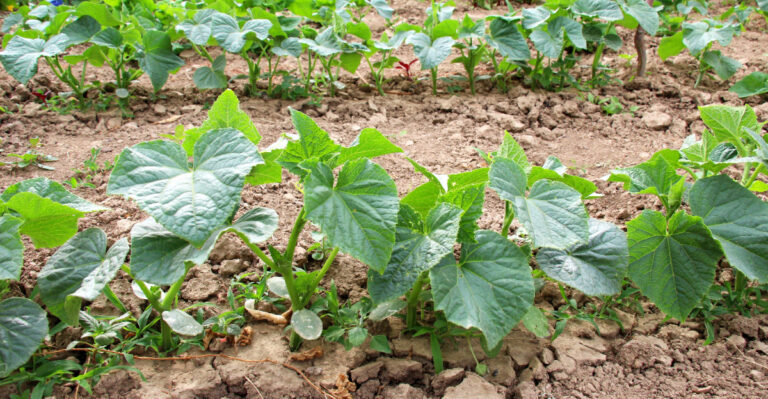
Cucumbers grow fast. From seed to first harvest, most varieties take only 50 to 65 days, which makes a late July planting realistic for an August and September harvest.
Getting them in the ground before August starts gives you a window that works with the remaining warm season.
Slicing types like Straight Eight and Bush Pickle are reliable in warm, humid conditions. Pickling varieties tend to produce in heavy flushes, which is great if you plan to preserve your harvest.
Both types need consistent watering to avoid bitter-tasting fruit, which often happens when plants stress from uneven moisture.
Trellising cucumbers vertically saves space and improves air circulation around the foliage. Better airflow means lower risk of powdery mildew and other fungal issues that tend to appear in humid summer weather.
A simple wire fence or wooden frame works fine for most home gardens.
Pollination matters with cucumbers. Bees and other pollinators need to visit the flowers for fruit to develop properly.
Planting near flowering herbs or leaving some wildflowers nearby can encourage more pollinator activity in your garden.
Pick cucumbers before they turn yellow. Overripe fruit left on the vine signals the plant to reduce production.
Checking plants every couple of days during peak season keeps the harvest coming and the vines actively producing through the warmer weeks ahead.
4. Collards Establish Strong Fall Crops
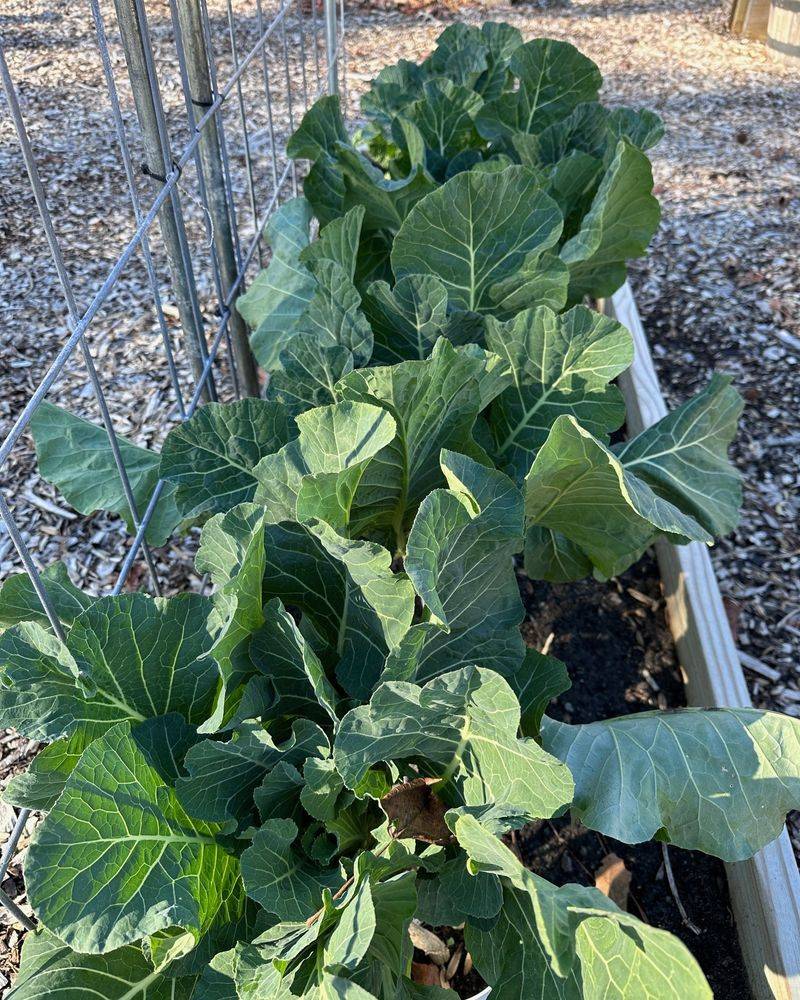
Collards are practically built for the South. They tolerate heat better than most leafy greens, and once cooler temperatures arrive in the fall, their flavor actually improves.
A light frost tends to sweeten the leaves, making late-season collards taste noticeably better than summer harvests.
Starting seeds or transplants before August gives the plants enough time to establish strong root systems before fall sets in. Collards that go in too late may not size up well before cold weather slows growth significantly.
Getting ahead of that timeline makes a real difference in leaf size and plant vigor.
Full sun is ideal, though collards can manage with four to six hours of direct light if needed. Rich soil with consistent moisture supports the large leaves these plants produce.
Mulching around the base helps retain soil moisture during late summer heat and reduces the need for frequent watering.
Watch for cabbage worms and aphids, which tend to target collards regularly. Checking the undersides of leaves a few times each week catches infestations early.
Removing caterpillars by hand or using an approved organic spray keeps damage manageable without heavy intervention.
Harvest outer leaves as the plant grows rather than pulling the entire plant at once. Collards continue producing new leaves from the center when outer ones are removed.
5. Kale Provides A Cool Season Option
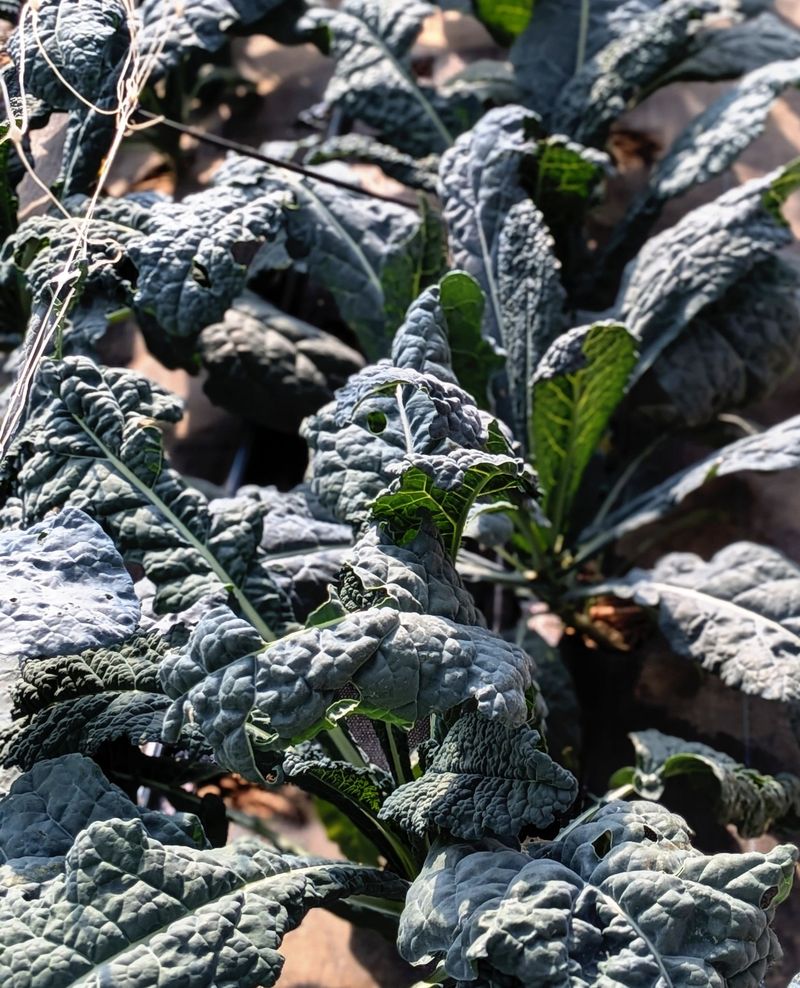
Kale planted in late July sets itself up for peak harvest during the cooler months of fall. It tolerates heat better than most people expect, especially varieties like Vates and Red Russian.
Getting plants established while warm weather remains means they are rooted and ready when temperatures drop.
Flavor is one of kale’s most interesting qualities. Leaves that mature in cooler air tend to taste less bitter and more tender than those harvested during summer heat.
That seasonal shift in flavor is one reason experienced gardeners time their kale planting to catch the fall window.
Raised beds with loose, fertile soil give kale a strong start. Consistent watering during the first few weeks after transplanting helps roots settle in without stress.
Once established, kale is fairly resilient and can handle short dry spells better than many other leafy greens.
Cabbage loopers and aphids are the most common pest issues. Floating row covers placed over young plants can reduce insect pressure significantly during the early growth stages.
Removing the covers once plants are larger and more established usually works well in most home garden situations.
Harvest leaves from the outside of the plant and work inward. Leaving the central growing tip intact encourages the plant to keep producing new foliage.
6. Carrots Benefit From A Late Start
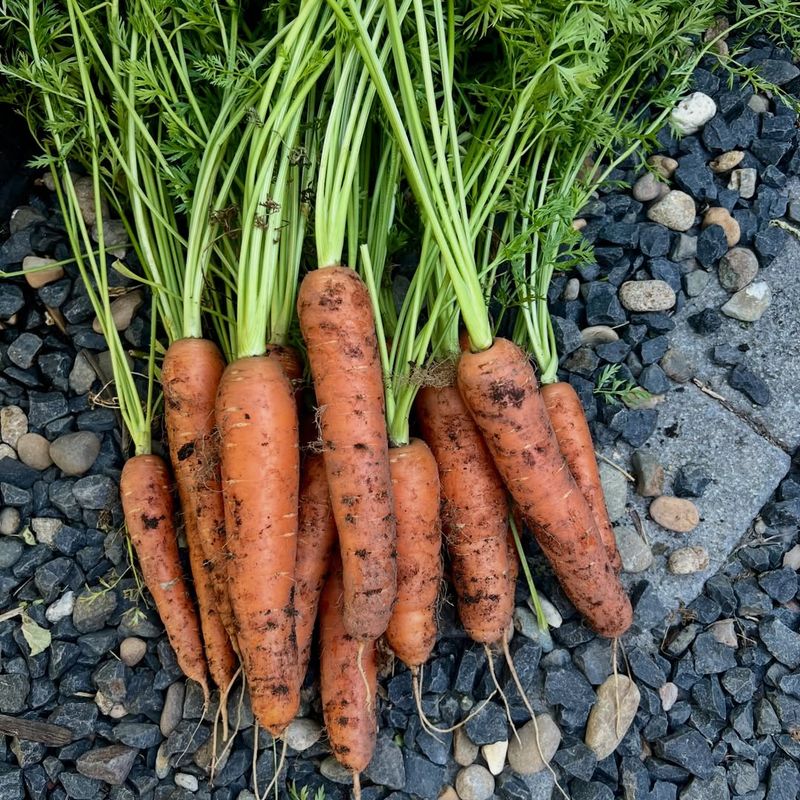
Carrots need cool soil to develop their best flavor, and that is exactly what a late summer planting sets up. Seeds sown before August can germinate during the remaining warm weeks and then mature as fall temperatures bring soil temperatures down.
Roots that develop in cooler conditions tend to be sweeter and more tender.
Germination is the trickiest part of growing carrots. Seeds need consistent moisture at the soil surface to sprout reliably, and the top layer of soil can dry out quickly in summer heat.
Covering the seed row with a light layer of burlap or shade cloth helps retain moisture until seedlings emerge.
Loose, deep, rock-free soil is non-negotiable for straight, well-formed roots. Compacted or rocky ground causes roots to fork or twist, which does not affect flavor but makes harvest frustrating.
Raised beds filled with amended soil tend to produce the most uniform results for home gardeners.
Thin seedlings to about two to three inches apart once they reach a few inches tall. Crowded carrots compete for space and rarely develop to full size.
Thinning feels wasteful at first, but the remaining plants respond by putting energy into root development rather than competing with neighbors.
Harvest timing depends on the variety. Most standard types mature in 70 to 80 days.
7. Radishes Reach Harvest Quickly
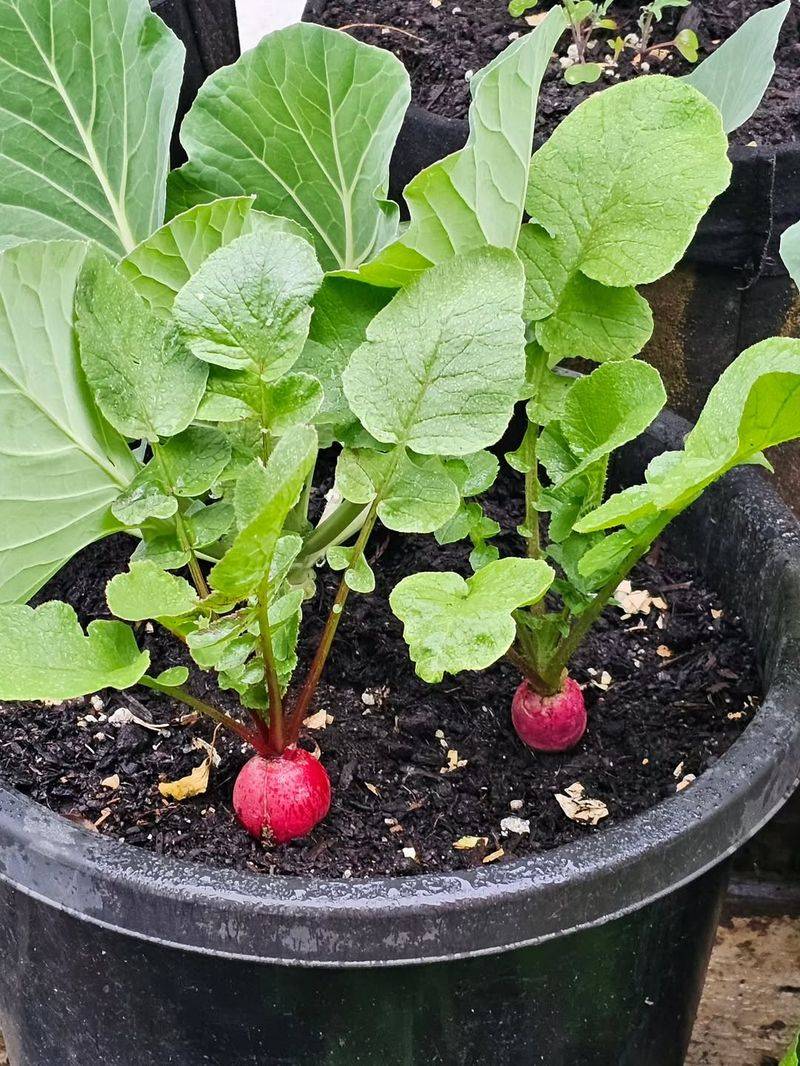
Speed is what makes radishes stand out from nearly every other vegetable. Some varieties go from seed to harvest in as little as 22 to 30 days, which means you could plant multiple rounds before August even ends.
That kind of quick turnaround fits well into any late-season garden plan.
Cherry Belle and French Breakfast are two varieties that perform reliably in warm conditions. Both mature quickly and hold up reasonably well in heat as long as soil moisture stays consistent.
Radishes that stress from dry soil tend to turn pithy and sharp rather than crisp and mild.
Sow seeds directly into the garden about half an inch deep and one inch apart. Radishes do not transplant well, so direct seeding is the right approach from the start.
Thin seedlings to about two inches apart once they emerge to give roots room to swell properly.
Full sun is preferred, though radishes can tolerate partial shade during the hottest parts of the day. In fact, some afternoon shade during peak summer heat may slow bolting and keep roots in better condition longer.
Experimenting with placement in your specific garden can reveal what works best.
Pull radishes as soon as they reach the right size. Leaving them in the ground too long causes roots to crack, become pithy, or develop an overly sharp bite.
8. Beets Grow Well For Fall Harvests
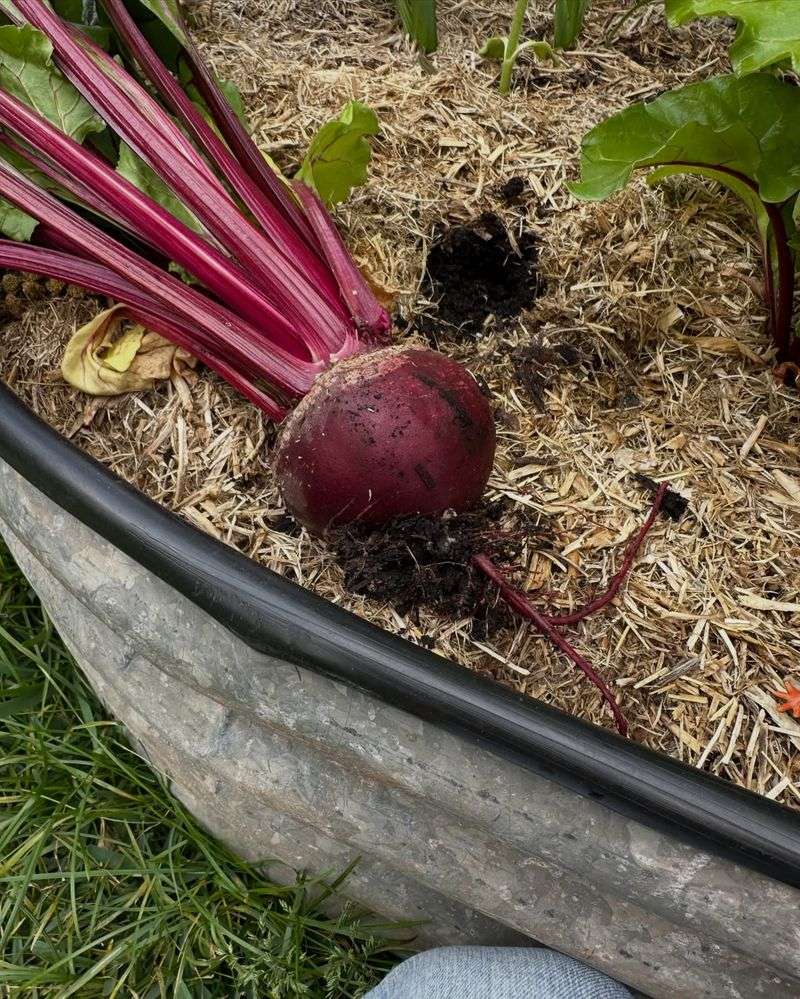
Beets planted before August can deliver a solid fall harvest that most gardeners do not take full advantage of. Both the roots and the leafy tops are edible, which gives you two harvests from a single plant.
Young beet greens are tender enough to use in salads, while mature roots can be roasted, pickled, or boiled.
Detroit Dark Red is one of the most dependable varieties for Southern gardens. It produces uniform, flavorful roots and handles moderate heat without too much trouble during the early growing stages.
Chioggia is another option worth trying, with its distinctive candy-stripe interior that surprises people who have never seen it before.
Beets prefer loose, well-drained soil with a neutral to slightly alkaline pH. Acidic soil, which is common in parts of the region, may benefit from a light lime application before planting.
Getting soil pH right before seeding tends to produce better germination and stronger early growth.
Each beet seed is actually a cluster of two to four seeds, so thinning after germination is necessary. Thin to about three to four inches between plants once seedlings are a couple of inches tall.
Crowded beets produce small, misshapen roots rather than the full-sized ones worth harvesting.
Harvest roots when they reach about two to three inches in diameter. Larger roots sometimes develop a tougher texture and a slightly woodier center.
9. Turnips Prepare For Cooler Weather
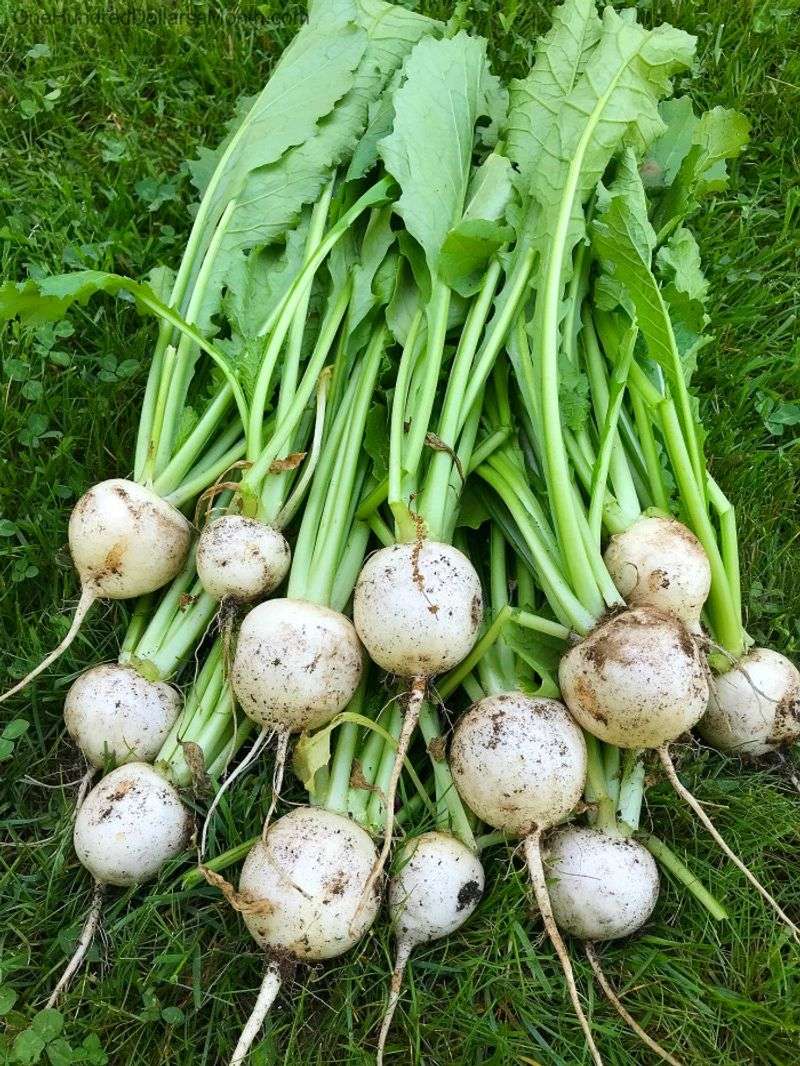
Turnips are underrated. Most gardeners overlook them in favor of flashier vegetables, but a well-timed turnip planting before August can deliver both greens and roots well into fall.
They grow fast, tolerate light frost, and take up relatively little space compared to many other root crops.
Purple Top White Globe is the most widely grown variety in the Southeast and for good reason. It matures in about 55 to 60 days, produces sizable roots, and offers decent greens along the way.
Some gardeners grow turnips specifically for the greens and barely bother with the roots at all.
Direct seed turnips about a quarter to half an inch deep into prepared soil. Broadcasting seeds thinly across a small bed and then thinning later works well for greens-focused growing.
For root production, spacing plants about four to six inches apart after thinning gives roots enough room to develop properly.
Consistent watering keeps roots from becoming tough or cracking. Uneven moisture during root development is one of the more common reasons turnips disappoint at harvest.
Mulching around plants helps even out soil moisture swings, especially during the transition from late summer heat into cooler fall nights.
Roots taste noticeably sweeter after a light frost, so do not rush to harvest everything at once. Leaving some roots in the ground after temperatures drop can improve flavor meaningfully.